We went through every detail of iOS 27 and found that Apple has officially announced the foldable iPhone.
Although iOS 27 is still in its first developer preview, it has already been recognized by the iFanr editorial team as the "most exciting iOS in five years."
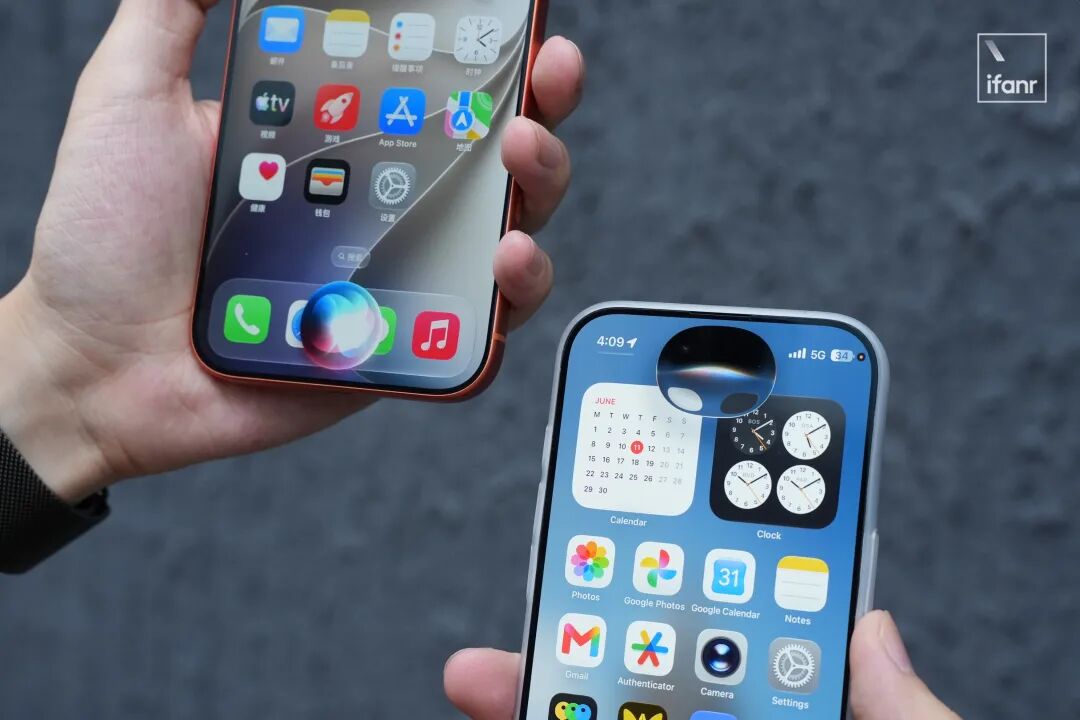
Compared with Siri AI, undoubtedly the autumn iPhone launch event in September will have a greater impact on us.
According to the most widespread leaks, the release schedule of the iPhone 18 series will be very different from previous years.
More specifically, it will be split into two launches in autumn and spring:
September 2026: Release of iPhone 18 Pro/Pro Max and the foldable iPhone Ultra
March/April 2027: Release of the standard iPhone 18 and iPhone 18e
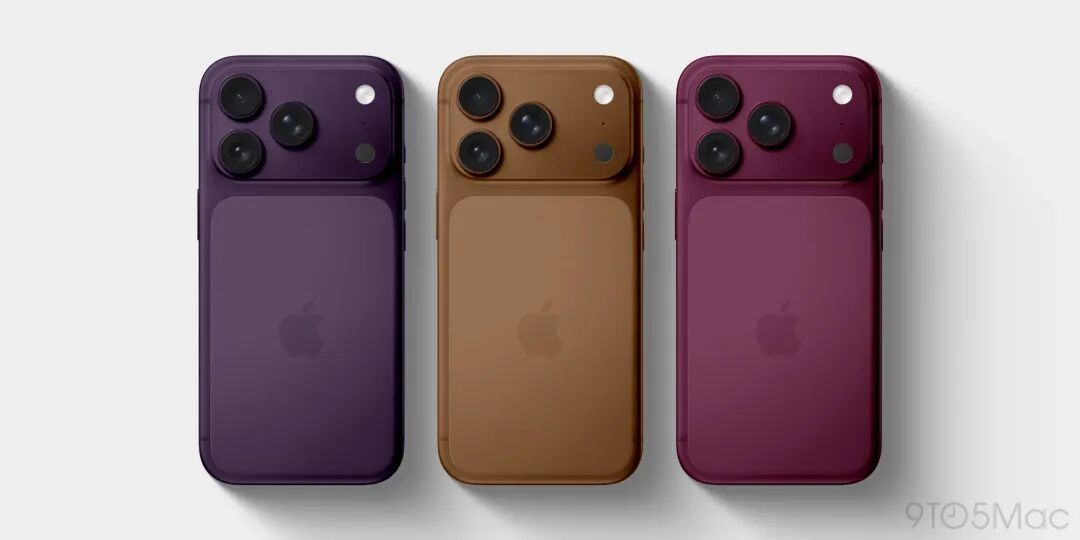
Image | 9to5Mac
Undoubtedly, the most exciting and anticipated product update is the foldable iPhone Ultra -
After all, even though Siri was two years late, the edge-lit UI still became an industry standard.
Even if the foldable screen is seven years late, who knows, it might lead other manufacturers to "reinvent the foldable screen"?
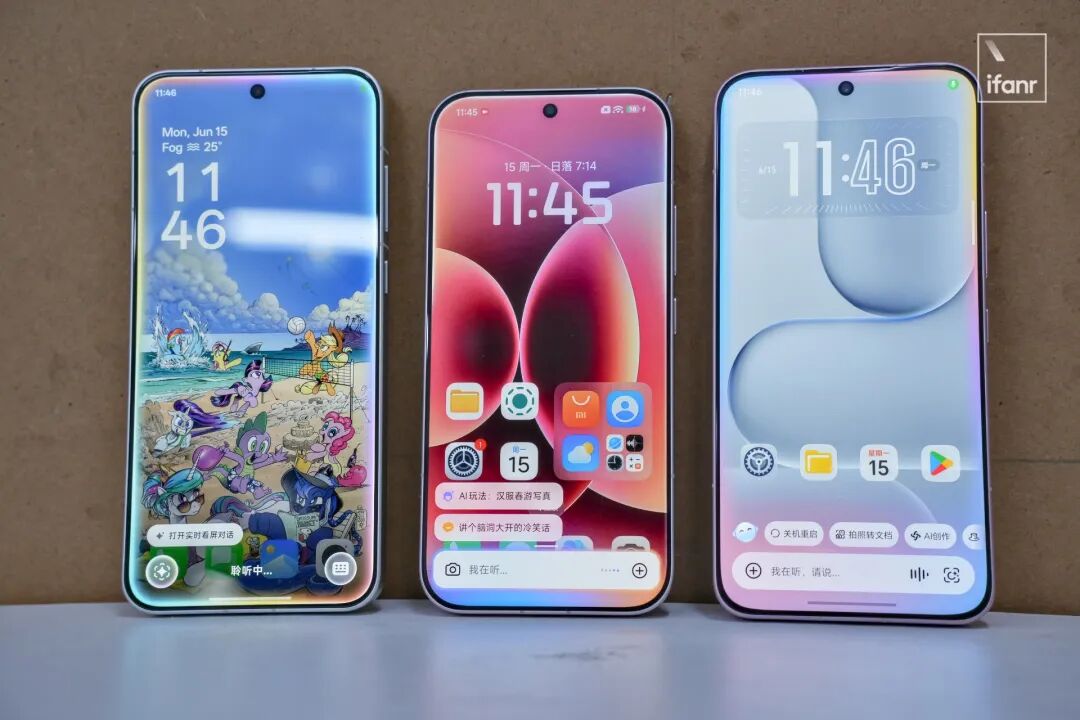
All the currently known information indicates that the iPhone Ultra will be a product with a "wide-fold" form factor that unfolds into a landscape screen.
It will most likely adopt a straight-edge + rounded-corner body similar to the Pixel Fold, as well as a dual-camera setup with a main camera and an ultra-wide camera:
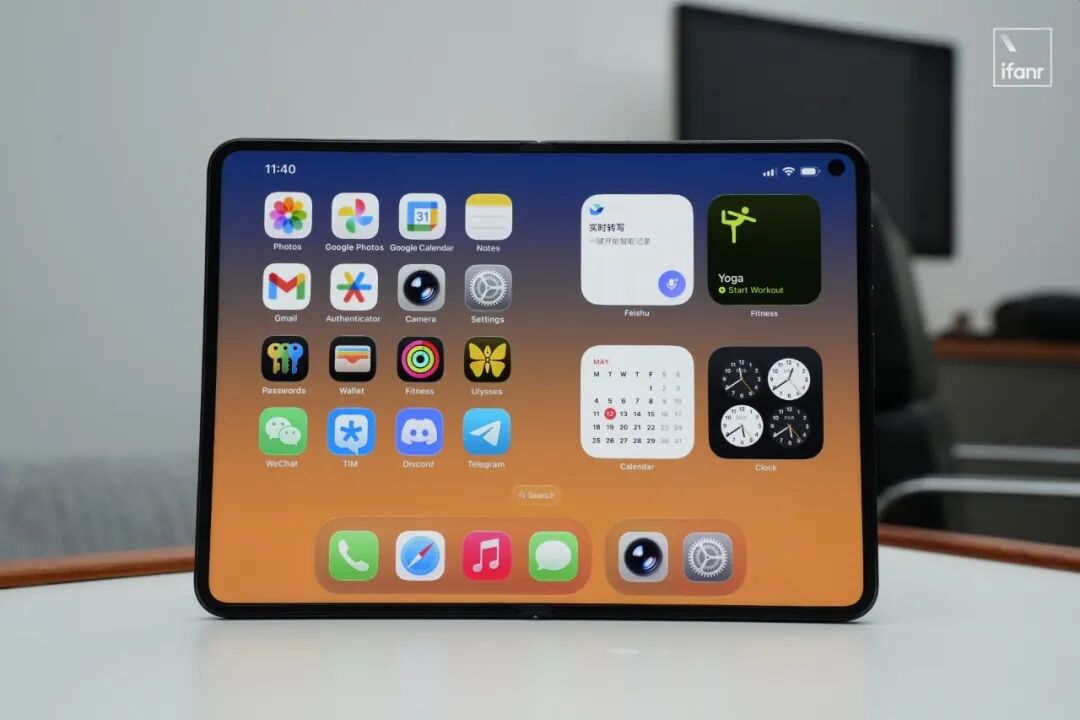
However, there are various speculations about the software aspects of the iPhone Ultra. There are countless speculations such as it becoming macOS when unfolded, simply copying iPadOS, or having a dual-boot iOS.
It wasn't until WWDC 26 that the details of iOS 27 truly revealed the existence of the foldable iPhone to us.
The Return of the Wide Screen
In the past several major versions of iOS, although Apple rarely explicitly mentioned it, you must have felt a change:
The landscape mode of the iPhone has become increasingly difficult to use.
This change started in 2020 with iOS 14, when Apple removed the "Home screen rotation" feature, locking both full-screen and non-full-screen models into a "portrait-only" world.
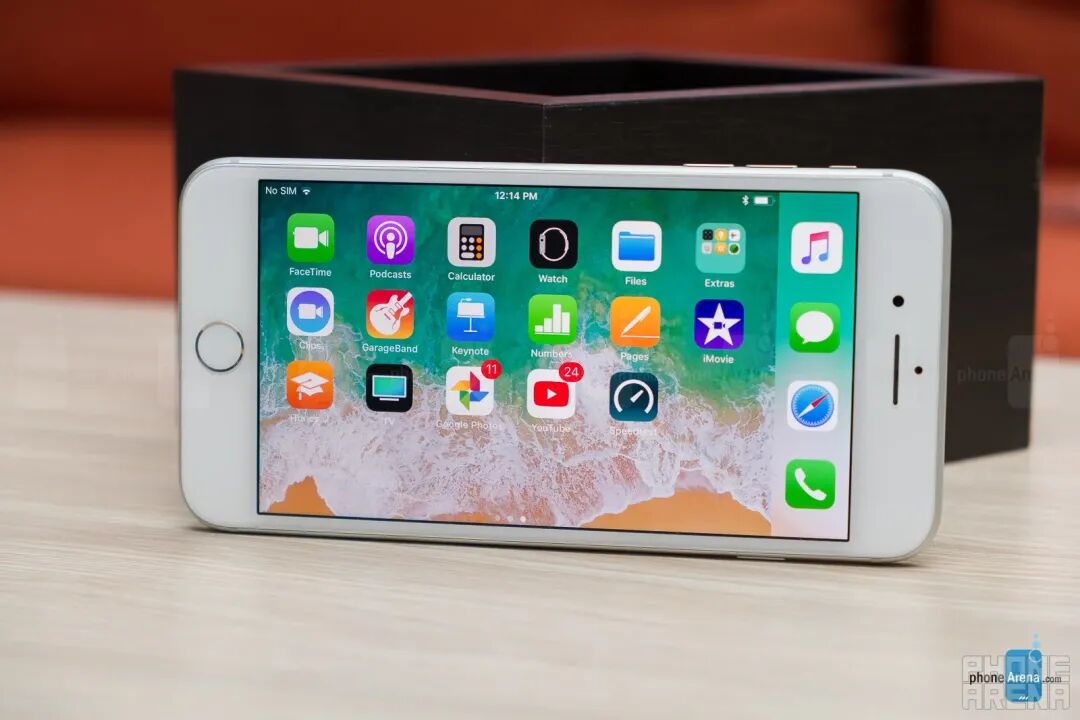
Image | PhoneArena
Subsequently, Apple made more deletions and modifications, gradually removing the landscape mode from many system interfaces and apps. This trend continued until iOS 26.
However, in iOS 27 Developer Beta 1, you'll find that many system apps that previously did not (or no longer) support landscape mode have suddenly added landscape interfaces -
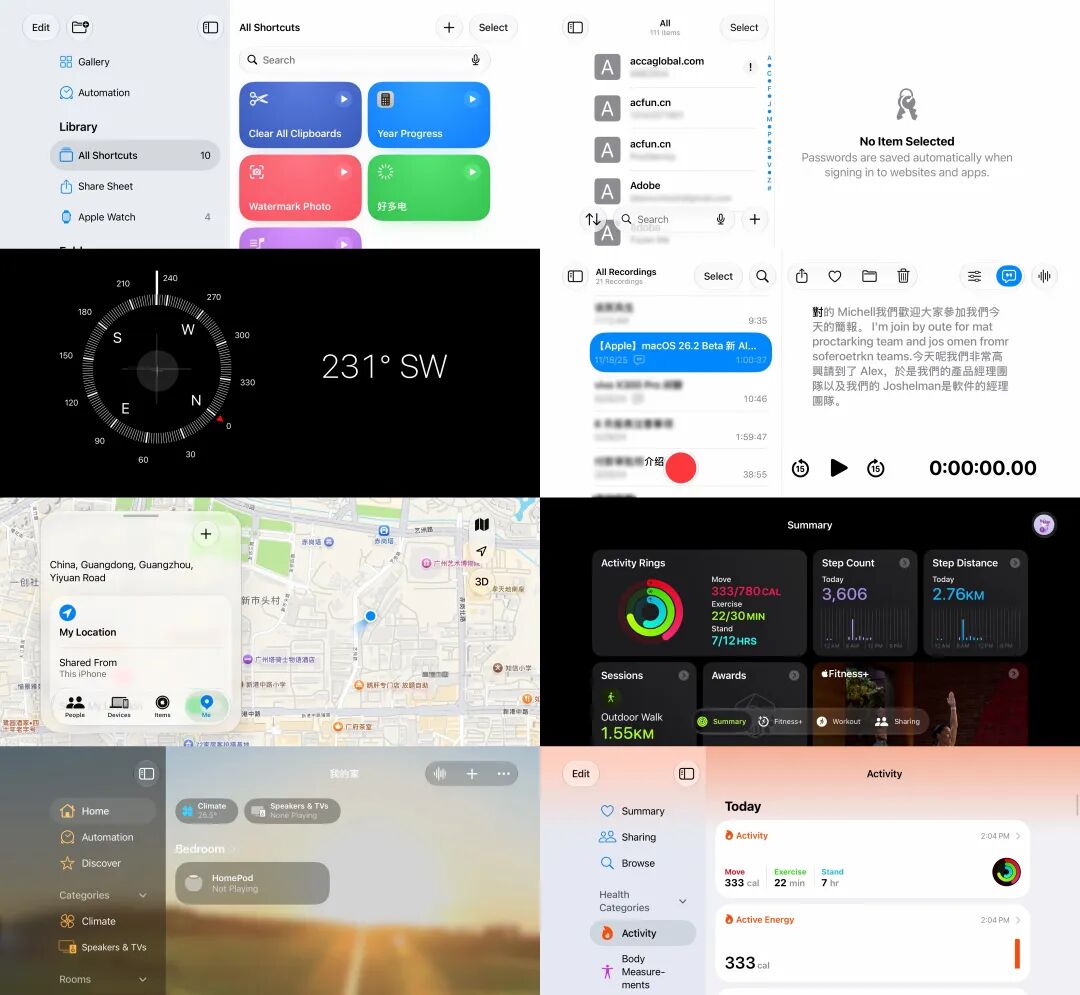
The above are all apps that did not support landscape mode in iOS 26 but support it in iOS 27
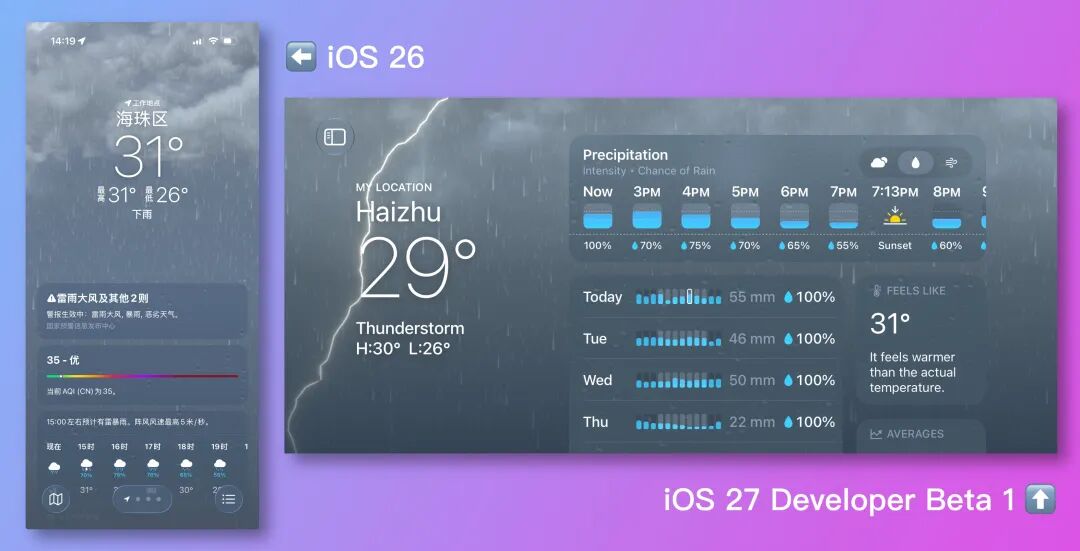
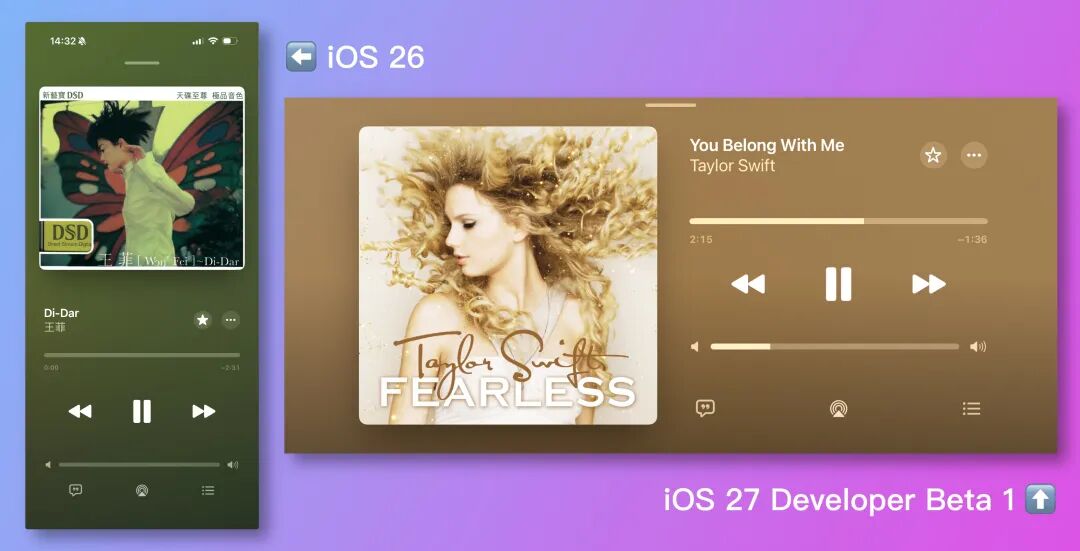
The changes in the Weather and Music apps are particularly obvious.
The former not only supports landscape mode again but also specifically designs the layout of the information section for the landscape layout:
Moreover, the highly anticipated landscape mode for the music playback interface has changed from being exclusive to StandBy to a landscape player that can be used at any time:
Considering that in various leaked materials and rumors, the inner screen of the iPhone Ultra has a rectangular aspect ratio of approximately 1:1.41, it's not surprising that various system apps are adapting to landscape interfaces in advance.
Corroborating this is that in the iPhone mirroring on macOS 27, we can not only adjust the window size but also the aspect ratio.
At this time, some apps that do not support wide aspect ratios on the iPhone also show adaptation to landscape mode:
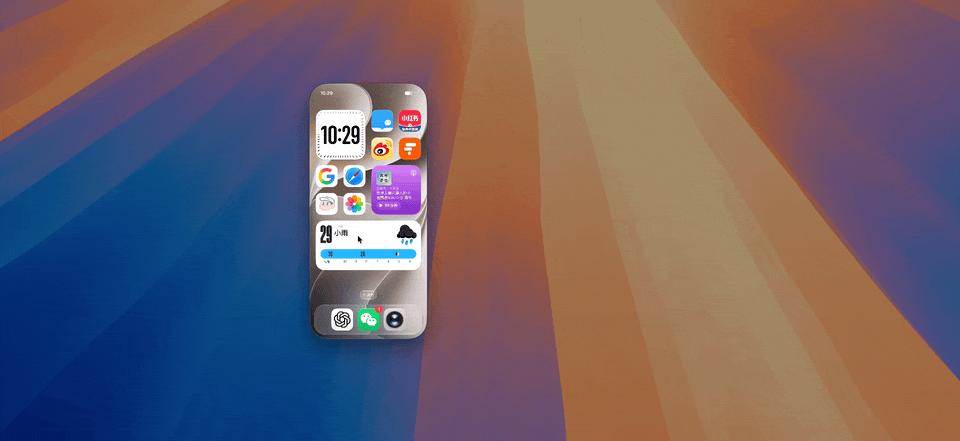
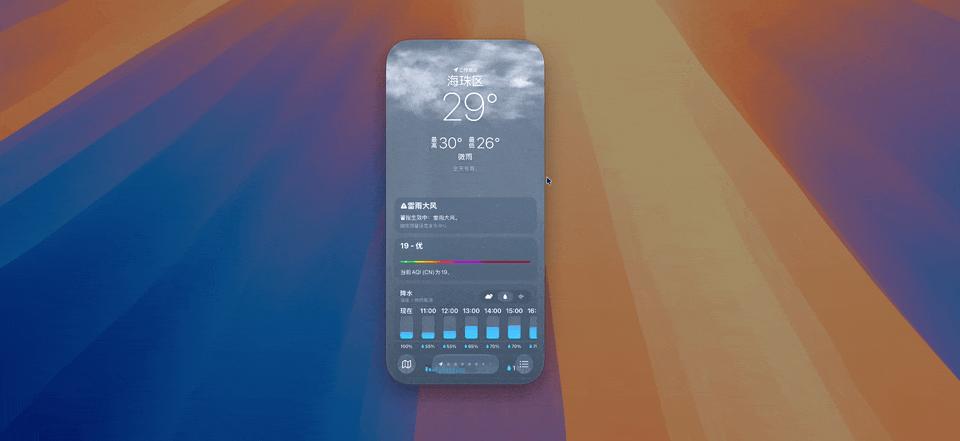
What's even more interesting is that the wide-screen layout of the Weather app during mirroring is different from the iPhone's landscape mode.
This aspect ratio is so wide that it's almost approaching a triple-fold:
In addition, with the update of Xcode 27, some developers have discovered some new parameters related to the foldable screen in the iOS 27 codebase.
According to developer Sam Henri Gold's discovery, several new parameters named foldState (folding state) and angleDegrees (folding angle) have been added to the iOS 27 system:
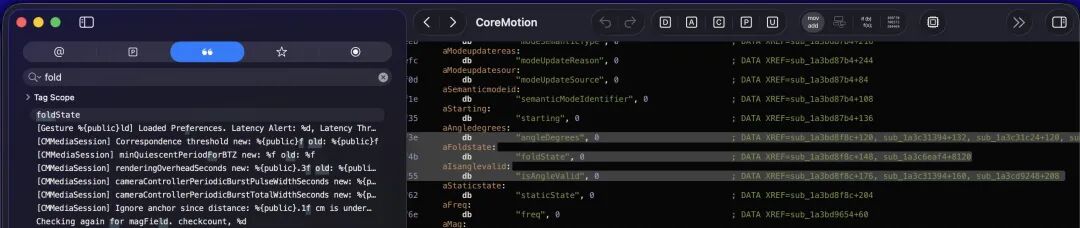
Image | X @samhenrigold
The private API MobileGestalt, which is used for iOS to query device information internally, has also added a very special parameter in iOS 27:
- _MGGetLogicalDeviceDisplayCount (Get the number of logical screens of the device)
The special thing about this new parameter is that, unlike parameters like UIScreen.screens.count which represent the "number of available displays", its naming is more related to the device's own display configuration -
Obviously, this refers to the inner and outer screens of the iPhone Ultra.
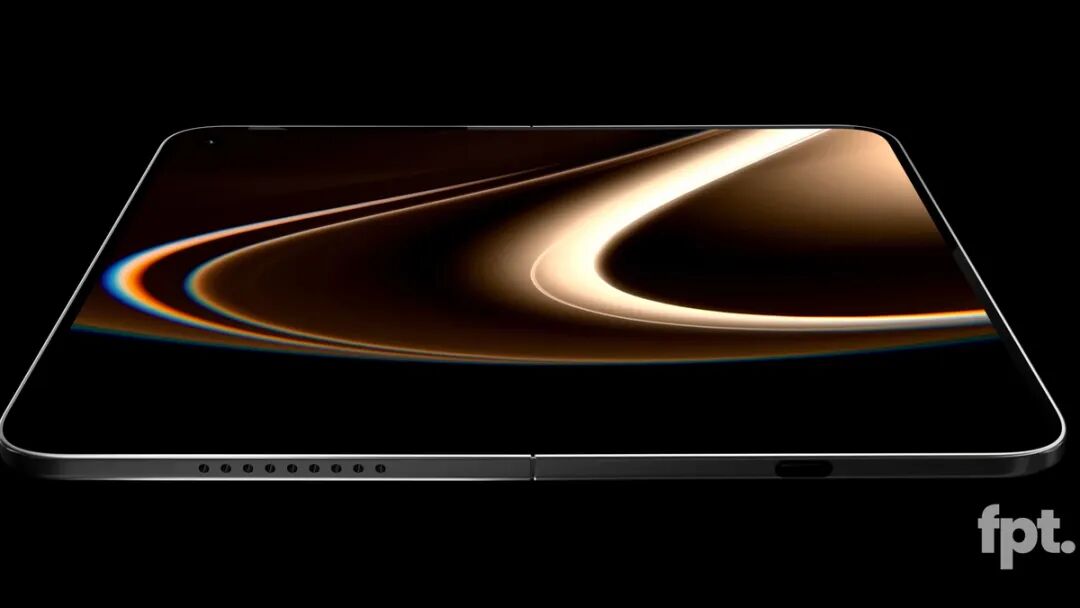
Image | YouTube @fpt.
Official Certification: PSotU
Anyway, the above are just some details in the iOS 27 Developer Beta. Strictly speaking, they don't count as Apple's official acknowledgement of the foldable screen.
So, was there a more authoritative announcement at WWDC? The answer is yes.

Image | YouTube @Apple
People usually only pay attention to the opening ceremony of WWDC, but many don't know that there are two speeches on the opening day of WWDC, not one.
In addition to the keynote speech by the CEO, there is also a speech for developers -
The WWDC Platform State of the Union (PSotU).
Image | Youtube @Apple Developer
Among them, "State of the Union" is a term in the US Constitution, referring to the "State of the Union Address" submitted by the President to Congress.
In contrast, Apple's Platform State of the Union (PSotU) is actually a very dense overview.
It aims to comprehensively introduce the features and technical details that couldn't be covered in the keynote speech and provide guidance for the sessions during WWDC.
The various new specifications and APIs that appear in the PSotU and sessions are the real things "endorsed by Apple" and prepared for the foldable iPhone.
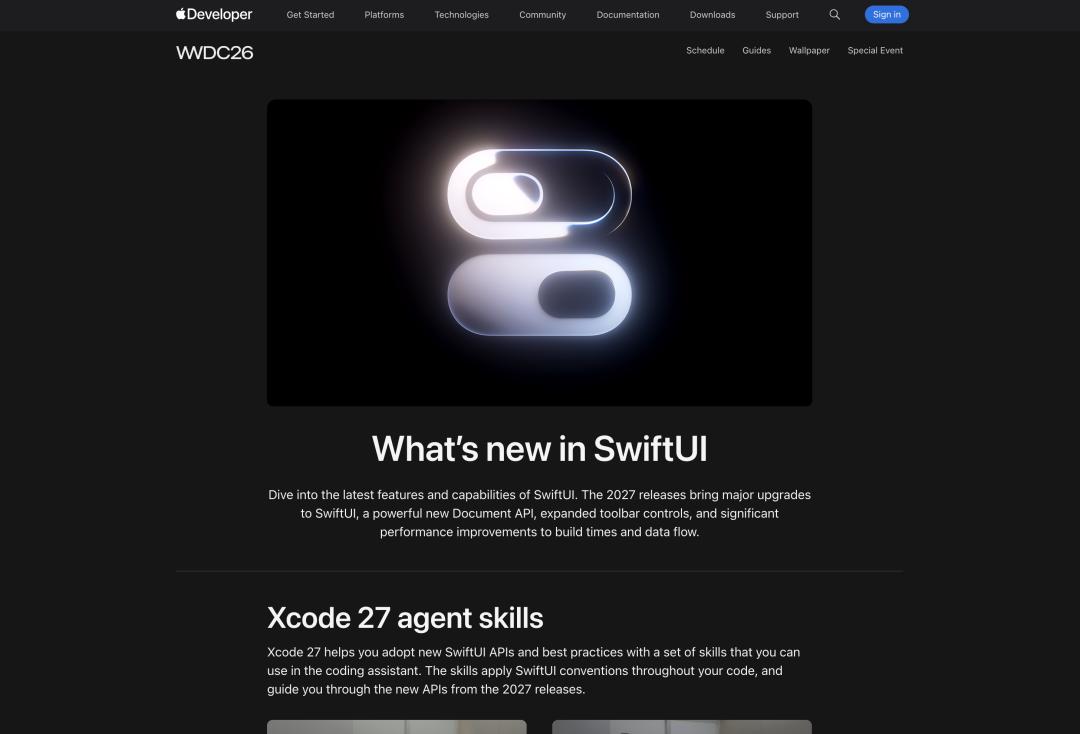
Image | Apple Developer
Firstly, Apple clearly stated its support for dynamic size adjustment of iOS apps:
This year, we will support resizing app windows when using iPhone mirroring on Mac and running iOS apps on iPad.
That is to say, in the latest SDK, as long as it is based on SwiftUI, apps can automatically adapt to display layouts of different ratios:
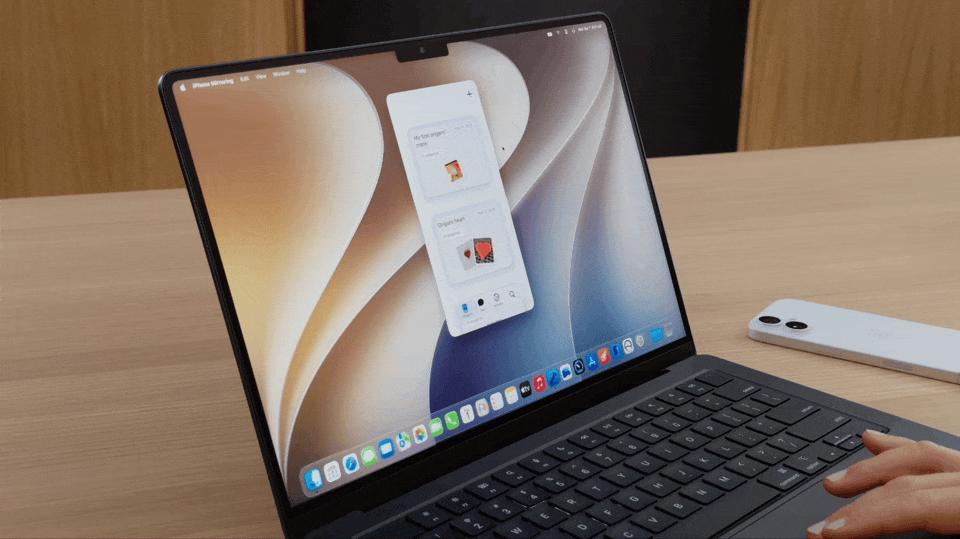
Image | Apple Developer
More importantly, in this year's PSotU, Apple officially called on developers:
Instead of designing layouts specifically for device models and orientations, you should design app layouts for a range of different sizes and aspect ratios.
The most obvious change is the toolbar in iOS apps -
Since the size of the app window is no longer a fixed value, developers should no longer limit the number and width of toolbar items.
Instead, they should set the hierarchy and order of buttons and decide which buttons should always be displayed:
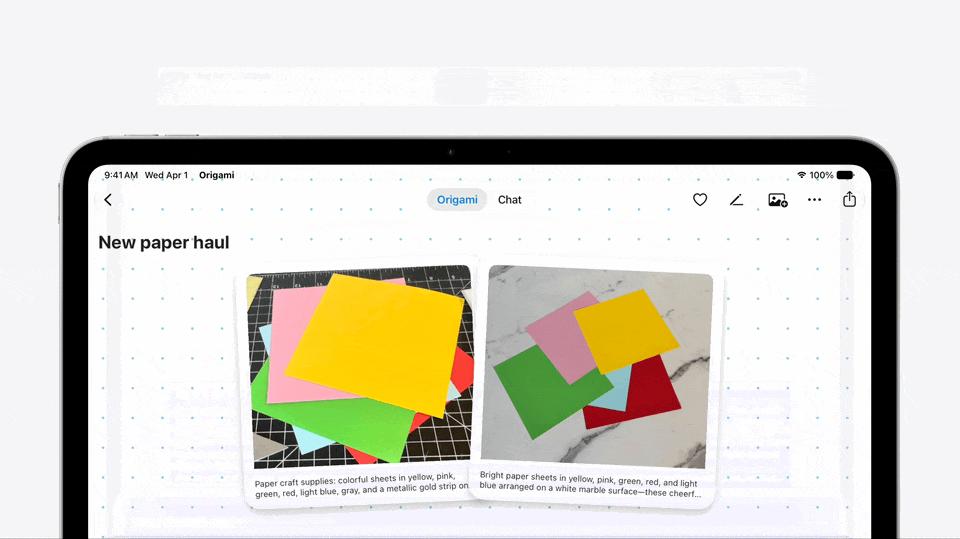
Image | Apple Developer
At first glance, this change seems to be aimed at macOS 27 and iPadOS 27, but upon closer inspection, it is also paving the way for the multi-window mode of the foldable screen and the display specifications for the inner and outer screens.
In macOS 27 and iPadOS 27, Apple has also optimized the design and rendering effect of the sidebar.
This change mainly addresses the issue in macOS 26 where the liquid glass effect of the sidebar blended too well with the background color, making it difficult to distinguish the hierarchy:
