Taking Pharmaceuticals to Space, a UK Startup Targets Self-Administered Cancer Injections
God Translation Bureau is a compilation team under 36Kr, focusing on fields such as technology, business, workplace, and life, and mainly introducing new technologies, new ideas, and new trends from abroad.
Editor's note: British startup BioOrbit is trying to use the microgravity environment in space to manufacture ultra - pure protein crystals, hoping to transform cancer drugs that originally require several hours of intravenous infusion in hospitals into formulations that patients can inject at home by themselves. If the technology succeeds, it may not only reduce the burden on hospitals but also open up a new market for space pharmaceuticals. This article is from a translation.
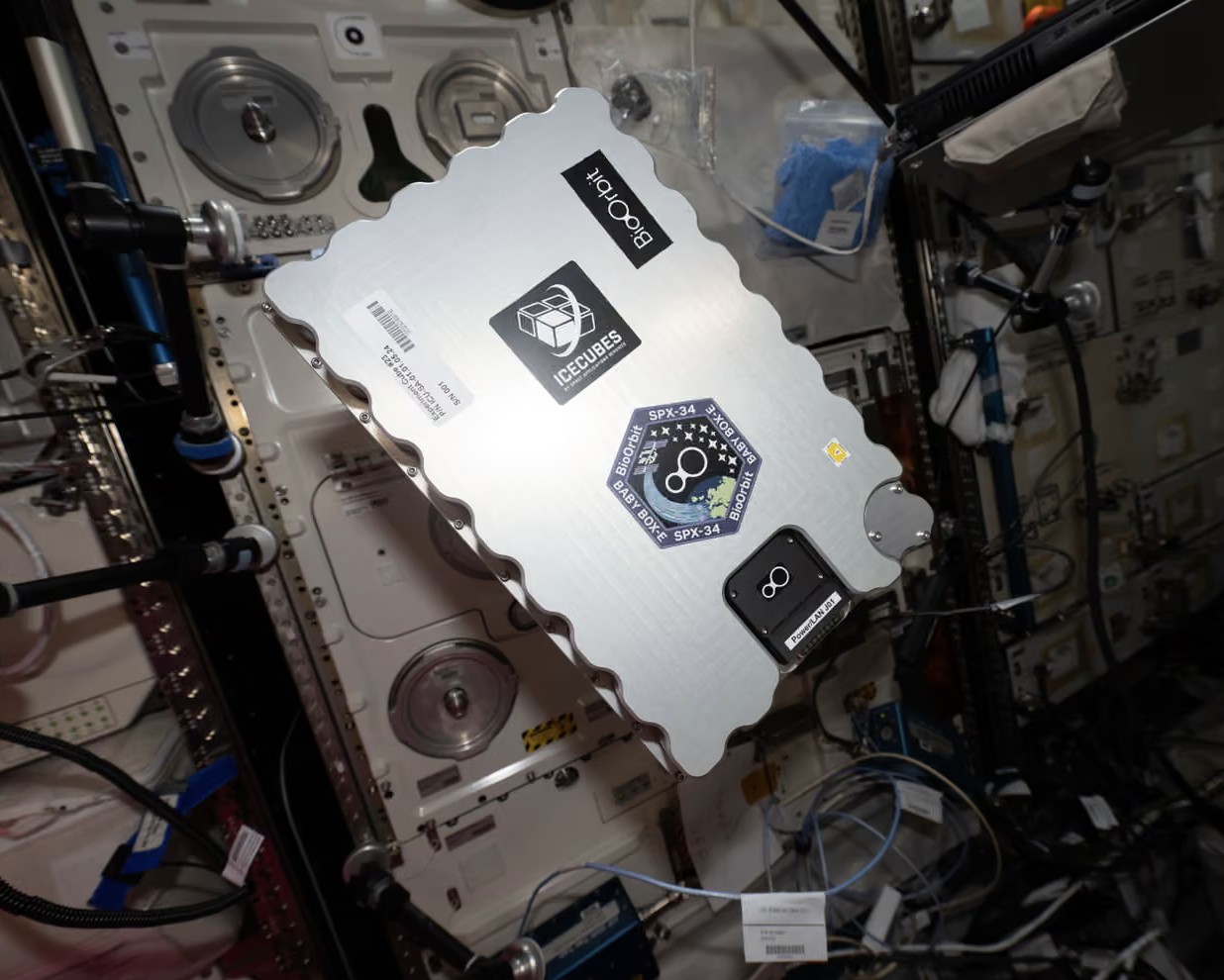
At the Kennedy Space Center, BioOrbit's Box - E device was launched on a rocket and sent to the International Space Station. Photo: S Adenot/ESA/NASA
Last month, a SpaceX flight mission carried a special cargo: a high - tech device was sent to the International Space Station to grow ultra - pure protein crystals, which will ultimately be made into cancer drugs that patients can inject by themselves.
British startup BioOrbit developed this drug crystallization technology in its London laboratory and sent a compact device called Box - E into space on a rocket launched from the Kennedy Space Center in Florida on May 15. The device is about the size of a microwave oven.
Box - E will stay in orbit for about six weeks. In the microgravity environment that is close to weightlessness, drug compounds can form crystal structures with higher purity and stronger stability, thus preparing drug formulations that cannot be achieved on Earth.
After these crystals return to the ground, they can be made into cancer drugs. Patients can store the drugs in the refrigerator and inject them at home or in the workplace by themselves, without having to go to the hospital for several hours of intravenous immunotherapy. The shelf life of these drugs is also longer.
Dr. Katie King, co - founder and CEO of BioOrbit, obtained a doctorate in nanomedicine from the University of Cambridge and had an internship at the National Aeronautics and Space Administration (NASA). She said that this orbital test is "a major leap towards large - scale production of protein crystals in space." She added that gravity hinders the formation of high - quality protein crystals.

A SpaceX rocket is launched from the Kennedy Space Center in Florida. Image source: BioOrbit
"This is especially crucial for protein drugs and antibody drugs because their molecules are very large and very flexible. Therefore, after sending them into space, the crystallization process will be significantly better than what we can achieve on Earth."
King said that cancer treatment usually requires a large dose of drugs, so the liquid medicine may become too viscous to be loaded into an injection pen. "This is exactly why these therapies cannot be used at home at present. With the help of crystals, we can prepare a formulation with a very high concentration and a low enough viscosity, so that the liquid medicine can still pass through the needle smoothly."
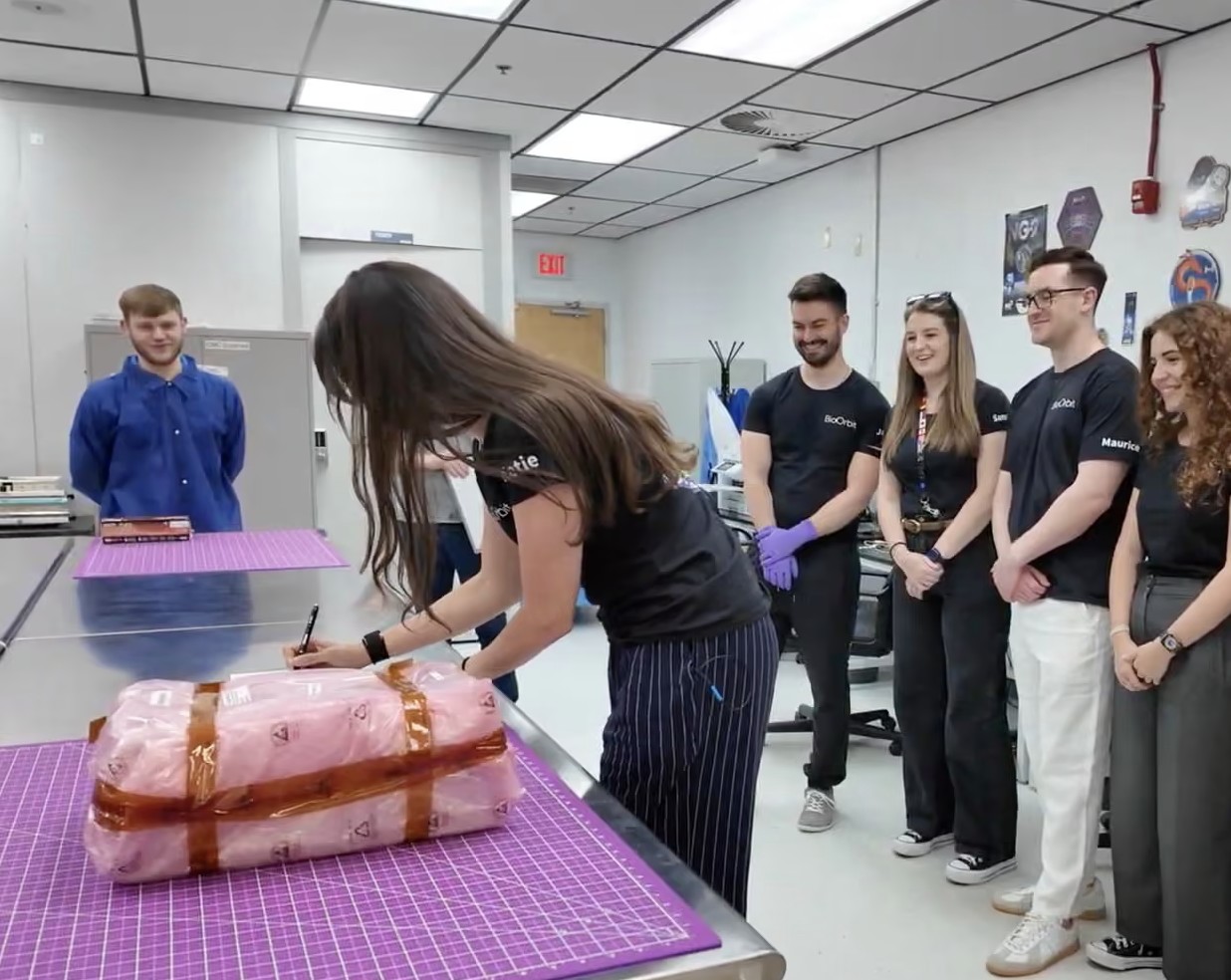
Dr. Katie King, co - founder and CEO of BioOrbit, is packing the Box - E device. Image source: BioOrbit
Hundreds of experiments carried out on the International Space Station have proven that this process is feasible.
Scientists at the American pharmaceutical company Merck prepared protein crystals for its best - selling cancer drug Keytruda, transforming the originally time - consuming intravenous infusion into a rapid injection. The US health regulatory agency approved this new method of administration in September last year.
"Box - E is the first step towards large - scale production. It will change the way of cancer treatment, reduce the number of times patients go to the hospital, and help patients receive treatment at home." said King, who is the daughter of TV host and math genius Carol Vorderman.
Although it is costly to send drugs into space, King still believes that switching to self - injection at home may ultimately save "millions or even billions" of pounds for the UK's National Health Service (NHS) and other medical systems.
Assuming the orbital test is successful, multiple Box - E devices can be stacked and combined to increase the production speed of space pharmaceuticals.
BioOrbit aims to have each device process thousands of liters of liquid per year. The company believes that just a few devices running continuously will be sufficient to meet the production needs of a blockbuster drug.
BioOrbit was founded in 2023 by King and Dr. Leonor Teles, a doctor and cancer researcher.
Last month, the company raised £9.8 million from investors. This round of financing was led by UK venture capital firm LocalGlobe and Paris - based venture capital firm Breega. The funds will be used to send the technology into orbit and develop hardware capable of large - scale crystal production.
In March this year, BioOrbit won a £250,000 contract from the UK Space Agency to manufacture drugs in a microgravity environment.
This week, SpaceX, owned by Elon Musk, released its stock listing prospectus. The document lists the manufacturing of drugs and other materials in space as a key source of revenue and estimates that the enterprise - level application market will reach $22.7 trillion. BioOrbit hopes to be a part of it.
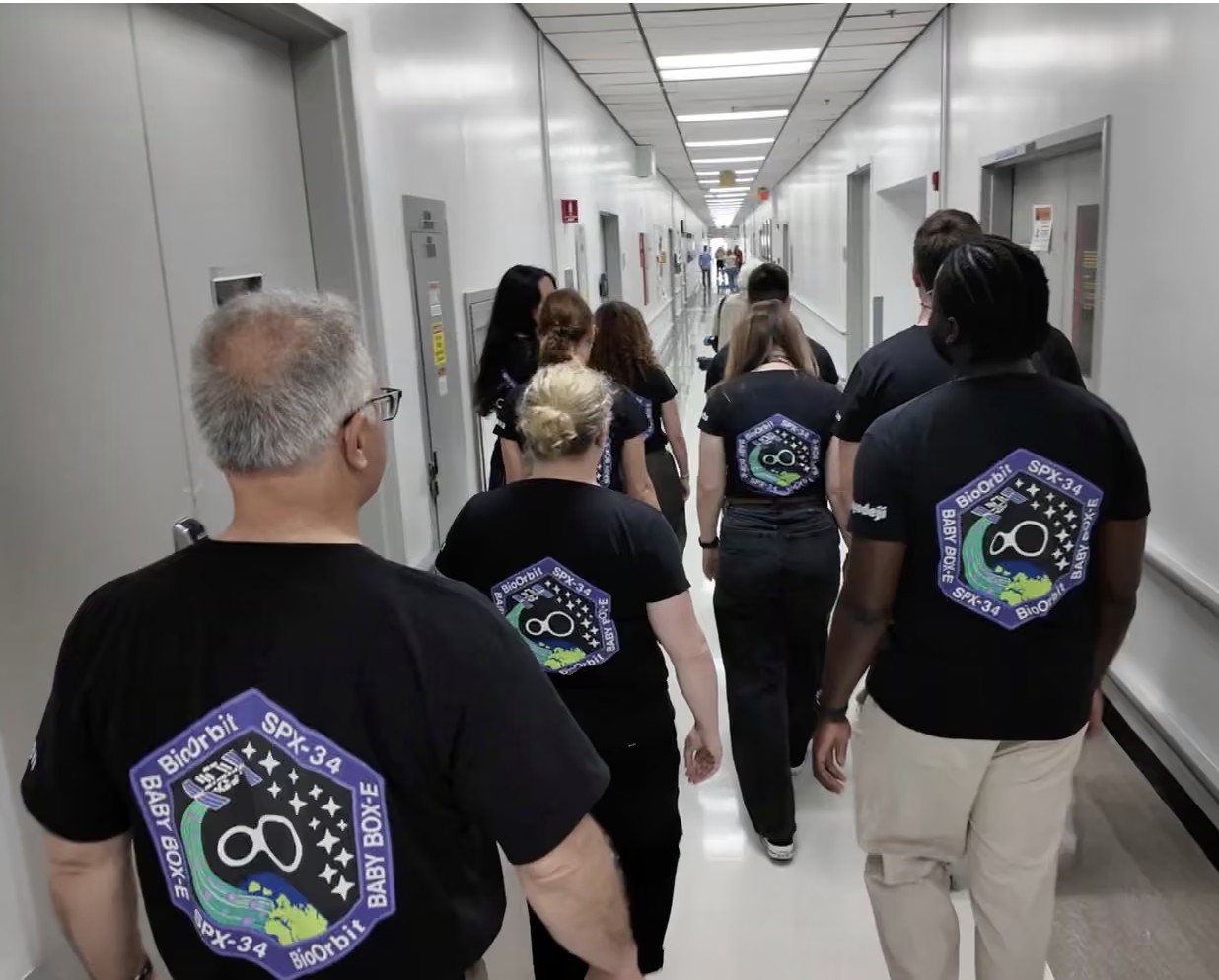
Participants in the BioOrbit mission at the Kennedy Space Center in Florida. Image source: BioOrbit
However, King said that these new cancer drug formulations will not be on the market for at least five years because they need to undergo clinical trials and be approved by health regulatory agencies.
She added that this crystallization technology can also be used for other therapies.
About 70% of the world's best - selling drugs need to be administered intravenously in hospitals or clinics.
BioOrbit will cooperate with pharmaceutical companies to produce cancer drugs and has already received cooperation intentions from several multinational groups, including those from the UK and the US.
California - based startup Varda Space Industries has also sent a small space capsule into space to process drugs and is collaborating with American biotech company United Therapeutics Corporation to develop an improved treatment for rare lung diseases.
Translator: Xiaochuan