miHoYo, KURO GAME, Hypergryph, and Perfect World are locked in fierce competition, leaving latecomers with little time to catch up.
A friend recently complained to me that all the new second-generation games he had been looking forward to had been launched one by one, but he didn't have enough time to play them.
From Arknights: Endfield launched at the beginning of the year to Another Loop recently, plus some other big-world anime games he had been playing, "checking in and harvesting" in each game every day took up a lot of his rest time.
As an editor who follows anime games, I really understand this feeling. Looking at a series of big-world products that haven't been launched yet, such as Infinity, Full Moon, Blue Star: Travel Ballad, Silver City, Varsapura, and Return Loop, I can't help but worry about the stamina of anime players.
The same problem naturally also faces anime game manufacturers. Due to the content consumption nature of anime games, although they don't have direct competitive relationships like competitive games, with the rapid emergence of big-world products and without a significant breakthrough increase in the user base, the "competition" for players' time is becoming more and more intense.
In fact, mainstream anime products have carried out different degrees of "reducing the grind and in-game purchases" in the past few years. However, the commercialization model of anime games based on character gacha fundamentally determines that it's difficult to change the design that requires players to log in every day. Anime manufacturers are trying to reduce players' fatigue from repetitive daily experiences, but at the same time, they are reluctant to "cut off their wrists" and give up the daily active users and retention rate of the games.
It's foreseeable that when more high-quality anime big-world products join the competition and the number of games exceeds players' tolerance threshold, players will have to make choices. At that time, the game's planning of players' time will also become an important design proposition.
Observing the existing anime games on the market, the practices of different manufacturers regarding players' time planning have started to diverge. In other words, different products are also trying to find a more suitable market positioning for themselves to face the increasingly fierce competition in the category.
Run the main game in the way of a side game
About two to three years ago, when the domestic anime game market was still booming, there was a round of discussions in the industry and among players about "main games" and "side games". This discussion died down after most small and medium-sized anime games became inactive.
The industry seems to believe more that to be successful, a game has to be the "main game" for players. A side game means it's more likely to be abandoned by players one day. In conversations between Jinghe and many anime game projects, very few project teams would label their games as "side games". Of course, we don't rule out successful exceptions in the industry.
Today, as the competition in the anime game category is more concentrated on top products, it's increasingly important for manufacturers to balance the content volume and the "grind level". More and more products are starting to compress players' repetitive experience time and concentrate core resources on the prominent advantages of the products, running the products in the form of "side games" to ensure long-term stable operation.
The author believes that Honkai: Star Rail and Blaze: Crescent are two representative products of this approach.
It's relatively easy to understand that Star Rail "pretends" to be a side game. As one of the few turn-based games among top anime products, Star Rail indeed has the convenience that other action products don't have.
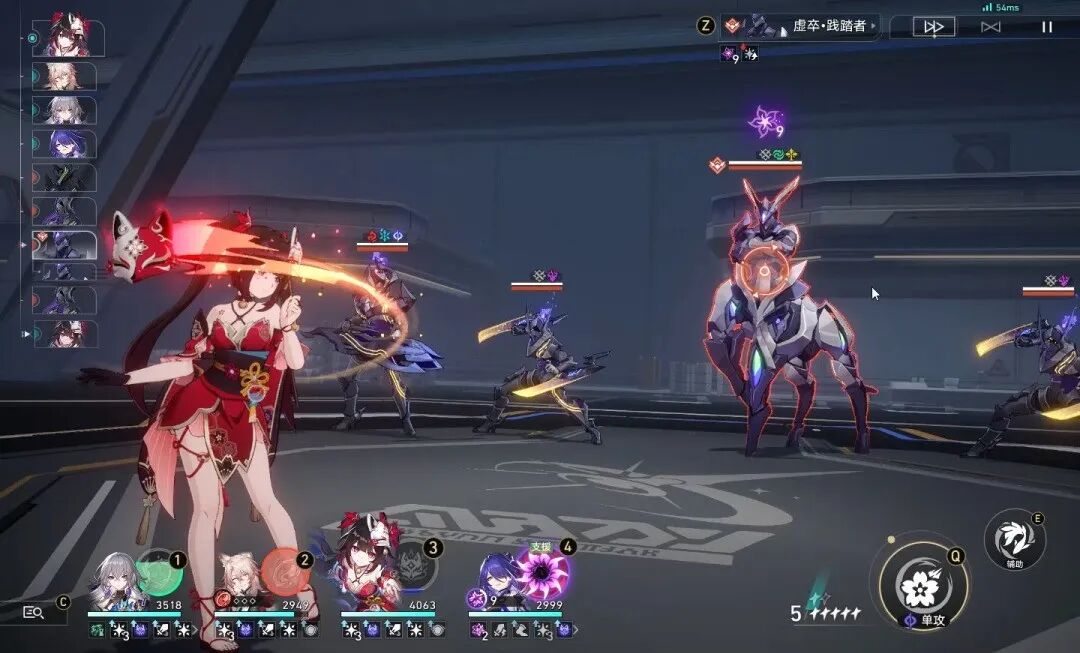
The convenience of turn-based products has become an advantage in today's increasingly competitive anime game market
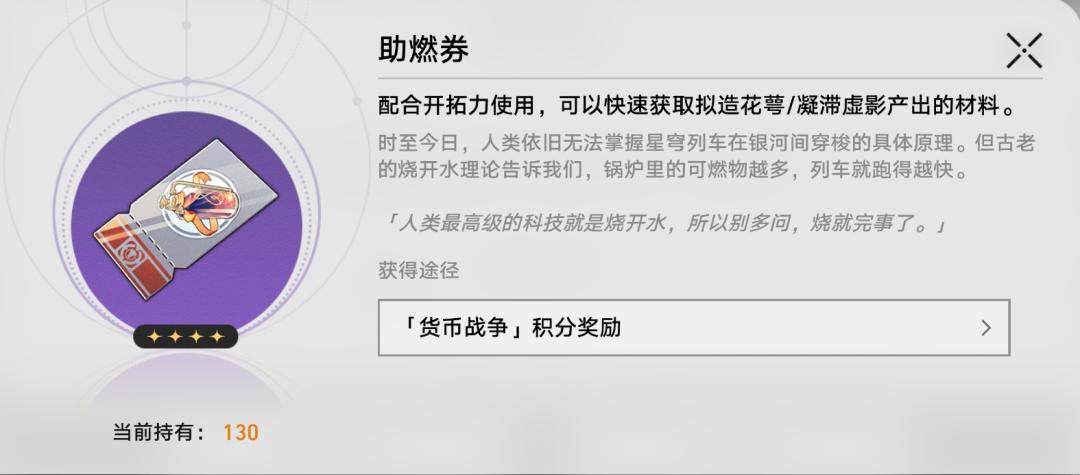
First of all, in the daily character development section, the game allows players to collect materials multiple times in a row. Players only need to click once to complete the daily tasks. At the same time, the game also provides "Combustion Vouchers" through the Currency War gameplay to help players quickly complete some high-frequency and low-difficulty material dungeons, requiring very little time for players to log in every day.
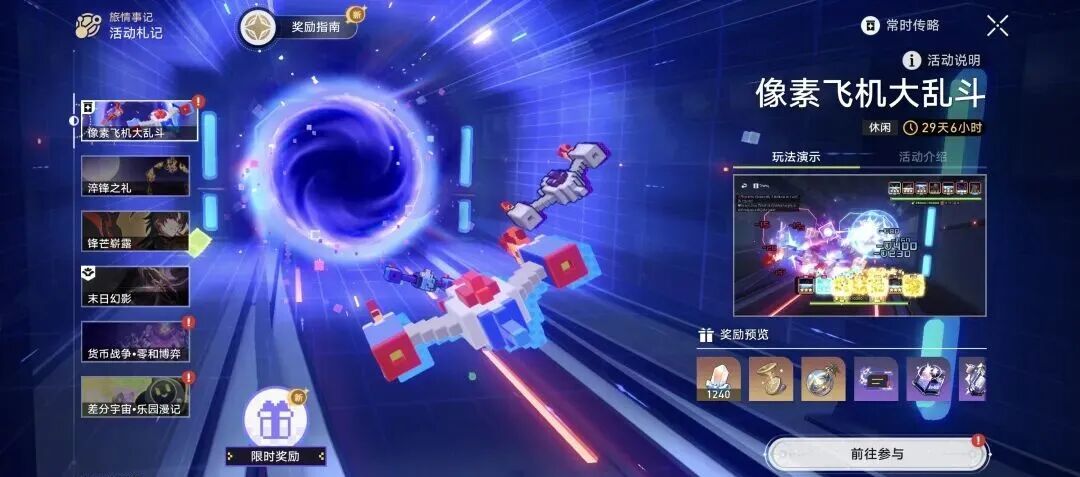
Secondly, multiple limited-time events in a single version of the game often last throughout the version. Most of the time, players can choose to complete the events and get full rewards on any days within the version, giving players relatively free time planning.
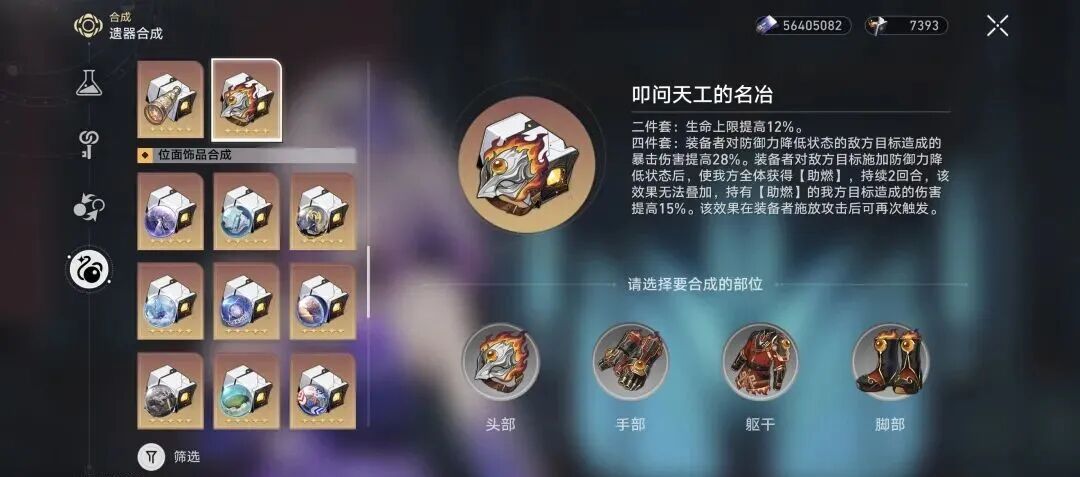
Finally, the game takes a "fast-track" approach to character development. For a long-term player of Star Rail, a character can almost be "partially developed" within one to two days after being obtained. As long as there is enough stamina, there will hardly be any bottlenecks in obtaining development materials. Relics can also be directly exchanged with previously accumulated resources. The game also has a character preview development function, allowing players to conveniently collect some development materials for characters before they are released.
After all these measures, players often joke that in the 42-day version of Star Rail, they spend one day on the main storyline and the other 41 days standing at the entrance of the Differential Universe (now there is also the Currency War). This also shows the extreme work Star Rail has done in "reducing the grind".
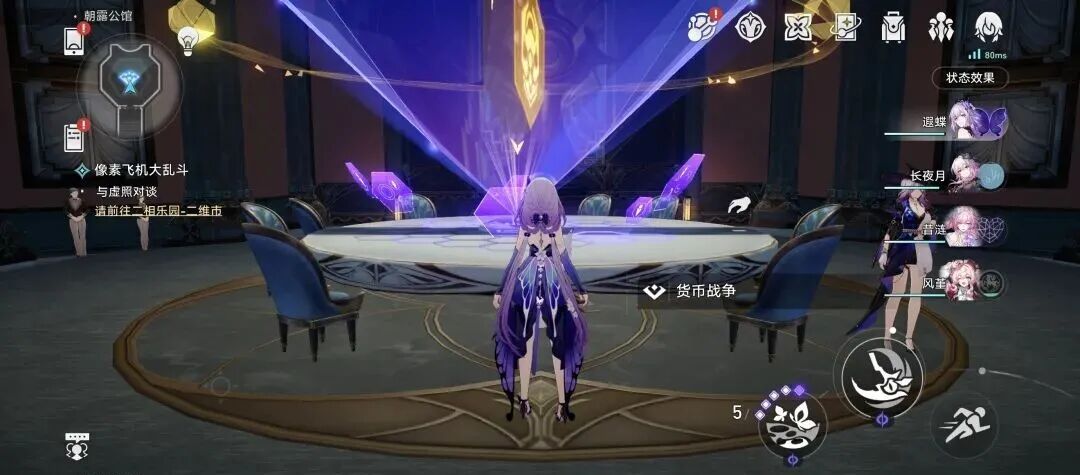
From the above points, Blaze: Crescent actually adopts a similar strategy in daily design, character development, version event planning, and even the main storyline content. Most of the material dungeons in the game can be claimed with double rewards painlessly, and most limited-time events cover half or the entire version.
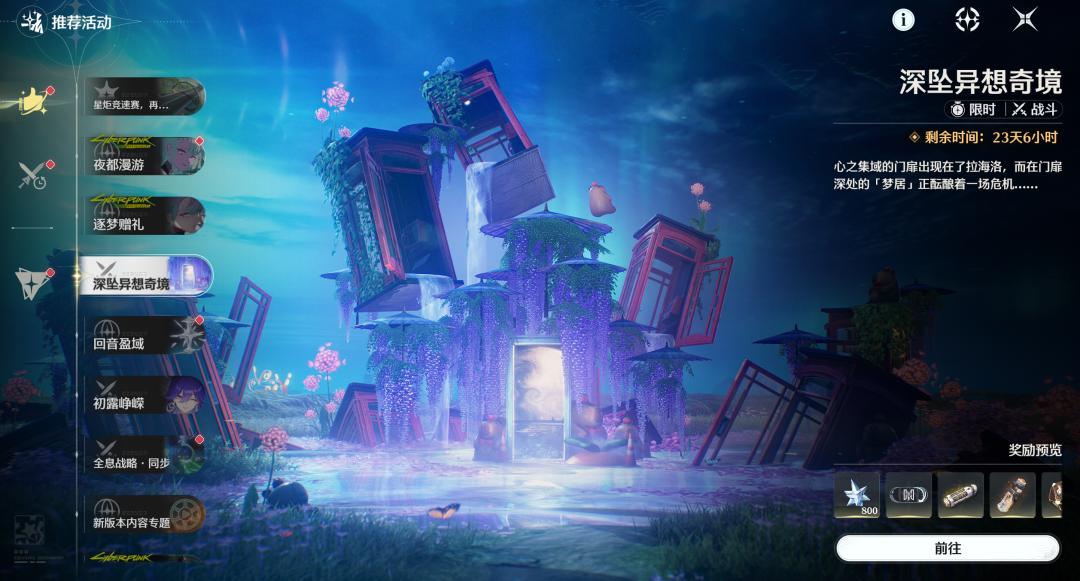
The most obvious is in the Sound Relic development aspect. The design of randomly rolled equipment development in anime games is often used to extend players' development cycle and keep them motivated to play for a long time. However, with the rise of players' demand for a lightweight experience, Blaze: Crescent also increases the output of Sound Relics through Sound Relic Settlements and Sound Relic Synthesis, and greatly reduces players' development cycle by providing a large number of items to modify the main attributes of Sound Relics, allowing players to quickly unleash the full potential of their characters after obtaining them.
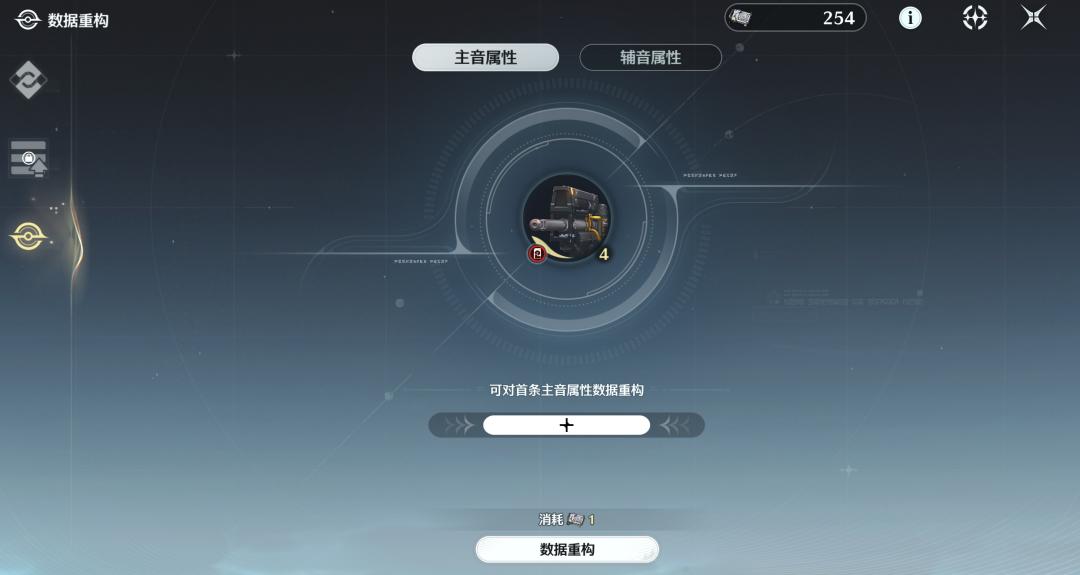
Items that can modify the main attributes of Sound Relics greatly reduce the development cycle in Blaze: Crescent
It should be noted that the design of daily activities, development, and gacha resource acquisition is applicable to the entire anime game category. It's just that Star Rail and Blaze: Crescent do it relatively extremely and prominently among top anime games. What makes the author point out that these two products are moving towards a potential "side game" positioning is the planning proportion of their storyline content and big-world design.
Since the Onfaros version of Star Rail and the Rina Tower version of Blaze: Crescent, both products have almost adopted the update method of covering the entire major version with the main storyline. Star Rail pays more attention to setting up and closing plot foreshadows, connecting the stories of multiple planets to the main line of fighting against destruction;
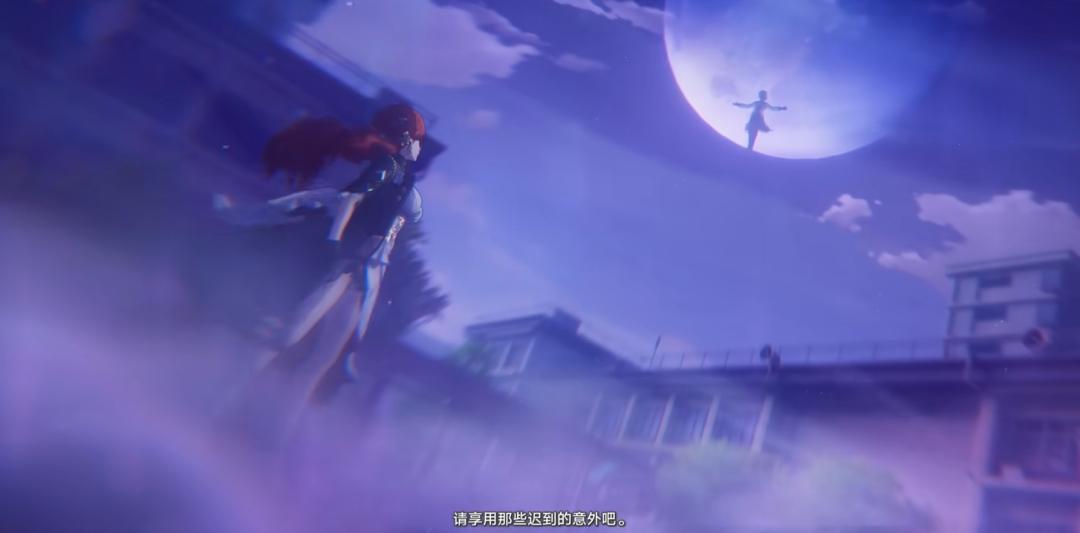
while Blaze: Crescent emphasizes the performance effect and dramatic tension, enhancing the immersion of the storyline with high-precision character models, vivid character expressions, and movie-like camera movements and frames.

In terms of big-world design, Star Rail introduced characters like Topaz who can find treasure chests in the big world early on. Blaze: Crescent is increasingly concentrating the gacha resource points. Players can quickly obtain gacha and development resources by completing specific gameplay (such as battles, puzzles, and collections) at a certain stronghold. This is actually reducing the difficulty and time spent by players exploring the big world indirectly.
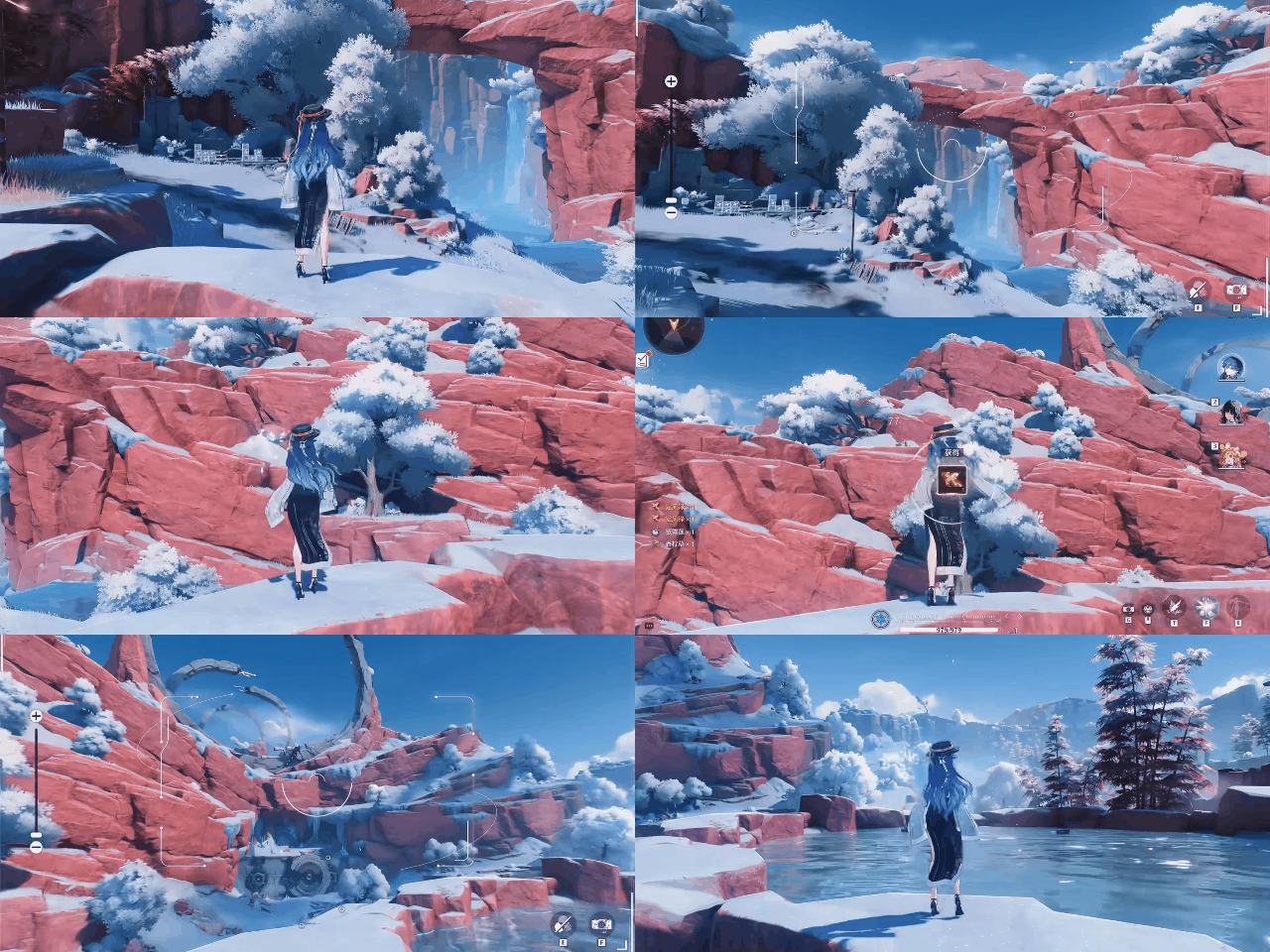
The new character Losera in Blaze: Crescent can directly collect some big-world items by taking photos
Especially in the new map Roy Icefield · Dark Field launched in the last two versions of Blaze: Crescent, we can also feel some echoes of the map design style in the 2.0 version. Scenery and wonders once again dominate the view, and the gliding function has been added to the motorcycles, emphasizing the surprise and beauty of the first impression.
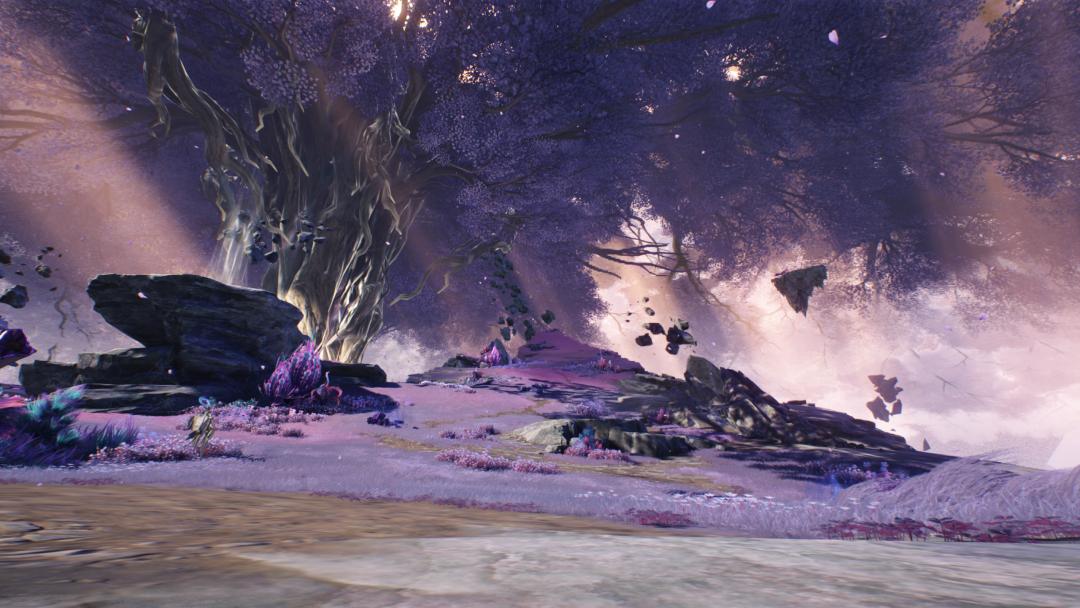
It can be said that after the freshness of gameplay in content-based games is quickly consumed by players in the early and middle stages, the storyline content ultimately becomes the core anchor point to attract players to play for a long time. An anime game industry insider told the author that from the data, core storyline performances with visual tension and well-designed characters have the most significant boosting effect on the new players and returning players in a game version.
Running the main game in the way of a side game is essentially a kind of "return to the essence". By piling up the most core content competitiveness of anime games and hitting the interest points of content-sensitive users, presenting a few hours of high-quality content like a movie can also stimulate players' strong motivation to "pay for love".
Plan by week and make steady progress
If some games use the "side game" concept to run the main game, there are naturally those that tend to control players' time more in their own hands, such as Genshin Impact and Another Loop.
Since its launch, Genshin Impact has indeed followed the trend of the times and implemented some strategies to reduce the grind and in-game purchases. However, in terms of version planning, it has always followed the content release rate on a weekly basis.
To put it simply, the duration of limited-time events in Genshin Impact versions is usually set between 7 and 14 days, but two weeks is generally the maximum (excluding activity rewards related to map exploration). This means that players of Genshin Impact basically have to spend some time experiencing the version content of Genshin Impact relatively deeply every week.
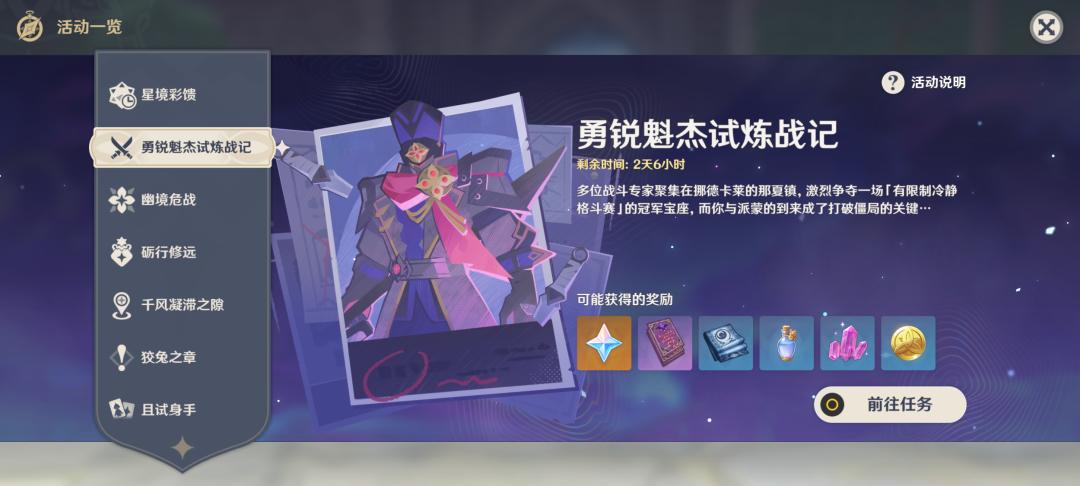
On the other hand, Genshin Impact rarely distributes simple welfare resources through sign-in activities within the version. Instead, it distributes more resources in the new maps of the game. Especially since the Moonlit Breeze version, Genshin Impact has further increased the resource distribution in map exploration and continuously gives players phased rewards according to the exploration degree of different regions, enhancing players' willingness to explore the maps.
Genshin Impact doesn't focus entirely on the main storyline and character presentation of the game. Instead, it chooses to distribute the gameplay content more evenly across various modules of the game.
A prominent example is the Sky Temple map in the Moon's Sixth version. Genshin Impact presented an important map related to the core story character "Sky Ruler" in the form of a world quest (usually regarded as a side quest by players). There is indeed a consideration that the core information is not large enough, but the Sky Temple did bring players an extremely amazing map design "showcase", especially the Chinese-style map Luyang Academy unfolds in the form of Chinese ink painting, which makes many players find a strong sense of cultural resonance.