The 300-year-old traditional industry is undergoing drastic changes, and dim sum shops are starting to compete by offering 24-hour service.
The landscape of Cantonese morning tea, which has a history of three hundred years, is changing.
In the past, people would spend half a day in the teahouse enjoying "a pot of tea and two dim sum". Now, 24 - hour teahouses stay open until the early morning, where Didi drivers sit together with young people leaving KTVs to have congee.
Time - honored brands have transformed themselves into "Guangdong specialties" with a model of Lingnan gardens and dim sum. New players are seizing customers with community stores and all - day service. From "having tea when free" to "having tea at any time", the business logic has completely changed.
Spending a Day with a Pot of Tea and Two Dim Sum: The Slow Era of Morning Tea
The essence of morning tea is deeply ingrained in the daily lives of consumers in Cantonese - speaking regions. Traditional teahouses usually open at six in the morning. Old residents sit down with newspapers, order a pot of tea and slowly "savor" it. The "Four Heavenly Kings" of dim sum, including shrimp dumplings, chicken feet, siu mai, and spare ribs, are served one after another.
That was the 1.0 era of morning tea, when the purpose of having tea was to enjoy life and socialize.
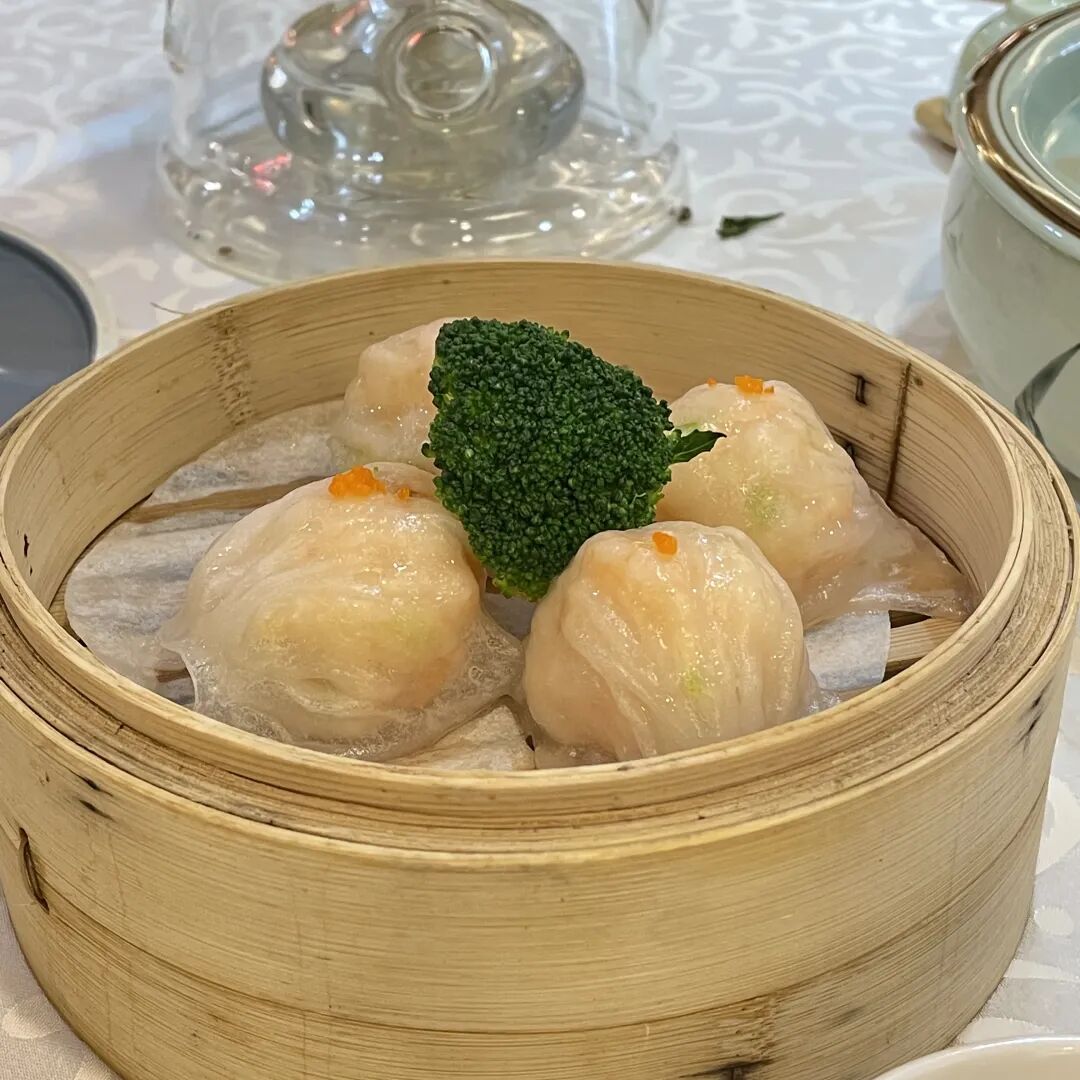
△Photo source: Taken by Hongcan.com
The typical representatives of this stage are time - honored brands with decades or even centuries of history. They share a common characteristic in their business models: they are heavy - duty operations.
Firstly, they have large areas and elaborate settings. The Panxi Restaurant, still regarded as a landmark for enjoying morning tea by locals in Guangzhou, covers an area of 12,000 square meters. It not only offers tea, dishes, and dim sum but also has pavilions, waterside pavilions, winding bridges, and rockeries, selling the experience of having tea in a garden. There are also the Nanyuan Restaurant and Beiyuan Restaurant, which are famous for their Lingnan garden styles, with blue bricks, green tiles, and upturned eaves, meeting all the traditional imaginations of Xiguan characteristics.
Secondly, they have high operation and maintenance costs. The renovation of the main store of Taotaoju on Shifu Road is a typical example. This century - old building dating back to the Guangxu period of the Qing Dynasty was once judged as a "dangerous building" due to foundation settlement and beam tilting. After the Shishang Guowei Group took over, in order to restore it to its original state, the total cost of various renovation projects reached 76 million yuan, and only the building reinforcement cost more than 20 million yuan, taking two years in total. After a period of closure at the end of 2006, the new owner of the Beiyuan Restaurant invested more than 20 million yuan for a comprehensive renovation, and just the 14 gilded screens were valued at 3 million yuan. The Lianxianglou also invested 15 million yuan in equipment updates and store decoration.
Thirdly, they adopt direct - management models, which require heavy capital and human resources. From renting the storefront, decoration, hiring staff, to purchasing ingredients, all aspects require the brand to invest its own funds. In 2006, both the Lianxianglou and the Panxi Restaurant faced restructuring and change of ownership. The new owner of the former invested nearly 70 million yuan, while the latter was acquired with 38 million yuan for 99% of the equity, and both had to bear the debt and personnel resettlement responsibilities. In these time - honored brands, the service staff are mainly "waiters" and "attendants", and the skills are passed down through the master - apprentice system, with a long training period and high labor costs.
Fourthly, they rely on master chefs. The core skills of Cantonese dim sum depend on the chef's touch, and most restaurants have their own "signature" chefs.
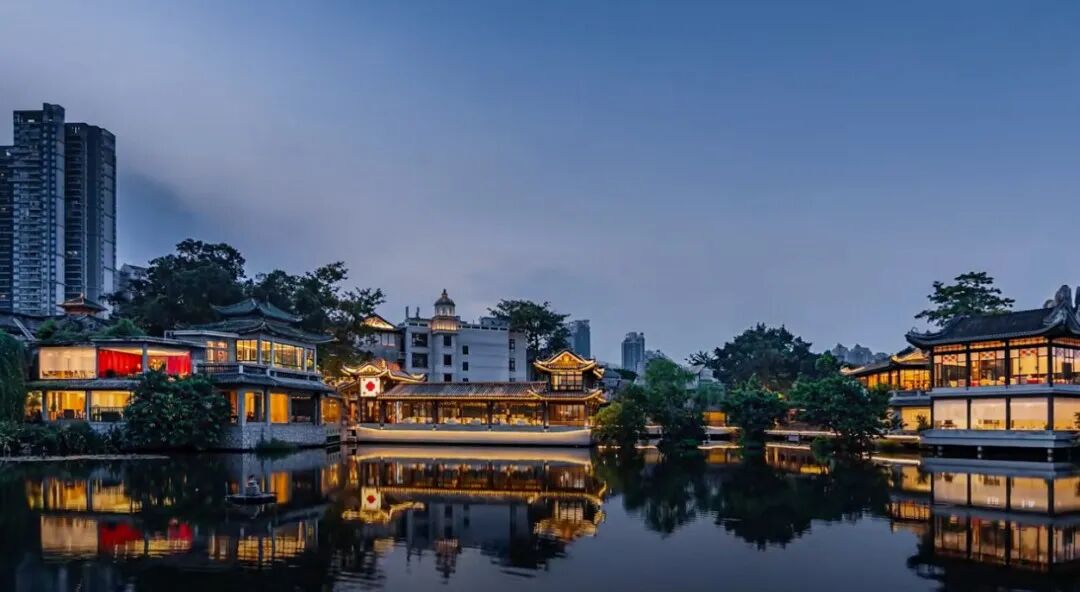
△Panxi Restaurant. Photo source: Screenshot from Xiaohongshu
The business models of these old - style restaurants mostly do not have a chain layout. Their core competitiveness lies not in replicable standardized products but in these "people" and "space". Without the same lake view, the same cultural heritage, and the same decades - experienced master chefs, it is difficult to replicate a "Panxi Restaurant" in another city.
This further confirms that in the 1.0 era of morning tea, what was sold was culture and the slow - paced lifestyle of the Cantonese people of "having tea when free". The daily popularity of these traditional teahouses was due to culture and habit in the past. Now, they are more like a cultural and tourism destination rather than a chain brand that can be easily replicated and expanded. Therefore, most of them are still based in Guangdong.
Riding on the Wave of Commercial Real Estate, Morning Tea Enters the Chain - store Era
However, there are some exceptions. For example, Taotaoju, founded in 1880, successfully transformed from a traditional teahouse into a national chain. This was already in the 2.0 era.
Many locals in Guangzhou may still remember the booming scene when Taotaoju opened its first shopping - mall store in Zhengjia Square in 2015: it set a record of 2,886 queuing numbers in a single day and had an average of more than 7 table - turnovers per day. Since then, every new Taotaoju store has been a success, and it has successfully expanded beyond Guangzhou, opening stores in cities such as Beijing, Shanghai, Shenzhen, Chengdu, and Xiamen.
Almost at the same time as Taotaoju's expansion, a group of time - honored brands also stepped out of the arcade buildings and blocks, and a group of new brands emerged. At this time, "tea" took a back seat, and "dim sum" became the star. The 2.0 era of morning tea had arrived.
A significant change was the significant reduction in store area. Brands opened stores in shopping malls, changed the decoration from the traditional Xiguan big - house style to a more fashionable one, and reduced the store size to a few hundred square meters, which is only a fraction of the size of traditional teahouses. Under this store - location logic, the way of attracting customers also changed. The natural in - store footfall could replace the old - customer - bringing - new - customer model, quickly establishing brand awareness.
The customer group also completed a generational change in this round of transformation. Different from the 1.0 era, when the main consumer groups were the elderly and families, the customer group in the 2.0 era began to shift towards a younger demographic. They may not sit for half a day for a pot of tea, but they will queue up specifically for a cage of red - rice - sausage or a crispy - skinned barbecued - pork bun. According to the official information of Chua Lam Dim Sum, the brand's customers are mostly young urban women and young families aged between 25 and 35, with more than 8 million members, and member consumption accounts for nearly 65%.
Meanwhile, the menu was streamlined from a thick book to a dozen pages, with a more concentrated SKU. High - repurchase best - sellers such as shrimp dumplings, red - rice - sausage, and barbecued - pork buns were displayed together, which not only improved the ordering efficiency but also laid the foundation for standardized production.
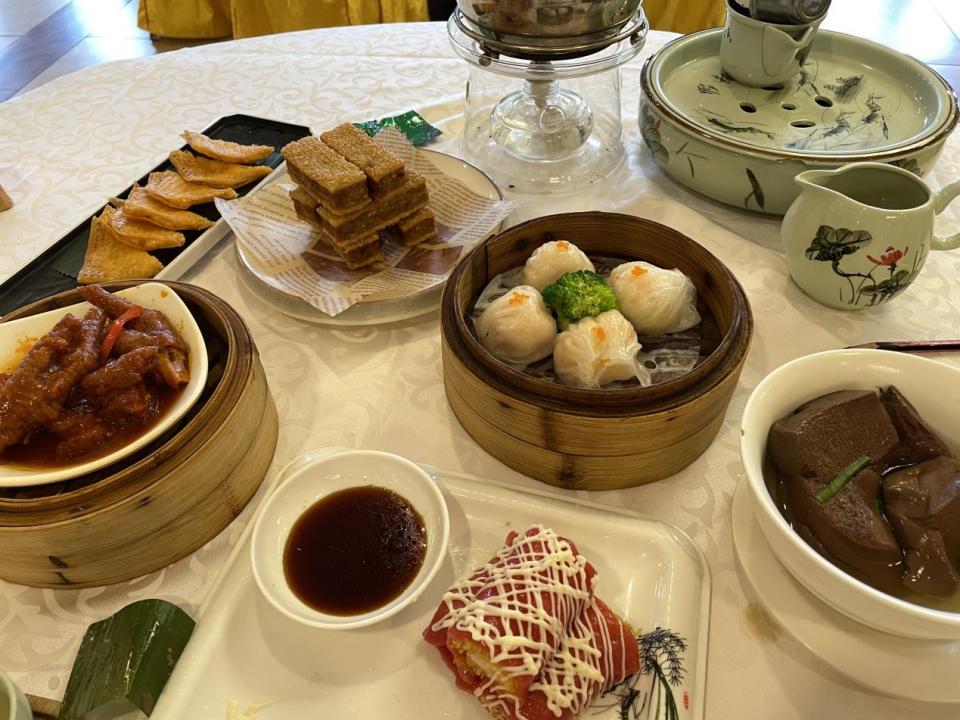
△Photo source: Taken by Hongcan.com
The standardization system was also continuously improved. "We require that dim sum must be handmade on - site," Hu Cheng, the person in charge of the Chua Lam Dim Sum division, told Hongcan.com. Many people have concerns about the issue that "hand - made production will affect efficiency". Chua Lam Dim Sum's way to balance this is to standardize the raw materials and operation process steps, with unified distribution from the central kitchen, but the final steps such as filling seasoning, handmade wrapping, pleating, and steaming must be completed in the store. This is also the model commonly adopted by morning - tea brands in the 2.0 era.
Yin Jiangbo, the person in charge of Taotaoju's catering business, has publicly stated many times that Taotaoju's operation must "combine with fashion, culture, and technology". In simple terms, an open kitchen cannot be omitted, and handmade on - site production cannot be abandoned, but data systems can be used to optimize staff scheduling, ingredient preparation, and revenue forecasting.
After this model was successfully implemented, both new and old brands found their own expansion rhythms. Taotaoju now has more than 40 directly - managed stores across the country; Diandude has opened nearly 70 stores and is steadily expanding nationwide; and Chua Lam Dim Sum, which was founded in 2018, has opened nearly 100 stores in 30 cities in just a few years.
New brands are making efforts, and time - honored brands are transforming. At this stage, morning tea not only emphasizes taste but also efficiency and stable production. The strategy in the 2.0 era has enabled Cantonese morning tea to truly go beyond "Guangdong - origin" for the first time.
Morning Tea Enters the "24 - Hour Competition" Era
Nowadays, Cantonese morning tea is far more than just moving teahouses into shopping malls. In the 3.0 era, not only the "tea" part has changed, but the word "morning" has also become a cultural symbol rather than referring to a specific time.
At this stage, Cantonese morning tea sells all - day service, multiple scenarios, and emotional value. Customers come to consume for a specific time period, a certain atmosphere, and a particular social occasion. Driven by this change in consumption habits, morning - tea brands have also started to extend their business hours.
For example, at the beginning of this year, Taotaoju's 45th store in the country opened on Jianshe Road in Guangzhou. This is its first store to add a late - night dining period, with business hours extended from the morning - tea period until 2 am. The time - honored Huiru Building restarted its evening - tea service, extending its business hours until 10 pm.
Chua Lam Dim Sum has also advanced its business hours from 10 am to 8:30 am and plans to gradually improve its all - day operation in the next two or three years.
Hu Cheng told Hongcan.com that the revenue from the morning session at Chua Lam Dim Sum accounts for about 10%. The key to all - day operation is to make corresponding adjustments according to the needs of customers at different times. For example, the main need of customers in the evening is not tea but lighter and healthier food. The advantage of dim sum is that it is suitable for solo dining or small gatherings, with a wide selection and being healthier. Therefore, the evening menu can be expanded with dim sum, and the late - night menu can be offered in smaller portions.
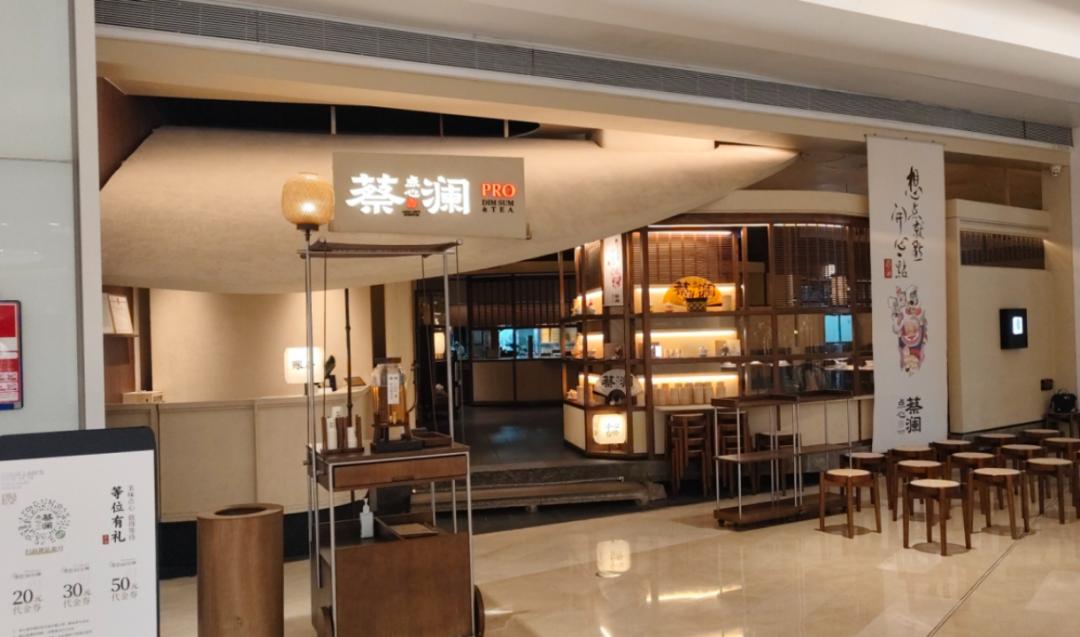
△Photo source: Chua Lam Dim Sum
In addition to well - known time - honored brands and new brands, some regional brands are also making efforts in all - day operation.
The founding team of Ziyueli·Teahouse (hereinafter referred to as "Ziyueli") found that many tea - loving consumers have no good places to socialize in the afternoon or evening. Nightclubs are not suitable for chatting, and there is a lack of affordable places in the market where people can have tea and relax in the afternoon and evening. Therefore, they positioned the brand as a 24 - hour teahouse.
The relevant person in charge of the brand revealed that although the late - night business is not as booming as the morning and noon sessions, the traffic in some stores is still considerable. In the most ideal stores, the occupancy rate during the all - night period reaches 70% - 80%. The customers include young people who want to find a quiet place to have congee after singing in KTV, Didi drivers working night shifts, and sanitation workers who have finished cleaning the streets in the early morning.
The long - established Wulin Chushen, which focuses on the community, is also exploring the 24 - hour operation model. "In the past, having tea was a morning activity, but now more people are willing to have tea in the evening as a substitute for alcohol during gatherings," said Ren Yongzhi, the brand marketing director of Wulin Chushen.
Ren Yongzhi also pointed out that the late - night traffic cannot be compared with that during the day, and simply calculating the cost - benefit may not always be worthwhile. "But this is an action of perseverance. We hope to provide a healthy option for people at night - having some tea and dim sum." In Ren Yongzhi's view, this is not a matter that can be simply measured from a business perspective.
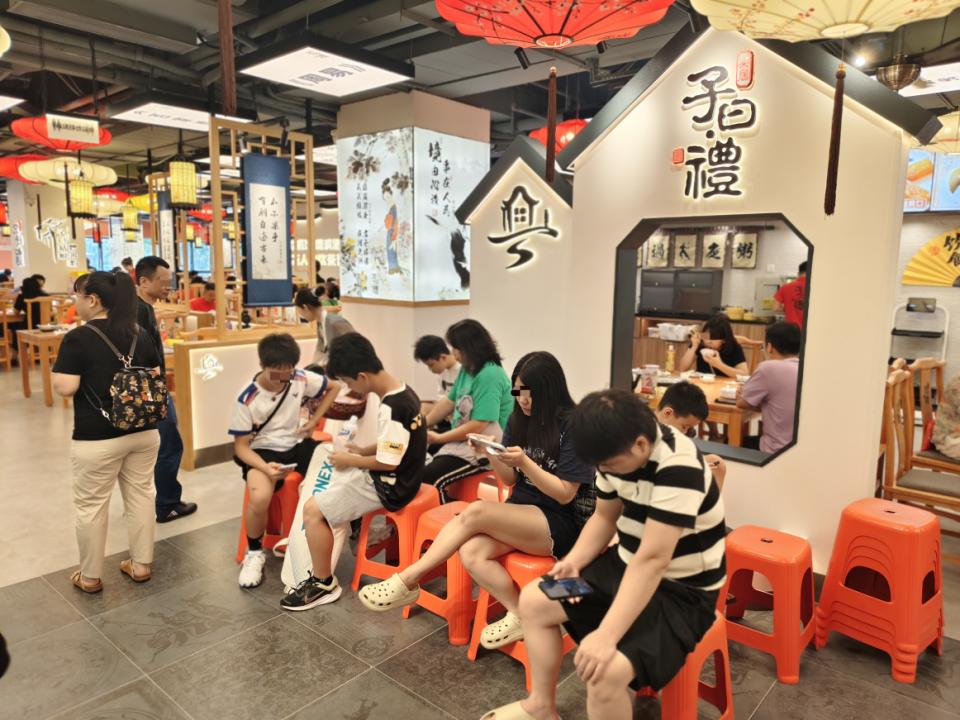
△Photo source: Ziyueli·Teahouse
Indeed, it is not easy to balance the costs of 24 - hour operation. Ziyueli has summarized a set of experiences: open different areas in the late - night period and arrange customers to sit together to reduce energy consumption; predict the traffic at different times through data and prepare ingredients in advance to reduce waste; design set menus to guide concentrated ordering and improve the efficiency of the kitchen staff.
Opportunities in the Next Decade: All - Day Service and Competing in Scenarios
What will Cantonese morning tea look like in the future?
After sorting out the development of the three eras, the industry has made several predictions. In the next decade of Cantonese morning tea, several clear trends are emerging.
More "24 - hour teahouses" will emerge, and all - day operation will change from a novelty to a standard feature. The night - time economy is continuously heating up, and the new regulations in Guangzhou regarding the on - site production time provide a better environment for all - day operation. The person in charge of the Ziyueli brand analyzed: "The competition in the entire catering industry has reached a white - hot stage. Fortunately, morning tea has a stable customer base, which can at least maintain the basic market share. In the future, there will be more all - day, scenario - based teahouses, and there will be more imitators." The consumers' demand for "being able to have a hot meal at any time" is driving more brands to extend their business hours.
The taste is changing, from being light and single - flavored to being diverse and integrated. Traditional Cantonese dim sum is mainly light - flavored, but the preferences of young people are forcing product innovation. Spicy, seafood, cheese... "The taste will not be as single and bland as before; it will become more diverse," Hu Cheng predicted. More diverse flavors are