Two years later, we revisit the marginal automakers: Yuanhang halts production, Landian joins ByteDance, and former dealerships are left empty
About two years ago, Dianchetong (ID: dianchetong233) visited five niche new energy vehicle brands, namely Ruilan, Polestar, Yuanhang, Skyworth, and Landian. In just two years, Polestar has exited the Chinese market, and no Ruilan car dealerships can be found in Guangzhou on the map. The situation of niche car companies seems to be getting more difficult.
In the surging wave of the new energy vehicle industry, some brands are leaving the market while new ones are entering, such as Xiaomi Auto, Jishi Auto, and Jixiang Auto. Among them, Xiaomi Auto has quickly grown into a leading brand among new car - making forces, thanks to the fame of the Xiaomi brand and Lei Jun.
Two years later, Dianchetong revisits the dealerships of niche car companies. This is not only to gain an in - depth understanding of the operating conditions of niche brands but also to witness the development of the domestic new energy vehicle industry with everyone.
Jishi: The store is deserted, and going global is still needed to break the deadlock
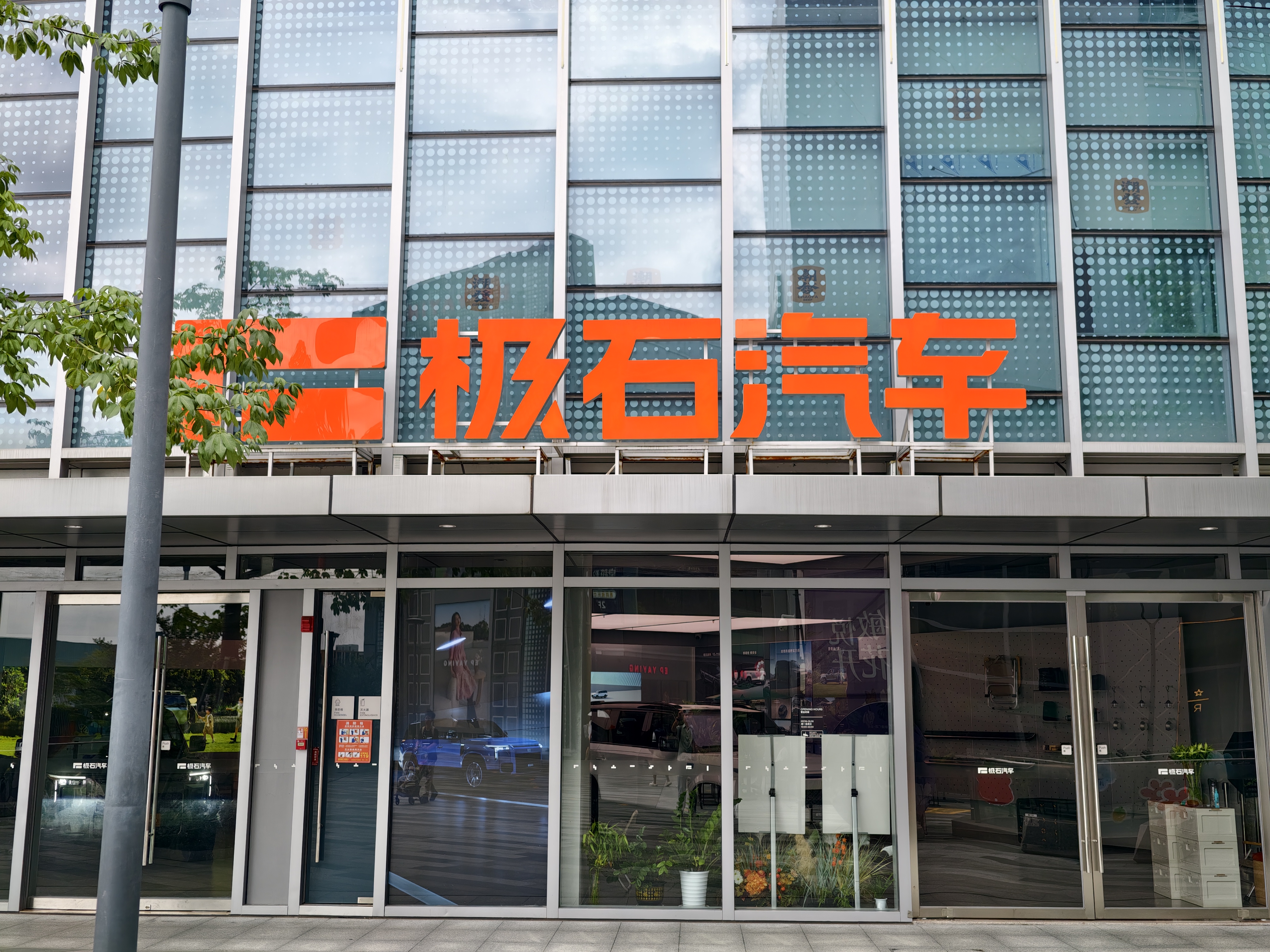
As a car brand founded in 2021, Jishi Auto obviously doesn't have the same good fortune as Xiaomi Auto. When Dianchetong arrived at the Jishi Auto dealership, the store was deserted, with no customers and only one staff member. When the staff member saw me enter the store, he immediately stepped forward to greet me and asked if I had come to look at cars.
(Source: Photographed by Dianchetong)
In May this year, Jishi Auto delivered 2,052 vehicles, a year - on - year increase of 66%. The goal is to deliver 30,000 vehicles for the whole year. Considering that Jishi Auto delivered 15,318 vehicles in 2025, it is quite difficult to double the sales this year to achieve the goal. The good news is that, according to Jishi Auto's official statement, the brand is developing well in the overseas market.
Compared with the Chinese market, which is full of giants and has intense competition, the overseas market has less intense competition and is more suitable for Jishi Auto. In recent years, domestic car companies have collectively gone global. Brands like BYD, Chery, and Geely have an increasing proportion of overseas sales. New - force brands such as Xiaomi, Li Auto, XPeng, and Leapmotor are also accelerating their pace of exploring overseas markets.
In the view of Dianchetong (ID: dianchetong233), the domestic market offers too little development space for Jishi Auto. Jishi Auto itself doesn't have the strong brand appeal and cohesion like Xiaomi Auto, so going global is the only hope. In the Middle East, Jishi Auto, which focuses on off - road vehicles, has a large development space. It can use its configuration and price advantages to compete with traditional luxury car brands such as BBA.
Landian: The store has moved. Is transformation the only way out?
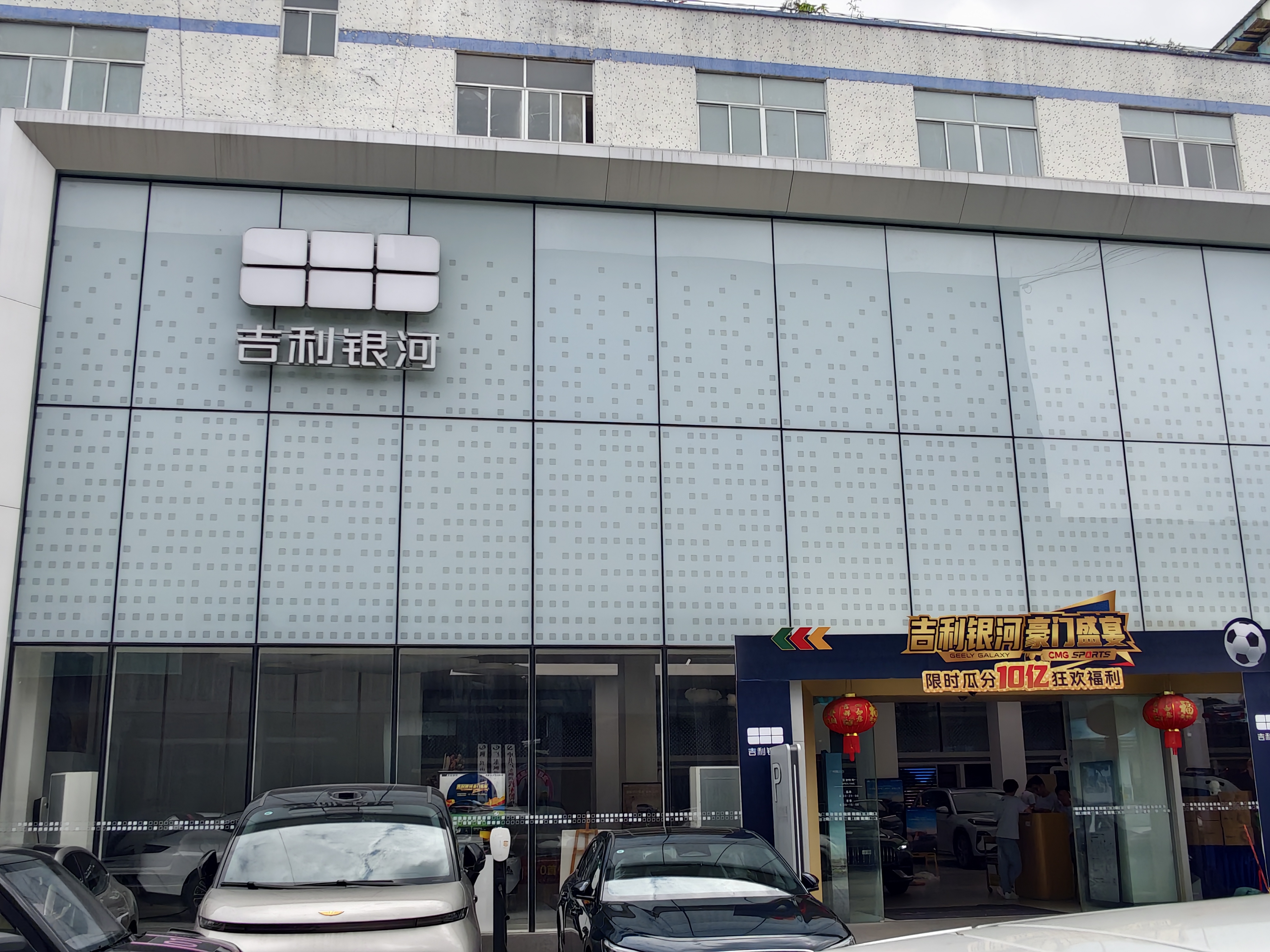
When visiting niche car brands, just like when visiting hydrogen refueling stations, the most headache for Dianchetong is map navigation. Due to the low popularity and small traffic of these car companies, the information is updated extremely slowly. The map software showed that the Landian car dealership that Dianchetong visited two years ago was still in operation. However, when Dianchetong arrived at the scene, it was found that the once bustling Seres Landian dealership had become a Geely Galaxy brand dealership.
(Source: Photographed by Dianchetong)
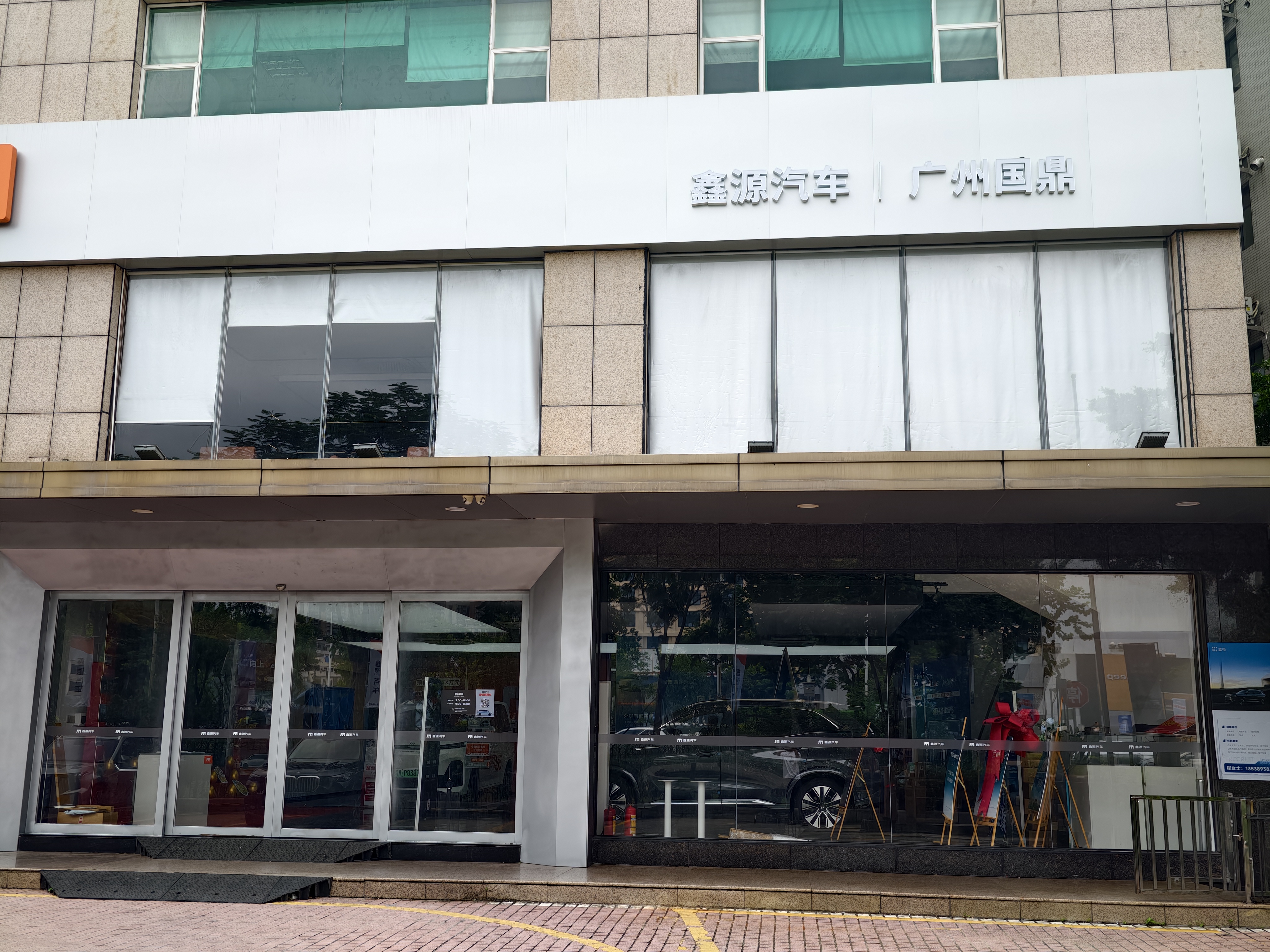
Two years ago, although the popularity of this dealership was not as high as that of leading brands, Dianchetong found that there were many consumers negotiating car - purchasing matters with sales staff when visiting the store. But now, Landian Auto doesn't even have the ability to keep its dealership. About three or four kilometers away from the original dealership, Landian opened a smaller store. However, just like Jishi Auto, there were no customers in the store, only an enthusiastic staff member.
2024 was the peak year for Landian Auto, with a total of 30,194 vehicles delivered throughout the year. After that, Landian Auto started to decline. From January to May 2026, the average monthly sales were less than 1,000 vehicles. According to this trend, it is very difficult for Landian Auto to achieve a total annual delivery of 10,000 vehicles this year.
Different from Jishi Auto, which is seeking a way out by going global, Landian Auto plans to continue to focus on the domestic market. Landian Auto belongs to Seres Group. The group has successfully turned losses into profits thanks to the hot sales of Wenjie cars. The popularity and reputation of Seres Group have also increased along with Wenjie. So, the survival pressure of Landian Auto is relatively smaller than that of Jishi Auto.
(Source: Photographed by Dianchetong)
Seres has chosen to rename Landian Technology as "Saidou Technology" and released the AI car brand AIVA and its first concept car, AIVA Origin Concept, on June 9. According to Li Bo, the president and product manager of AIVA, the first mass - produced model, ME7, will be launched within this year, targeting the market above 200,000 yuan.
Yang Liwei, the vice - president of Volcengine, revealed that AIVA and Volcengine jointly define, design, and build AI cars, and have installed the Doubao large - model on the cars to improve the intelligent interaction experience of the models.
From the remarks of AIVA and Volcengine executives, it can be determined that Saidou Technology is based on AI and targets the young consumer group. It is worth mentioning that for the models of the AIVA brand, the intelligent driving and cockpit are likely not to use the intelligent car solutions provided by Huawei but to choose the solutions provided by ByteDance.
The automobile industry has a large scale, and almost all domestic leading Internet companies have participated. However, most Internet companies do not choose to build complete vehicles and usually enter the market as technology enablers. In terms of complete vehicle manufacturing, Internet companies cannot compare with traditional car companies, but in terms of intelligent interaction, intelligent driving, and large - models, Internet companies obviously have more advantages.
Dianchetong (ID: dianchetong233) believes that AIVA has the complete vehicle R & D and production capabilities provided by Seres, the intelligent technology empowerment provided by Volcengine, and the brand influence and popularity of ByteDance. It has the opportunity to become Seres' second ace comparable to Wenjie, but how much achievement it can make depends on the hard strength of the mass - produced models.
Yuanhang and Skyworth: Is giving up the best ending?
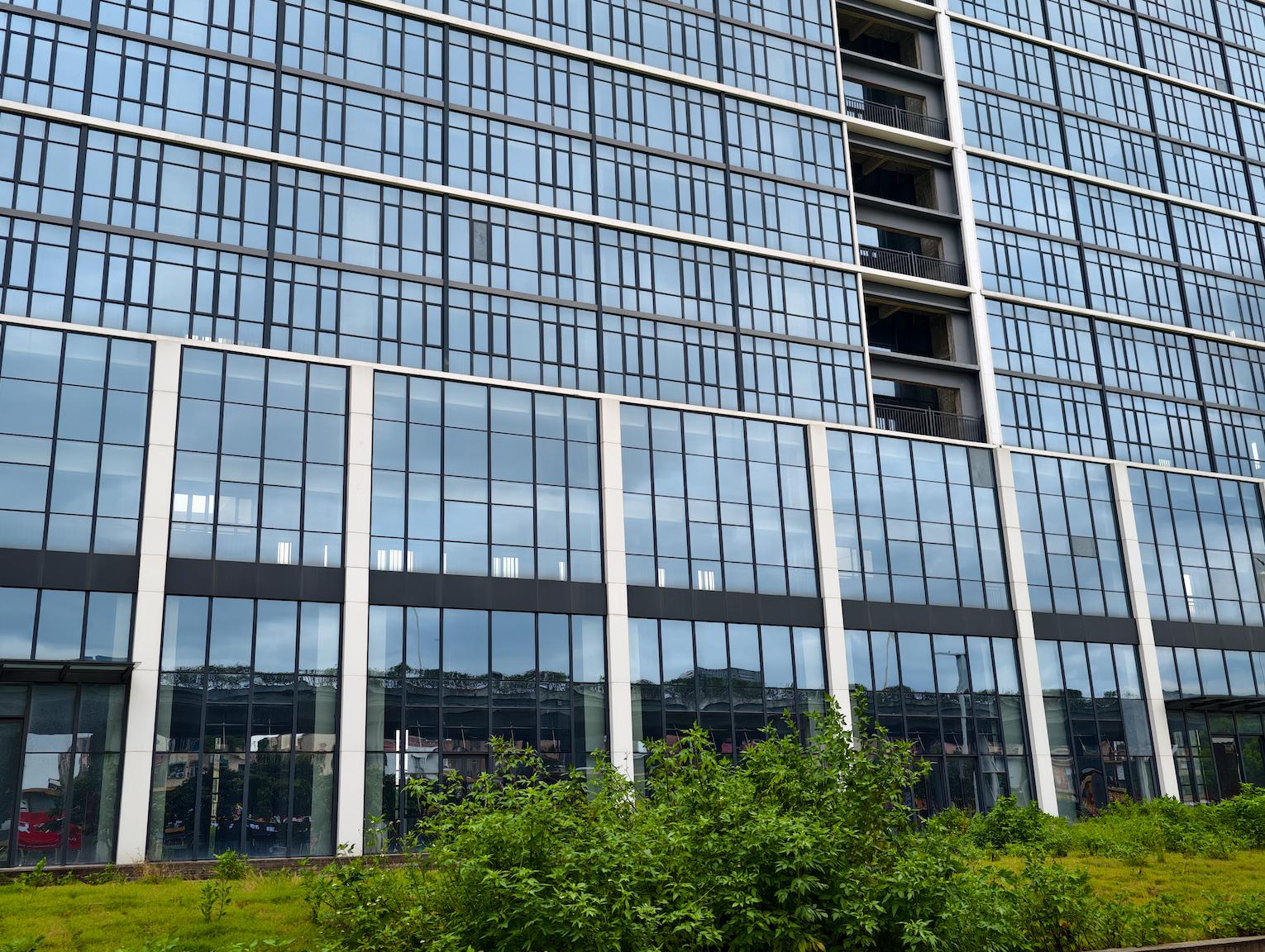
Two years ago, Yuanhang Auto still had dealerships in large shopping malls and auto cities. Two years later, only a few Yuanhang Auto dealerships can be found in the whole of Guangzhou. The most crucial thing is that the map information was not updated in time. When Dianchetong followed the navigation software to a Yuanhang Auto dealership, it was found that the whole building had been emptied and all the signs had been removed.
(Source: Photographed by Dianchetong)
According to Dianchetong's verification, Yuanhang Auto has stopped production, and its parent company, Dayun Auto, has applied for bankruptcy reorganization. It has basically bid farewell to the new energy passenger vehicle industry and is unlikely to make a comeback in the future.
Compared with Yuanhang Auto, Skyworth Auto is in a slightly better situation. Although its dealerships have been closed, at least the signs are still there. Behind Skyworth Auto is the well - known home appliance company, Skyworth Group. In the automotive field, Skyworth Auto reached its peak from 2023 to 2024, with monthly sales once exceeding 2,000 units.
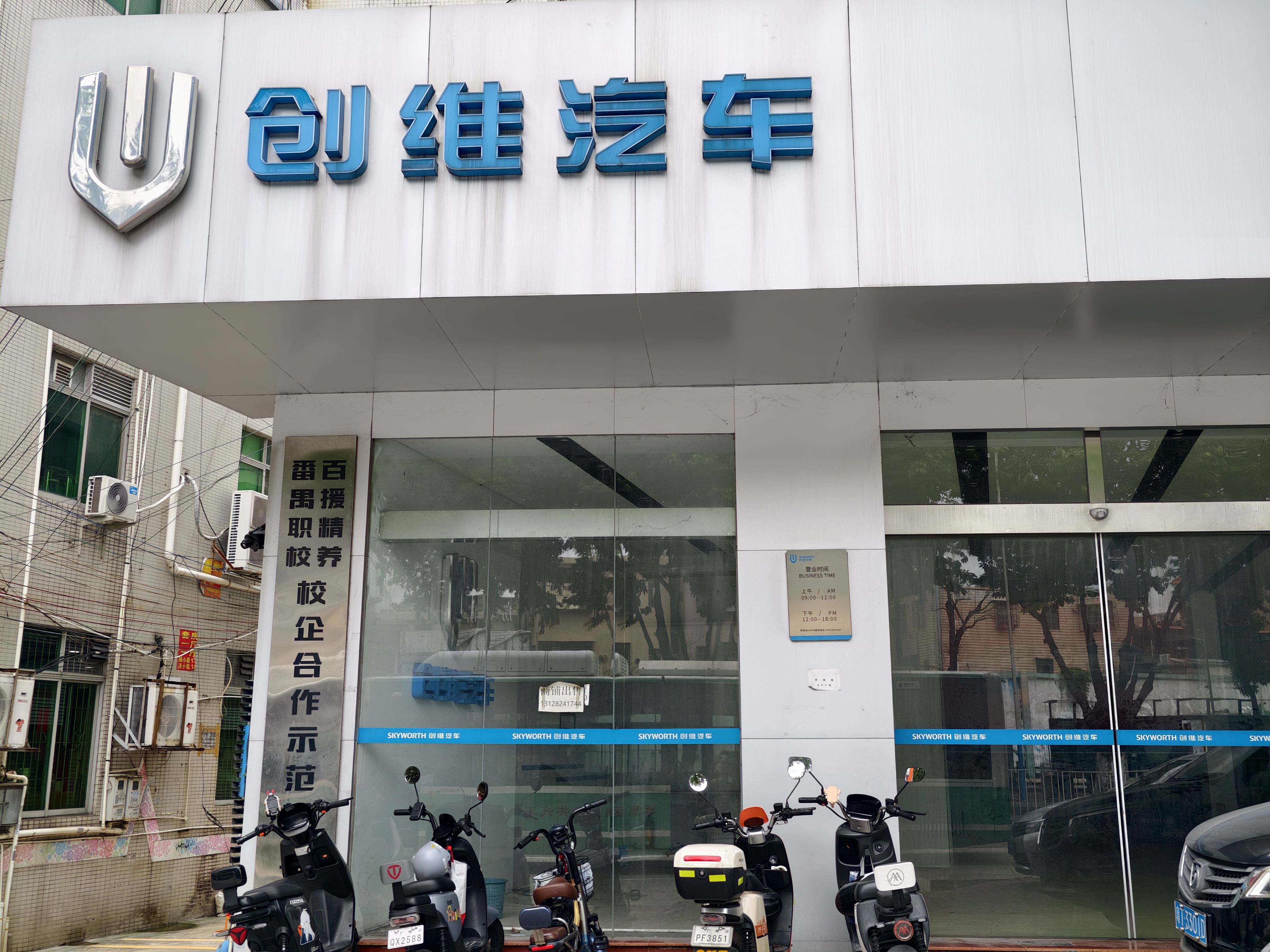
(Source: Photographed by Dianchetong)
However, like Landian Auto, Skyworth Auto started to decline in 2025. Now its monthly sales are only dozens of units, which can't support many dealerships. When Dianchetong visited the Skyworth Auto dealership in 2024, it was in the Longgui area of Guangzhou where I used to live. Although it was a bit remote, there were still occasional customers in the store. Just two years later, Skyworth Auto has reached the end. Its dealerships in Guangzhou have been closed one after another, and consumers can't find a place to look at cars even if they want to.
The new energy era is the only opportunity for new entrants in the automotive industry. Whether they can grow depends on opportunities and foundation. The rise of three new - force brands, NIO, Li Auto, and XPeng, is mainly due to seizing opportunities. NIO's battery - swapping and high - end positioning, Li Auto's extended - range technology and family - use label, XPeng's intelligent driving technology, and Leapmotor's cost - effectiveness concept are all advantages that distinguish them from other car companies. Coupled with their early entry, they have stood out among new - force brands and gradually become the leaders in the new car - making forces.
The rise of brands like Xiaomi and Wenjie is related to opportunities. Xiaomi is a leader in Internet popularity, and Wenjie has the influence of Huawei, which gives them unique advantages.
Brands such as Jishi, Yuanhang, and Skyworth entered the market too late. Their predecessor brands have insufficient influence, and they don't have a deep foundation in the automotive field. They also failed to seize opportunities, so their development paths are bound to be bumpy. They either go global like Jishi Auto to survive or gradually lose the market and eventually exit the automotive industry.
Great changes in two years. Do niche car companies have no chance?
Judging from the store operating conditions and sales data, niche brands such as Landian, Skyworth, and Yuanhang are in a worse situation than two years ago. Their product sales are continuously declining. Yuanhang has basically left the passenger vehicle field, and Skyworth is also on the verge of survival.
Head - concentration is an inevitable trend in the development of any industry from scratch and from weak to strong. The more developed the industry becomes, the more serious the head - concentration will be, and the fewer opportunities niche car companies will have. In just two years, once - well - known brands such as Landian, Skyworth, and Yuanhang have closed many dealerships and even stopped production. Polestar has exited the Chinese market and is seeking a place to survive overseas. Ruilan Auto's sales are declining, and it has jointly reorganized with Qianli Technology (formerly Lifan Auto) to focus on the battery - swapping ecosystem.
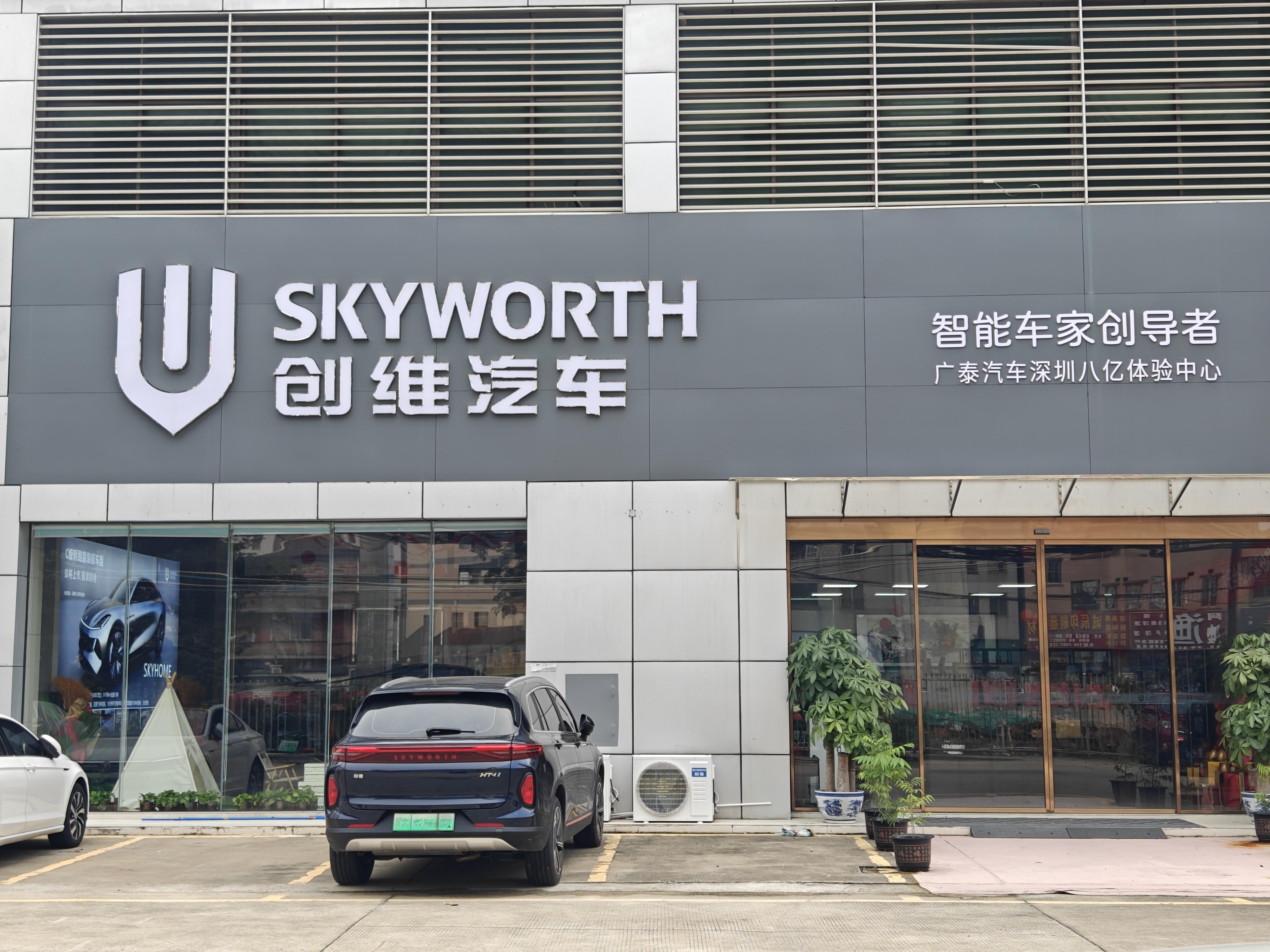
(Source: Photographed by Dianchetong/taken two years ago)
Dianchetong (ID: dianchetong233) believes that niche car companies basically have no chance in the domestic market. Niche car companies with low sales and insufficient strength will only become more and more powerless in the next stage of competition. The new energy vehicle industry has bid farewell to the inclusive stage of incremental competition and has officially entered the mature competition stage of stock competition and head - concentration.
The rise of brands increasingly depends on core technology, brand potential, ecological empowerment, and the strength of the capital supply chain. Xiaomi's traffic brand advantage, Wenjie's Huawei technology support, and the differentiated track layout of leading new - force brands have built extremely high industry entry barriers.
Niche car companies such as Jishi, Skyworth, and Yuanhang entered the market late, have a weak industrial foundation, and have no core technology or differentiated advantages, so they missed the industry development dividends. Currently, the opportunities for small and medium - sized niche car companies in the domestic market have dried up. In the future, the Matthew effect in the industry will continue to intensify. Weak brands either transform to break through, go global to survive, or gradually fade out of the market and exit completely. Industry resources will continue to gather towards leading brands.
Even in the next competition, some new - force car companies and established car companies that have become leading new energy vehicle brands may be eliminated in the competition.
The storm continues, and the elimination race is still ongoing
In the first stage of the new energy vehicle industry, before 2020, car companies were generally in the R & D and small - scale mass - production stage. As long as they could produce cars, they were considered winners. The first mass - produced models of XPeng, NIO, and Li Auto were all delivered in 2018 or 2019. Most of the brands eliminated in this stage did not have long - term plans, and some brands were even set up to defraud investment and subsidies from beginning to end, such as Youngman Auto.
The second stage of the new energy vehicle industry is from 2020 to 2024. In this stage, the mainly eliminated car companies are those with insufficient strength or management problems, such as WM Motor, Nezha Auto, HiPhi, and Jiyue Auto. These car companies have a certain degree of popularity and have also had glorious periods. Among them, Nezha Auto once ranked first in the sales of new energy vehicles of self - owned brands for several months.
However, due to various factors such as internal differences and management problems, brands such as WM Motor, Nezha, HiPhi, and Jiyue have successively stopped production. Behind Jiyue Auto is Geely Auto, and car owners can still enjoy maintenance and repair services. Brands such as WM Motor, Nezha, and HiPhi are still barely surviving. If there is external investment, there is still a possibility of resuming production, but there are few after - sales service centers left, and it is difficult for car owners to experience after - sales services.
Although a large number of car companies have been eliminated, this "battle royale" is still not over. At the Future Auto Pioneers Conference at the end of May 2026, Li Bin, the CEO of NIO, said that although the price war is over, the competition will not stop, and backward brands will be cleared out more quickly.
Indeed, domestic car brands have had a tough time this year. The long - term price war has seriously overdrawn the market potential.