Over half of 2026 has passed. Are smart glasses ready for the 618 mid-term exam?
If the smart glasses in 2025 were a collective emergence, then by the 618 shopping festival in 2026, the smart glasses industry no longer lacked new products or stories. Alibaba Qwen, iFlytek, Huawei, and XREAL all launched new smart glasses products in the first half of the year.
FFALCON even brought two series of heavy - hitting new products at once: the GT series of AR glasses and the V4 AI shooting glasses. Among them, the FFALCON GT Max has directly raised the specifications of consumer - grade AR viewing glasses to a new height.
For the increasingly popular smart glasses, product capabilities that satisfy consumers are becoming more and more important.
On the other hand, the market is getting hotter. According to CINNO Research data, FFALCON has ranked first in the sales of Chinese consumer - grade AR glasses for four consecutive years. In 2025, it held a 32% market share in the Chinese AR/AI glasses market, leading the second - place by a factor of two. According to Lotu Technology data, in the first quarter of 2026, the total retail volume of smart glasses in China across all channels reached 402,000 units, a year - on - year increase of 96%; the retail sales reached 810 million yuan, a year - on - year increase of 102%. Among them, AR glasses still dominate the current smart glasses market.
The upcoming 618 promotion and national subsidies are undoubtedly the best time to buy smart glasses this year. So at this juncture, we are also curious: Are smart glasses ready for this "mid - term exam" of the 618 shopping festival? And how should consumers choose the smart glasses that are most suitable for them?
What has been upgraded in smart glasses this year?
Although they are all called smart glasses, the products in the market today can basically be divided into two major categories: smart glasses with display and those without display.
Smart glasses with display can be further divided into two types. One is the integrated AI or AR glasses, including the Qwen AI Glasses S1, Rokid AI Glasses, iFlytek AI Glasses, etc. Usually, they can achieve near - eye monochromatic (green) display through waveguide technology, which can display key information such as subtitles, translations, navigation, and teleprompters in front of the eyes.
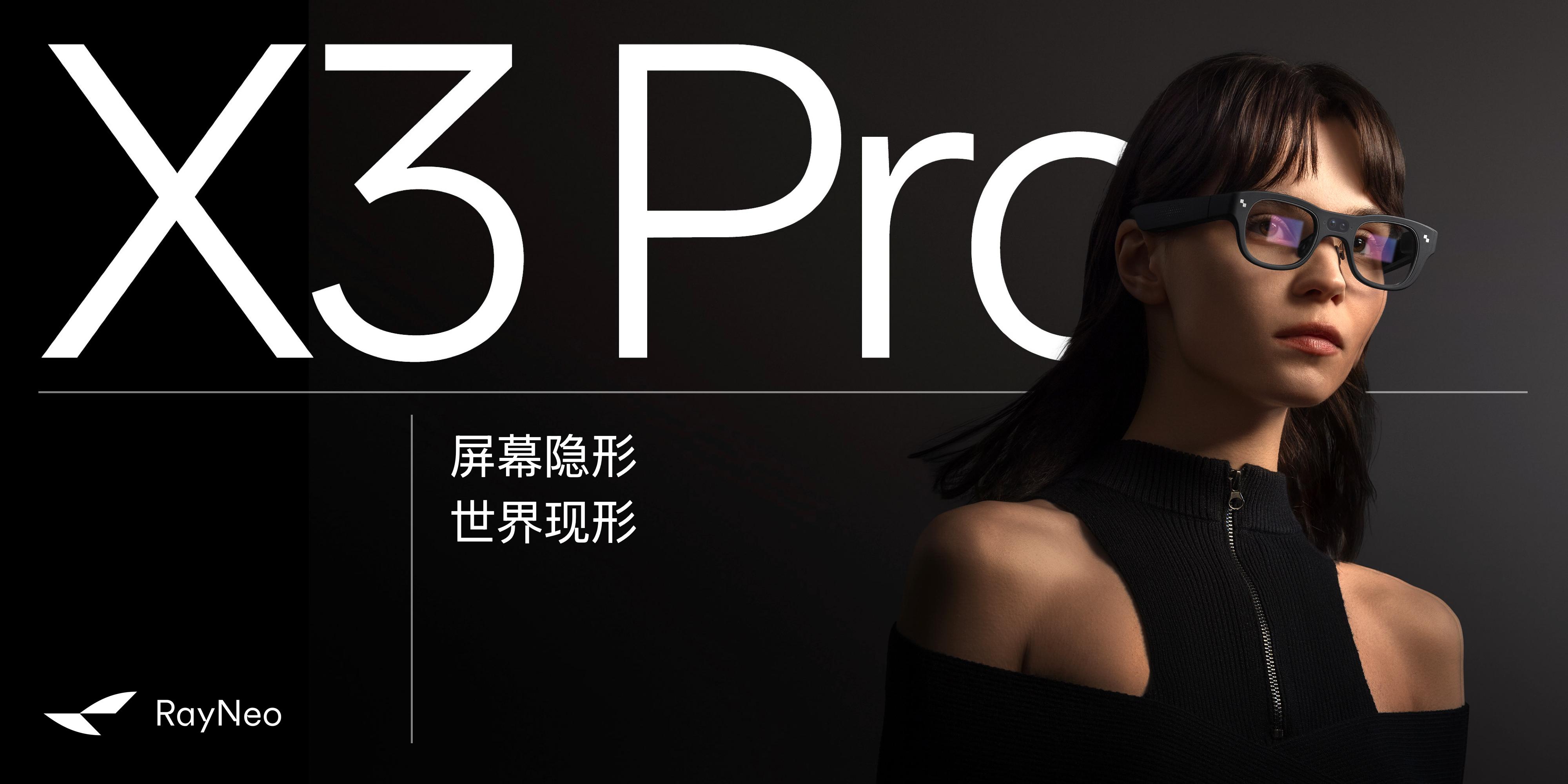
Of course, it's not limited to "monochromatic" display. The FFALCON X3 Pro, released a year ago, is equipped with the world's smallest mass - producible full - color Micro - LED light engine, achieving the "ultimate experience" of full - color 3D display in an integrated lightweight design. It is still a unique product in the industry to this day.
In comparison, the progress of various brands in "display" in the past year has been rather limited. Instead, more efforts have been made in improving the experience of multi - modal AI interaction or in differentiated positioning. For example, the newly released iFlytek AI Glasses this year focus on business translation and conference office work. While supporting binocular monochromatic display, they also add vision - based lip - movement recognition noise reduction to optimize the accuracy of information during exhibitions, conferences, interviews, and cross - language communication.
The other type is the split - type AR glasses that support full - color high - definition display, which is also the mainstay of the smart glasses market shipments today. Its core demand is very clear: to watch movies, play games, connect to computers or handheld game consoles, and obtain a virtual giant screen in a limited space.
Meanwhile, the split - type AR glasses have made obvious technological progress in "display", and the most representative one is the FFALCON GT Max.
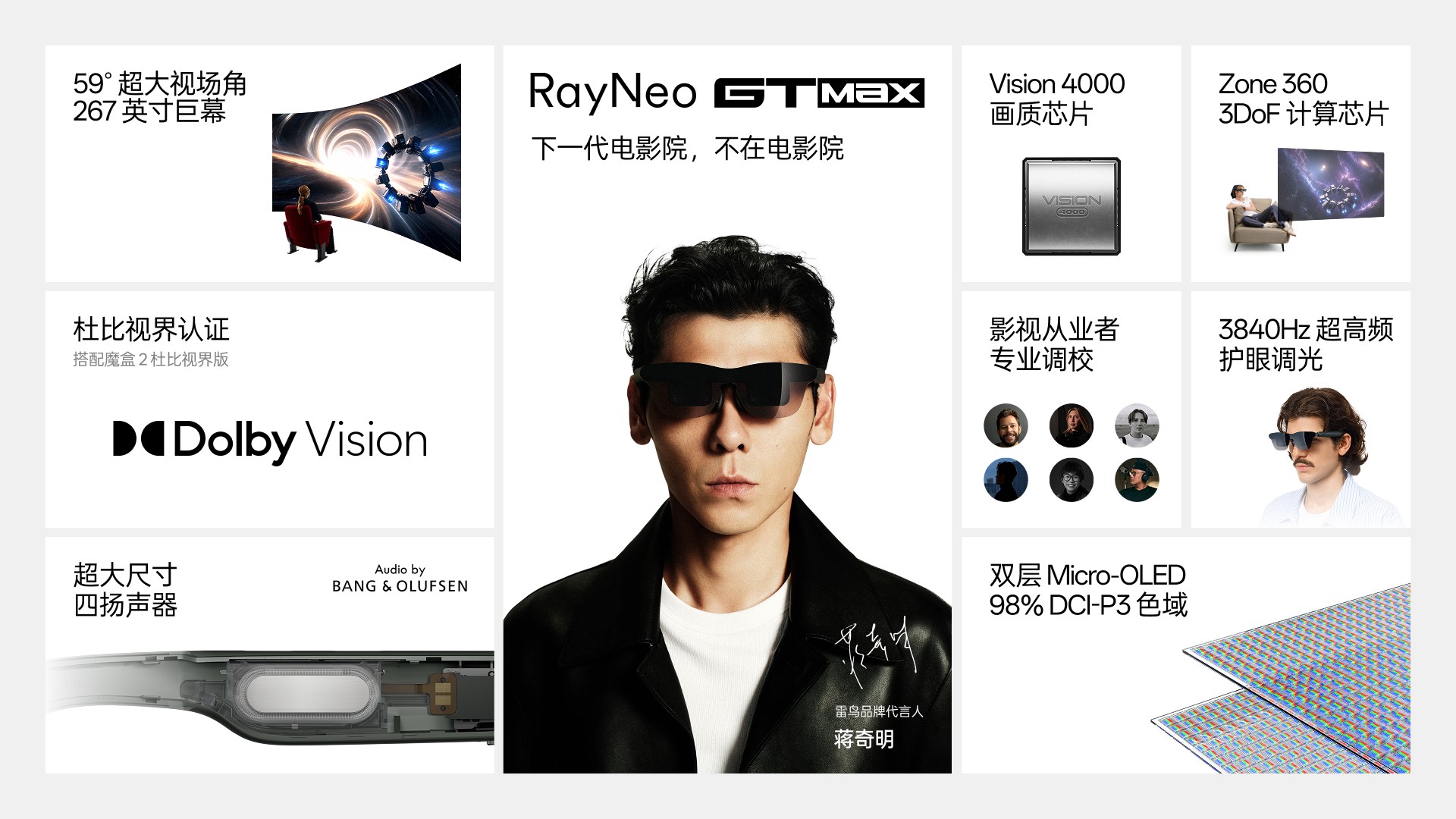
First of all, the field of view has been expanded. In the past few years, the field of view of most consumer - grade AR glasses has remained in the range of over 40 degrees. The FFALCON GT Max is equipped with the new Peacock Optical Engine 3.0 Max, which has increased the field of view to the industry's largest 59°, providing an equivalent experience of a 267 - inch giant screen 6 meters away.
Coupled with the joint tuning with B&O and spatial audio, the sound and picture are better integrated, allowing users to not only get a larger picture but also a stronger sense of immersion.
However, the viewing experience of AR glasses has gone beyond the stage of simply "comparing size". Whether the brightness is sufficient, whether there are details in the dark areas, whether the colors are over - saturated, and whether the edges are clear. These improvements in picture quality directly determine the difference in the user - perceived experience.
From the Peacock Optical Engine 3.0 Max to the latest generation of double - layer Micro - OLED display technology and the Vision 4000 picture quality chip, and then to the Dolby Vision playback ability in cooperation with Dolby Laboratories (requires the use of the Magic Box 2 Dolby Vision version), the FFALCON GT Max has upgraded almost all the key links in the display chain, making up for the most easily overlooked shortcoming in picture quality with systematic capabilities.
This is also the "confidence" for the FFALCON GT Max to redefine the ceiling of AR display.
In addition, self - developed spatial chips are becoming an inevitable path for AR glasses. The FFALCON GT Max is equipped with the Zone 360 spatial chip, which realizes a stable hovering large screen through the native 3DoF technology and supports three spatial modes: fixed, follow - up, and anti - shake.
This essentially solves the experience challenges of AR glasses. For example, in mobile scenarios, using the anti - shake mode, the picture stability will be significantly better than before; when watching movies in a fixed position, the picture can stay in space like a real large screen instead of always being in front of the eyes.
Looking at the smart glasses without display, the most significant change in the past year has been the AI shooting glasses.
Pure - audio AI glasses are essentially the integration of open - ear headphones, microphones, batteries, and Bluetooth modules into glasses. The advantages are light weight, low cost, and relatively good battery life. However, the disadvantages are also very obvious: no camera, no display, and the AI capabilities are limited to listening and speaking. In many cases, they are not as good as a pair of better open - ear headphones. Therefore, generally, I do not recommend that you specifically buy AI audio glasses.
As for AI shooting glasses, they add a camera on the basis of audio, giving the glasses the ability to "see" the real world. But in the past year, the biggest change in AI shooting glasses is not a longer list of functions, but finally starting to improve the basic experience.
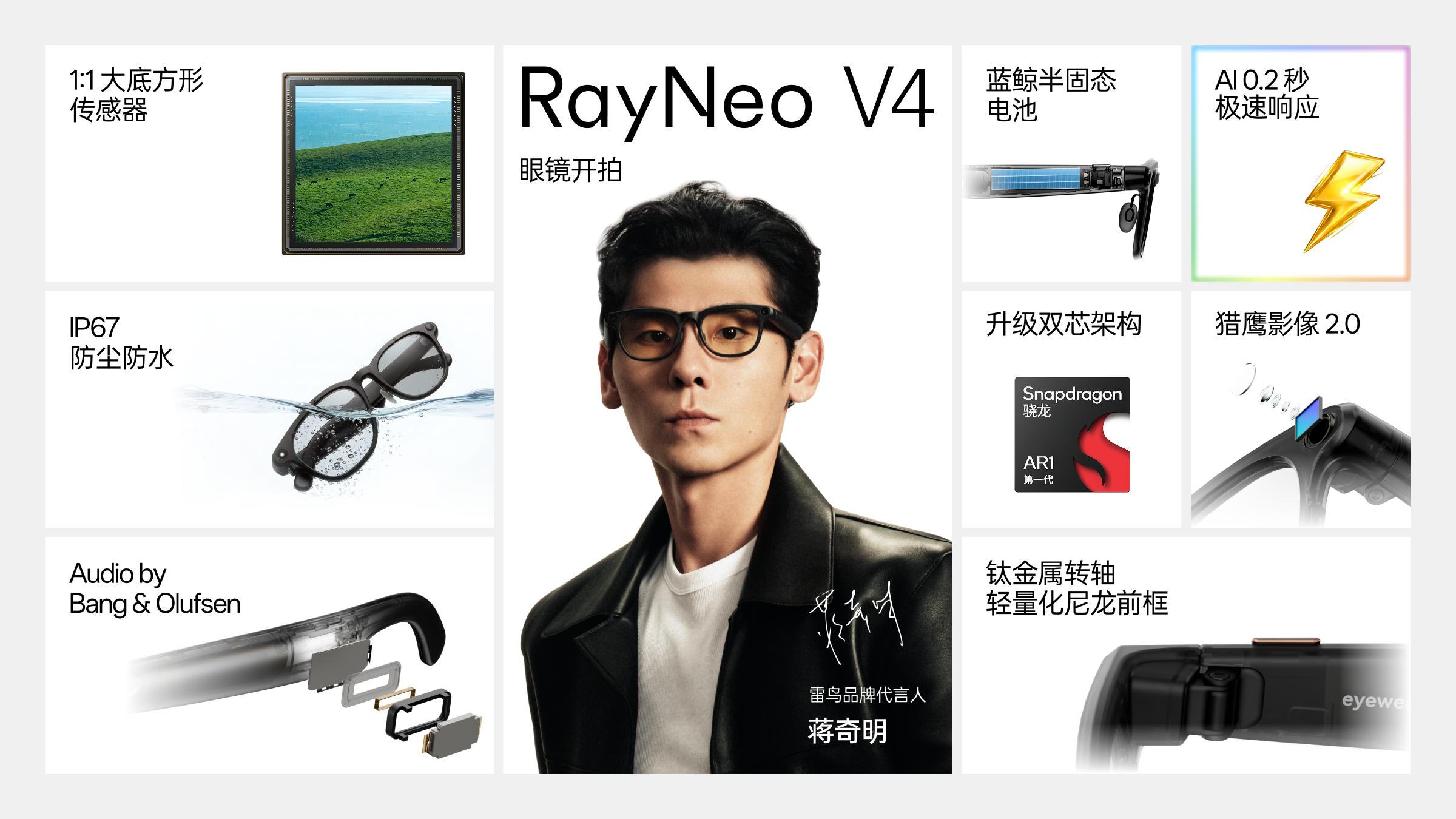
The FFALCON V4 not only pioneered the semi - solid - state battery and steel - shell packaging technology in the industry but also comprehensively optimized the response time, enabling extremely fast response and recognition of voice and images.
In addition, more and more users regard AI glasses as first - person view recording devices, and the importance of imaging capabilities is still increasing. The FFALCON V4 also pioneered the 1:1 square large - sensor solution in the industry. Compared with traditional rectangular sensors, it can meet the needs of both horizontal and vertical shooting, which is more in line with the user habits in the short - video era.
From this perspective, the biggest technological progress of smart glasses this year comes from different product categories making up for their shortcomings in real - world scenarios, and leading brands are more concerned about the actual user experience.
So, how should you choose smart glasses during this year's 618?
Since it's the "mid - term exam" of the 618 shopping festival, we ultimately have to return to the question that consumers care most about: What should you buy now? But first, the most important thing is to understand your own needs.
If your core needs are watching movies, playing games, and mobile office work, Xiaolei (FFALCON) most recommends the FFALCON GT Max this year.
Compared with other types of smart glasses, mobile phones, and tablets, the greatest value of AR glasses is the ability to obtain a huge private screen anytime and anywhere. Whether on a high - speed train, an airplane, or in a hotel room, you can get an experience close to that of a home theater.
Watching movies and entertainment are still the most certain and easily verifiable needs for smart glasses at this stage. There are certain thresholds for conference subtitles and first - person view recording, but most people can understand the value of having a large screen in a dormitory, rental house, high - speed train, airplane, or bedroom.
If you often watch videos or play games on a Switch, Steam Deck, mobile phone, or laptop, or if you originally wanted to buy a pair of AR viewing glasses, the FFALCON GT Max is undoubtedly the one that deserves your top consideration during this year's 618.
With a 59° ultra - large field of view, double - layer Micro - OLED, Vision 4000 picture quality chip, Dolby Vision, and native 3DoF spatial capabilities, it almost covers the most important experience indicators of current consumer - grade AR glasses. It's not just about leading in parameters; more importantly, the FFALCON GT Max forms a complete experience in multiple dimensions such as picture quality, audio, and spatial stability.
If your budget allows, this is one of the products that currently represent the latest level of AR glasses.
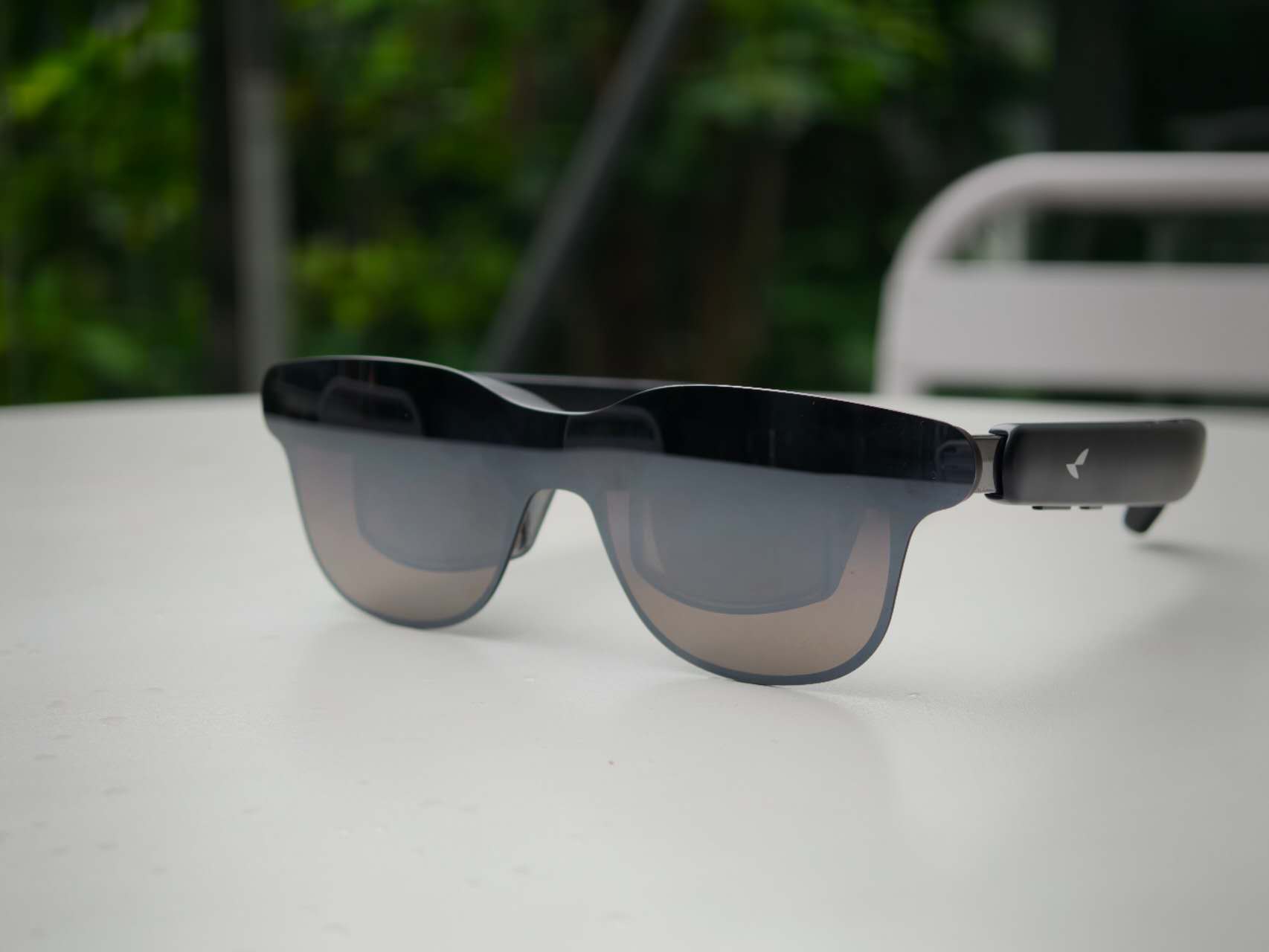
However, if you value AI display notifications, translation, teleprompters, navigation, etc., you can consider the Qwen AI Glasses S1, Rokid AI Glasses, and iFlytek AI Glasses. The advantage of the Qwen AI Glasses S1 lies in the Alibaba ecosystem and AI assistant capabilities. The Rokid AI Glasses are more mature in terms of function and experience details. The iFlytek AI Glasses are more targeted at the translation and conference needs of business people.
As for AI audio glasses, unless you have a clear need, it is still not recommended to buy them.
Of course, if your core needs are first - person view shooting, life recording, AI object recognition, and lightweight daily wearing, AI shooting glasses are definitely more suitable. Here, the FFALCON V4, Huawei AI Glasses, and BOLON AI Smart Glasses are recommended, and they each have their own advantages:
The advantage of the Huawei AI Glasses is more reflected in ecological synergy. The BOLON AI Smart Glasses are more in the fashion glasses route. As the latest generation, the FFALCON V4 has completed a comprehensive upgrade of AI glasses.
Let's focus on the FFALCON V4. Not only has the battery life been significantly improved, with up to 11.5 hours of music playback, 13.5 hours of recording, and 949 photos, but it also pioneered the use of a larger - sized square sensor, which can retain the complete frame for both horizontal and vertical shooting. In addition to these obvious advantages, the FFALCON V4 also brings a more textured sound in cooperation with B&O and adds IP67 - level dust and water resistance.
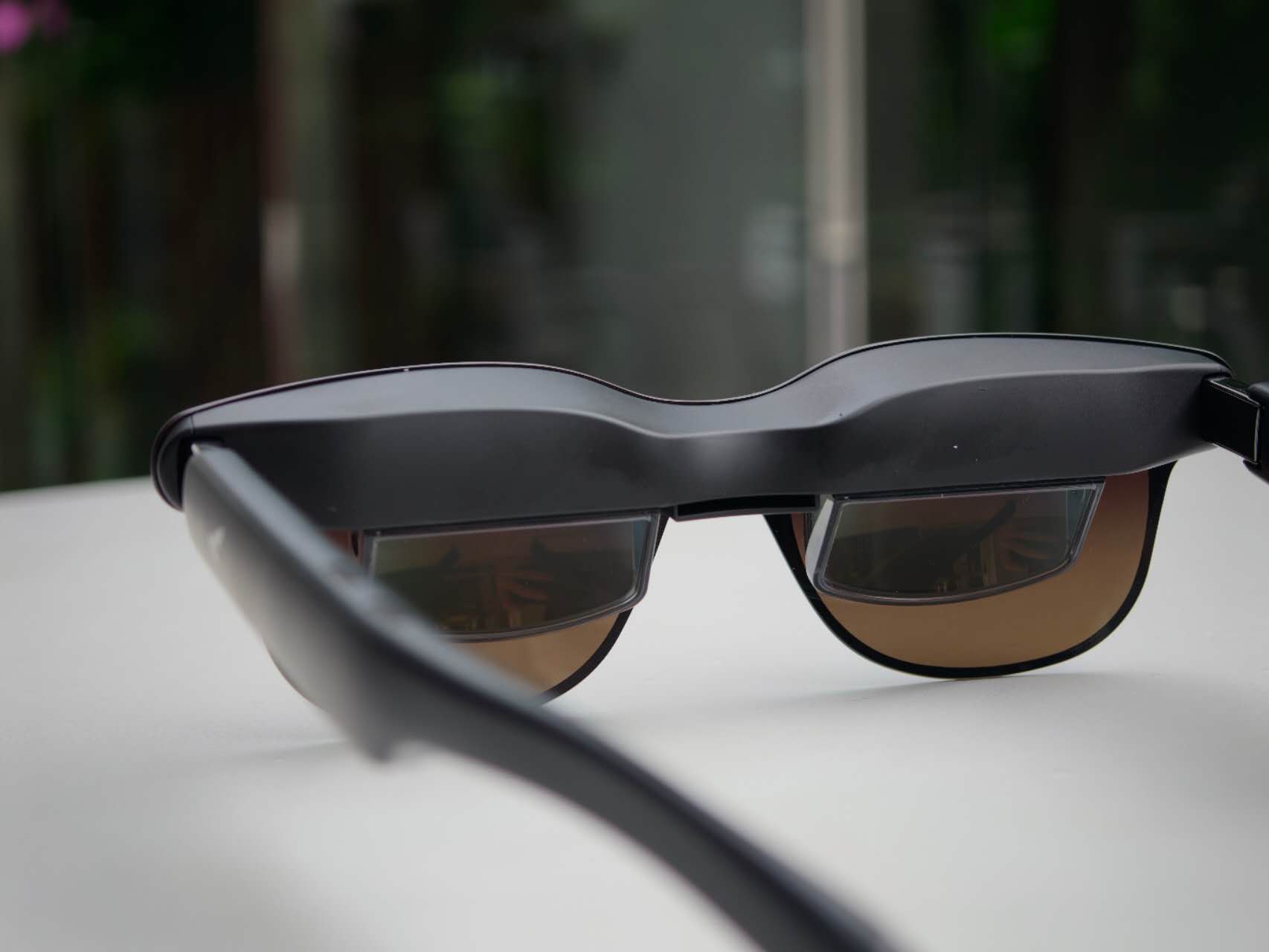
These improvements implement the product concept of comprehensively improving the basic experience of this generation of the FFALCON V4. The best example of this is that the V4 has stopped developing new AI functions and instead focused more on optimizing the interaction and function experience, achieving an extremely fast AI response in 0.2 seconds, an AI voice answer in 2.1 seconds, and image recognition in 3.7 seconds.
This courage to reconstruct the experience is rare, but from the GT Max to the V4, FFALCON Innovation has really given us users a big surprise.
No wonder a report from the market research institution Counterpoint Research pointed out that in 2025, FFALCON became the world's number one in AR glasses shipments with a 29% share. The 2025 domestic market report from CINNO Research also shows that FFALCON has been the sales champion in the Chinese AR/AI market for four consecutive years with an absolute advantage of a 32% market share.
Conclusion
In the past year, I have come into contact with and experienced many smart glasses products. It is obvious that the industry has passed the stage of just telling stories. Nowadays, people are more likely to discuss wearing comfort, battery life, picture quality, and user experience. These issues may not be as glamorous, but they directly determine whether smart glasses can truly enter the lives of more people.
From this perspective, smart glasses in 2026 are a bit like smartphones more than a decade ago. The direction is becoming clearer, but many products still need to polish a lot of details before they can truly mature.
The good thing is that the industry is increasingly shifting towards technology - driven experience competition. From the continuous breakthroughs of the FFALCON GT Max in display and spatial experience, to the continuous improvement of imaging, battery life, and wearing experience by the FFALCON V4, Huawei AI Glasses, and BOLON AI Smart Glasses, and then to the continuous optimization of translation, navigation, and office scenarios by Rokid, iFlytek, and Qwen, more and more products are starting to answer the same question: Why would users be willing to use it every day?
Perhaps, smart glasses are still far from replacing mobile phones. But at least in specific scenarios such as movie - watching and entertainment, cross - language communication, and first - person view recording, they have found their own place.
This year's 618 may be an important step for smart glasses to move from "novelty products" to "mass - consumer electronic products".
This article is from "Leikeji", published by 36Kr with authorization.