Xiaomi's first range-extended electric vehicle announcement is trending on social media
Lei Jun has gathered all his cards!
On June 10th, the 408th batch of announcements from the Ministry of Industry and Information Technology was released:

The name of Xiaomi Automobile Technology Co., Ltd. prominently appeared on the "List of Newly Admitted Vehicle Manufacturers and Information Changes of Admitted Manufacturers" - the change content is simple but extremely significant:
Add extended - range electric passenger vehicle product varieties.
It instantly hit the hot search, and the comments in the comment section were all "Finally here" and "Waited so long":
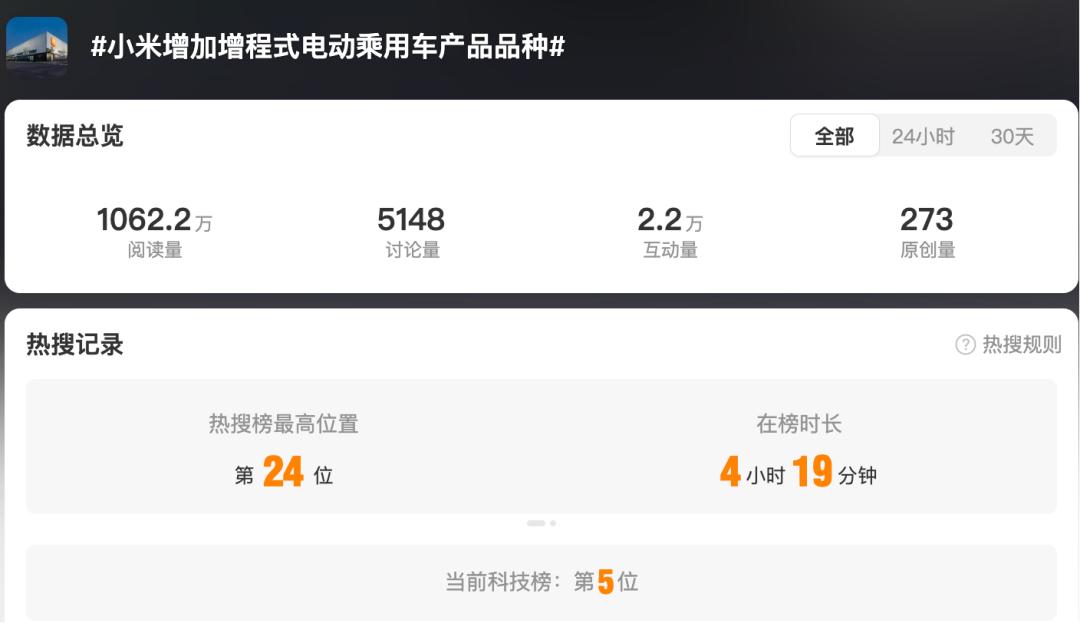
Nearly three years have passed since Xiaomi quietly posted a job opening for an "Extended - range System Design and Development Engineer" on its recruitment website in the autumn of 2023. At that time, the SU7 had not been released. To ensure the success of the first car, Lei Jun personally stepped in to "put out the fire" and clearly stated that they would not develop extended - range vehicles for the time being.
It wasn't until more than two years later, when the announcement was released, that all kinds of speculations and leaks were finally confirmed by the official document.
The foreshadowing laid at the first - quarter earnings conference has also come to light: A brand - new mid - to large - sized model will be launched in the second half of the year, built on a new platform with strong product innovation.
Xiaomi's "Birth Permit" for Extended - range Vehicles
This announcement is essentially a production qualification and also a turning point for Xiaomi Automobile to switch from "single - line operation" to "dual - line progress".
According to the rules of the Ministry of Industry and Information Technology, an automobile enterprise must first obtain the enterprise admission qualification for a certain type of vehicle before producing it. Previously, Xiaomi only had the production qualification for pure - electric passenger vehicles, and now the category of extended - range electric passenger vehicles has been officially checked.
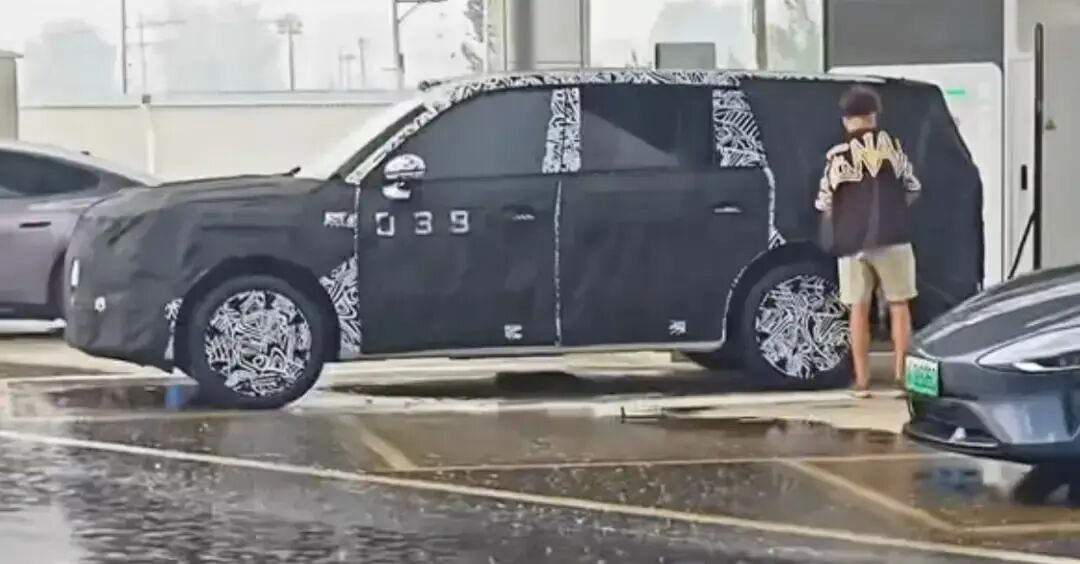
Put simply, it means they've got the "birth permit".
Lu Weibing's statements at the previous earnings conference perfectly echo this announcement - "A very large vehicle", "It won't be called YU9", "Highly innovative". Now, these can almost be mapped one - to - one to this extended - range SUV.
There is reason to believe that Xiaomi attaches as much importance to this vehicle as it did to the release of the SU7.
Recruitment for extended - range engineers started in the autumn of 2023. Spy photos of extended - range road tests were gradually leaked in 2024. Rumors reached their peak in 2025, and the qualification was finalized in June 2026.
The whole process has been well - organized.
But from a technical perspective, this seems more like a strategy to buy time for pure - electric products and fully verify Xiaomi's brand appeal. After all, the difficulty and cost of extended - range vehicles are lower than those of pure - electric vehicles.
In other words, Lei Jun has actually been holding the extended - range card in his hand, but only revealed it now.
What kind of vehicle is it?
The official hasn't released the real vehicle yet, but after more than two years of leaks, spy photos from road tests, and cross - verification of supply - chain information, the outline of this extended - range SUV with the internal code name "Kunlun N3" is already quite clear.
Let's start with the brand and naming. According to multiple media reports, this extended - range SUV is likely to no longer carry the main Xiaomi brand logo but will be included in a brand - new independent sub - brand - "Xuntian", with the English name SKYNOMAD.
This brand positioning is similar to "Li" of Li Auto and "WENJIE" of AITO, but it emphasizes the concepts of "exploration" and "outdoor activities" more.
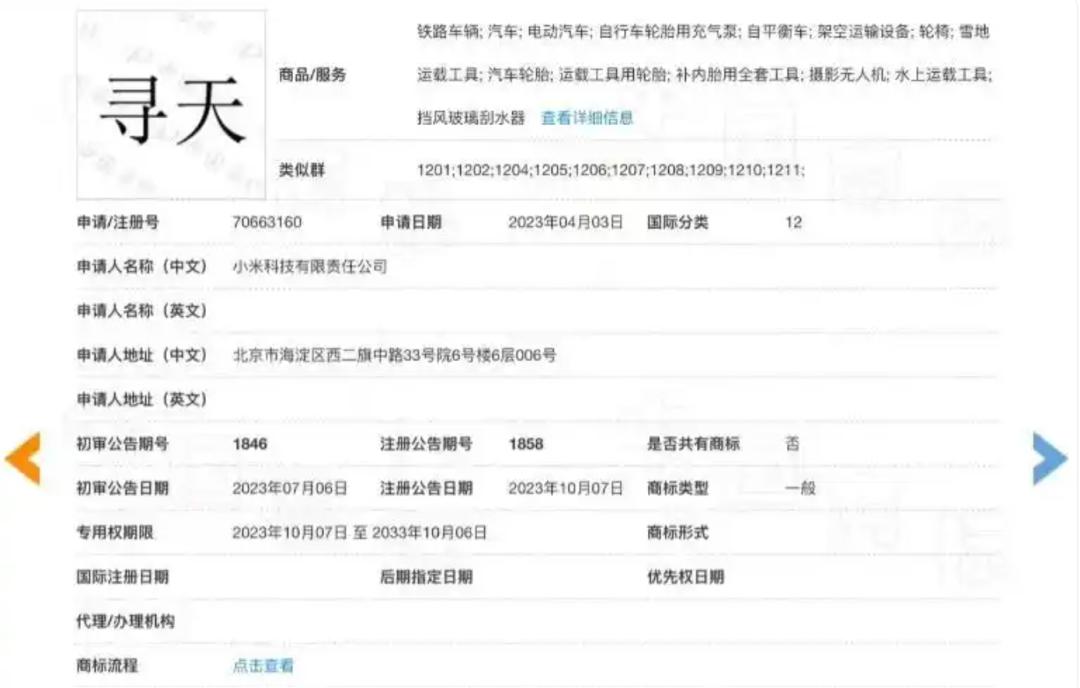
Information from Tianyancha shows that Xiaomi submitted a trademark application for "Xuntian" as early as April 2023, covering categories such as automobiles and electric vehicles. In November 2024, it registered "SKYNOMAD". The internal code name "Kunlun N3" is already an open secret, and the previously rumored name "YU9" is said to have been cancelled.
There will also be derivative models such as Kunlun 10 and Kunlun 20 in the future, with a long product line.
In terms of size and appearance, according to the exposed road - test photos, the Kunlun N3 is positioned as a full - size extended - range SUV, with a vehicle length of over 5.3 meters, a wheelbase of about 3.1 meters (some say 3160mm), and a vehicle height of nearly 1.9 meters. This size directly competes with the Li L9 and the AITO M9.
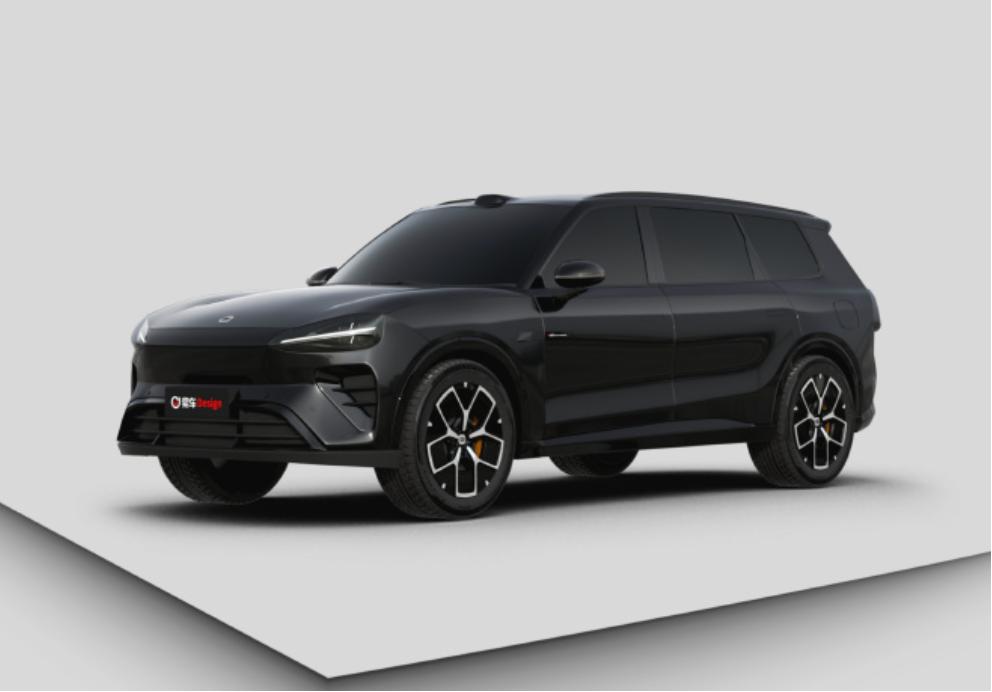
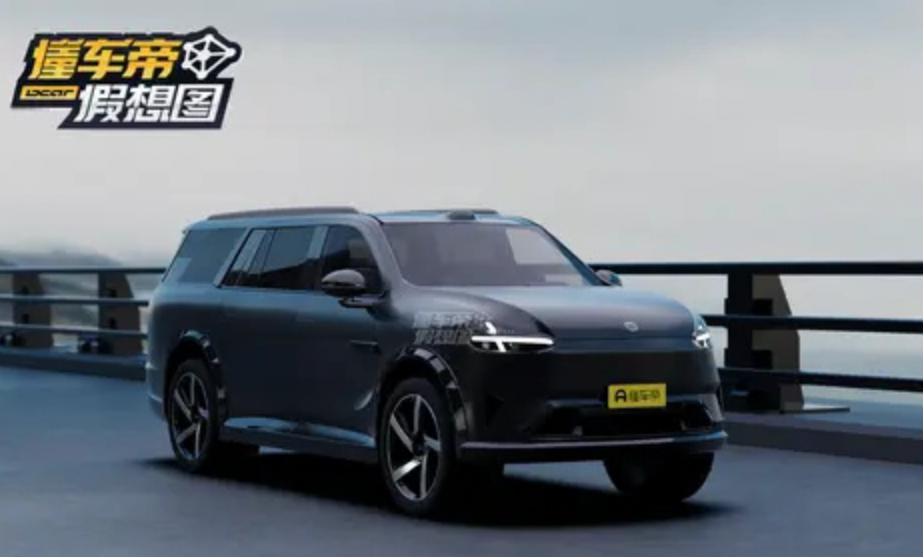
The styling completely abandons the streamlined coupe style of the SU7 and YU7 and adopts a square and tough "boxy" design. Some netizens jokingly call it the "Mi - Range Rover" - a combination of Xiaomi and the Range Rover.
The front face has a closed grille - less design, paired with split - type long and narrow LED daytime running lights, and there is an obvious bulge for the lidar on the top of the front of the vehicle. The most eye - catching part at the rear is the circular in - set light group, which is highly consistent with the previously circulated spy photos.

The seat layout is likely to offer six - seat and seven - seat versions, and a split tailgate will probably appear on the production vehicle. There are also leaks that the high - end version may support the optional installation of a lifting roof structure for convenient outdoor camping.
For the powertrain, the extended - range generator is a 1.5T four - cylinder engine, most likely from Dongan Power - this company is also the supplier for the extended - range versions of the Li ONE and the Leapmotor C11. The thermal efficiency is rumored to be between 44.3% and 44.5%. In comparison, the thermal efficiency of the 1.5T extended - range generator of the Li L9 is about 40%, and that of the AITO M9 is about 41%.
It has a dual - motor four - wheel - drive layout, and the combined power is said to exceed 400 horsepower. In terms of the battery, it is equipped with a large - capacity battery pack of up to 80 kWh, supplied by two suppliers, Sunwoda and CALB.
The CLTC pure - electric range is expected to be between 400 and 500 kilometers - this figure is quite interesting, as it is similar to that of pure - electric vehicles a few years ago.
The combined range is said to be able to exceed 1500 kilometers.
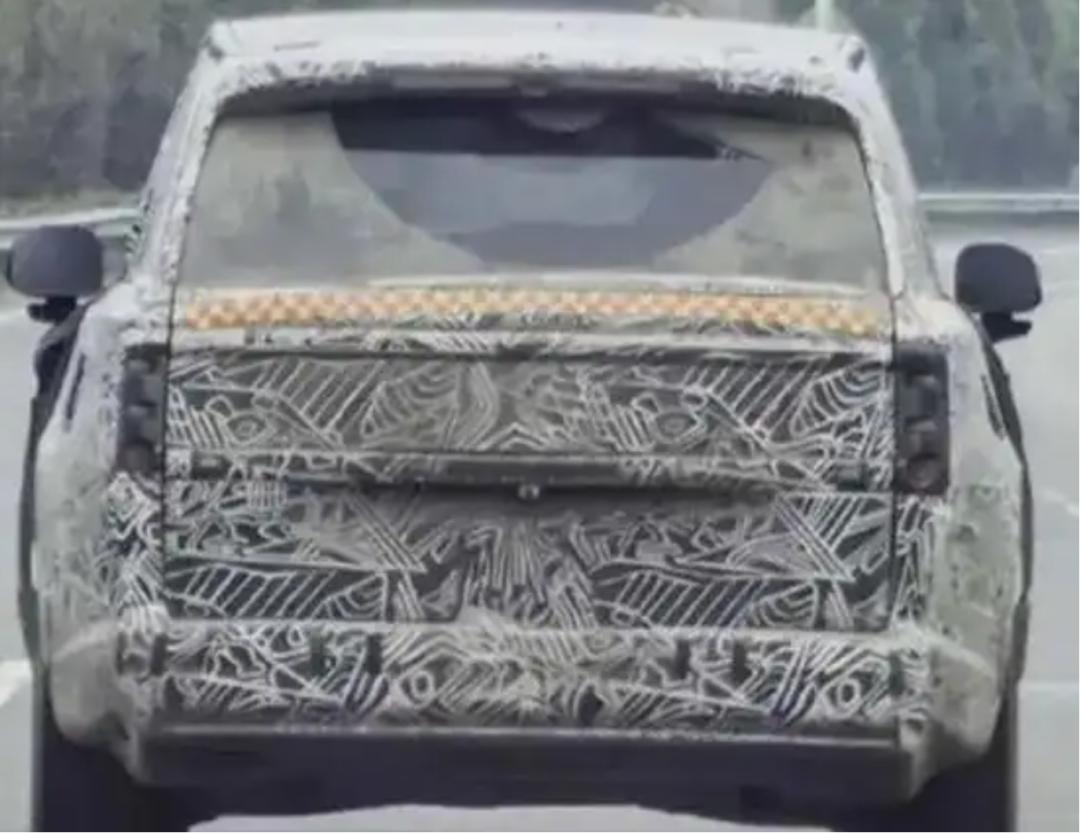
Judging from the road - test spy photos and renderings, a lidar is integrated on the roof, and it is very likely to be equipped with Xiaomi's self - developed chip, supporting advanced - level assisted - driving functions such as urban NOA. The cockpit naturally uses HyperOS, which connects mobile phones, cars, and smart home devices in a full - scene manner.
Finally, let's talk about the price and the launch time.
Multiple leaks point to an official release in the second half of 2026. However, there are differences in the price: some leaks suggest that the entry - level version may be in the range of 200,000 - 250,000 yuan, and the high - end version may reach up to 450,000 yuan.
Some analyses also believe that the main sales versions will be concentrated in the range of 350,000 - 450,000 yuan, directly competing with the Li L9 and the AITO M9.
Judging from the positioning of the independent sub - brand "Xuntian", Xiaomi is likely to use this brand matrix to cover the entire price range - the main Xiaomi brand focuses on the 200,000 - 300,000 yuan range, and Xuntian focuses on the 300,000 - 500,000 yuan range, forming a clear hierarchy.
Lei Jun is going to save the extended - range vehicle market
For the extended - range family SUV market, Xiaomi doesn't need to conduct user education.
The Li ONE, the Li L series, and the AITO M series have clearly explained in the past three years why family users should buy a large extended - range SUV.
Large space, long range, no anxiety, and suitable for family outings - these selling points have deeply taken root in people's hearts.
But for Lei Jun, this is a crucial turning point to prove his real strength after the "battle for survival".
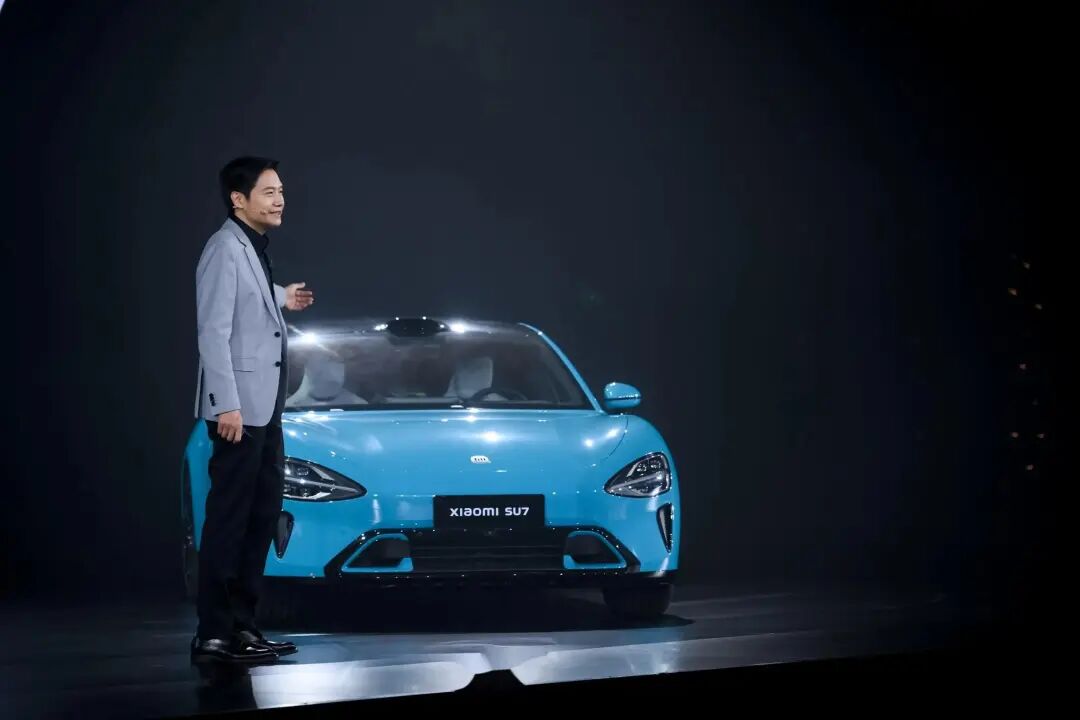
The SU7 and YU7 have proven that Xiaomi can produce popular pure - electric vehicles, and even niche performance cars. However, the capital market and more potential users are more concerned about: Does Xiaomi have the ability to continuously create hit products?
If the third and fourth models, models with different power forms and different user positioning, can all be successful, then Xiaomi Automobile can truly gain a firm foothold - instead of simply relying on the "mental connection" and Lei Jun's personal idol aura.
From another perspective, some people say that the success of the SU7 and YU7 is due to Lei Jun's idol effect and that people are paying for the emotional value of the "horse - power dog"...
But the Kunlun N3 focuses on space, family use, and is suitable for both urban and off - road use. There are many alternative options for the target users. If Lei Jun can still make this car a big hit, what else can the critics say?
Therefore, Xiaomi's first extended - range SUV, the Kunlun N3, is actually more important than the SU7 and YU7.
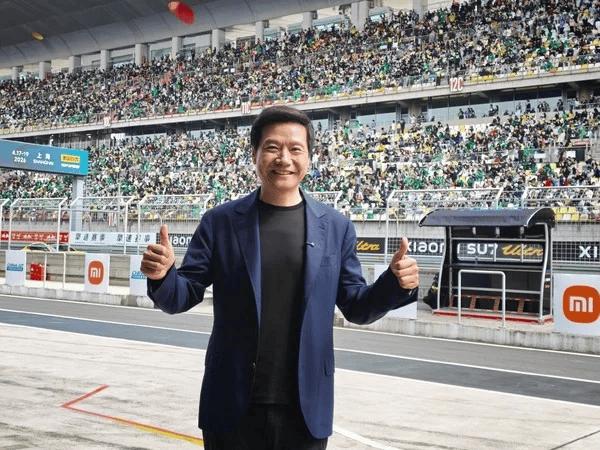
On a deeper level, this is also a "category - saving battle".
The latest data from the China Passenger Car Association shows that in May 2026, the wholesale sales volume of domestic extended - range models was only 95,000 units, a year - on - year plunge of 24.9%, the largest single - month decline in the past five years. The market share dropped to 7.0%, and only 3 models had monthly sales of over 5,000 units.
Xiaomi has a unique advantage: it is good at making a certain type of vehicle to the extreme and redefining the category with product strength. The SU7 has brought the price of pure - electric coupes down to the 200,000 - yuan level, and the YU7 has raised the intelligence and cost - effectiveness of pure - electric SUVs to a new height.
So, what can the Kunlun N3 do?
The most anticipated aspect of it is not how powerful the extended - range generator is, but that it is very likely to redefine the concept of "extended - range". For example, the 400 - 500 - kilometer pure - electric range is already approaching or even exceeding the level of mainstream pure - electric vehicles a few years ago.
Maybe the Kunlun N3 will introduce the concept of "performance" into the extended - range vehicle market for the first time.
With Xiaomi's entry, the rules of the extended - range vehicle market may really change.
One more thing
There are many renderings of Xiaomi's extended - range SUV. Some clearly look like the "Xiaomi YU9":
Some are more rugged, like the Xiaomi version of the "Mengshi":
Of course, for the self - developed flagship SUV, there is also a version similar to the "Range Rover" and "Cullinan":