When China's robot supply chain decides to sell "infrastructure" | muShanghai on-site notes
36Kr "Career Bonus" (ID: ZhiChangHongLi)
The rise of embodied intelligence and robots has heated up this year's supply chain.
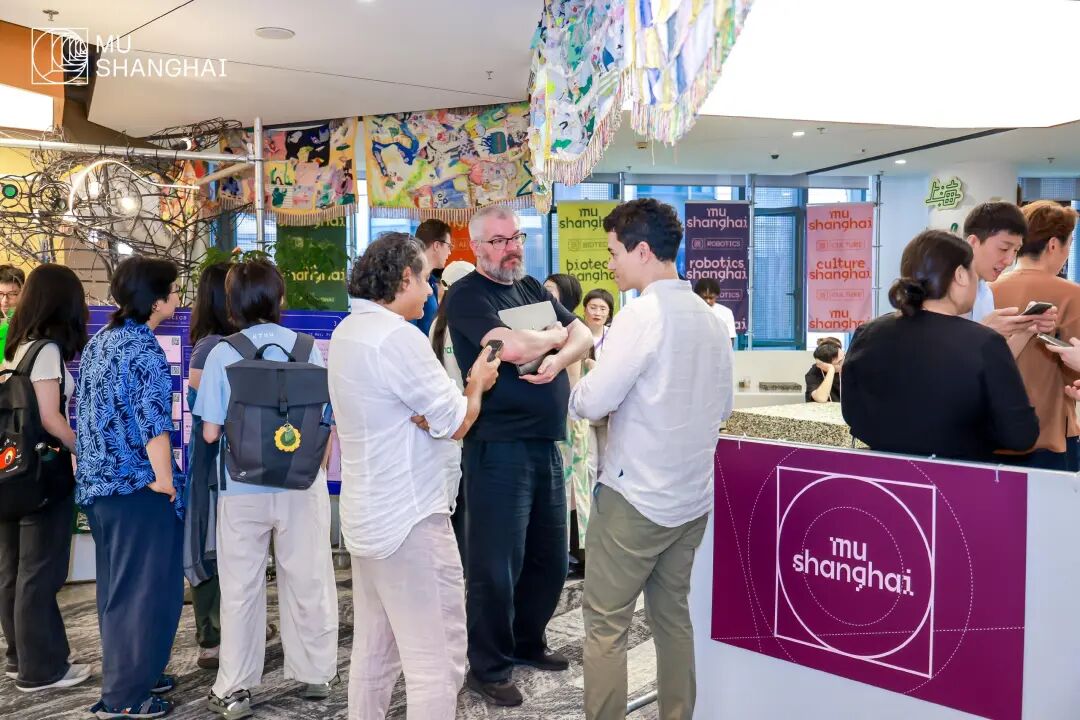
On May 26th, at the Alibaba Center T2 in Shanghai, the "Shanghai Embodied Intelligence Core Components · Exhibition and Exchange Day" on Tuesday can be said to be the most information - rich day of the entire muShanghai Robot Theme Week.
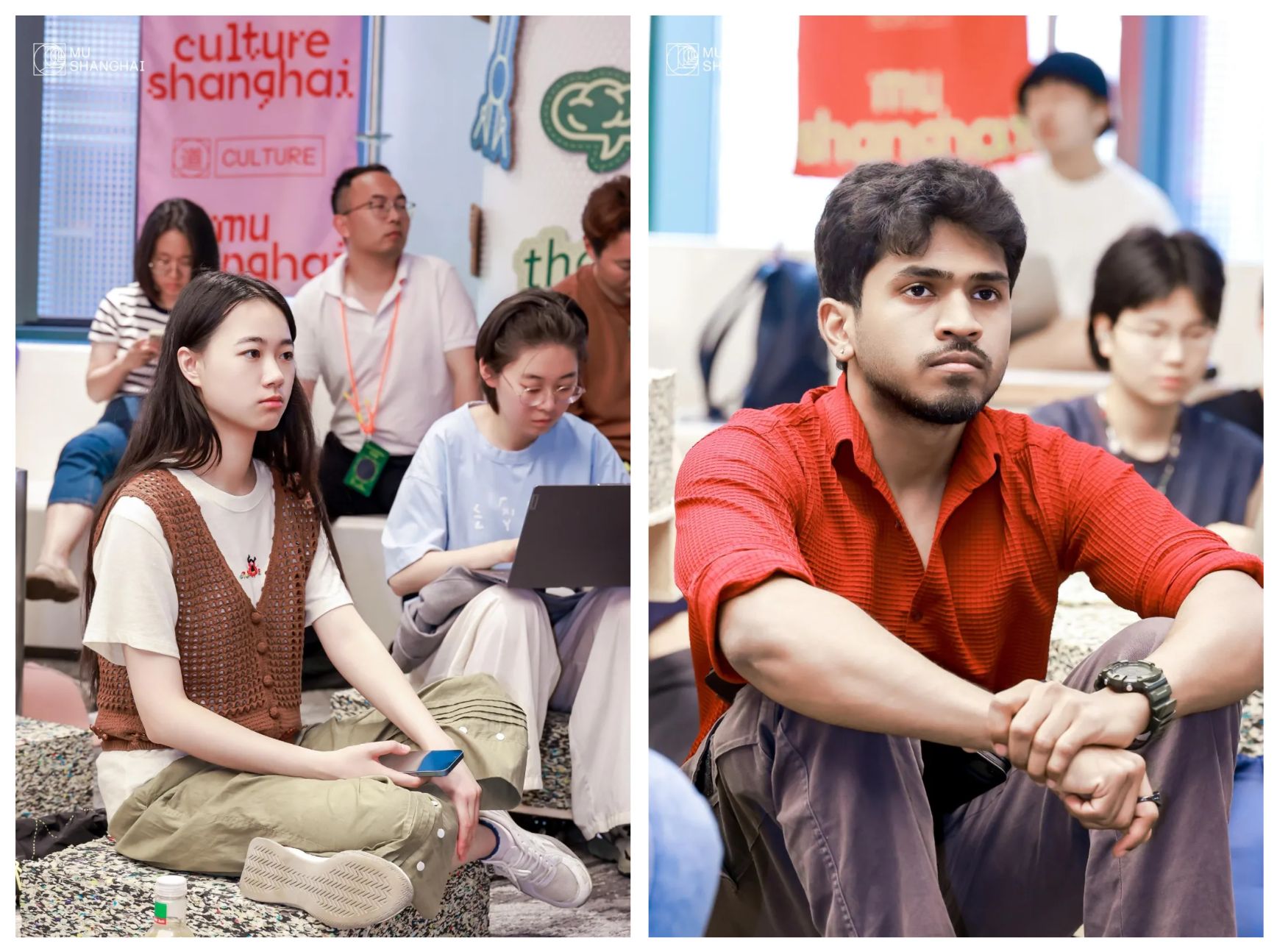
In the morning, seven Chinese companies took turns to present on stage, and in the afternoon, there were several keynote speeches and round - table discussions. There were many geeks, entrepreneurs, and investors sitting in the audience, and questions in a mix of Chinese and English came one after another.
Among the companies present, three are engaged in tactile sensors, one in joint modules, one in IMU and motion capture, one in complete machines, one in binocular vision, and one in brain - computer interfaces. On the surface, it seems a bit like a roadshow for component companies. But when they make a collective appearance, we can find that the Chinese robot supply chain is upgrading from simple hardware components to data, toolchains, and infrastructure.
The robot supply chain is also joining the story of Chinese enterprises going global. It is reported that the North American team of Dobot will triple in size by the end of the year. Dashi also said that its motion capture system will target international customers next. Many enterprises even conducted roadshows in English on - site, indicating their strong willingness to go global.
36Kr "Career Bonus" (ID: ZhiChangHongLi)
[Tactile Sensing: Three Ways of Doing Business for Three Companies]
Tactile sensing is the most difficult part of the robot industry chain. In the morning session, three companies talked about tactile sensing at the same time, but their business models are completely different.
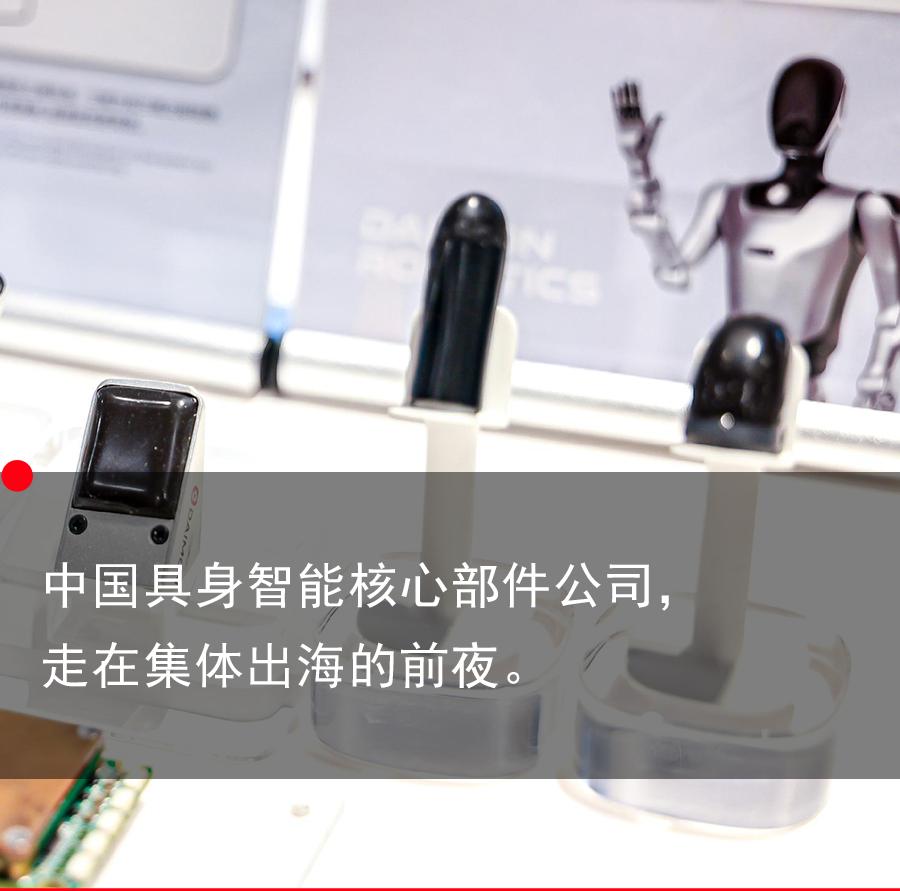
"Daimon Robotics" has chosen the "monochromatic light + pattern coding" route. By using a black - and - white camera, it reduces the computing power requirement while significantly optimizing the system bandwidth and power consumption structure, achieving a millimeter - level thickness design with a service life of up to 5 million times. Currently, the sensor has 40,000 effective sensing units per square centimeter, combining high resolution and full - mode capabilities, and has achieved IP67 - level waterproof and dust - proof performance, meeting the long - term reliable operation requirements under complex working conditions.
Daimon has also launched the world's largest full - mode physical world embodied dataset with tactile sensing, "Daimon Infinity". The first batch of 10,000 hours of real - world data has been launched on the Alibaba ModelScope Community, containing more than 2,000 human skills and over 300 real objects, covering 16 industries and 80 real scenarios. According to Daimon, this dataset currently ranks first in the download volume of physical world embodied datasets on ModelScope. Daimon plans to expand the scale to one million hours within this year.
Currently, Daimon has built a multi - level data collection system. In terms of remote - operation data collection equipment, the system integrates force/tactile feedback and extended - range functions, supporting heterogeneous control architectures. It can not only control Daimon's own robots but also be compatible with mainstream humanoid robots such as Unitree and Zhipu.
In terms of data collection equipment without a robot body, Daimon provides a highly portable solution. Data collectors are not restricted by fixed sites and can flexibly carry out collection work in various indoor and outdoor environments, even in complex outdoor scenarios. All collected data comes with tactile labels, achieving high - precision multi - mode alignment and providing a solid foundation for building a large - scale tactile data base.
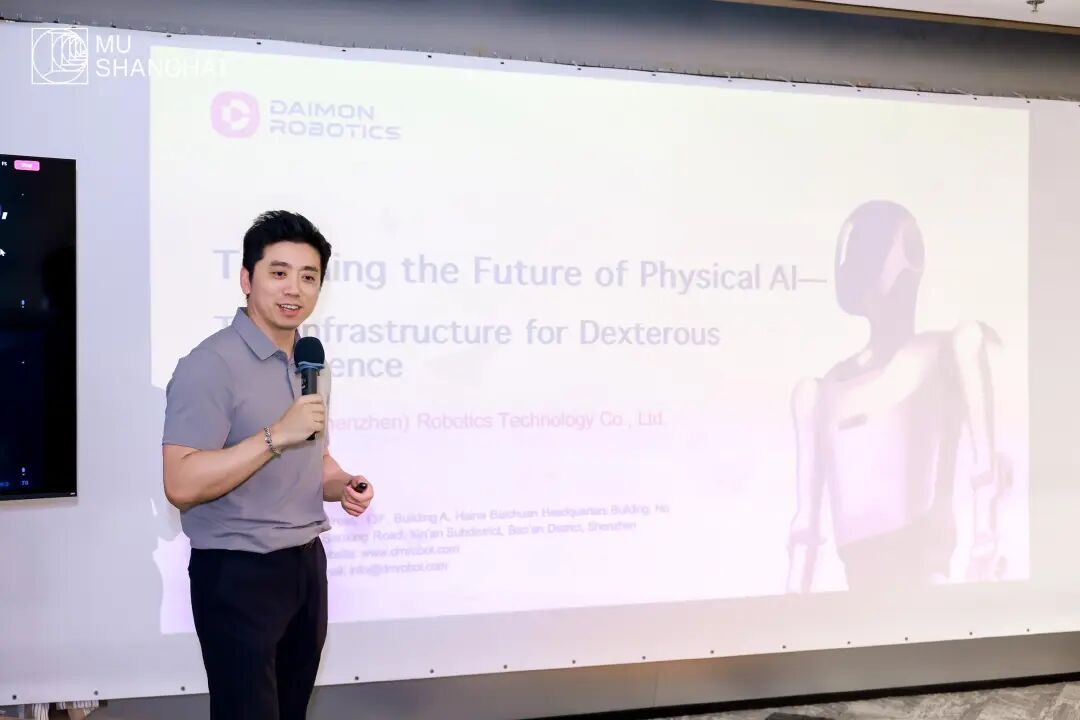
In the afternoon, Zhang Dong, the commercialization director of Daimon, further supplemented the logic of the data layer. "The biggest bottleneck in the current robot industry is the lack of contact - rich information with tactile sensing. Whether it is a large - scale model or a world model, the tactile mode is essential." Daimon is opening up the data closed - loop through scenario - based data cognition, workflow definition, and edge deployment, and has launched a series of products such as remote - operation data collection equipment with force/tactile feedback, two - finger grippers, and five - finger data collection gloves.
This means that in Daimon's business model, hardware is the entry point, and the data closed - loop is the barrier.
36Kr "Career Bonus" (ID: ZhiChangHongLi)
"Shita Robotics" emphasizes that it is a "full - solution" tactile sensor supplier. Its team comes from universities in Hong Kong, Singapore, and Shenzhen. The technical route is to use special light - sensitive materials for the surface, which has high linearity, and perform calculations through optical imaging. The five - finger fingertip model demonstrated on - site has a calculation board of only 5×5 cm, which can be directly embedded in the robot's palm for end - side calculation without transmitting data back to the robot's main controller.
Shita's product line covers flat, curved, fingertip, industrial gripper, and even fabric solutions. There are nearly 1,000 sensing points on a piece of fabric, enabling toys or furniture to sense interactions with different intensities such as patting and stroking. It also provides a full - set of data collection and scenario implementation solutions, including fabric data collection and optical material data collection.
According to Shita, it has currently supplied products in batches to several leading domestic dexterous hand and gripper manufacturers.
"Yimu Technology" has a broader perspective, aiming at "general physical AI". Zhang Wenbin, the CMO of Yimu Technology, believes that when a human hand feels for keys in a pocket, it doesn't need eyes and can quickly build a model through tactile sensing. Robots should also have this ability. Yimu's self - developed tactile sensor is ultra - thin and self - calibrating, and the surface gel can be replaced.
In the video played on - site, its robot completed liquid operations in the laboratory. It can judge the pose of test tubes, pour liquid steadily, transfer liquid precisely with a pipette, and even add liquid drop by drop at 22 weighing positions. Zhang Wenbin mentioned that Yimu has found a way to supplement the gap in real tactile data with simulation data through Sim to Real and Real to Real simulation training. Building an "end - to - end ecosystem with tactile sensing" is its proposed cooperation vision.
Three companies, three paths. Daimon sells the data closed - loop, Shita sells end - side engineering, and Yimu sells the combination solution of simulation and real data. It can be seen that there is no unified standard in the tactile sensing field yet, but all parties in the supply chain have already taken their positions in advance.
36Kr "Career Bonus" (ID: ZhiChangHongLi)
[Joint Modules: Scene Differentiation]
Joint modules are the most basic units of the execution layer. "Titan Tiger Robotics" is trying to prove that in the category of harmonic modules, Chinese enterprises can not only produce standard products but also provide customized delivery for extreme scenarios.
"Titan Tiger Robotics" was founded in 2020 and focuses on harmonic joint modules and complete machine platforms. It has self - developed more than 50 types of harmonic modules, achieving lightweight design under the same torque. Relying on these modules, it has developed collaborative arms, dexterous hands (6 degrees of freedom), and complete humanoid robots. The product line is clearly divided: the T140A, with a height of 1.4 meters, is mainly for education; the T170 series is for unmanned supermarkets and smart kitchens; the T230C is used for factory handling, with a maximum load of 40 kilograms for its dual arms.
Titan Tiger's differentiation lies in its deep customization ability. It has delivered IP67 underwater modules and modules for extreme environments from - 40°C to 80°C. Its customers include leading embodied intelligence companies and shipbuilding companies. Its R & D team currently has about 200 people, mostly hardware engineers. This year, Titan Tiger launched a manufacturing center with an annual production capacity of 100,000 joint modules.
[Complete Machines: Dobot's 199,000 Yuan]
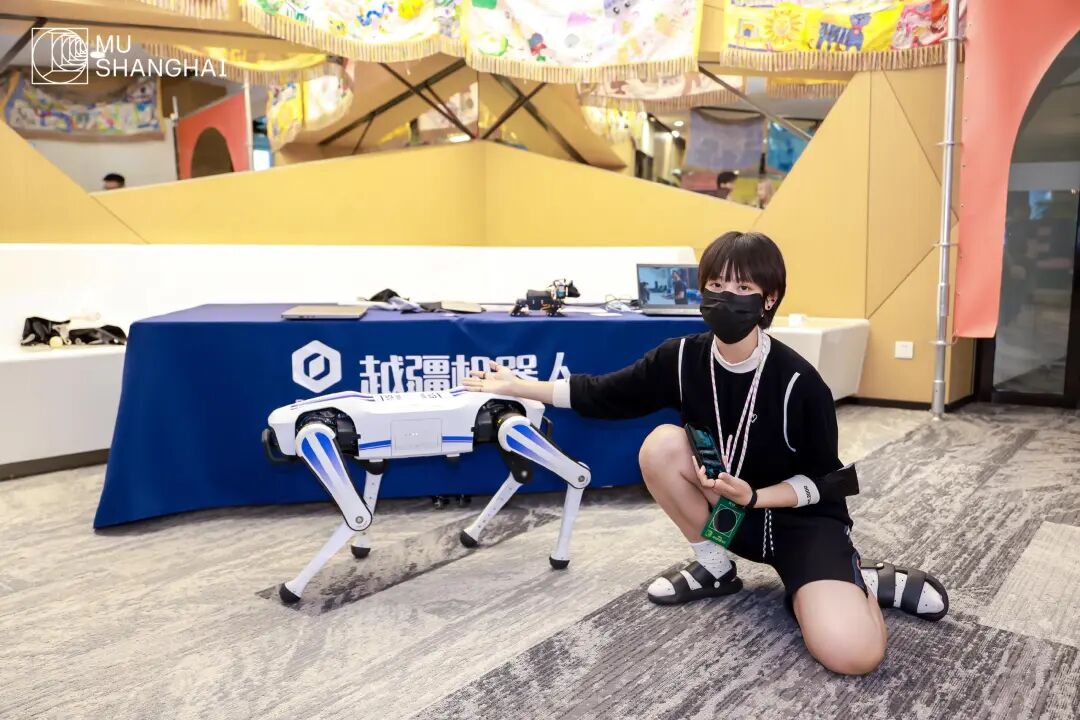
"Dobot Robotics" is the only listed complete machine manufacturer in the morning session. In December 2024, Dobot was listed on the Hong Kong Stock Exchange with the stock code 2432.HK, which is known in the industry as "the first Chinese collaborative robot stock". According to data from CIC, in terms of shipments in 2023, Dobot ranked among the top two in the global collaborative robot industry and first in China, with a global market share of 13%. As of 2024, its cumulative shipments have exceeded 80,000 units, and its customers include 80 Fortune Global 500 companies such as BYD, Tesla, Mercedes - Benz, Porsche, CATL, and Foxconn.
36Kr "Career Bonus" (ID: ZhiChangHongLi)
Joe Zhang, the person in charge of the North American education market, reviewed Dobot's path from starting with small desktop robotic arms on Kickstarter in 2015 to entering the industrial field in 2019. Dobot has a team of over 20 people in North America, and plans to triple its size by the end of this year. In addition, the most significant move this year is the release of the full - size humanoid robot Dobot Atom, with a pre - sale price starting from 199,000 yuan. The price anchor of full - size humanoid robots has been re - defined. Perhaps, the "price - cutter" logic also applies to the industrial - grade market.
As the Chinese company with the largest shipments in the collaborative robot field, Dobot is transferring its cost - control ability from industrial arms to complete humanoid robots. According to official disclosures, Dobot has carried out scenario - based cooperation with domestic first - tier automobile manufacturers, electronic manufacturing plants, and coffee and milk tea shops, and plans to conduct trial production and mass production in the middle of the year.
[IMU and Motion Capture: Dashi's Calibration Bottleneck]
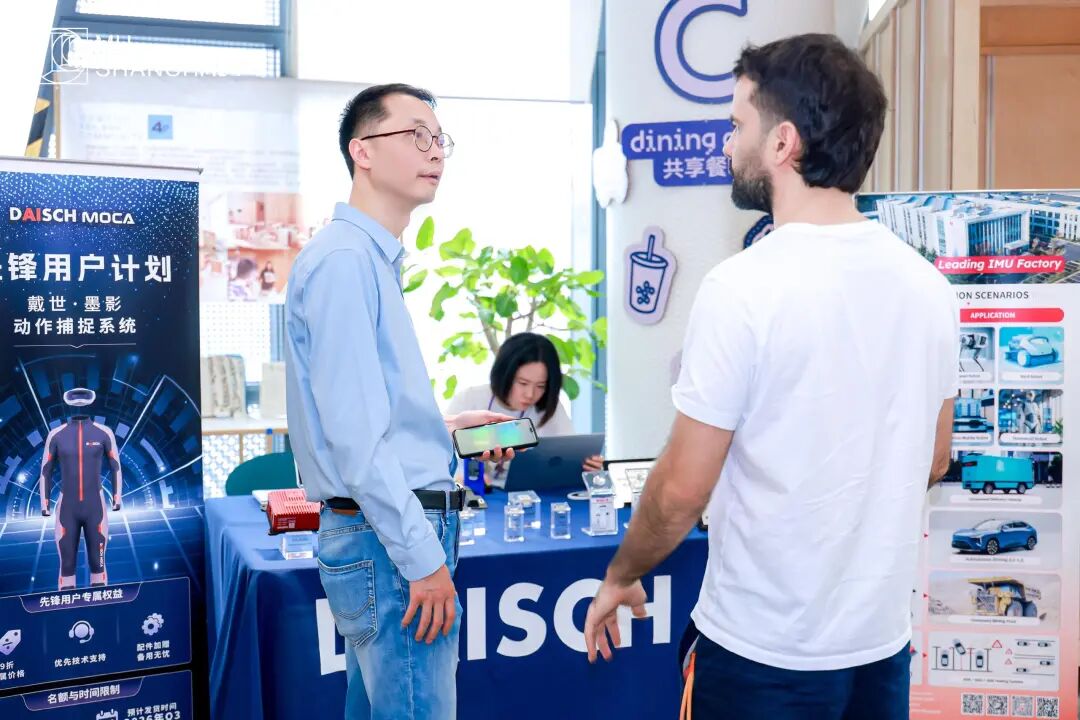
"Dashi Intelligence" is headquartered in Jiading, Shanghai, and its factory is in Taicang, Jiangsu. It has been engaged in IMU (Inertial Measurement Unit) for 11 years. Its key equipment and core calibration processes are all self - developed, breaking through the bottleneck of military - grade IMU calibration processes. Its annual production capacity reaches 5 million sets, and it has passed the automotive - grade system certification.
Dashi's products are directly integrated into mainstream domain controllers such as NVIDIA and Horizon. Its customers cover L4/L5 autonomous driving, robot dogs, AGVs, consumer - grade robots, and full - body humanoid robots. Leading domestic humanoid robot manufacturers such as Zhipu, Luming, Yunshenchu, and Ubtech have all used its IMU modules.
Dashi focused on demonstrating the motion capture system "Moying" based on IMU on - site. Inertial motion capture is cheaper than optical motion capture (in the range of tens of thousands of yuan, while optical motion capture usually costs over one million yuan) and has no occlusion limitations, with a precision of sub - millimeter level. Currently, it is targeted at the fields of robot data collection, remote operation, games, film and television, and health care, and the domestic orders have exceeded one thousand sets.
The speaker from Dashi mentioned a detail: IMUs on humanoid robots are usually installed in three positions: the mouth (for fusion with binocular vision), the chest (inside the main - board controller), and the lower body (for monitoring the rotation posture). For wheeled robots, there is one on the chassis and one on the upper body. Dashi's IMU output frequency reaches 500 to 1000 Hz.
Dashi's logic is clear: IMU is the core of robot motion perception, and the calibration precision determines the reliability of motion data. It first solved the bottleneck of the calibration process and then extended to the motion capture system. Essentially, it is selling the production capacity of "high - precision motion data".
36Kr "Career Bonus" (ID: ZhiChangHongLi)
[Brain - Computer Interface: The Clinical Path of Technological and Theoretical Innovation and Embodied Fusion]
The application scenarios of embodied intelligence are not limited to factories but also include hospitals.
The concept of brain - computer interface was first proposed in 1973, aiming to connect the human brain with external intelligent devices. Elon Musk's Neuralink has promoted the transformation from the laboratory to the industry. Currently, more than 20 subjects have achieved simple daily operations through invasive brain - computer interfaces.
We know that embodied intelligence emphasizes that intelligent agents learn and complete tasks through the interaction between the body and the environment. A brain - computer interface is a technology that reads brain neural activities and translates them into instructions that can be understood by computers or machines. When these two technologies are combined, human intentions, perceptions, and intelligence can be directly injected into external devices, achieving "human - machine integration".
"Arfysica Innovation" was founded in 2016 and focuses on non - invasive brain - computer interfaces. As a national high - tech enterprise, it is also one of the national specialized and sophisticated "little giants" in the field of brain - computer interfaces. The company has established the Shanghai Key Laboratory of Brain - Machine Collaboration and Cognitive Expression and the Shanghai General Arfysica Smart Medical Brain Science Research Institute, and has completed its Series C financing. It has participated in the formulation of standards in the field of brain - computer interfaces, and Dr. Wang Wei serves as an expert member of the first - session Brain - Computer Interface Standardization Committee of the