199 Yuan, Nokia Small-Screen Phone Review: Supports WeChat Video Calls, The Experience Is Quite Interesting
Nokia has launched a new phone. Some time ago, HMD, which finally renewed the Nokia brand license, launched its first "WeChat Chat Phone" in China - the Nokia 200 4G. The initial price is 199 yuan. It supports full - network 4G and targets students, elderly users, and the market for backup phones.
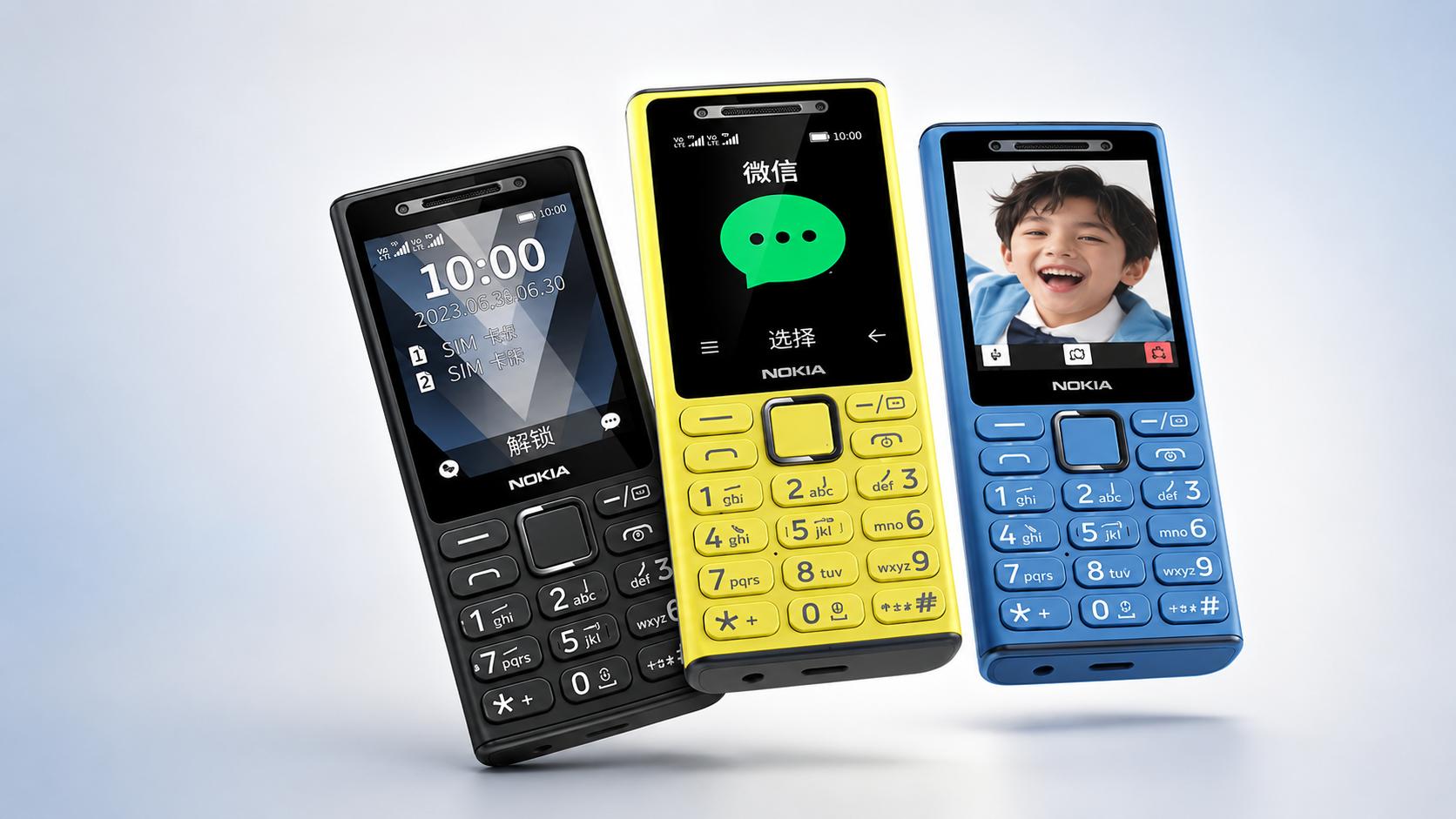
(Image source: Lei Technology)
Putting these keywords together sounds quite subtle.
On one hand, there's Nokia, a name that once almost equaled "mobile phone"; on the other hand, there are these rather retro labels like 199 yuan, feature phone, student phone, and elderly phone. What's more interesting is that it also incorporates a function called WeChat Chat, trying to keep the button phone connected to today's smartphone world.
The question is, in today's world where WeChat, payment, short - videos, and various apps fill our phones, what on earth can a 199 - yuan Nokia button phone do? Xiaolei (ID: leitech) bought one to experience for a while. Here's my sharing.
The packaging alone is worth 199 yuan, and the feel is still "Nokia"
To be honest, in an era when product packaging follows the minimalist style, the packaging of the Nokia 200 4G really stands out.
The Nokia 200 4G in three color schemes are neatly arranged, with distinct color blocks and a sense of hierarchy, giving people the illusion that a feature phone can also have a modern feel, making people can't help but want to open it and feel how it is.
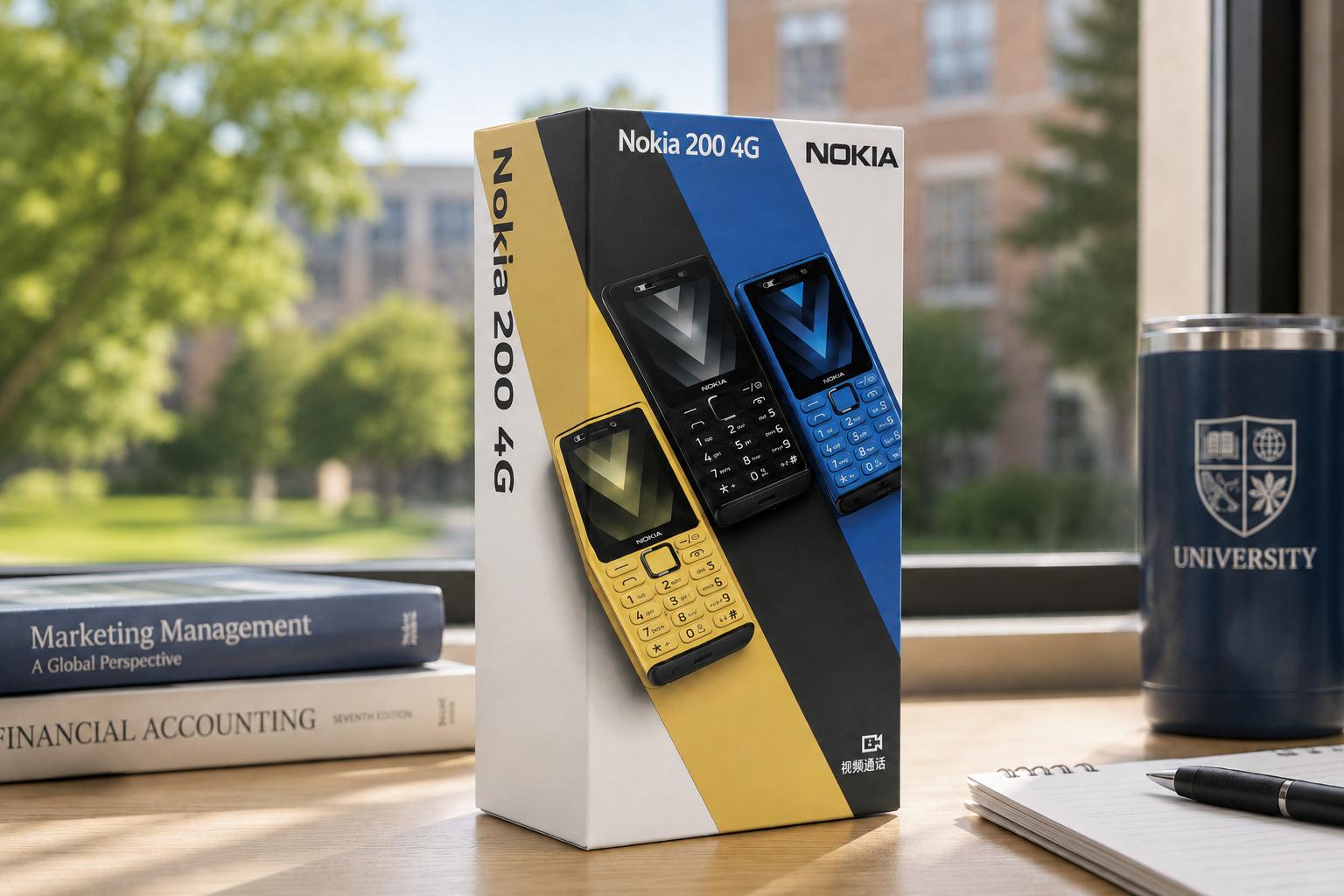
(Image source: Lei Technology)
The moment I opened the packaging, I really felt like going back to the past.
There's nothing complicated in the packaging. Just the phone itself, the battery, the charging cable, and the instruction manual. It's basically what you'd expect at this price point.
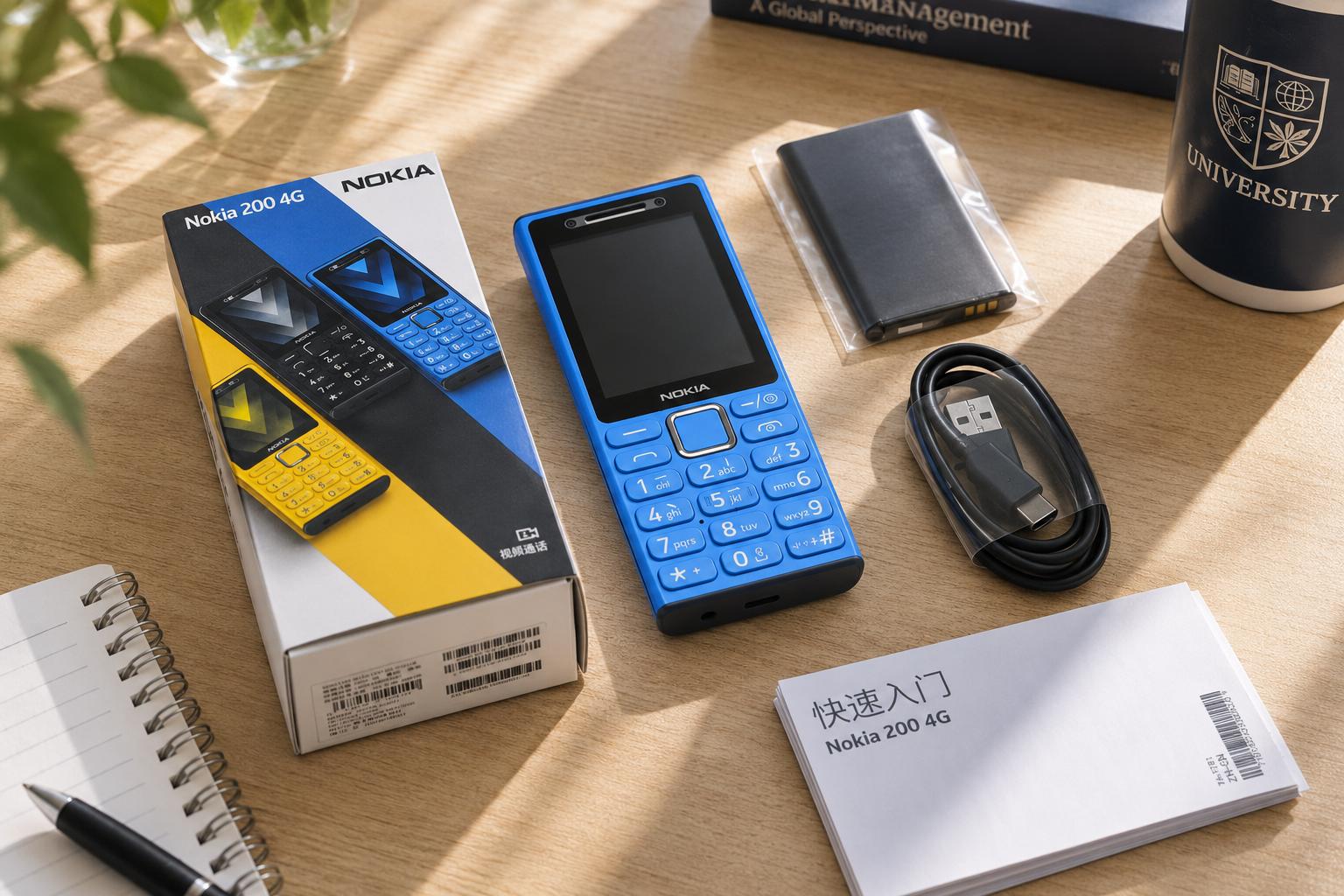
(Image source: Lei Technology)
But this simplicity actually suits it well.
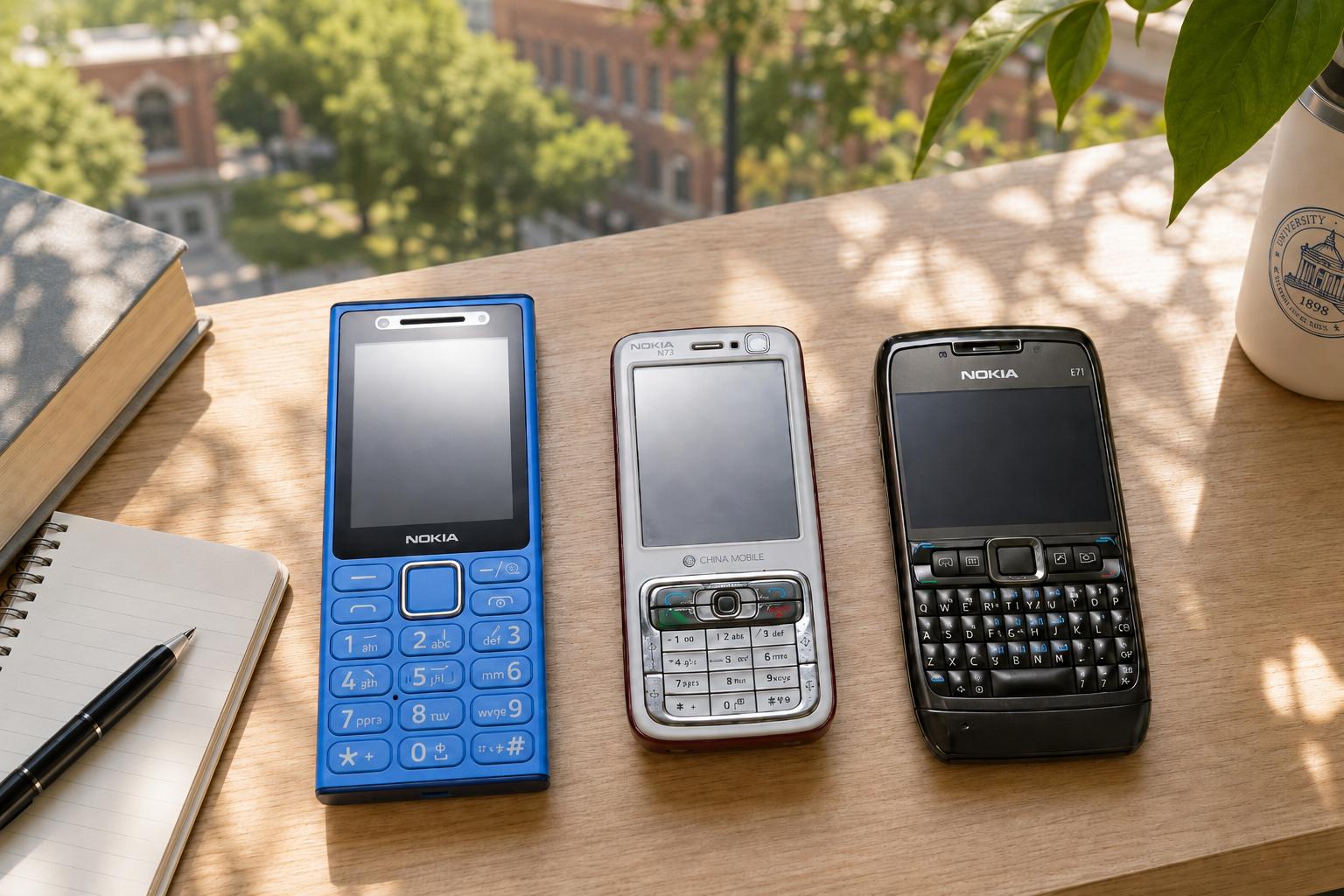
Picking up the phone, my first reaction was that it's light. It doesn't have the heavy feeling brought by the glass, metal, and large screen of a smartphone. The phone body is also small, so it's easy to hold with one hand. You won't even notice it much when you put it in your pocket.
The appearance design is also quite plain. It's even more old - fashioned than the classic Nokia phones of the past.
(Image source: Lei Technology)
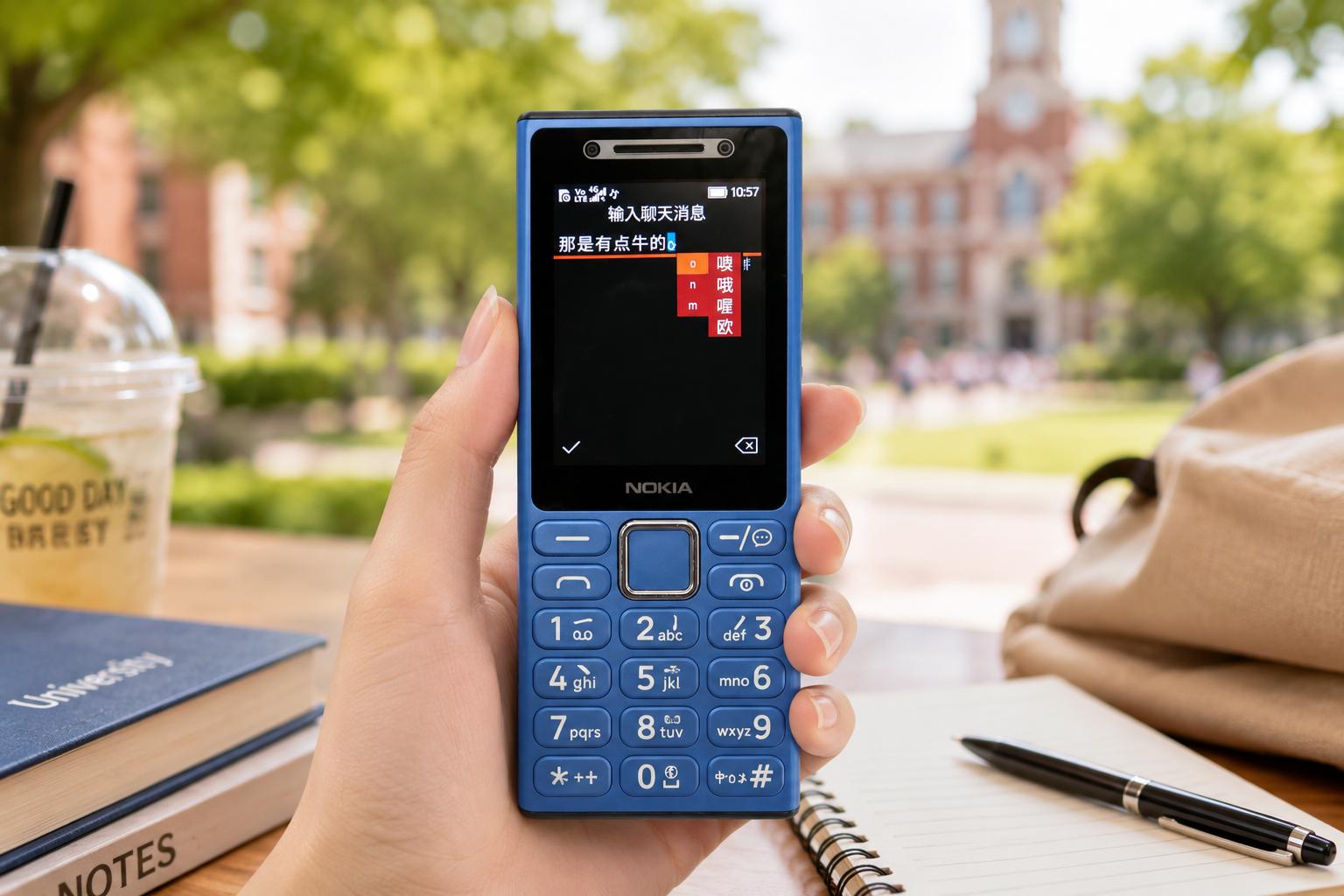
There's a 2.4 - inch screen on the front, and below it is a standard nine - key keypad. The screen is small, with low resolution and serious color deviation. You can't expect it to meet the standards of a smartphone. Its task is simple: to let you see contacts, text messages, menus, time, and incoming calls clearly.
I'd say the keys might be the most tangible part of this phone.
The keys are large, with a crisp pressing feedback. It's much more comfortable to press blindly than using a touch screen, and it's not easy for the elderly to accidentally press the wrong keys.
The logic of dialing, going back, confirming, and moving up, down, left, and right is very traditional and hardly requires any learning. If you've used old Nokia, Motorola, or Sony Ericsson phones, you can basically use this phone without any problems.
(Image source: Lei Technology)
As for the drawbacks... I can only say that the input efficiency of a button phone is really a bit of a pain these days.
Typing a few words is okay, but for a long - length chat, the nine - key input will make you understand what "slow life" means. It will force you to talk less nonsense and not always think about replying to messages.
I'm wondering if this is an inherent property of feature phones?
The system menu is very simple. It includes phone calls, text messages, contacts, camera, radio, music, tools, and settings, which are basically the traditional features of a feature phone.
I did a simple test on basic calls. The Nokia 200 4G supports 4G network and VoLTE calls. The daily signal is quite reliable. The external speaker is quite loud, and the incoming call ringtone is obvious enough, so it's not easy for the elderly to miss calls. However, the microphone sound quality is just average, and it lacks a call noise reduction function. There will be occasional "hissing" distortion.
As for the flashlight that everyone likes...
(Image source: Lei Technology)
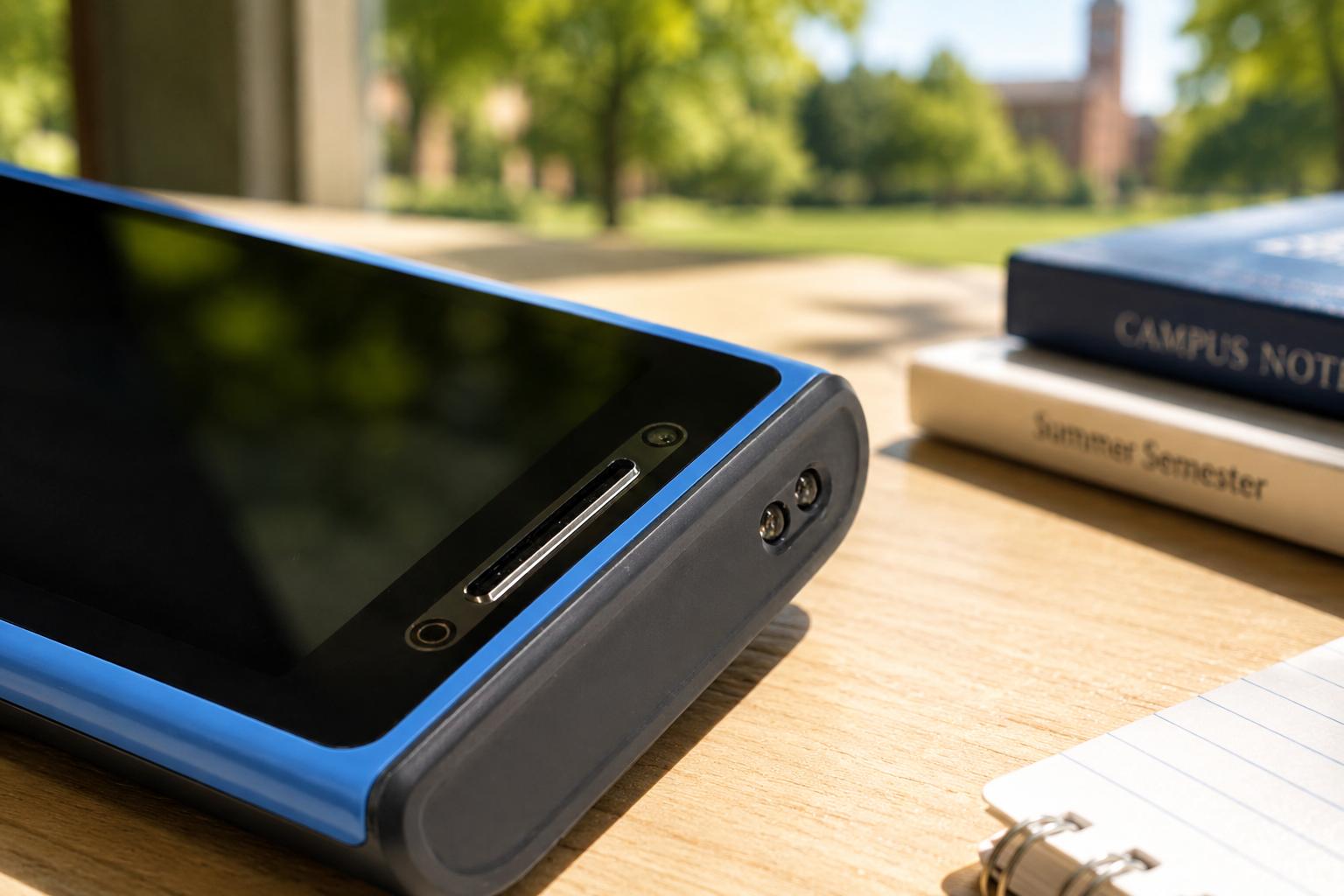
It comes with a dual - LED flashlight, which looks quite decent. Unfortunately, the actual brightness is just barely there. It's even worse than the flash of an ordinary smartphone. It might be enough for finding things at night, lighting up the corridor, or for temporary emergencies, but it's not suitable for walking at night.
Whoever said that the flashlight on a feature phone must be bright is just spreading pure rumors.
WeChat Chat is a bit interesting, but payment doesn't work
Of course, the most worth testing on this phone is not making calls or using the flashlight, but "WeChat Chat".
Because this is the biggest difference between the Nokia 200 4G and an ordinary elderly phone.
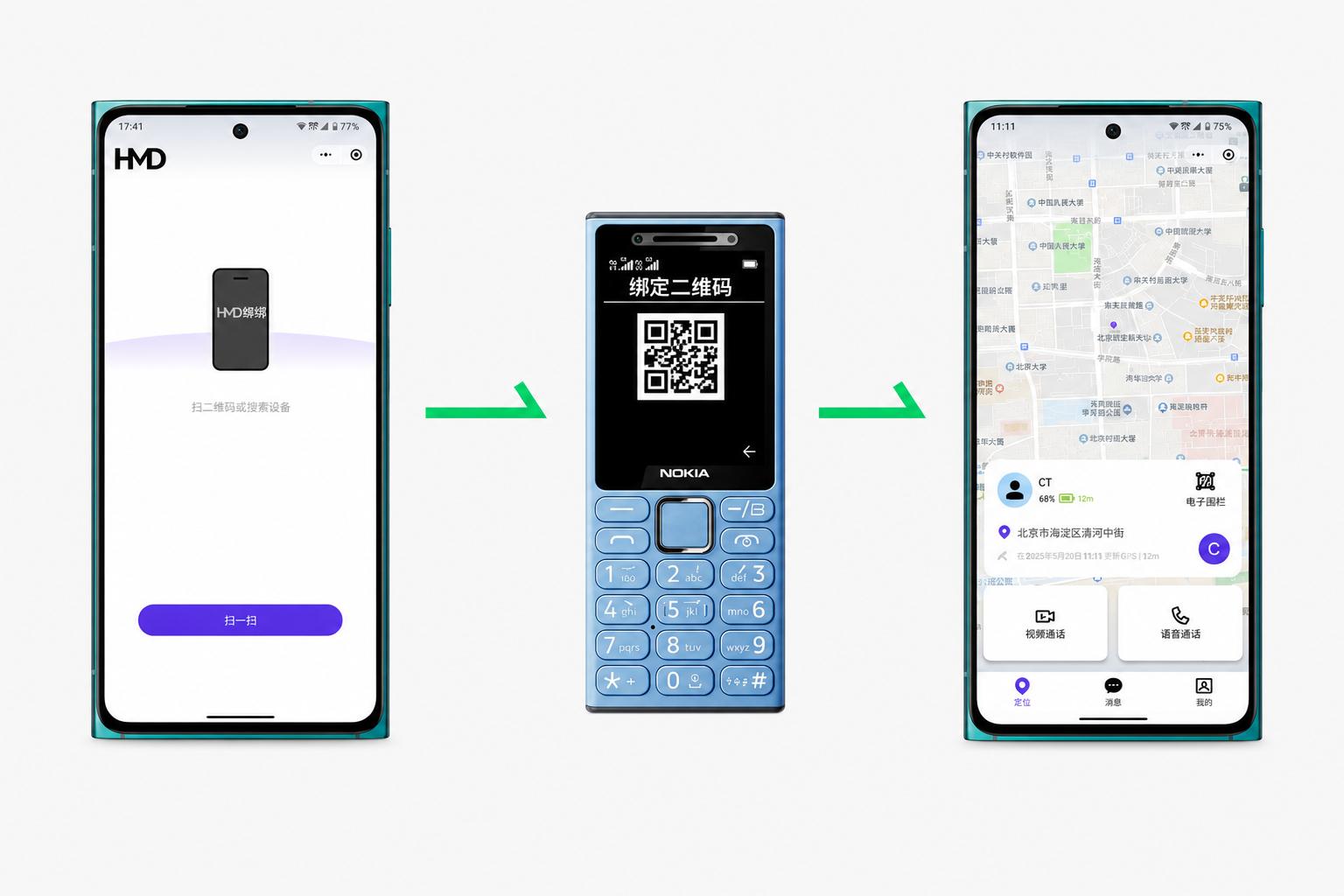
Don't be misled by those self - media. The Nokia 200 4G can't use WeChat video at all. Simply put, you can understand WeChat Chat as a communication solution for feature phones. Smartphone users can interact with it through a WeChat mini - program, enabling functions such as text, voice, video, pictures, group chats, location, and electronic fences.
Doesn't it sound a bit like a children's smartwatch? In fact, the experience is really similar.
Click the right - hand key on the desktop of the Nokia 200 4G, and you can enter the "HMD WeChat Chat" app. In a cold - start state, it usually takes more than 30 seconds to load this app.
It's a feature phone, so we'll bear with it!
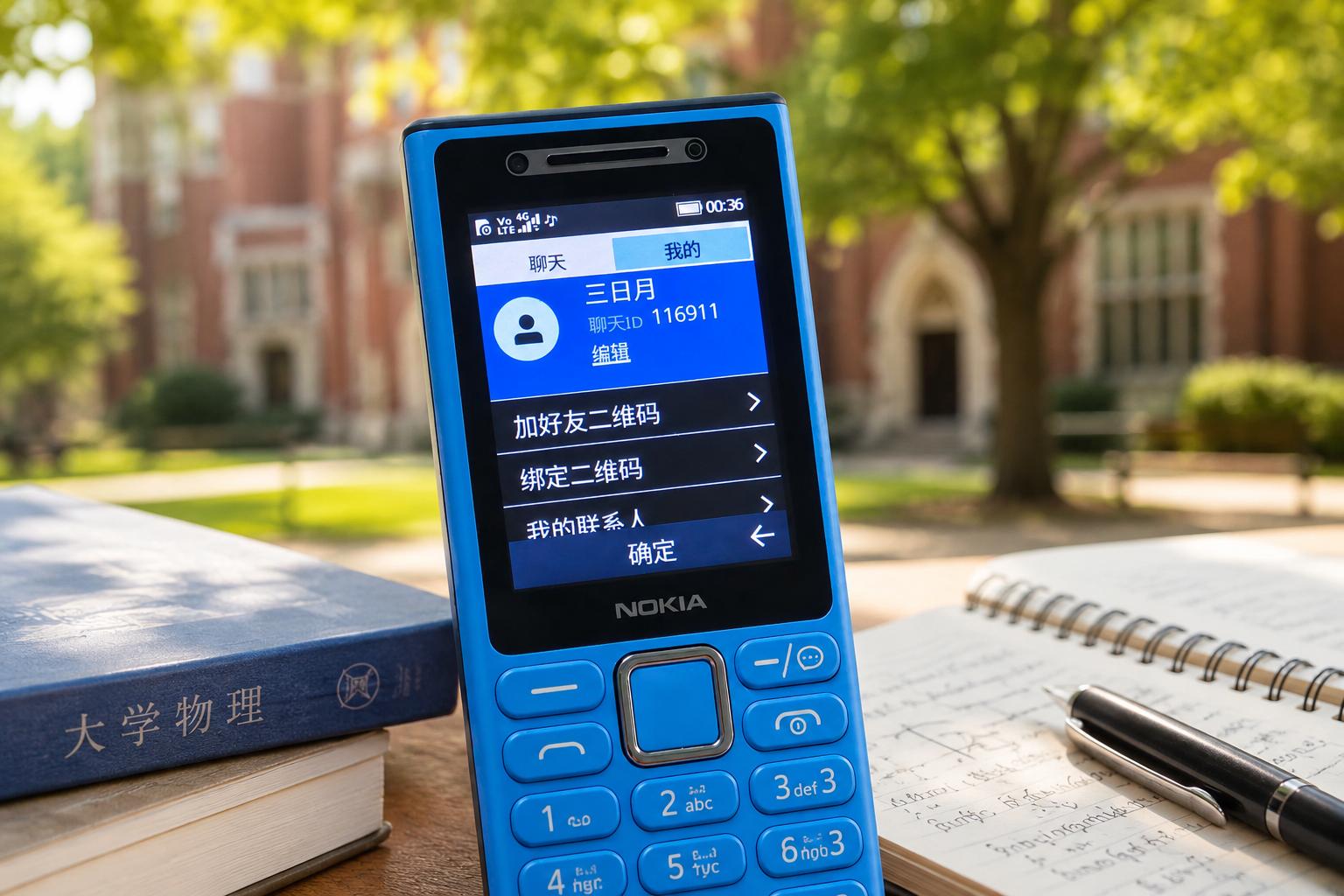
After simply registering an account, you can see the main interface of the "HMD WeChat Chat" app on the feature phone. The overall design is very simple. There are only two tabs in total, namely the "Chat" interface listing the added friends and the "My" interface containing almost all the function settings.
(Image source: Lei Technology)
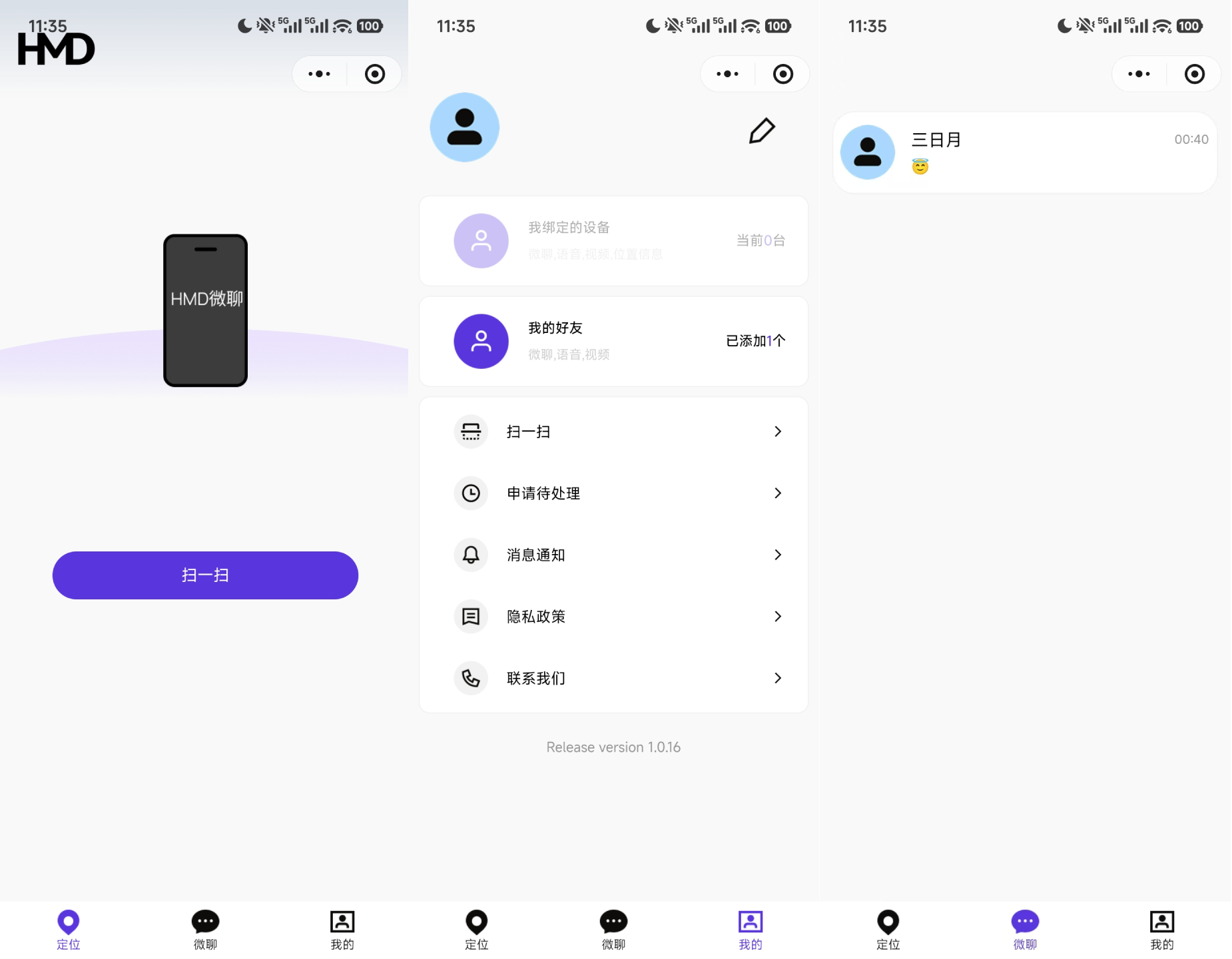
It's also very easy to chat with this phone. Just search for the "HMD WeChat Chat" mini - program on WeChat and scan the code to add friends.
In terms of design simplicity, the mini - program is also quite impressive. In addition to the "Chat" and "My" interfaces that also exist in the feature - phone version, there's only one more "Location" interface in the mini - program, which can monitor the real - time location after binding the device and can achieve a fuzzy location based on the communication base station.
(Image source: Lei Technology)
I tested the chat effect. Text and emojis work fine, but the pictures sent from the mini - program will be extremely abstractly compressed, creating a unique visual effect.
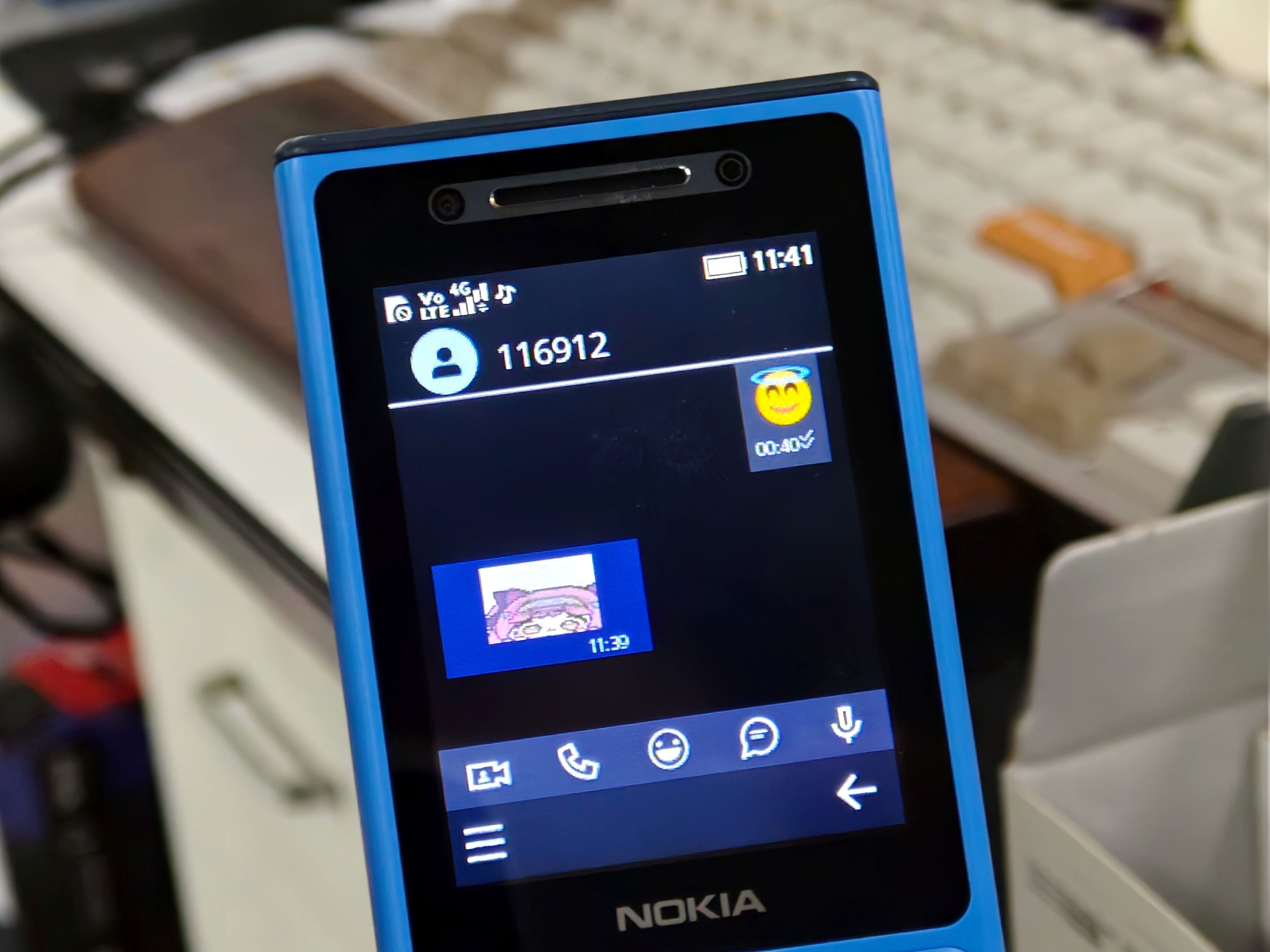
(Image source: Lei Technology)
Fortunately, you can still open the original picture by pressing the confirm key.
As for video calls... the good news is that it works, and the mini - program can also normally call the notification function of WeChat, so there's basically no chance of missing a call.
The bad news is that the video quality is really terrible. If I don't look closely, I'd think it was taken by my door lock.
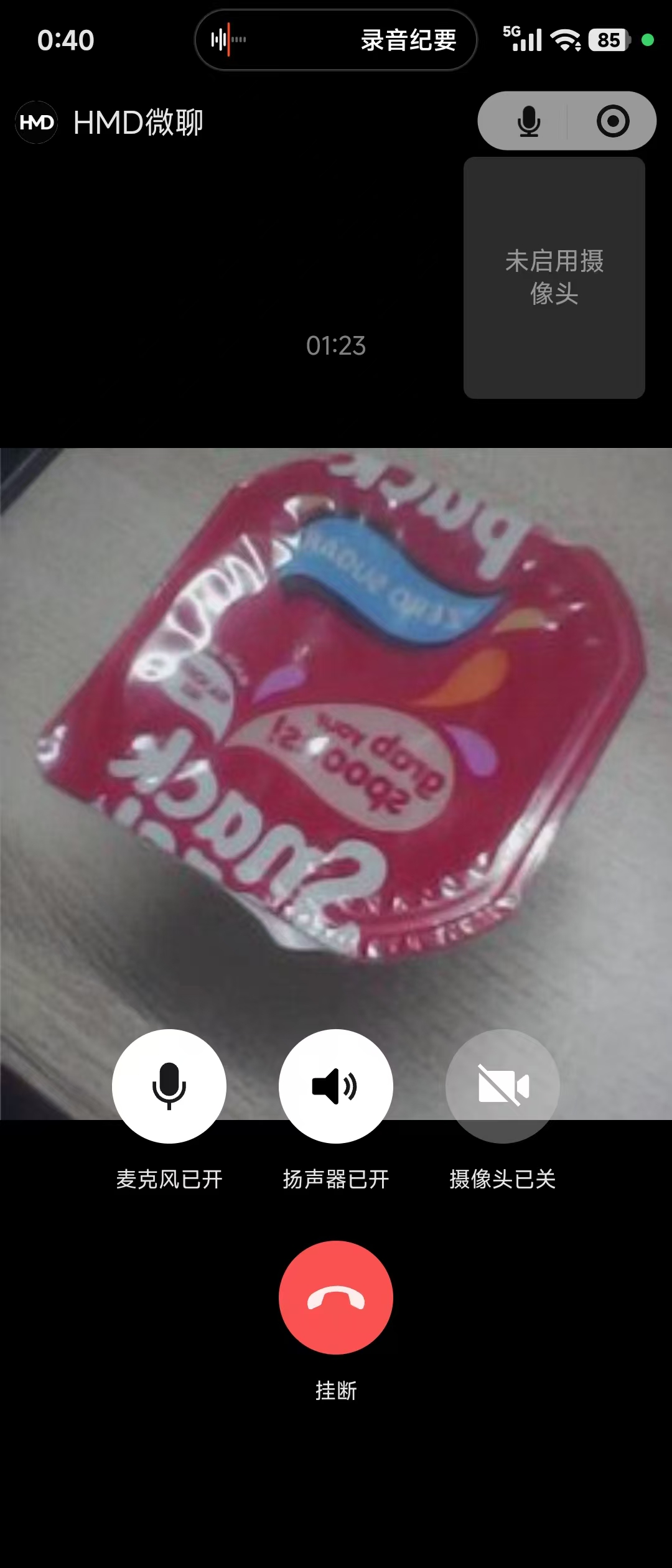
(Image source: Lei Technology)
Originally, the call quality of this phone is just average, and it doesn't support Wi - Fi. After adding the load of video calls, not only is the delay increased, but the distortion is also more serious. It can be said that listening for two more minutes is a kind of torture.
Ultimately, its core logic is not to let you use WeChat fully, but to allow feature - phone users to maintain basic contact with smartphone users. For example, if the elderly at home use the Nokia 200 4G, their children can send messages, make voice calls, and check the location through the WeChat mini - program. Or if a child takes this phone out, parents can contact him and roughly know his location.
This idea is valid.
Especially for student phones and elderly phones, WeChat Chat fills the most embarrassing shortcoming of traditional feature phones: they can only make calls and send text messages and are not modern enough.
(Image source: JD.com)
But in terms of the actual experience, let's just say that being usable and being good to use are two different things.
Moreover, typing on a feature phone really requires patience these days. Sending voice messages might be more comfortable, but the "HMD WeChat Chat" on the feature - phone side can't send voice messages, so it always feels awkward to use.
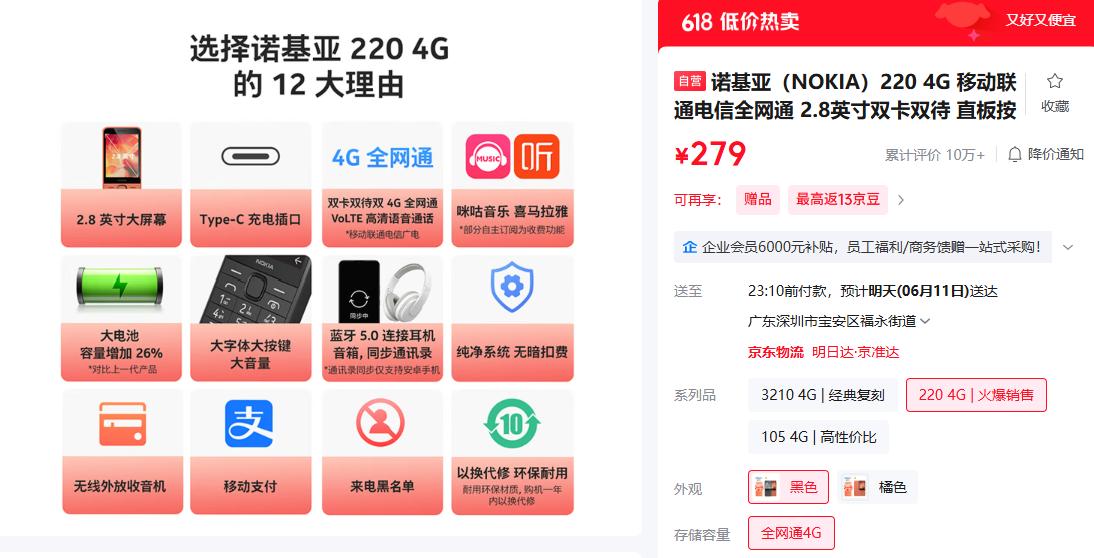
The most outrageous thing is that the Nokia 200 4G actually doesn't have a payment function.
In contrast, the Nokia 220 4G launched last year has a payment function, which means this is definitely not a technical limitation. It's highly likely a trade - off based on different positioning.
(Image source: JD.com)
This is very fatal for Chinese users today.
Without WeChat Pay or Alipay Pay, it means it can't really go out independently. You can use it to make calls, contact family members, listen to books and music, but as long as it involves buying water, taking the bus, scanning the code to order food, or picking up express deliveries, you basically still need a smartphone.
So it can be a backup phone, but it's hard to be a primary phone.
In terms of entertainment, it's not completely boring. It can listen to books, play MP3s, and use the FM radio. For young people, these functions seem like things from the last era; but if you really want to reduce the time spent on short - videos, they are actually quite suitable.