Alibaba's major AI restructuring: Wu Yongming takes charge of Token Foundry, Zhou Jingren promoted to Chief Scientist
[Introduction] Alibaba merges Tongyi and the Future Life Laboratory, establishes the Token Foundry, and CEO Wu Yongming takes charge personally. Alibaba aims to dominate the entire Token industry.
Alibaba's AI architecture is upgraded again!
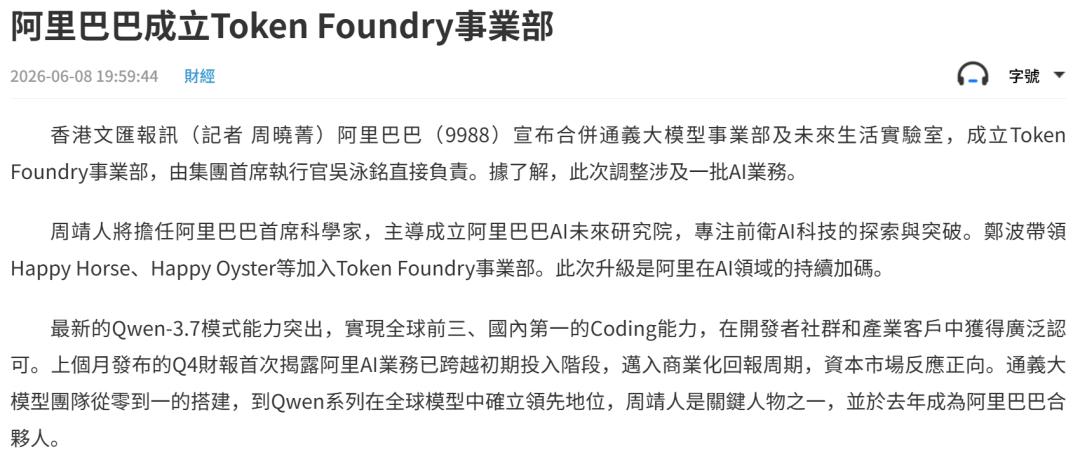
On June 8th, Alibaba announced the merger of the Tongyi Large Model Division and the Future Life Laboratory to establish the Token Foundry Division, which will be personally led by Group CEO Wu Yongming.
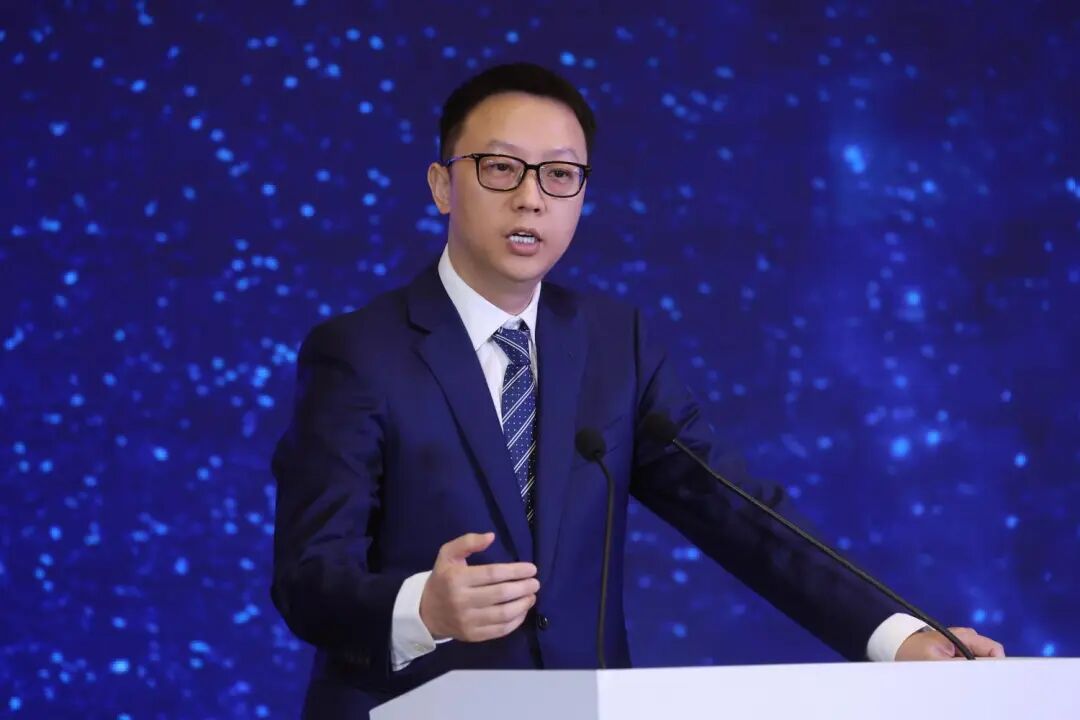
Zhou Jingren has been promoted to Alibaba's Chief Scientist and leads the establishment of the AI Future Research Institute, specializing in cutting - edge AI technology. This is the highest academic title in Alibaba's technology system.
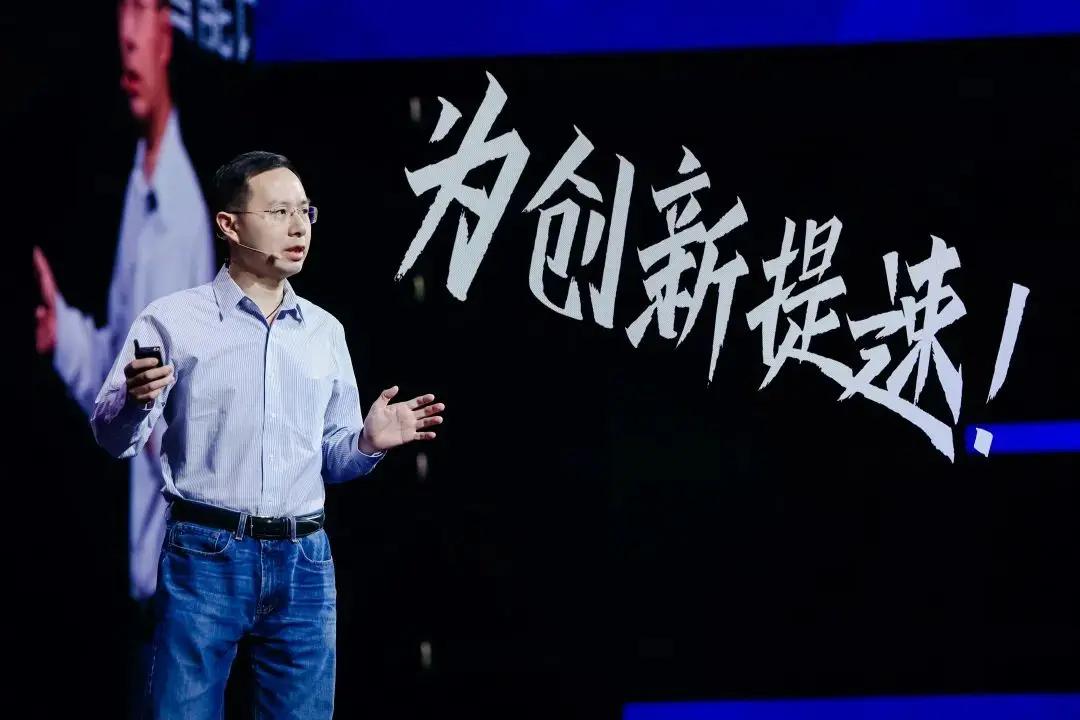
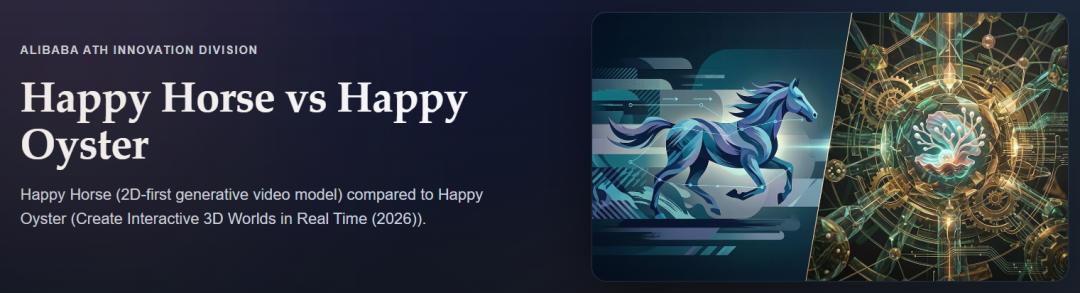
Zheng Bo leads the Future Life Laboratory to merge into the Token Foundry. The world - leading video generation model Happy Horse and the world model Happy Oyster are both from this team.
Create Tokens on Your Own
Three months ago, Alibaba established the ATH Business Group, Alibaba Token Hub, which set up a Token hub.
Today, Alibaba has built a foundry in this hub.
This Token Foundry is formed by the merger of two teams.
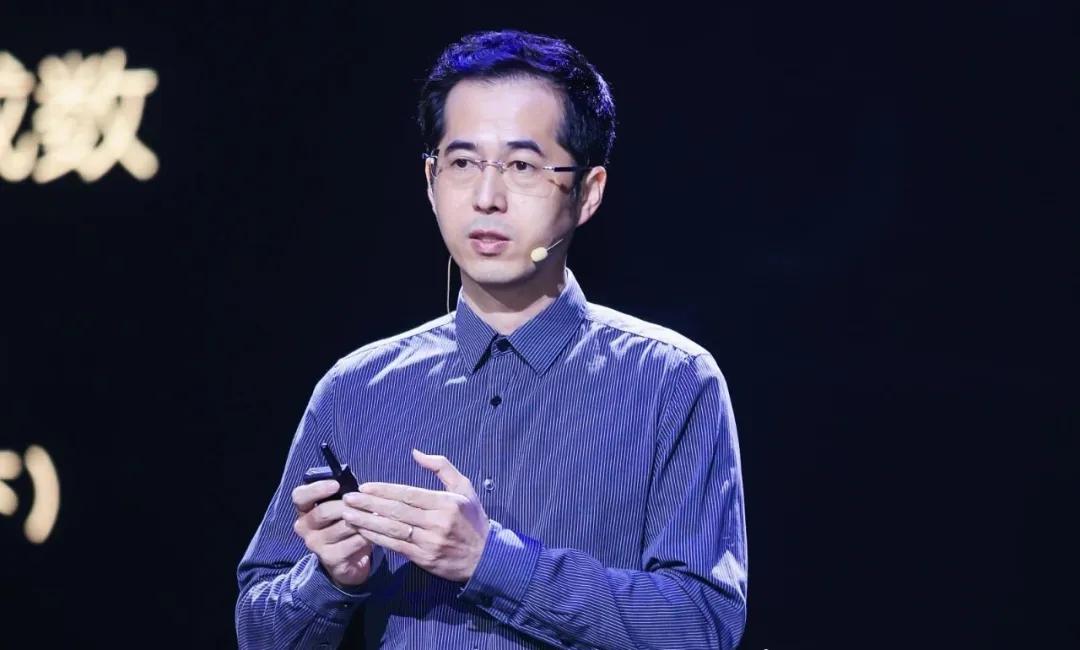
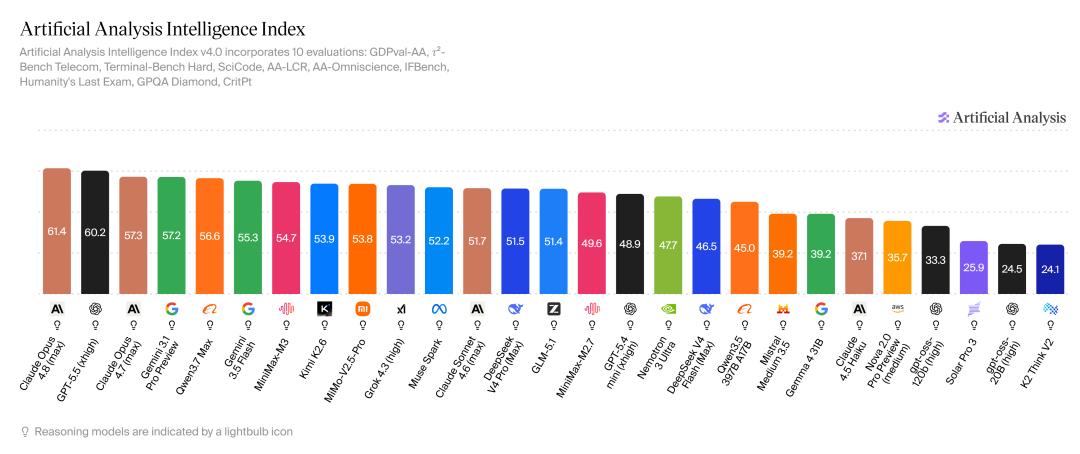
One is the Tongyi Large Model Division, a team built from scratch by Zhou Jingren, a newly - promoted Alibaba partner last year.
Recently, they just released Qwen 3.7 Max, which is designed for Agents by nature, supports an ultra - long context of 1M tokens, and aims to allow AI to run continuously for dozens of hours and adjust thousands of tools by itself.
The other is the Future Life Laboratory.
Its flagship product, Happy Horse, topped the global video generation list in April. There is also Happy Oyster, positioned as a "real - time world engine". The system generates images while the user is speaking, like a real - time interactive world simulator.
Four Ways to Profit from Tokens
Alibaba calls its new organization a "foundry", but around Token, the basic resource in the AI era, each tech giant is betting on different positions.
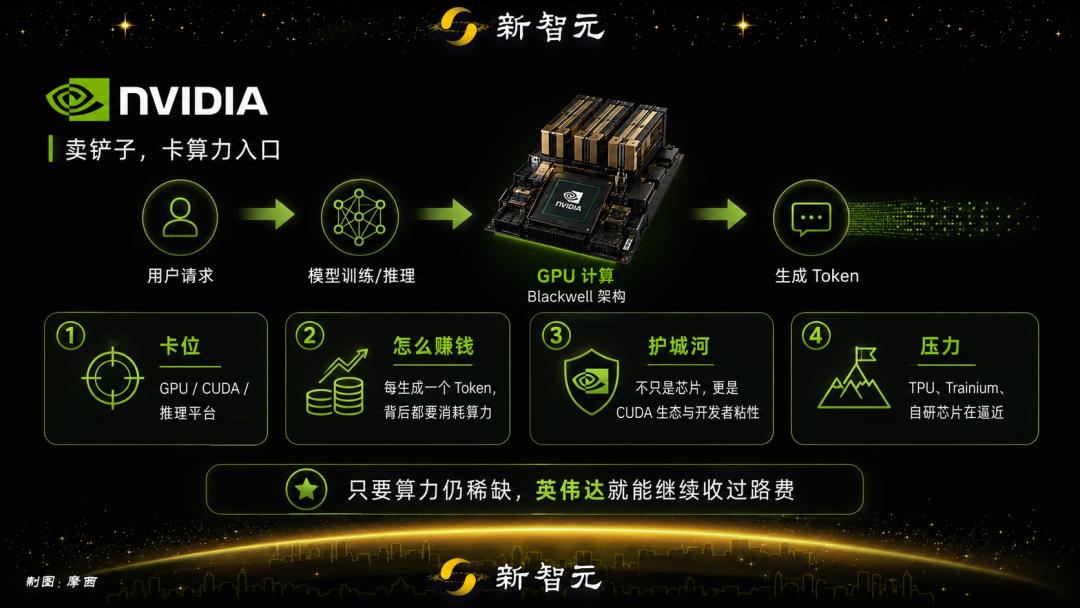
Nvidia is like a shovel seller.
The generation of every Token requires the use of its GPUs. No matter who wins or loses in the model layer, Jensen Huang collects tolls.
Blackwell is still processing a large number of orders, and the next - generation Rubin architecture is already on the agenda. This business currently has the highest certainty.
However, every company is developing its own chips. Google has TPU, and Amazon has Trainium. Jensen Huang's real moat is not the hardware itself, but the developer stickiness of the CUDA ecosystem.
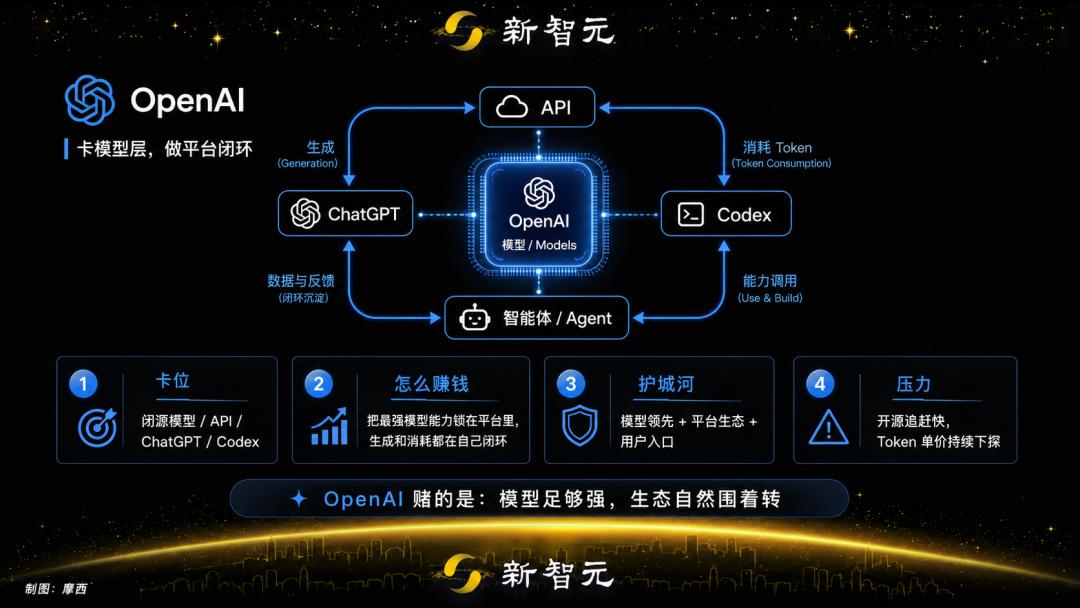
OpenAI controls the model layer.
It uses a closed - source model, locking the most powerful model capabilities behind the API. From ChatGPT to Codex, the generation and consumption of Tokens are closed - loop on its own platform. It bets that if the model is strong enough, the ecosystem will naturally revolve around it.
However, the catching - up speed of open - source models has exceeded everyone's expectations, and the unit price of Tokens has plummeted. The window for pure model - ability premium will not last long. Altman needs to make the platform ecosystem irreplaceable before the window closes.
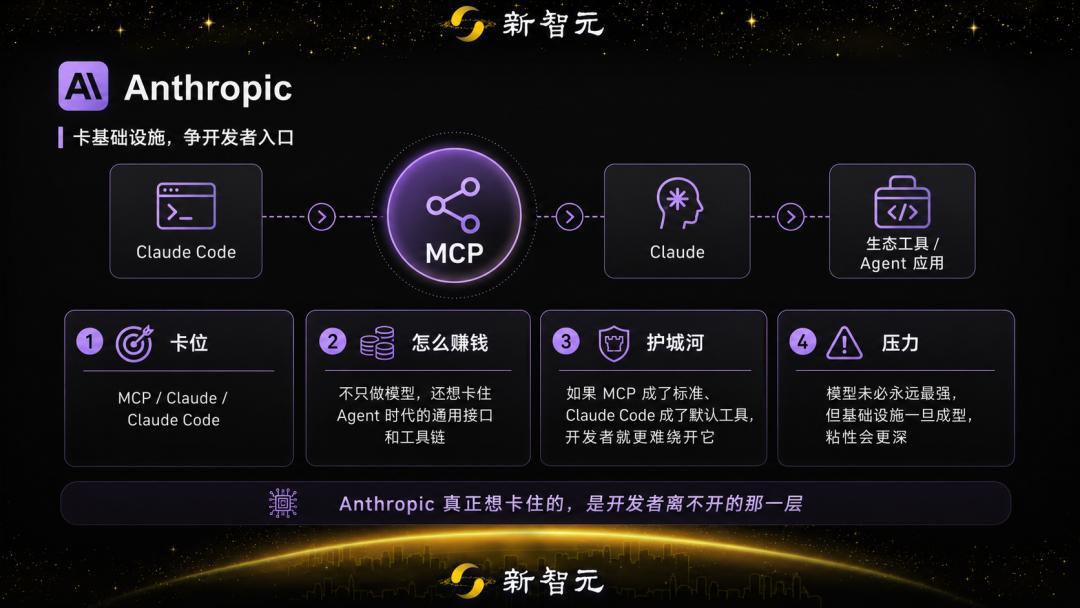
Anthropic controls the infrastructure.
Claude is already competing head - on with GPT - 5.5 in programming and Agent tasks, but Anthropic's deeper move is the MCP protocol and Claude Code.
MCP has become the de - facto standard for the Agent ecosystem, with a monthly SDK download volume of over 97 million. OpenAI, Google, and Microsoft have all connected to it.
Claude Code has the fastest adoption growth rate among all AI programming tools in the enterprise sector. Although the model can be caught up, the toolchain and protocol layer that developers rely on have extremely high replacement costs.
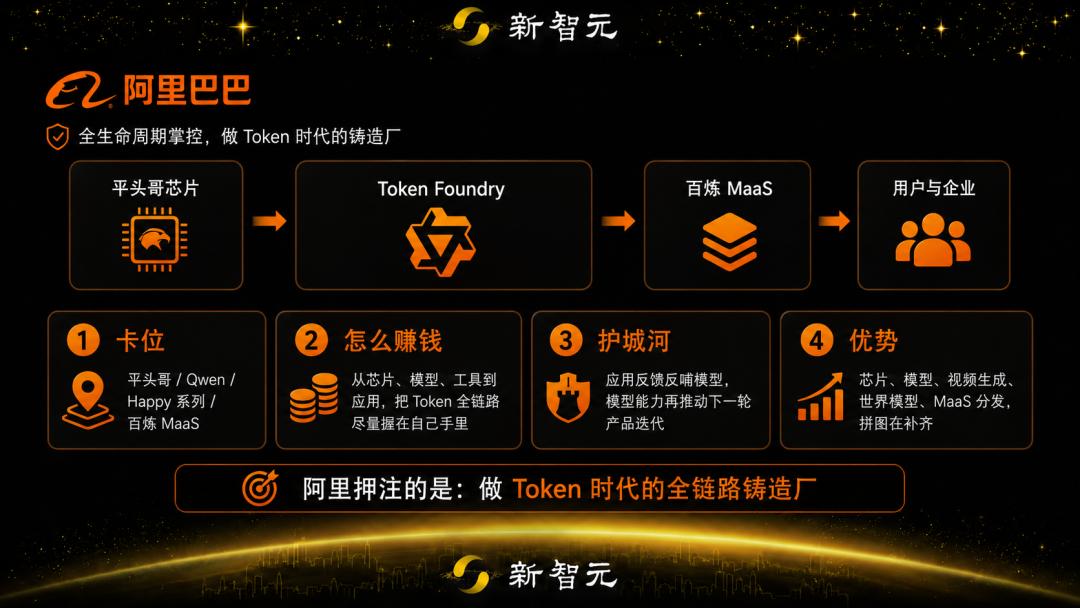
Alibaba aims to control the entire life cycle of Tokens. Pingtouge manufactures chips, Token Foundry develops models, and Bailian MaaS handles distribution.
However, Nvidia has been extending into software and inference platforms, OpenAI has run Codex on Cerebras chips and is developing its own chips with Broadcom, and Anthropic is busy penetrating the application layer...
The boundaries are blurring, and the cross - overs are intensifying.
Let's take a look at the cards in Token Foundry's hand.
Qwen 3.7 covers text and code, Happy Horse covers video generation, Happy Oyster covers the world model, and Pingtouge chips have achieved large - scale mass production. From chips to models to applications, the puzzle is complete.
The battle for control of the Token supply chain has just entered the main event.
Reference: https://www.wenweipo.com/a/202606/08/AP6a26aeb1e4b0b49ad1be8738.html
This article is from the WeChat official account "New Intelligence Yuan", author: ASI Revelation; editor: Moses. Republished by 36Kr with authorization.