"Gemini" joining forces, is the landscape in Northeast China about to change?
The revitalization of Northeast China ushers in a crucial passageway.
The "15th Five-Year Regional Coordinated Development Plan for Liaoning Province (Draft for Comments)" (hereinafter referred to as the "Draft for Comments") was recently released. The statement that "the leading and driving roles of the 'dual cores' of Shenyang and Dalian are significantly enhanced" is placed at the top of the development goals, and it specifically mentions the construction of the Shenyang - Dalian Economic Corridor.
Public information shows that this development axis connecting Shenyang, Dalian and other major industrial cities in Liaoning is not a new concept. As early as 2020, "planning to build the Shenyang - Dalian Economic Corridor" was written into the Liaoning Provincial Government Work Report.
What are the considerations behind the renewed focus on this crucial "corridor"?
Currently, Liaoning's economic growth faces certain pressure. From the perspective of regional coordinated development, the "Draft for Comments" points out that the main challenge lies in "the insufficient leading effectiveness of the 'dual cores' of Shenyang and Dalian". At this juncture, Liaoning is stepping up efforts to promote the construction of the Shenyang - Dalian Economic Corridor, aiming to break the situation where the "dual cores" operate independently and reshape the regional pattern within the province.
Can this corridor become the support belt for the comprehensive revitalization of Liaoning? And how will it further drive the revitalization of Northeast China?
01
Key Axis
The Shenyang - Dalian Economic Corridor is the core of the Harbin - Dalian Economic Belt in Northeast China and the golden belt for Liaoning's revitalization.
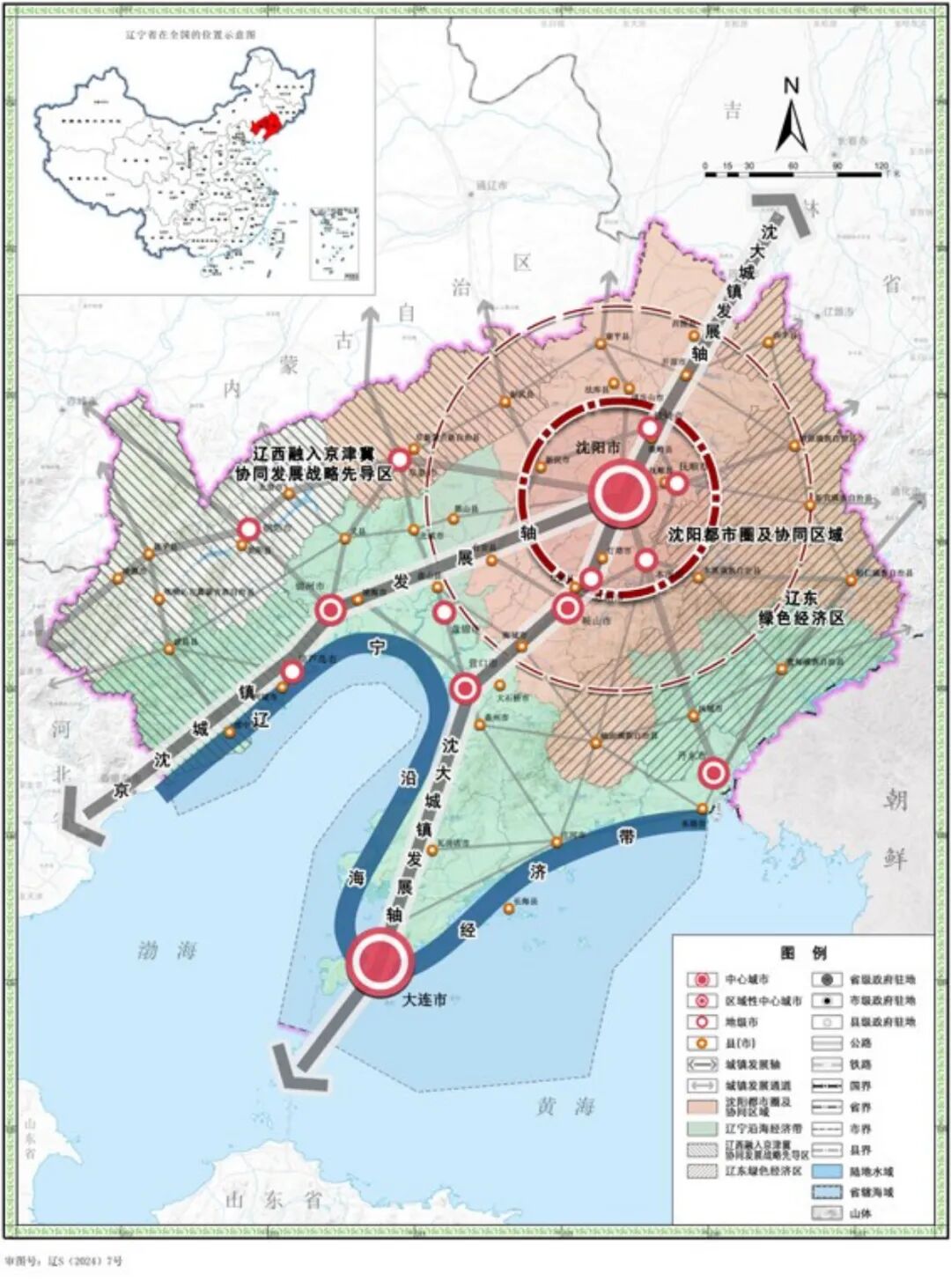
Image source: "Liaoning Provincial Territorial Spatial Plan (2021 - 2035)"
The recently released "15th Five-Year Plan Outline of Liaoning Province" points out that with Shenyang and Dalian as the driving forces, it is necessary to cooperate with regions such as Anshan, Yingkou, Liaoyang and Panjin to build a cross - regional innovation cooperation and industrial cooperation system, and guide the further concentration of resources such as industries, population and technology towards key towns along the Shenyang - Dalian line.
In the view of Chen Yao, the vice - president and secretary - general of the China Regional Economics Association, the construction of this economic corridor has faced institutional and mechanism constraints for a long time in the past. Similar to the eastern coastal provinces in China such as Guangdong, Zhejiang and Shandong, Liaoning has long adopted a provincial development pattern led by the dual cores of Shenyang and Dalian. However, this "spatial division" development model has led to the independent development of the two central cities with insufficient linkage, and competition within the region far exceeds cooperation.
Now, the leading capabilities of the "dual cores" of Shenyang and Dalian have shown shortcomings. The above - mentioned "Draft for Comments" clearly states that the main challenge for Liaoning's regional coordinated development lies in the insufficient leading effectiveness of the "dual cores" of Shenyang and Dalian.
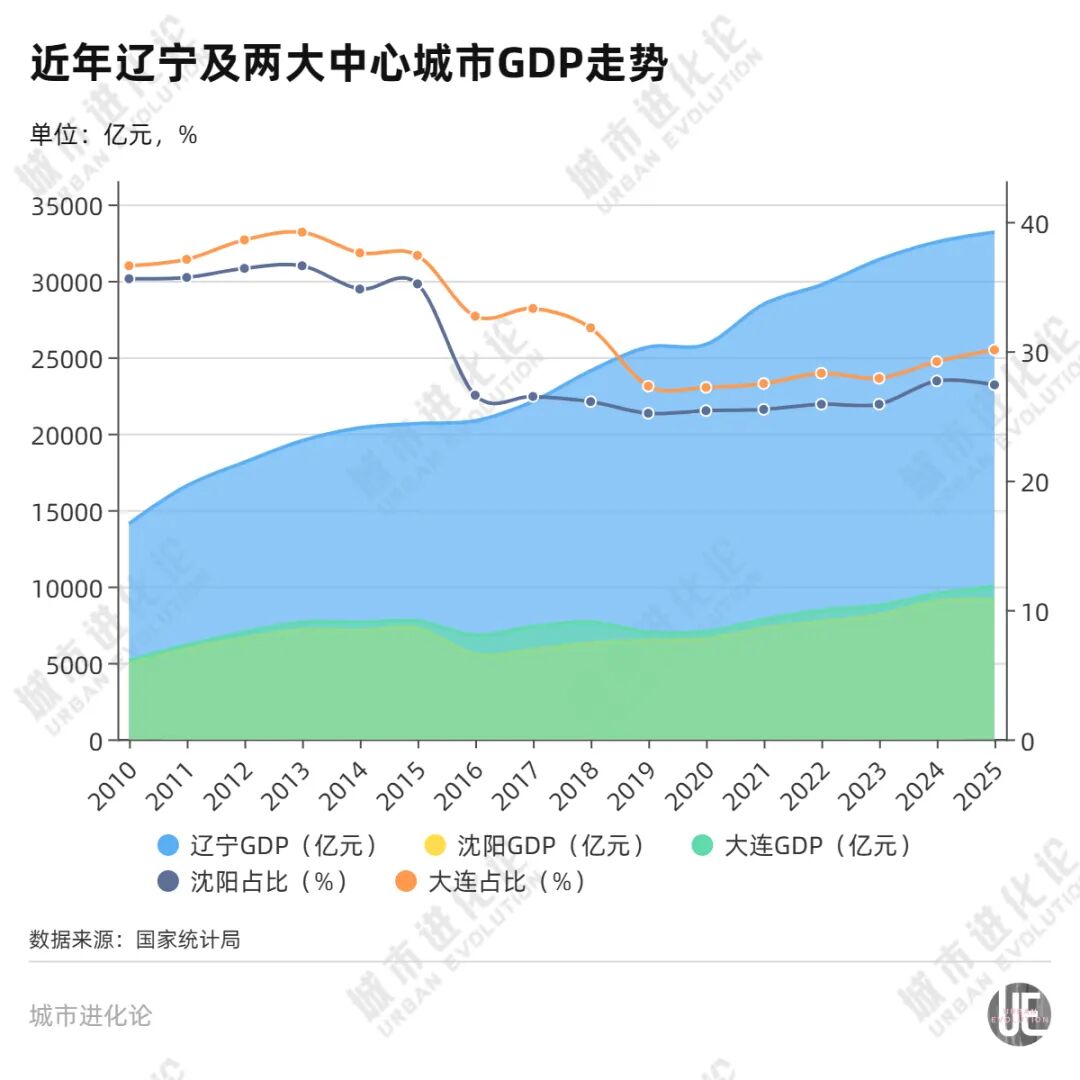
Take a set of data as evidence. At the end of 2025, the GDP of Shenyang and Dalian was 910.03 billion yuan and 1000.21 billion yuan respectively, accounting for 27.4% and 30.1% of Liaoning's GDP respectively, with varying degrees of decline compared to 2015. In other words, the economic influence of the two cities within the province has been gradually decreasing in the past decade.
In addition to economic pressure, the population pattern is another hidden concern for Liaoning's development.
Liu Yufeng, a lecturer at the Donggang Municipal Party School of the Communist Party of China, recently wrote an article pointing out that in 2025, Liaoning's natural growth rate was - 6.88‰, and the overall fertility level was relatively low, gradually entering the low - fertility stage. In that year, the net inter - provincial inflow of permanent residents in Liaoning was 45,000 people, but the population flow structure showed a trend of an increasing proportion of the loss of high - quality and young labor force and an increasing proportion of the inflow of labor force with lower educational levels and older ages.
Looking at the core cities, the population growth in Shenyang and Dalian in recent years has also been inferior to that of other major coastal cities such as Shenzhen, Guangzhou, Hangzhou, Ningbo, Qingdao and Jinan.
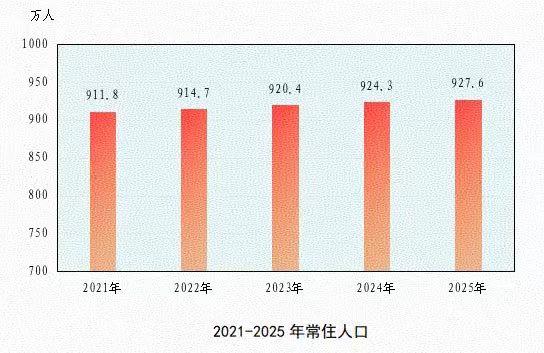
Trend of permanent residents in Shenyang in recent years. Image source: Shenyang Statistics Bureau
Therefore, it is urgent for Liaoning to support Shenyang and Dalian to accelerate the expansion of their economic aggregates and improve the quality of development.
The 2026 Liaoning Provincial Government Work Report mentioned that "support Shenyang and Dalian to expand their economic aggregates and improve the quality of development, and serve as the 'high - jump team' for the revitalization of Northeast China." At the same time, support Shenyang and Dalian to cooperate with regions such as Anshan, Yingkou, Liaoyang and Panjin to build the Shenyang - Dalian Economic Corridor.
The latest "Draft for Comments" further clarifies the specific path and goals: build an industrial and technological innovation corridor, promote the concentration of elements, and cooperate to expand external channels, and ultimately promote the in - depth and solid construction of the Shenyang - Dalian Economic Corridor, and basically complete the cross - regional innovation cooperation and industrial cooperation system.
Chen Yao said that emphasizing the Shenyang - Dalian Economic Corridor at this juncture may be a shift in Liaoning's regional coordinated development strategy.
Looking across the country, in recent years, many provinces with "dual leading cities" have successively shifted to the "dual - city cooperation" model, paying more attention to the cooperation between the two cities and achieving the optimal allocation of resources in transportation, industry, cooperation and opening - up. Liaoning's shift conforms to the current trend of regional development.
02
Industrial Collaboration
Ultimately, economic construction depends on industrial development.
At present, the industrial characteristics of "one - industry dominance" exist to varying degrees in Dalian and Shenyang.
As one of the seven major petrochemical industry bases in the country, the petrochemical and chemical industry in Dalian accounted for about 40% of the industrial proportion in 2025, becoming the "ballast stone" of the industrial economy. However, the industry still faces problems such as "heavy oil - head and small chemical - tail" and the need to improve the technological level. During the "15th Five - Year Plan" period, Dalian will face the dual challenges of carbon peak and peak consumption of refined oil, and needs to accelerate transformation and upgrading.
Shenyang takes the automobile manufacturing industry as its core pillar. In 2023, the revenue of this industry accounted for 49.5% of the city's manufacturing industry. In recent years, affected by the pressure on the local automobile industry, Shenyang's industry has been undergoing a difficult transformation, and the negative growth trend of above - scale industries has continued for more than a year.
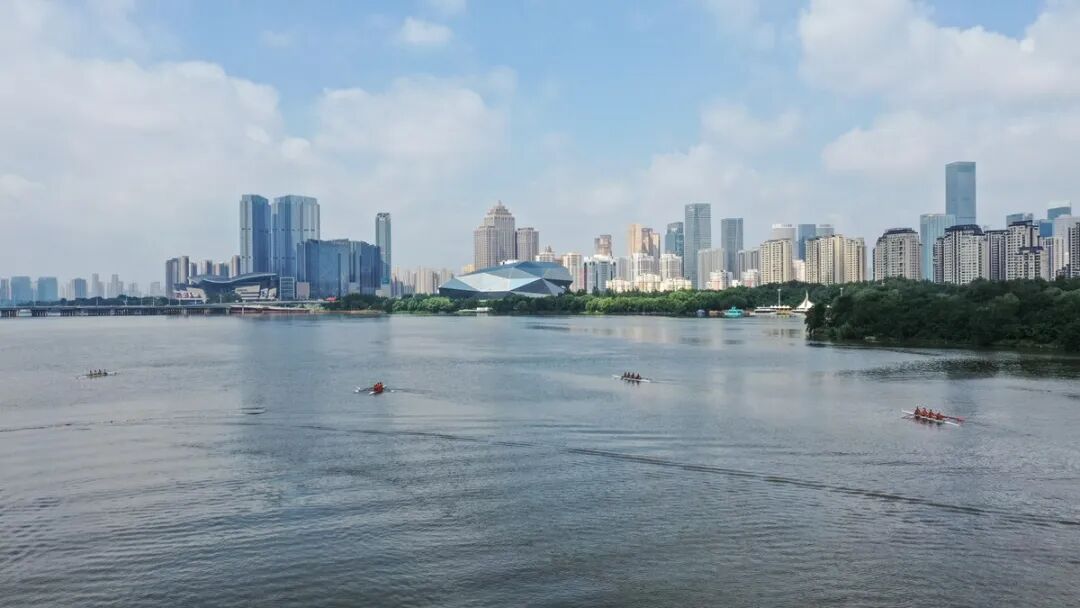
Image source: Xinhua News Agency
Breaking the industrial development dilemmas of the two cities has become one of the core tasks in the construction of the Shenyang - Dalian Economic Corridor.
The "Draft for Comments" clearly mentions building the Shenyang - Dalian Industrial and Technological Innovation Corridor. Strengthen the R & D and application cooperation of Shenyang and Dalian in key fields such as industrial mother machines; support the co - construction of new energy industrial clusters at nodes along the Shenyang - Dalian line; promote the concentration of innovation elements and strengthen the innovation source function of Shenyang Hunnan Science and Technology City and Dalian Yinggeshi Science City.
Chen Yao said that in the past, the industrial competition between Shenyang and Dalian was greater than cooperation, and the problem of homogenization was prominent. Take the electronic information field as an example. Both places have focused on the software and service outsourcing industries, but they have made independent layouts and lacked linkage, failing to form a development synergy.
Now, Liaoning relies on the economic corridor to strengthen the leading role of the dual cores, and it is necessary to guide the two cities to take the path of differential development and competitive differentiation to seek industrial cooperation and win - win results. For example, the "Draft for Comments" mentions promoting Shenyang and Dalian to jointly implement the "Data Elements + Industrial Manufacturing" special action, aiming to promote the two cities to explore the coordinated development of industrial digitization.
In terms of specific tasks, the "Draft for Comments" gives priority to scientific and technological innovation in industrial development, proposing to promote the high - quality construction of high - level innovation platforms such as the Liaoning Materials Laboratory, and promote the in - depth cooperation between the Liaoning Research Center of Taihang Laboratory and Dalian University of Technology and other units in fields such as aero - engines.
Zeng Gang, the dean of the Urban Development Research Institute of East China Normal University, pointed out that Shenyang and Dalian not only have a solid industrial foundation as old industrial cities, but also have strong scientific and educational resources. The number of first - class universities and undergraduate colleges in the two places ranks among the top in the country. However, the strong "planned economy thinking" has long restricted the release of industrial vitality and economic potential.
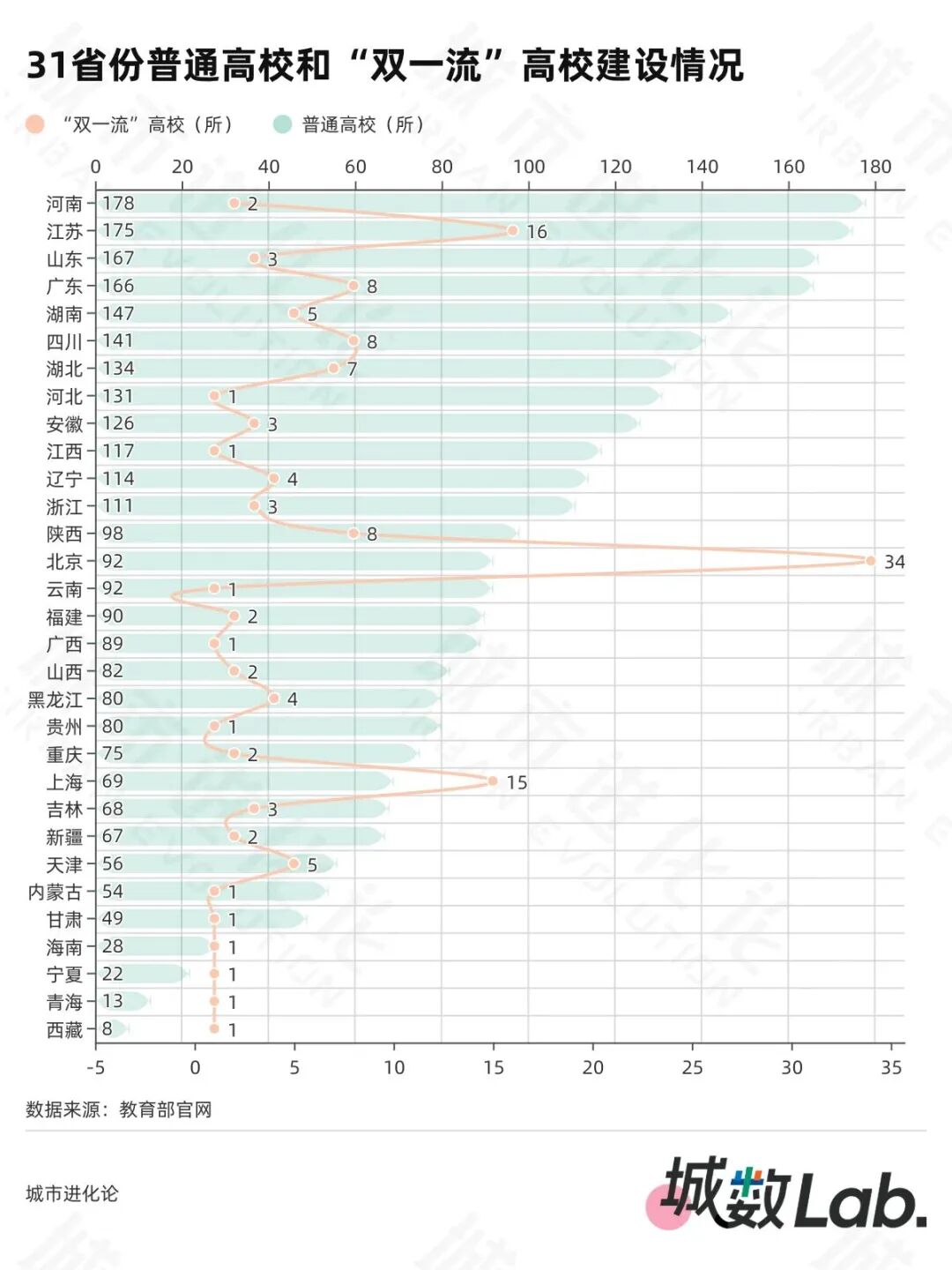
Zeng Gang suggested that in the construction of the economic corridor, it is necessary to further broaden the market space, strengthen the private economy, and give full play to the role of various social intermediary institutions to comprehensively improve the development efficiency through the market - oriented mechanism.
03
Driving Northeast China
Accelerating the construction of the Shenyang - Dalian Economic Corridor is not only an inherent requirement for achieving regional coordinated development in Liaoning, but also a crucial step in promoting the all - round revitalization of Northeast China.
Chen Yao said that Liaoning's economic scale ranks first in Northeast China and it is the leader of the Northeast economy. Among them, Dalian has become the first city in Northeast China with a GDP of one trillion yuan, and Shenyang is also making every effort to become the second city in Northeast China with a GDP of one trillion yuan. In addition, both cities are among the four sub - provincial cities in Northeast China. The Shenyang - Dalian Economic Corridor formed by the linkage of the two cities can not only promote in - depth cooperation within Liaoning, but also inject strong impetus into the revitalization of the entire Northeast region.
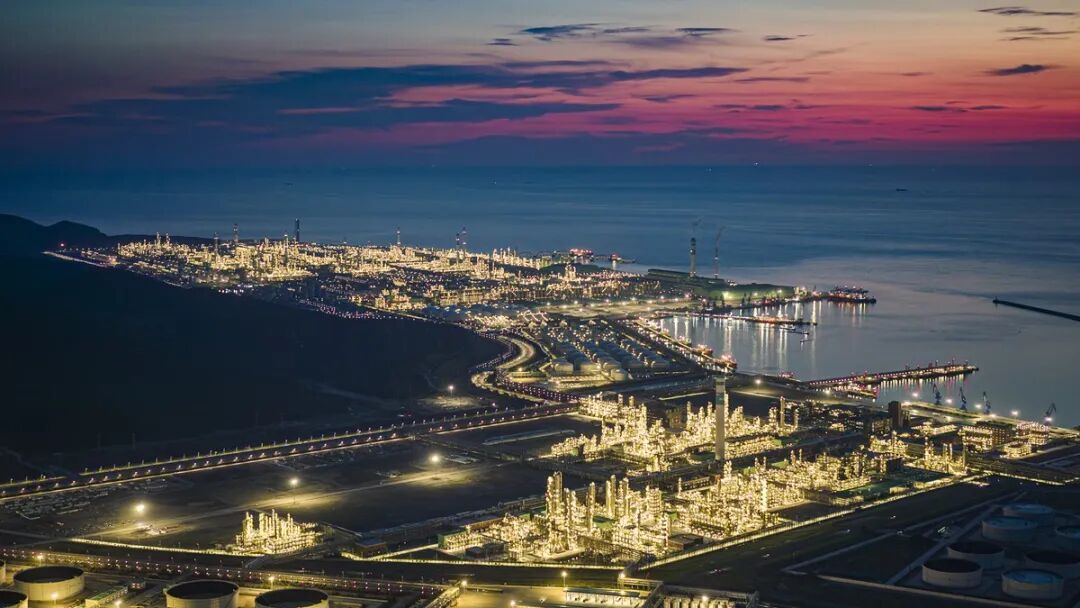
Image source: Xinhua News Agency
The value of this corridor is reflected in innovation - driven development on the one hand. Relying on the existing foundation, it will further strengthen the industry - university - research linkage of the Harbin - Dalian Economic Belt, and drive the industrial cooperation and opening - up of Northeast China to a new level with scientific and technological innovation as the driving force.
At the same time, the corridor will also fully release the hub value of the land - sea passage.
In fact, the Liaoning Provincial Development and Reform Commission previously stated in its reply to relevant committee proposals that the essence of the interaction between Shenyang and Dalian is the overall planning of land and sea. Building the Shenyang - Dalian Economic Corridor can strengthen the interactive development and close cooperation between the coastal areas and the hinterland. At the same time, as the southern end of the main economic development axis in the entire Northeast region, the construction of the Shenyang - Dalian Economic Corridor also opens the door to the all - round opening - up of the Northeast region.
The current "Draft for Comments" clearly mentions that in building the Shenyang - Dalian Economic Corridor, it is necessary to cooperate to expand external channels. Specific measures include promoting the reconstruction and expansion project of the Panjin - Shenyang section of the Beijing - Harbin Expressway; strengthening the cooperation between Shenyang City and important ports such as Dalian Port, Yingkou Port and Panjin Port, and developing entrepot trade with countries such as those in Europe, ASEAN and Japan and South Korea.
Chen Yao further said that the Shenyang - Dalian Corridor is an important external land - sea passage in Northeast China. With the implementation of the plan for the speed - up transformation of the Shenyang - Dalian High - speed Railway and the construction of a new Beijing - Harbin direct line, the opening - up and radiation effect of this passage will be further amplified.
For example, relevant personnel from the Shenyang Bureau of China Railway recently publicly told the media that relying on the long coastal line resources, Liaoning Province, relying on the core port resources in the Bohai Sea such as Dalian Port and Yingkou Port, has formed the shortest - distance and most efficient opening - up outlet for the Northeast hinterland.
Chen Yao especially mentioned that Dalian Port is not only an important external passage for Northeast China, but also an important port in the Bohai Bay. Paying attention to and giving full play to the advantageous position of Dalian Port is crucial for Liaoning and even Northeast China to connect with both the domestic and international markets in the future. In the next step, Liaoning should continue to promote the integration of ports within the province, with Dalian Port as the hub port and other ports such as Yingkou as feeder ports, forming a pattern of division of labor, cooperation and differential development.
Focusing on the core city of Dalian, based on its positioning as an international shipping center, a regional financial center and an open gateway, it is necessary to give full play to its opening - up and marine advantages, deepen port cooperation and industrial linkage, explore the establishment of a free trade port with Japan and South Korea, and accelerate the construction of Dalian into a marine center city in Northeast Asia.
This article is from the WeChat public account "Urban Evolution Theory", author: Liu Xuqiang, published by 36Kr with authorization.