Cook's farewell show, WWDC 2026 is packed with huge reveals
This might be the last time I take you on a "deep dive" into the details. But don't get me wrong, it's not that Chaping is going out of business. Instead, it might be Tim Cook's last time hosting the opening ceremony of Apple's WWDC.
What? You don't know that the "old guy from California" has retired and Apple has a new CEO? You're punished to read our previous articles!
Ahem, let's get back to the point.
I assume most of our readers are tech enthusiasts and should know that Apple holds its Worldwide Developers Conference every June. This year is no exception, and it's scheduled for 1:00 am on June 9th, Beijing time.
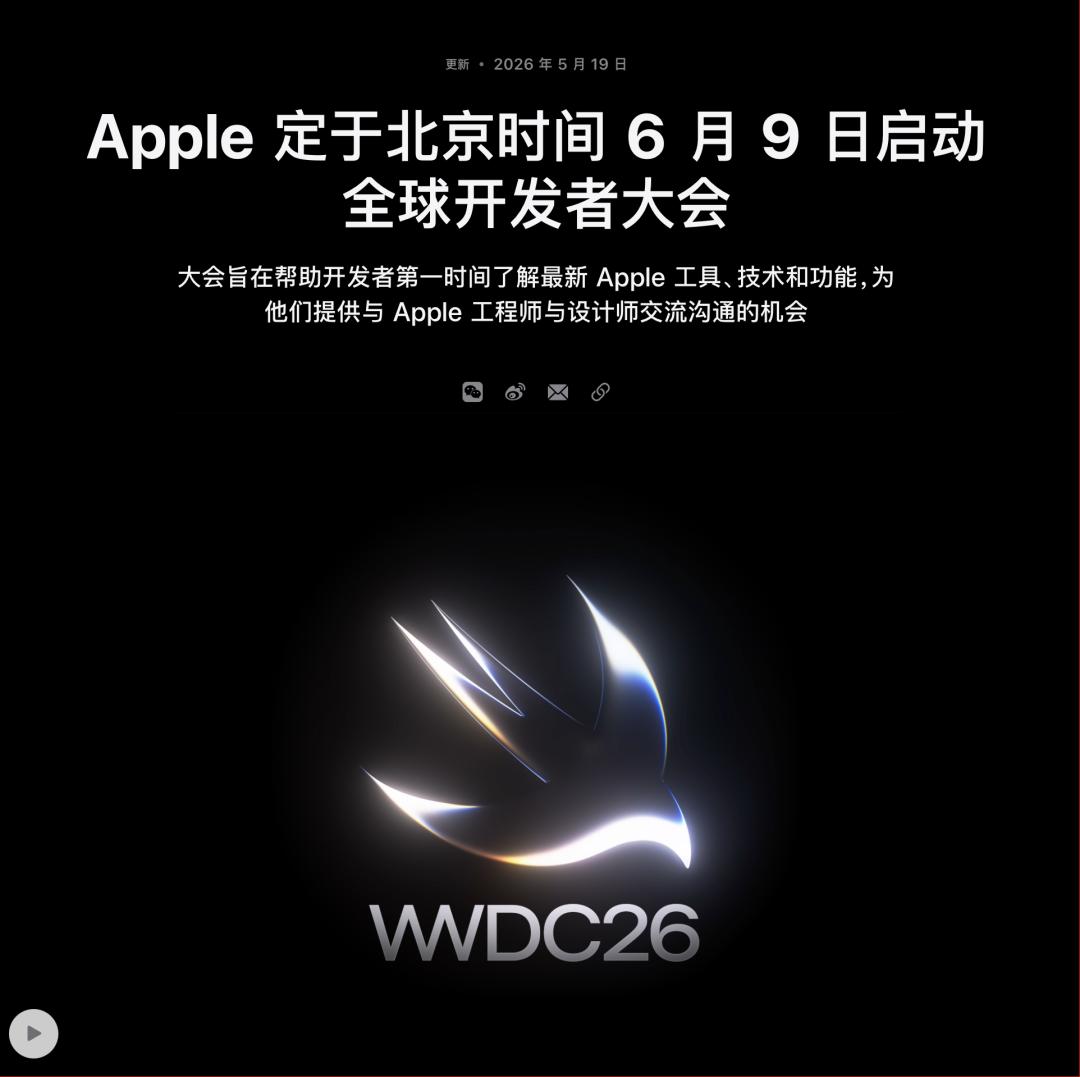
Although it's called a developers' conference, Apple updates its iOS, macOS, iPadOS and other systems at WWDC every year.
These updates will not only affect the new iPhones to be released in September but also the user experience of our existing Apple devices.
Every year around this time, I would take you through all the online leaks and rumors in advance to help you decide whether it's worth staying up late for the WWDC.
This year is no different. After reviewing the leaks and information from various channels, we found that this year's WWDC will have many highlights in software and system updates, as well as details related to Apple's future hardware products.
Don't worry. Let's take a look one by one.
# iOS 27: Get Ready for the Foldable iPhone
If we had to summarize iOS 27 in one sentence, it would be "Get ready for the foldable screen."
According to multiple leaks, iOS 27 is likely to introduce a multi - tasking feature similar to the "app side - by - side" on iPads.
To put it simply, in the future, apps on iPhones can be resized at will, just like computer windows, and can be maximized or minimized with a single click.
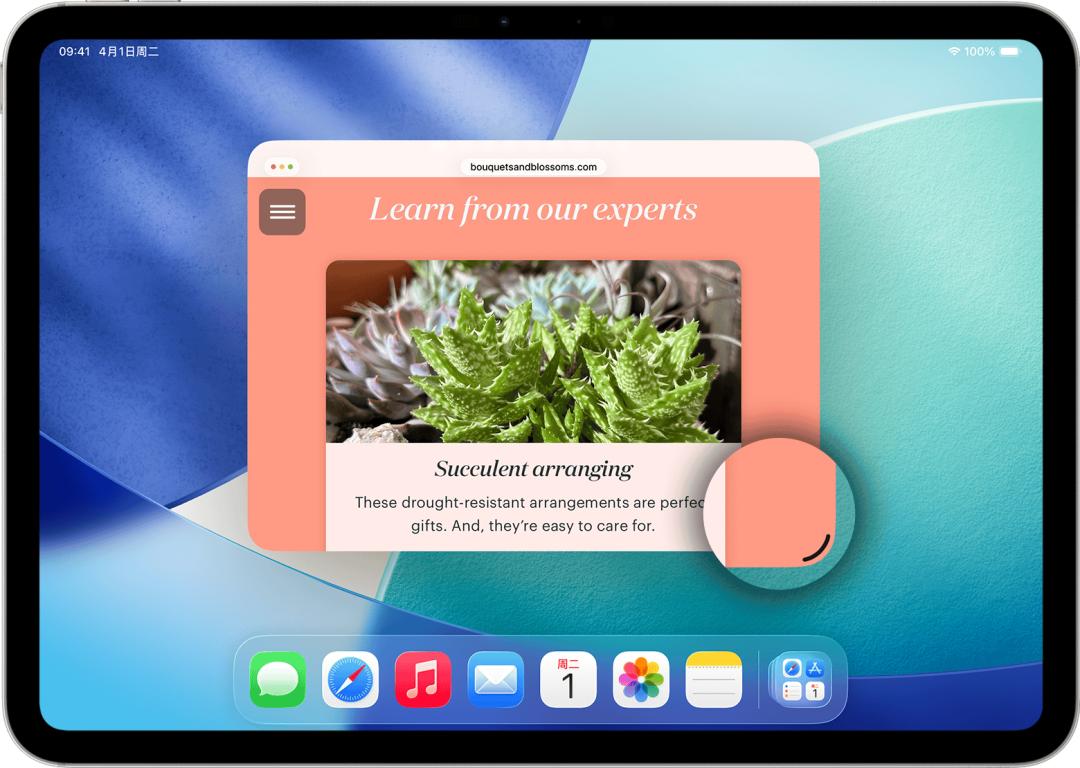
This level of multi - tasking interaction is clearly tailored for the rumored foldable iPhone, and this side - by - side feature might even be exclusive to the foldable iPhone.
In other words, only those high - net - worth readers who are about to own the prestigious Apple foldable iPhone can use this feature on their phones (wink).
For those who don't have the budget for the foldable iPhone, there are also the following updates:
First, according to leaks, Siri, which is integrated with Apple Intelligence on iOS 27, will undergo an epic reconstruction and become an AI assistant with an independent app.
The app interface will most likely be similar to the chat interfaces of ChatGPT, Doubao, and DeepSeek.
As for the wake - up animation, it will probably be similar to the previous marquee effect. Even if you haven't seen the authentic marquee of Apple Intelligence, you can get a general idea by looking at the ones on some Android phones.
Siri's capabilities will also be greatly upgraded. Apple will introduce a new underlying framework called "Extensions" to make it easier for Apple Intelligence to connect to more third - party large models.
This is basically an "AI large - model socket."
In the past, Apple's Apple Intelligence could only use ChatGPT. Now, with a broader vision, third - party cloud - based large models like Gemini and Claude are waiting in line for users to choose, as easy as changing the input method.
Besides Siri and Apple Intelligence, the photo album on iOS 27 has also gotten a boost.
AI image expansion, AI intelligent improvement of lighting and clarity are all available.
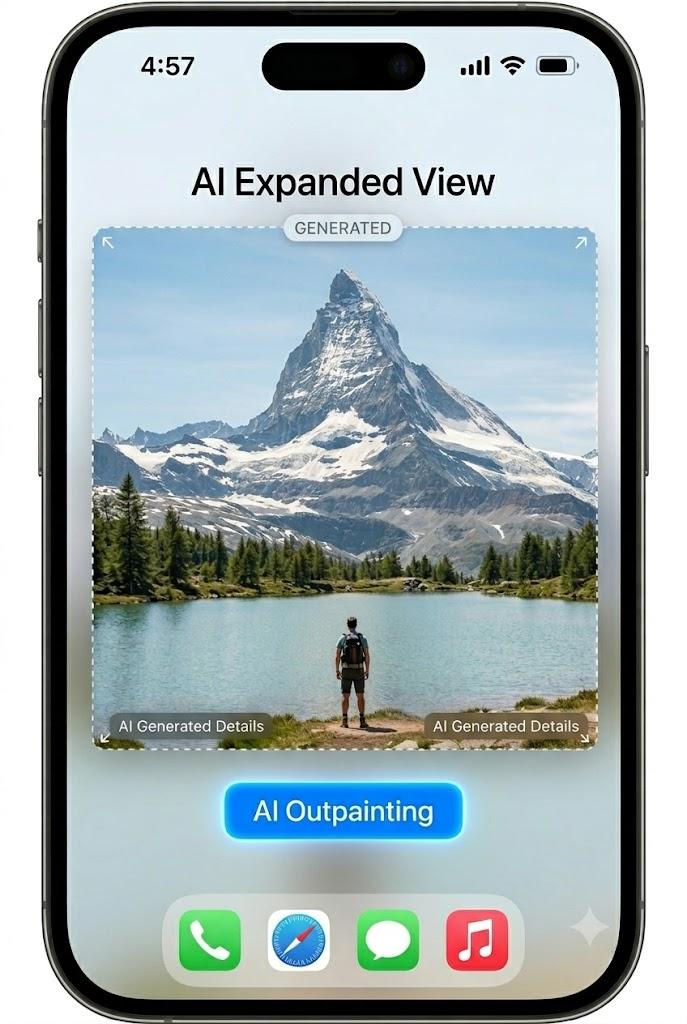
Image generated by Nano Banana
It's true that Android phones have gradually integrated these AI features into their photo albums in the past few years. Apple's catch - up at this time might make people say that they can't even copy in a timely manner.
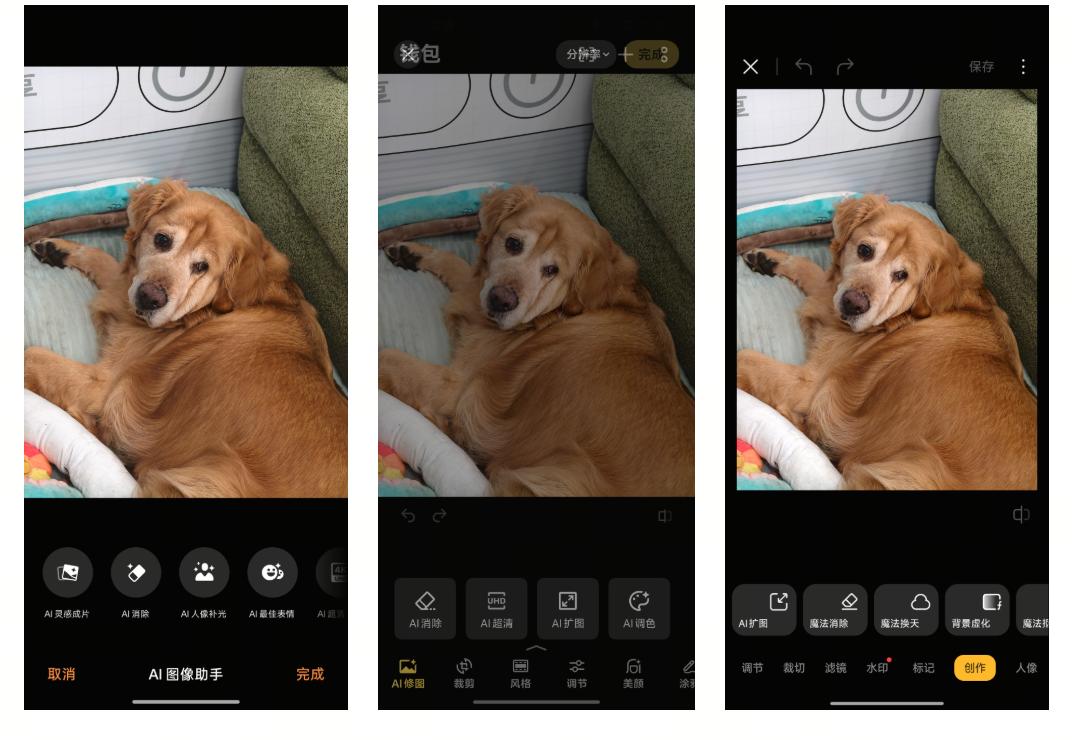
Currently, when Android phones perform AI image processing, many functions still need to rely on cloud - based AI computing power.
However, for privacy - conscious Apple, it's very likely that all the above - mentioned functions can be implemented on the device side.
But then again, there's no guarantee that all the AI functions I mentioned above will be available in China.
We may not know whether the new version of Siri will be available on the Chinese version of the iPhone and which third - party large models it can connect to until the night of WWDC.
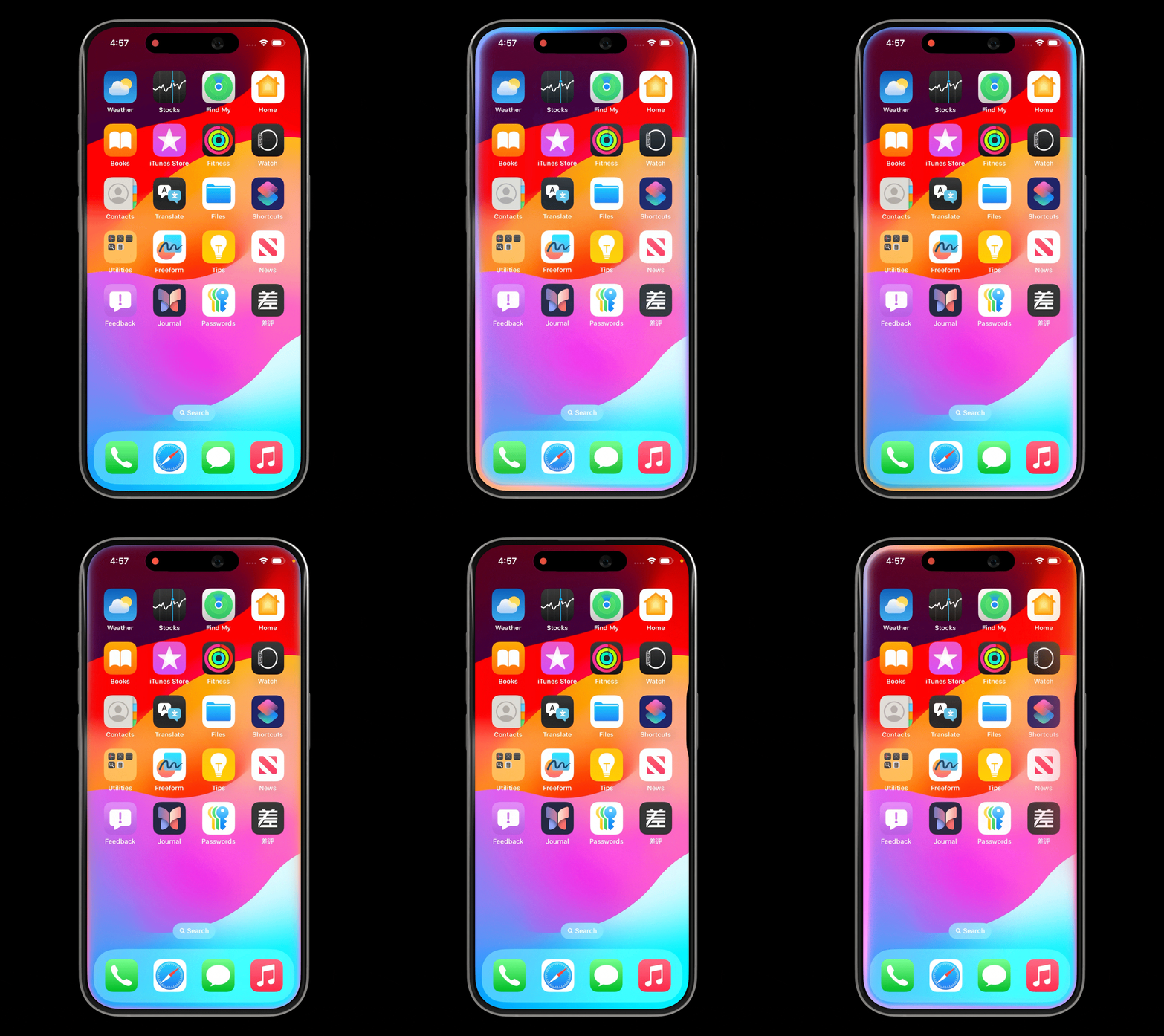
Of course, there will also be some new features at WWDC that all versions of the iPhone are likely to get. For example, Apple has finally compromised on the Liquid Glass effect in iOS 26, which was criticized for being flashy.
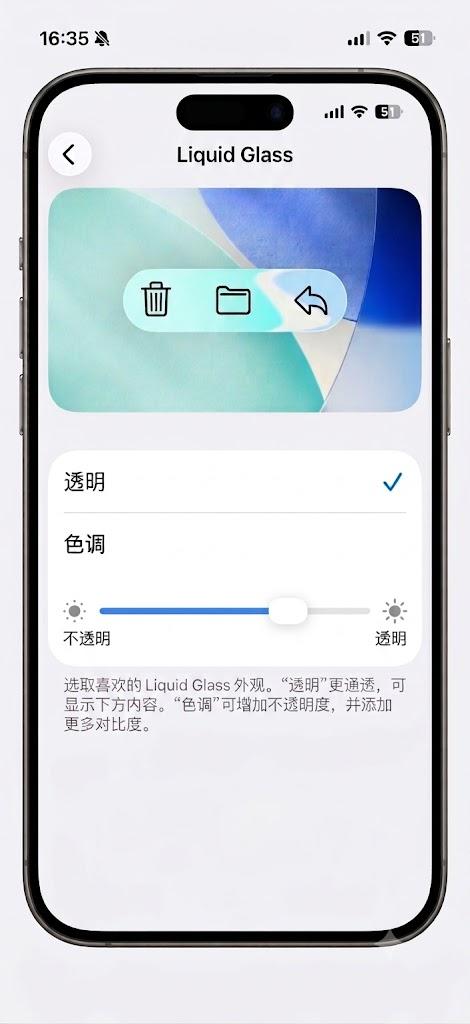
Image generated by Nano Banana
They've added a system - level transparency adjustment slider...
If you like the cool effect, you can set the transparency to the maximum. If it's too glaring, you can lower the transparency.
Tony thinks it's definitely a good thing to give the choice back to users, especially for those using older models. After all, the Liquid Glass effect consumes a fair amount of computing power and battery.
After upgrading an old iPhone to iOS 27, if users find that the Liquid Glass effect makes the phone overheat and consume too much power, they can lower the effect or even turn it off.
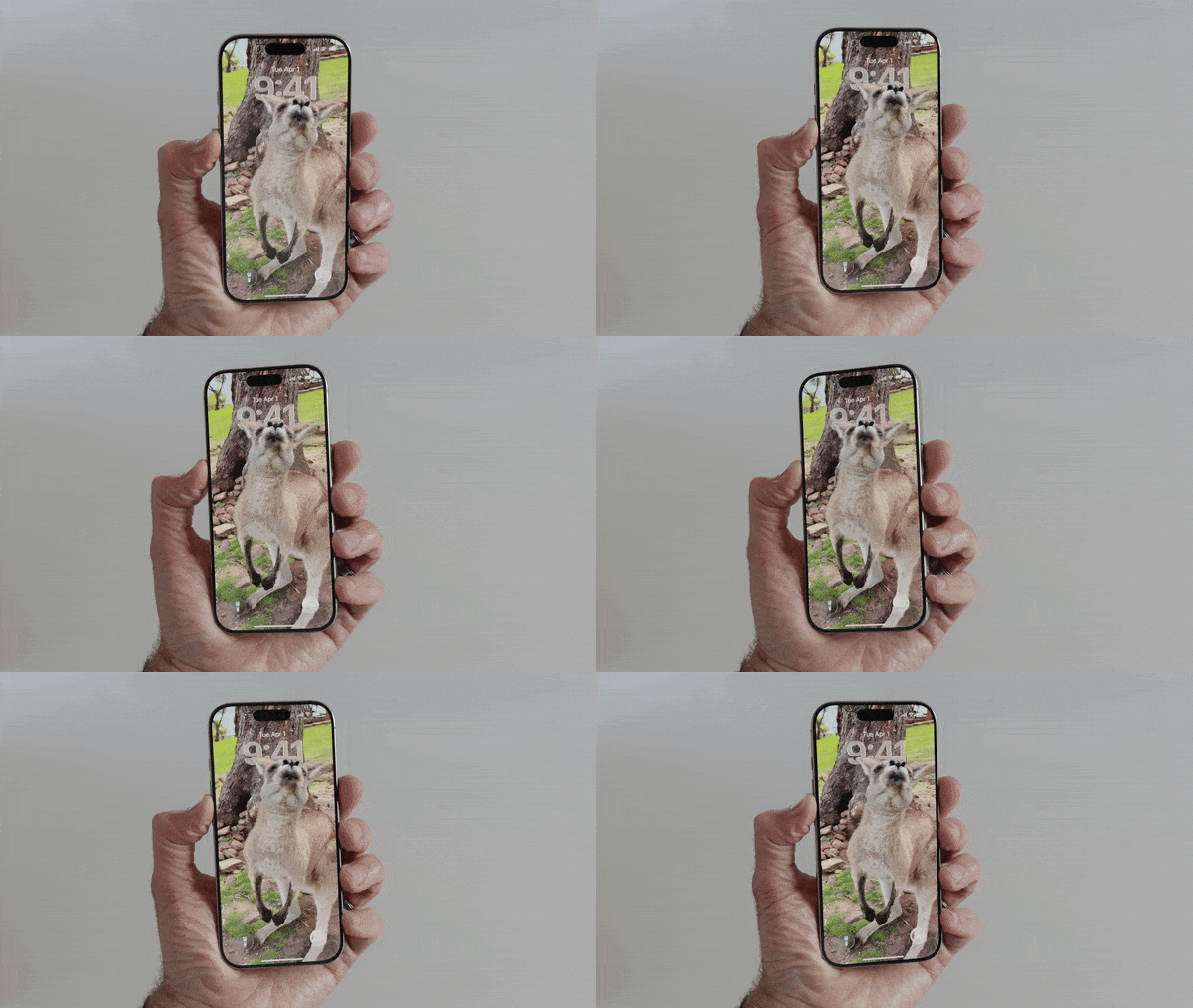
However, there's a limitation. Not all old iPhones can receive the iOS 27 update:
It's almost certain that users of the iPhone 11 series, the second - generation iPhone SE, and older models are unlikely to receive the iOS 27 update.
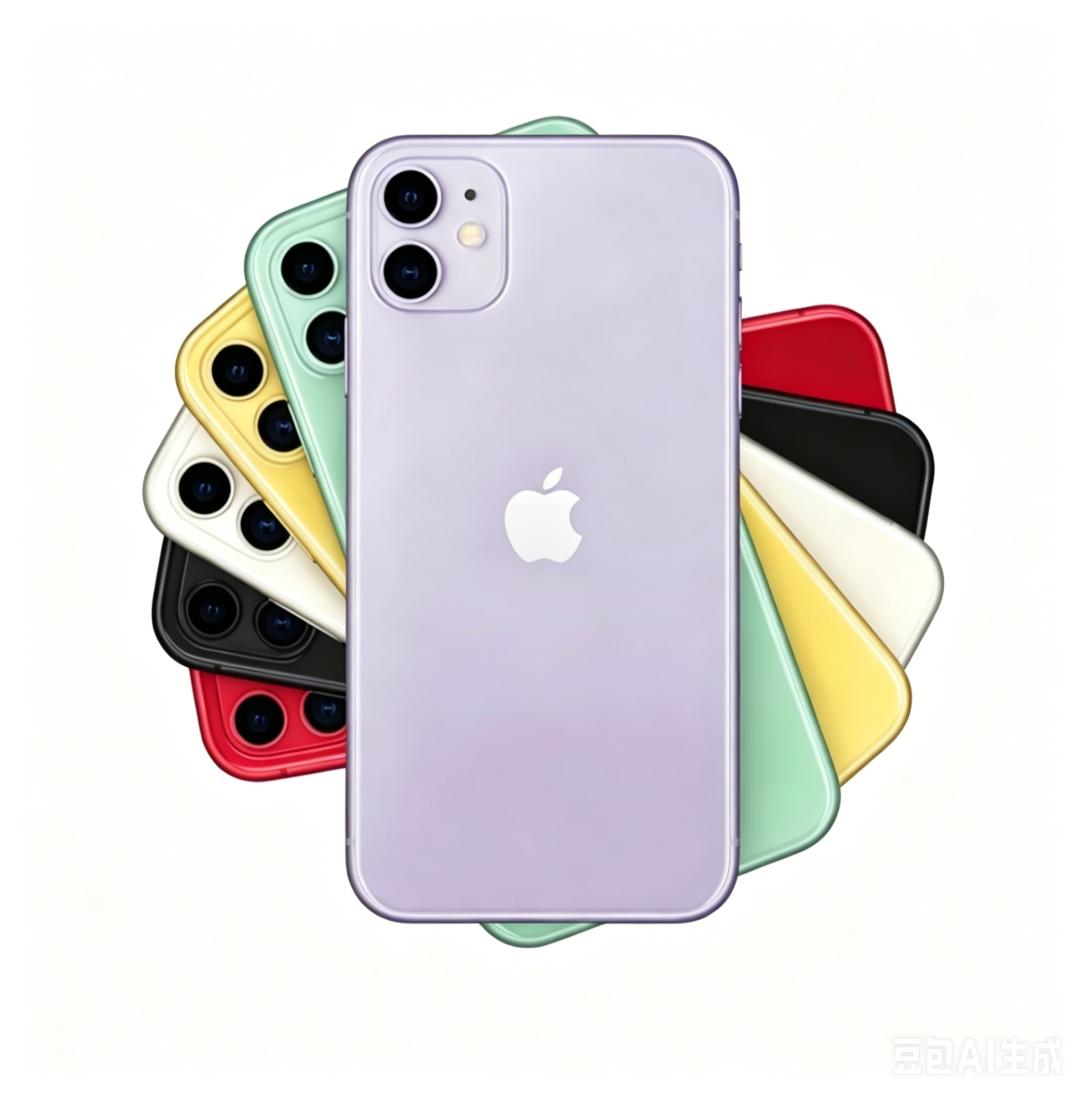
It's understandable. After all, the iPhone 11 was released seven years ago, and the second - generation iPhone SE was released six years ago. Apple has been providing major system updates for these models for many years, which is quite generous.
# macOS: Introducing the New Touch - Enabled MacBook
Compared to iOS 27, the update plan for macOS 27 might be more radical.
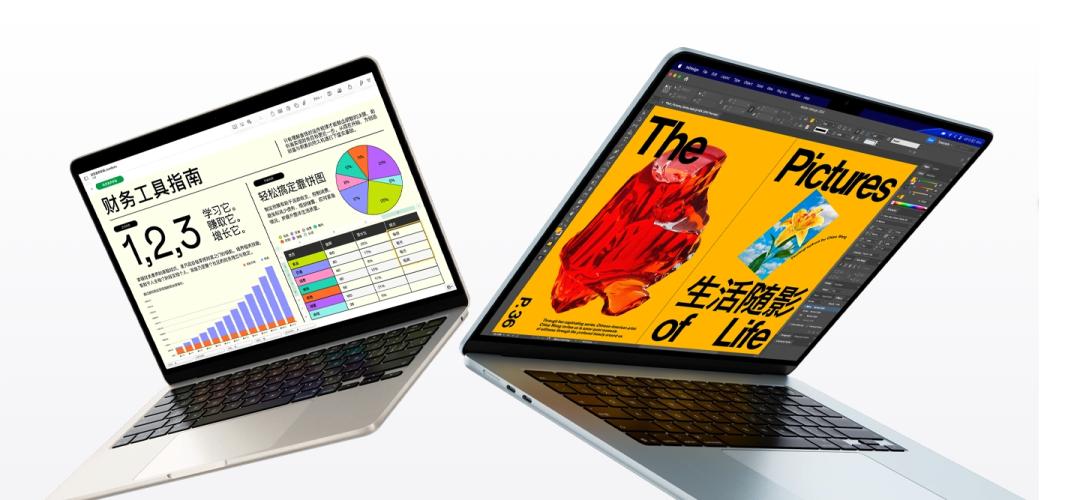
Apple is very likely to announce at this year's WWDC that macOS 27 will not support any Mac models with Intel processors.
The 16 - inch MacBook Pro from 2019, the Mac Pro from 2019, and the iMac from early 2020, as well as all previous models, will not be compatible with the latest macOS.
This means that Apple is fully transitioning to the M - series chips. If you still have a MacBook Air with the M1 chip, it will be the oldest model that supports macOS 27.
In addition to discontinuing support for the "old members," macOS also needs to prepare for the new MacBook models:
Multiple leaks confirm that Apple plans to launch the first touch - screen MacBook later this year.
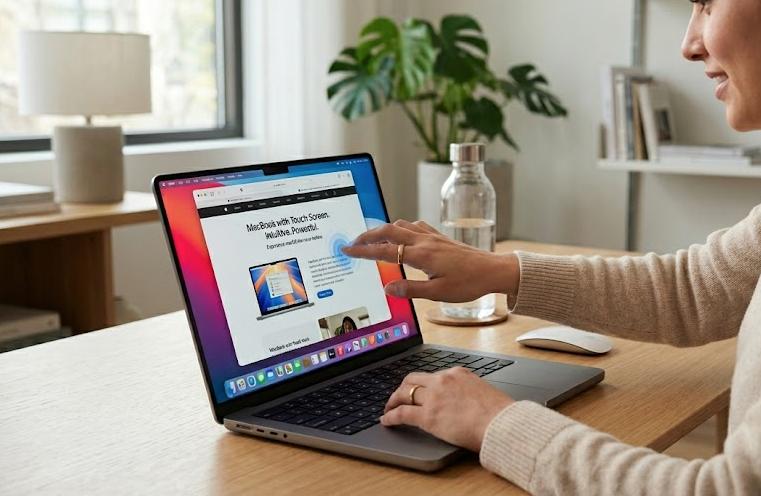
Image generated by Nano Banana
According to well - known analyst Ming - Chi Kuo, this generation of MacBook will introduce an On - Cell touch screen.
At the same time, to adapt to this touch screen, macOS 27 will also have a built - in touch support module at the underlying level.
However, the test version pushed after the conference will probably hide the touch - screen function. We won't be able to experience it until the touch - screen MacBook is officially released at the end of the year.
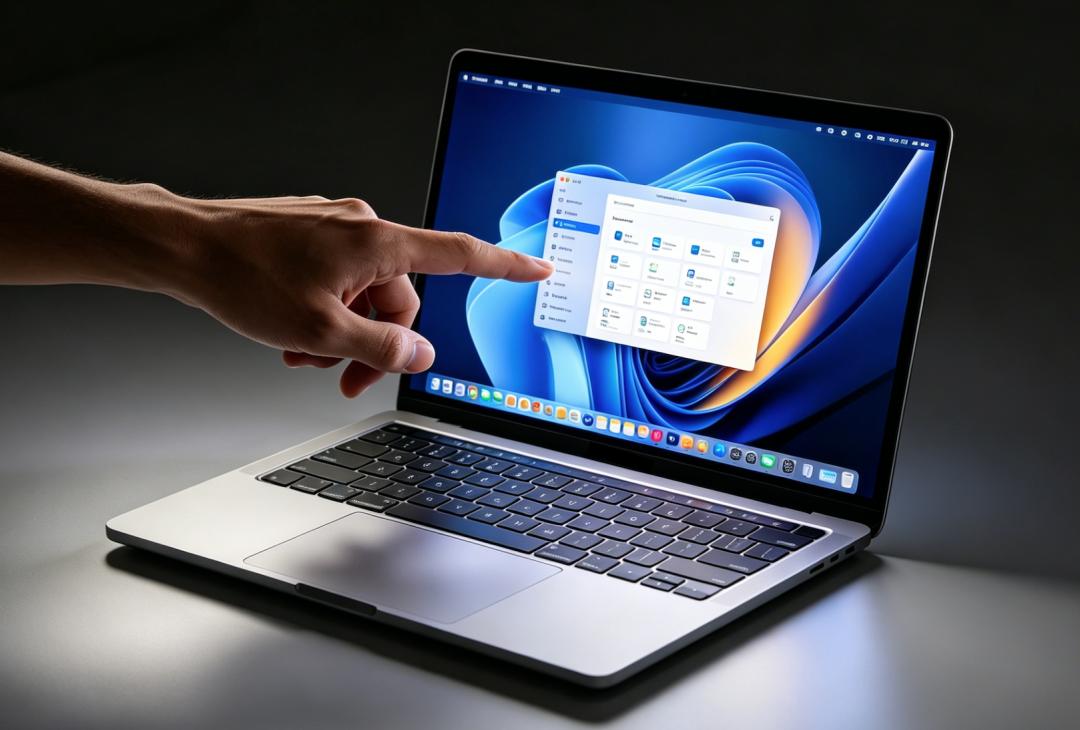
With the maturity of high - end OLED screen technology, adding a touch screen is a cost - effective choice for Apple to find a new breakthrough for the MacBook.
But this is another decision that goes against Apple's past stance. As early as the "Back to the Mac" special event in 2010, Steve Jobs publicly stated that the MacBook would never have a touch screen.
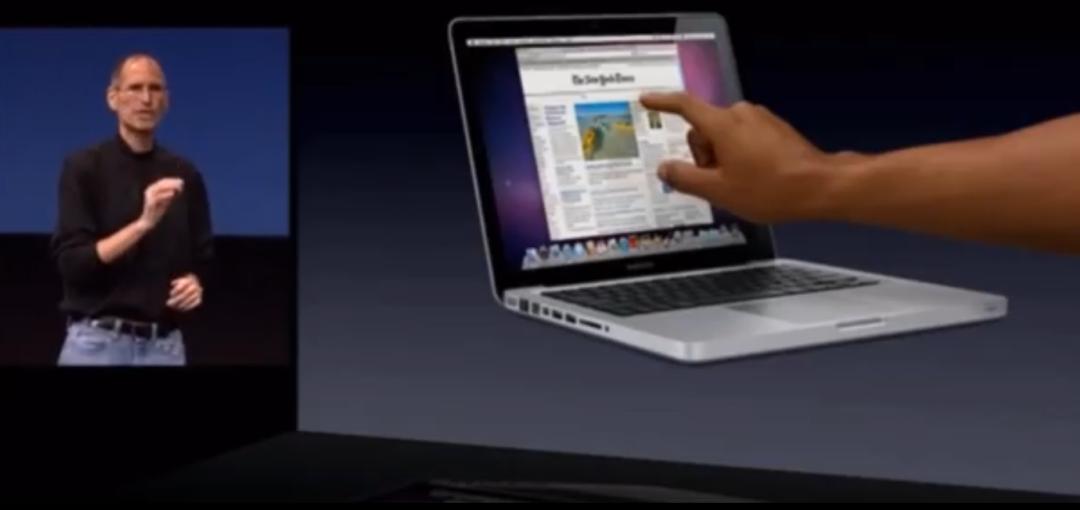
Unexpectedly, 16 years later, Apple is going against that decision.
In addition, after the MacBook supports touch, the boundary between the MacBook and the iPad will become even more blurred.
Currently, Apple's solution is very "Cook - like" - only high - end models like the MacBook Pro will support the touch - screen function. Most MacBook Air models, whose prices overlap with those of iPads, will still not support touch screens.
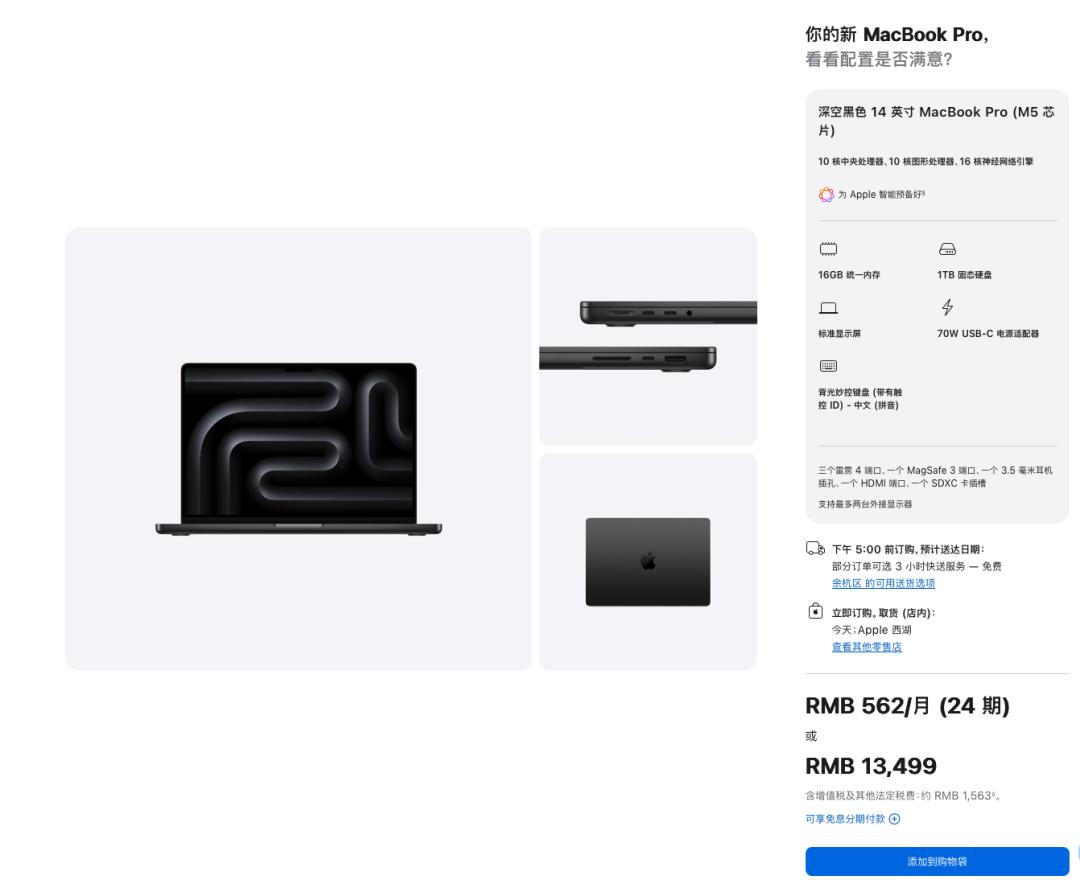
However, there is still a positioning conflict. Currently, the official price of a MacBook Pro with an M5 chip (10 - core CPU, 10 - core GPU), a 14 - inch standard display, and a 1TB solid - state drive is 13,499 yuan.
An iPad Pro with an M5 processor (9 - core CPU, 10 - core GPU), a 13 - inch standard glass panel, and 256GB of memory, plus the Magic Keyboard, costs at least 14,298 yuan.
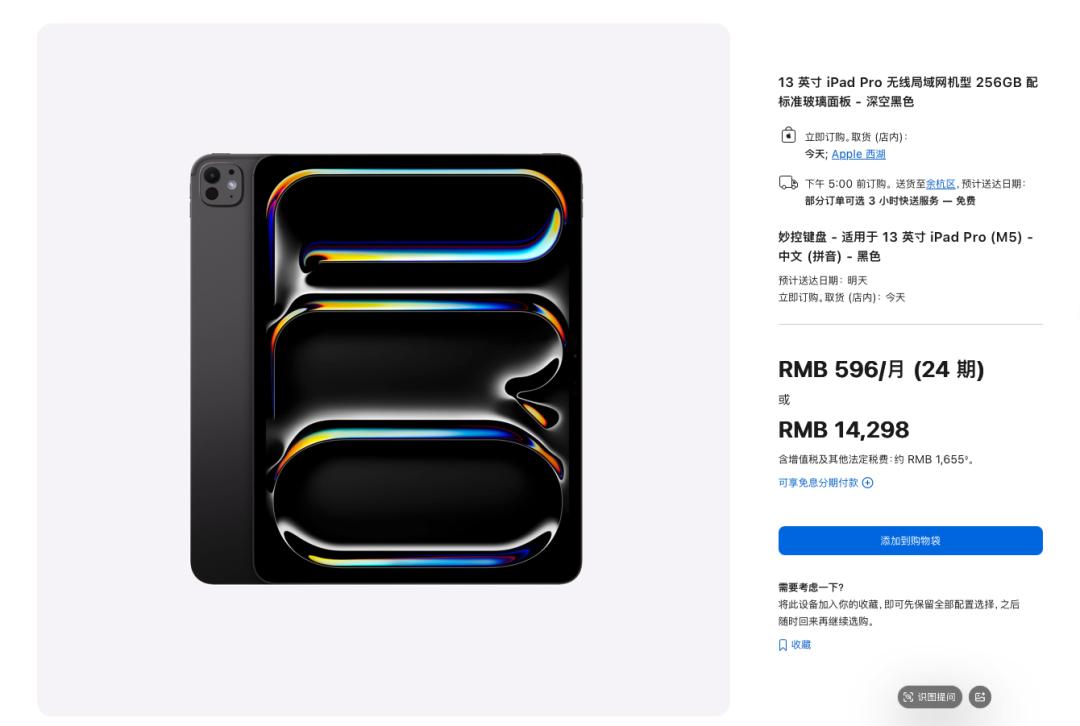
To avoid further pricing conflicts, the latest touch - screen - enabled MacBook Pro is likely to increase in price. Conservatively estimated, the starting price will be at least 1,000 yuan more than the current non - touch - screen MacBook Pro.
As for the other systems, such as iPadOS and watchOS, there won't be any major updates for now, so we won't go into details.
# Other Hardware
Finally, let's take a look at other hardware. There are also many rumors about new hardware products this time.
Regarding the processor, the M5 Ultra is likely to make its debut at this WWDC. It's rumored to have quite amazing specifications, with 36 CPU cores, 80 GPU cores, and up to 512GB of unified memory.
