Domestic Chinese three-wheeled vehicles are a massive hit in Europe and America, with a 2-year waiting period for new deliveries and a rental price of 200 yuan per hour.
" Backing up, please be aware. "
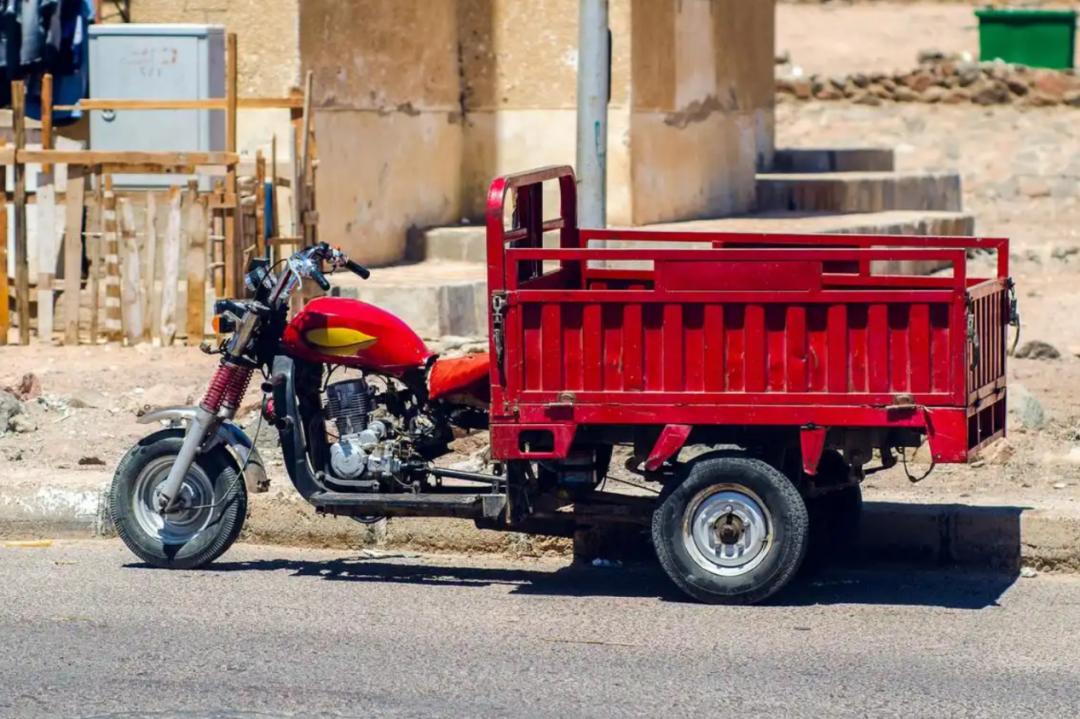
When hearing this magical prompt sound, do you all have a sense of familiarity? That's right, this is exactly the "tuk-tuk" that we often see in the fields and at rural fairs.
I thought this thing was the favorite of uncles and aunts. Unexpectedly, I still underestimated its strength. At the previous Milan Motorcycle Show in Italy, an electric tricycle from China became one of the focuses of the whole event.
Don't doubt your eyes. I also took a close look for a while. The tricycle surrounded by foreigners is exactly our Chinese "tuk-tuk".
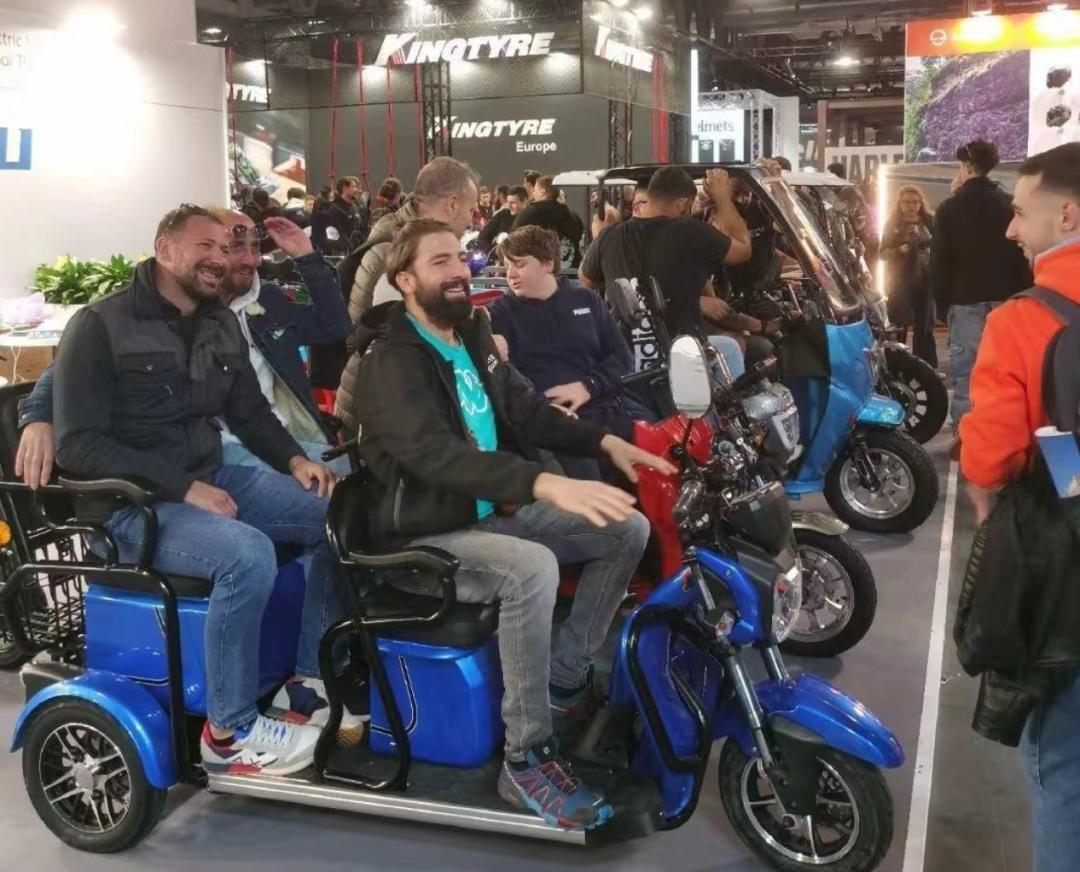
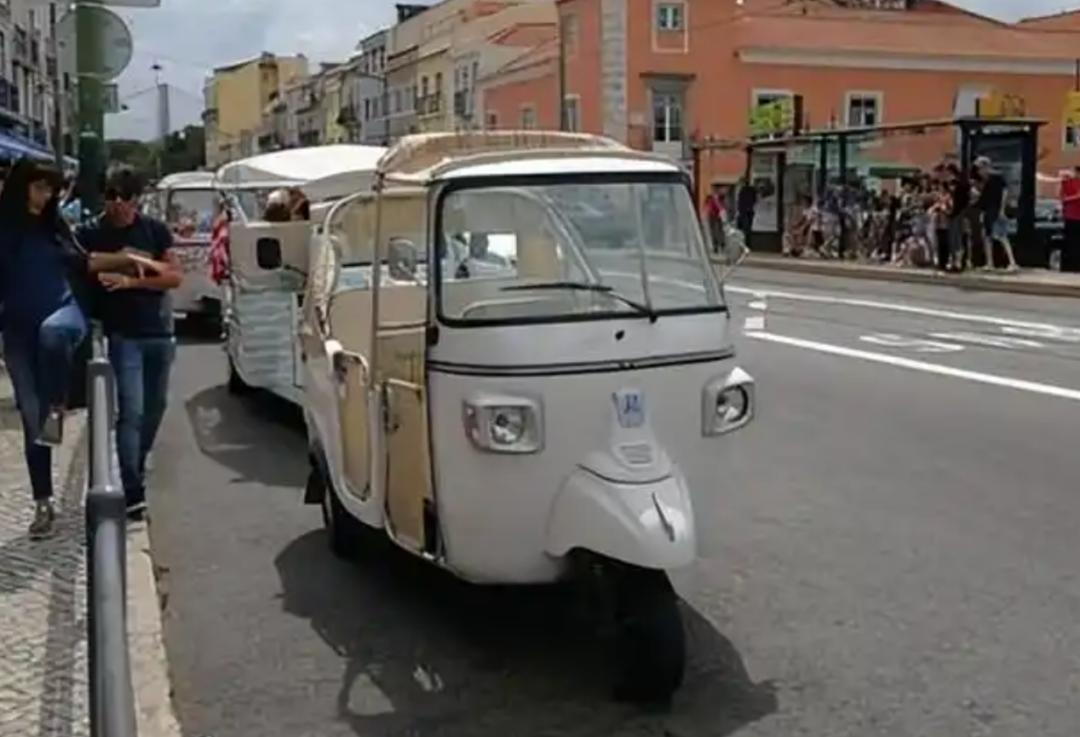
What's even more incredible is that at the entrance of the Royal Palace of Madrid in Spain, on the century-old road paved with precious slabs, it's not Rolls-Royce, nor Ferrari running, but also the "tuk-tuk" labeled "Made in China".
Don't underestimate these "tuk-tuks". If you want to experience it briefly, the rental fee is 30 euros per hour, which is equivalent to 236 yuan, twice as expensive as local taxis.
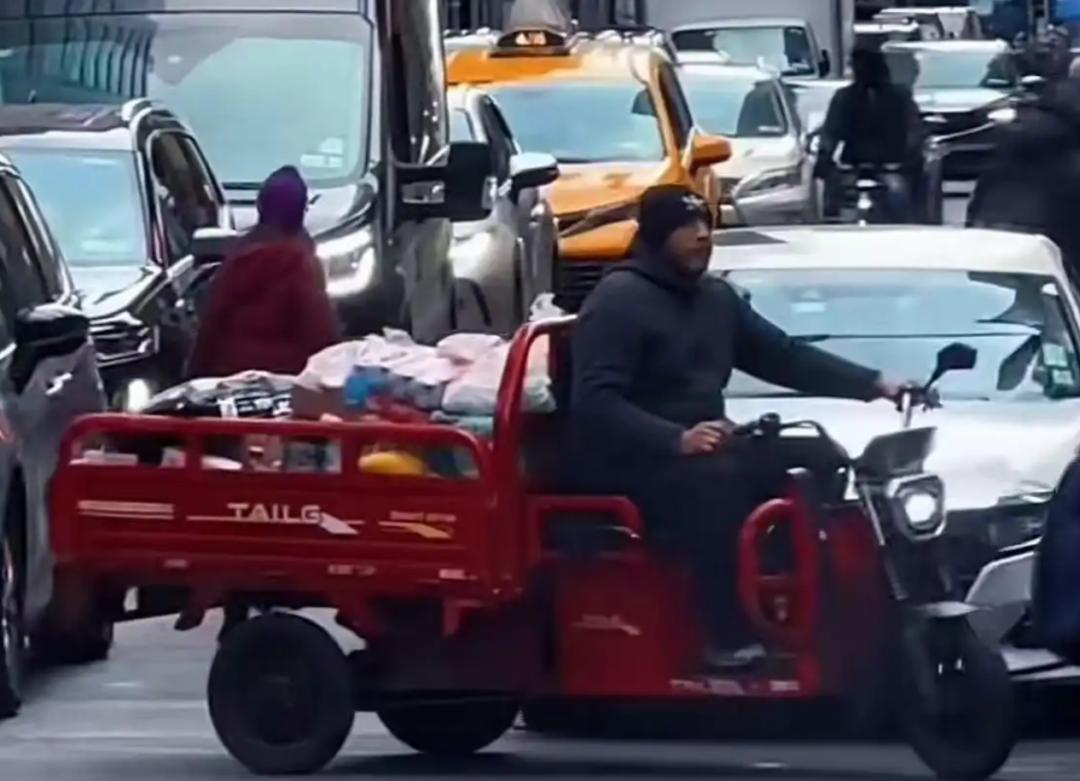
Judging from the sales data, the export momentum of Chinese "tuk-tuks" is also very strong. From January to April this year, the export volume of Xuzhou, Jiangsu, the largest electric tricycle production base in the country, exceeded 168 million yuan, a year-on-year increase of 87.2%.
Kaixi Shuyu in Sichuan had overseas orders exceeding 40,000 units in the first three months of this year, which is 8 times that of the whole last year. Now their orders have been scheduled for two years later.
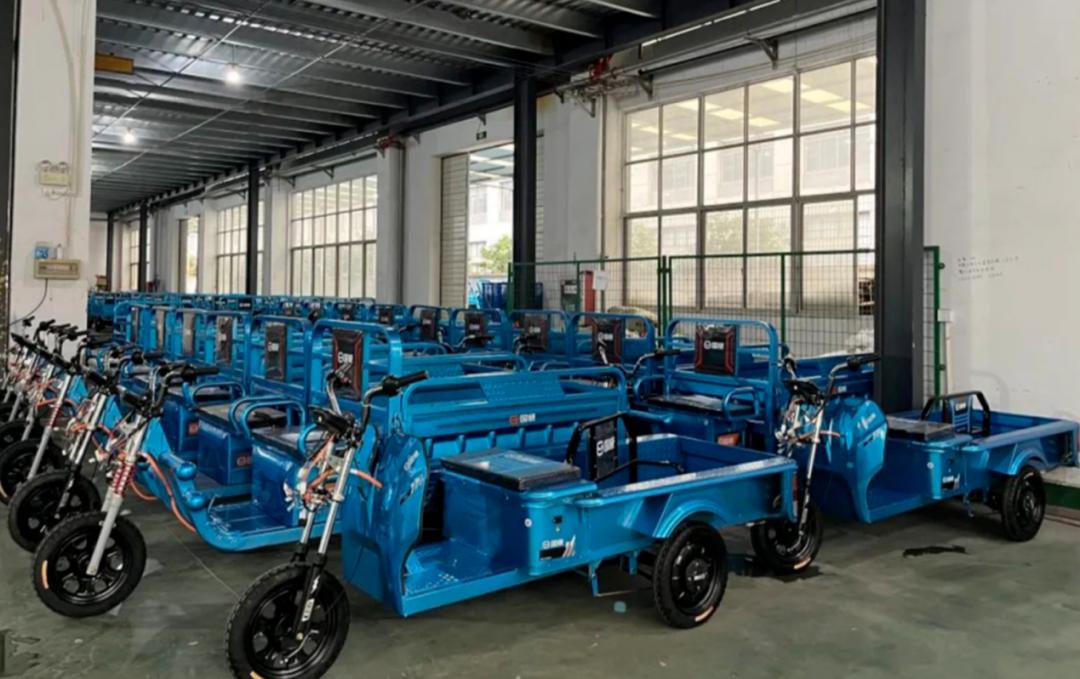
Speaking of this, some people may ask, how did a small iron car used for hauling fertilizer and going to fairs in rural China suddenly become a "fashion item" on the streets of Europe and the United States? Among so many means of transportation in the world, why has the Chinese "tuk-tuk" become so popular?
I think the primary reason is still a single sentence: It's cheap and suitable for multiple scenarios.
Don't think that only Chinese people are good at calculating. People in Europe and the United States can also do the math. Take American farmers for example. The most commonly used short-distance transportation tool for them is the pickup truck.
A mid-range Ford F - 150 starts at $35,000. The annual insurance costs $1,000, maintenance costs $1,500, and fuel costs $2,500 - $3,000. In a year, including purchase and maintenance, it costs at least $40,000.
While an electric tricycle made in China, even with tariffs and shipping costs, is priced at only $3,000 - $6,000. In terms of functionality? It can carry goods and passengers. It's much smaller and more flexible than a pickup truck. The cost of a single charge is less than $1, and it can run for fifty or sixty kilometers.
The annual usage cost is directly cut by 99%. Who can resist such a cost - effective choice?
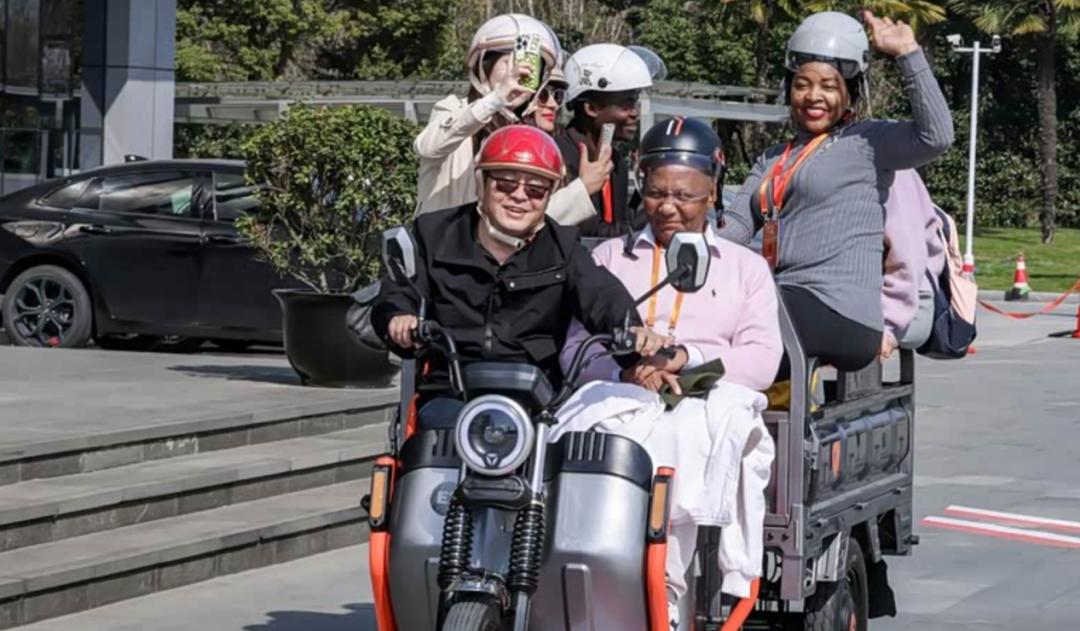
Of course, being cheap alone is far from enough. Another key point for the Chinese "tuk-tuk" to have a big order overseas is the "customization ability".
In other words, if it only relies on low prices, it may be easily replicated. But low prices + customization ability is different. At present, foreigners are very fond of it.
Do American customers find it inconvenient to carry farm tools? Chinese "tuk-tuks" can be equipped with hydraulic self - unloading devices and trailer hitches. Are Southeast Asian customers afraid of the sun and rain? Chinese "tuk-tuks" can develop models with rain shelters and do a good job in anti - corrosion treatment.
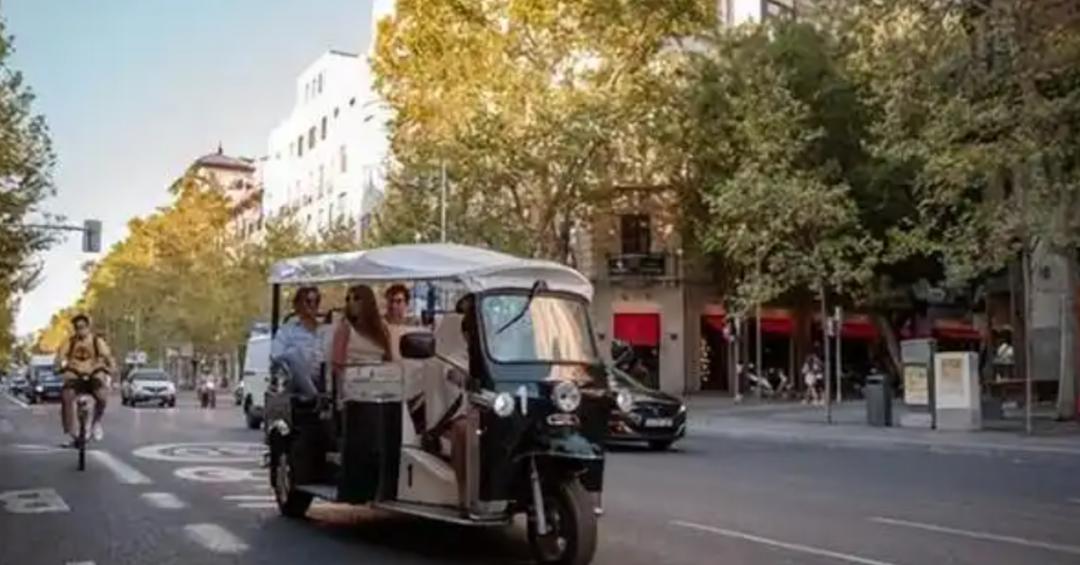
Do Turkish customers want to listen to music while driving? Bluetooth speakers, reversing radars, and even coffee cup holders are directly arranged. Do African users want to sell cold drinks? A white model with a refrigeration function will be launched immediately.
Now, that magical "Backing up, please be aware" has been translated into 6 languages such as English and Spanish. Kaixi Shuyu has now developed more than 60 styles and more than 100 configurations. The "custom - made" model has become extremely popular overseas.
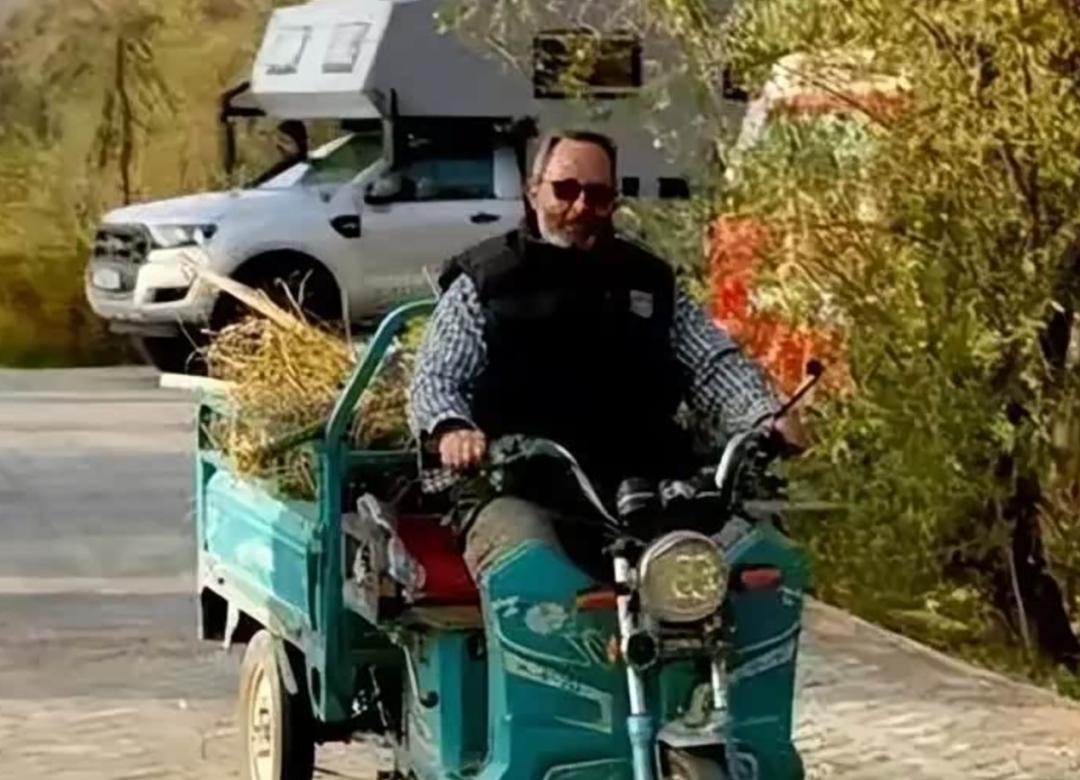
This flexible production ability of "producing whatever you want" is the fundamental reason for the popularity of Chinese "tuk-tuks".
Some people may ask, since Chinese "tuk-tuks" are selling so well, can they handle such a large number of orders? At present, we really can.
Now every industry is talking about the industrial chain, and Chinese "tuk-tuks" naturally have one too. This has to mention the systematic advantages of China's manufacturing industry over the years. The domestic ecosystem in this field is actually very complete.
Let me put it this way. Feng County in Jiangsu is the largest electric tricycle production base in the country, accounting for more than 90% of the parts market share. There are more than 1,400 vehicle and parts production enterprises, with an annual production capacity of more than 5 million vehicles, accounting for more than 60% of the country.
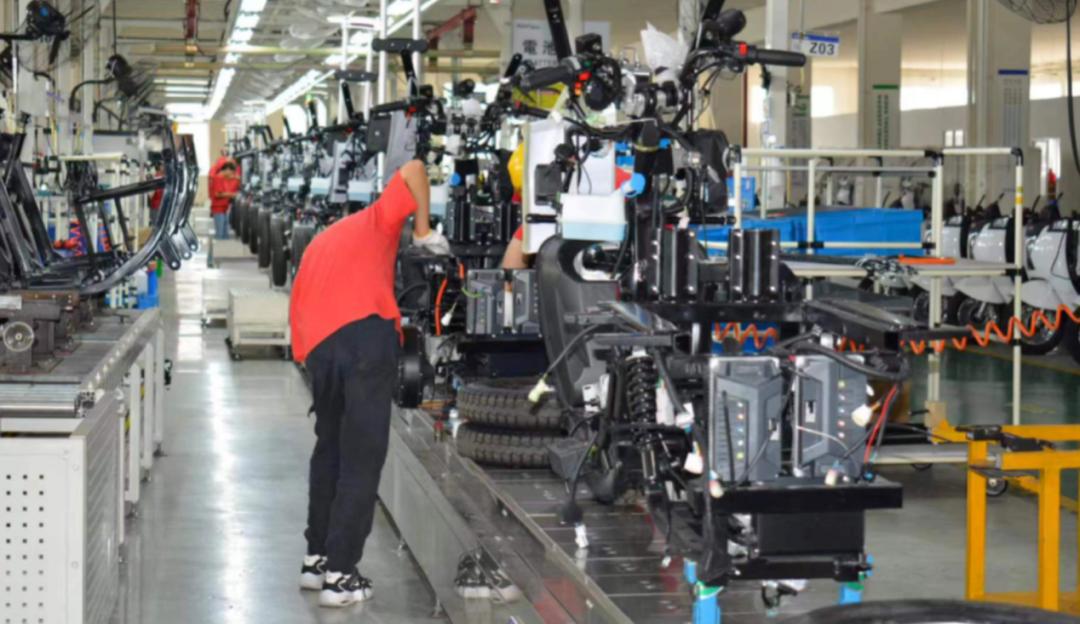
In the core area of 50 square kilometers in Xishan District, Wuxi, Jiangsu, the headquarters or bases of 6 of the top 10 electric vehicle companies in the country are gathered, as well as more than 600 supporting enterprises. From design, molds, parts to final assembly, a complete supply chain node can be completed within 1 hour.
In Yanshi, Henan, the supporting system can assemble a whole vehicle in 15 minutes. The scale effect of this industrial cluster cannot be replicated by other countries in the short term.
Now, the overseas market of "tuk-tuks" has expanded from a single region to the whole world. Southeast Asia is the fastest - growing market. Vendors and farmers in Thailand and the Philippines are the core consumer groups of this model.
In the North American market, heavy - duty farm models are the main products. In Europe, it takes the high - end customization route. In Africa, it is a necessary means of transportation. In Spain, it is a better carrier for sightseeing car business and a good tool for drivers to make money.
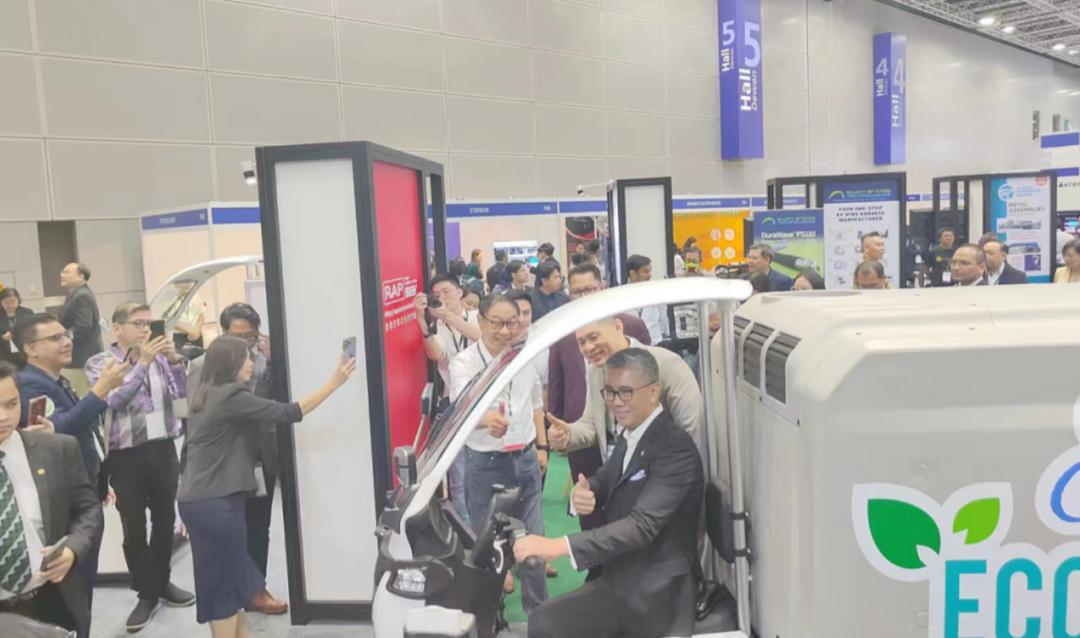
To be honest, Chinese "tuk-tuks" can thrive anywhere. They have strong adaptability and wide applicability. No wonder they have become popular. However, we can't be too happy too soon.
Although "tuk-tuks" are quite popular overseas now, not everyone can sell them well. In this field overseas, the compliance threshold is very high.
The EU EEC certification, the US DOT standard, and the ASEAN mandatory certification system have complex processes and high costs. Small and medium - sized manufacturers without prior layout can't even get an entry ticket.
Moreover, most brands now rely highly on loose overseas distributors. The spare parts supply is slow, and the maintenance standards are not unified. It's not that easy to build a good reputation overseas.
Moreover, there are many entrants, but only a few can make money. After all, the raw material costs in all fields are not low now. Small and medium - sized manufacturers without control over the industrial chain can hardly get a share of the pie.
In other words, Chinese "tuk-tuks" are very popular, but not all participants can get a share of the "cake". If the comprehensive strength is not up to par, the popularity of Chinese "tuk-tuks" has nothing to do with some participants.
From the fields in rural China to the entrance of the Royal Palace of Madrid in Spain, the magical journey of a "tuk-tuk" reflects that Chinese manufacturing has shifted from competing on price to competing on value. I think our "tuk-tuks" have really made a mark. The next time you go back to your hometown and see a "tuk-tuk" passing by, will you have a different feeling?
This article is from the WeChat public account "Science and Technology Fox" (ID: kejihutv), author: Lao Hu, published by 36Kr with authorization.