Stuffing half a Vision Pro into a pair of glasses, has Google really pulled it off this time?
Analyst Ming-Chi Kuo recently revealed that Apple has made significant adjustments to its head-mounted device roadmap. The company has decided to focus only on the development of two smart glasses, while the follow-up products of Vision Pro have been either postponed or completely canceled.
Among these two glasses, the AI glasses without a display screen are expected to be shipped next year, while the version with a waveguide display has been postponed to 2029.
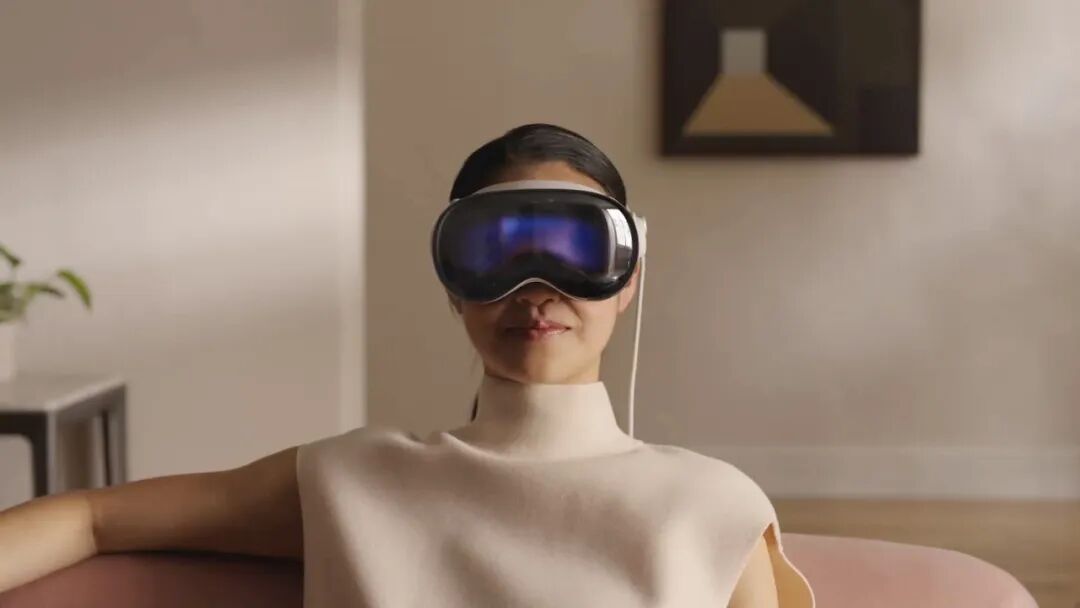
In stark contrast, Google is not only planning to launch AI audio glasses this year but also expanding the testing scale of its display glasses with small lenses. Meanwhile, Google is also testing a pair of binocular display "XR glasses," which packs half of the functionality of the Vision Pro into a pair of glasses.
After the I/O Conference, many media outlets were invited to experience these smart glasses firsthand. Based on their feedback, Google's smart glasses, which have been in development for 10 years, are indeed quite impressive.
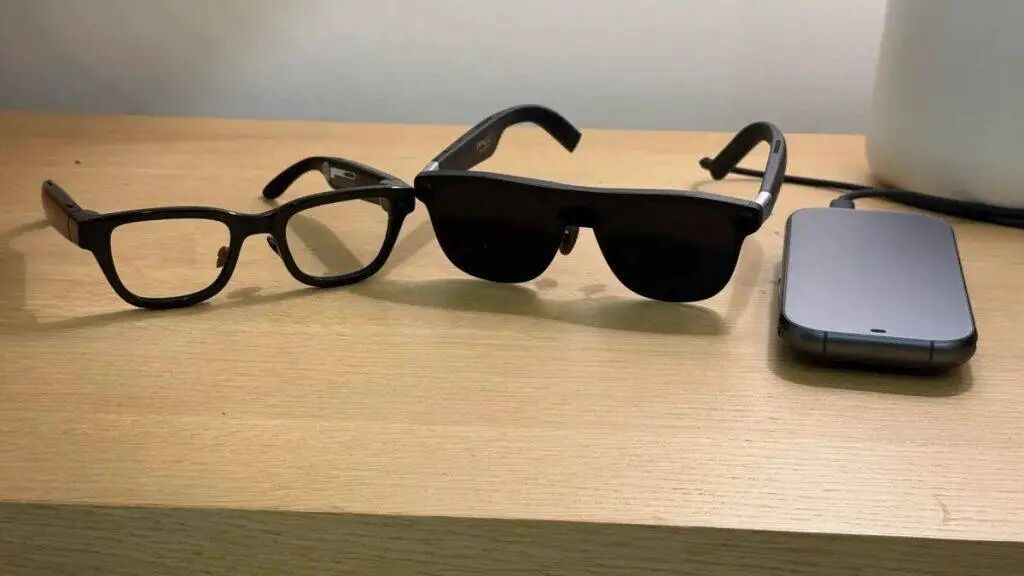
Image source: CNET
XR Headset in the Form of Glasses
The glasses, codenamed "Project Aura," come with a display and run on "Android XR." Co-developed by Google and XREAL, this product was first introduced at last year's I/O Conference.
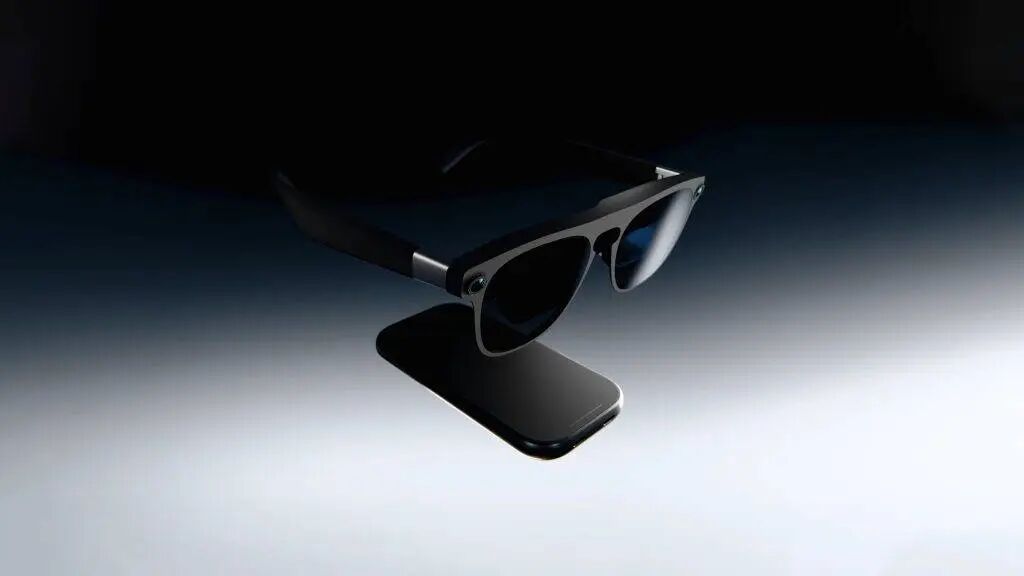
Ifanr had the opportunity to try out the prototype of Project Aura at the AWE. Even in its early development stage, the glasses felt quite mature, offering an experience similar to that of the Meta Quest headset.
This product consists of two parts: the glasses themselves and a wired computing terminal about the size of a mobile phone.
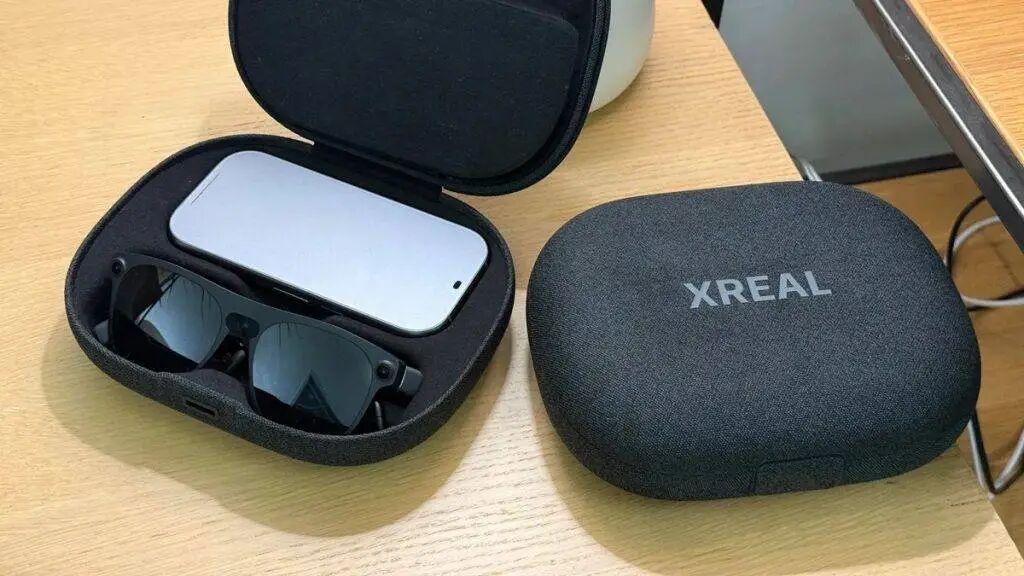
Image source: CNET
On the hardware front, Project Aura supports a large 70-degree field of view. While it may not match the Apple Vision Pro, the visual experience is still wide enough to be considered leading among AR glasses.
Tom’s Guide also praised Project Aura's field of view, describing it as a "generational leap in immersion" for XR glasses. The blurriness at the edges is only noticeable in your peripheral vision.
The adaptive transparency feature is extremely useful. When you're looking at the screen, the glasses automatically dim to help you focus. When you look at people around you, the lenses become more transparent, allowing you to see the surroundings clearly.

Image source: CNET
In addition to interacting via the temples, Project Aura also supports ten-finger gesture input. The experience is quite natural, allowing you to directly reach out and click buttons, grab screen elements, and zoom in and out, although there is a slight delay.
The Android XR experience itself is also quite mature. You can open multiple windows in front of you. Google's first-party apps, such as Google Maps and YouTube, have been optimized for XR. YouTube also has a large amount of panoramic video content, which fully showcases the advantages of the glasses.
The Verge tried out some AR applications on Project Aura. For example, there's an app that allows you to "grab" real-world objects with your hands, and the glasses will display their molecular structure.
Engadget commended the performance of Google Maps on Android AR glasses. You can see your walking route in real-time on the screen, and there's also a small map when you look down.
Compared to the limited app ecosystem of the Meta Ray-Ban Display, Project Aura not only integrates deeply with the Google ecosystem but also supports a wider range of Android APK applications.
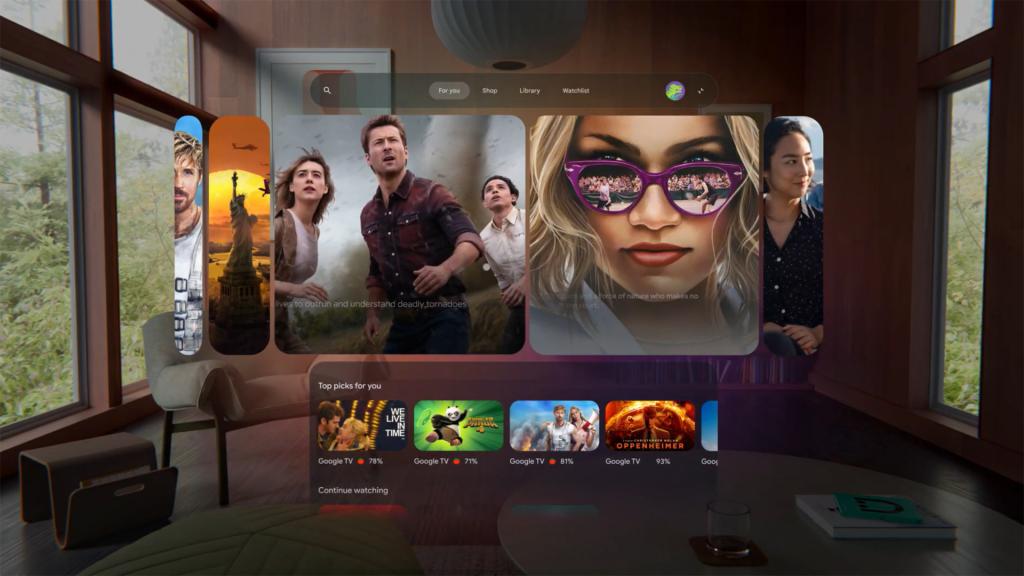
Another major advantage of Google glasses is the top-tier Gemini AI agent and its multimodal capabilities. In Ifanr's limited experience, Gemini could quickly find specific videos on YouTube after receiving a command.
The Verge found that Gemini has become even more powerful. For example, after taking a photo, you can ask it to remove the green plants from the picture. If you take a photo of a recipe, it can add the ingredient list to your Google Keep. It can also add the concert schedule you see to your Google Calendar, and these operations will be instantly synced across all devices logged in to your Google account.
An interesting scenario is connecting the glasses to other devices, such as a Steam Deck, iPhone, or MacBook. You can simultaneously open the glasses' own apps and use Gemini Live to analyze the screen of the external device.
Of course, AI capabilities are not entirely reliable. In noisy outdoor environments, it may be easily distracted. There have also been cases where it records a location in London when you're actually in the United States.
It's no exaggeration to say that Project Aura has achieved headset-level display and interaction capabilities. Compared to headsets that are mainly used at home, these glasses weigh less than 100 grams and have a relatively simple design, making them more accessible and suitable for a wider range of scenarios.
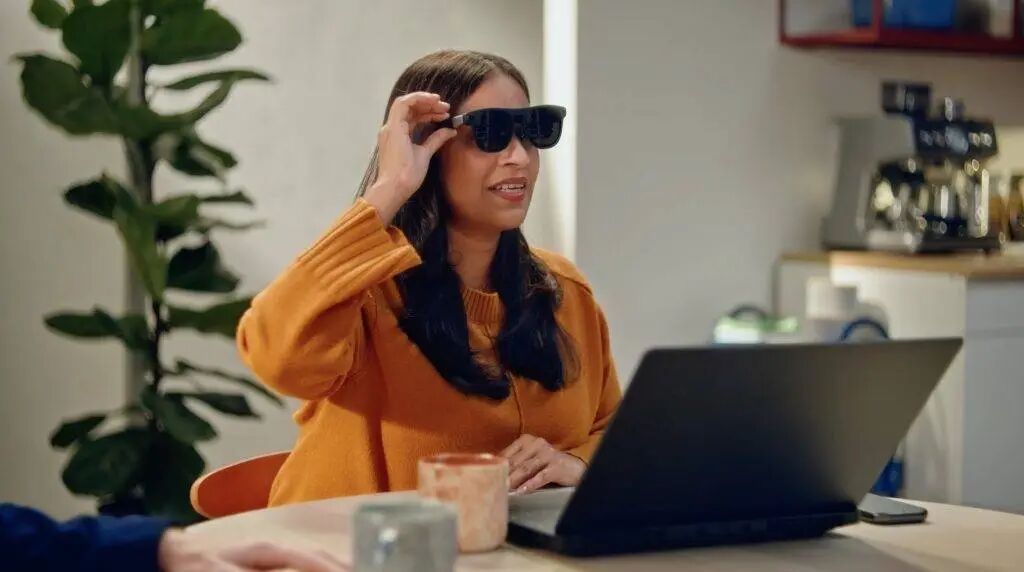
Most media outlets, including Ifanr, believe that Project Aura is nearing completion. The era of "XR glasses" is truly within reach.
A New Gateway for Gemini
Google's smart glasses plan also includes monocular display smart glasses and completely displayless smart glasses, which Google currently refers to as "Intelligent Eyewear."
These two products have similar uses and positioning, mainly targeting the Ray-Ban Meta glasses. They focus on functions such as photography, audio, and AI assistants. The monocular display version can show simple feedback.
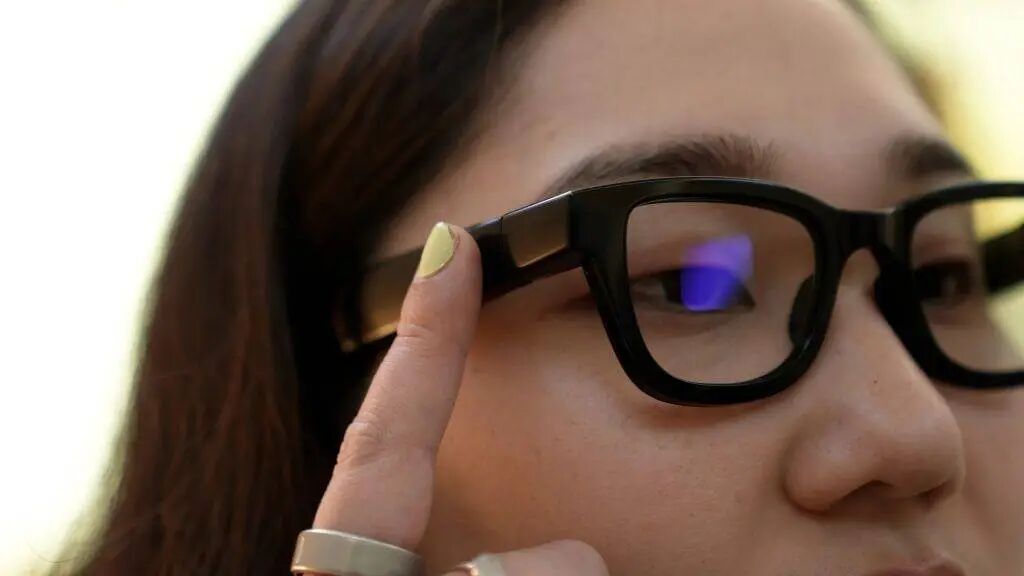
Image source: The Verge
Google showcased a "prototype" of the monocular smart glasses at an event. Strictly speaking, it's not a final product but rather a "sample" that demonstrates Google's vision for smart glasses.
Most media noted that this prototype feels quite "natural," similar to wearing traditional glasses. It's also significantly lighter than the Meta Ray-Ban Display with a monocular screen.
However, PC World pointed out that in a noisy demonstration environment, the volume of the glasses' speakers is relatively low, which is a common drawback of current smart glasses.
Unlike Project Aura, which can operate independently, Intelligent Eyewear is more like an accessory for your phone. It serves as a more user-friendly gateway to the Gemini AI agent on your phone.
Therefore, users can interact with the glasses using voice commands, just like they would with Gemini on their phones, eliminating the need to take out the phone, unlock it, open Gemini, and type in commands.
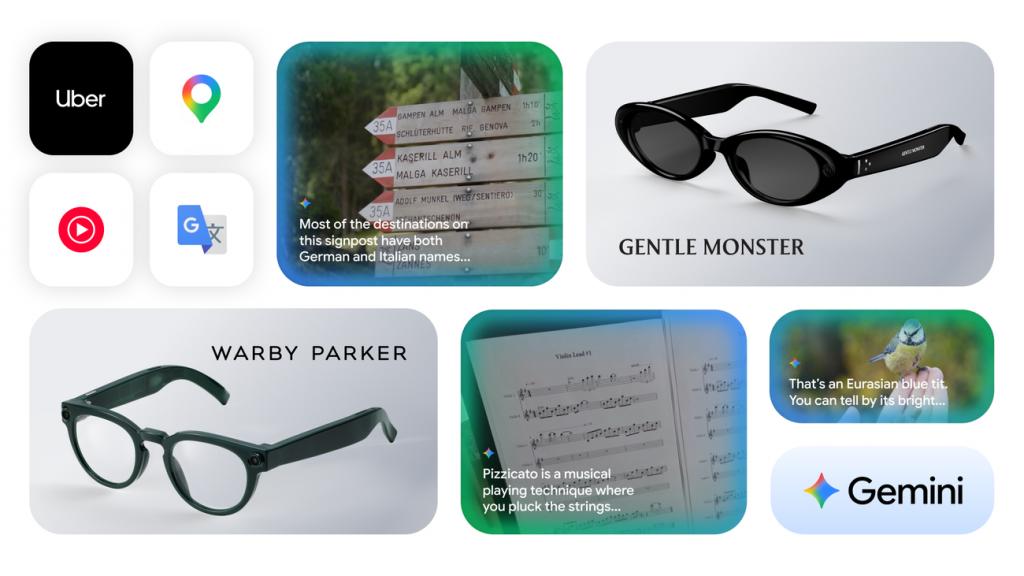
You can directly ask Gemini to search for something, play a song, set a reminder, or use the multimodal capabilities of Gemini Live to identify what you're seeing. In more complex scenarios, like looking at your dinner and asking the AI to recommend a red wine, the answer will be delivered to your ears through the speakers.
Some functions may seem a bit "AI for the sake of AI." For example, you can take a photo and ask the glasses to turn it into a cartoon style. While the glasses and Gemini can do it, it may not be very practical.
If you're a heavy Android user with an Android phone and an Android Wear watch, these glasses will provide a more seamless experience. The Pixel Watch can act as a viewfinder for the glasses, and the photos you take can be quickly uploaded to Google Cloud.
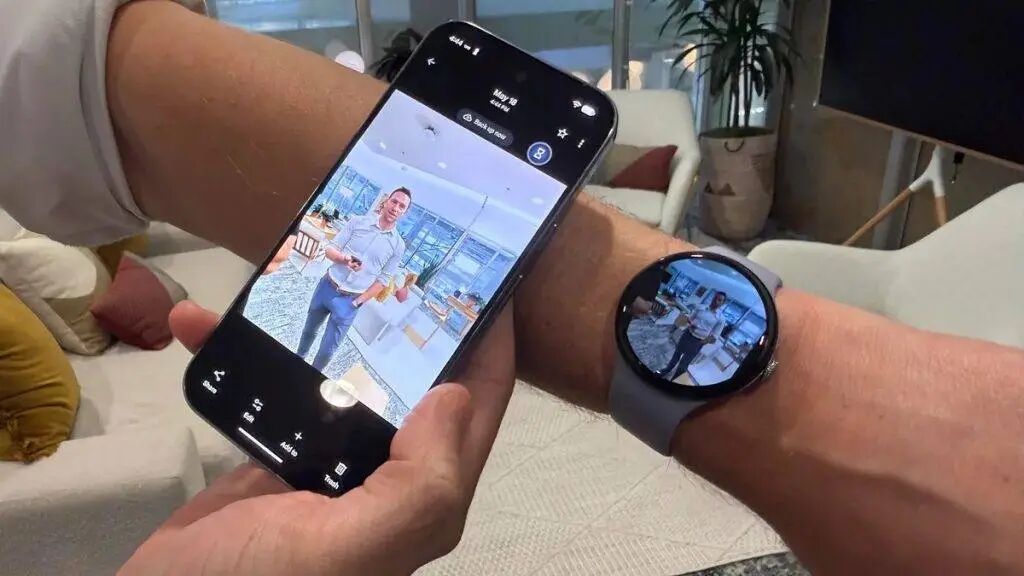
Image source: CNET
With Apple yet to enter the market, Google's smart glasses are currently one of the few products that can truly integrate with the existing mobile app ecosystem.
The monocular display is, of course, less feature-rich than Project Aura. It's more like a smartwatch, only capable of showing simple components such as directions during navigation, weather information, and translation results.
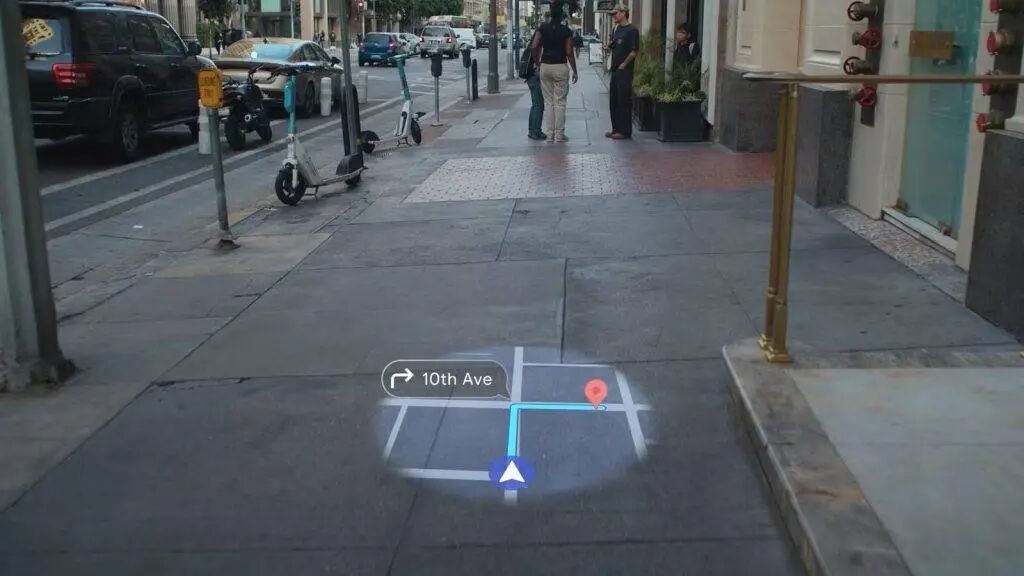
Regarding the privacy concerns surrounding Intelligent Eyewear and Gemini, both Google and the media have their own worries and perspectives:
Google emphasizes that it has given a lot of thought to the privacy of these AI glasses. The glasses will be equipped with a bystander LED indicator, artificial intelligence fraud detection, and other features.
More importantly, there are data privacy issues. It is expected that the privacy rules for Gemini on the glasses will be similar to those on mobile phones. However, since the glasses are often "always on," Google believes that long-term user education and different standards are needed. More details will be announced this fall.
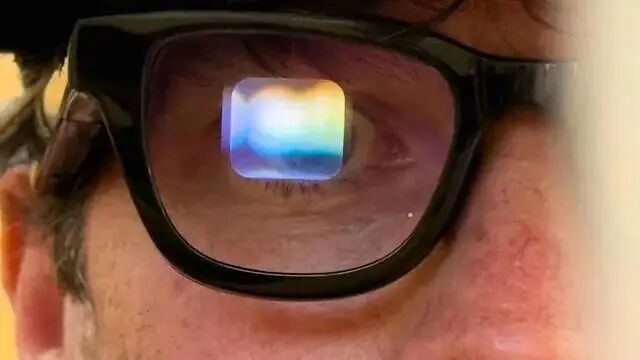
On the contrary, many media outlets think that even with privacy risks, keeping Gemini always on to analyze what users see and hear in real-time and provide proactive assistance and responses is the most advantageous way to use smart glasses.
This fall, Google will officially launch Intelligent Eyewear in collaboration with Warby Parker, Gentle Monster, and Samsung. The first batch of new products will not have a display screen.
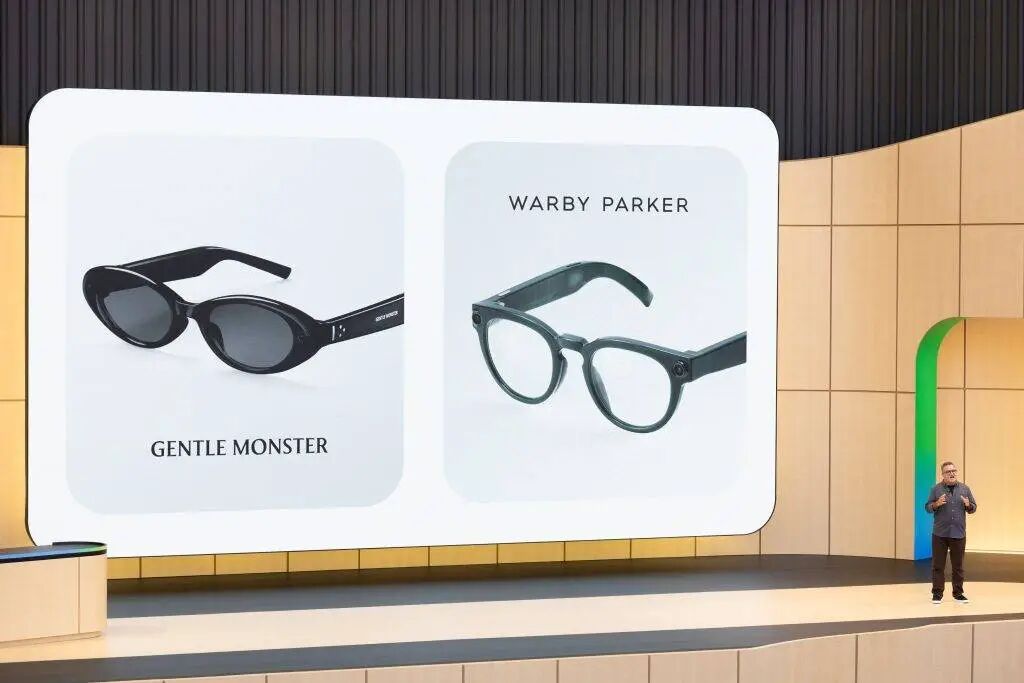
The designs of the new glasses from these two brands have been revealed in advance. Gentle Monster's glasses continue the brand's oval frame style, looking much more fashionable than similar products. Warby Parker's glasses feature a more understated square frame.
Why Should We Be Excited About Google's Glasses?
At the recent Meta 2026 Annual Shareholders' Meeting, CEO Mark Zuckerberg highlighted AI glasses, calling them "one of the fastest-growing consumer electronics categories in history." He predicts that eventually, the 1.5 to 2 billion people worldwide who wear glasses will switch to AI glasses.
Currently, most AI glasses are still in the "AI photography glasses" stage: taking photos, recording videos, real-time translation, voice Q&A, and an AI assistant. This has almost become the standard in the industry, essentially replicating the path already proven by Meta.

To determine the next step, we may need to look at companies like Google and Apple, which have a strong hold on the "previous generation" of terminal ecosystems.
If other smart glasses are simply apps worn on the head, Google's glasses are truly integrated with an ecosystem that people are already familiar with.
This is similar to the situation with smartwatches. Most people tend to buy products from the same brand and operating system as their phones for seamless notification syncing, data sharing, and