Jensen Huang raids the core territories of Intel and AMD, joins hands with Wang Xingxing, and ties with the three major domestic models.
NVIDIA's long - awaited chip masterpiece has finally arrived.
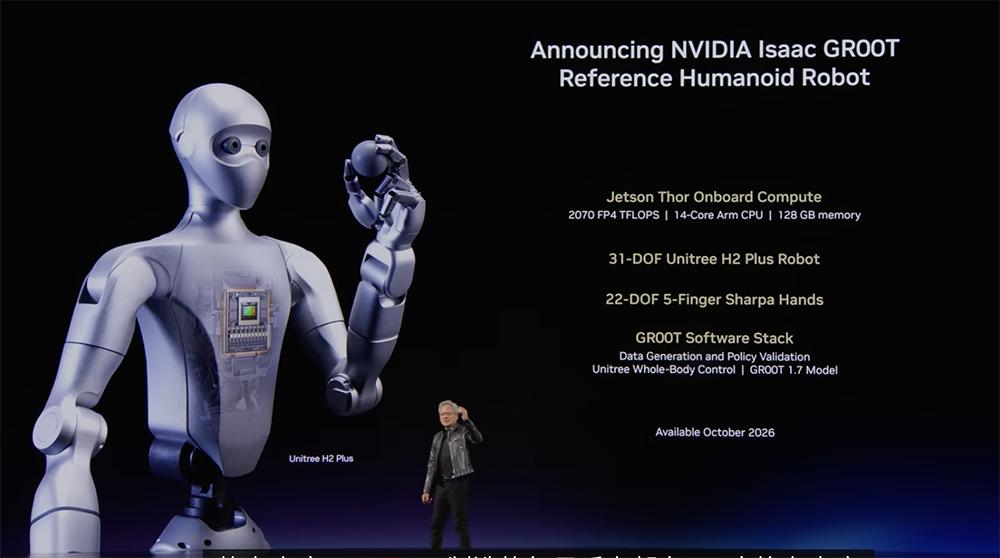
According to a report by Zhidx on June 1st, today at the GTC Taipei conference, Jensen Huang, the founder and CEO of NVIDIA, delivered a keynote speech in a shiny black leather jacket. He announced the release of 2 chips, 1 desktop - level AI supercomputer, multiple open - source AI models, frameworks, and libraries. He also jointly released a new humanoid robot reference design based on the Unitree H2 Plus robot with Unitree Technology.
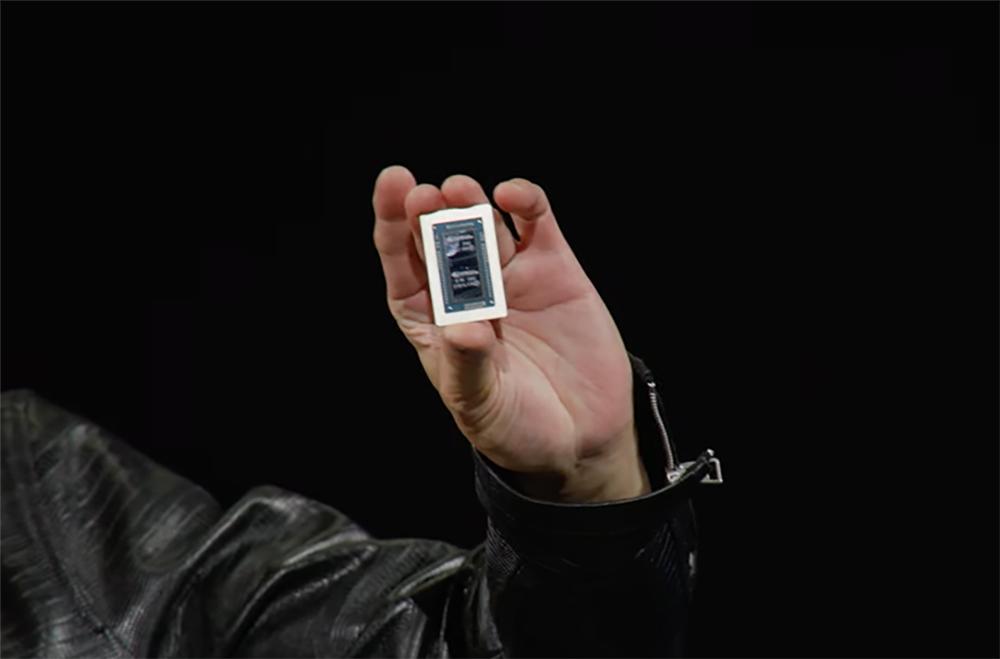
The long - rumored first NVIDIA PC chip based on the Arm architecture has finally made its debut, named RTX Spark Super Chip. Jensen Huang announced the launch of a new PC product line with Microsoft, stating that "this is the first comprehensive innovation of the PC product line in 40 years." The same intelligent agent processing mode will also be extended to various devices.
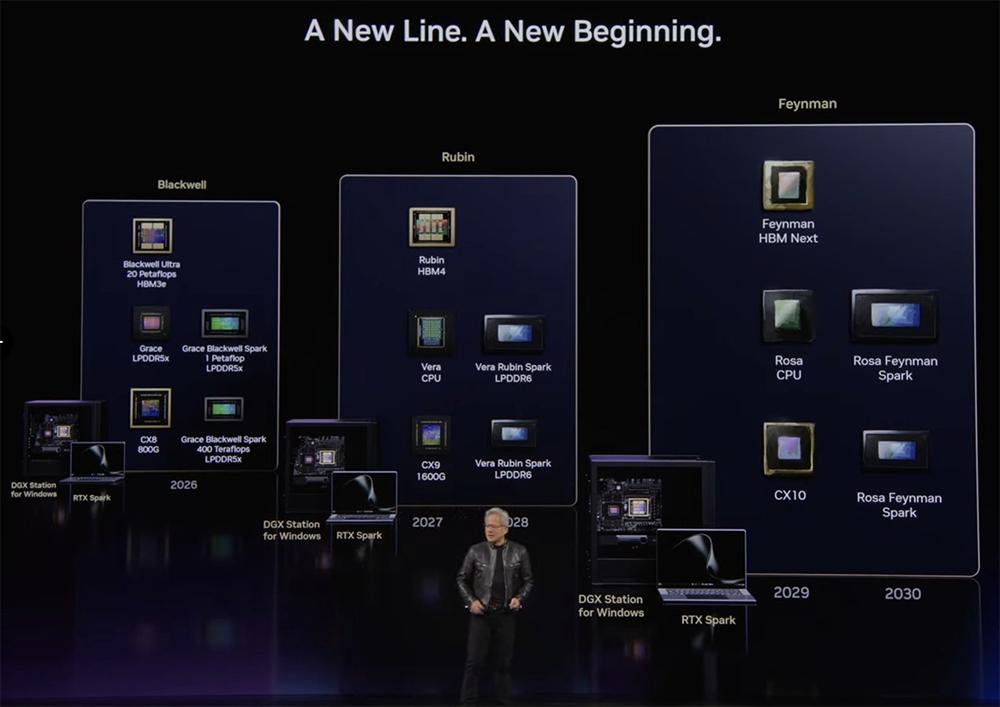
He said that this revolution in computing is as important as the evolution of ordinary mobile phones into smartphones. NVIDIA has formulated a product roadmap for this. Each generation of architecture (Grace Blackwell, Vera Rubin, Rosa Feynman) will be available in desktops, laptops, and workstations.
NVIDIA also released the world's most powerful desktop AI supercomputer for the Windows platform, DGX Station, and Vera CPU, a major move in NVIDIA's bet on the $200 - billion market, specifically designed for intelligent agents. These are two new markets that NVIDIA has opened up for the operation of intelligent agents.
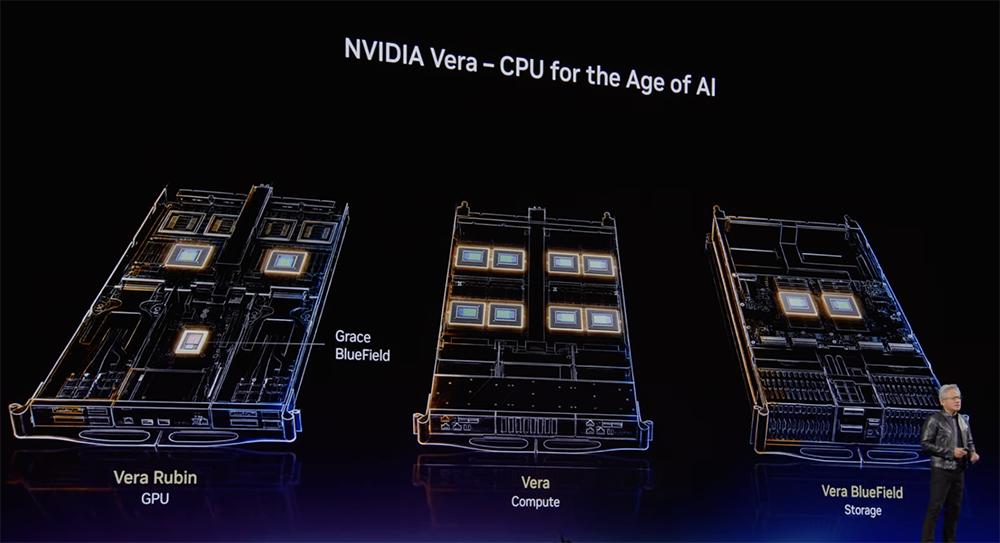
Three AI giants, Anthropic, OpenAI, and SpaceX, have all been the first to deploy the Vera CPU.
During the Q1 earnings report, NVIDIA revealed that the new Vera CPU will open up a market worth $200 billion. It is expected that the revenue from the Vera chips will reach $20 billion by the end of this fiscal year, becoming the "second - largest sales contributor."
Today, Jensen Huang said that the Vera CPU is of revolutionary significance, and he is very satisfied with its production ramp - up. "The current order volume has destined it to be the fastest and most successful product launch in our company's history."
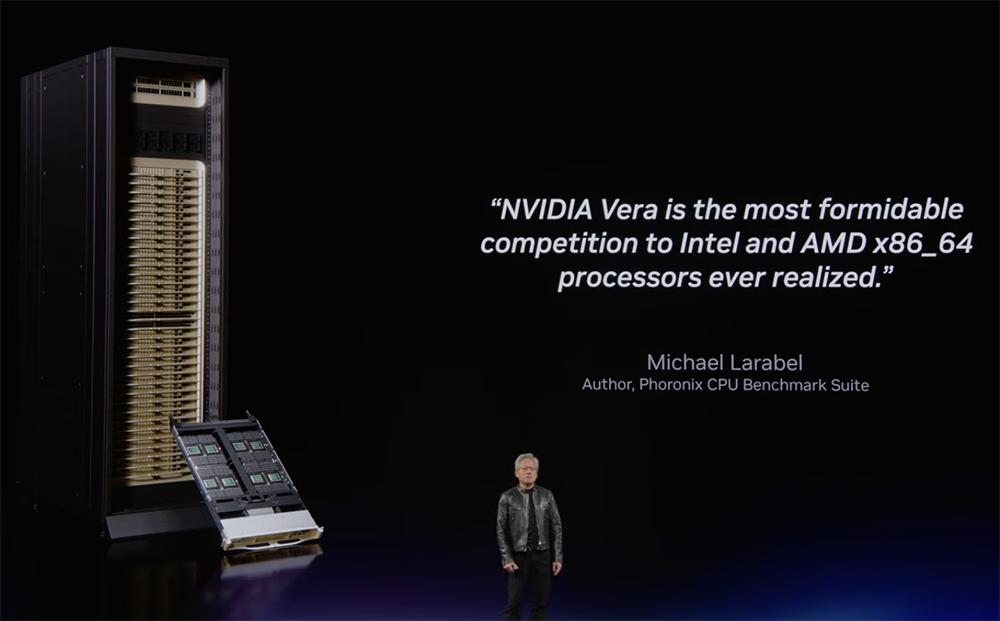
"NVIDIA Vera is the most powerful competitor to Intel and AMD x86_64 processors in history," said Michael Larabel, the author of the Phoronix CPU Benchmark Suite.
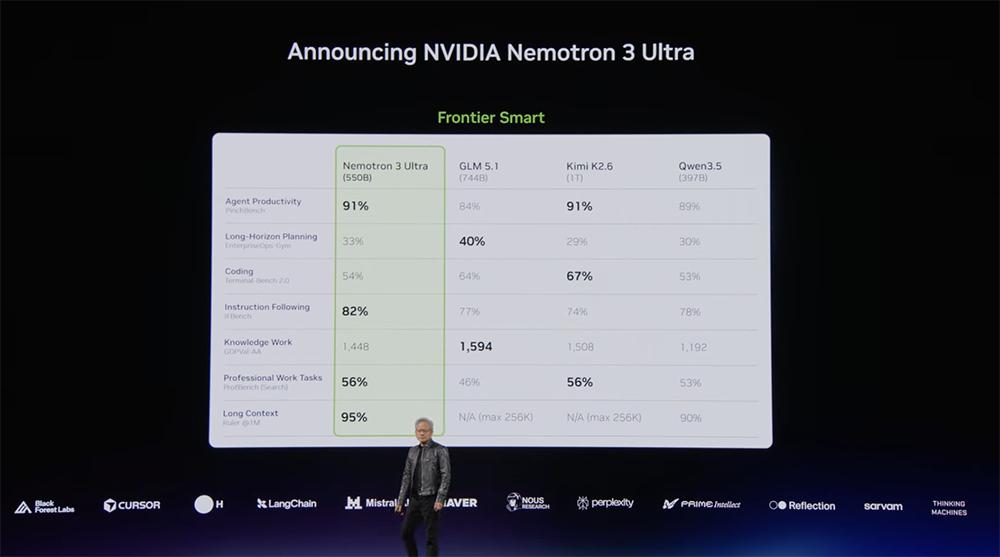
For intelligent agent deployment, NVIDIA launched the most powerful model to date, Nemotron 3 Ultra, and the Enterprise - level Intelligent Agent Toolkit. Among them, the intelligent agent productivity test score of Nemotron 3 Ultra exceeds or ties with three leading domestic intelligent agent models: Zhipu GLM 5.1, Dark Side Kimi K2.6, and Alibaba Qwen3.5.
For physical AI, NVIDIA open - sourced the world foundation model Cosmos 3 and the autonomous driving inference model Alpamayo 2 Super, and announced the establishment of the Cosmos Alliance.
For AI factories, NVIDIA announced the full - scale production of Vera Rubin and introduced two powerful tools, DSX OS and DSX MaxLPS, to help AI factories operate more stably and energy - efficiently.
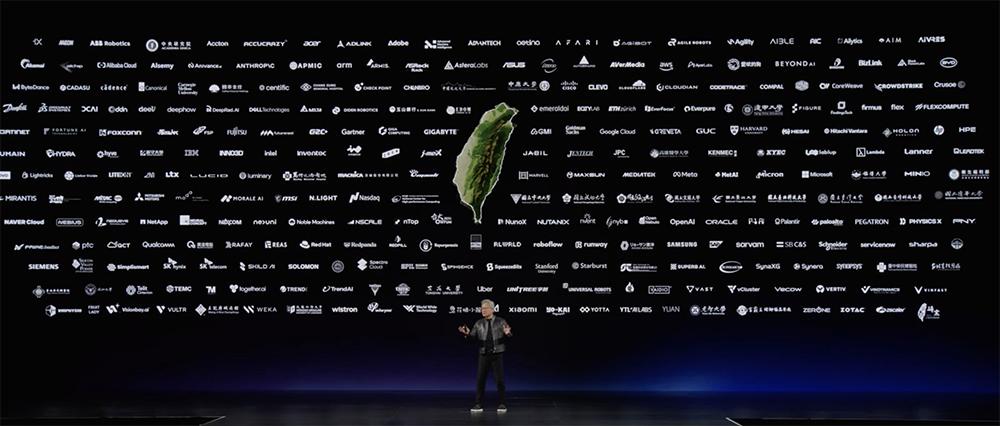
As usual, Jensen Huang showed off NVIDIA's large "circle of friends" and continued to strengthen his persona as a food lover. He especially thanked the fruit vendors in the night market and gave close - up shots of the names of several restaurants such as Huaniang Xiaoguan and Fubawang Pig's Trotter Restaurant.
During the speech, Jensen Huang uttered a series of golden quotes:
"The era of practical AI has arrived."
"AI is now a profit generator and a GDP generator."
"Computing equals revenue."
"The more you buy, the more you earn."
"Tokens have become the revenue unit for profit."
"It doesn't make sense to choose the wrong architecture just because the chips are cheaper."
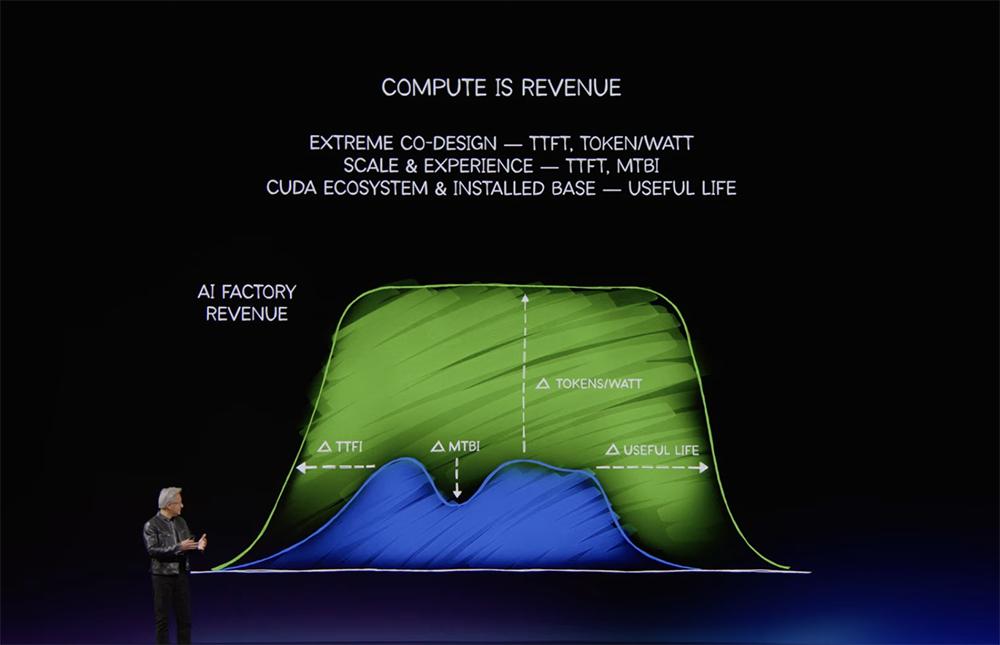
Jensen Huang believes that in the era of AI factories, every token generated can bring profit. Performance per watt, reliability, and system lifespan are the core financial levers.
The cost of an AI factory starts at $20 - 30 billion per gigawatt, has now climbed to $50 - 60 billion, and will soon reach $80 - 100 billion. These investments must ensure success on the first try.
In Jensen Huang's view, the statement that AI will reduce job opportunities is "utter nonsense." Instead, AI has driven the growth of demand for software engineers.
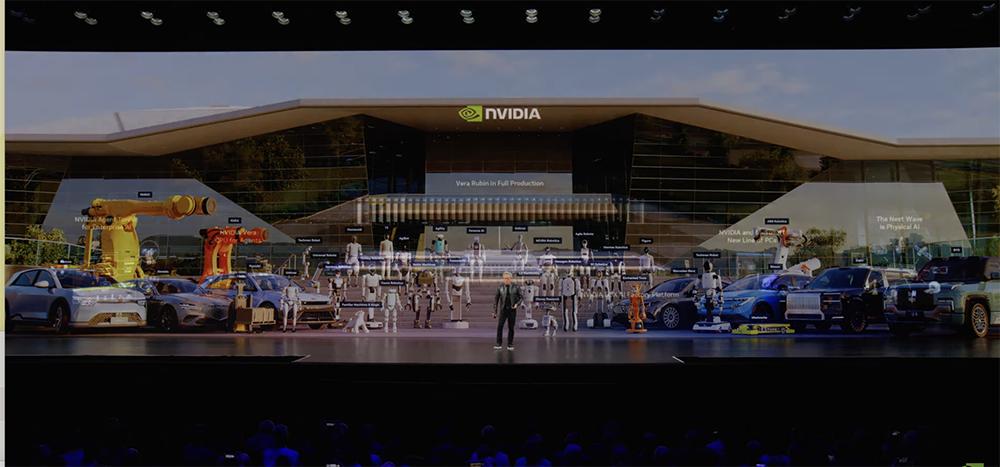
As a GTC tradition, NVIDIA's robot ecosystem family photo was displayed again.
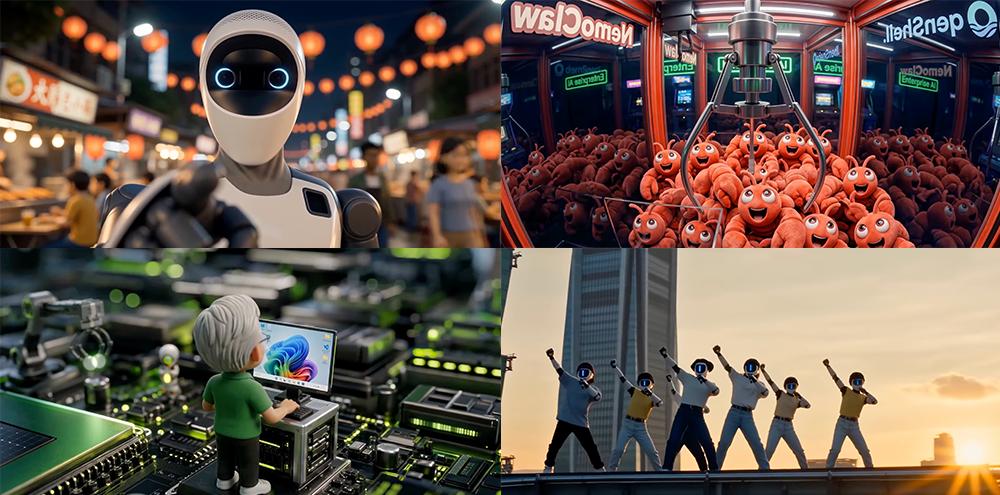
Finally, at the end of the speech, NVIDIA played a music MV starring a group of humanoid robots, OpenClaw lobsters, and a digital version of Jensen Huang.
01. NVIDIA's Self - Developed PC Chip Debuts: 3nm Process, Up to 1P Computing Power, Can Run a Large Model with 120 Billion Parameters
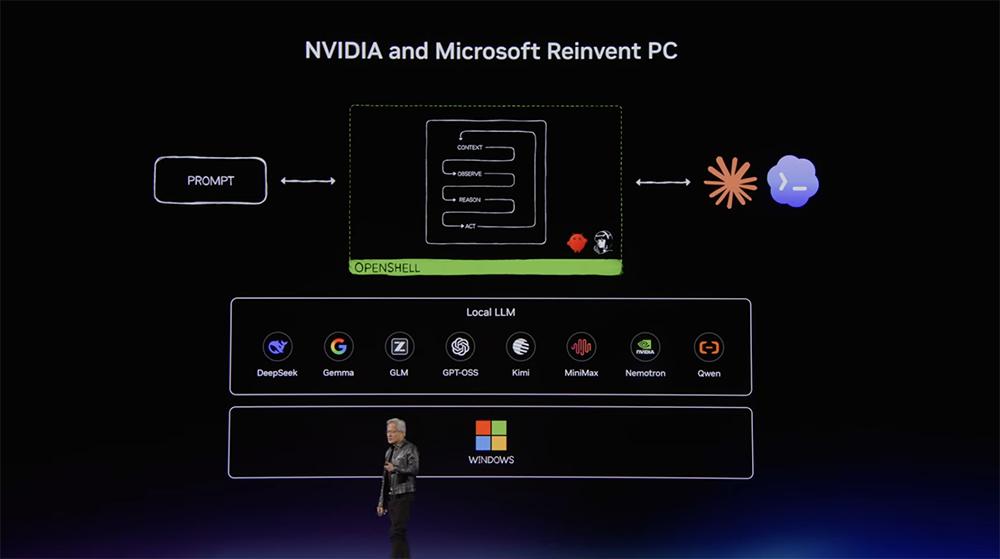
"After 40 years, Microsoft and NVIDIA will reinvent the PC (Personal Computer)," Jensen Huang announced. NVIDIA and Microsoft have re - imagined the PC for the era of personal intelligent agents and launched the RTX Spark Super Chip designed for games and intelligent agents.
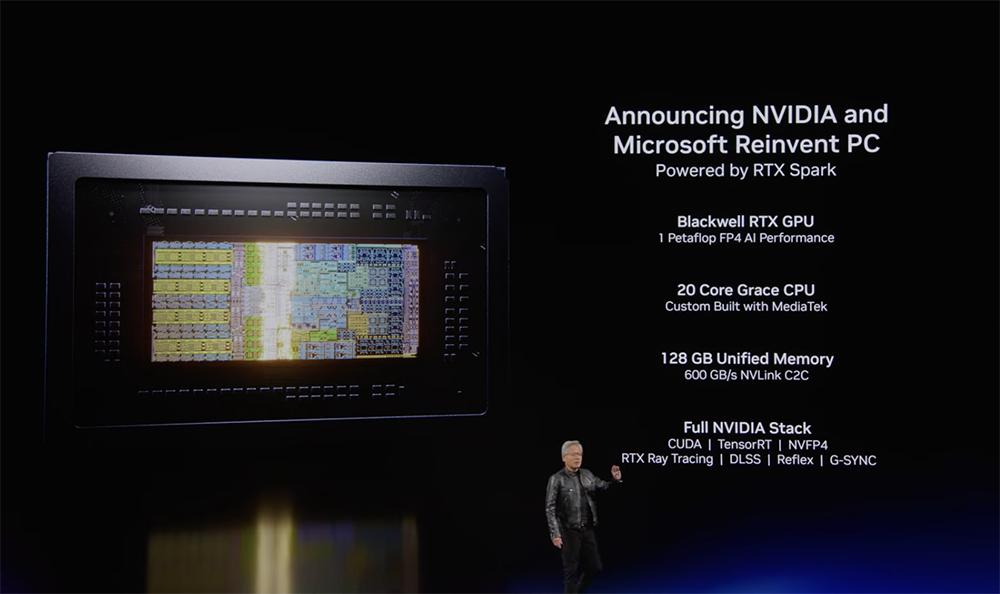
The RTX Spark Super Chip uses TSMC's 3nm process, has 70 billion transistors built - in, provides 128GB LPDDR5X unified memory and 1 PetaFLOPS FP4 AI computing power, and is hailed as the "most energy - efficient RTX chip in history."
Among them, the Blackwell RTX GPU has 6,144 CUDA cores and fifth - generation Tensor Cores, and is connected to a custom 20 - core Grace CPU developed in cooperation with MediaTek through the NVLink C2C inter - chip interconnection technology.
Jensen Huang called the RTX Spark "the most amazing chip ever made in the world," saying that "100% of NVIDIA's software stack runs on it."
The RTX Spark integrates 33 years of NVIDIA's innovation and powers the world's first Windows PC specifically designed for personal intelligent agents. NVIDIA CUDA can run natively on the RTX Spark.
A PC equipped with the RTX Spark can use OptiX and DLSS to render 90GB ultra - large 3D scenes, use the NVIDIA Blackwell decoder to edit 12K 4:2:2 video, run a large language model with 120 billion parameters and a context of 1 million tokens, and play AAA games at 1440p resolution and a speed of over 100 frames per second using ray tracing, DLSS, and Reflex.
In the past, when using a PC, users had to start applications, click the mouse, and enter text. Now, with the RTX Spark and Microsoft Windows, users only need to make a request, and the computer can complete the work.
In addition, Adobe has redesigned the architectures of Adobe Photoshop and Premiere for the RTX Spark. The new version can increase the processing speed of AI, editing, color correction, and special effects in the creative workflow by up to 2 times.
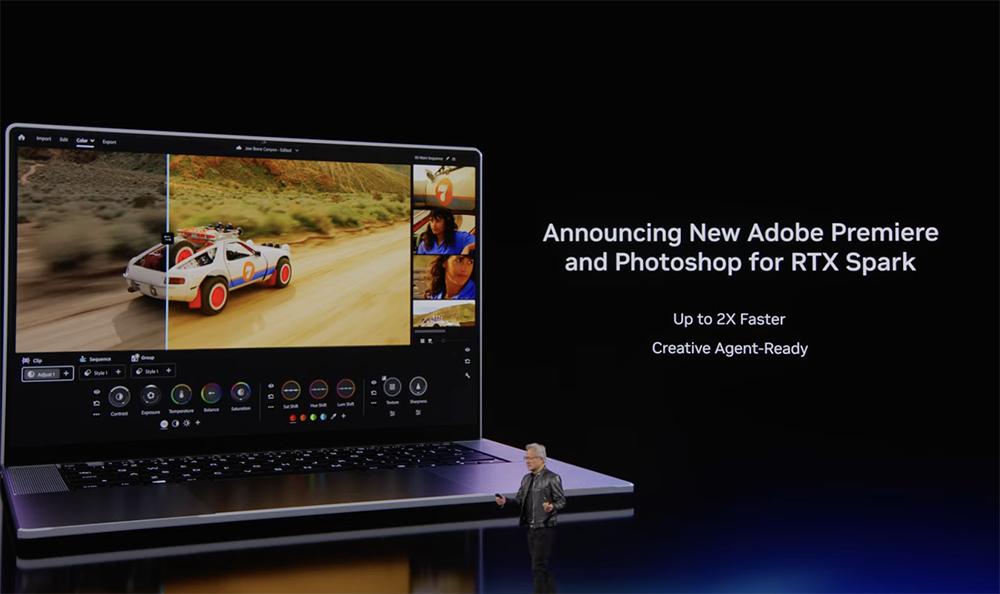
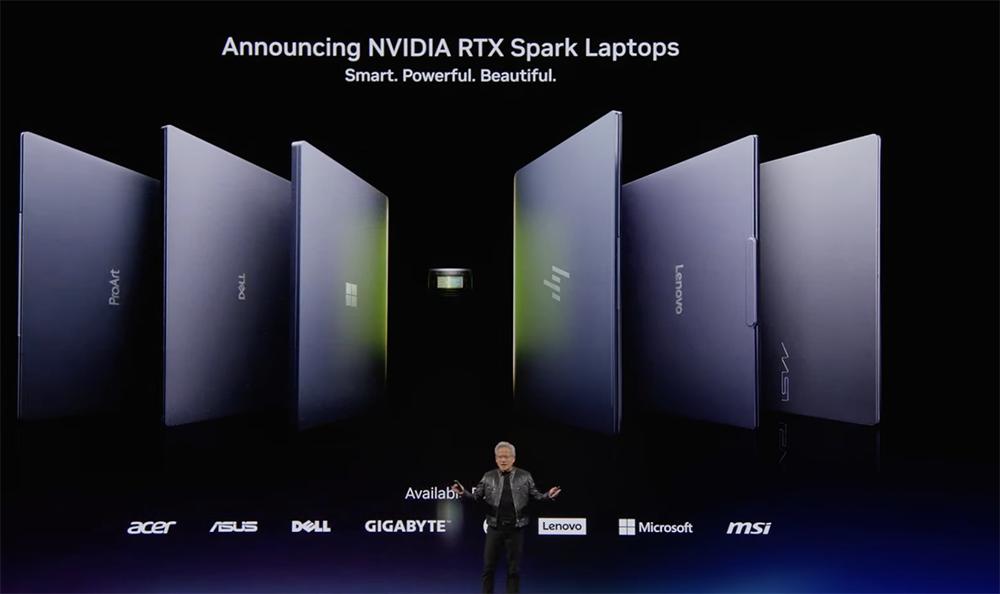
Microsoft and NVIDIA are comprehensively reshaping the entire PC and have launched three new Windows product lines for intelligent agents, covering laptops, desktops, and desktop supercomputers.
Laptops and compact desktops equipped with the RTX Spark will be launched this fall.
The laptop is only 14mm thick and weighs only 3 pounds, with multiple sizes from 14 to 16 inches to choose from, and can "raise lobsters" locally 24/7.
02. The World's Most Powerful Desktop - Level AI Supercomputer: 748GB Memory, 20P Computing Power, Can Run a Trillion - Parameter Model
NVIDIA also launched a desktop AI supercomputer for Windows, DGX Station, today.
DGX Station for Windows is developed in cooperation with Microsoft and is based on the NVIDIA DGX Station system design. It is equipped with the NVIDIA GB300 Grace Blackwell Ultra desktop - level super chip, providing up to 748GB unified memory, 20 PetaFLOPS FP4 computing power, 800Gbps ConnectX - 8 SuperNIC network, is compatible with all Windows software, can run trillion - parameter - level AI models, and can run hundreds of intelligent agents simultaneously.
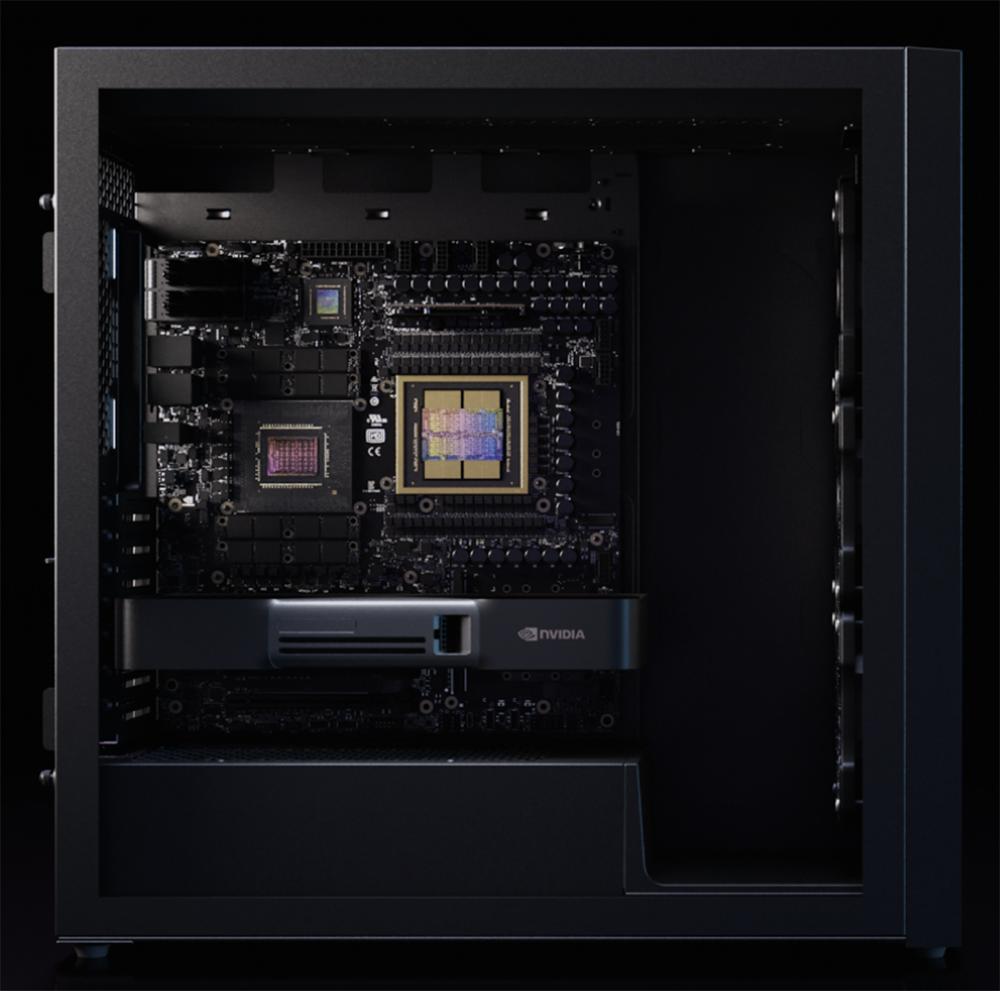
It supports an additional configuration of an RTX Pro 6000 workstation - level GPU, which combines cutting - edge AI computing power with ray - tracing visualization for running intelligent agents across creative design and engineering applications.
DGX Station for