Tianya has restarted, but the golden age of film and TV IPs has long since ended.
In the past two days, the news about the restart of Tianya Community has caused a slight stir in the corners of the Internet.
Old netizens may stop swiping short - videos and vaguely recall a distant term - BBS. It was once the "Academy of Athens" of the Chinese Internet. The entertainment categories such as romance, suspense, and fantasy, which now drive a market value of hundreds of billions, initially grew like wild grass in Tianya's sections.
However, the paradox is that despite having the most vibrant and original rich mine of original IPs in the Chinese Internet, Tianya failed to nurture even a single seed that could be truly commercialized. It was like an overly enthusiastic salon host, holding intellectual feasts every night, with guests filling the place and brilliant remarks flying around, but never thinking of charging the guests even for a glass of wine. When the feast ended, the guests walked into the neighboring well - established business empires, leaving the host alone with a mess of sunflower seed shells and empty wine bottles.
This is not a story about missing the opportunity. It is a tragedy about how a giant of thought in the "pre - IP era" was dismembered and forgotten in the wave of industrialization due to the defects in its underlying genes.
Today, we revisit Tianya not to mourn our youth, but to review the collective failure of this "living fossil of content" in the Chinese Internet in terms of commercialization.
A large number of IP embryos died on the eve of commercialization
More than a decade later, when we look back at the huge female - oriented content empire built by Jinjiang Literature City and Yuewen Group, few people realize that the foundation of this building is filled with a large amount of soil from Tianya Community.
Back then, the "Entertainment Gossip" and "Emotional World" sections were not just a gathering place for celebrity trivia and quarrels like today's Weibo hot searches. They were the earliest and most vibrant wild experimental fields for female - oriented online literature in China. The creative vitality was wild and sincere. In the barbaric era without payment, contracts, or genre restrictions, female writers released their narrative desires in posts with an almost confessional and sharing instinct.
The most representative example is Liu Liu. Today, when people mention Liu Liu, they think of her as the gold - medal screenwriter of realistic hit dramas such as "Dwelling Narrowness", "Double - sided Adhesive", and "Wang Gui and Anna". Few people remember that she was initially an ordinary netizen serializing novels in Tianya's "Emotional World".
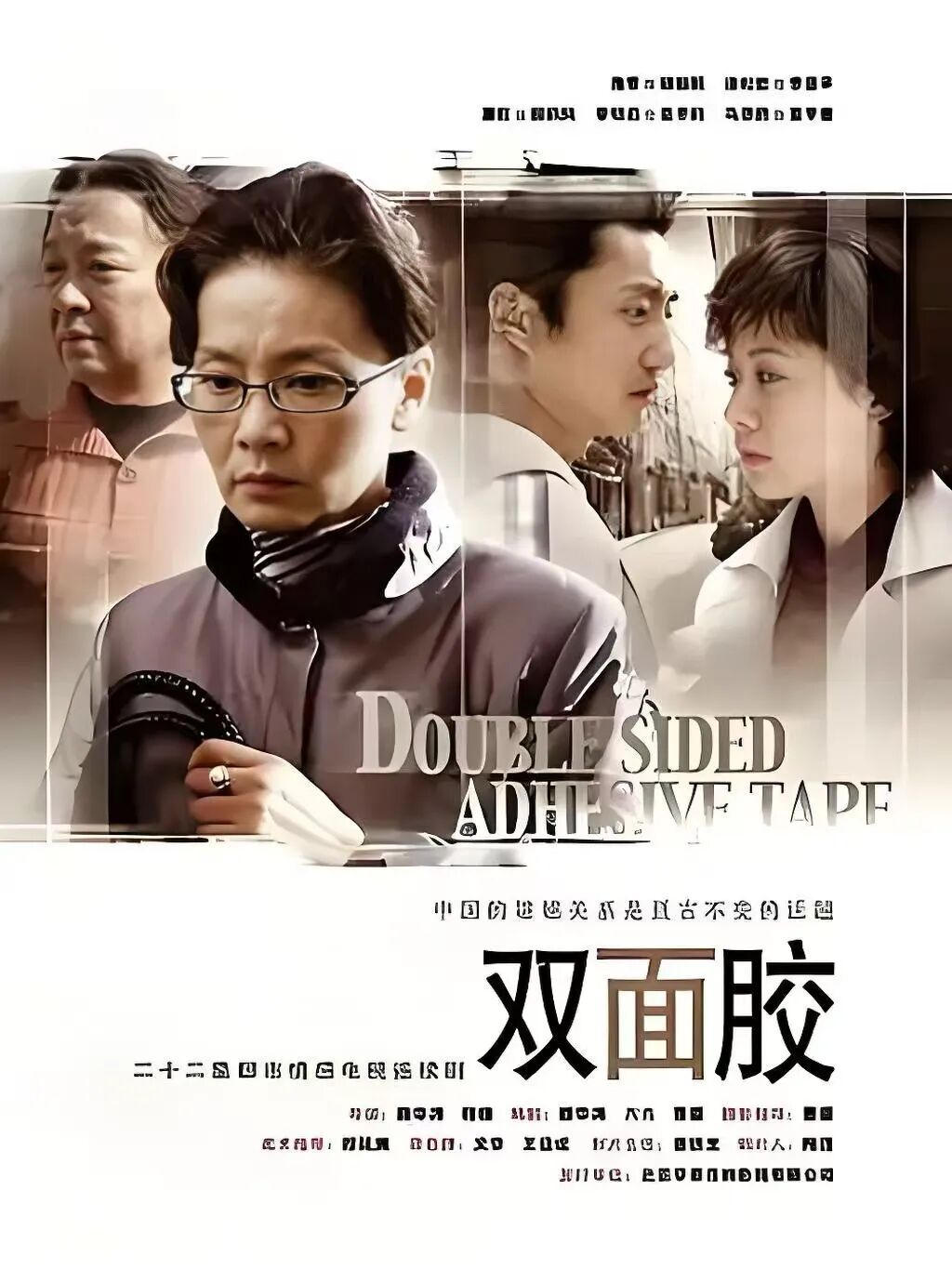
The prototype of "Double - sided Adhesive" was the posts she typed out in the forum late at night one after another, telling stories of conflicts between mothers - in - law and daughters - in - law, differences between urban and rural areas, and the prison of marriage. The popularity of the posts would be a phenomenon - level hot search today. Readers quarreled in the follow - up posts. Some scolded the mother - in - law, some scolded the husband, and some scolded Liu Liu for being too harsh. This kind of public participation in the discussion was in itself the best market research.
Liu Liu keenly realized that these words had value beyond forum posts. With the reader base and topic verification she had accumulated on Tianya, she successfully completed a three - step leap from an online writer to a traditional published author and then to a professional screenwriter.
And what did Tianya get? A false reputation as a "forum favorite" and the talking point of "Liu Liu came from our place" to brag about to others years later.
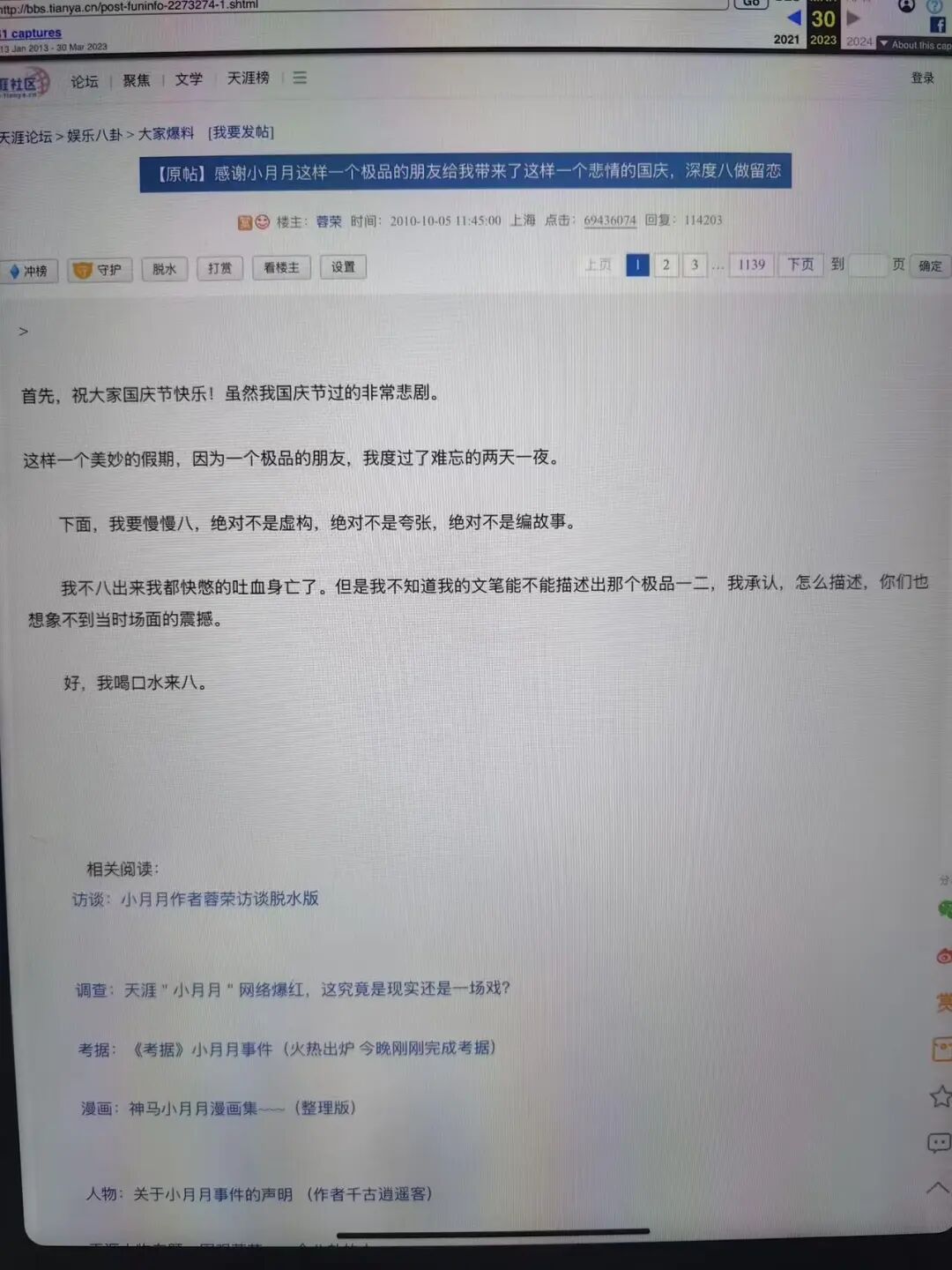
There was also the post "Little Yueyue" that shocked the whole network and shaped a generation's taste for ugliness. This divine post on Tianya, in a first - person documentary tone, completed a wildly absurd urban spectacle narrative. Its literary skills in capturing and exaggerating life details are still beyond the reach of many comedy writers today.
In these countless posts starting with "I have a friend", forbidden love, workplace unspoken rules, and drastic changes in family ethics were packaged as "true stories" and serialized late at night. Later, Jinjiang's "dominant CEO novels" and "chasing the wife and atoning" novels all originated, to some extent, from the extreme love - hate relationships in these posts.
Tianya supported the earliest female gaze, fan - culture, and the "sadomasochistic love" aesthetic that still fascinates the market today.
However, facing this inexhaustible rich mine, Tianya's managers failed to realize that these posts scrolling day and night on the page were also cultural products that could be packaged, priced, and sold. Love stories were never refined into replicable "genres"; serialized novels were never solidified into "chapters" with predictable revenues.
The most ironic contrast is that when Tianya created a special page for the "Top Ten Divine Posts of the Year" selected by netizens, Jinjiang's copyright department was already dividing the film and television copyrights of "Bu Bu Jing Xin" and "Empresses in the Palace" and planning the monetization paths of these IPs in the film, television, game, and publishing fields for the next decade.
Tianya was like a huge, free creative incubator, using the best community atmosphere and the most enthusiastic readers to cultivate the first and best group of content producers for its competitors.
Tianya was responsible for gestation, while others were responsible for harvesting
Genres such as suspense, ghost stories, underworld, and worldly affairs, which are now repeatedly explored by various platforms, initially had their experimental fields almost all pointing to Tianya's sections like "Lianpeng's Ghost Stories", "Penglai's Ghost Stories", and "Literary Works". However, when capital finally realized the value of these stories, most of these divine posts had become unclaimed remains.
For example, when Tianxia Bachang posted the beginning of "Ghost Blowing Lamp" in "Lianpeng's Ghost Stories" back then, his idea was extremely simple. He just wanted to write a scary story, and it was enough if someone read it and replied with praise.
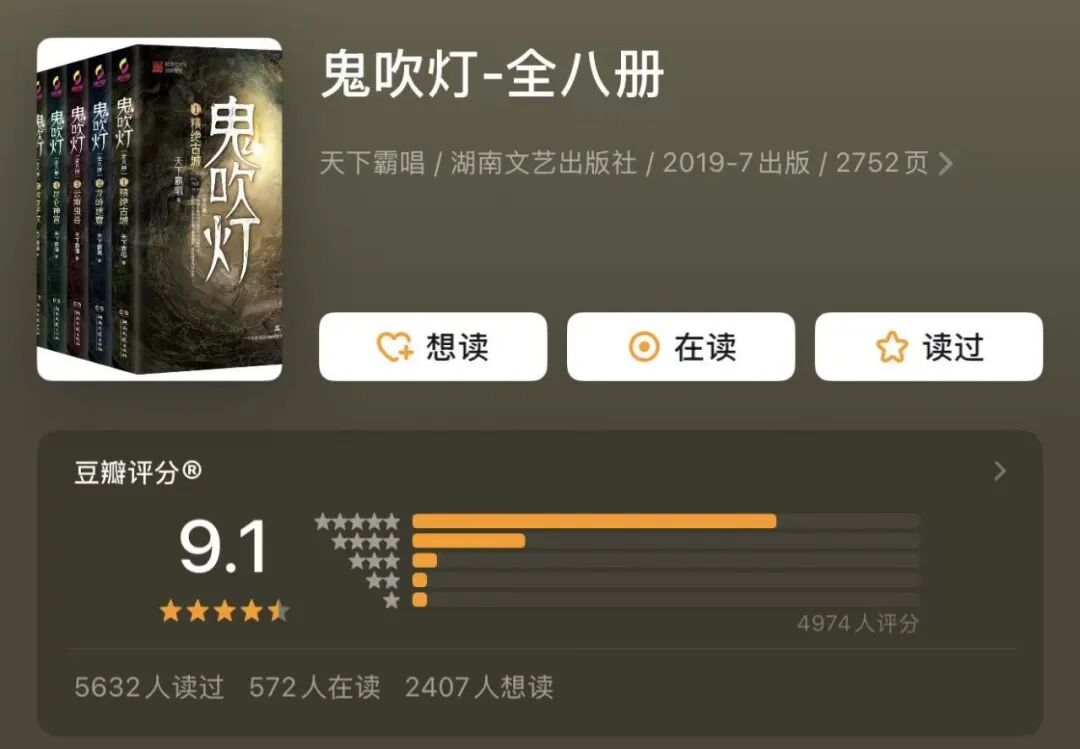
As the post kept growing, just as Hu Bayi and Fatty were getting the hang of things in the Ancient City of the Desertedness, and the whole story was far from unfolding, people from Qidian Chinese Network had already approached. By joining Qidian, there was not only paid reading and revenue sharing, but also a complete plan for physical publication and film and television adaptation later.
So, Tianxia Bachang made a choice that any rational author would make. He took the subsequent chapters of "Ghost Blowing Lamp" to Qidian and completed this super - IP that was later valued at billions there. In Tianya's "Lianpeng's Ghost Stories", only the earliest introductions of this masterpiece remained forever, like an abandoned house number on the foundation.
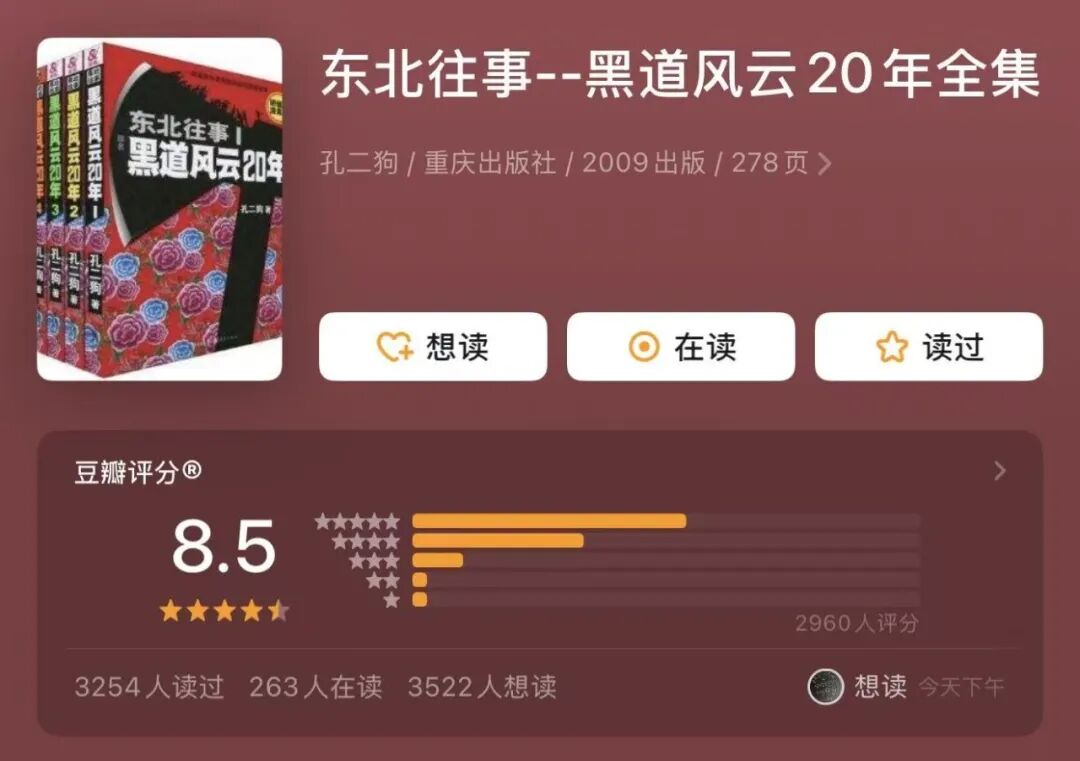
The same scenario was repeated with Kong Ergou, and it was even more dramatic. When "Northeast Story: Twenty Years of the Underworld" was initially serialized in Tianya's "Literary Works", the enthusiasm it generated is still a legend on the Chinese Internet. Readers followed the posts like they were following a TV series. Kong Ergou wrote and posted in real - time in front of the computer, and the follow - up posts were full of requests for updates and praise.
This work was vibrant and rough, with the chill of the Northeast winter and the hormones of street fights, opening up a previously untouched gray area in Chinese popular literature. But what could Tianya offer him? When the post became popular, the moderator gave it a "red face" and a top - stick, which was already the top - level treatment on the platform at that time.
It was not until a publisher came to him with a contract that Kong Ergou realized how much his words were worth. He left, taking the whole world of "Northeast Story" with him, and turned into a professional writer and filmmaker. All that Tianya was left with was a post link with over ten thousand replies in the database.
If the departure of Tianxia Bachang and Kong Ergou was an inevitable result of business rationality, then the trajectory of Murong Xuecun exposed Tianya's deeper incompetence.
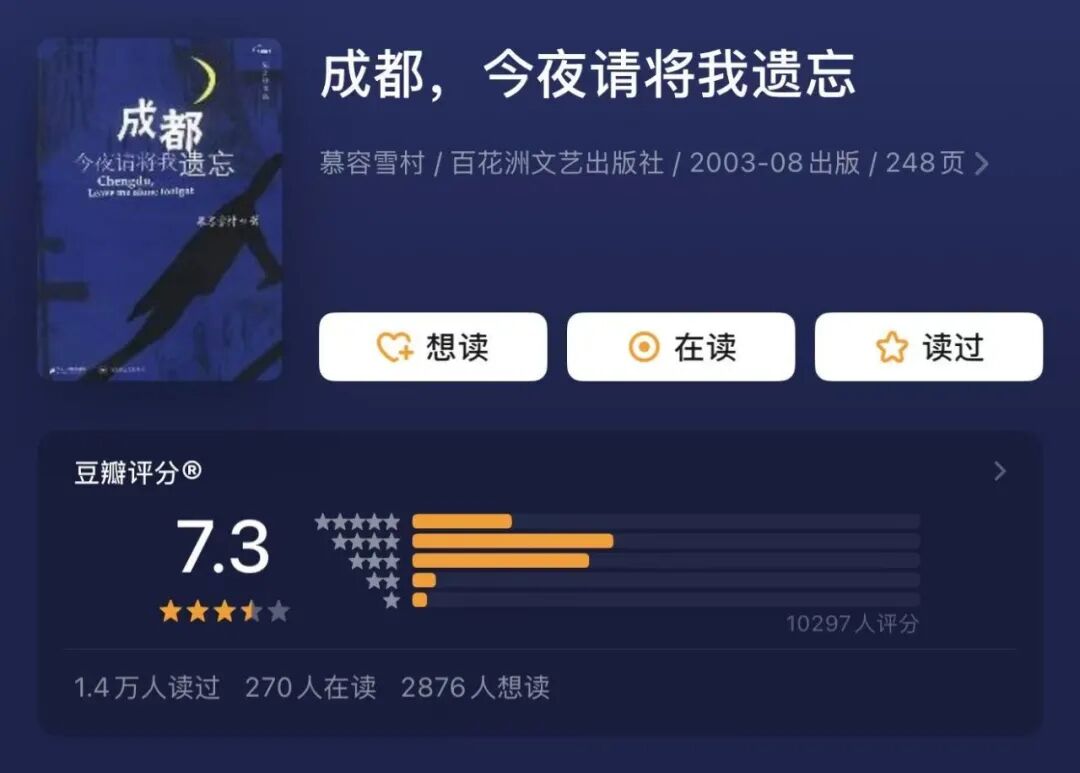
When Murong Xuecun serialized "Chengdu, Please Forget Me Tonight" on Tianya, he was still an unknown literature enthusiast. His writing was cold and precise, dissecting the emotions and desires of urban men and women sharply, and quickly accumulating a large readership on Tianya. This work later became a super - bestseller in the era of traditional publishing and was later adapted into a TV series and a movie.
However, Murong Xuecun's IP development path had nothing to do with Tianya from beginning to end. It was the publisher who discovered the value of his manuscript, and it was the film and television company that negotiated the adaptation rights with him. Tianya only played the role of a free publishing platform. It painstakingly gathered readers for the author and verified the market, but never even sent a copyright agent as an intermediary. Murong Xuecun took the whole building away from Tianya, and Tianya didn't even have a single brick left.
Behind these names lies a vaster IP graveyard. There are countless "half - masterpieces" scattered in "Lianpeng's Ghost Stories". In the entire suspense and genre literature track, Tianya contributed the highest - quality sparks, but let them burn into a raging fire in others' hearths. All it was left with was a pile of cold ashes.
A great figure in the "pre - IP era" tries to revive in the "post - IP era"
Peeling off the joys and sorrows of specific categories, Tianya's defeat requires a more ruthless industrial analysis.
Tianya's underlying code is BBS. What is the product logic of BBS? It is the time - flow, the sections, and the way of flushing and sinking all content regardless of its value according to the latest reply time. A hot post that caused a sensation last night might be pushed to the second page by new topics after a night's sleep and then disappear from the public view forever.
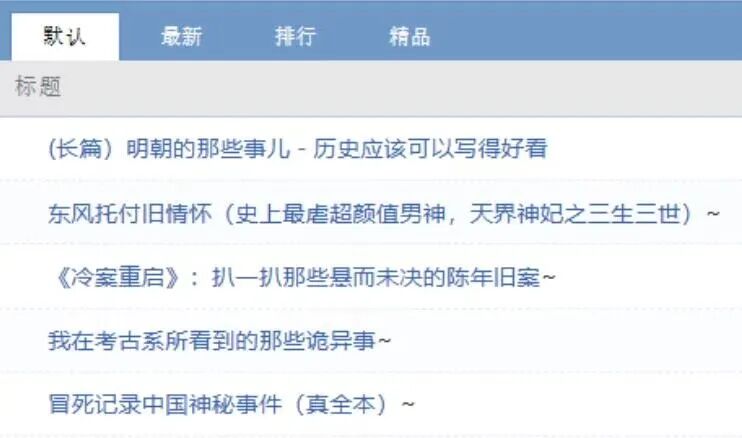
Tianya regarded all content as "instant consumer goods". Content was not an asset but fuel for traffic. After one wave was burned out, another wave was added. It never established the database thinking of "user assets" and "IP assets".
In the systems of Jinjiang and Qidian, authors are core assets, cash cows, and partners that need to be carefully maintained with revenue - sharing agreements, editorial services, and legal teams. In Tianya's system, authors are content contributors, fillers of the page, and baits to attract traffic, but not a commercial entity whose career needs to be planned. So, when Tianya's authors want to turn their words into decent income, they will find that their only way out is to leave.
If we stretch the time axis and compare it with the rhythm of the entire entertainment industry, the tragic nature of this misalignment will become clearer.
From 2005 to 2010 was the golden five - year period for Tianya to create IPs. Countless story prototypes that were later proven to have great commercial potential erupted during this period. At that time, the film and television industry was still running stably on the track of traditional dramas. Screenwriters and directors of the six major factions held absolute power. Hot money from coal bosses poured in, and they made unit dramas like "Emperor Kangxi's Incognito Tours" and era - themed dramas like "The Passionate Years".
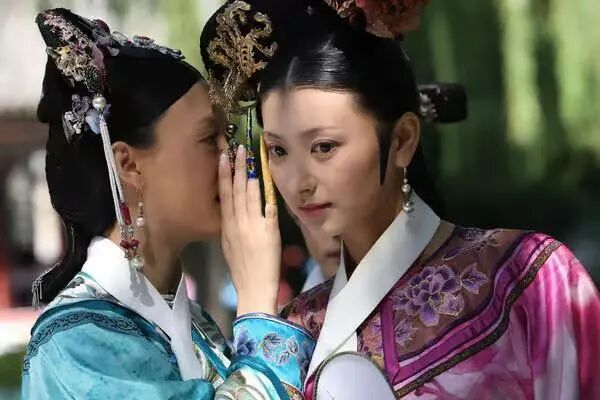
After 2010, the situation changed suddenly. The popularity of "Bu Bu Jing Xin" and "Empresses in the Palace" woke up the entire film and television industry. They realized that those "small - scale love stories" on Jinjiang that were paid to read could be transformed into such terrifying ratings and advertising revenues. Capital began to pour into the online literature market crazily, and IP became the panacea that the whole industry was obsessed with.
However, when these late - coming gold - diggers rushed to Tianya with sacks, ready to make large - scale purchases, Tianya's top - notch authors had already been divided up by Jinjiang and Qidian. This was the real starting point of Tianya's decline and the moment when it was completely abandoned by capital.
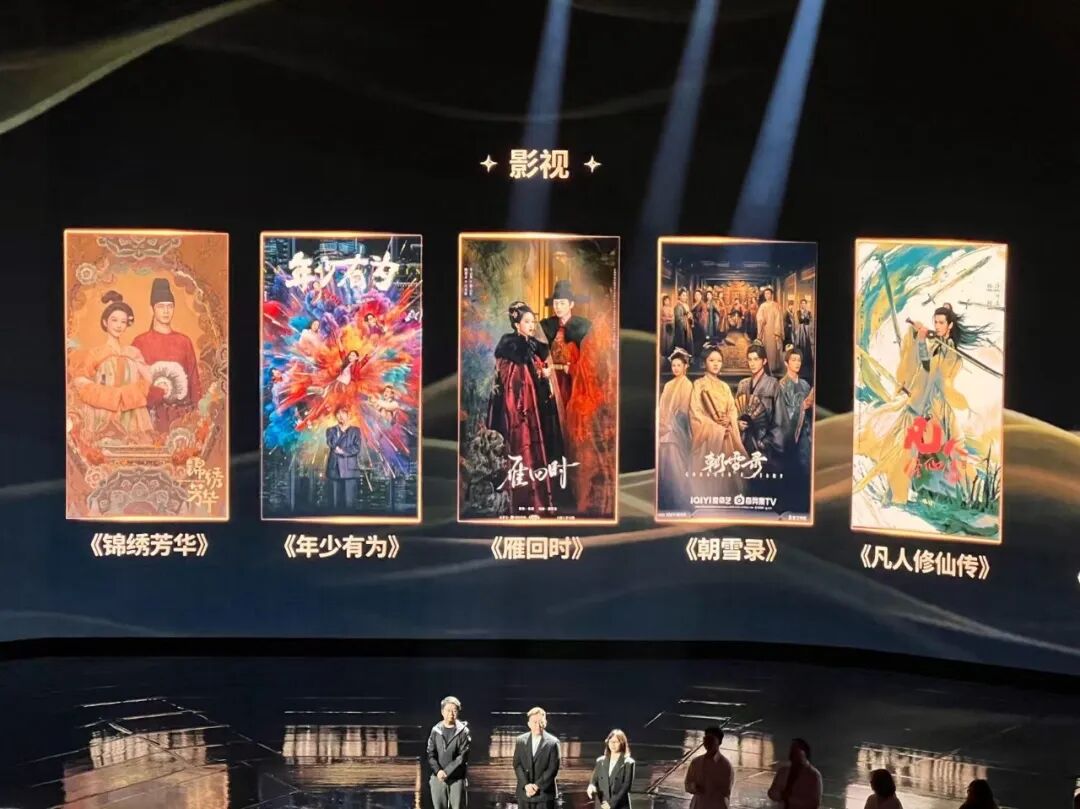
From 2015 to 2025 was a decade when the Chinese entertainment industry went from rapid development to calm reflection. The word "IP" changed