Mac mini is out of stock. Has the "beheaded" MacBook become the new favorite in AI?
About four or five years ago, there was a trend in the second - hand market for something called "headless MacBooks". Specifically, these were MacBooks with broken screens. The upper part was simply removed, and they were sold as mini - hosts with a keyboard and trackpad. Compared with normal MacBooks, their prices were much cheaper.
However, as Mac quickly entered the era of self - developed chips, the emergence of high - cost - performance Apple hosts like the Mac mini M4 made headless MacBooks lose their purchasing value and gradually fade out of people's sight.
However, 2026 was a rather magical year. The sharp increase in storage prices combined with the lobster craze directly led to the Mac mini M4 being out of stock, followed by price hikes. Currently, Apple has even directly discontinued the 256GB base version of the Mac mini M4, only offering versions with a capacity of 512GB or more, significantly raising the price threshold. Against this backdrop, headless MacBooks made a comeback and unexpectedly became the new favorite in the AI field.
The price of Mac mini soars, and headless Apple laptops become the new favorite
In my memory, shortly after the release of the Mac mini M4, it started to see price cuts on major e - commerce platforms. For a long time afterwards, the price with the 10 - billion subsidy remained stable at around 3000 yuan. The powerful performance of the M4 chip, combined with a starting memory of 16GB and a compact and lightweight body, made the cost - performance advantage of this mini - host extremely obvious. However, the lobster craze triggered by OpenClaw at the beginning of 2026 quickly made the Mac mini an excellent device for lobster farming. This Apple host was sold out in a short period, and e - commerce platforms started to run out of stock.
Later, the delivery time of the Mac mini sold at the original price on the Apple official website was repeatedly extended. Recently, with the continuous increase in storage prices, the shortage of the Mac mini became even more severe. Apple simply discontinued the 256GB version with relatively low profit margins and started with 512GB.
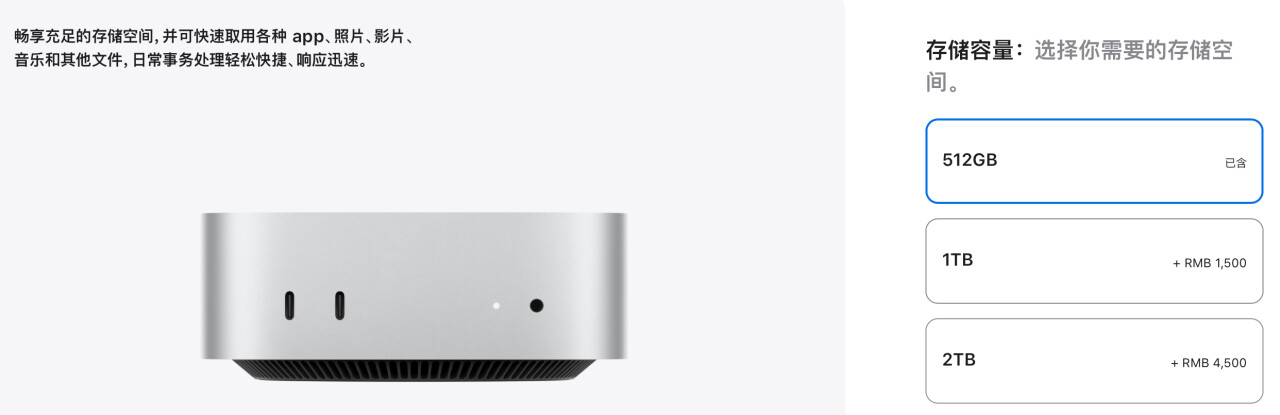
(Image source: Apple)
In this situation, the cost - performance advantage of the Mac mini gradually decreased. Correspondingly, the purchasing value of headless MacBooks increased. When browsing second - hand platforms, I found that the price of the 16 + 512GB version of the headless MacBook Pro M1 Pro was around 3200 yuan. In contrast, the second - hand price of the 16 + 512GB Mac mini M4 was close to 5000 yuan, and the supply was scarce.
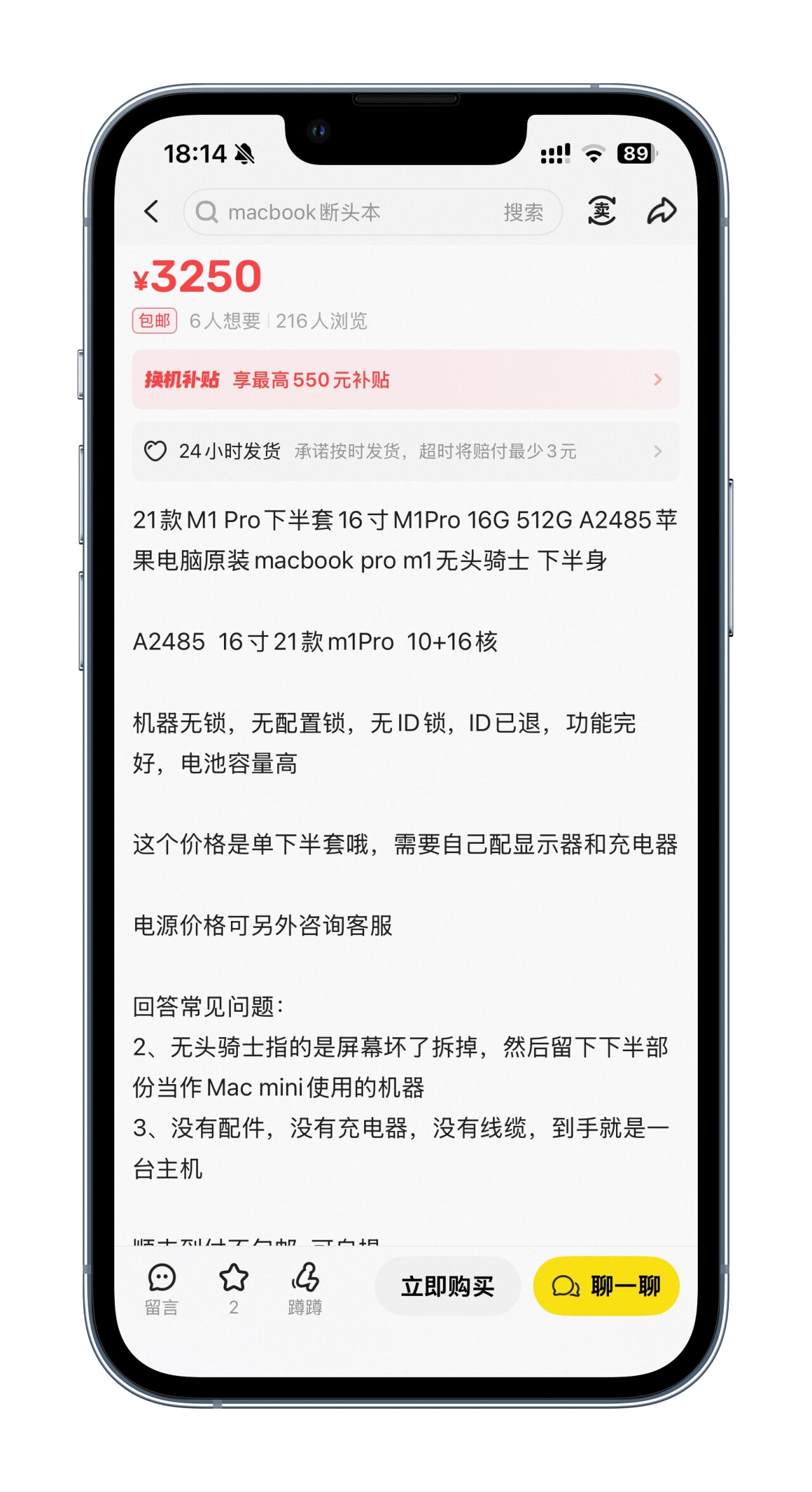
(Image source: Xianyu)
In terms of performance, although the M1 Pro is a chip from a few years ago, it is positioned at a higher end and still has an advantage in GPU performance compared to the M4. Additionally, considering that the headless MacBook Pro also comes with a keyboard and trackpad, its cost - performance is even more obvious.
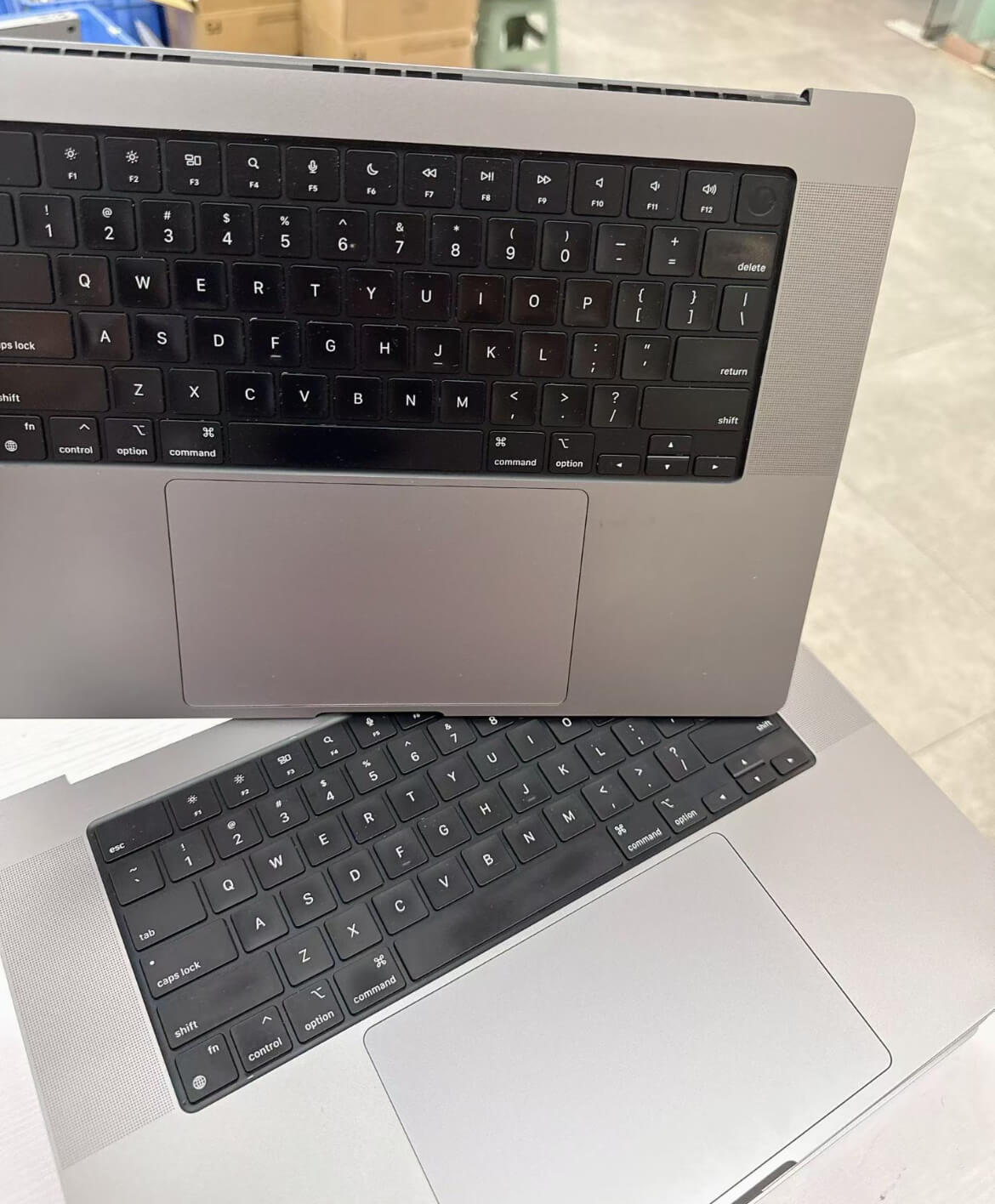
(Image source: Xianyu)
The reason why this type of headless MacBook Pro has become the new favorite in the AI field is not only due to its price advantage but also related to the application scenario of lobster farming. One reason why headless MacBooks were hard to sell in the past was that after the screen was removed, their portability as laptops was completely lost.
However, if you use a MacBook as a tool for lobster farming, that is, let it run AI tools like OpenClaw 24/7. After the deployment is completed, you can use other devices to access and control it, and you rarely need a screen most of the time.
What's the experience of running AI on a headless MacBook Pro?
Coincidentally, my friend Xiaochen recently bought a headless MacBook Pro to replace his old - model Mac mini. Specifically, he initially wanted to buy a Mac mini M4 to run OpenClaw, but this computer was always out of stock and the price was rising. Finally, he settled for a Mac mini M2 on the second - hand platform. However, since this mini - host was the 8 + 256GB version, he found it rather strenuous to use after a period of time and still planned to replace it.
After doing some research, Xiaochen finally decided to buy a headless MacBook and sell his Mac mini. Strangely enough, the entry - level Mac mini M2 he bought for 2200 yuan two months ago is now being offered a quote of 2500 yuan by second - hand dealers, and he actually made a small profit from it.
The specific model of the headless MacBook Xiaochen bought is the 32 + 512GB version of the MacBook Pro M1 Pro. The reason he chose the 32GB memory version instead of the 16GB one is that, on the one hand, the price difference between the two is not very large. The purchase price of this version is 3880 yuan, about 600 yuan more expensive than the 16GB version, but it is still acceptable in today's soaring memory prices; on the other hand, having been tortured by the 8GB Mac mini before, he naturally wants to have more redundancy in terms of memory. After all, 32GB of memory can theoretically run many local models, and its usability is much stronger than the 16GB version.
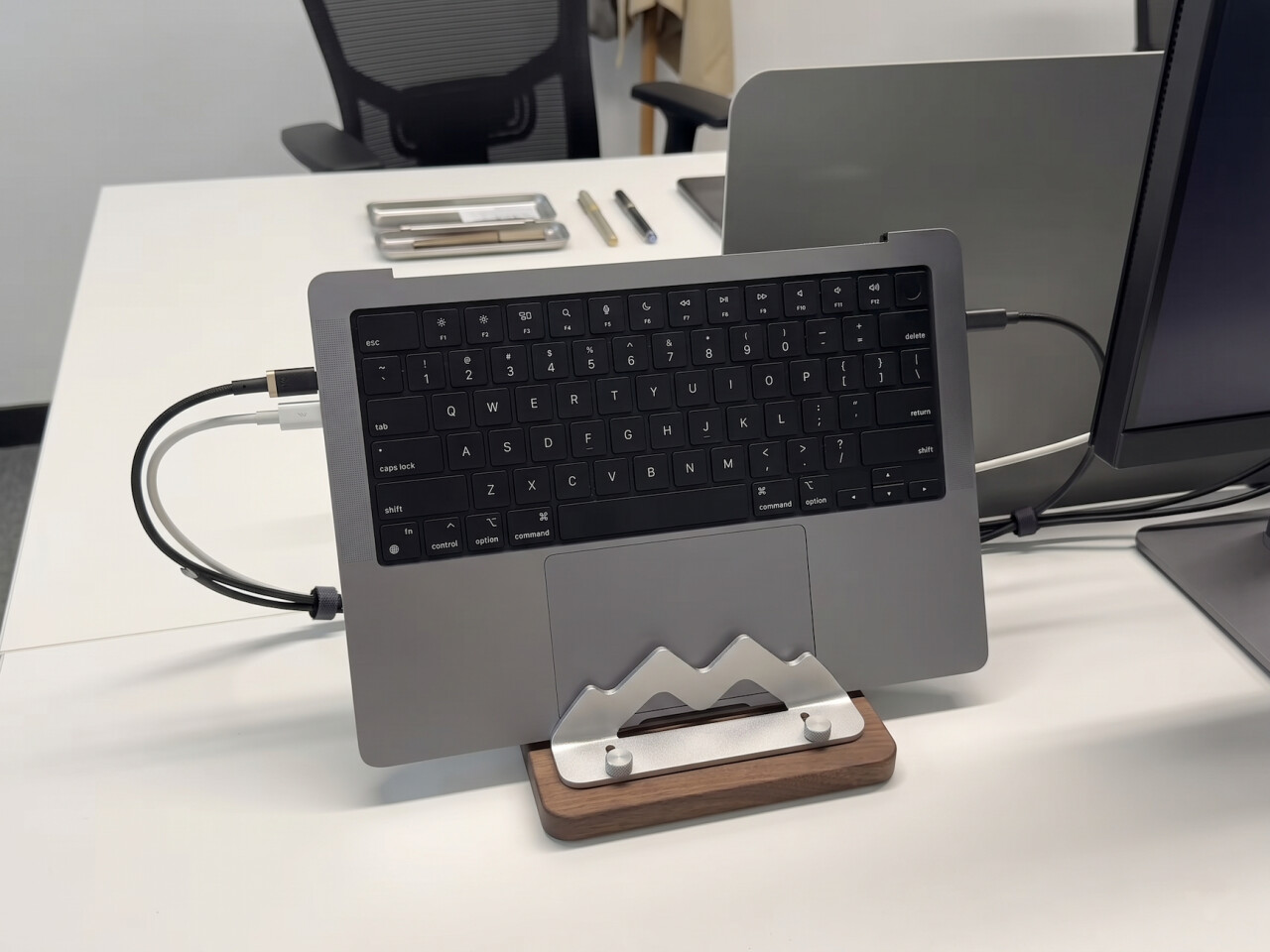
(Image source: Lei Technology)
Xiaochen ran OpenClaw on the headless MacBook Pro for a while, but recently switched to the currently popular Hermes Agent. He said that OpenClaw has very powerful and comprehensive functions, but it is a bit bloated and has poor stability. Sometimes when he is on a business trip, he suddenly finds that he can't remotely access the lobster in the office, and he has to ask his colleagues to help restart the gateway.
In contrast, Hermes Agent is lighter and has a very crucial self - learning ability. The materials given to it on a daily basis can be transformed into the AI's knowledge base and play a role in subsequent work tasks. Now, he uses Hermes as an AI assistant and has connected it to Feishu and QQ, letting it handle trivial tasks such as posting on Weibo and archiving files.
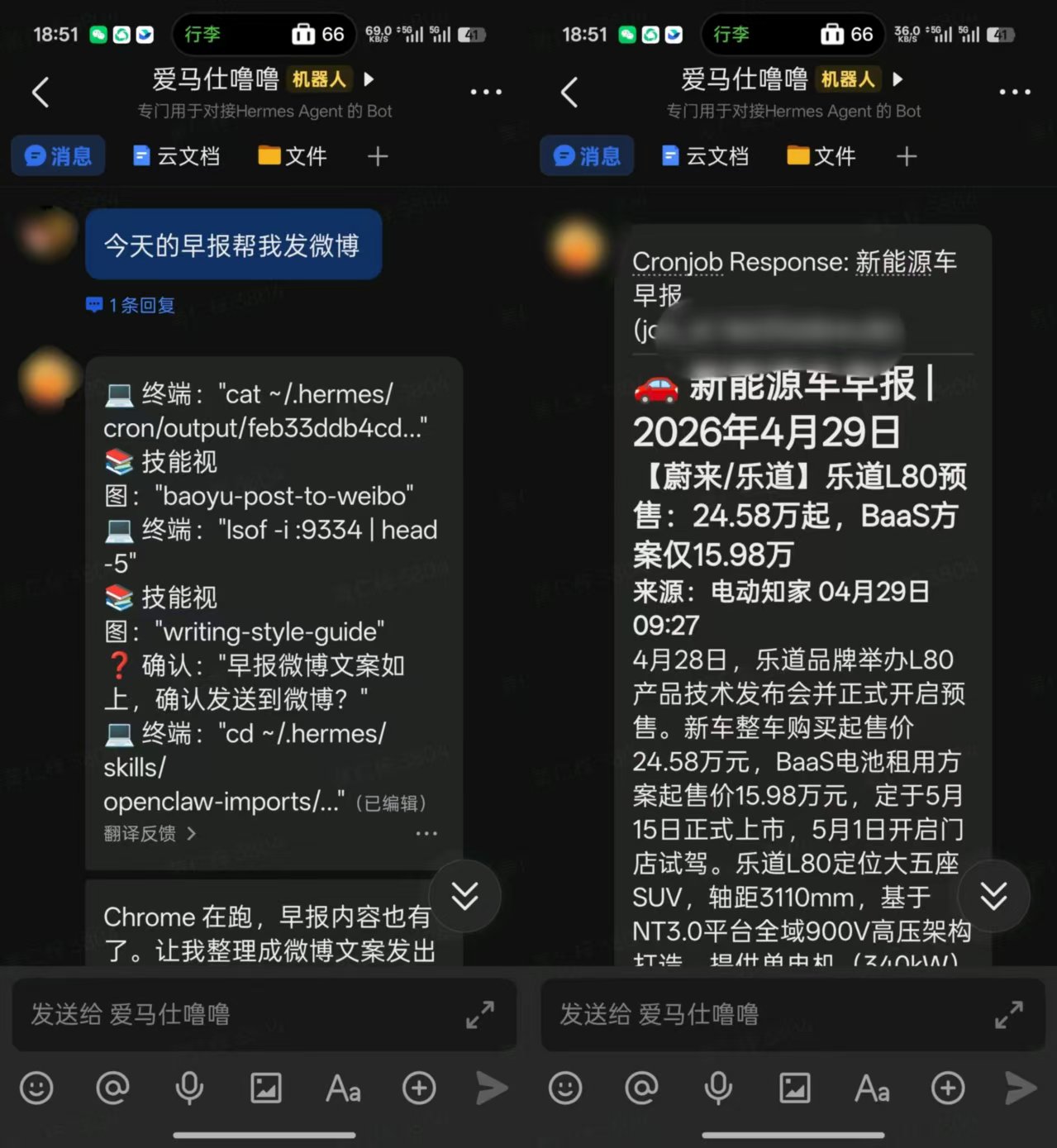
(Image source: Lei Technology)
Xiaochen said that the performance of this headless MacBook Pro is quite sufficient, and the daily usage fluency is quite good. After all, he doesn't use it for other things on a daily basis and basically only uses it to run Hermes.
However, the plan to run local models didn't succeed. Although 32GB of memory seems large, it is still a bit strenuous to run large - parameter open - source models. Although it can run successfully, the memory, GPU, and CPU utilization rates are very high, and the AI's reaction speed will also slow down. And if you choose a model with smaller parameters, you will obviously feel a decrease in intelligence. So, he finally chose to connect to an online large - model service.
Are there other reliable options for lobster farming besides headless MacBooks?
If you only consider the two factors of hardware performance and price, then there is no doubt that headless MacBooks do have purchasing value, and their cost - performance is higher than that of the still - rising - price Mac mini. However, this type of headless MacBook is a "non - standard product". There is no reliable official channel for it, and it only circulates among various vendors in the second - hand market.
Therefore, inevitably, second - hand headless MacBooks hide a large number of risks. Before buying a device, you don't know if it has hidden problems, if the parts have been replaced, or if the whole machine has been refurbished. As for after - sales service, it is basically non - existent.
Therefore, for ordinary users, buying a headless MacBook is a very risky behavior. So, besides the Mac series, are there other reliable options for lobster farming? Here, we share some alternative solutions.
Firstly, there are mini - hosts from other brands. The Windows camp has always had brands launching relevant products.
For example, the Kulai mini - host under Lenovo, which is equipped with a 13th - generation Core i5 standard - voltage chip, 16GB of memory, and a 512GB hard drive, costs about 3899 yuan. Frankly speaking, this price is not cheap, but the performance is quite strong, and both the memory and hard drive can be expanded independently. If you need to upgrade in the future, it has an advantage over the Mac mini.
Brands like MSI have also launched bare - bone mini - hosts. Specifically, they don't come with installed memory and hard drives, and users have to match them by themselves. The advantage is high flexibility and a lower price. Take MSI's CubiNUC host as an example. It is equipped with an AMD R7 - 8745HS chip, with both CPU and GPU, and the price is just over 2000 yuan.
(Image source: MSI)
It is worth mentioning that if you use this type of X86 - architecture host for lobster farming, I personally recommend that you install a Linux system. On the one hand, the memory overhead of Linux is much smaller. Nowadays, Windows 11 easily consumes five or six gigabytes of memory, which is too luxurious in today's soaring storage prices; on the other hand, most AI tools, Docker containers, and various Python dependency libraries are basically developed and tested in a Linux environment. In general, if you want to run AI tools stably and in the long term, a Linux - based mini - host will be a better choice.
Secondly, you can consider a more thorough cloud - based solution, such as cloud computers.
Companies like Alibaba and Tencent have started to provide cloud - based Agent services. Alibaba Cloud also offers a solution like the Wuying Cloud Computer. Users can directly deploy large models and agents on the cloud with one click. These solutions lower the hardware threshold for users to engage in lobster farming. There is no need to buy expensive high - memory devices, and large companies usually provide better security guarantees and usability, including cloud - based system deployment and Tokens purchase.
As mentioned before, even if you use a Mac mini, a headless MacBook, or an X86 - architecture mini - host for lobster farming, the local computing power is actually still unable to run large - parameter local models. In the end, you still have to purchase cloud - based large - model services. In that case, it is more convenient to directly use a pure cloud - based solution. One of the great advantages of cloud computers is that you can flexibly configure and adjust the hardware specifications at any time, which is something the local end can't do.
Finally, it is necessary to remind that locally deploying tools like OpenClaw, especially running an AI with high operation permissions without strict supervision, poses a considerable security risk, such as accidentally deleting files or even causing network security problems. The Ministry of Industry and Information Technology has also issued relevant security warnings before.
So, if you want to use local devices for lobster farming, it is still recommended to use a separate device to run it to avoid risks as much as possible. As for headless MacBooks, it is still recommended to weigh the risks before purchasing.