In the era without blockbusters, what's happening in the film content arms race? Who is quietly "changing guns" during the summer movie season?
The lineup for the summer movie season in 2026 is gradually taking shape.
Among the films that have been scheduled or are highly likely to be released, Four Crossings, The Battle of Penghu, and Don't Stop the Annual Meeting 2 are set for June, July, and August respectively. The Three Kingdoms: The Struggle for Luoyang and The Rise of the Great Sage will compete head - to - head on July 10. Projects like Turning the Page, The Wild Forbidden Land, The Detective: Traces, Welcome to the Dragon Restaurant, and Catch the Spy are gearing up. Enlight Media also clearly stated on the investor interaction platform that Go to Your Island and Article Seventeen are of "very high quality" and may be released during the summer.
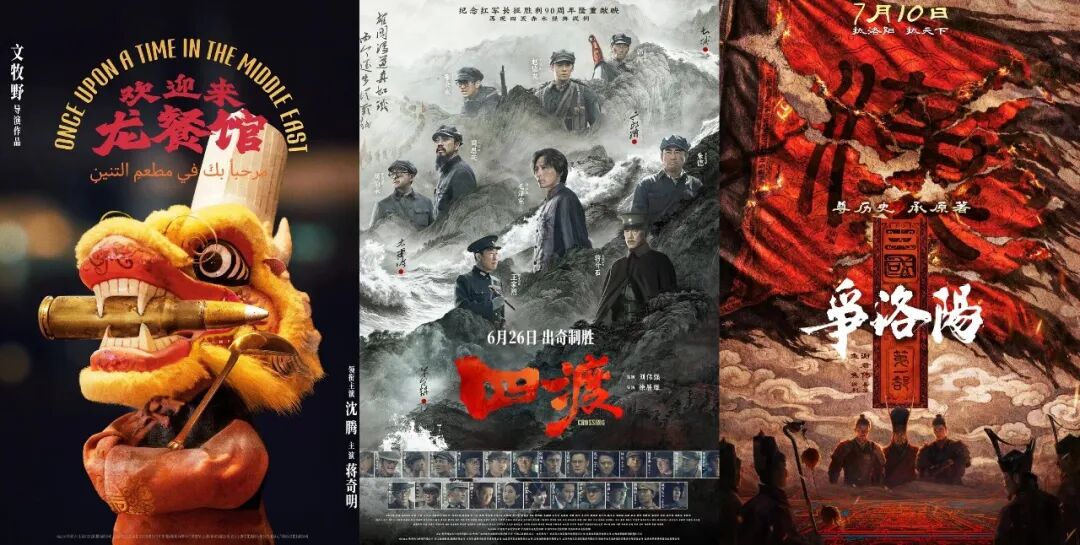
Judging from the scale and creative teams of major films, the reserve of high - profile films for the 2026 summer movie season is quite considerable. A closer look at this lineup reveals that the industrial significance of this summer's movie season lies not only in the scale of blockbuster films but also in the notable structural shifts taking place within.
On the production side, Ruyi has achieved a centralized release of multi - genre production capacity through industrial chain integration. Enlight Media is promoting the systematic upgrade of live - action serialization and animation production capacity based on its IP strategy. Damai is evolving further into an all - around player. On the creative side, established directors such as Feng Xiaogang, Jia Ling, Chen Sicheng, and Wen Muye have collectively stepped out of their comfort zones, each expanding their narrative scope in different ways. In terms of genre, a new IP operation model has emerged in the mystery genre, where TV series are feeding back into movies. The combination of comedy and superhero, science fiction and romance has broadened the genre boundaries.
Based on the box office of 1.1966 billion yuan in the 2025 summer movie season, the challenge in 2026 is not simply to break records but to test whether the industry can respond to the market with more diverse narrative resources and more flexible genre strategies during the process of structural adjustment of production capacity.
Re - shaping the Tracks by Production Companies
From Holding on to Advantages to Re - allocating Production Resources
In the landscape of production companies for the 2026 summer movie season, what is more worthy of observation than "which company produced what" is the directional adjustment of leading companies in the creative tracks. This adjustment generally involves the re - allocation of a company's core narrative resources, reflecting the differentiated strategic choices made by film companies of different sizes in the face of market changes.
The logic of Ruyi Pictures' horizontal expansion of production capacity in the 2026 summer movie season is the most representative case. Among the films it plans to release this year, Turning the Page, The Wild Forbidden Land, and Welcome to the Dragon Restaurant are highly likely to be released during the summer, corresponding to three different genre tracks: anti - pyramid scheme realism, crime mystery, and war comedy. Coupled with Don't Stop the Annual Meeting 2 scheduled for August 7, Ruyi has four large - scale projects in reserve for the same period.
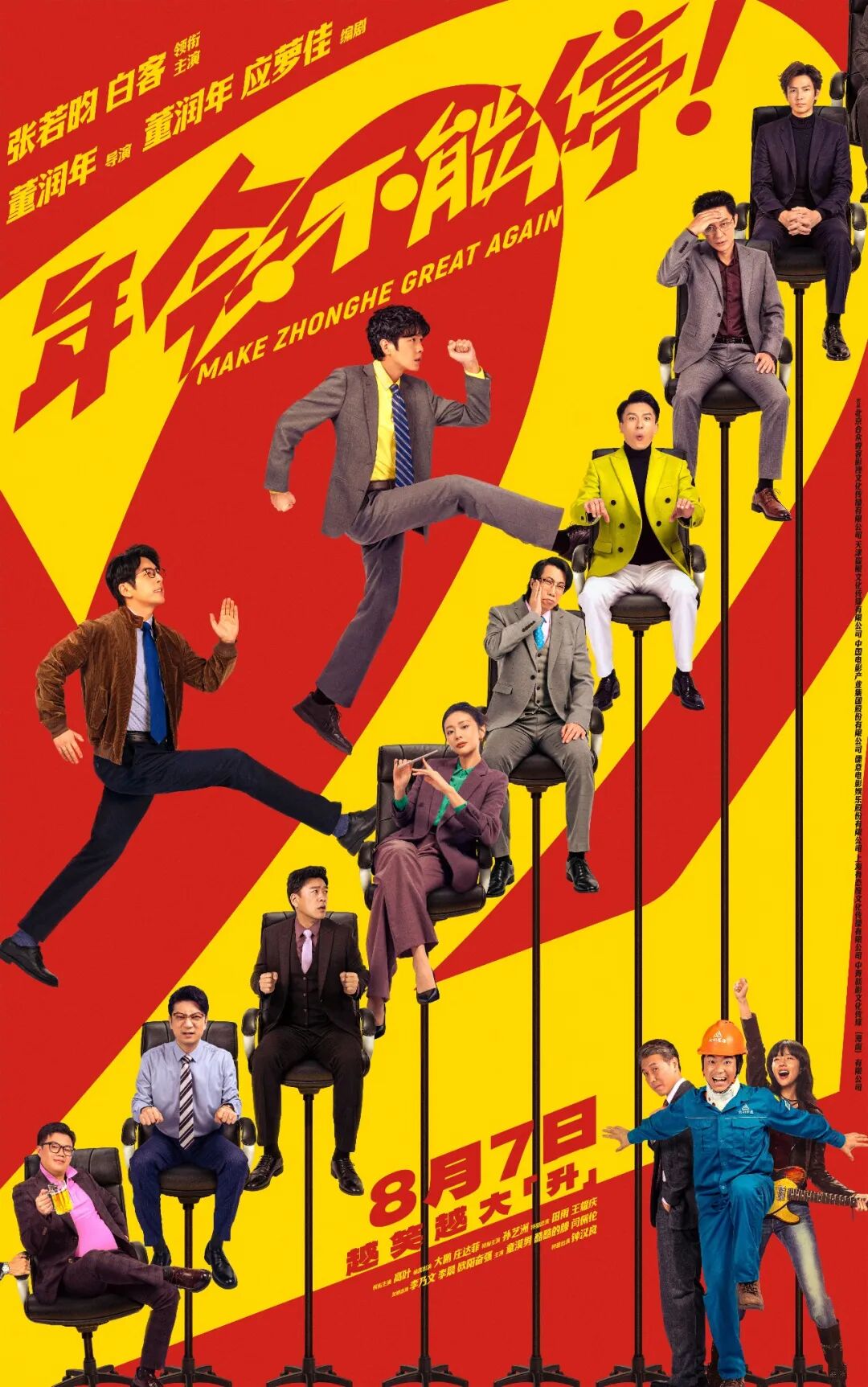
After the acquisition and integration of Wanda Films, Ruyi has connected the entire industrial chain from content production to theater screening. It is the improvement of production efficiency after industrial chain integration that makes it possible for the same production company to handle crime mystery, war comedy, real - life themes, and workplace comedy simultaneously in a single period. At the same time, this is also supported by a more stable control over investment return expectations after the upstream and downstream are connected.
Enlight Media's layout for this summer movie season is a direct manifestation of its strategic transformation entering the implementation stage. At the beginning of this year, Wang Changtian, the chairman of Enlight Media, issued an internal letter, clearly stating that the company will conduct a comprehensive reconstruction around "IP", evolving from a "high - end content provider" to an "IP creator and operator", and upgrading its strategic focus from "everything for movies" to "everything for IP".
Article Seventeen, which may be released during the summer, is the implementation of this strategy in the field of live - action movies. The film continues the real - life theme route of Article Twenty of "observing the world through law and touching people with emotion", focusing on the issue of juvenile crime. From Article Twenty to Article Seventeen, these two real - life theme works named after articles in the Criminal Law indicate that Enlight is transforming the success of individual projects into brand assets that can be developed in a serialized manner.
In terms of animation, Go to Your Island is adapted from the online novel of the same name by Fan Dawang, with a considerable IP audience base. As Enlight's first contemporary fantasy - themed animated film entirely produced and made in - house, Go to Your Island not only represents a new round of release of Enlight's production capacity after long - term accumulation in the animation track but also means continuous exploration in the field of diverse genres after clearly positioning itself as a "national animation company".

Damai Entertainment's arrangement for the summer movie season reflects a two - way structure of large - scale and medium - to - small - budget films. Looking at the project trajectory in the past two years, Damai Entertainment is shifting from mainly producing medium - sized films to a multi - track parallel model of handling both large - scale commercial genre films and medium - to - small - budget emotional works, such as Silent Awakening and Blade of the Immortal: The Wind Rises in the Desert during the Spring Festival and the recently popular A Love Letter to Grandma.
During the summer, the hard - science - fiction film When Stars Shine, solely produced by Damai Entertainment, has been officially announced for a summer release. The film centers on the core narrative of three astronauts encountering a sudden danger on their way back to Earth and has been in production for seven years. In addition, among the film lineup released by Damai Entertainment at the national film promotion event, nearly half of the films such as Secretly in Love, The Three Kingdoms: The Struggle for Luoyang, Welcome to the Dragon Restaurant, Catch the Spy, and Out of the Ordinary may be released during the summer.

From solely producing national security spy films and co - producing martial - arts blockbusters during the Spring Festival to simultaneously promoting diverse genres such as hard science - fiction, youth IP adaptations, and animated films during the summer, Damai Entertainment is evolving into an all - around player covering multiple genres, scales, and time slots, moving further to the center of the film market stage.
From the overall production pattern, what the 2026 summer movie season presents is not just competition at the project level but also a concentrated roadshow of different development models of various film companies in the same period. When multiple companies enter the strategic adjustment stage simultaneously, the summer movie season is no longer just an arena for box - office competition but also a window to observe the path differentiation of film companies and the evolution direction of the industry.
The Active Shift of the Director Group
Searching for New Creative Logics Outside the Comfort Zone
If the strategic adjustment of production companies reflects the organizational changes in the upstream of the industry, the collective turn of the director group points to the internal transformation at the creative end. In the 2026 summer movie season, many established directors with distinct genre labels are making varying degrees of genre shifts.
As the market becomes increasingly intolerant of repetitive content, the director group with the greatest market appeal has taken the lead in responding. Their turning directions, amplitudes, and strategies are undoubtedly important samples for understanding the changes in the industry's creative ecosystem.
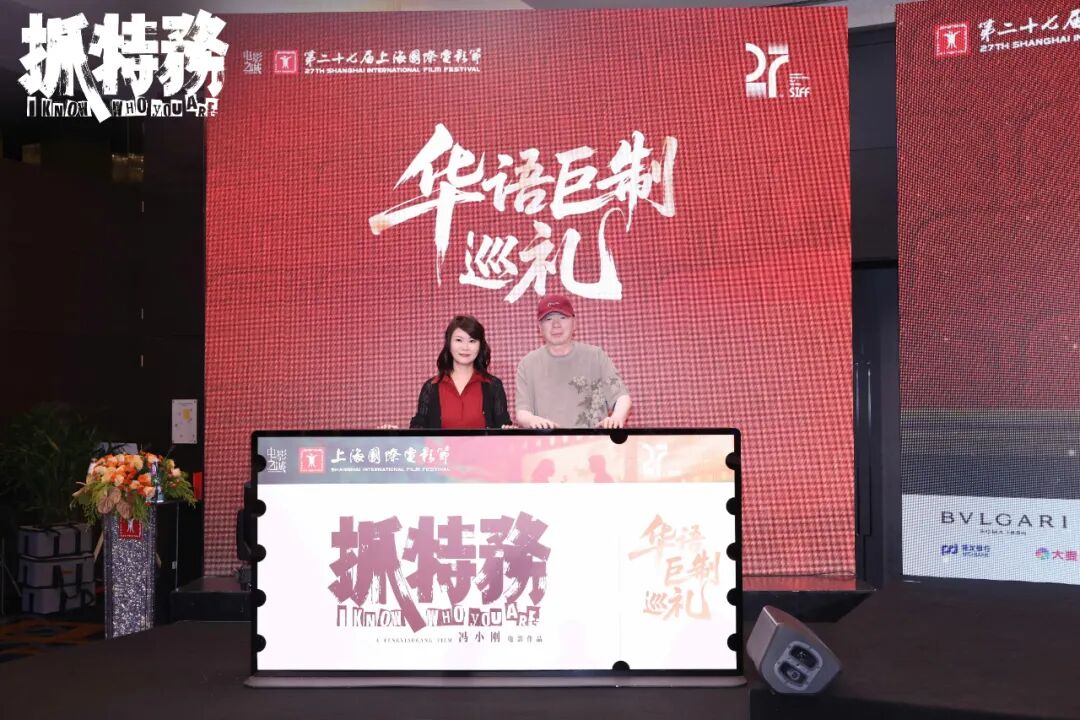
Feng Xiaogang's turn is of symbolic significance. From the civilian comedies like Dream Factory and Be There or Be Square, to the war and disaster narratives in The Assembly and 1942, and then to the era - emotional writing in Youth, there has hardly been a spy - mystery genre like Catch the Spy in Feng Xiaogang's creative repertoire.
Catch the Spy spans nearly forty years from 1949 to 1988, with the long - term tracking, probing, and gaming between police officer Xiao Dali and the suspect as the main line. In fact, it grafts Feng Xiaogang's expertise in creating a sense of era and depicting the fates of characters onto a strong suspense framework. The beauty of this strategy lies in that it does not require the director to break away from the past but allows the original creative accumulation to continue to grow in a new genre soil.
Jia Ling's path reflects another kind of turning logic. From the family - emotional comedy Hi, Mom, to the inspirational sports - themed All or Nothing, and then to Turning the Page which directly addresses the social crime issue of anti - pyramid schemes, the themes of these three works show a clear upward curve.
The production team of Turning the Page includes the cinematographer and art director of Dying to Survive and the styling director of Moon Man. Its production positioning is no longer that of a regular "director's third work" but a more socially penetrating real - life theme project anchored by social issues and supported by industrialized production. Jia Ling's case shows that for directors who have established market trust, genre jumping is not a risky move but a strategic choice to "cash in" the trust from one narrative field and "re - invest" it in more in - depth social issues.
Wen Muye's breakthrough is reflected in the complexity of the genre. From Dying to Survive to The Wonders, his works have always revolved around the "social reality + strong emotion" model. When directing Welcome to the Dragon Restaurant this time, while continuing the real - life foundation, Wen Muye turned the camera to the Chinese community in the Middle East, which has not been touched by previous domestic commercial films.
The film was shot on location in Morocco, showing the transformation of human nature against the backdrop of war from the perspective of overseas Chinese. This is Wen Muye's first time dealing with the war genre, but he did not simply jump from one genre to another. Instead, he put the three elements of war, comedy, and social concern into one container, trying to find a new ratio.
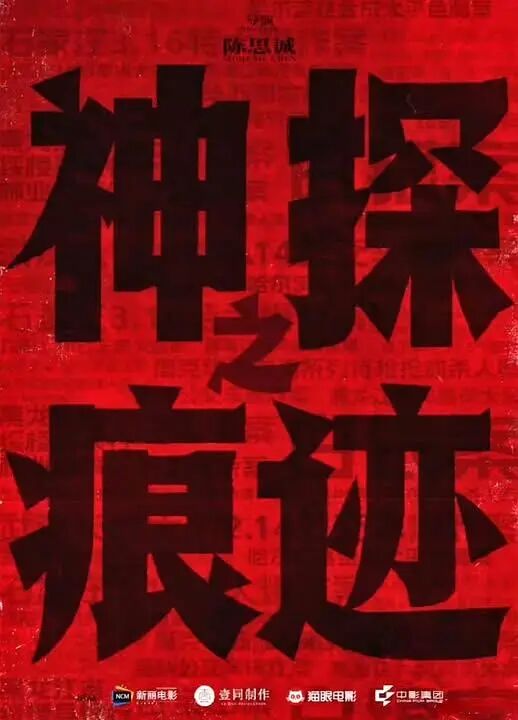
Chen Sicheng's genre upgrade is also worthy of attention. His self - written and self - directed The Detective: Traces is based on the real - life "Chinese Sherlock Holmes" Cui Daozhi, connecting multiple real major cases. It has a more documentary - style and is an important shift from his "Detective Chinatown" series of mystery - comedy route. From the reasoning - comedy style of the "Detective Chinatown" series to the documentary - detective route of The Detective: Traces, Chen Sicheng's turning logic is similar to Feng Xiaogang's, that is, changing the packaging method of the genre to meet the market's expectation for "different content".
Observing the turns of these four directors together, we can find a common feature: they are not blindly chasing market hotspots but exploring adjacent or higher genre fields based on their existing creative resources.
This kind of rooted transformation is more controllable in terms of risk and has more opportunities to form sustainable creative accumulation. When this logic becomes the consensus of more and more established directors, the industry's content output is no longer dependent on accidental inspiration but gradually enters a predictable evolution track driven by creative methodology.
Re - constructing the Genre Landscape
When Innovation Becomes the Common Choice to Cope with Pressure
The picture presented by the 2026 summer movie season in terms of genre expansion directly points to the innovation logic of the content itself.
The film genres in this summer's movie season are quite rich, with representative works in the fields of animation, mystery, science fiction, spy, comedy, and war. However, what is more worthy of attention is the simultaneous innovation attempts in multiple tracks. Against the background of overall market pressure and limited box - office growth space, these innovations indicate that the industry is shifting its attention from "how much to invest" to "how to shoot", trying to re - activate the audience's viewing interest with more flexible genre strategies and more precise narrative forms.
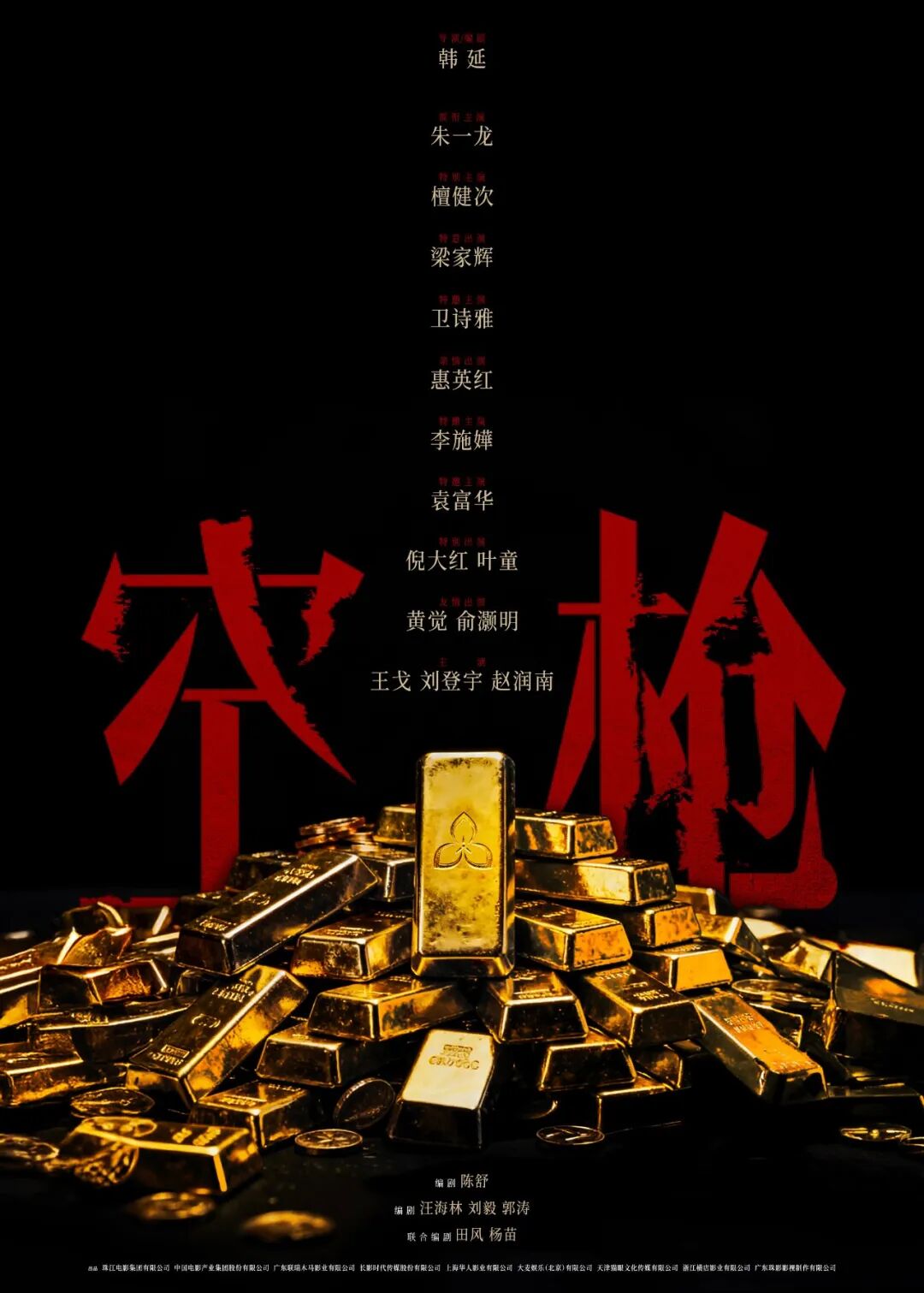
The exploration of the mystery genre is particularly prominent this summer. Empty Gun directed by Han Yan is one example. The film embeds the personal crime narrative into the economic boom at the turn of the century, using the sense of era as the base to deeply integrate social changes and crime - solving investigations. This approach is different from the current mainstream high - concept and strong - reversal paradigm in the mystery genre, providing a more socially profound expression path for the mystery track.
Also making efforts in the mystery track is The Wild Forbidden Land by Cao Baoping. The film uses the worldview background of the 2024 TV series The Story by the River. The market awareness of the TV series provides a foundation for the movie, and at the same time, the movie - level audio - visual quality feeds back the IP value. This "TV series try - out, movie upgrade" path is mature in