Claude Code launches the "self-healing" function for the first time, shattering six major nightmares of developers with one blow.
Just now, Claude Code has undergone an upgrade in its underlying logic, directly addressing the pain points of developers!
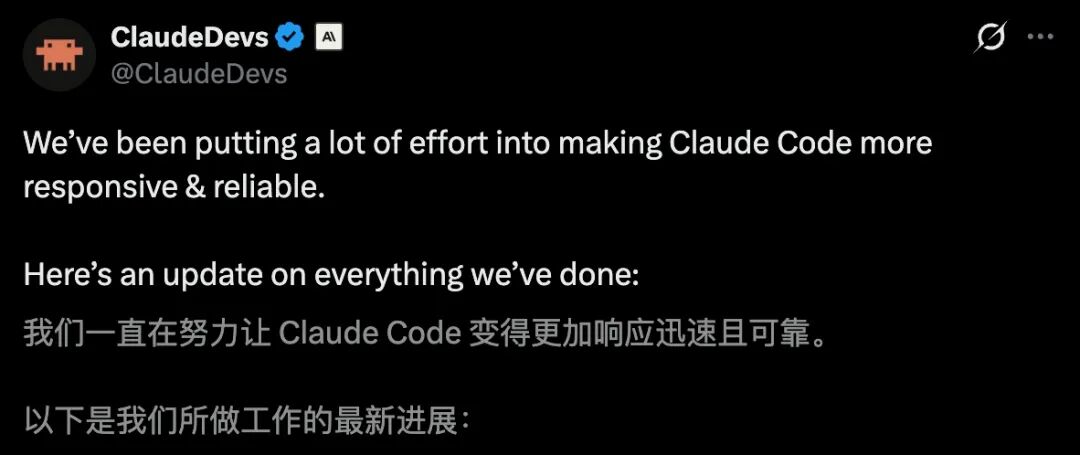
This is the largest - scale update since the birth of Claude Code. Anthropic has taken decisive action, smashing six stubborn problems that have made developers want to throw their keyboards in frustration.
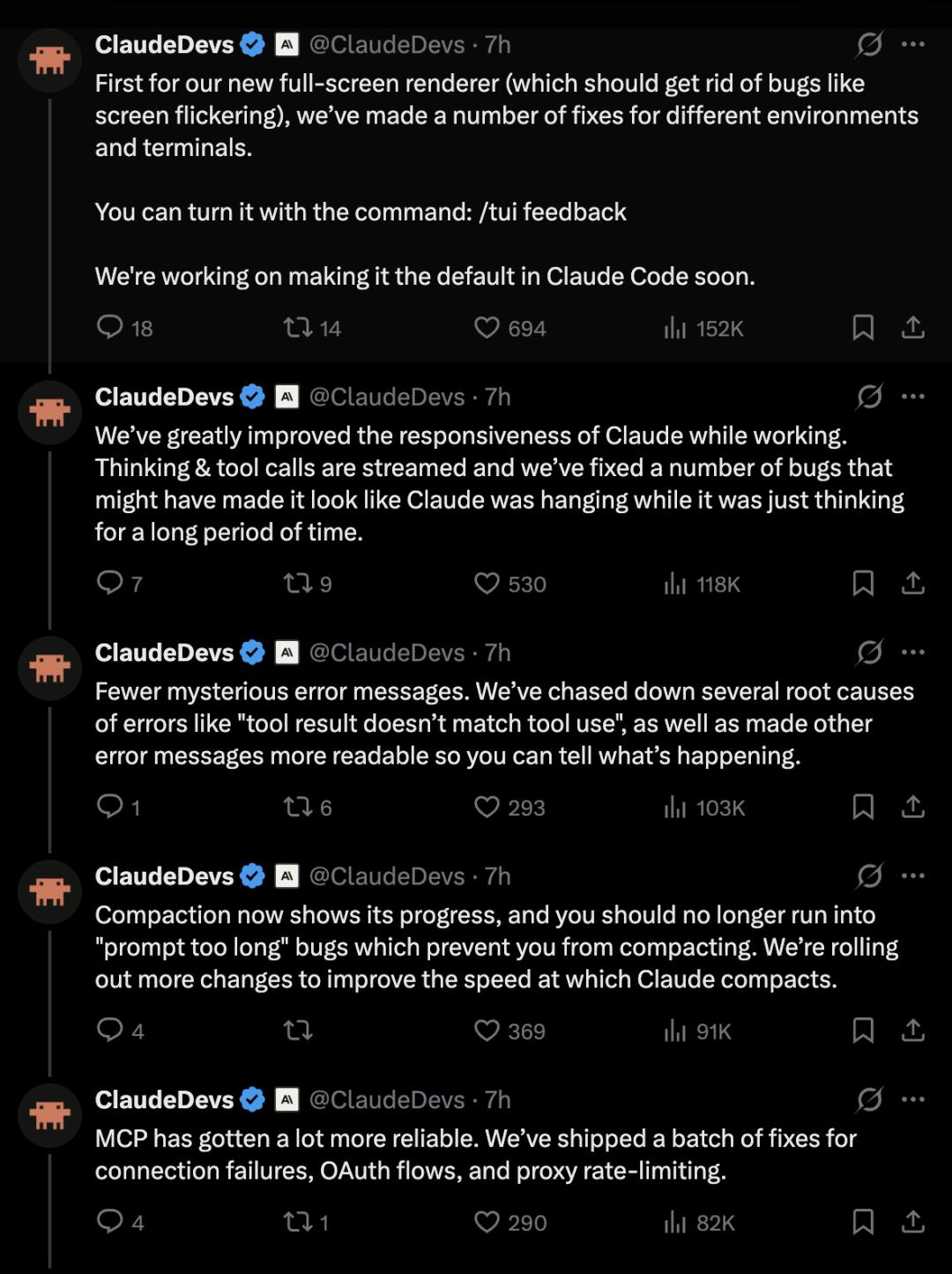
It sends an extremely clear signal: in the final stage of AI programming agents, having just a "super - brain" is no longer enough.
Now, the semi - finals of AGI have reached the underlying infrastructure: AI tools not only need to be smart but also as stable as a rock, as fast as instinct, and be able to self - rescue when something goes wrong.
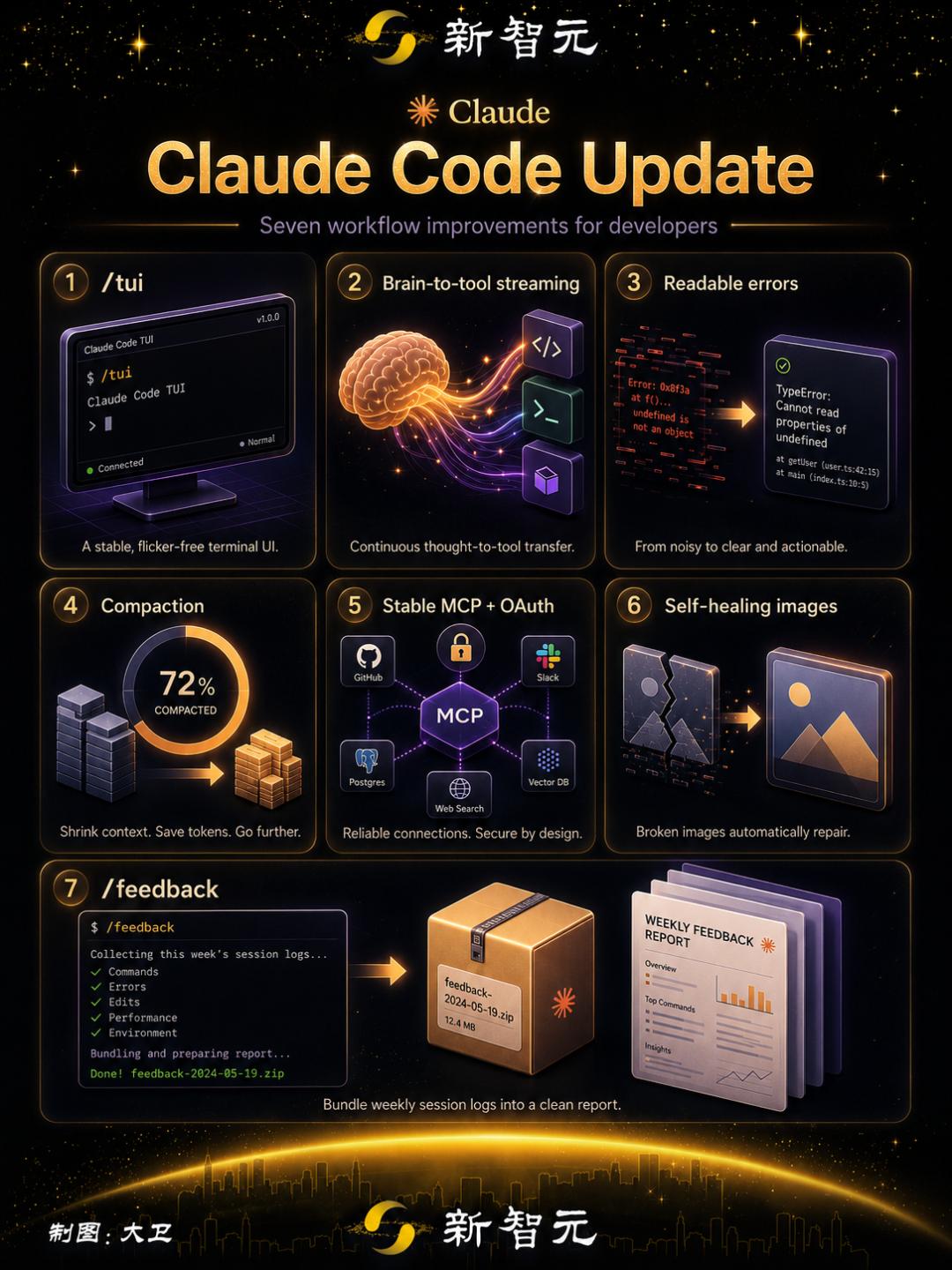
The Six Moves of Claude Code
If you are a developer, you must have experienced this moment: after entering a command in the terminal, the screen falls into a deathly silence.
You don't know if Claude is having a logical storm or has gotten stuck in an infinite loop of a network connection.
The friction caused by this uncertainty can be called "Interactive Entropy".
What Anthropic aims to do this time is to "reduce entropy" for Claude Code, making it more user - friendly and reliable.
"The Disappearing Flicker": The "Dissolution" of Interaction under Full - Screen Rendering
Have you ever had your flow of thought interrupted by the frequent character jumps in the terminal?
Under the old rendering logic, each data exchange was accompanied by a paroxysmal "spasm" of the screen.
This is not only a visual burden but also a slight erosion of the developer's concentration.
Anthropic realized that for an AI tool to evolve from an "add - on" to a "sensory organ", it must first disappear visually.
The brand - new Full - Screen Renderer (TUI) has completely reconstructed the display architecture of the terminal.
Through precise adaptation to different environments (such as iTerm2 or VS Code), this update has finally solved the problem of flickering.
You just need to enter /tui feedback, and you can feel a silky - smooth texture like that of a native application.
A great tool doesn't demonstrate its value through its "presence" but achieves greatness through "non - interference".
"Visible Thinking": Streaming Output Ends the Anxiety of False Freezing
After entering a complex command in the terminal, the screen falls into a deathly silence.
You don't know if Claude is having a logical storm or has gotten stuck in an infinite loop of a low - level driver.
The friction caused by this "Interactive Entropy" is the biggest enemy of AI integration into productivity.
The Real - Time Streaming of Thinking and Tool Invocation (Streaming) introduced in this upgrade is essentially like installing a "heartbeat monitor" for the AI.
Now, you can see its logical chain flowing through the terminal like a stream, and every decision - making step is clearly visible, completely eliminating the uncertainty of "seeming to be stuck".
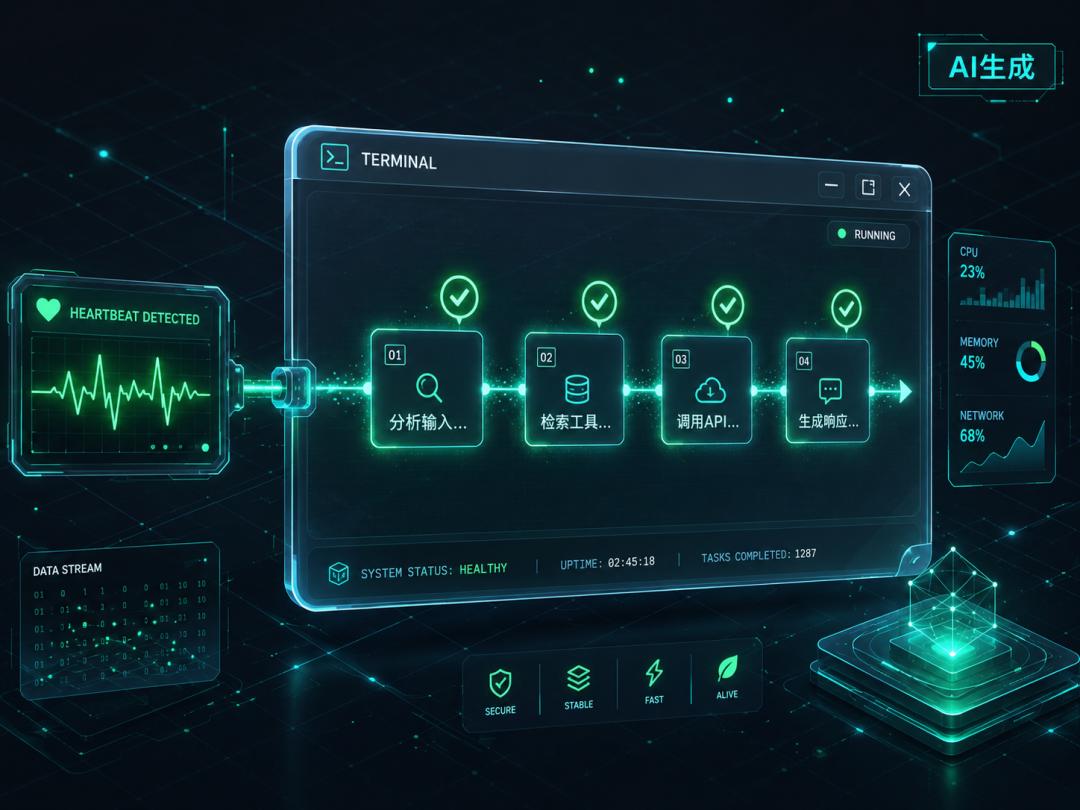
Humans can tolerate AI thinking, but they can't tolerate the uncertainty of whether the AI is "alive or dead". Streaming output doesn't just reduce latency; it kills the user's fear of losing control.
"The End of Mysticism": Making Error Reports Return to Common Sense
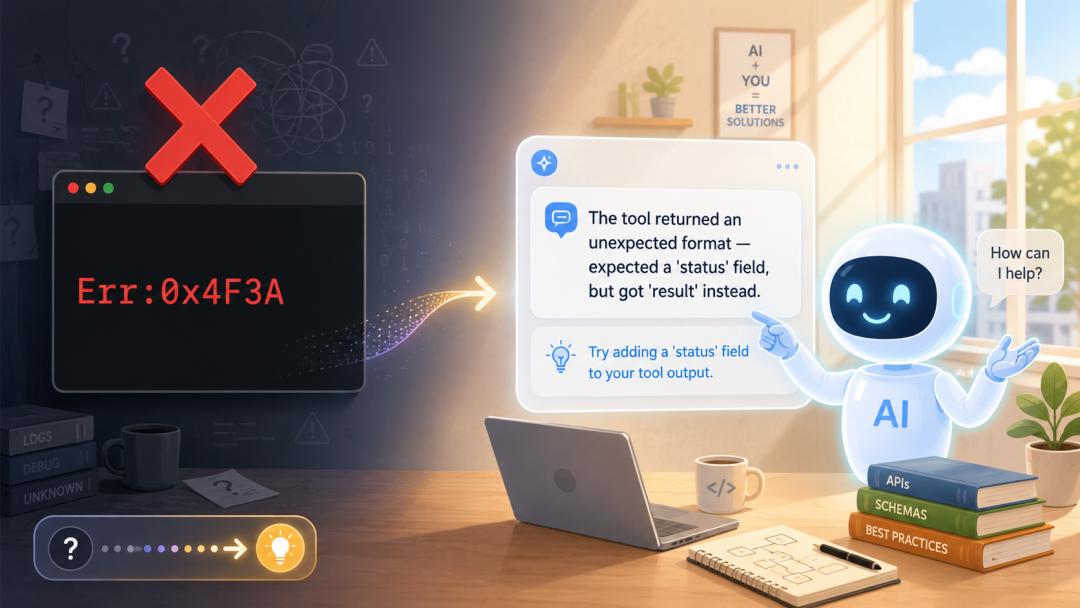
"Tool result doesn’t match tool use" - this error report used to be a nightmare for countless developers.
It's like a spell from a higher - dimensional civilization. It tells you that something is wrong but never tells you where the mistake is.
To break this "cognitive gap", Anthropic delved into the underlying protocol and traced the roots of countless edge cases.
Now, this mysterious logical conflict has been replaced by more readable and action - guiding language.
The AI no longer just throws out an error code but tries to explain the context of the fault to you.
When error reports are no longer a mystery, the AI truly descends from a "black - box oracle" to a "technical partner" that can be communicated with in the real world.
"Invisible Memory": Say Goodbye to Context Deadlocks
When dealing with complex long - term projects that span weeks, the "memory management" of AI is often fragile.
In the past, the process of compressing (Compaction) historical records was not only a black box but also often led to blocking bugs due to "excessively long prompts".
Now, the compression function has not only achieved a qualitative leap in speed but also has an intuitive progress display.

It solves the "self - locking" problem caused by the context pruning logic in long conversations.
This means that no matter how complex the project is, Claude can manage its cognitive bandwidth accurately while ensuring logical coherence.
True intelligence lies not only in how much it can remember but also in how gracefully it can handle forgetting.
"Robustness of Nerve Endings": MCP Connections Are No Longer Like Kites with Broken Strings
As the nerve endings connecting the AI to the local file system, the MCP (Model Context Protocol) was previously often troubled by network noise: OAuth authorization failures, proxy rate - limiting, connection timeouts...
Every small fluctuation could make the Agent instantly "disabled".
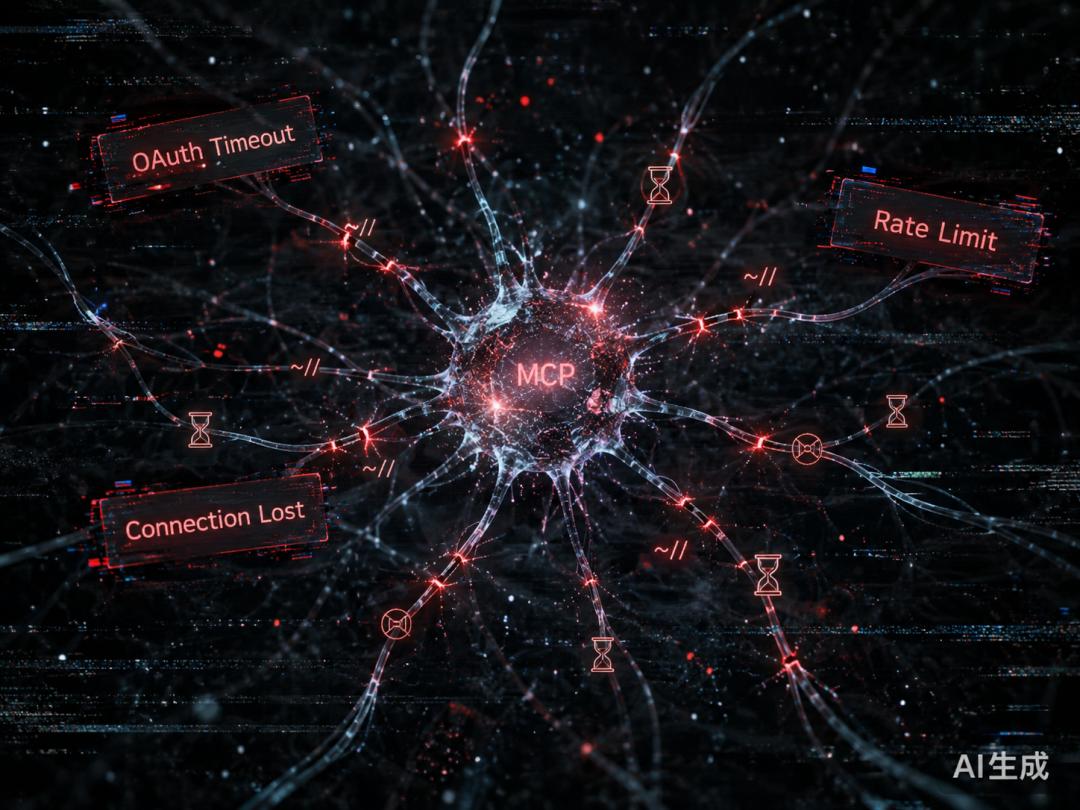
Through concentrated patch fixes, Anthropic has strengthened the resilience of the connection layer.
Now, the MCP is more reliable, and it has optimized the handshake protocol and retry mechanism at the underlying level.
This means that Claude Code is no longer an isolated island floating in the cloud but a digital citizen firmly rooted in the developer's local ecosystem.
The survival of an Agent does not depend on its brain capacity but on the robustness of its connection to the real - world environment.
"Digital Immune System": The Survival Evolution of Session Self - Healing
In the past, encountering a corrupted file or an oversized image was like feeding the AI a "logical poison pill", which would cause the entire session to crash and become useless, and the only solution was to restart.
This "fragility" that breaks at the slightest touch is the original sin for Agents to move towards industrialization.
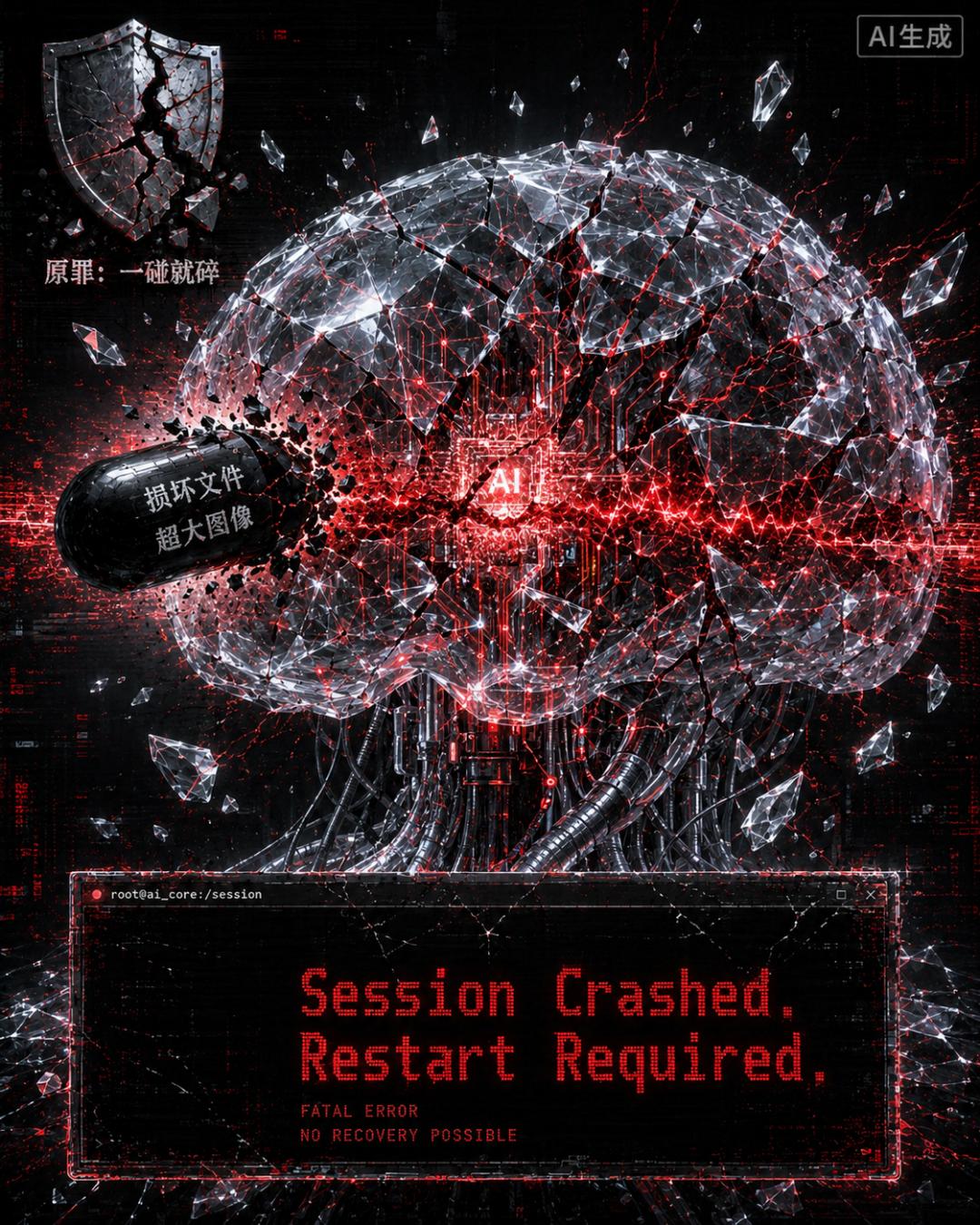
The most eye - catching upgrade is the "self - healing" function.
Now, Claude Code can automatically detect and bypass these fatal exceptions to maintain the survival of the session.
Combined with the /feedback function that can package long - term memory with one click, it has not only learned how to survive but also how to extract evolutionary nutrients from failures.
When an AI agent learns to self - diagnose and repair, it develops a preliminary "survival instinct".
AI Programming Tools Start to Compete on User Experience
The next step for AI programming tools is not to show off more skills but to cause fewer disruptions.
When Claude Code starts to reduce flickering, explain errors, manage forgetting, repair connections, and bypass crashes, it has actually completed an important transformation: from a code - writing model to a system that can be entrusted with processes.
This is the real beginning of AI Agents moving towards industrialization.
In the future, the winner may not be the AI that is best at answering questions but the one that can still run steadily in the chaotic, long - term, and real software engineering scenarios.
Reference: https://x.com/ClaudeDevs/status/2059701677981413812?s=20
This article is from the WeChat official account "New Intelligence Yuan". Author: ASI Revelation; Editor: David. Republished by 36Kr with authorization.