Having been used to Android phones, I got a new budget iPhone for 2,500 yuan on a bargain hunt. Turns out it's really amazing.
From a business perspective, the iPhone Air is definitely not a successful product, but it is very popular among geek players. At least in the editorial department of Lei Technology (ID: leitech), almost everyone has an iPhone Air.
They like this phone mainly because it is an extremely thin and light model, which can bring some freshness in today's era of serious smartphone homogenization. Of course, the iPhone Air has obvious shortcomings, so they basically use it as a backup phone.
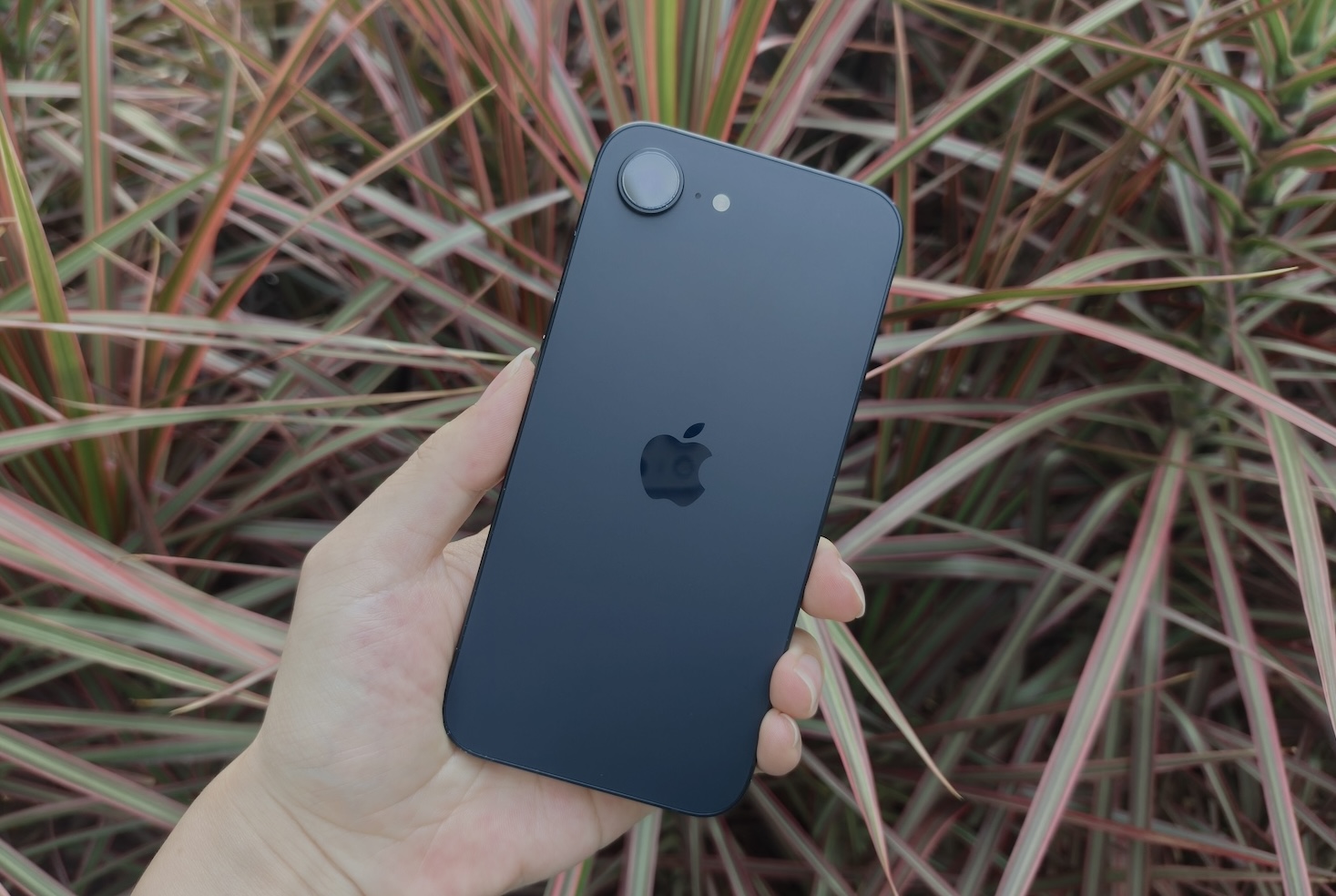
In recent years, my main phone has always been an Android device. I suddenly had the idea of buying an iPhone as a backup phone. However, my budget is limited, and the iPhone Air, which costs more than 5,000 yuan, is a bit expensive. After much thought, I finally bought the "affordable alternative" to the iPhone Air - the iPhone 16e.
(Image source: Shot by Lei Technology)
There is no doubt that the iPhone 16e is a cheap iPhone with no new features in terms of configuration and appearance design. However, after using it for a month, I can still clearly feel the advantages of this phone. Next, I will share my usage experience during this period.
Why did I choose the 16e as a backup phone?
My requirements for an Apple backup phone are not very complicated. The core factors are price and performance. First, I need to control the budget within 3,000 yuan. Spending five or six thousand yuan on a backup phone is still too luxurious for me. Second, although the performance doesn't need to be very strong, it should at least ensure smooth daily use without lag.
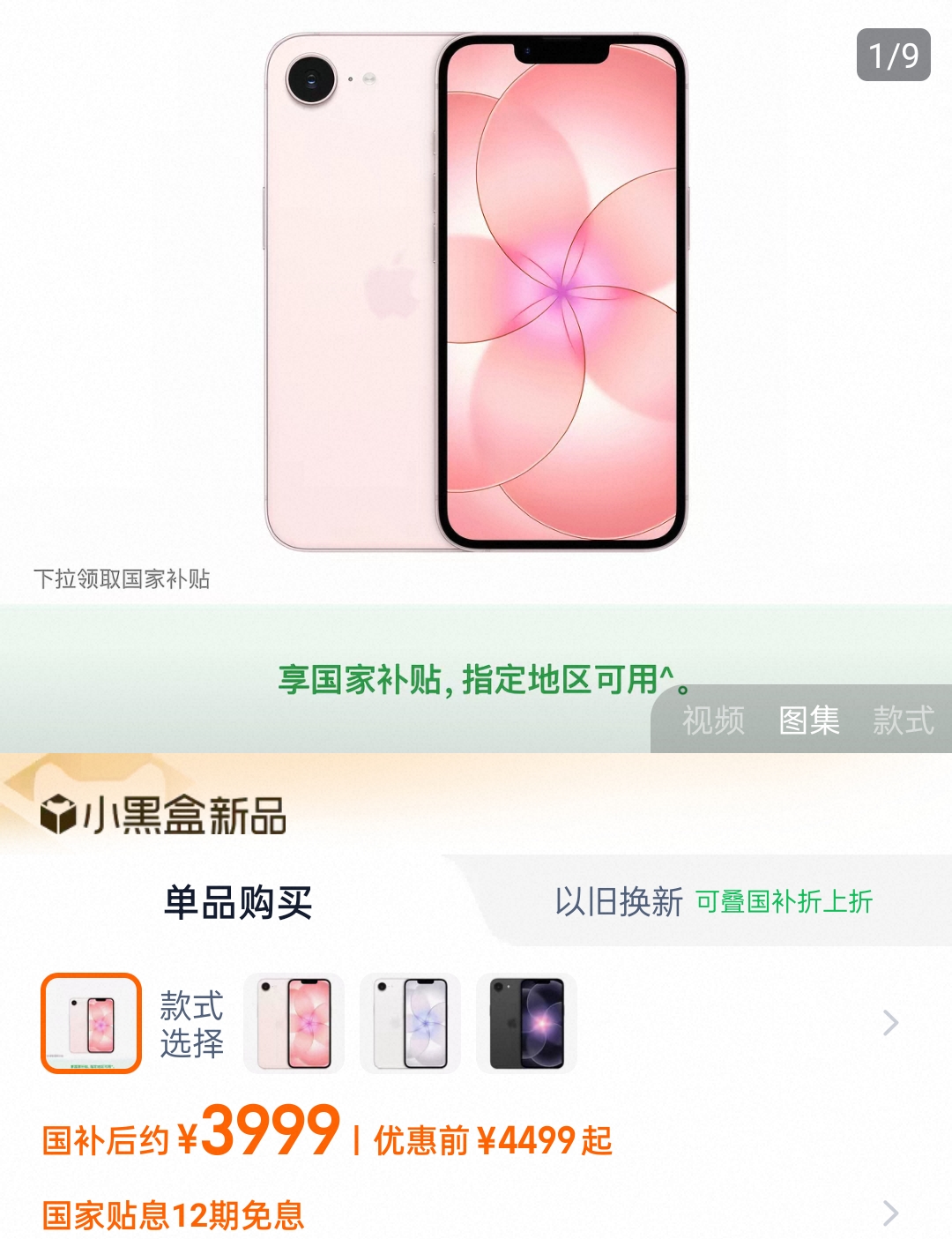
With a budget of 3,000 yuan, I have to say goodbye to the iPhone 17 series. Even the cheapest iPhone 17e, the domestic version, costs 3,999 yuan even with the 10 billion subsidy and national subsidy. At this price, it's better to add some money to buy the iPhone 17.
(Image source: Taobao)
Of course, if I buy a locked US version of the iPhone 17e, I can get it at this price. However, the locked physical version has too many usage restrictions, so I won't consider it. In the end, the iPhone 16e meets the requirements.
After briefly struggling between the domestic version and the overseas version, I finally chose the overseas version, mainly for the eSIM function and future AI features. There are also many choices for the overseas version, mainly including the Japanese version, the US version, the Hong Kong version, etc.
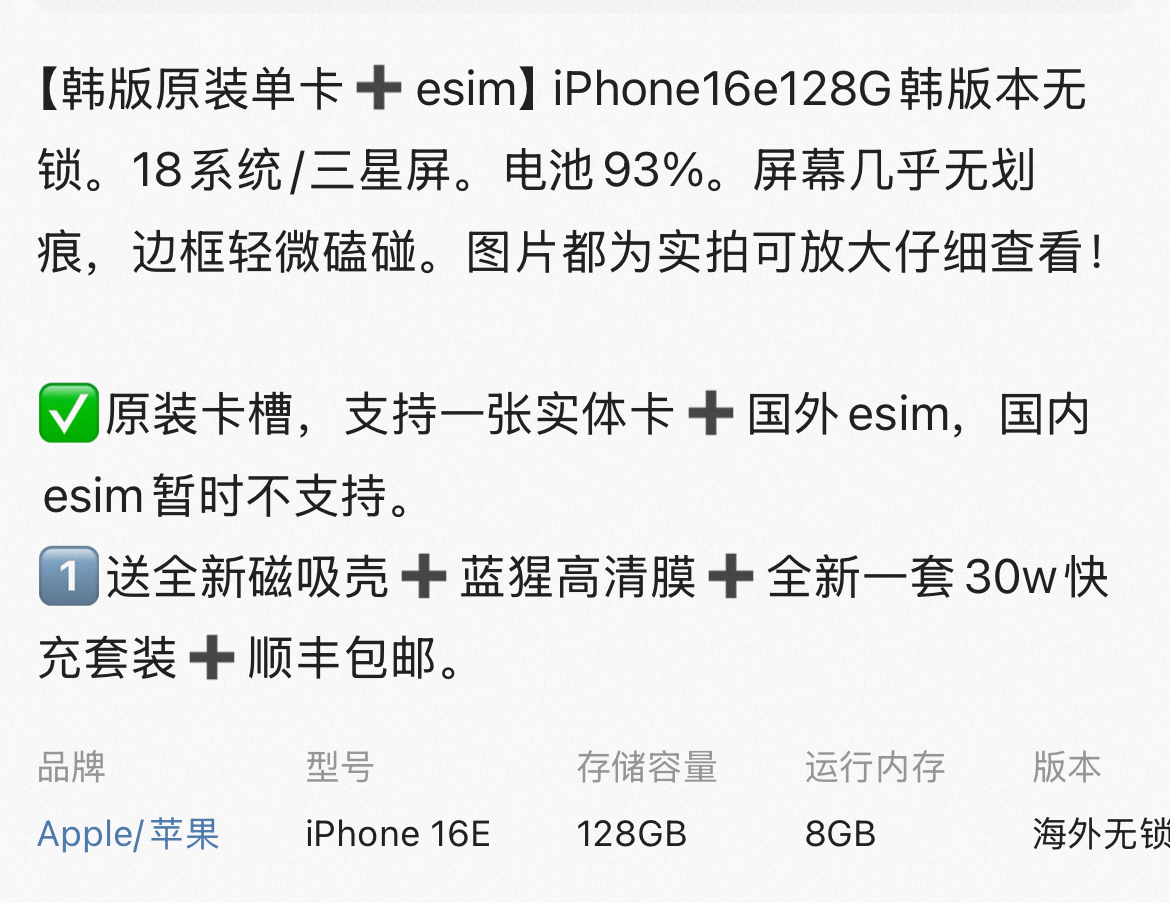
The US version of the iPhone 16e doesn't have a SIM card slot. If I want to use a domestic SIM card, I have to ask the merchant to open a slot, which inevitably requires disassembling the phone. Finally, I bought a second - hand Korean version of the iPhone 16e, which has a native SIM card slot and also supports eSIM.
(Image source: Xianyu)
The condition of this phone is okay. The battery health is 93%, which is acceptable. It costs more than 2,500 yuan, so the cost - performance ratio is relatively high.
The iPhone 16e was released in the spring of 2025. It is equipped with the A18 chip and has 8GB of memory. Compared with the iPhone 16, the main cut - offs are the camera (only a single - lens camera), the screen (a notch screen without the Dynamic Island), wireless charging (it doesn't support Qi2, has no magnetic function, and the maximum power is 7.5W), and UWB (no ultra - wideband precise finding).
Decent performance and photography in daily use, surprising battery life
The A18 chip is not outdated today. The iPhone 16e has a very high level of smoothness in daily use. Since I don't have the habit of playing large - scale mobile games, I haven't encountered any lag caused by performance bottlenecks so far. In terms of the screen, it uses a 60Hz OLED screen, while my main Android phone has a 120Hz high - refresh - rate screen. However, in daily use, I'm not very sensitive to the lower screen refresh rate, so I don't feel a significant decrease in smoothness.
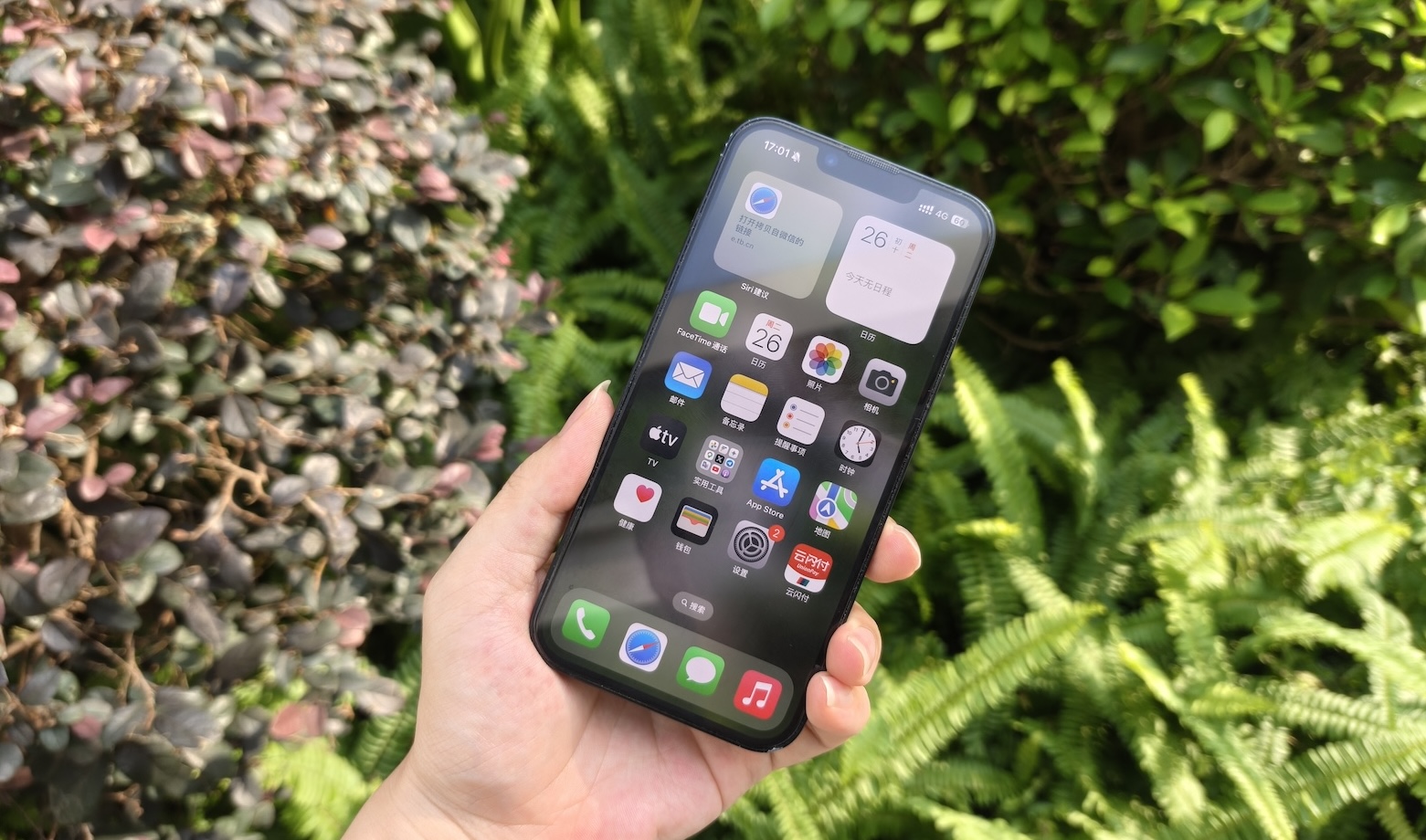
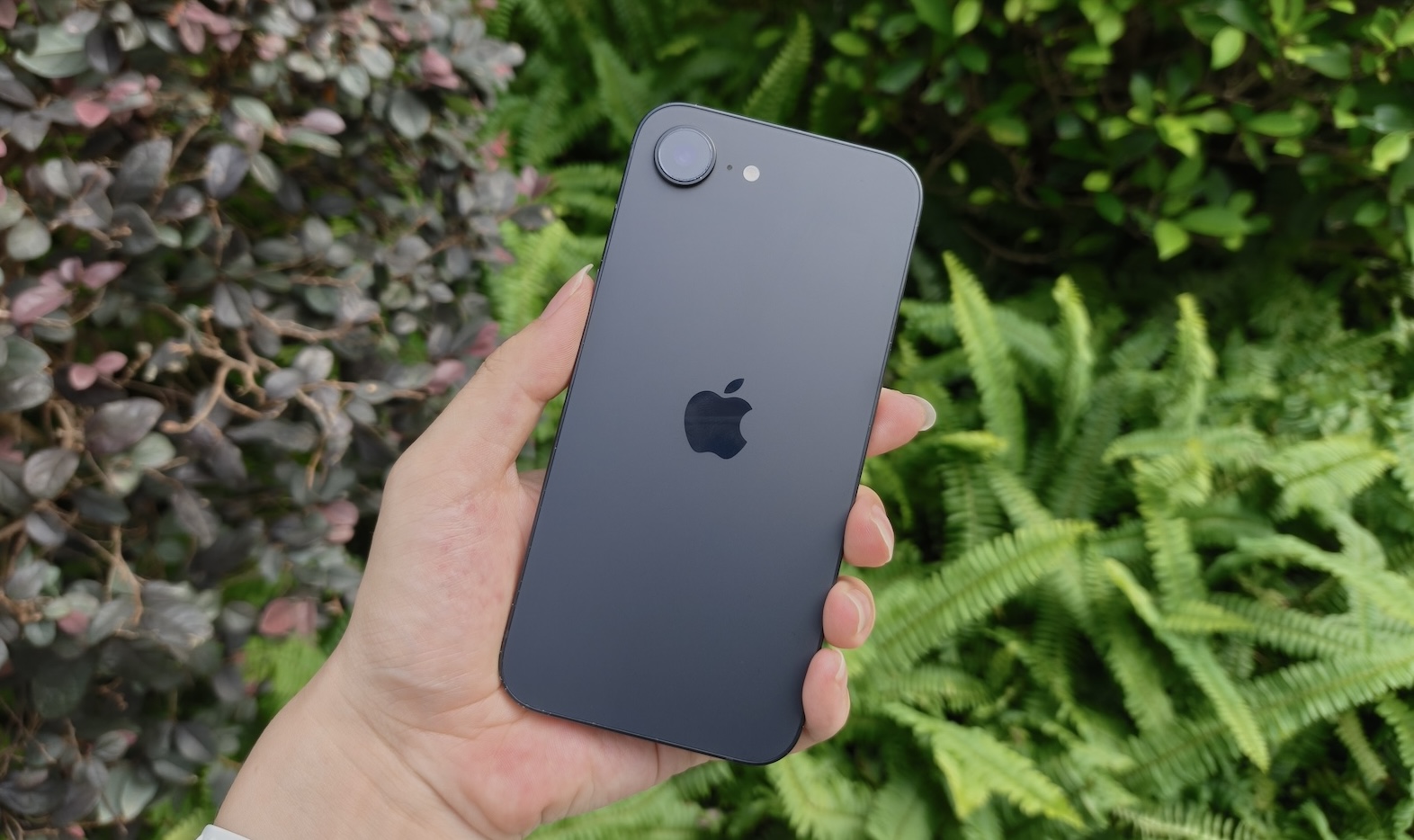
The iPhone 16e is a 6.1 - inch small - screen phone. The biggest advantage is that its body weight is well - controlled, only 170 grams. For me, who is used to Android phones weighing more than 200 grams, it is quite light. As for the appearance, the iPhone 16e is just average. After all, there aren't many products using the notch screen design these days.
(Image source: Shot by Lei Technology)
A rather unexpected surprise is the battery life. The battery capacity of the iPhone 16e is about 4,000mAh, which is larger than that of the iPhone 16 and iPhone 17. Even considering battery wear, its actual capacity is 3,600mAh. This would be a small battery for an Android phone, but it's a standard capacity for an iPhone.
In terms of battery life, the main daily usage scenarios include watching Bilibili videos, browsing Xiaohongshu, using WeChat, and map navigation. I did a simple test. With 5G network, manual half - brightness, and playing 1080P videos on Bilibili for 1 hour, the power consumption is about 12%; browsing Xiaohongshu for half an hour, the power consumption is about 5%. Most of the time, it can last for a day with moderate use. It's worth mentioning that the iPhone 16e uses Apple's self - developed C1 baseband. Although its peak rate is not as high as that of Qualcomm's baseband, it has an advantage in terms of power consumption.
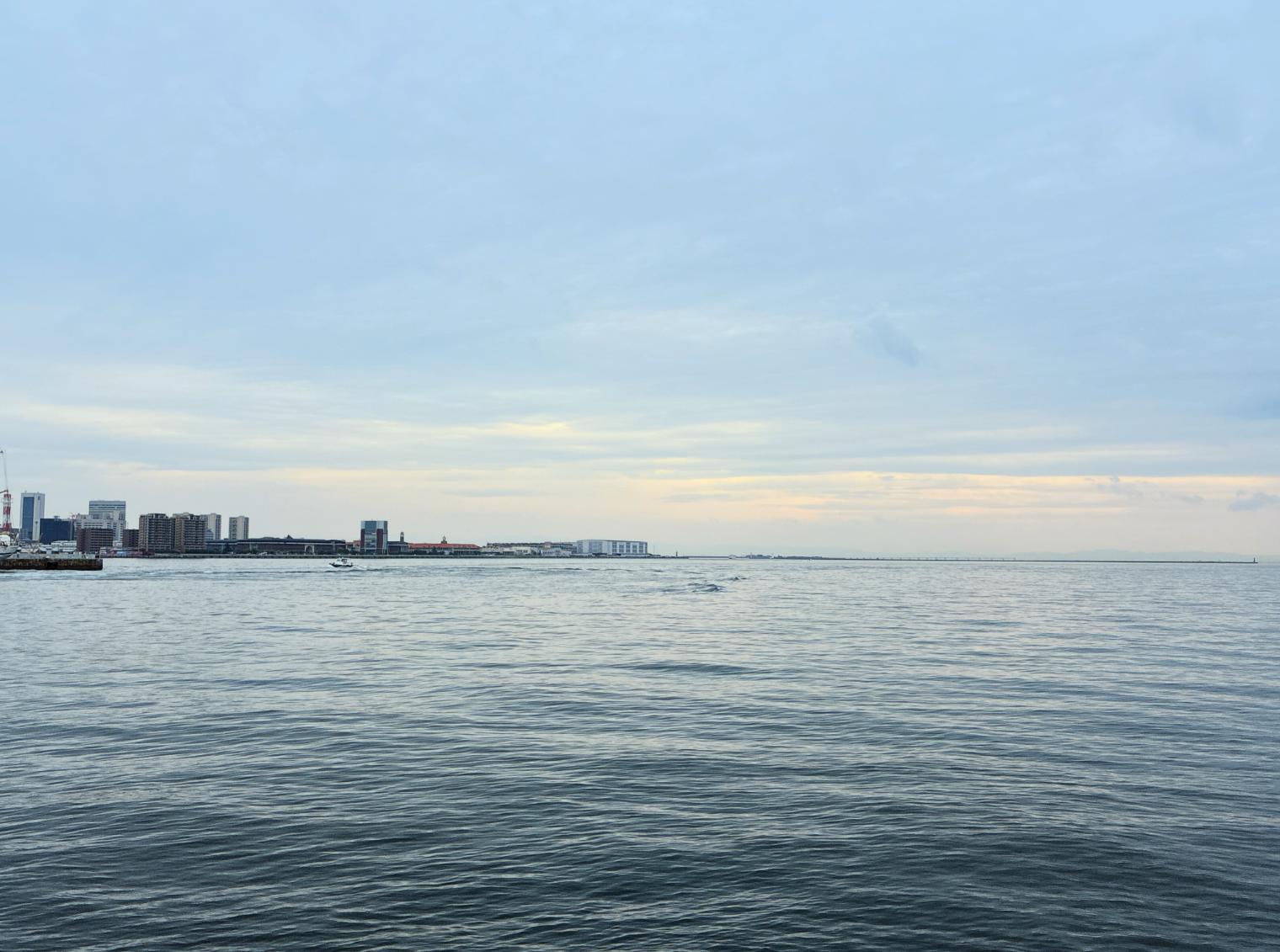
Regarding photography, I didn't have high expectations for its camera from the beginning, as it doesn't have an ultra - wide - angle or telephoto lens. As for the only 48 - megapixel main camera, it can only be said to be sufficient for daily use. The photos taken on a sunny day with sufficient light are still acceptable, as long as you don't compare them with those taken by Android flagship phones.
In less complex scenarios, the sample photos are quite good, with accurate color reproduction and few problems.
(Image source: Shot by Lei Technology)
In more complex scenarios, the photos start to show their weaknesses, and the edge resolution decreases.

(Image source: Shot by Lei Technology)
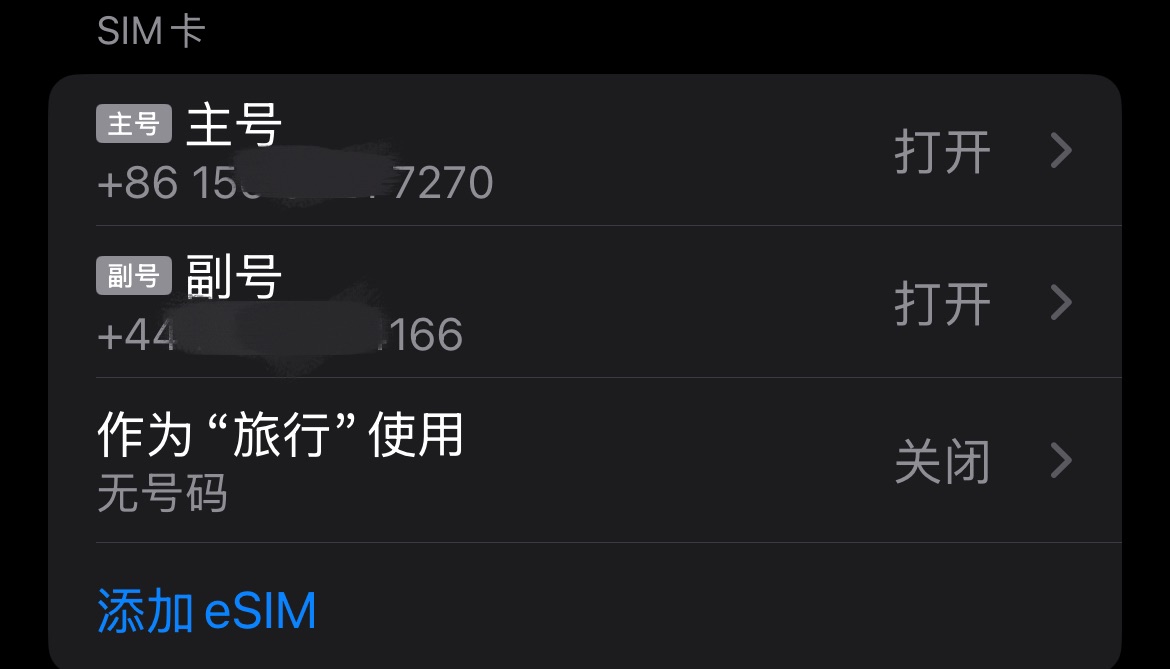
One function that I'm very satisfied with is the eSIM. I use the only physical SIM card slot for my domestic SIM card, and I can use the eSIM to activate overseas data services for the second card. This is very convenient when traveling abroad.
(Image source: Lei Technology)
Moreover, overseas versions of iPhones basically have no eSIM storage restrictions. You can activate eSIMs in advance in China and activate multiple SIM cards at the same time. You just need to manually switch them when you arrive in different regions. The eSIM really allows you to buy SIM cards and data packages at will and switch them anytime, anywhere. You no longer need to buy physical SIM cards online or offline.
Why do the 16e and the iPhone Air have opposite fates?
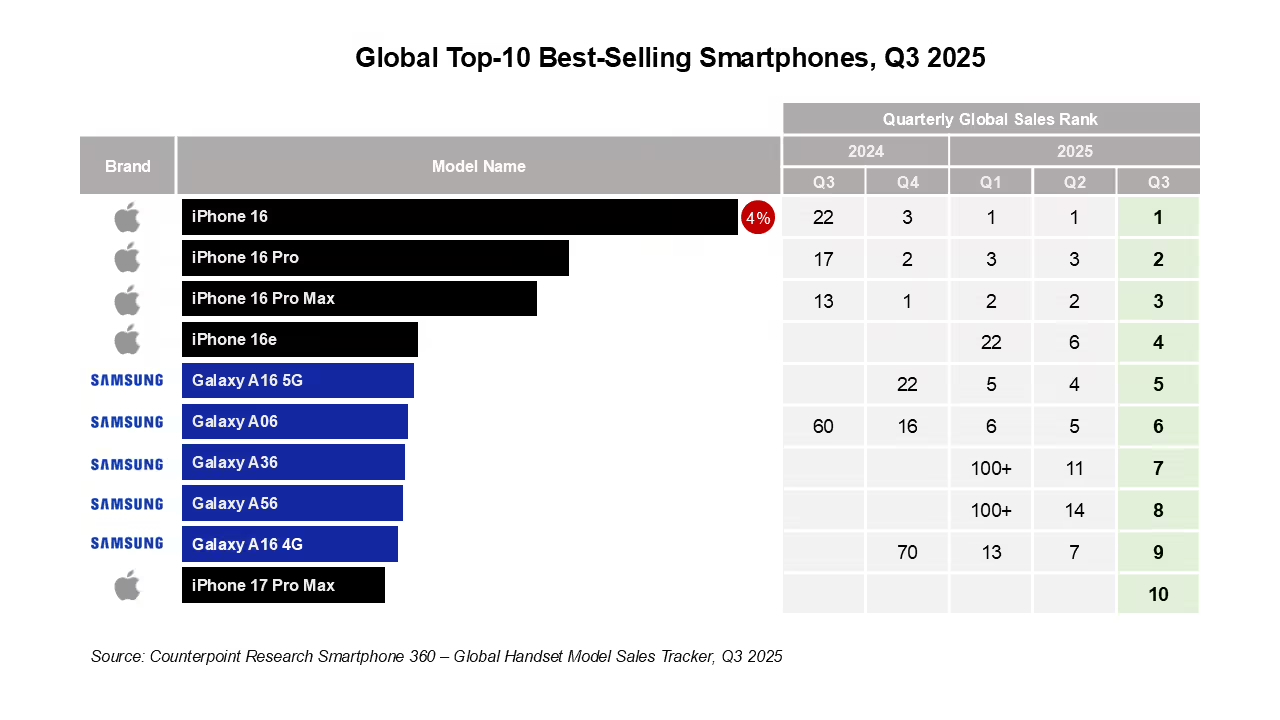
Frankly speaking, the iPhone 16e has a very low profile and is far less well - known than the iPhone Air. However, in terms of market performance, the former is much more successful than the latter. The market research institution Counterpoint publishes the top 10 best - selling phones globally every quarter. The iPhone 16e was released in February 2025. It ranked 22nd on the best - selling list in Q1 just over a month after its release, soared to sixth in Q2, and ranked fourth in Q3, only behind other models in the iPhone 16 series. Even if the iPhone Air had a direct price cut of 2,000 yuan, its sales volume didn't increase much.
(Image source: Counterpoint)
The positioning of the iPhone 16e is very clear. It is a simplified version of the iPhone 16, retaining the most core configurations such as performance, Face ID, and the OLED screen, but making significant compromises in terms of the camera and design. Therefore, the labels of this phone are cheap and practical.
Of course, the target group of the iPhone 16e is actually not the existing users of the iPhone digital series. People who have been upgrading from the iPhone 14 Pro to the iPhone 15 Pro in an orderly manner will most likely choose the iPhone 16 Pro or iPhone 17 Pro for their next phone, rather than suddenly buying an iPhone 16e or iPhone 17e with a lower positioning and fewer functions and features.
After all, Apple launched the iPhone e series to attract users from the Android camp in order to seek market growth. Apple hopes that these users will have a higher possibility of purchasing Apple services and other hardware products through the iPhone e series.
(Image source: Shot by Lei Technology)
The iPhone Air is obviously different. Its positioning is higher than that of the iPhone 17, trying to attract the target users of the iPhone 17 Pro. However, the problem is that the iPhone Air is not a well - balanced product. It inevitably fails to meet the needs of the majority of users. Sacrificing key functions and experiences such as the camera, external speakers, and C - port speed for the single selling point of thinness means that the iPhone Air is doomed to be a niche product favored by only a small number of users.
Interestingly, on the surface, the key configurations cut off in the iPhone 16e and the iPhone Air are quite similar, but their positioning is completely different. Although the iPhone 16e has some cut - offs, it has a relatively low price and clear positioning, so it can still achieve good sales. Based on my personal experience, I was aware of its shortcomings from the beginning and had sufficient psychological expectations, so I'm more tolerant of the imperfections I experienced during the subsequent use.
However, the situation is different for the iPhone Air. When consumers buy a flagship iPhone at a price of five or six thousand yuan, or even seven or eight thousand yuan, and then find that it lacks some basic functions that many mid - range phones can do well, they will inevitably be very disappointed. According to the existing rumors, there will be a second - generation iPhone Air. However, if the product form remains unchanged and the existing defects are not remedied, it will most likely continue the failure of the first - generation model.
Who is the iPhone 16e suitable for, and who is it not suitable for?
Based on my experience in the past month, I'm quite satisfied with the iPhone 16e. Its battery life, especially under the cellular network, exceeded my expectations. At the same time, the smoothness in daily use is also quite good, and the convenience of the eSIM function is fully demonstrated when traveling abroad.
However, I'm also very clear that the iPhone 16e is not suitable for everyone. Its disadvantages are also very obvious and do not match the needs of many people.
It is almost certain that it is not suitable to be used as a main phone.
As mentioned before, as a cheap iPhone, it has too many cut - offs. The camera has been significantly reduced. For people who pay a little attention to mobile phone photography, this alone is enough to rule it out. The low - power wireless charging without magnetic charging is also unbearable for those who are used to MagSafe. In addition, the cut - off of UWB and the lack of a high - refresh - rate screen will make many people very unhappy when using it.
If we remove the halo of the Apple brand, its cost - performance ratio is still not as good as that of Android phones.
Even though the storage price has skyrocketed, for 2,500 yuan, you can still buy many high - performance and high - cost - performance products among domestic Android phones. For example, during the 618 promotion, the Xiaomi 15, with the 12 + 256