Why are the telephoto extenders of vivo, OPPO and other brands so popular among South Koreans?
Who would have thought that after Lao Gan Ma chili sauce and spicy strips, the teleconverter for domestic mobile phones has become a new specialty for export?
Recently, in the "Shopping List for a Trip to China" compiled by South Korean netizens, the vivo teleconverter was listed alongside konjac snacks, Wangzai milk candies, and Shanghai Women's facial cream, and was included in the "Must-Buy Digital Devices" category.
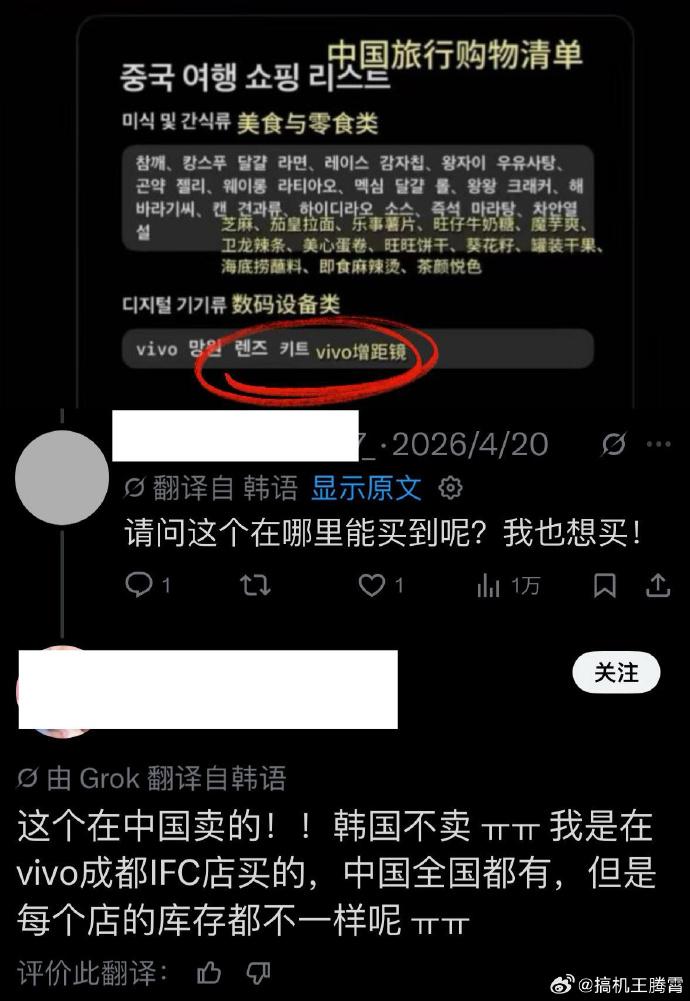
Since April this year, the phenomenon of South Korean tourists buying vivo mobile phone teleconverters in China has become significantly more popular. According to data from duty-free shops and e-commerce platforms, in April alone, a total of over 5,000 units of vivo's "Cannon 400" (400mm G2 Ultra) and "Lipstick 200" (200mm G2) teleconverters were sold at Jeju Island, Incheon Airport, and Shanghai's departure tax refund points. The 400mm model was sold out several times, with a replenishment cycle of up to two weeks. Some people even made special trips to stores in Shanghai and Chengdu to find the product.
In recent years, domestic mobile phone manufacturers have launched or cooperated to develop teleconverter accessories around long - distance shooting scenarios such as concerts and star - chasing, creating a unique consumer boom. But just a few years ago, many people said that external lenses were a false demand. Why has the domestic mobile phone teleconverter become a cross - border "hard currency" now?
The Development History of Domestic "Mobile Phone Cannons"
In just over a decade, external teleconverter accessories for mobile phones have gone through three stages: budding exploration, silent iteration, and original - factory explosion, from being a niche peripheral that was ignored.
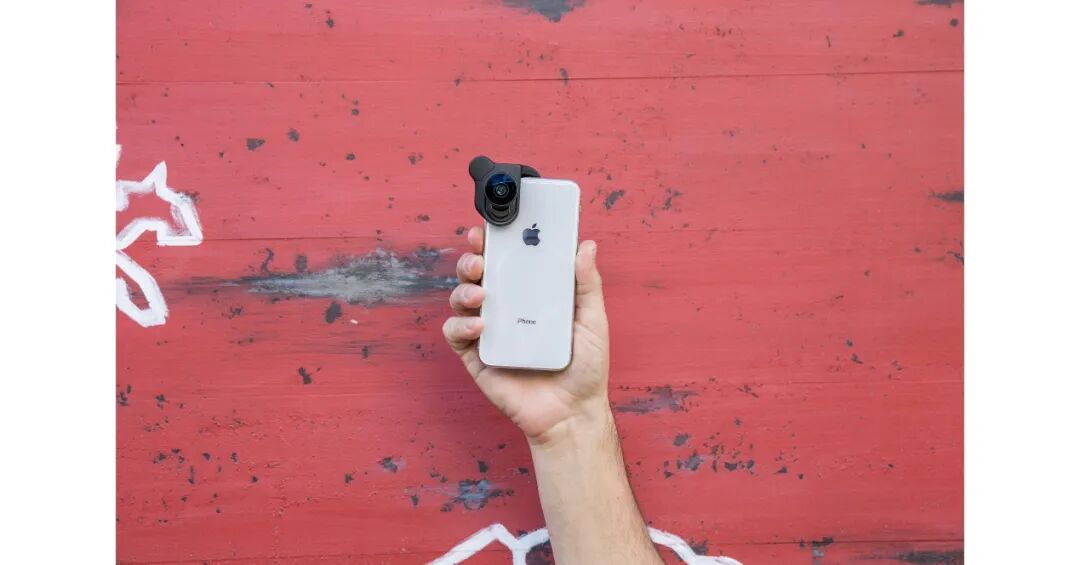
The external lenses for mobile phones started with the innovative attempts of overseas accessory brands. In 2011, the American accessory brand Olloclip launched the first mass - produced external lens for the iPhone, officially creating the product form of replaceable lenses for mobile phones. It quickly became popular in the global market and laid the industry prototype for external mobile phone lenses.
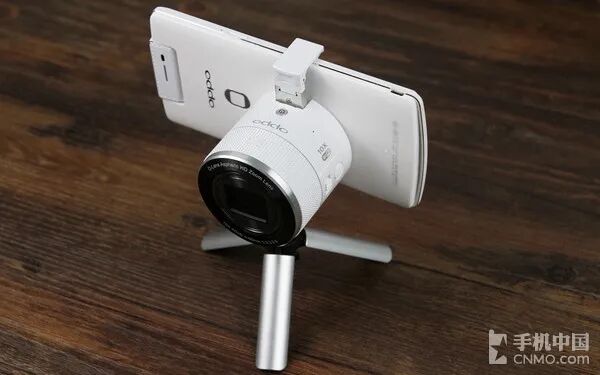
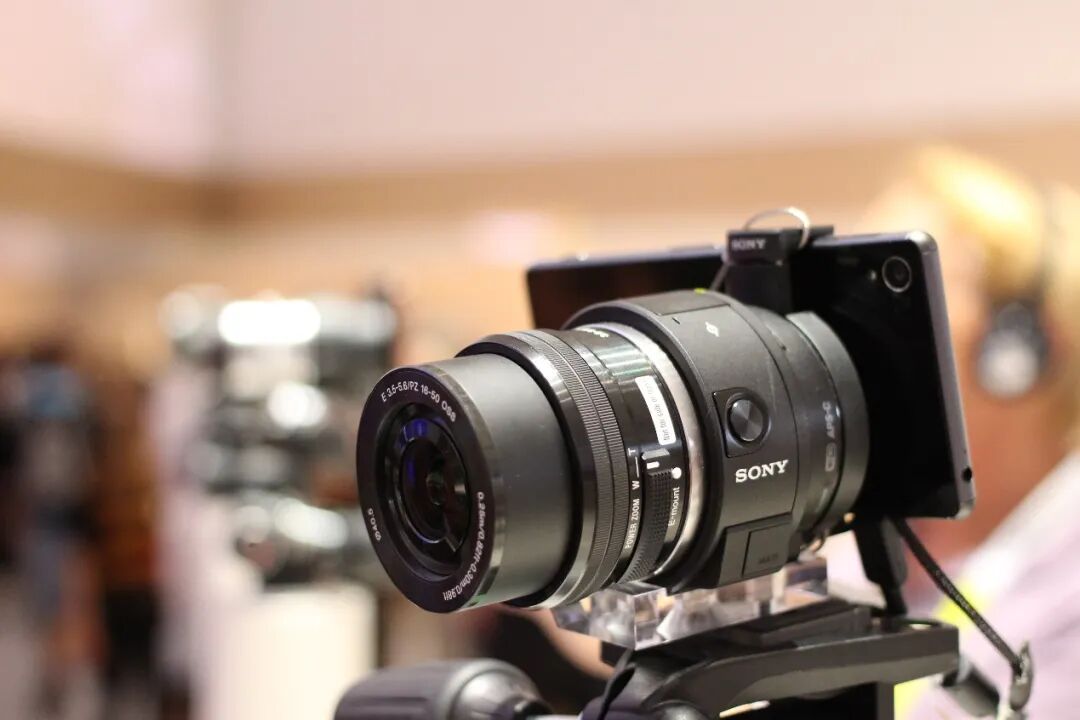
From 2013 to 2014, Sony further upgraded the track form and successively launched the QX10, QX100, QX30, and QX1 series of external lens cameras. However, limited by problems such as slow wireless transmission technology, shooting delays, bulky size, and high prices at that time, they were not popularized in the end and only remained at the stage of niche experimentation.
During the same period, domestic manufacturers also started their earliest official explorations. In 2014, OPPO was the first to launch the O - Lens 1 external lens, which was equipped with an independent CMOS sensor and continued the similar external imaging concept as Sony. It was the earliest attempt by domestic mobile phone brands to layout official external teleconverter devices. However, this solution also had problems such as poor compatibility, lack of in - depth adaptation of system algorithms, and cumbersome use, and failed to be popularized on a large scale.
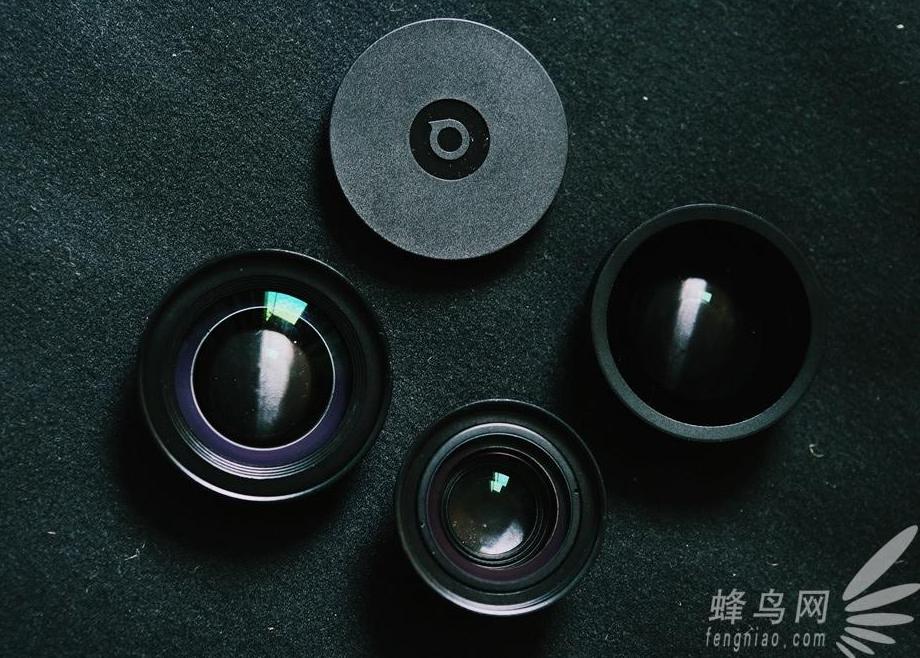
During this stage, in the blank period when the manufacturers' solutions were not yet mature, the entire market was completely dominated by third - party accessory brands. The domestic manufacturer Sirui fully entered the market as early as 2016 and launched a complete mobile phone lens matrix covering multiple focal lengths such as wide - angle, fisheye, macro, and portrait. At the same time, brands such as Benro and the overseas brand Moment also followed suit, revitalizing the civilian market for external mobile phone lenses.
However, there was no unified industry standard for external lenses at that time. Users needed to match a specially customized mobile phone case for installation. The matching accuracy varied greatly among different models and brands, and problems such as vignetting, inaccurate focusing, and image offset were prone to occur. The upper limit of the final imaging quality was extremely low, and they could only be used as niche and interesting accessories and could not be used for professional content creation.
In the second half of 2016, with the iPhone 7 Plus being equipped with a wide - angle + telephoto dual - camera for the first time, the development logic of mobile phone imaging completely shifted to internal upgrading, and the external teleconverter track entered a silent period.
In 2019, as domestic manufacturers such as Huawei, OPPO, vivo, and Xiaomi continuously upgraded their built - in main cameras and telephoto modules, the integrated imaging experience of the mobile phone body was convenient, stable, and did not require additional accessories. It was far ahead of third - party external lenses in terms of convenience and integrated experience. At the same time, the market shares of products from brands such as Olloclip, Sirui, and Moment continued to shrink, and early official external solutions such as Sony's QX series and OPPO's O - Lens were also discontinued.
It wasn't until April 2025 that the vivo X200 Ultra was released. At the same time, a 2.35x Zeiss teleconverter (priced at 1,699 yuan) was launched, along with a professional photographer's package. It was deeply integrated into the system camera, algorithms, and a dedicated teleconversion mode, and was officially promoted as the core imaging accessory by the official, officially kicking off the professional era of "original - factory teleconversion" for domestic mobile phones.
After that, vivo maintained a high - speed iteration rhythm. From the X200 Ultra to the entire X300 series, it was universally compatible and popularized, upgrading the optical structure and collaborative algorithms at a rate of one generation per year. According to official data, the teleconverter equipment supporting the vivo X200 Ultra has topped the concert equipment rental market for six consecutive months.
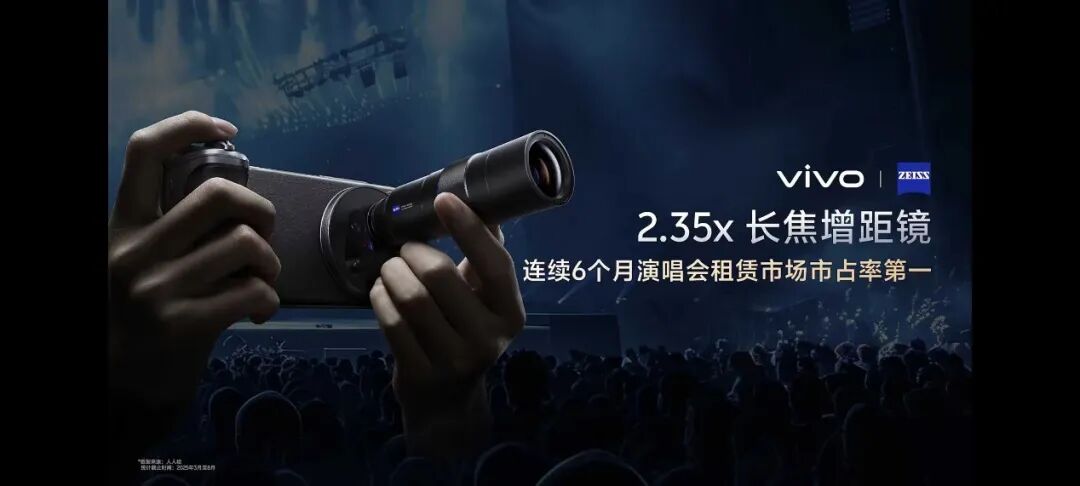
In 2026, vivo iterated again and launched two new products: the Lipstick Teleconverter G2 (priced at 999 yuan) with an equivalent focal length of 200mm and the Cannon Teleconverter G2 Ultra (priced at 1,999 yuan) with an equivalent focal length of 400mm, refreshing the upper limit of the magnification of external mobile phone teleconverters.
Meanwhile, Huawei has deeply partnered with Yutong Optics (YTOT), a top domestic optical giant, to jointly research and develop a teleconversion module with 15 all - glass ED low - dispersion lenses, significantly suppressing chromatic aberration and distortion in long - distance shooting. At the same time, different from the single - lens accessory solution, it has joined hands with the professional imaging accessory brand TILTA to research and develop a full set of accessories such as a dedicated protective mobile phone case, a professional photography handle, and expansion interfaces, creating a full - process professional shooting experience from the grip feel, precise installation to image optimization.
Relying on this complete ecosystem, Huawei has successively launched a number of high - end professional imaging packages covering mainstream flagship models, including the Pura 80 Ultra Imaging Creation Package (priced at 3,299 yuan) and the Pura 90 Pro Max Professional Photography Package (priced at 1,899 yuan). With a complete and professional positioning, it targets the market of high - end creators and photography enthusiasts, building a professional imaging peripheral ecosystem different from other manufacturers.
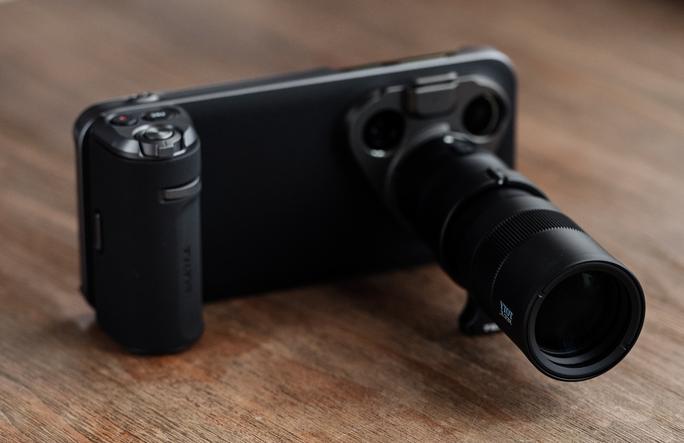
OPPO adopts a dual - line layout of built - in telephoto as the foundation and external teleconversion for advancement, taking into account both daily use and professional creation needs, with a more balanced approach. At the built - in level, the Find X9 Ultra is equipped with a Hasselblad 10x telephoto lens, meeting users' daily long - distance shooting needs without relying on any external accessories.
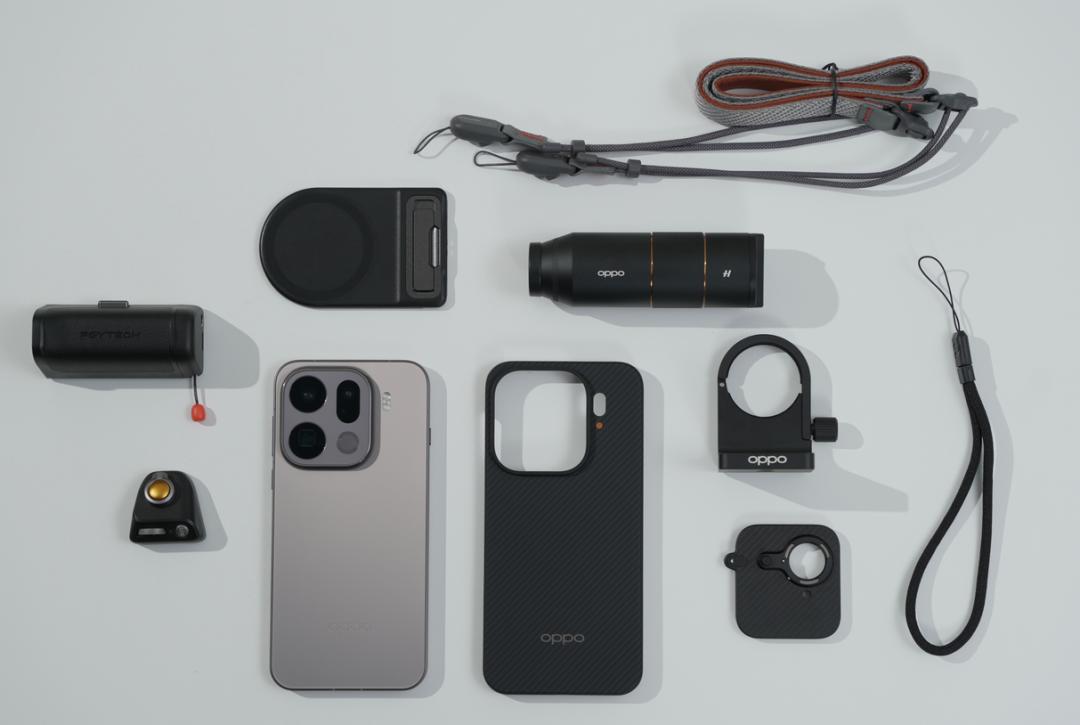
In the external professional track, OPPO has also completed a complete ecosystem layout, making up for the short - board in high - order long - distance shooting scenarios. It has successively launched the Find X9 Pro Hasselblad Professional Teleconverter Package (priced at 1,099 yuan), the Find X9 Pro Hasselblad Professional Imaging Package (priced at 1,699 yuan), and the Find X9 Ultra Hasselblad Professional Imaging Package (priced at 2,499 yuan), taking into account both image purity and focal length improvement.
Compared with the mature layouts of vivo, Huawei, and OPPO, Xiaomi entered the official teleconverter track relatively late. Currently, there is no officially launched dedicated teleconverter product, and it is in a gradual exploration stage.
Previously, although the Xiaomi 15 Ultra launched a professional imaging package, it only came with a 67mm filter adapter ring and a photography handle, only supporting the expansion of filters and stable holding, and did not have a teleconverter module, so it could not achieve the long - distance teleconversion function. However, according to the latest news from the CNMO technology industry, Xiaomi is currently specifically testing magnetic lenses and snap - on teleconverter products suitable for the Xiaomi 18 series, and the modular teleconversion solution is about to be mass - produced.
Looking at the layout paths of the four major domestic mobile phone manufacturers such as vivo, OPPO, Huawei, and Xiaomi, this transformation from a "niche toy" to a "professional tool" not only witnesses the technological strength of domestic manufacturers from following to leading but also indicates that the competition in mobile phone imaging is moving from single - hardware stacking to a deeper game of accessory ecosystems and scenario experiences.
Is the "Mobile Phone Cannon" Worth Buying?
The reason why mobile phone teleconverters have risen rapidly in just two years is due to their irreplaceability in specific scenarios such as concerts and music festivals.
In terms of advantages, portability and friendliness to security checks are the biggest selling points. The teleconverter is small in size and can be easily put into a bag. It is not regarded as professional photography equipment and can pass the security checks at concerts, sports events, and other occasions smoothly. At the same time, it also solves the pain point of shooting idols from a long distance. Compared with carrying a long - distance camera, the combination of a mobile phone and a teleconverter has obvious advantages in terms of cost and convenience. The official teleconverters are basically priced between 1,000 and 2,500 yuan, which is far lower than the entry threshold of professional cameras.
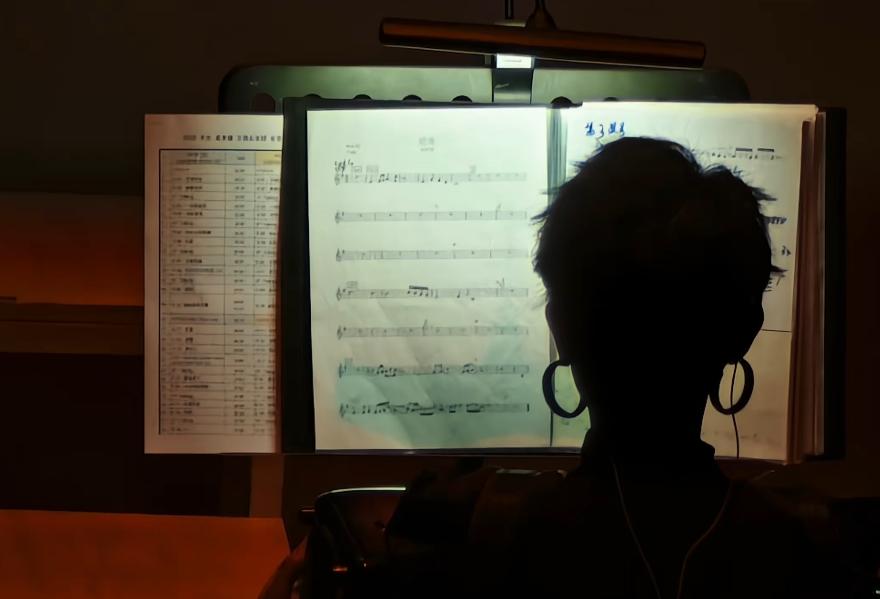
For example, many netizens said that with the vivo X200 Ultra teleconverter at an ultra - long focal length of 1,600mm, although it is not perfect, it can indeed vaguely identify the sheet music of the band teachers at a concert, far better than digital zoom. Even in the back row of the stands, it can clearly capture the singer's expression, the reflection of earrings, and clothing details. Some fans on the fifth - floor "mountain top" of the Bird's Nest successfully captured the sequins on their idol's face and the embroidery on the clothes with a 400mm teleconverter.
However, the laws of optical physics are hard constraints that cannot be bypassed, and there are also some disadvantages in the experience. Although the teleconverter extends the optical focal length by adding a lens group in front of the lens, it inevitably leads to a significant decrease in the amount of incoming light. In low - light scenarios such as concerts, the shutter speed has to be reduced, and the risk of blurring due to hand - held shaking increases sharply. According to user tests, the central sharpness loss of a 2x teleconverter is about 30% - 40%, and the edge attenuation is even more serious.
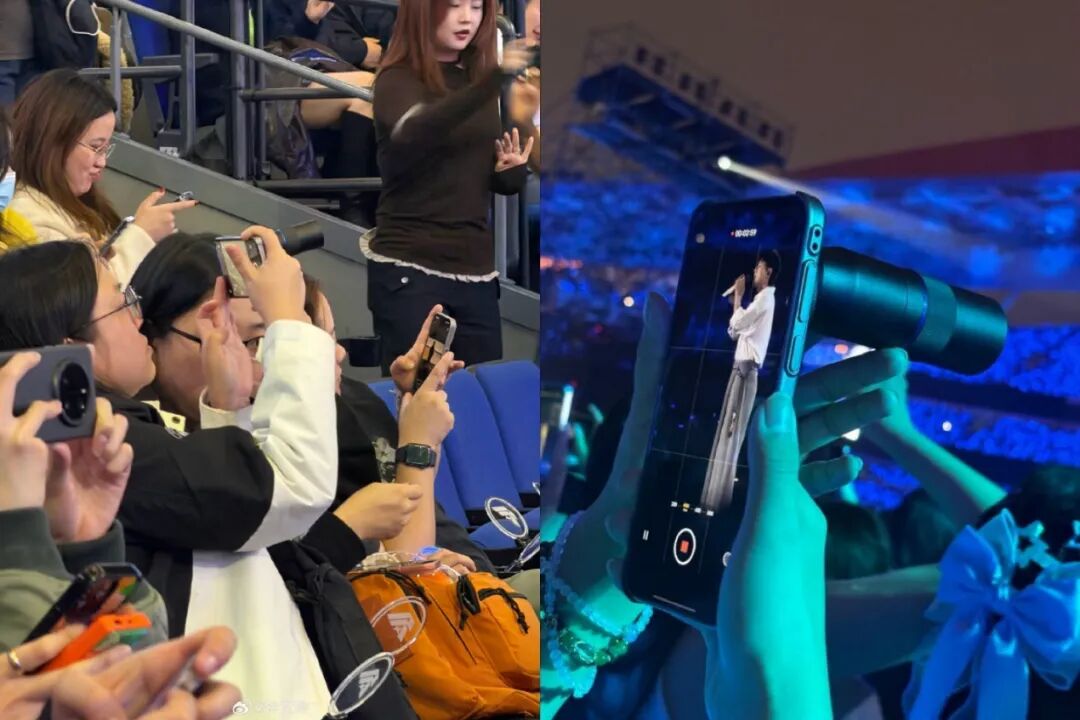
Moreover, the teleconverter itself does not have an anti - shake structure. When shooting handheld at a concert, slight hand shaking will be magnified exponentially, and the long - distance shooting picture will have a shaking feeling. It is easy to take blurred and out - of - focus pictures accidentally. Some models may also block the secondary camera and flash of the mobile phone, affecting the daily shooting function. At the same time, in the case of a seat at an ultra - long distance, the stretching effect of the teleconverter does not meet the ideal expectation.
In addition, in concert and music festival scenarios, it is normal for artists to dance, move, and run on the stage. According to user tests, after most products are equipped with a teleconverter, the shutter delay is about 0.3 seconds. When the artist moves quickly, it is easy to miss the moment of expression, further increasing the probability of blurry pictures.
