Nvidia may not have much time left for PC gamers.
If the mass - produced terminal models of NVIDIA's N1X are still not seen at the COMPUTEX exhibition next month, this may become a key event that affects the market landscape of ARM PCs.
Recently, an exposed screenshot from Lenovo's supply - chain website has once again brought NVIDIA's N1X processor into the public eye, triggering expectations and doubts from consumers and the industry about this chip.
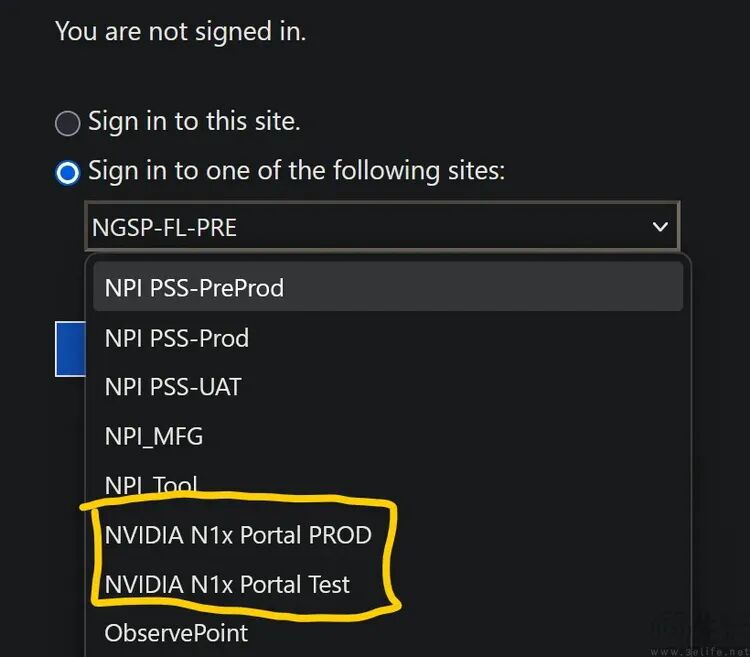
What is NVIDIA's N1X? It is a high - end ARM architecture PC SoC solution jointly developed by NVIDIA and MediaTek. It is also one of the highest - specification processors on the Windows on ARM platform. Relying on advanced processes and flagship - level configurations, it focuses on high - performance computing and mobile - game experiences.
In terms of hardware parameters, the N1X is built on a 3nm process and is equipped with a 20 - core heterogeneous ARM CPU architecture, specifically 10 high - performance Cortex - X925 large cores + 10 high - efficiency Cortex - A725 small cores, with a maximum clock frequency of up to 4.0GHz.
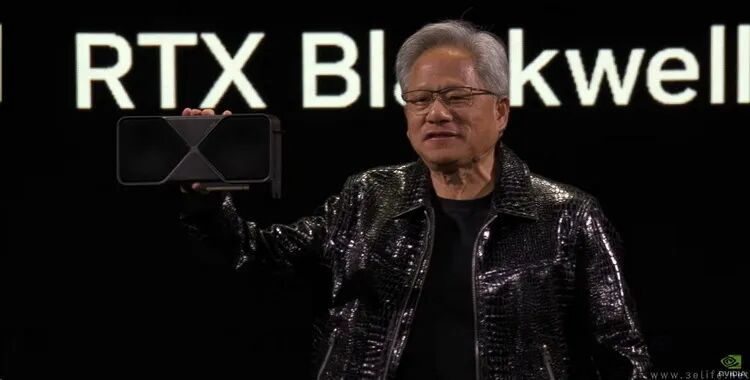
Compared with the CPU, the GPU is the core highlight of the N1X. It has a built - in graphics core based on the Blackwell architecture, equipped with 48 SM streaming multiprocessors, totaling 6144 CUDA cores, with the same specifications as the desktop RTX5070 discrete graphics card. However, the default operating frequency of this GPU is only 1048MHz, and the relatively low frequency setting has also limited its theoretical performance to a certain extent.
In terms of memory and computing power, the N1X can support up to 128GB of LPDDR5X - 8533 unified memory, with a 256 - bit width and a memory bandwidth of 273GB/s. Its AI computing power can reach 180 - 200 TOPS, and it is compatible with a dynamic power consumption schedule of 65W - 120W.
Obviously, from the parameters, the comprehensive multi - core and single - core performance of the N1X's CPU is probably slightly inferior to that of Qualcomm's Snapdragon X2 Elite Extreme, but the GPU's graphics performance has significantly surpassed that of existing ARM PC competitors. Therefore, for players who favor the long - lasting battery life of ARM PCs but are dissatisfied with the generally weak gaming performance at present, the N1X is originally a product that precisely meets their needs and is highly targeted.

It should be noted that as early as January 2025, in the article "NVIDIA's Mysterious PC Chip Exposed: Is the Direction Right This Time?", we at 3eLife were the first to conduct an in - depth analysis of the then - exposed N1X. At that time, there was clear information confirming that this chip would be installed in Lenovo's terminal products, and the corresponding product line was basically finalized. The initially exposed model was a 16 - inch YOGA series 2 - in - 1 ultra - thin laptop.
These details are sufficient to show that at the latest, a year and a half ago, the N1X had completed its early R & D and verification, initially achieved small - scale mass production, and exited the prototype testing stage, entering the stages of terminal product debugging and software - hardware adaptation.
However, there were subsequent rumors that NVIDIA encountered problems in the software adaptation stage of the N1X. Coupled with Microsoft's negative attitude and slow progress in optimizing and adapting Windows on ARM, the combination of multiple factors ultimately led this chip into the embarrassing situation of "frequent exposure, long - delayed release, and no mass - produced terminals on the market", and this situation has lasted for more than a year.
However, we at 3eLife always have many doubts about the statement that "software adaptation delays led to the postponement".

On the one hand, from the product positioning perspective, the target of the N1X is very clear, which is directly aimed at Apple's top - of - the - line M - series chips (such as the M5 MAX) and AMD's Ryzen AI MAX+ series flagship processors. This positioning determines that the terminal forms that can maximize its comprehensive performance in terms of performance, AI, and graphics and can compete head - on with competitors are either high - price flagship ultra - thin laptops that focus on productivity and all - around experiences, such as the initially exposed Lenovo YOGA series models, or high - premium, professional - performance thin and light mobile workstations.
But the latest news completely subverts our previous expectations. It is reported that NVIDIA may abandon the original plan of launching the N1X first in ultra - thin laptops, and instead cooperate with Dell and Lenovo to first implement the N1X chip in the gaming laptop product line.
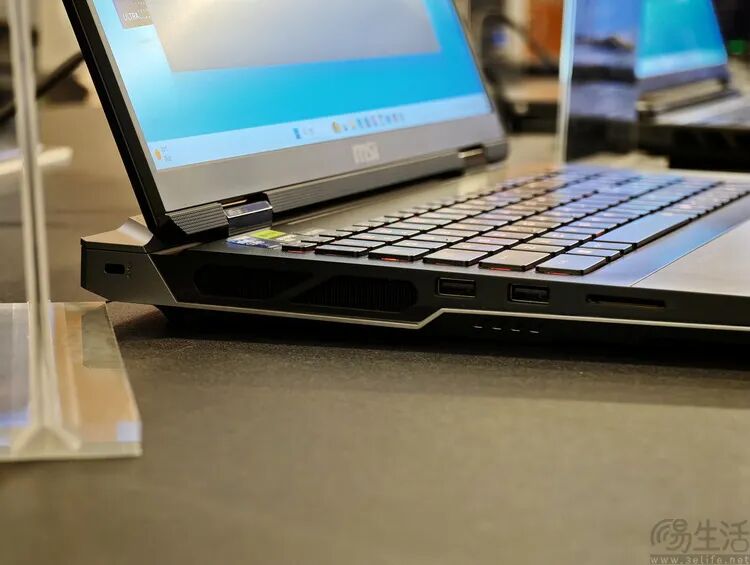
This idea is really puzzling. Although it is undeniable that the GPU hardware specifications of the N1X crush all current ARM PC competitors, based on various actual test results and data from engineering machines, limited by the relatively low core frequency, its actual graphics performance is only at the mid - to high - end level and far from reaching the high - end gaming hardware standard.
If it is forcibly installed in a thick and heavy high - performance gaming laptop, not to mention that the redundant cooling and power supply specifications of such models will cause a waste of hardware resources. Just from the perspective of the target audience, gaming laptop users are far more price - sensitive than users of high - end all - around laptops and thin and light workstations. This raises a question: Does NVIDIA plan to formulate a low - price distribution strategy for the N1X? Considering their long - standing high - priced pricing system for consumer - grade discrete graphics cards, this possibility is almost zero.
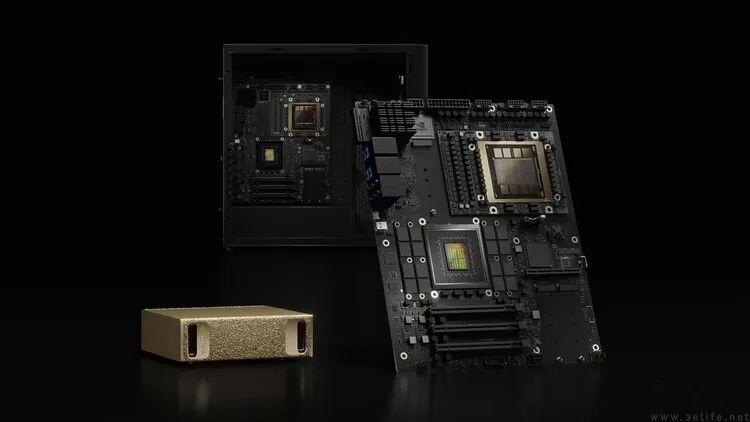
On the other hand, the N1X is derived from NVIDIA's "Personal Supercomputer" GB10 platform in terms of architecture design and is a derivative consumer - grade product of the latter. At the same time, it also has a homologous architecture with MediaTek's latest in - vehicle chip C1X for integrated cockpit and driving, and is a derivative product of the same platform. The three share the core technology and wafer production capacity system.
Thus, a very real industry problem arises: Chips produced from the same wafer production line can be supplied to three markets: AI developers, intelligent vehicles, and consumer - grade PCs. With the continuous soaring demand for AI computing power and in - vehicle chips, how much production capacity can NVIDIA reserve for PC game players?
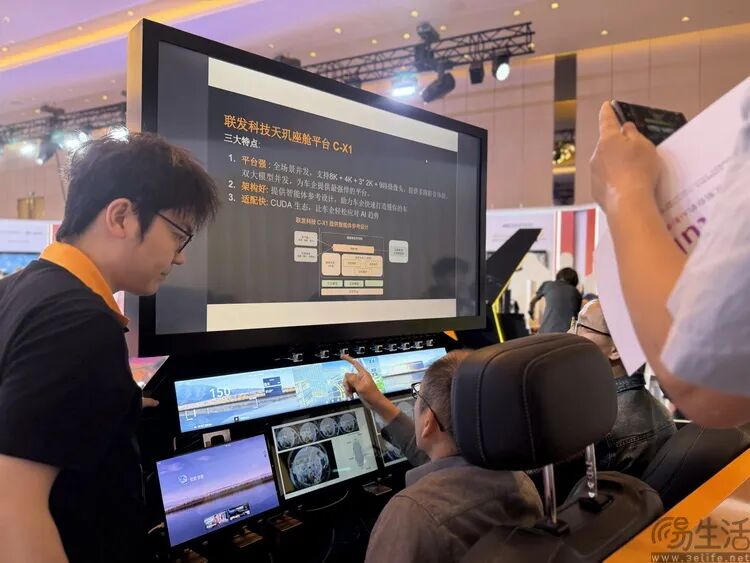
What's even more interesting is whether NVIDIA is still willing to limit the production capacity of the N1X to the single track of consumer - grade PC processors?
Of course, perhaps the current weak performance of the consumer - grade PC market is an important factor that has "prompted" NVIDIA to change from being "ambitious" at the beginning to seemingly "reluctant" now regarding the implementation of the N1X. But the problem is that for the consumer group of "gamers", "geek rich guys" are after all a minority, and "college boys with laptops" are the norm.
When consumers are hesitant about purchasing new machines, relevant manufacturers will naturally abandon those projects that "seem unprofitable". Although this is not romantic at all, after all, real money is the most primitive driving force for manufacturers' "innovation", and NVIDIA certainly understands this truth better.
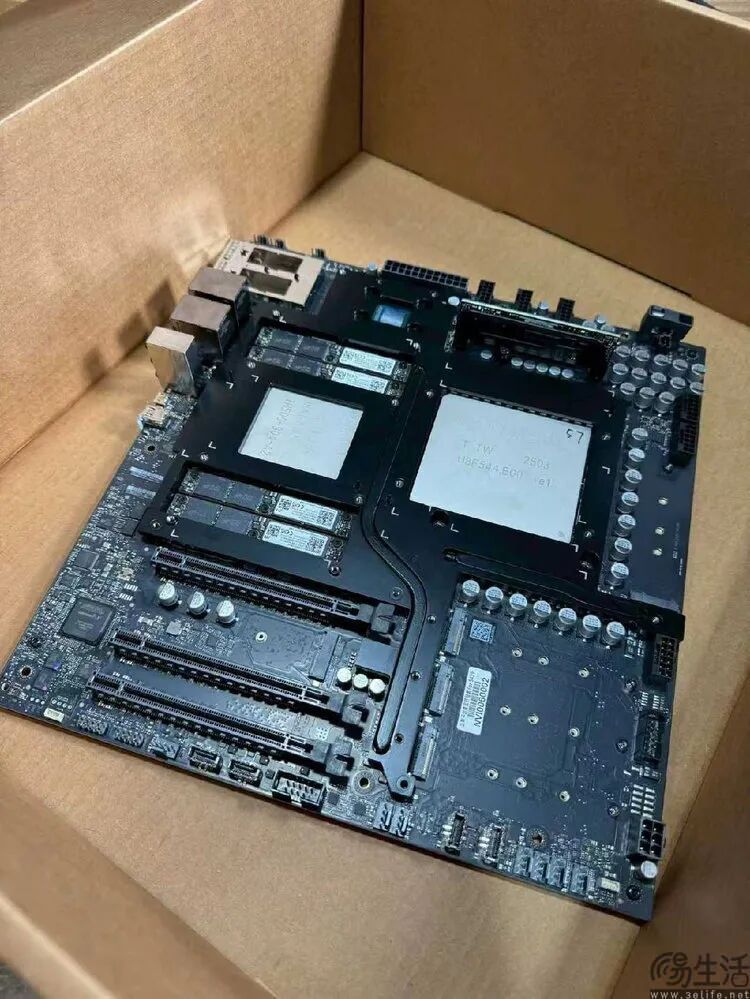
Just before the manuscript of this article was finalized, we unexpectedly obtained a spy photo, which shows a desktop motherboard equipped with NVIDIA's N1X. Moreover, this motherboard seemingly also comes with NVIDIA's 10 - Gigabit network card chip and provides replaceable four - channel LPDDR5X memory modules (SOCAMM2 interface specification), three M2 SSD slots, and three PCIE slots. Judging from the mature and regular cooling design of this motherboard, it is obviously a mass - produced motherboard clearly positioned for desktop workstations.
Therefore, we even have reason to suspect that NVIDIA has planned to deviate the positioning of the N1X from the "consumer - grade laptop" field and focus on multi - card desktop workstations with higher premiums. It has to be said that this indeed seems more reasonable than using the N1X to make "gaming laptops" and is more in line with their current strategy of prioritizing AI and productivity. It's just that if this is the "truth", it can only be said that PC game players have once again become the most affected group.
[The pictures in this article are from the Internet]
This article is from the WeChat official account "3eLife" (ID: IT - 3eLife) , written by 3eLife, and published by 36Kr with authorization.