The "5-yuan subscription for Wanbo on Hongguo" has caused an earthquake. Where is the future of webcomics headed?
Recently, the topic "#Five yuan for ten thousand views of short dramas" trended on social media. Some netizens shared screenshots from the backend of the AI comic drama company they work for, claiming that for 180 million views, the settlement was only 180,000 yuan; for 17 million views, they received a little over 30,000 yuan; and for 25 million views, it was 33,000 yuan. The revenue per ten thousand views dropped from 100 yuan last year to 10 yuan, and then to 5 - 10 yuan. Some also said that an AI comic drama studio that invested over one million yuan stopped updating its content to cut losses and laid off all its staff.
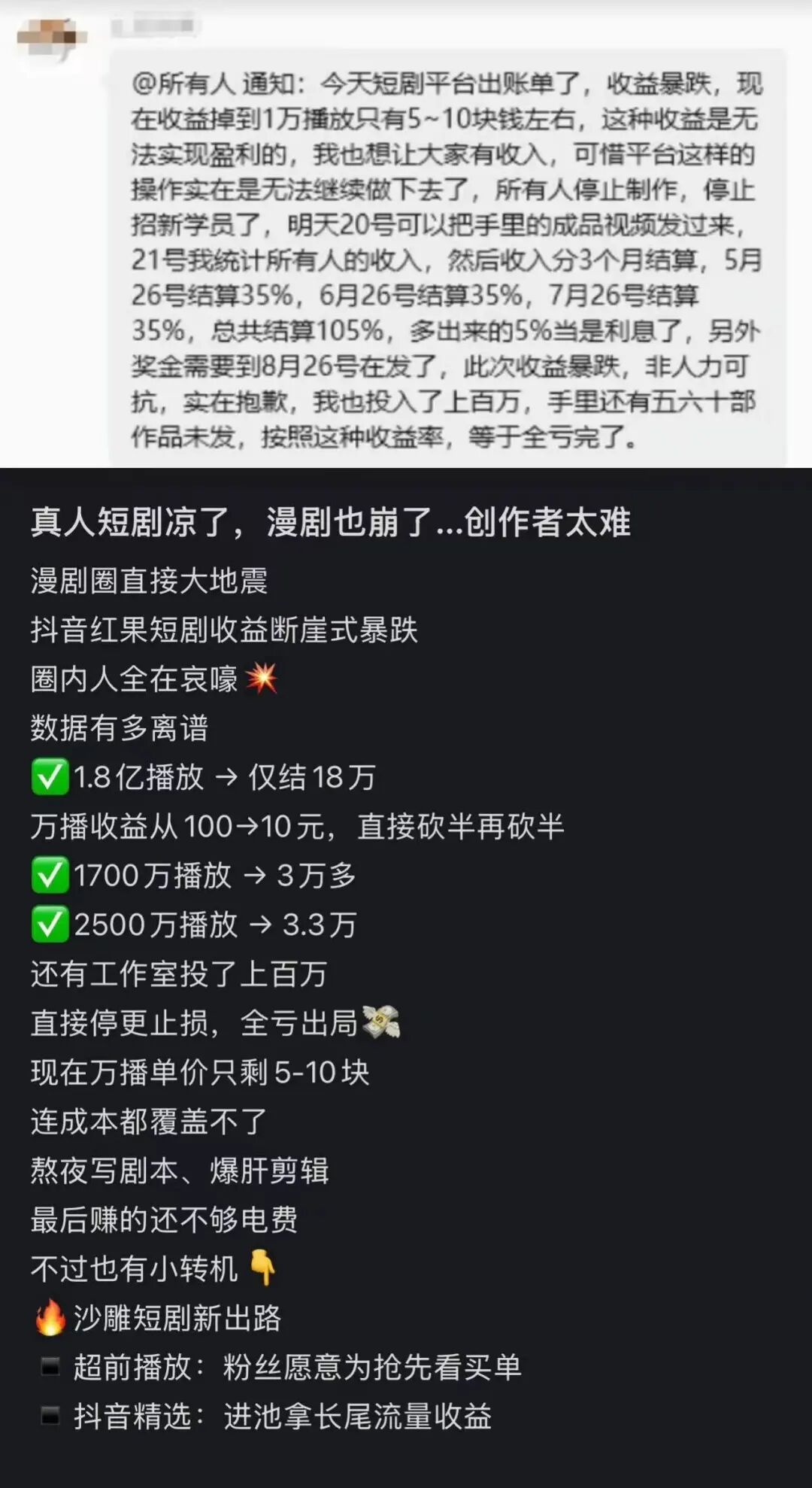
Following the tightening of the live - action short drama market, is the AI comic drama market also on the verge of collapse? People in the industry are all complaining.
Not long ago, Hongguo announced the cancellation of the guaranteed minimum payment for AI - simulated human scripts and changed to a 20% revenue - sharing cooperation model. Only a very small number of top screenwriters were still provided with basic guarantees. On the surface, this was a rule change for "AI comic dramas", but now it seems that this policy has quickly affected the entire comic drama industry chain.
Screenwriters found that even if their scripts passed the review, they might not receive a single cent in advance payment. Production companies calculated that even with tens of millions of views, they couldn't cover the costs. AI practitioners, who used to rely on mass - production to increase the volume, now find that the revenue per ten thousand views has dropped to single digits, and the economies of scale have instantly become ineffective.
Chen Chen, a short - drama screenwriter, told Guduo directly, "This is not a simple tightening of policies. The revenue per ten thousand views has dropped from three - digit numbers to single digits, and with the cancellation of the guaranteed minimum payment, the short - drama industry, which was originally supported by industrial efficiency, is undergoing the most thorough stress test."
From "at least no loss" to "possibly working for free"
Li Ming, a screenwriter, has been working full - time on short dramas since 2024. Recently, he was notified that he needed to sign a new contract for a project whose outline had already passed the review.
"Previously, it was a deal of guaranteed minimum payment plus revenue sharing, but now it's directly changed to pure revenue sharing. A 70,000 - word script takes at least over a month to write. According to the current price per ten thousand views, unless it becomes a hit, you can't even recover the time cost." Many screenwriters mentioned in private conversations that the platform's requirements for scripts are actually increasing. The number of episodes has expanded from 10 to 30, with a denser rhythm and more plot twists, but the guaranteed income for a single project has dropped to zero.
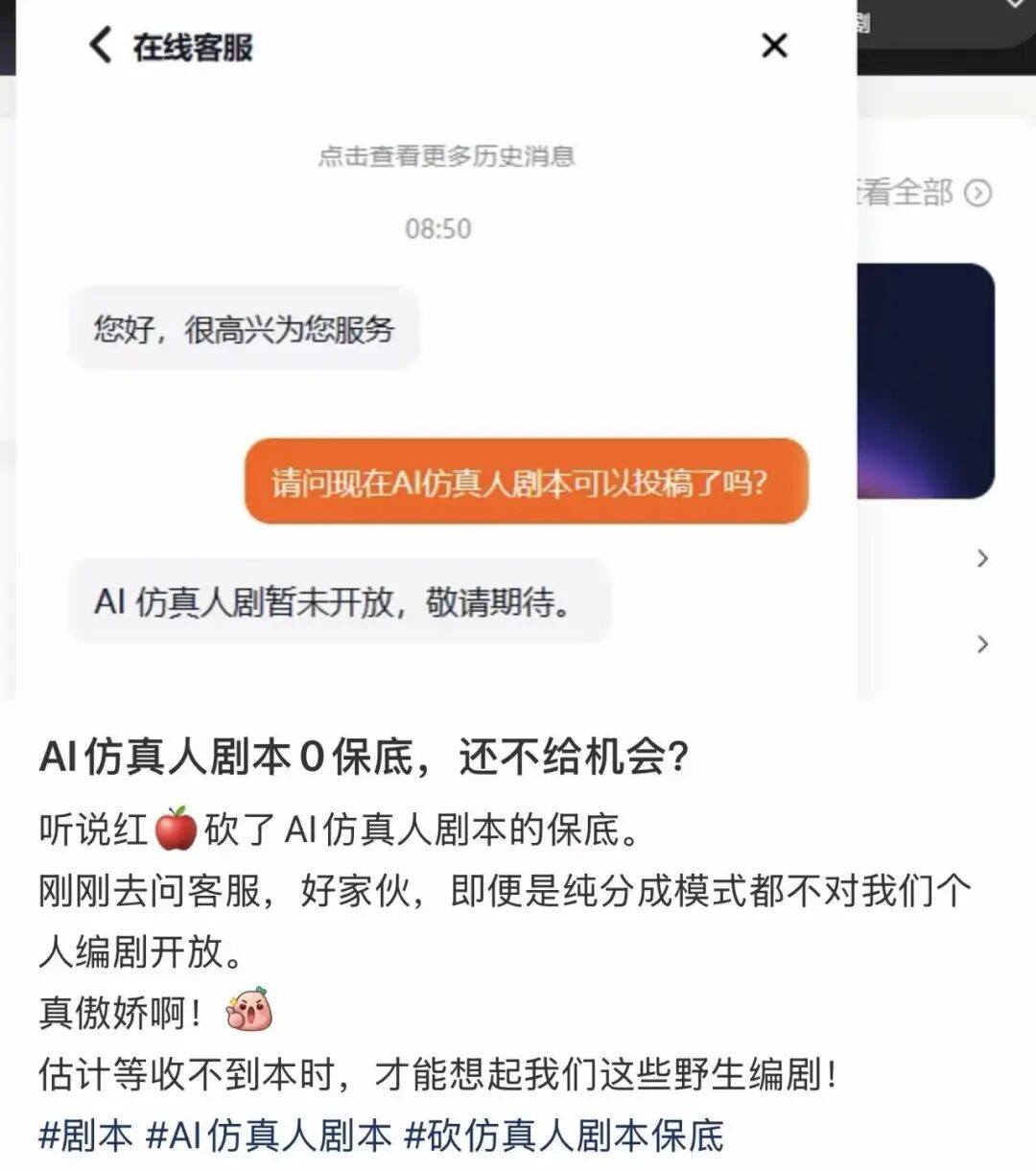
Zhou Qian, a screenwriter who has long contributed to the platform, has suspended all AI - simulated human projects. "When writing novels, at least you own the copyright. Now, short - drama scripts are more like one - time consumables, and there's no guarantee of income. Five yuan for ten thousand views. Calculate how many views you need to cover a month's work?" Some of her colleagues have either switched to writing customized live - action short - drama scripts or simply left the industry.
In Hongguo's old system, although the price per episode of AI - simulated human scripts was much lower than that of live - action short dramas, there was a basic guaranteed minimum payment. For a script of about 70,000 words, screenwriters could receive an advance payment ranging from tens of thousands to hundreds of thousands of yuan, and then share the revenue based on the playback effect. For many freelance screenwriters, this was a "safety cushion" that ensured at least no loss. Production companies were also willing to stockpile scripts and bet on themes because as long as the scripts passed the review, the upfront investment was guaranteed.
Now, this "safety cushion" has been removed. Under the platform's new rules, the guaranteed minimum payment for AI - simulated human scripts of small and medium - sized teams has been completely cancelled, and all have been converted to a 20% revenue - sharing model. At the same time, the revenue per ten thousand views has dropped from about 100 yuan at its peak last year to 10 yuan, and now most projects only have 5 - 10 yuan.
The combination of these two factors means that the basic income of a large number of screenwriters who have entered this field has been completely rewritten. If a drama doesn't reach tens of millions of views, the revenue sharing is almost negligible. Even if it reaches tens of millions of views, the income is only a few tens of thousands of yuan. After being distributed among scriptwriting, AI generation, post - production editing and other links, the income of each profession has dropped significantly.
In the past, when the guaranteed minimum payment mechanism existed, screenwriters could negotiate for a higher price based on factors such as their resume and theme judgment. Although the platform and production parties also emphasized "probabilistic revenue", they at least provided an upfront fee, allowing creators time to polish the text. In the pure revenue - sharing model, the platform is more inclined to "sign in batches", locking in multiple scripts at once to reduce the risk of a single project.
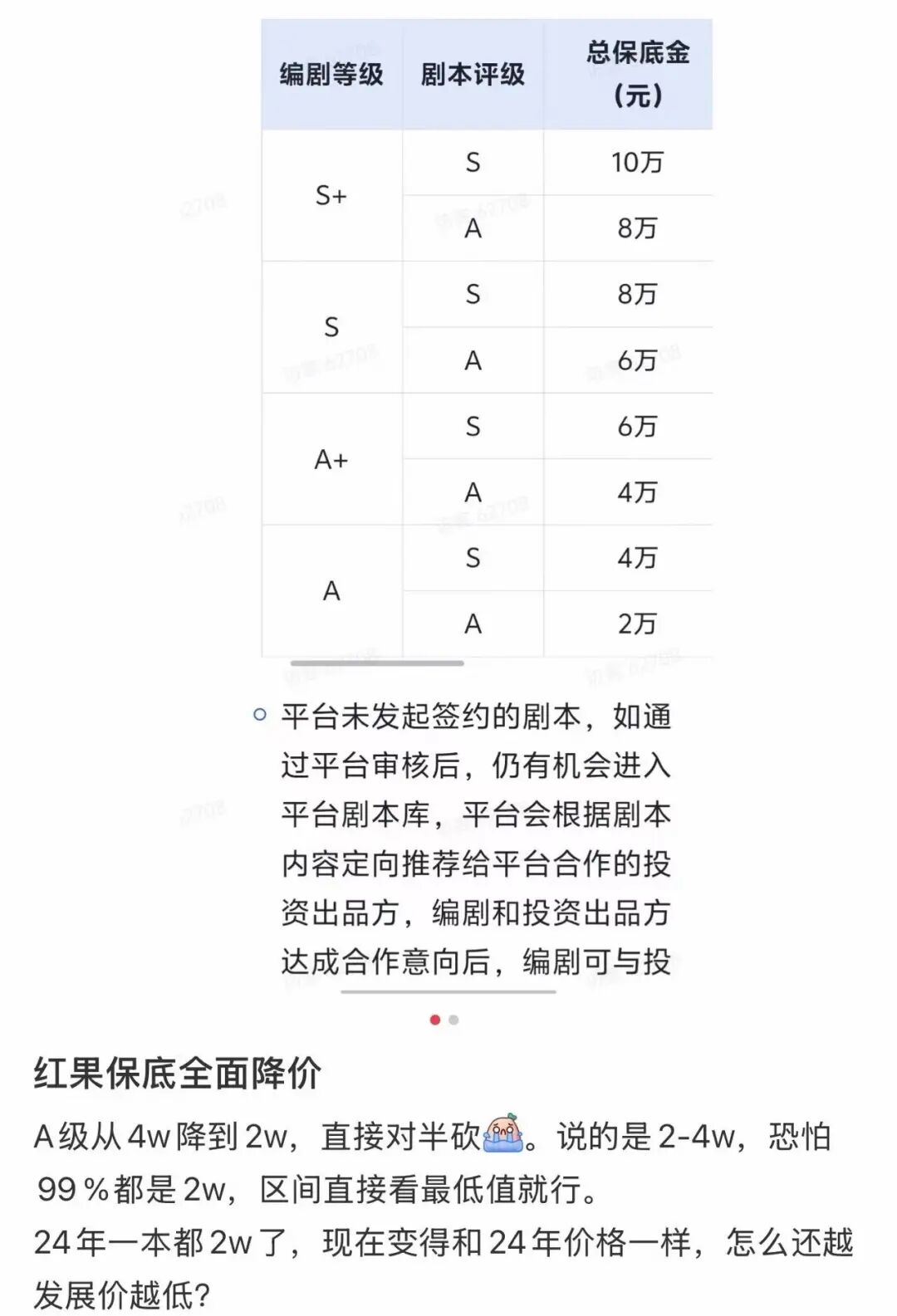
However, the cancellation of the guaranteed minimum payment is not a complete "one - size - fits - all". Some top screenwriters can still get customized projects and basic guarantees, but the threshold has been significantly raised. According to Guduo, the number of screenwriters who can get the guaranteed minimum payment is now more than half less than last year.
At the same time, the guaranteed minimum payment standard for live - action short dramas is also being adjusted back. Some production companies reported that the starting investment threshold for some projects has returned to the 2023 level, that is, starting from 20,000 yuan for a 30 - episode drama. Although it hasn't been completely cancelled, compared with the previous guaranteed minimum payment of hundreds of thousands of yuan, it has been significantly tightened.
Li Ming's situation is quite representative. He still has an AI comic drama project with a completed outline. If he continues, he needs to invest at least a month in writing, then wait for the platform's review, and see the traffic after it goes online. According to the current price per ten thousand views, this drama needs to reach 50 million views to get a revenue sharing of 25,000 yuan, and this is only the gross income, without deducting taxes and other platform fees.
In the short term, there are indeed obvious signs of contraction in the short - drama screenwriting industry. However, some industry insiders analyzed that this round of adjustment is weeding out low - quality and highly homogeneous content, that is, those "quick - money earners who are good at mass production" who flooded into the industry, leaving behind those with real execution ability and topic - selection ability.
From "joining the big party" to "staying for love only"
Around 2024, AI comic dramas were still in the so - called "verification period" according to the platform. Hongguo needed a large amount of content to fill its channels and used scale to educate users. The guaranteed minimum payment mechanism at that time played the role of "attracting people to join". The revenue per ten thousand views of an AI comic drama could reach about 100 yuan, plus the guaranteed upfront payment, the income was relatively considerable. This was like opening a big party full of financial temptations, and everyone who entered smelled the scent of quick money.
In 2026, the supply side exploded, and the industrial assembly line has been continuously producing comic drama products.
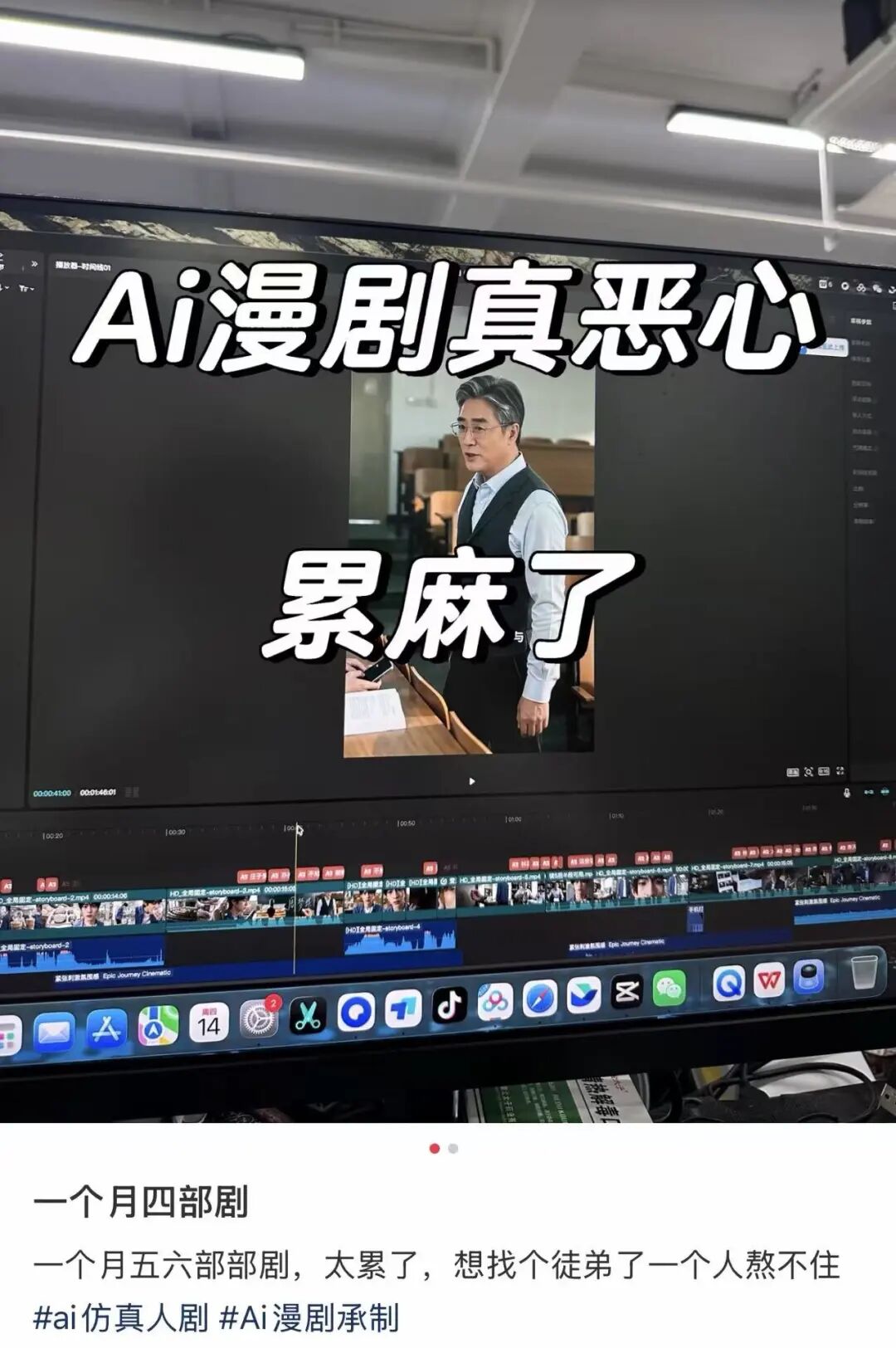
Chen Hang, an employee of an AI comic drama production company, said that the mature production assembly line in the industry can now launch a drama every week. "From the script to the finished product, the process is completely standardized. Models, materials, and storyboard templates can all be reused, and the cost has been pushed down to an extremely low level. The production cost of live - action short dramas can easily reach hundreds of thousands or even millions of yuan, while the cost of a single AI comic drama has dropped to the range of a few thousand to tens of thousands of yuan. Some small studios have further compressed the cost to two or three thousand yuan per drama through automated tools."
The explosion of the supply side means that the situation of oversupply has quickly emerged. At this time, the platform began to adjust its policies, and the income of those who joined the industry began to plummet.
In the past year, the price per ten thousand views on Hongguo has been declining. It first dropped to 50 yuan, then to 30 yuan, 20 yuan, and now the settlement for most projects is only 5 to 10 yuan per ten thousand views.
In this situation, production companies have to start calculating carefully and producing more precisely. Even if the cost of an AI comic drama is pushed down to the lowest level, it still requires script fees (if hiring a screenwriter), subscription fees for AI generation tools, and labor costs for rendering and post - production, adding up to at least three or five thousand yuan. Calculated at 5 yuan per ten thousand views, it needs one million views to recover the cost.
Currently, the average playback volume of AI comic dramas is mostly between hundreds of thousands and two or three million. This means that most projects cannot cover the costs and will be directly eliminated.
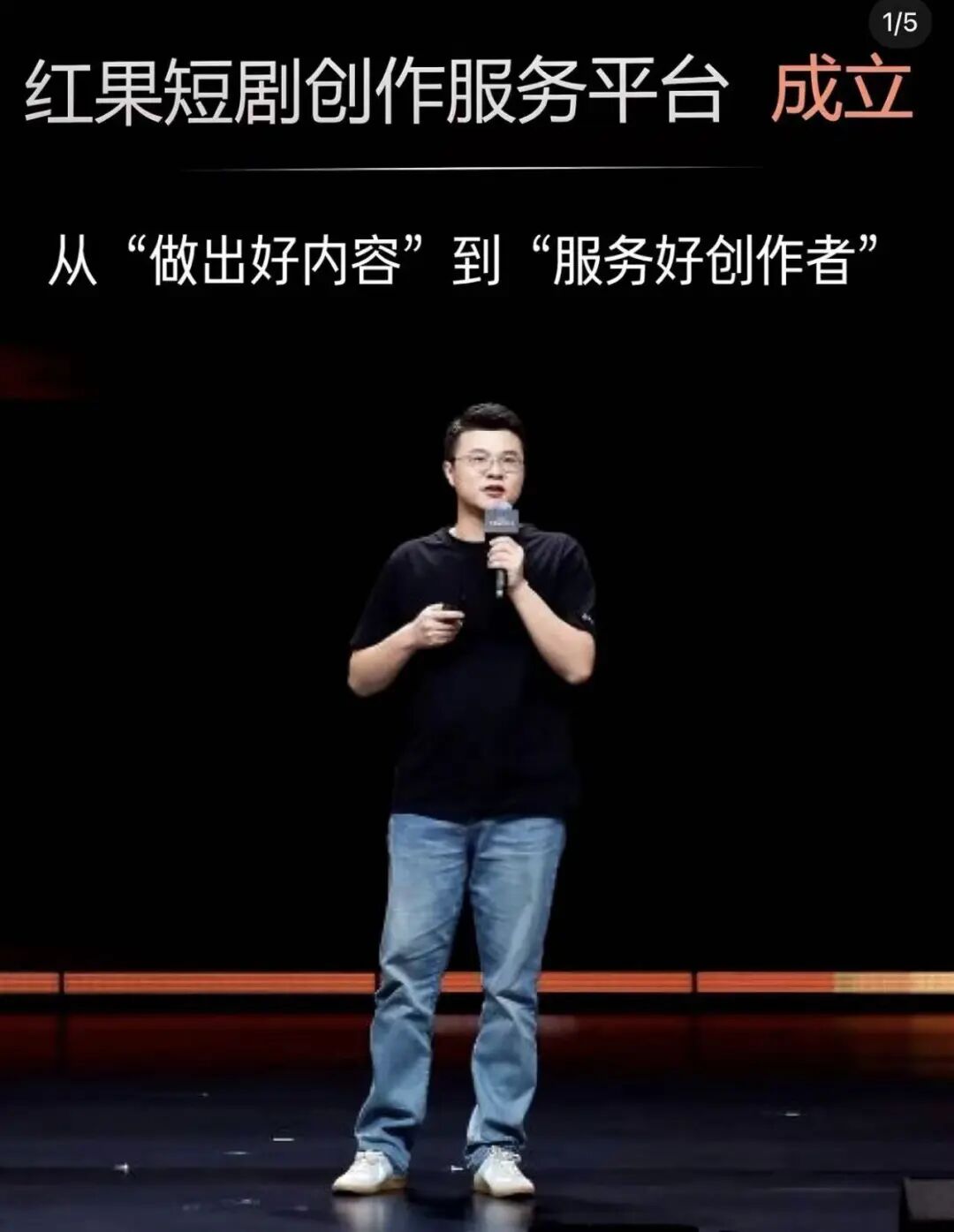
More importantly, Hongguo's own positioning is also changing. In recent cooperation communications, the platform emphasizes more on "distribution efficiency" and "the scale of the content pool", and has become more like a content trading market rather than a traditional producer. Successful works will continue to receive traffic, while unsuccessful ones will naturally sink. This is the lowest - cost option for the platform, but for creators, all the risks are on their own.
However, this doesn't mean that the platform has completely given up on "high - quality content". On the contrary, resources are being concentrated on a small number of key projects. The platform's customized dramas often use more advanced AI models, have a longer production cycle, and higher costs, but will provide a guaranteed minimum payment or a high - value upfront payment. As for ordinary AI comic dramas, they are completely left to be screened by traffic. In the pure revenue - sharing model, the latter actually has a higher survival probability.
This trend of "bad money driving out good money" makes many industry insiders feel conflicted. On the one hand, everyone hopes to improve the quality and create differentiated works; on the other hand, the current revenue structure forces everyone to reduce costs, shorten the cycle, and chase hot topics.
Chen Hang admitted that the biggest pressure in the company now is not to create good content, but to control costs. "In the past, we would spend time adjusting the characters' expressions and optimizing the dubbing. Now, as long as the pictures don't have continuity errors and the plot is understandable, we'll launch it. Because anyway, it's only five yuan per ten thousand views, and spending an extra cent is a waste."
Some stop updating to cut losses, while others are still holding on
When the guaranteed minimum payment mechanism withdraws and the revenue per ten thousand views drops to single digits, the "rapid volume increase - mass replication" path that the short - drama industry originally relied on is also losing its support.
In the past two years, the most typical growth logic in the Hongguo system was to attract a large number of screenwriters and production companies to join with a relatively low threshold, reduce the trial - and - error cost through the guaranteed minimum payment, and then rely on traffic distribution to select hit dramas. In this process, the number of participants was much larger than the number of successful works. But because of the basic guarantee, the industry as a whole remained highly active.
Zhao Kai, a producer who has participated in multiple AI short - drama projects, told Guduo, "Even if compressed to the extreme, it takes at least three people two weeks to launch an AI comic drama from project establishment to launch, plus software and rendering fees. According to the current price per ten thousand views, if the playback volume is less than two million, it's a net loss." Among the five new dramas launched by his company recently, only one exceeded two million views.
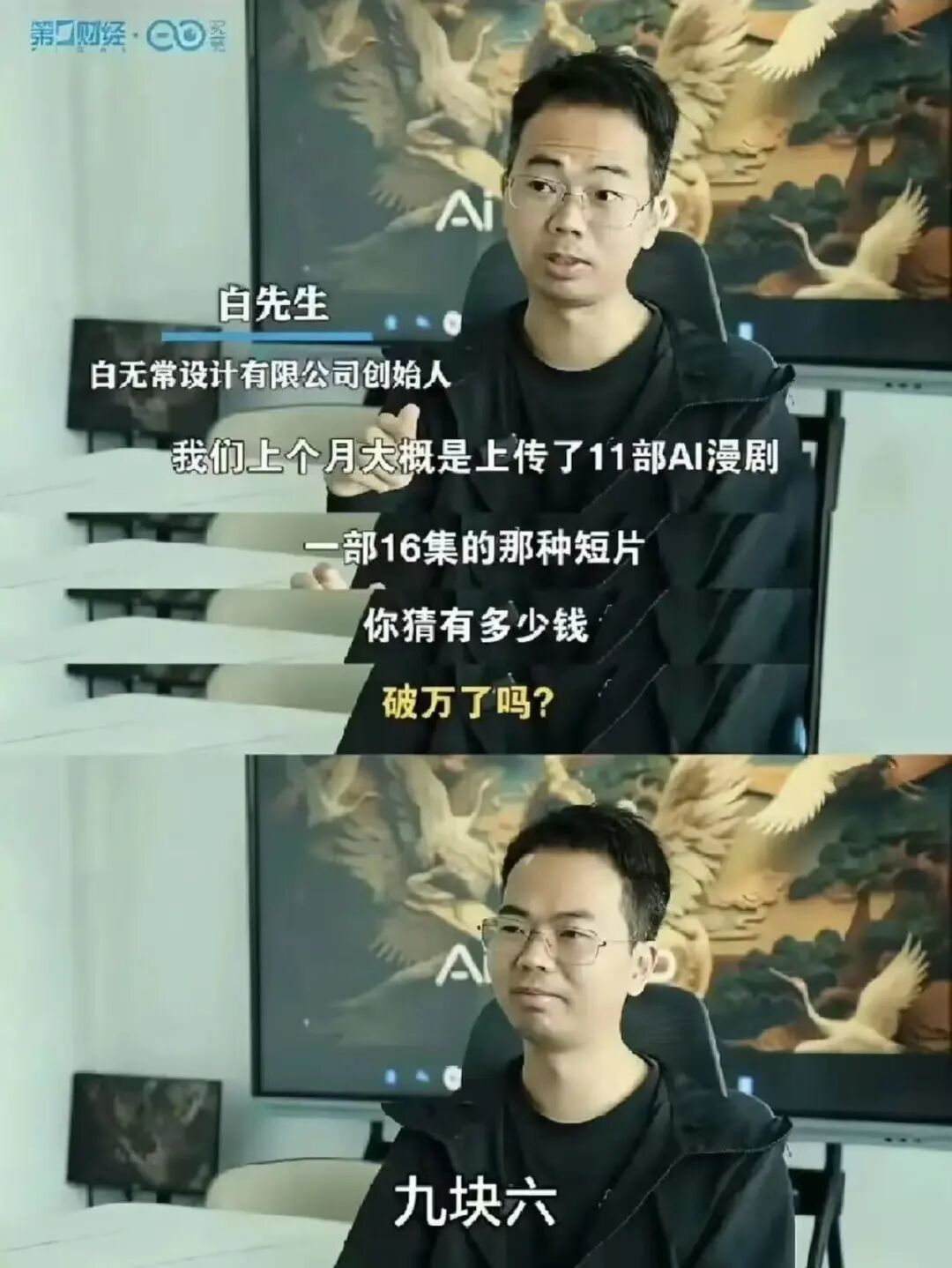
This cautious sentiment is spreading from the production end to the upstream. Some small and medium - sized teams are starting to lay off employees or directly transform. The transformation directions are roughly divided into two categories. One is to move towards more "certain" content. For example, continue to work on live - action short dramas or try to cooperate with long - video platforms. The other is to further embrace AI and push production efficiency to the extreme. Launch multiple works at the same time and use quantity to make up for the uncertainty of a single project.
Therefore, it's not difficult to find that in this industry reshuffle, the first to be eliminated are those teams that rely on a single project for profit. Such teams are often small in scale and short on funds, betting on whether a single drama can become a hit. In the era of guaranteed minimum payment, there was still basic income even if it didn't become a hit, but now with pure revenue sharing, if it doesn't become a hit, it means working for free.
Overall, Hongguo's cancellation of the guaranteed minimum payment for AI - simulated human scripts, combined with the plummeting revenue per ten thousand views, is a sign that the entire short - drama industry is entering the "high - quality content period" from the "expansion period". In the expansion period, the key was speed and scale, and the platform was willing to invest to attract people to join. In the adjustment period, the focus has shifted to efficiency and structure. The platform transfers the costs to the production end, and those who can create effective works in a shorter time and at a lower cost have a better chance of staying.
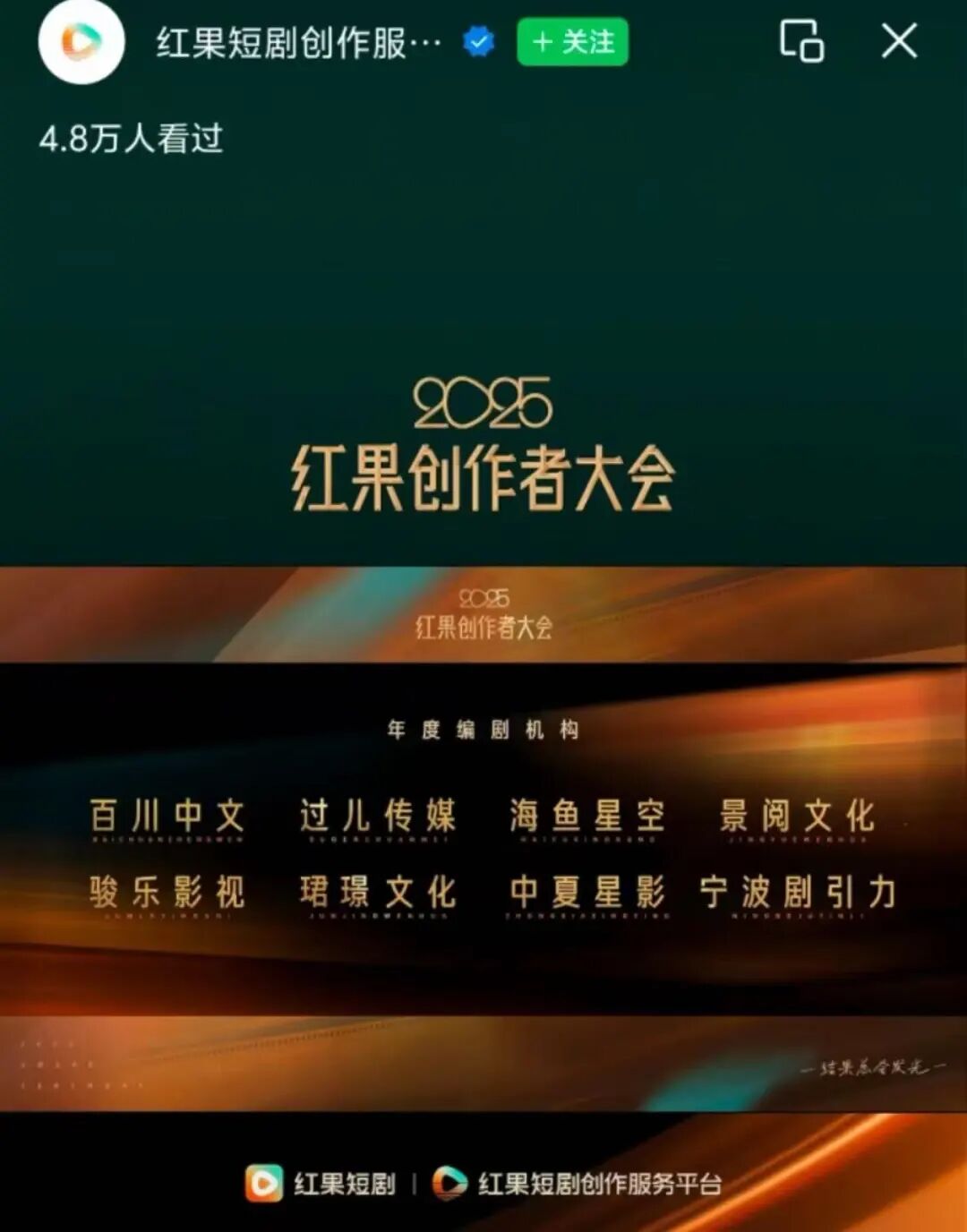
For those teams that have been classified as S/S+, the platform still welcomes them. For example, Lingman Kuaichuang, a leading company that has produced consecutive hit dramas, launched "Qiyun Delta" during this year's Spring Festival season, which exceeded 200 million views within 29 hours of its launch, and then launched "Aoshi Shenghuang" in May. The hit - rate of the team is relatively stable. There are also listed companies with IP resources, such as Baina Qiancheng, Bona,