After "sweeping" the global market, what else does the Chinese automotive industry lack?
"Look at this chassis and this suspension. They're quite different from the ones on that Zeekr just now."
In Beijing at the beginning of May, the wind was still a bit chilly, but inside the exhibition halls of the Beijing Auto Show, it was as hot as midsummer. A group of foreigners were scattered among the booths of various Chinese car brands. Some were taking pictures of the interiors, some were crouching down to look at the suspensions, and some were lying on the ground to find details of the battery-swap ports.
Nunes (a pseudonym), a dealer from Mozambique in Africa, was one of them. He's been in the car business in Africa for nearly a decade. Last year, he tried importing a batch of Chinese new energy vehicles, and they sold better than expected. "Li Auto, BYD, Chery, they're all on my list," he said.
Not far away, a group of Italian dealers were also present. Elena (a pseudonym), the leader, runs a car dealership in Milan, specializing in high-end imported cars. "I just finished looking at the Li Auto booth and then went over to the NIO booth to take a glance at their battery-swap station," she said.
From the streams of BYD cars on European streets to the showrooms of Chinese brands in Latin American cities, Chinese cars are galloping across the global market at an unprecedented speed. The latest data shows that in the first four months of this year, China exported 3.127 million vehicles, a year-on-year increase of 61.5%.
However, behind the impressive sales figures, some skeptical voices are emerging: the chassis rusting through in two years, lack of after-sales service, shortage of spare parts... The statements of some car bloggers in front of the camera are constantly magnifying the shortcomings in quality control and service of Chinese cars going global.
For Chinese car brands, a global test from "being able to sell" to "being long-term recognized" has already begun.
1
From "Selling" to "Being Recognized"
Chinese Cars Are Accelerating Their Global Expansion
"Now when I go out, I can see at least several BYD cars, and in 80% of the cases, they're being driven by locals. I'm also considering replacing my Nissan Leaf with a BYD," said Zhang Wen (a pseudonym), a Chinese person who has been living in Edinburgh, UK, to a reporter from NBD. Data from the Society of Motor Manufacturers and Traders shows that in March, the proportion of Chinese car brands in new car registrations in the UK soared from 7.4% in the same period last year to 15%.
German data also confirms the market change. In the first quarter of this year, BYD's registrations in Germany increased by 644% year-on-year. Aoki, a senior media person who has been living in Germany for a long time, told the reporter: "In 2019, the European side already felt that Chinese cars were starting to rise. After the Munich Auto Show in 2021, (Chinese car brands) suddenly emerged. They've moved from 'individual brands testing the waters' to 'multiple brands expanding in parallel' in Europe."
This expansion isn't solely driven by price. In Euro NCAP, the most stringent new car safety testing system in Europe, the number of Chinese brand models participating in the tests has significantly increased since around 2021. In the 2025 test batch, about 30 models from Chinese brand systems participated, and most of them received five-star ratings. Safety certification is becoming a key confirmation of Chinese cars' shift from "price advantage" to "recognition of technology, safety, and intelligence" in the global market.
Chinese car companies' local production layouts are also accelerating. In May this year, Leapmotor announced a deepened cooperation with Stellantis Group. The two sides plan to expand the production capacity of the Spanish factory, promote the local production of Leapmotor B10 in Europe, and at the same time, conduct joint procurement through the joint venture "Leapmotor International" to integrate the supply chain resources in China and Europe. BYD's production base in Camacari, Bahia, Brazil, has also been officially put into operation, and more than 50,000 vehicles have rolled off the production line at this factory so far.
The promotion of local production has directly boosted the market performance of Chinese car brands in the local area. For example, in April this year, BYD sold 15,000 vehicles in Brazil, and from January to April, the cumulative number of registered vehicles exceeded 56,000, a year-on-year increase of 86%.
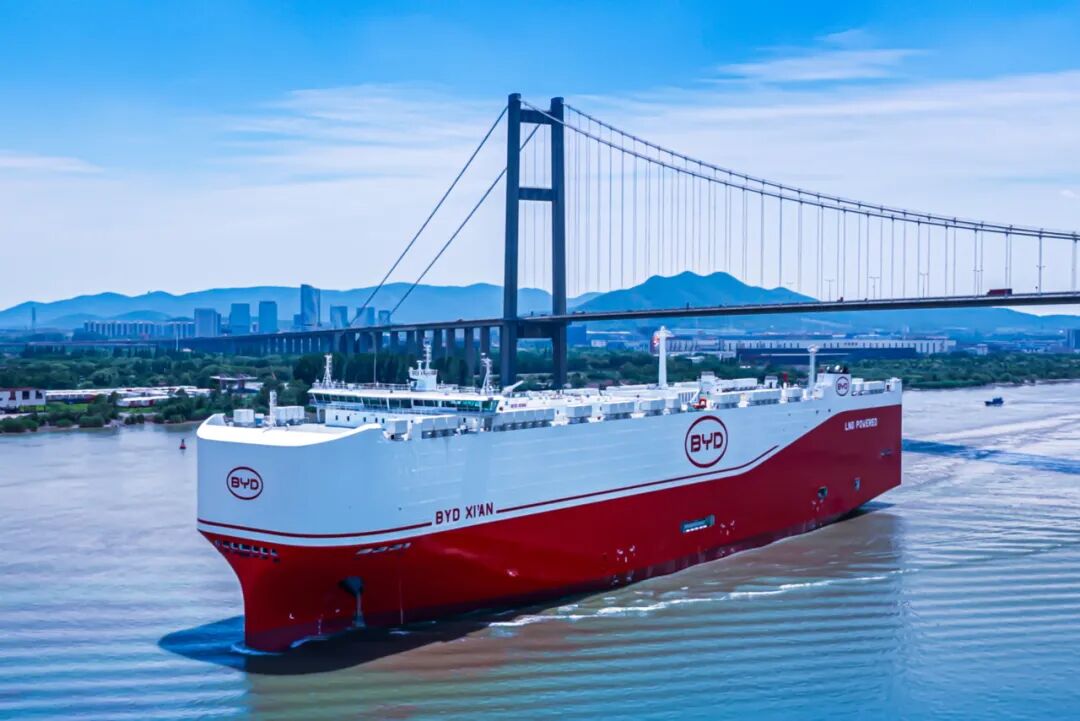
BYD car transport ship. Image source: BYD Auto official account
2
From Developed Countries to Emerging Markets
Overseas Reputation Shows a Clear Gap
Behind the prosperity, reputation evaluation follows closely.
Compared with the previous single impression of "Chinese cars = low-cost alternatives", the overseas reputation of Chinese cars now shows obvious regional differentiation. In developed markets such as Germany and the UK, the most obvious feature of Chinese brands currently is that their product strength is recognized, but the brand trust system still needs to be established.
Aoki told the reporter that young German users get to know Chinese cars through TikTok and think they are technologically advanced and leading in intelligence. However, the local mainstream purchasing power is mainly from middle-aged and elderly people, who have less contact with the Internet. And Chinese brands have insufficient exposure in traditional media, so this group of consumers prefers local brands.
In developed markets, "resale value" is directly linked to leasing finance, total cost of ownership, and used car residual value.
"In Europe and the United States, residual value is the primary factor considered in fleet procurement and personal contract purchase (PCP), and these two methods together account for the majority of new car sales. Affected by the uncertainty of the service network and the gap in spare parts data, compared with European and Japanese models of the same level, Chinese new energy vehicles currently have a 15% to 25% residual value discount, and this gap is entirely driven by ecosystem factors, not related to the product itself," said Carlos García, the vice president of the Solera Group and the head of the Global Automotive Center, who has long helped Chinese car companies with overseas maintenance information compliance, in an interview with the reporter.
Benedikt Schonlau, the founder and CEO of the German technology company Viable.works, also admitted in an interview with the reporter: "I really like the technological sense of Chinese cars, but in Germany, people keep a car for five or even ten years. Consumers regard cars as a long-term investment and care very much about long-term maintenance and used car residual value. However, Chinese new energy vehicles are updated on average every year, and this rhythm has a certain difference with the usage habits of German consumers."
Compared with the European market, which is still in the "brand establishment period", emerging markets such as Latin America are accepting Chinese cars at a significantly faster pace. Data from the National Institute of Statistics and Geography of Mexico shows that from January to April 2026, the proportion of Chinese-made cars in Mexico's sales reached 23%.
The Mexican market has long been dominated by traditional brands such as Volkswagen, General Motors, and Toyota. Models at the same price level mainly have basic configurations. Now Chinese car brands are bringing large-screen cockpits and intelligent car systems to the mainstream price range. At the same time, Chinese car companies are also starting to adapt to the local energy structure. For example, about 70% of light vehicle sales in Brazil still come from ethanol flexible fuel vehicles. So after BYD, Changan and other brands entered the Brazilian market, they simultaneously deployed models compatible with ethanol fuel to adapt to local consumption habits.
However, Wang Shen, the general manager of the Automotive Product Force Solution Division of J.D. Power China, pointed out that emerging markets also face adaptation challenges. "There are many uphill and downhill roads and poor road conditions in Mexico, which have very high requirements for the powertrain and noise control. However, Chinese cars perform poorly in these aspects, resulting in many user complaints."
In the Russian market, Chinese brands once quickly increased their sales relying on price advantages and market gaps. However, as the market scale expanded, the problem of insufficient product adaptation began to be exposed. Wang Shen gave an example: A large amount of snow-melting agent is used in winter in Russia and Nordic regions, which has extremely high requirements for vehicle chassis anti-corrosion. Some Chinese models were previously developed more based on the domestic environment, and they are prone to rusting problems after entering the local market.
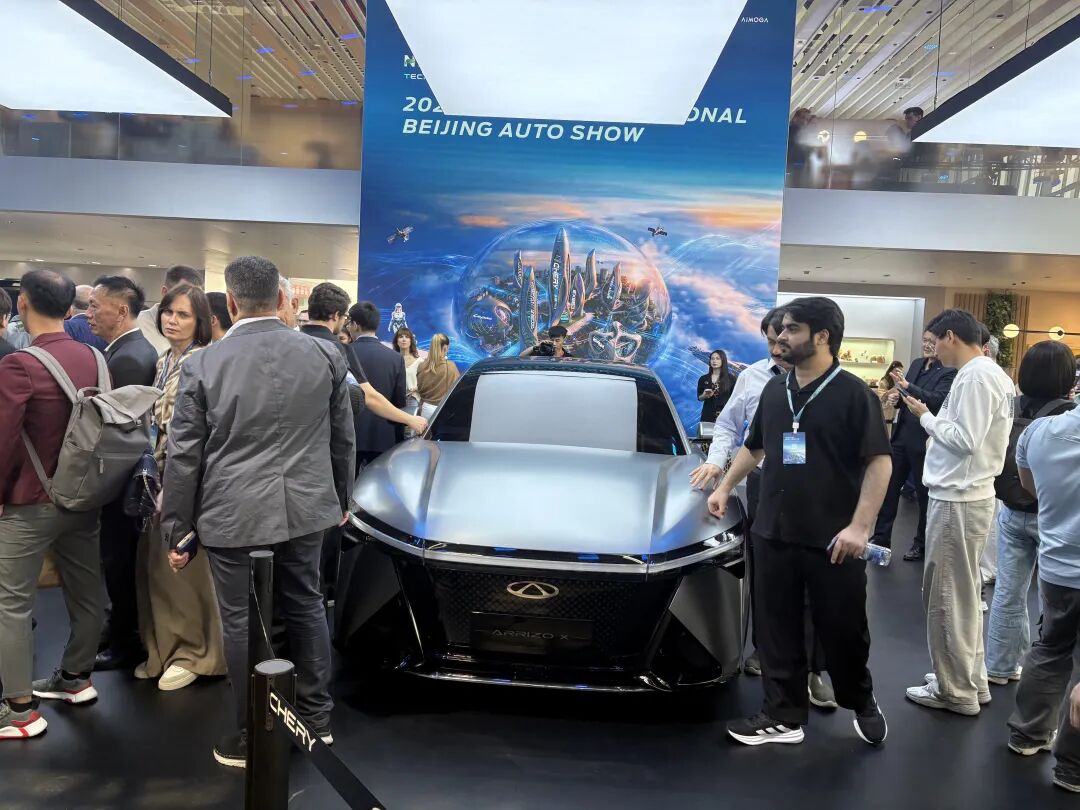
The 2026 Beijing Auto Show. Image source: Photo taken by NBD reporter Duan Siyao
3
Multiple Shortcomings Such as "Acclimatization" Restrict Brand Advancement
"The current overseas reputation of Chinese (car) brands can't match that of Toyota and Hyundai yet. This takes time. It's not just a problem of product strength but also restricted by many underlying factors," Wang Shen said in an interview with the reporter.
In his view, cultural differences are the primary factor restricting the improvement of reputation. Chinese car companies design vehicles based on domestic users' habits and experience paths, which easily leads to the situation that "the designs that work well in China seem difficult to use for foreign users".
In addition, brand recognition and resale value are also short boards that Chinese car brands urgently need to make up for overseas. "Overseas mainstream brands have clear brand cultures and propositions after years of accumulation. Chinese new energy vehicles have only truly developed for about a decade, and their brand accumulation is weak. This results in a relatively low ownership of Chinese brand cars and low general market recognition, making it impossible for the resale value to match that of traditional big brands in the short term. And 70% to 80% of the sales in the overseas market come from used cars, so the resale value is highly valued," Wang Shen told the reporter.
Regarding quality disputes such as chassis rusting, reduced battery range, and insufficient power, Wang Shen believes that the problem doesn't lie in manufacturing quality but in Chinese car companies' insufficient understanding of the overseas market and lack of scene adaptation. The climate differences in different regions bring about adaptation challenges. At the same time, different car-using habits in different countries further exacerbate the "acclimatization". For example, there is no speed limit on German highways, and vehicles often drive at speeds of 160 km/h to 180 km/h, causing the power consumption of Chinese electric vehicles to double and the battery range to shrink; users in Central America use cars near the sea and on the beach, which is beyond the normal design scope of domestic models.
Behind the "acclimatization" is the limitation of the development model. Currently, most Chinese car companies adopt the model of "Chinese development + overseas adaptation adjustment", while overseas mainstream car companies have long implemented the model of "the headquarters is based in the home country, and development needs are global-oriented". Wang Shen believes: "Chinese car companies must gradually shift from mainly focusing on Chinese development to being based in China and understanding the global users' needs. Only in this way can the design adaptation problem be solved at the root."
In this regard, Zheng Yun, a global senior partner at Roland Berger and the head of the automotive business in Asia, told the reporter: "Judging from the entire value chain, the core bottlenecks currently restricting the overseas reputation, in descending order of priority, are the short board in the local service system, insufficient regional product adaptation ability, and the need to strengthen the consistency of global quality control."
In his view, the service system is the most crucial factor determining the lower limit of reputation. Currently, many Chinese car brands rely on loose overseas dealers. Problems such as slow spare parts supply, inconsistent standards, and insufficient professional capabilities have become the main sources of user complaints; insufficient product adaptation has led to problems such as durability and anti-corrosion, intensifying regional reputation differentiation; inconsistent quality control standards and local cost reduction have buried long-term reputation risks.
The cost of a weak service system is not limited to the repair experience itself. Carlos García calculated an account: When spare parts data is missing, labor hour standards are unclear, and the cost of ADAS (Advanced Driver Assistance System) calibration is unknown, overseas insurance companies will generally impose an "uncertainty premium" on Chinese models, resulting in higher insurance premiums than those of European or Japanese cars of the same level. "In some markets, this premium is high enough to completely offset the advantage of the purchase price."
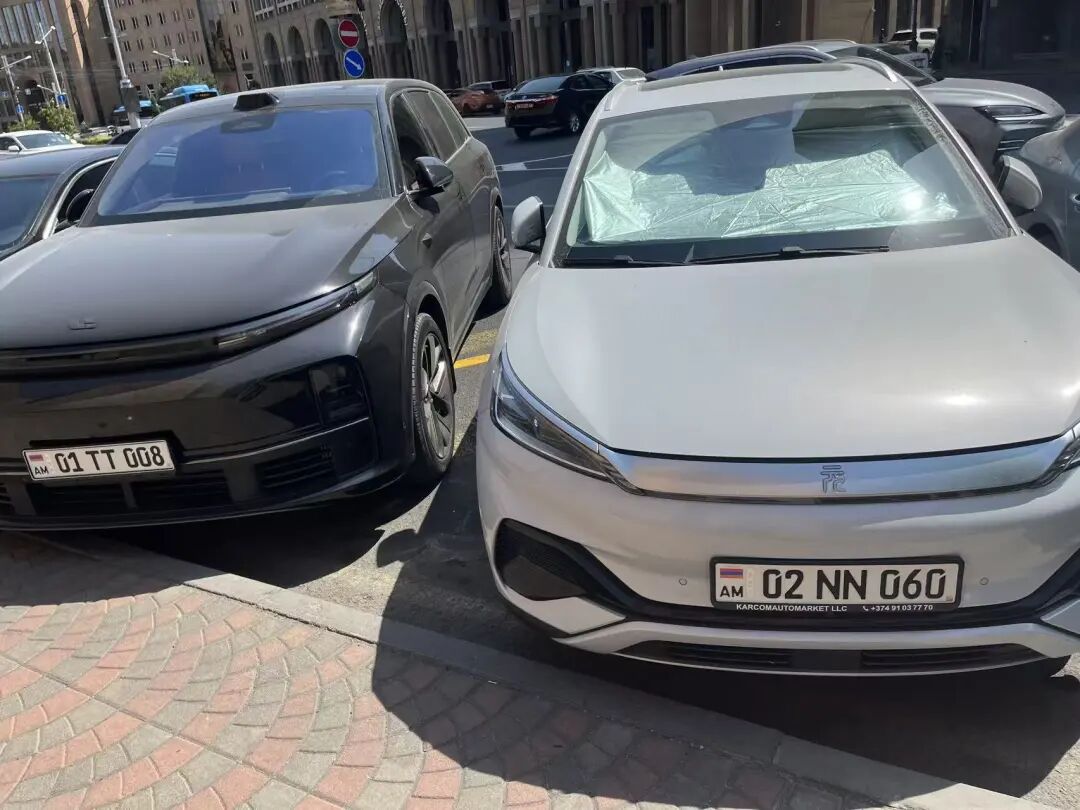
Chinese brand cars in Armenia. Image source: Photo taken by NBD reporter Huang Bowen
4
Making Up for Service Shortcomings Is the Key to High - Quality Global Expansion of Chinese Cars
Currently, Chinese car companies are at a crucial stage of shifting from cost - performance competition to technology and brand value competition. Improving reputation is crucial for Chinese car brands to gain a long - term foothold overseas, and it's also an urgent issue that all car companies need to solve.
"In recent years, Chinese cars have established a distinct image in the international market of being fast in new energy transformation and having cost - effective products. This is also the mainstream evaluation of the Chinese automotive industry in the current international capital market. However, there is still no consensus internationally on whether Chinese brands can compete with traditional luxury cars," Gui Shengyue, the CEO and executive director of Geely Automobile Holdings Limited, frankly told the reporter.
Yan Feng, the founder and CEO of Jishi Auto, also believes that there has been a fundamental change in Chinese car companies' entry into overseas markets. The core difference can be summarized as an upgrade from the cost - effective "Made in China" to value resonance and ecological empowerment of "Intelligently Made in China". This is not just about "going out", but also "going up" and "going in".
Regarding the value of intelligence, Zheng Yun's judgment is more rational: "Intelligence is the core differentiating barrier for Chinese brands' globalization. It can significantly support premium pricing and high - end positioning, but it can't replace the shortcoming in durability, and it can't independently build the underlying brand trust. Intelligence can make the brand progress faster, but solid quality and service systems determine how far the brand can go."
From a strategic consulting perspective, Zheng Yun put forward three key initial steps for car companies to improve their overseas reputation: First, standardize services and enhance hard capabilities in core markets, establish regional spare parts hubs, and set up a local service certification system to quickly reduce service - related complaints; second, equalize the global quality baseline and strengthen regional adaptation, unify quality control standards at home and abroad, upgrade the entire product line in terms of anti - corrosion, durability, and reliability under extreme conditions to solve core quality - related complaints at the source; third, build a reputation system in benchmark markets, focus on 2 to 3 core markets to create quality and service models, and transform from a cost - performance - oriented to a value - and - quality - oriented approach.
Looking ahead to the next 3 to 5 years, Zheng Yun optimistically believes: "Chinese brands are fully capable of catching up with German and Japanese mainstream brands in terms of quality and reputation in the global mainstream markets, and will form leading advantages in some areas; achieving a comprehensive high - end brand image will require a longer period of development."
This article is from the WeChat official account "NBD Headlines". Author: Liu Xi, Sun Tongtong. Editor: Yi Qijiang. Republished by 36Kr with permission.