A sharing session by a top Chinese scientist for global geeks in muShanghai | Bonus on-site notes
36Kr's "Workplace Bonus" (ID: ZhiChangHongLi)
Text ╱ Chen Tong
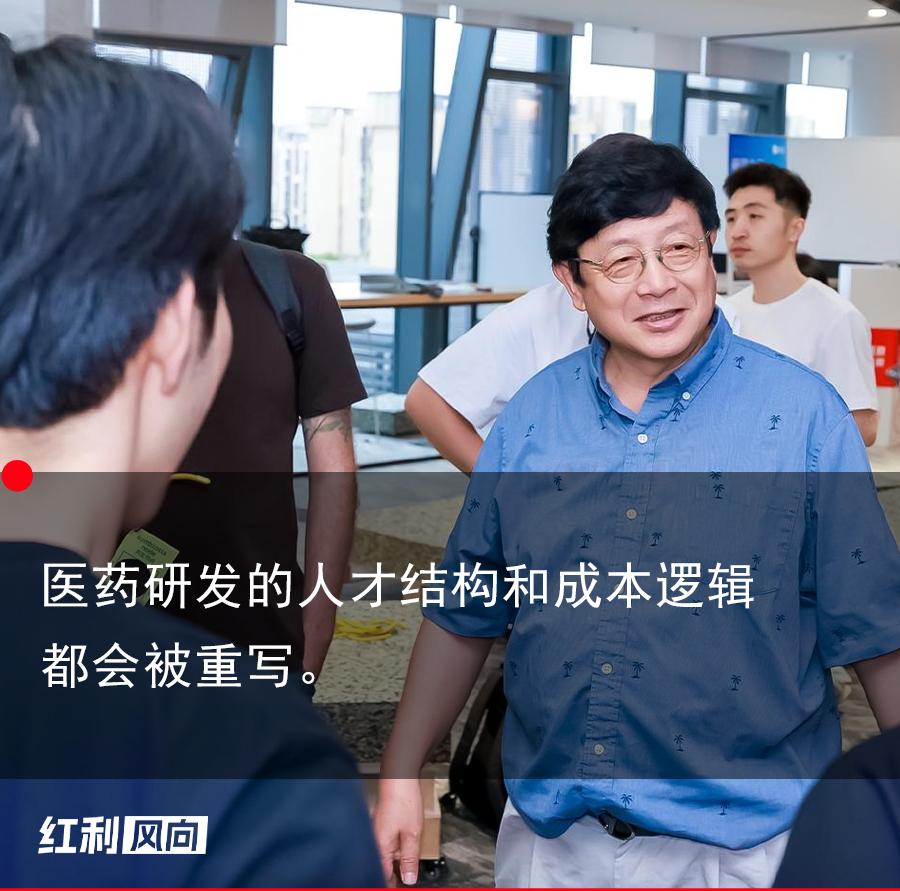
On the afternoon of May 21st, at the muShanghai event site in Shanghai. Due to traffic jams, I only caught the second half of Professor Xu Tian's sharing, but the information density was already quite high. This former vice - president of Westlake University and founder of "Drug Farm" strung together information theory, brain - like chips, AI - based drug development, digitalization of traditional Chinese medicine, gene research, and longevity science in one afternoon.
[Shennong Alpha: Traditional Chinese Medicine Finally Gets an AI ID]
Let's first talk about what has been implemented.
In April this year, Xu Tian's team published the Shennong Alpha platform (shennongalpha.westlake.edu.cn) in Cell Discovery. This is the world's first AI - driven knowledge sharing system for traditional Chinese medicine/natural medicinal materials. The platform has included 14,593 natural medicinal materials from the "Chinese Pharmacopoeia", 100 million pieces of medicinal material information, 1 million prescriptions, 20,000 molecules, 10,000 targets, and 3,000 disease associations.
The core issue it solves is the chaotic naming of traditional Chinese medicine. For example, "qinghao" may refer to six different plants, and Artemisia annua, the one that truly contains artemisinin, is just one of them.
Shennong Alpha assigns a six - element ID to each medicinal material: species origin, medicinal part, special description, processing method, common name, and code. It also supports AI dialogue retrieval and standardized Chinese - English translation.
[Drug Farm: A Batch of AI - Designed Drugs Have Entered Phase III Clinical Trials]
"Drug Farm", founded by Xu Tian, was established in 2015 and completed a $56 million financing in 2021.
Regarding the latest pipeline progress, Xu Tian revealed at the scene that the drugs designed by the company using AI have entered Phase III clinical trials. If the trials are completed and approved this year, it may become the world's first approved AI - designed drug.
A regulatory signal is that the FDA's attitude towards the effectiveness prediction of drugs by AI is loosening. "I communicated with the FDA, and they said they don't understand AI, but they accept data. Traditional drug development costs an average of $2.6 billion and takes 15 years, with a success rate of 12%. The AI path can significantly reduce the cost and cycle."
[LLLM: Treating Genes as Words]
Xu Tian proposed a conceptual framework called LLLM (Large Life Language Model): Genes are words, cell activities are sentences, different organs are articles, and all together they form the "Book of Life". Let AI learn the "Book of Life" of normal people and patients, and then learn how drugs perturb gene activities, and finally predict what drugs can treat what diseases.
He mentioned that the team developed the "Deep Adapter" method to solve the standardization problem of gene activity data. The data measured for the same specimen in different laboratories at different times are often incomparable, which has been a bottleneck in the industry for 40 years. Through this method, the team has accumulated 30 million pieces of standardized data.
This concept is very appealing, but its implementation level is unknown. We think it is more like a research paradigm being built rather than a commercially available large - scale model.
[Brain - Like Chips: Learning Energy - Saving from the Brain]
Professor Xu spent a considerable amount of time talking about chips. When training an AI model, 80% of the energy and money are spent on CPUs/GPUs, but the brain has evolved for millions of years to become so energy - efficient. Currently, his team is decoding the brain's energy - saving strategy and designing the next - generation brain - like chips, which will be "put into production next year" (the schedule sounds a bit aggressive). He claims that the energy efficiency will far exceed that of GPUs.
[Genius Genes and "Smart Drugs": The Most Vivid Episode]
What can "genius genes" bring to humanity?
Xu Tian's team has collected the DNA of more than 500 top Chinese mathematicians and compared them with an equal number of artists as a control group. They are decoding the genetic differences in mathematical talent and screening drugs that may enhance mathematical ability.
So, will this become a "smart drug" that everyone wants to take in the future, just like sports stimulants? Professor Xu Tian believes that this technology will first be a medical means to help children with developmental delays in the future. As for the problem of abuse, it needs to be jointly faced by scientists, entrepreneurs, and regulatory agencies.
[Debate with Kevin Kelly: Will AI End Humanity?]
Finally, he entered the future speculation. The combination of AI and biomedicine is expected to extend human lifespan by 40 to 50 years, and ultimately achieve the transfer of consciousness from carbon - based to silicon - based. "This generation can live forever." Within ten years, 50% of professors will be replaced by AI. He suggests that entrepreneurs turn to the service industry that "makes people happy".
He showed a photo of a conversation with Kevin Kelly (KK) in Lijiang in 2018. At that time, KK said, "Educate AI like you educate children, and they won't harm humans." Xu Tian retorted, "Life is not educated. We cherish life, so we respect the lives of others. If robots have no concept of life, how can they respect us?"
Currently, Xu Tian's laboratory is researching "the neural basis of consciousness", which he believes is "a topic that only the bravest students dare to work on".
After listening to the whole sharing, the most obvious signal worth tracking is "the regulatory breakthrough in AI - based drug development". If the clinical path of AI - based drug development is fully recognized by the FDA, the talent structure and cost logic of pharmaceutical R & D will be rewritten. This change may come faster and be more practical than "consciousness uploading".
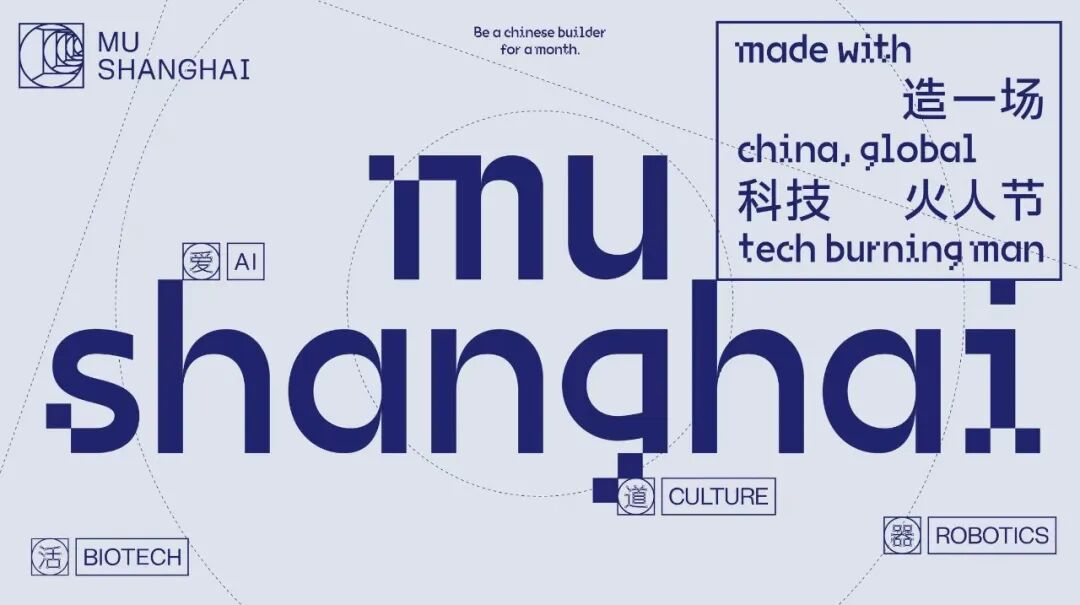
"Workplace Bonus" will continue to conduct on - site observations at muShanghai in the next two weeks. This event, known as the "International Science and Technology Burning Man Festival", is initiated by the international open - source community The Mu and co - hosted by Hongqiao Alibaba Center. It lasts for 28 days from May 10th to June 6th, bringing together developers, researchers, and entrepreneurial geeks from 50 countries around the world (the atmosphere is wild, not like a formal industry summit).
Currently, it is the second week of the four major theme weeks - AI, biotechnology, robotics, and culture. We will continue to record first - hand information and judgments for readers in this convenient way. If you are also in Shanghai and happen to be interested in AI and hard technology, welcome to meet in person ;-)
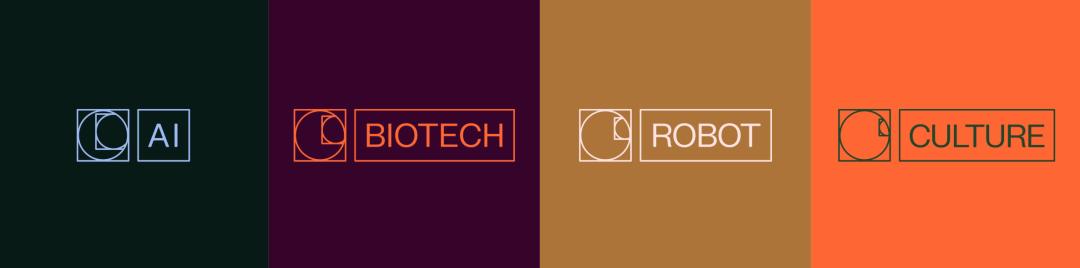
The four major theme weeks of muShanghai
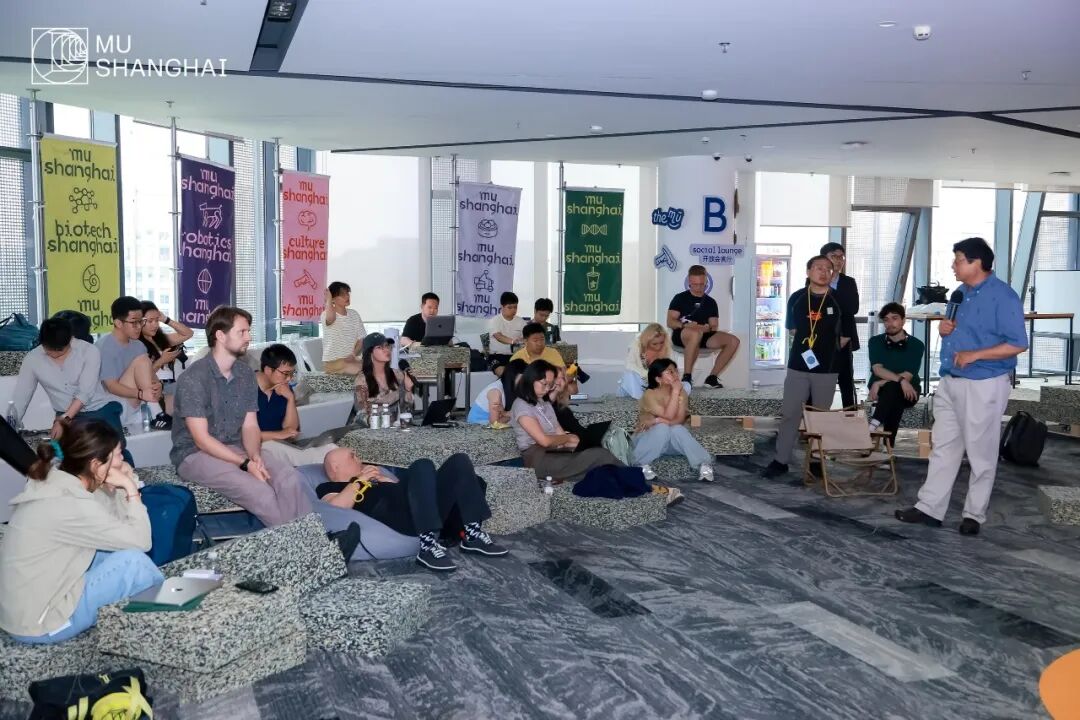
The sharing site of Professor Xu Tian
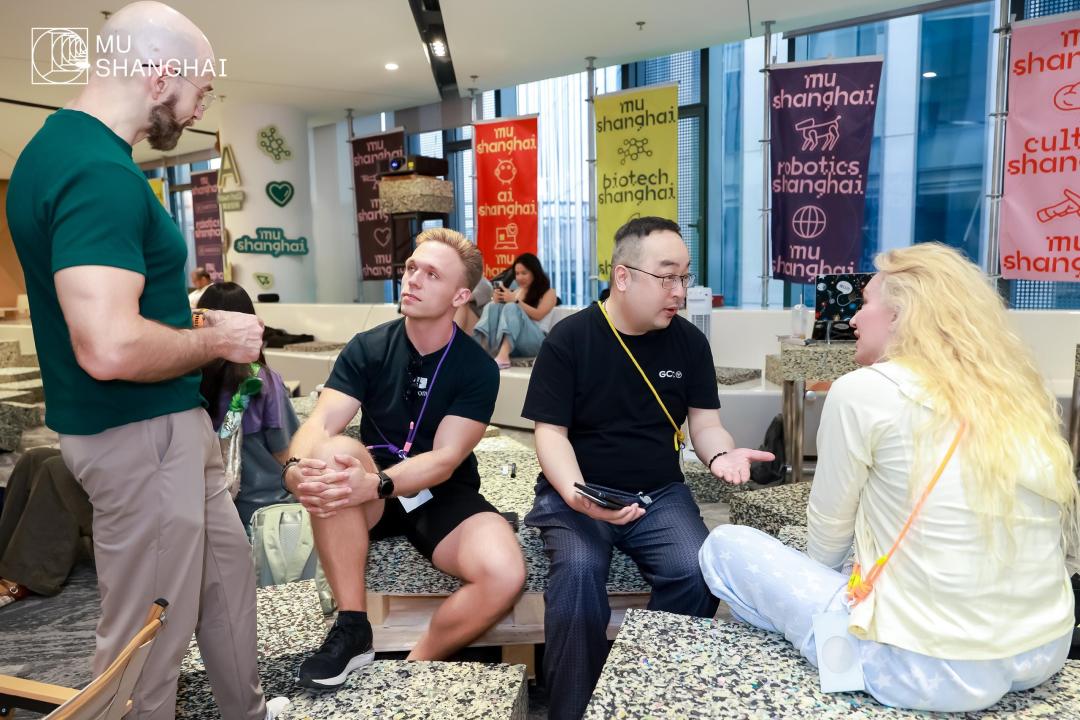
muShanghai brings together geeks from around the world
For more on - site notes, visit "Workplace Bonus" (ID: ZhiChangHongLi). Focus on youth growth and track workplace trends.
This article is from the WeChat official account "Workplace Bonus", author: Chen Tong, published by 36Kr with authorization.