No showy skills, focus on implementation: A group of robot companies are rising in Tianjin for IPO.
When it comes to Tianjin, what comes to your mind first? Is it the comical punchline in the teahouse like "Who cares about money? Just have fun", the steaming Jianbing Guozi on the street corner in the morning with crispy Guo Bi, fragrant eggs and rich sauces, or the century-old foreign-style buildings along the Haihe River reflecting the setting sun while the ferry horn breaks the tranquility?
Tianjin is a city that speaks through practical actions. The humor in cross-talk, the hustle and bustle of the streets, and the romance along the river are its outward manifestations. Deep down, it has the steadiness and practicality accumulated from a century of industrial development. The first bicycle, the first watch, and the first television in China since 1949 were all born in Tianjin.
When people get closer to Tianjin today, they will also discover another surging force beneath the calm surface:
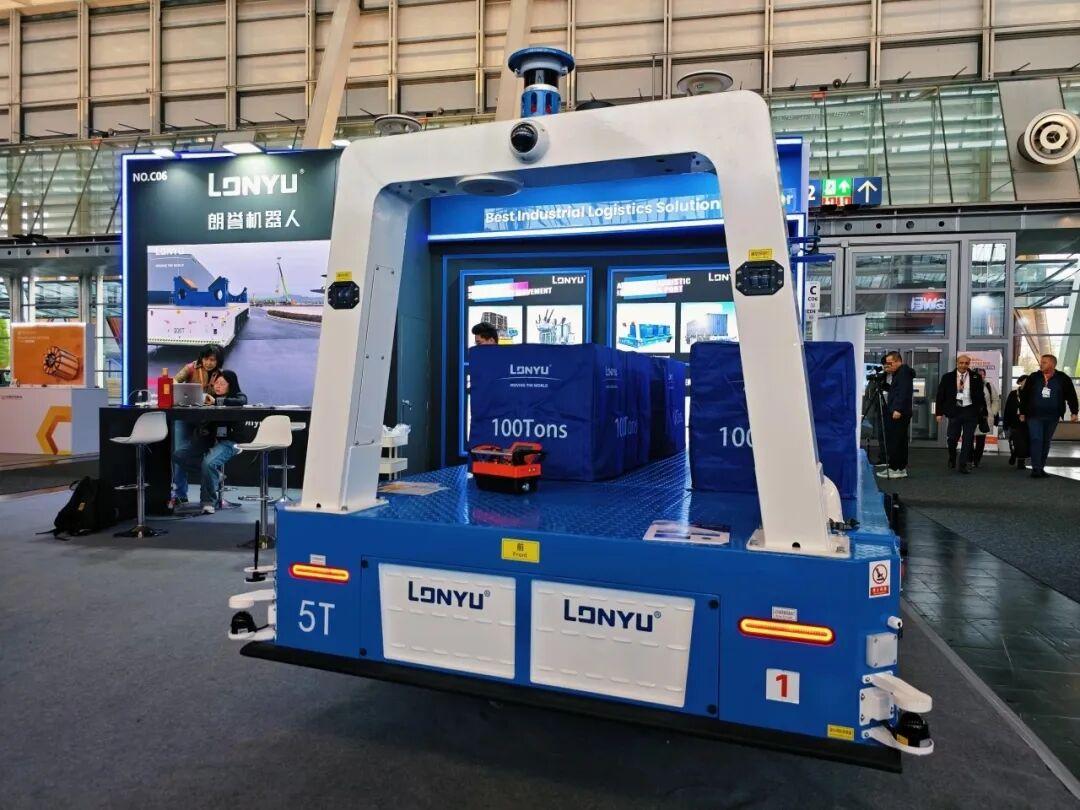
DeepBlue's underwater gliders cruise in the 7,000-meter deep sea, safeguarding the country's independent and controllable marine data security; Atomrobot's "high-speed workhorses" can grab hundreds of times per minute, significantly improving the production line efficiency; Langyu's heavy-duty AGVs (Automated Guided Vehicles) can lift 600 tons of heavy national equipment, realizing unmanned logistics in high-end manufacturing fields such as aerospace and nuclear industry...
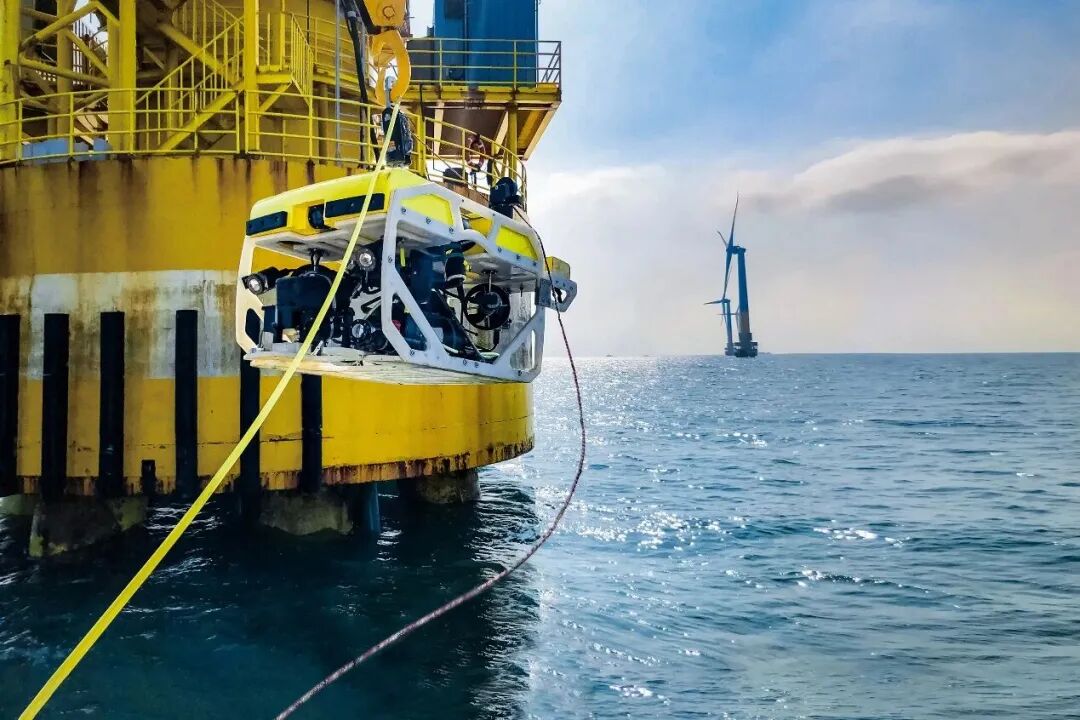
Now, a "Tianjin Robot Legion" composed of hardcore enterprises such as DeepBlue, Atomrobot, and Wangyuan Technology is collectively sprinting for IPO. This is not only a development milestone for several companies but also a critical point for the systematic release of Tianjin's century-old industrial accumulation and hard technology strength.
Sixty or seventy years ago, a batch of "Tianjin-made" products such as Flying Pigeon bicycles, Seagull watches, and Beijing-brand televisions were well-known across the country, marking the glorious starting point of the national industry. Now, robots and intelligent equipment are leading the wave of new productive forces. Tianjin, this century-old industrial town, still stands at the forefront of Made in China with generations of hardcore achievements.
From single-point breakthrough to IPO phalanx: The "Tianjin Robot Legion" can no longer stay low-key
According to the 15th Five-Year Plan, in the next five years, the country will focus on building six emerging pillar industries, including intelligent robots, integrated circuits, aerospace, biomedicine, low-altitude economy, and new energy storage.
Initial estimates show that the relevant output value of these six industries was close to 6 trillion yuan in 2025, and it is expected to double or more by 2030, expanding to over 10 trillion yuan.
Driven by both policy support and market demand, a group of robot enterprises are accelerating their rise and rushing towards the capital market. Among them, the "Tianjin Robot Legion" from the coast of the Bohai Sea is a hardcore force.
On January 28, 2026, Atomrobot officially submitted its prospectus to the Hong Kong Stock Exchange, aiming to become the "first share of parallel robots". Since 2023, the company has surpassed foreign brands and ranked first in the domestic market share of all parallel robots for two consecutive years.
Currently, Atomrobot has formed four product series: high-speed parallel robots, SCARA robots, collaborative palletizing robots, and heavy-duty collaborative robots. Its high-speed robots have long become indispensable "workhorses" on the light industrial production lines of food, medicine, etc. In 2025, Atomrobot launched Tianjin's first humanoid robot, "Tianbing No. 1", indicating its determination to explore cutting-edge technologies.
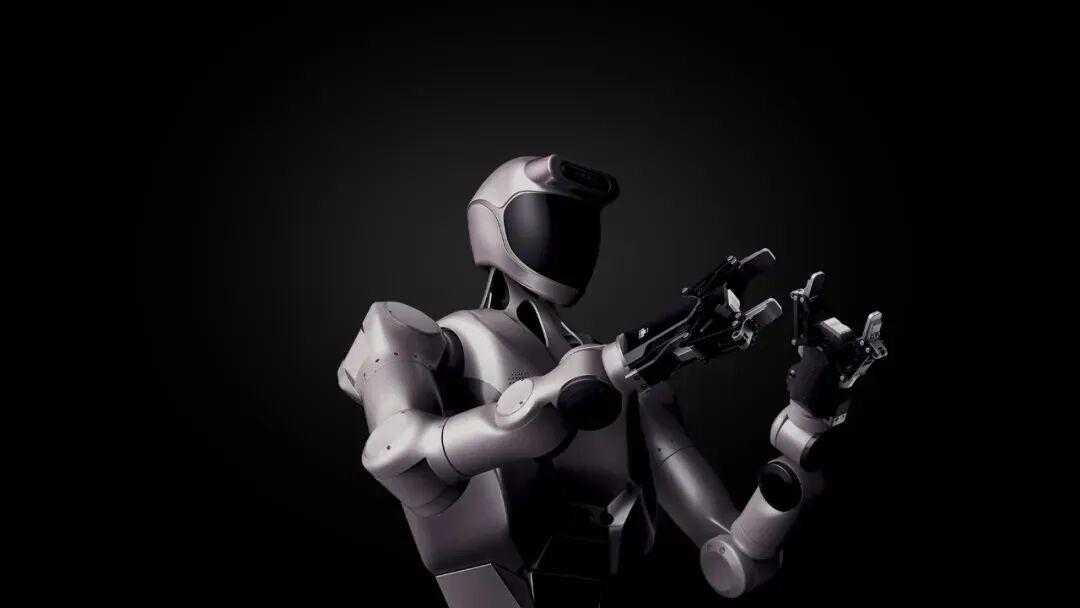
Following closely, on April 24, Wangyuan Technology submitted its prospectus to the Hong Kong Stock Exchange for the second time, aiming to become the "first share of pool cleaning robots". Different from Atomrobot's focus on industrial scenarios, Wangyuan Technology has chosen a seemingly niche but global path. As the world's largest supplier of cable-free pool cleaning robots, Wangyuan Technology's market has expanded to 60 countries and regions in North America, Europe, Asia, and Oceania.
Wangyuan Technology is a national-level specialized and sophisticated "little giant" enterprise and a national high-tech enterprise. In 2025, the company's revenue reached 812 million yuan, of which foreign income accounted for 93%. Behind this report card is a precise breakthrough of Made in China in the segmented consumer robot track.
On April 27, DeepBlue, a company known as the "DJI of the underwater world", updated its prospectus for the STAR Market and is expected to become the "first share of underwater robots" in the A-share market.
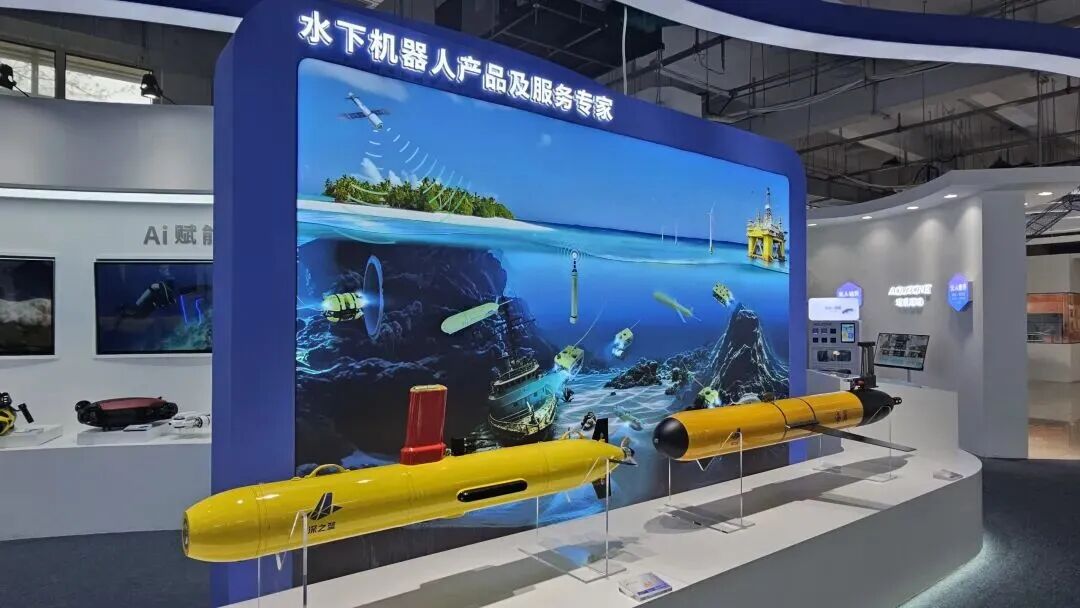
DeepBlue has formed a "industrial + consumer" hydrodynamic equipment matrix, covering core products such as cable-controlled underwater robots, autonomous underwater vehicles, underwater gliders, and underwater boosters. Among them, the company's underwater robots have participated in national major projects such as the South-to-North Water Diversion Project and the Shenzhou XII manned space mission, as well as underwater security work for international conferences such as the SCO Summit.
In addition to the above pioneers who have officially submitted their prospectuses to the capital market, more Tianjin robot enterprises have quietly entered the IPO preparation channel.
The rise of this robot IPO phalanx in Tianjin is not accidental. Behind it is the industrial thickness and innovation ecosystem formed by the city's continuous deep cultivation in the robot field over the years.
As of the first quarter of 2026, Tianjin has gathered more than 200 robot-related enterprises, including 104 core chain enterprises, 82 high-tech enterprises, 1 national single champion, and 13 specialized and sophisticated "little giant" enterprises.
Notably, industrial robots contribute 75% of the output value in the local robot industry, far higher than the national average. This means that Tianjin's robot industry is not supported by concepts or the excitement on the consumer side but is deeply embedded in the "main battlefield" of high-end manufacturing.
From the deep sea to household consumption and then to industrial production lines, this IPO phalanx leads in their respective segmented tracks. Now, they are almost knocking on the door of the capital market at the same time, marking that Tianjin's hard technology strength is moving from the past model of "single-point breakthrough and silent work" to a new stage of cluster-based and systematic release.
By now, a "Tianjin Robot Legion" with a foundation of practical work and hardcore technology can no longer stay low-key.
No showy skills, emphasis on implementation: The "pragmatism" breakthrough of Tianjin robots
If the IPO phalanx is the external manifestation of the long-accumulated strength of Tianjin's robot industry, then its internal driving force is deeply rooted in a highly consistent pragmatic action philosophy: no showy skills, emphasis on implementation.
While many people are still excited about robots "looking like humans", Tianjin's robot enterprises have chosen a different path. They don't get entangled in whether the robots look like humans but evolve into various forms according to the actual industrial needs, such as multi-arm cooperation, heavy-duty chassis, or even just an intelligent module embedded in the production line.
In the high-pressure and dark environment more than 7,000 meters underwater, DeepBlue's "Haiyi" underwater glider, in a streamlined torpedo shape, silently guards the country's marine data security. The "Haiyi" doesn't have human-like limbs but has become one of the most stable deep-sea robots in the world.
In the brightly lit factory workshop, Atomrobot's humanoid robot "Tianbing No. 1" uses a wheeled chassis and a parallel waist, with a load capacity of up to 200 kilograms, specializing in cross-production line material handling in factories. In the factory scenario, the wheeled design is the most efficient and practical choice for long-term stable operation and high-intensity handling.
In the heavier manufacturing stage, Langyu's heavy-duty AGV is a "steel behemoth" that can lift 600 tons. In high-end equipment manufacturing industries such as aerospace and wind power, it is a key link to break through production bottlenecks. Facing the rigid demand for handling hundreds of tons of components, Langyu's robot uses the least human-like form to solve the most weighty real-world problems.
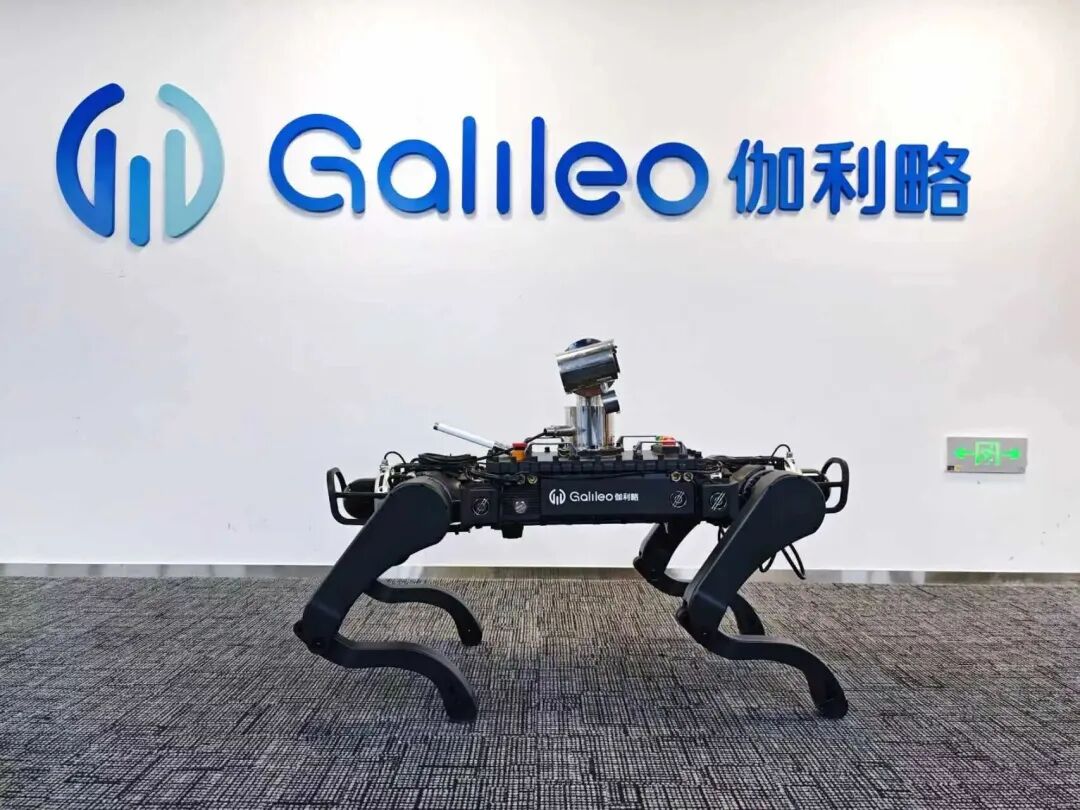
In chemical plants and energy bases with dangerous working environments, Galileo's quadruped robots play the role of the "Steel Paw Patrol". In the form of bionic dogs, they replace inspectors to enter high-risk areas with flammable, explosive, and toxic substances, liberating humans from danger.
The more fundamental breakthrough comes from Pacini. This enterprise has simply abandoned the manufacturing of complete machines and instead focused on the core tactile sensors. They have reduced the cost of high-end tactile sensors, once monopolized by Japan and the United States and with high prices, to a very low level and built the world's largest embodied intelligence data collection factory in Tianjin. Currently, 80% of the world's humanoid robots are using Pacini's sensors.
From the deep sea to heavy-duty workshops, from high-risk inspections to core sensing, the Tianjin Robot Legion always defines the form according to the scenario and tests the technology with actual results. They don't chase hot topics, are not obsessed with concept narratives, don't deliberately imitate humans, but focus on liberating humans.
It is this "pragmatism" rooted in the real economy that allows Tianjin's robot enterprises to take the deepest root in the main battlefield of hardcore manufacturing and transform technological advantages into real productivity. And this is precisely the most solid step for an industrial town to move towards a technological leap.
A century-old foundation, clustering into groups, Tianjin creates a "strong magnetic field" for the robot industry
Tianjin is a hometown of folk art, a hometown of Tianjin cuisine, a famous city with waterfront culture, and more importantly, a century-old industrial town. As early as the Westernization Movement in the 1860s, a group of industrial enterprises such as the Tianjin Machine Bureau and the Dagu Dock emerged. The industrial census in 1947 showed that Tianjin was the second-largest industrial city in China.
After 1949, Tianjin's industrial manufacturing developed rapidly. The first bicycle, the first fully gear-driven lathe, the first diesel engine, the first elevator, the first watch, the first television, and the first trolleybus in China were all born in Tianjin.
It is this profound manufacturing gene that allows Tianjin to always maintain a solid industrial foundation and rich application scenarios in the waves of industrial upgrading. And this is precisely the rarest soil for the implementation of hard technologies represented by the robot industry.
While many places are still worried about "technologies not finding application scenarios", Tianjin's robot enterprises are naturally at the forefront of manufacturing. Relying on the 100-billion-yuan pillar industries such as green petrochemicals, automobiles, and high-end equipment, as well as strategic emerging industries such as new-generation information technology and new materials, Tianjin provides a complex, high-demand, and multi-dimensional real application environment for robots.
Whether it is Mech-Mind's AI + 3D vision enabling high-difficulty disordered operations and flexible manufacturing in the automotive and new energy production lines, or Galileo's explosion-proof quadruped robots conducting all-weather inspection operations in chemical industrial parks and energy scenarios, or Siasun Robot providing micron-level automated production lines for industries such as automobiles, 3C, and new energy, these demands are not just ideas in the laboratory but real situations that happen every day on the production lines.
In Tianjin, local robot enterprises don't need to go out to find markets. They have the most real "training ground" right at their doorstep. This unique industrial soil has also been internalized into a complete and highly efficient collaborative industrial chain.
Tianjin has built a complete industrial chain ecosystem for robots covering "upstream core components - midstream body manufacturing - downstream system integration". For example, Qiling Electromechanical has overcome the technical difficulties of RV reducers; Longchuang Hengsheng has self-developed linear transmission components; Galileo, Shiyun, and Muniuliuma have deeply cultivated special and general robot bodies.
The strong local supporting ability allows innovation to accelerate. Currently, the local supporting rate of Tianjin's robot industry is as high as 65%. This not only significantly shortens the cycle from R & D to verification but also significantly reduces the trial-and-error cost of enterprises, forming an efficient closed-loop of "R & D - manufacturing - verification - iteration".
Policies have injected strong impetus into Tianjin's robot industry. For example, the "Three-Year Action Plan for Promoting the Innovation and Development of Artificial Intelligence in Tianjin (2025 - 2027)" clearly states that it focuses on the field of embodied intelligence, promotes research in key fields such as the brain, cerebellum, body, sensors, and dexterous hands of humanoid robots, supports the integrated development of "robots + large models", and promotes the R & D and application of underwater robots, industrial robots, and special robots.
At the same time, Tianjin provides stable financial support through special funds for high-quality development of the manufacturing industry, special funds for intelligent manufacturing, and policies for cultivating technology-based enterprises; relying on government-guided fund clusters such as the Haihe Industrial Fund and the Beijing-Tianjin-Hebei Coordinated Development Venture Capital Fund, it focuses on investing in the fields of artificial intelligence, robots, and core components; and guides social capital to invest in early-stage, small-scale, and hard technology projects, strengthening full-life-cycle capital empowerment, and building a full-cycle support system of "policy support + financial funds + industrial funds + venture capital guidance".
Atomrobot, Wangyuan Technology, DeepBlue, Mech-Mind and other leading enterprises in segmented tracks are typical representatives nurtured by this ecological system.
A century of industrial accumulation is never just a footnote in history but a springboard for Tianjin to face the future. Tianjin's industrial resilience deeply rooted in its century-old foundation and the increasingly perfect "clustering into groups" ecosystem together create a "strong magnetic field" for the robot industry.
The rise of the Tianjin Robot Legion is the most powerful witness of this quiet but far-reaching and long-accumulated technological leap. This city that once defined the starting point of Made in China with multiple "firsts" is now steadily moving towards the next peak in the intelligent era.
This article is from the WeChat official account "Delin Society