Do high-rise residential buildings have a future?
With the continuous development of material life and medical technology, the average life expectancy of the global population has exceeded 70 years.
Do you know what the "average lifespan" of high-rise buildings is?
Don't be surprised. The lifespan of buildings is longer than that of people.
There is a consensus in the construction industry that the design lifespan of reinforced concrete residential buildings is about 100 years. According to data from the National Association of Home Builders in the United States, the expected lifespan of local residential buildings in the United States is usually more than 70 - 100 years.
In real life, the average lifespan of high-rise residential buildings (especially those over 30 stories) is greatly reduced on this basis.
The symptoms of "aging high-rise buildings" start to show up in 15 - 20 years for some, and become more obvious after 40 - 50 years... For example, the external walls crack and leak water, and public facilities such as elevators, pipelines, and fire protection systems also start to age and malfunction from time to time.
Once the once magnificent "skyscrapers" fall into disrepair, they will become dilapidated "high-rise ruins" and may even be razed to the ground in a series of explosions.
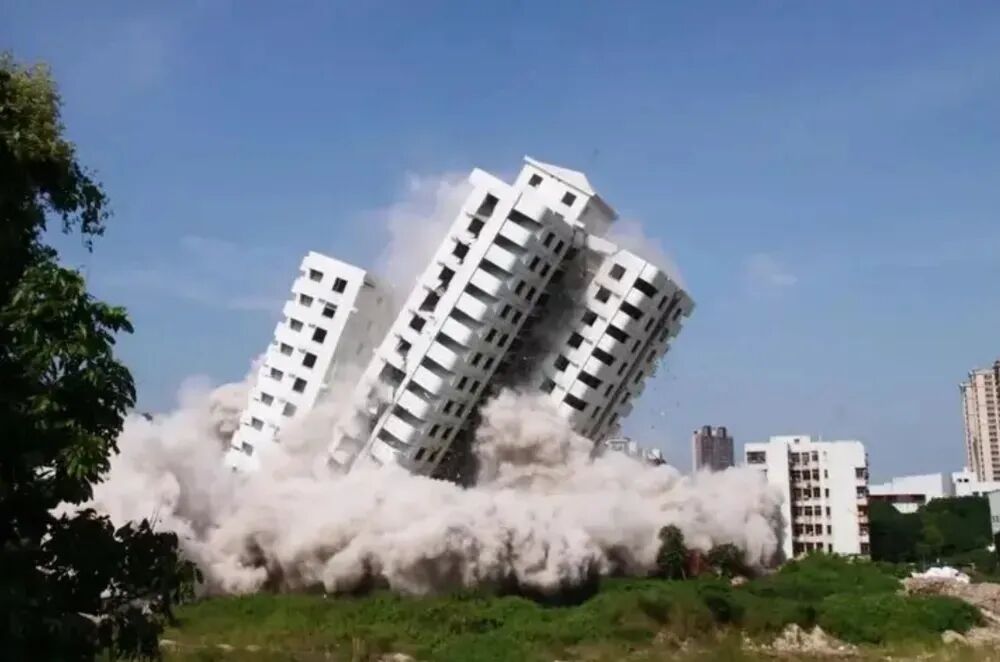
This is not scaremongering for the residents of high-rise buildings, but a real case that has happened in European and American countries.
01 A Notorious High-Rise Slum
Let's start with an example from St. Louis, USA.
After World War II, the local population continued to rise, and the housing was severely aging and in short supply. In 1947, a housing survey found that as many as 33,000 families did not have independent bathrooms.
In 1949, the United States enacted the "Housing Act". The federal government provided funds, and local governments provided land to build public housing projects across the country.
St. Louis also received a special appropriation for the construction of 5,800 units of public housing.
The Pruitt - Igoe Apartments were a key project in this grand plan - 33 eleven - story slab buildings covering an area of 57 acres, with a total of 2,870 apartments.
Seemingly a policy dividend that was beneficial to the people's livelihood and revitalized the economy, it was constantly criticized by local residents in later years and even officially given a "bad review".
What happened?
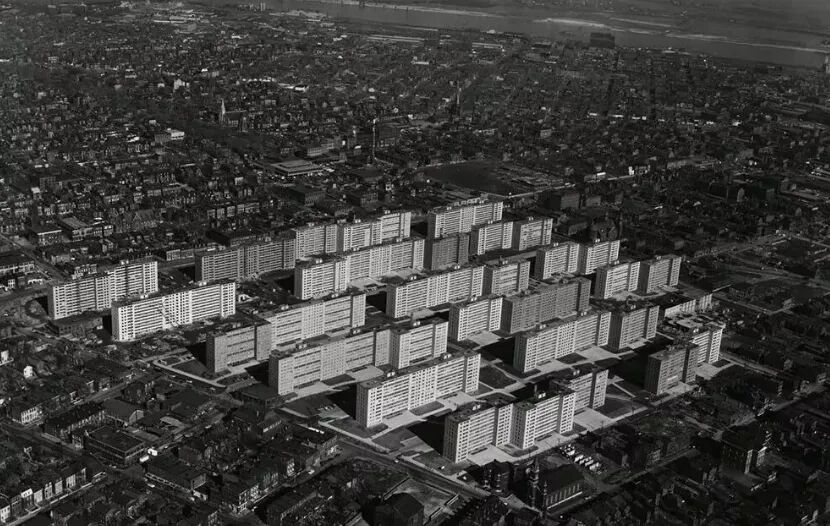
Pruitt - Igoe Apartments
The Pruitt - Igoe Apartments were the largest public housing project in the United States at that time. The St. Louis Housing Authority attached great importance to it and hired top - notch designers.
The well - designed green square, along with the staggered high - rise residential buildings, corridors, and other characteristic factors, won it high professional honors. "Architectural Forum" once praised it as the "Best High - Rise Apartment" in 1951.
The magnificent high - rise apartments rose from the ground...
However, more than 20 years later, the Pruitt - Igoe Apartments no longer existed physically.
In 1972, the St. Louis city government in the United States blew up the once - famous Pruitt - Igoe Apartments with its own hands.
Why did the city government be so cruel as to destroy the high - rise residential apartments built with huge funds?
The answer is simple. It was an economic calculation after careful consideration: it cost more to maintain it than to destroy it.
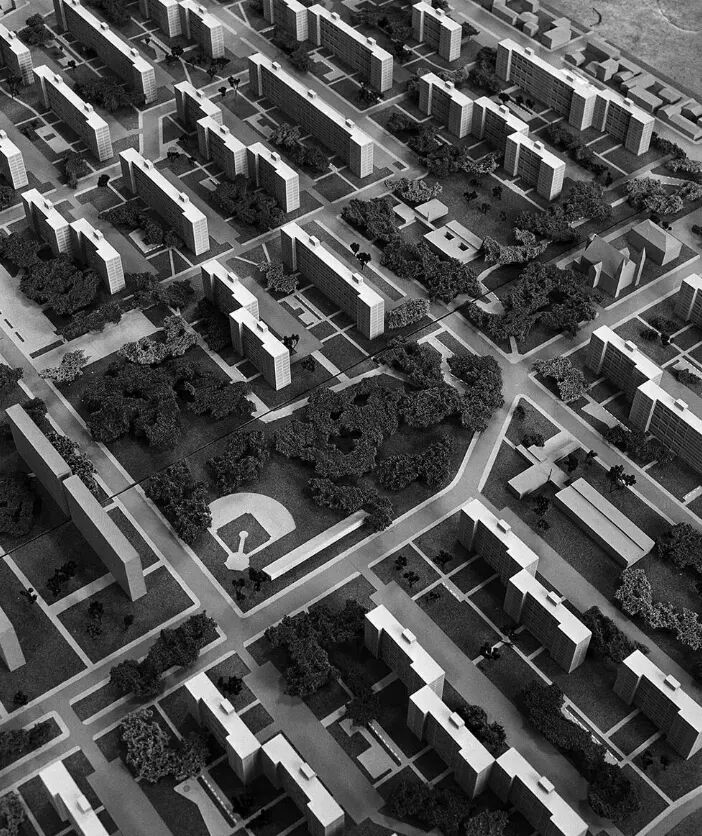
The Pruitt - Igoe Apartments were equipped with parks and green spaces
This apartment had inherent defects. Due to financial constraints during the construction process, the cost was significantly reduced by cutting down on quantity and quality. The monotonous building facades and the elevators that stopped every three floors were the products of extreme budget cuts. Supporting projects such as playgrounds, landscapes, and bathrooms were either abandoned or streamlined due to budget constraints...
It was planned that white and black people would live in different parts respectively.
However, in 1955, the federal court ruled to abolish racial segregation in public housing. A large number of middle - class white residents began to panic and flee.
The apartment quickly became a highly impoverished black community, with a soaring crime rate and a high vacancy rate.
The government's investment in repair and maintenance funds was a drop in the bucket. The residents were mostly low - income black people who were unable to pay the rent on time, and there was no special fund to solve a series of problems such as building aging, elevator breakdowns, and water pipe leaks.
Rent is the main source of funds for public housing to maintain property management. As the rent could not be collected, the property management company could only let the houses fend for themselves: the elevators frequently malfunctioned but were not repaired, the garbage piled up, the lighting in public areas was damaged, and the heating system failed...
At that time, many media called the Pruitt - Igoe Apartments "the worst slum in the United States", and it became infamous.
Although the local government tried various rescue measures, they all ended in failure.
In 1968, the U.S. Department of Housing and Urban Development officially recommended the complete destruction of the project.
Between 1972 and 1976, the Pruitt - Igoe Apartments were successively blown up.
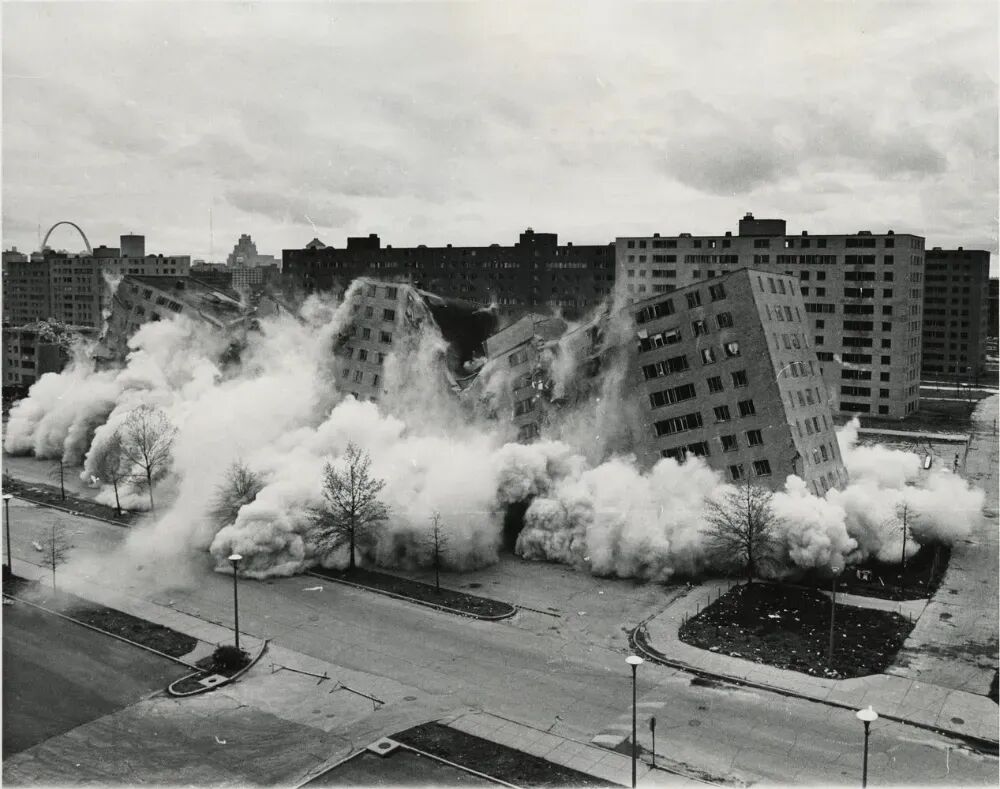
The Pruitt - Igoe Apartments being blown up
Now, in architecture, urban planning, and public policy textbooks, the Pruitt - Igoe Apartments are often cited and discussed as a negative example.
The collapse of the Pruitt - Igoe Apartments woke the general public up from the dream of high - rise buildings - it turns out that treating the "hidden diseases" of high - rise residential buildings costs money like an endless pit.
02 Why High - Rise Residential Buildings Became Popular
More than 100 years ago, European and American countries began to build high - rise residential buildings.
This dates back to two key historical nodes.
Firstly, in the 19th century, the European Industrial Revolution broke out. The booming industrialization accelerated the process of urbanization.
The steam engines roared continuously, and the factory chimneys emitted black smoke day and night. A large number of farmers who lost their land flocked to the cities to make a living, resulting in an explosive growth of the urban population.
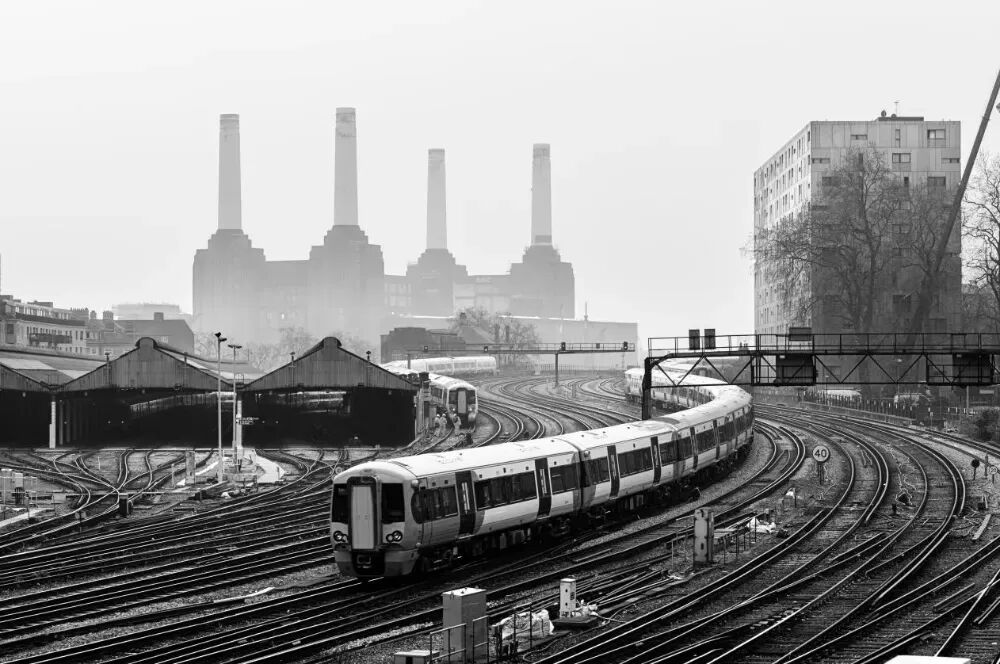
The Battersea Power Station Apartments before reconstruction
The high concentration of the population brought a series of basic livelihood problems such as housing shortages, traffic congestion, and poor sanitary conditions, which led to the spread of cholera and typhoid fever.
Engels, one of the founders of Marxism, described the situation in detail in his book "The Condition of the Working - Class in England": Workers crowded into small, damp, dark, and stuffy basements or compartments, and dozens of people shared one toilet. Infectious diseases spread rapidly. It was like walking into a living hell.
As the housing shortage became increasingly serious, local governments and philanthropists also tried to improve the living conditions of workers by building multi - story worker apartments.
In 1922, the famous architect Le Corbusier proposed a modern city concept for a population of 3 million. He advocated using standardized high - rise buildings to solve the problem of urban overcrowding and using large - area green spaces and sufficient sunlight and air to improve the living environment.
This planning experiment, known as the "Radiant City", first proposed the theory of "functional zoning" and was a pioneering idea across the times. He clearly divided the city into four major sectors: living, working, entertainment, and transportation, and also planned an independent system for separating pedestrians and vehicles.
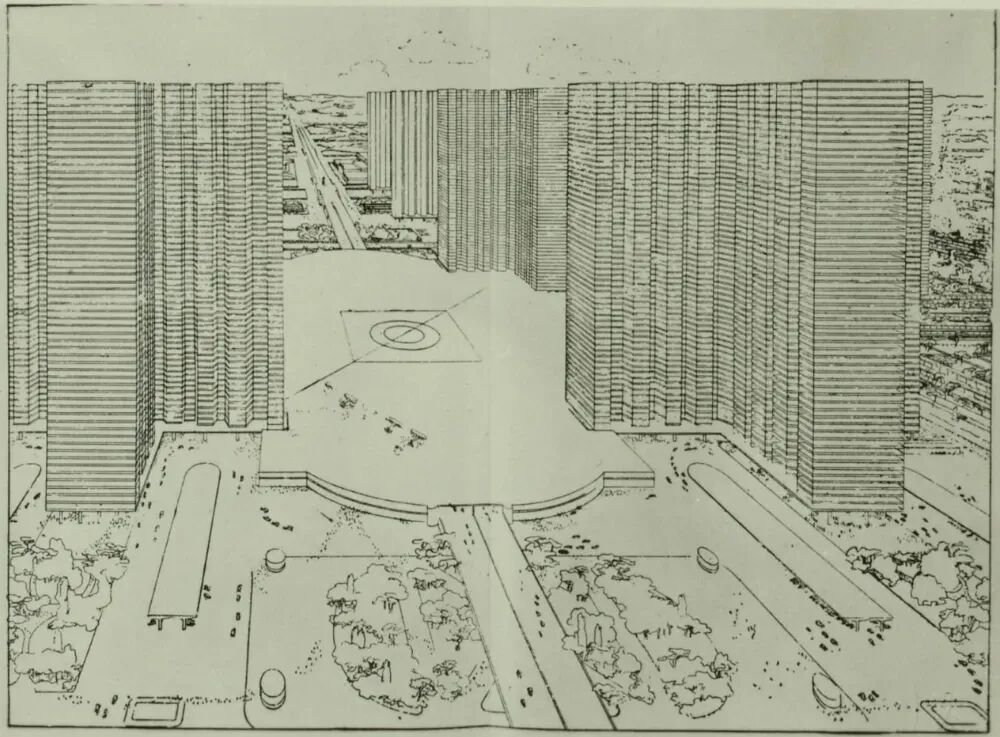
Le Corbusier's sketch of the "Radiant City" plan
However, due to financial pressure, the prototype of high - rise residential buildings, the "corridor - type building", was only a tentative attempt, and the coverage scale was always extremely limited.
Secondly, after World War II in the 20th century, towns were in ruins and in urgent need of reconstruction.
The industrial revolution accelerated urban construction, which made the leaders of European and American countries realize the importance of accommodating more people in a limited physical space and enabling them to live in an orderly manner.
Before natural disasters and man - made disasters, this thorny housing problem could be postponed.
After World War II, the housing problem was like a camel crushed by the last straw, and the government had to face it directly.
Under the devastating impact of the war, many European cities became rubble, and a large number of houses were destroyed or severely damaged, leaving millions of local people homeless.
Many people had to live in abandoned barracks and notorious concentration camps built during the war in order to find shelter.
Reconstructing homes and developing the economy after the war to promote a positive cycle of production and consumption is not only a livelihood issue but also a political issue. The rise of high - rise buildings is based on the principle of "people - oriented", primarily meeting the basic needs of more people according to Maslow's hierarchy and ensuring the survival line of the people to "have a place to live".
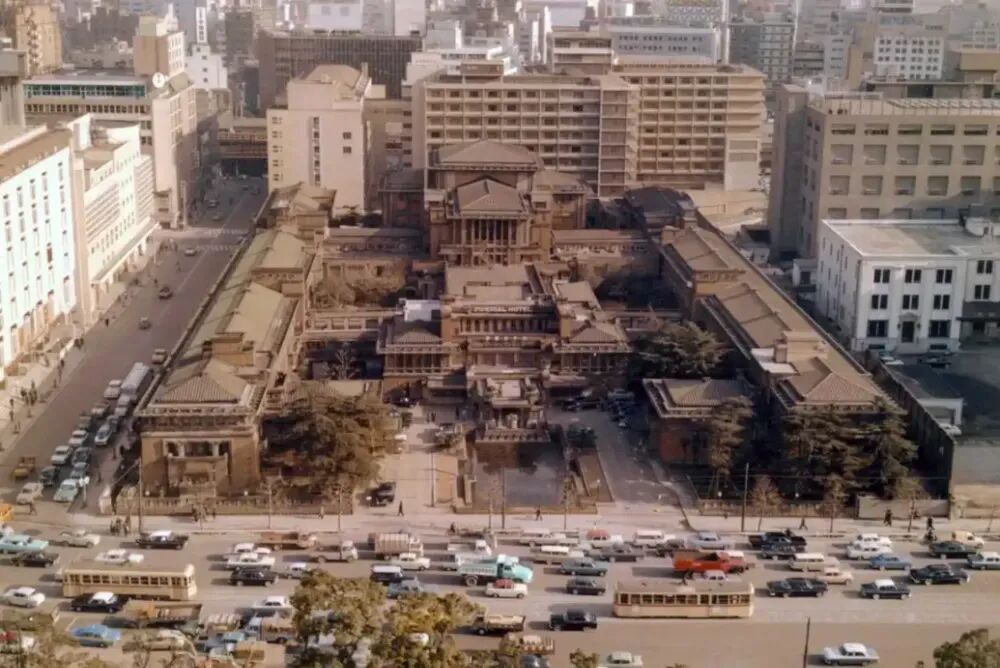
The old main building of the Imperial Hotel in Tokyo
High - rise residential buildings naturally stepped onto the historical stage.
Data shows that between 1910 and 1920, the average annual total value of residential building plans in Manhattan was about 20 - 30 million US dollars (in the currency value at that time). Among them, the proportion of "apartments and multi - family houses" soared from less than 30% in 1910 to more than 60% in 1920. By 1929, New York City had more than 2,000 apartment buildings over 6 stories.
After World War II, not only did the U.S. federal government invest a large amount of money in building high - rise residential buildings, but also a large number of real - estate developers sold luxury high - rise apartments in prime locations in core cities to middle - class families.
By 1970, there were about 6,000 multi - family residential buildings over 6 stories in New York, and more than 100 of them were over 30 stories. In just 40 years, the number of residential buildings over 6 stories in New York tripled.
This grand "skyscraper construction movement" in European and American countries was a helpless choice due to the actual situation - either build high - rise buildings so that you can have a roof over your head, or sleep on the street with the sky as your quilt.
Both the rulers and ordinary people were in favor of the plan to build high - rise buildings.
The simplest wish of ordinary people is to have a home of their own in a big city.
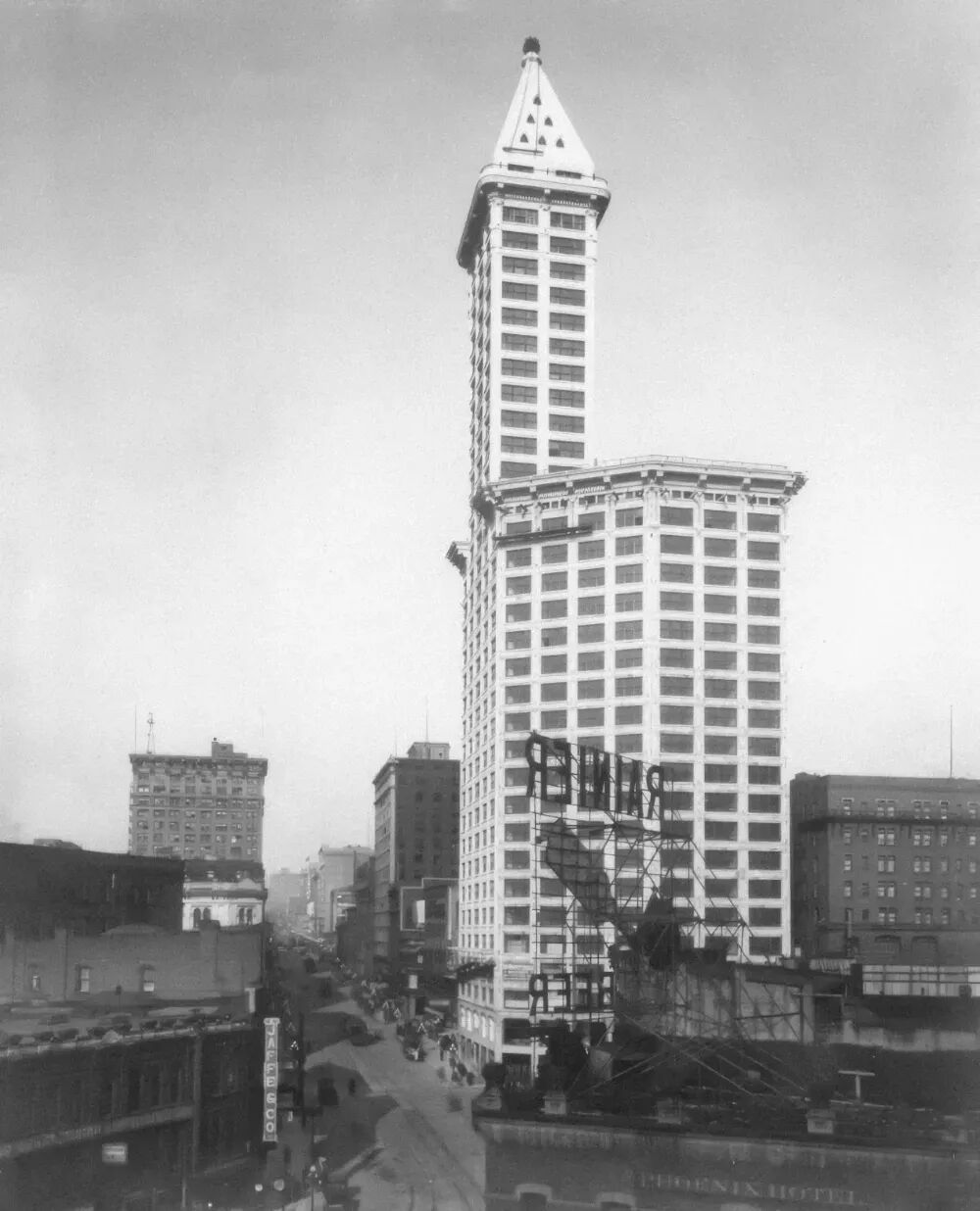
The Smith Tower, a historical landmark in Seattle, USA
03 The Future of High - Rise Residential Buildings
The problems caused by the "aging" of high - rise residential buildings are numerous: aging external walls, cracked concrete, rusty pipes, paralyzed elevators, heating/water supply/ventilation systems... The maintenance cost is growing like a snowball.
The normal lifespan of public facilities such as elevators, pipelines, and fire protection systems is usually about 15 - 20 years. Regular manual inspections and replacements are necessary to ensure normal use.
More than 100 years have passed, and people are well aware of the "time bombs" in high - rise residential buildings. Why do many residents still be willing to spend a large amount of money to buy them nowadays?
If high - rise residential buildings in the last century were cold concrete boxes that only met the basic living needs, then high - rise residential buildings now have begun to evolve.
Now, more and more real - estate enterprises are also changing and becoming more and more intelligent.
According to a report by the market research institution Parks Associates, properties with deployed intelligent technologies have achieved remarkable results in operation - operating costs have been reduced by 18%, energy costs by 19%, water costs by 18%, and the safety accident rate by 21%.
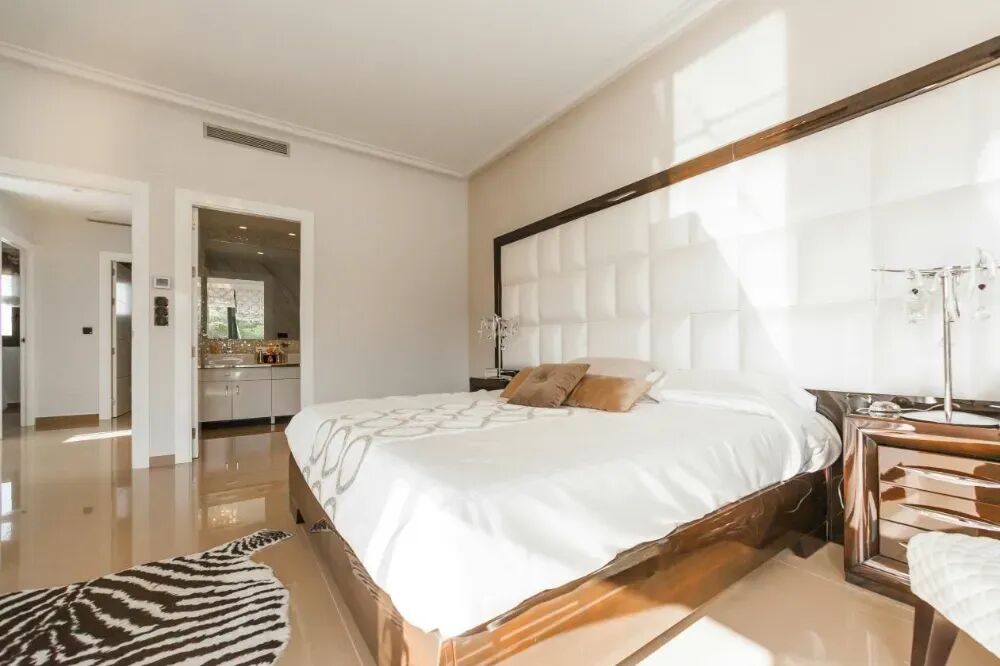
The second evolution direction of high - rise residential buildings is to transform into a "community - oriented" model. By redesigning the space and rules, a sense of "neighborhood" is created in high - rise buildings, giving you a local living anchor. How is this specifically achieved?
On the one hand, a combination of "private space +