A historic reversal: from "power follows computing" to "computing follows power", virtual power plants reshape the landscape of computing and power.
On May 18th, the concept of virtual power plants in the A-share market rose. Among the constituent stocks, Zhongshan Public Utilities (000685.SZ), Shenzhen Technology (000021.SZ), Taiyong Changzheng (002927.SZ), Kelu Electronics (002121.SZ), and Tianyu Digital Technology (002354.SZ) hit the daily limit. Sifang Co., Ltd. (601126.SH) rose by more than 9%, and CSG Technology (688248.SH) and GoodWe (688390.SH) rose by more than 8%.
According to the news, recently, large data centers in China participated in the electricity spot market trading in the form of virtual power plants for the first time in the country, realizing "computing following electricity movement".
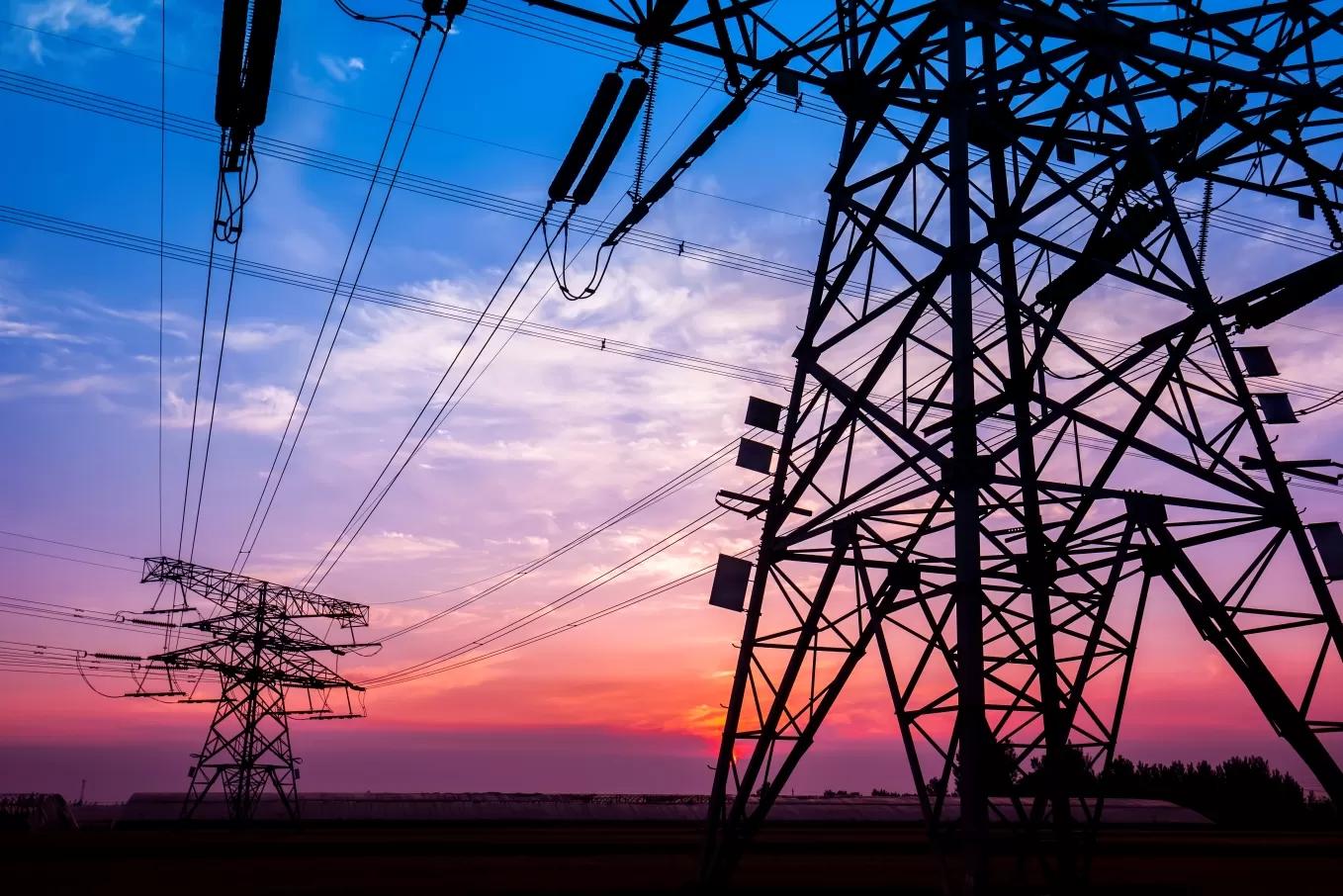
The traditional relationship between computing and electricity is reversed
In May 2026, the domestic energy and digital economy sectors witnessed a landmark breakthrough. On the 14th, three major national-level large data center clusters successfully completed the settlement of electricity spot market transactions through the virtual power plant platform, realizing the first domestic implementation of large data centers participating in electricity spot market trading in the form of virtual power plants and the dynamic coordination of "computing following electricity movement". This innovative breakthrough completely breaks the traditional label of data centers as "rigid electricity-consuming behemoths", reconstructs the matching logic between power load and grid dispatching, and directly detonates the market of the A-share virtual power plant sector, becoming the core trend in the current development of energy digitization and the integration of computing and electricity.
According to the official disclosure of China Southern Power Grid, the main participants in this transaction are three large computing power clusters, namely China Unicom's Shaoguan Data Center, China Mobile's Guangzhou Data Center, and China Mobile's Zhanjiang Data Center, all of which are core computing power infrastructures in the Guangdong-Hong Kong-Macao Greater Bay Area. The three data centers are uniformly connected to the Yue Neng Tou Virtual Power Plant Operation Platform operated by Guangdong Power Grid Energy Investment Co., Ltd. Through load aggregation, intelligent dispatching, and dynamic adjustment, they officially participate in the electricity energy trading and market-based settlement in the Guangdong electricity spot market, marking that China's coordinated development of "computing power + electricity" has officially entered the stage of large-scale commercial implementation from theoretical concepts and pilot explorations.
For a long time, as the core infrastructure of the digital economy, data centers are typical high-energy-consuming and high-stability electricity users. Due to the continuous operation of computing power tasks, their electricity load is extremely rigid and has almost no adjustable space. With the rapid expansion of AI large models, computing power clusters, and the big data industry, the electricity consumption of data centers across the country has been continuously rising. During the peak summer electricity consumption period and when the regional power supply and demand are tight, it is easy to increase the power supply pressure on the power grid, becoming a pain point of rigid load in the construction of the new power system. In the past, the industry development model has always been "electricity following computing movement", that is, the power system passively adapts to the continuous electricity demand of computing power loads. The power grid has a large pressure to ensure power supply and low resource utilization efficiency, and the problem of mismatching between computing and electricity has become increasingly prominent.
The core innovation of the first domestic transaction implemented this time lies in completely reversing the traditional relationship between computing and electricity, realizing a new operation mode of "computing following electricity movement" and flexible adaptation. This intelligent and market-based load adjustment mode transforms the originally fixed and rigid computing power electricity consumption into flexible power resources that can be dispatched, traded, and increased in value. The three data centers are no longer just simple power consumers, but have become adjustable load subjects of the power grid, deeply participating in the electricity spot market trading. By optimizing and adjusting the load, they can earn market-based benefits, achieving a win-win situation for the power grid, computing power enterprises, and energy platforms, and filling the gap in the domestic industry of large computing power clusters participating in electricity spot market trading.
Multi-level value is highlighted
From the perspective of the reform of the power industry, this implementation is a crucial step in the construction of China's new power system and the reform of the power market. Currently, the domestic electricity spot market is fully rolled out, and the core logic of industry development has shifted from "ensuring power supply and stable supply" to "optimizing dispatching, improving efficiency, and promoting coordination". The adjustment space of traditional rigid power sources such as thermal power and hydropower is limited, while flexible loads on the user side such as data centers, industrial parks, and energy storage devices are the core incremental resources for the power grid to adjust peaks and fill valleys and balance supply and demand in the future.
The participation of data centers in spot market trading through virtual power plants greatly expands the pool of flexible adjustment resources of the power grid, effectively improving the operating efficiency of the power system and the ability to absorb new energy. Especially in the context of the dry summer weather, the decline in hydropower output, and the full operation of thermal power for power supply, the flexible computing power load can precisely cooperate with the power grid dispatching to smooth out the fluctuations in power supply and demand, greatly improving the safety and stability of the power grid operation, and adding new digital and intelligent connotations to the industry cycle logic of "speculating on electricity in summer".
From the perspective of industrial value, this breakthrough has broken through the market-based coordination barrier between computing power and electricity and established a new business profit model. Previously, the profit of data centers only relied on traditional businesses such as computing power leasing and data services, and the electricity cost was high. The profit space was greatly affected by the fluctuations in energy prices. After participating in the electricity spot market trading through virtual power plants, data centers can rely on load peak-shifting adjustment to earn the profit from the peak-valley electricity price difference, grid peak-shaving subsidies, and market-based trading dividends, greatly reducing the comprehensive electricity cost and opening up new profit growth points.
At the same time, the computing-electricity coordination mode perfectly meets the requirements of the "dual carbon" strategy. Through the dynamic optimal matching of power resources and computing power resources, it reduces ineffective power consumption, improves the utilization rate of clean energy, and helps data centers achieve low-carbon and zero-carbon operations, which is in line with the core trend of the green transformation of the digital economy. The successful implementation of this first transaction has formed a mature and replicable model, which will be quickly popularized to major computing power hub nodes and data center clusters across the country.
At the capital market level, the strong rise of the virtual power plant sector is the market's pre-pricing of the long-term value of the track. With the continuous explosion of the computing power industry and the deepening of the power market reform, as the core carrier of the integration of power sources, grids, loads, and energy storage, the application scenarios of virtual power plants are continuously expanding, from traditional industrial load adjustment to multiple fields such as computing power, energy storage, charging piles, and building energy conservation. The industry penetration rate will increase rapidly.
Leading enterprises will see performance and valuation repair
Currently, in the A-share market, leading enterprises with technologies in virtual power plant platform operation, intelligent dispatching, load aggregation, and computing power coordination will be the first to see a double repair of performance and valuation. Compared with the traditional power industry, the virtual power plant track has the triple advantages of policy dividends, industrial implementation, and performance increment, with extremely high growth certainty. As the "computing following electricity movement" mode is replicated and promoted in more provinces and cities across the country in the future, more large data centers and computing power clusters will be connected to the virtual power plant platform, the market scale of the industry will continue to expand, and the long-term investment value of the track will be further highlighted.
For example, in the core field of power grid dispatching, State Grid NARI, with its extremely high market share in power grid intelligent dispatching, leads the research and development of power dispatching solutions for computing power centers and is deeply involved in the formulation of industry standards for computing-electricity coordination. It is the core benchmark enterprise for the regulation of flexible loads on the power grid side. CSG Digital and CSG Technology, backed by China Southern Power Grid, rely on the advantages of power grid resources to develop their own power AI dispatching models and are deeply involved in the pilot of the market-based trading of virtual power plants in Guangdong, precisely matching the scenarios of load aggregation and spot market trading settlement of data centers.
In the field of the integration of computing power and electricity, GCL New Energy, as a scarce A-share target with dual main businesses of "electricity + computing power", has developed a mature virtual power plant operation platform, which can aggregate a large amount of computing power loads for intelligent peak-shifting dispatching, and has taken the lead in realizing the direct supply of green electricity and energy consumption optimization for intelligent computing centers.
In addition, enterprises such as Langxin Technology and TELD focus on user-side load aggregation and energy trading services, continuously improving the market-based trading system of virtual power plants to meet the flexible electricity adjustment needs of large data center clusters.
As the "computing following electricity movement" mode is replicated and promoted in more provinces and cities across the country in the future, more large data centers and computing power clusters will be connected to the virtual power plant platform. The above-mentioned leading enterprises will continue to benefit from the large-scale implementation of the industry, the market scale of the track will continue to expand, and the long-term investment value will be further highlighted.