17.8 billion. The robotics company backed by Alibaba's CEO has gone public, opening 102% higher on its first day.
Alibaba CEO's bet on a robotics company has just gone public.
LDROBOT, founded by alumni from Huazhong University of Science and Technology, successfully listed on the Hong Kong Stock Exchange today. The opening price was HK$53.5 per share, a 102% premium over the offer price, and the opening market capitalization was approximately HK$17.8 billion.
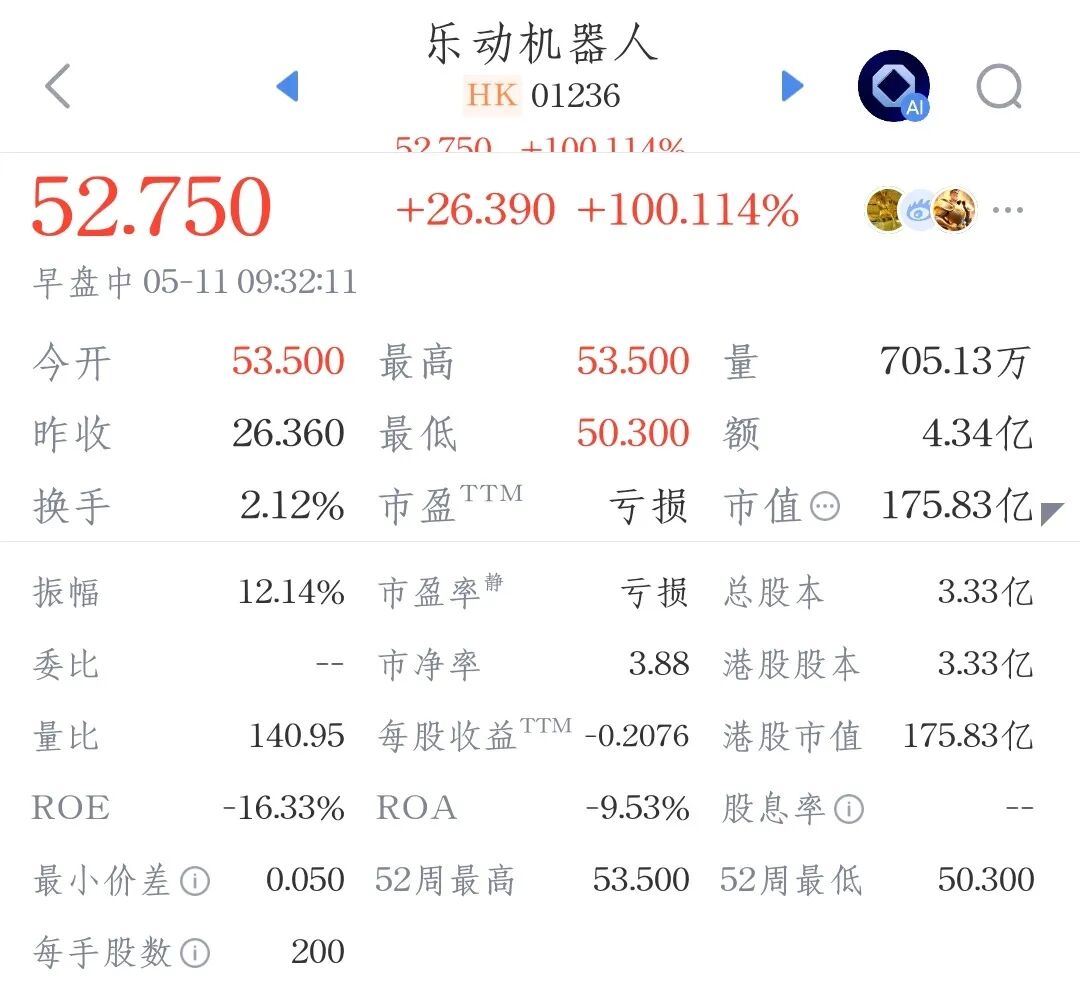
In this IPO, LDROBOT offered 33.3334 million H shares globally. 10% were for the Hong Kong public offering, and 90% were for international placement. The final offer price was HK$26.36 per share.
Among them, the company received a subscription multiple of 6,707.66 times for the Hong Kong public offering and 9.54 times for the international placement, indicating strong enthusiasm from the capital market.
The total funds raised from the global offering were approximately HK$879 million. After deducting listing expenses of approximately HK$71.9 million, the net proceeds were approximately HK$807 million.
Another embodied robotics company with a market capitalization of over HK$10 billion has emerged in Shenzhen.
A robotics company starting from visual perception
LDROBOT is a technology company that focuses on visual perception technology and provides key components and complete products for intelligent robots.
The company's current business is supported by two growth curves:
One is the visual perception products in the upstream of the robotics industry chain, and the other is the intelligent lawn mowing robot business that extends downstream.
Let's first look at the company's core business - the visual perception system, which is the "eyes" of the robot. Its products mainly include two categories:
The first is various sensors, including DTOF lidar (pulsed lidar), triangulation lidar, solid-state line lidar, ultrasonic sensors, etc., which are used for accurate distance measurement, mapping, and obstacle detection.
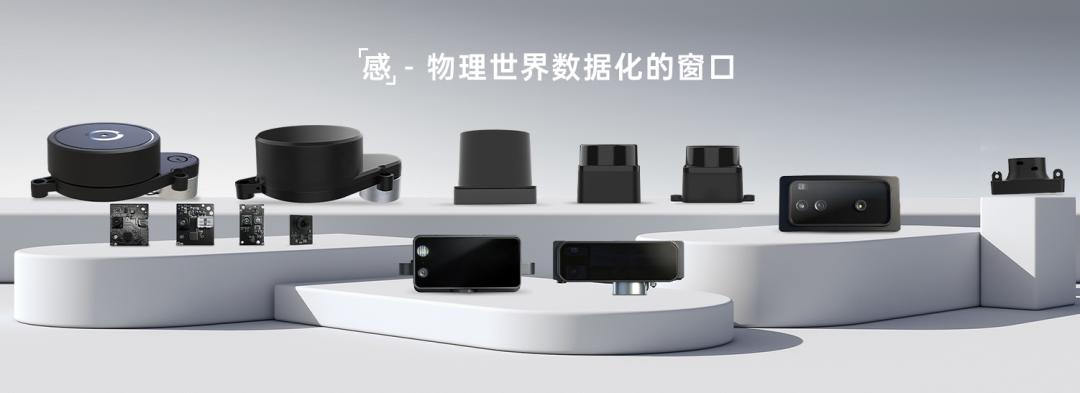
The second is the algorithm module, which can provide robots with capabilities such as simultaneous localization and mapping (SLAM), path planning, AI object recognition, and multi-sensor fusion, endowing robots with positioning, navigation, and decision-making abilities.
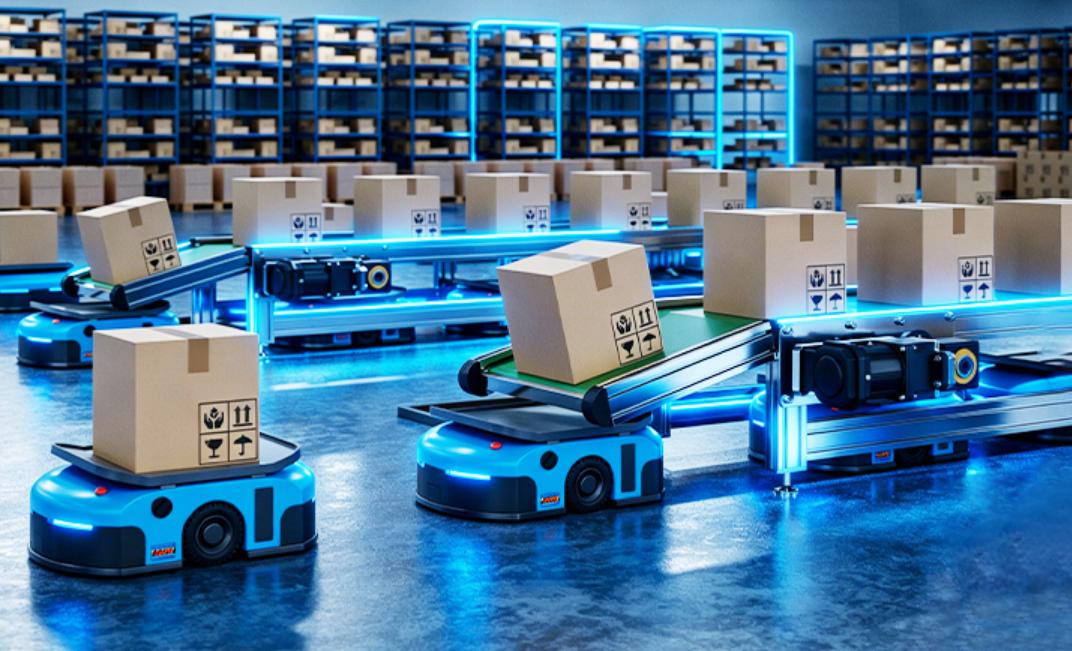
These visual perception products, as core components, are mainly used in complete products such as floor-cleaning robots, commercial service robots (e.g., food delivery and hotel service robots), logistics, and inspection robots.
According to a report by CIC, LDROBOT is one of the world's first suppliers to commercialize consumer-grade Mini DTOF lidar.
Among the world's top ten household service robot companies, seven are the company's customers. The world's top five commercial service robot companies are also its customers.
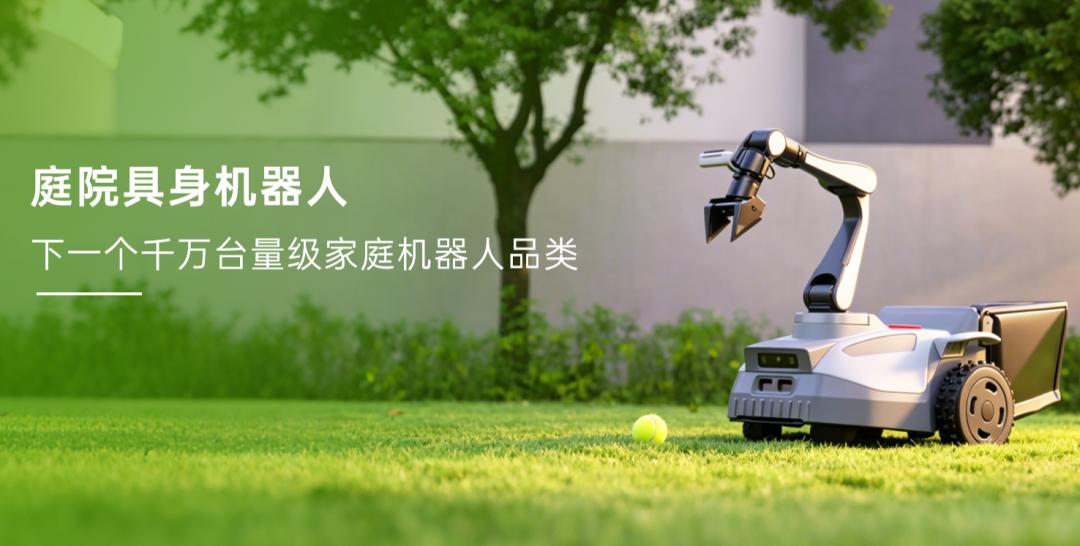
With long-term accumulation in perception technology, LDROBOT began to expand downstream of the industry chain in 2022, opening up a second growth curve represented by intelligent lawn mowing robots.
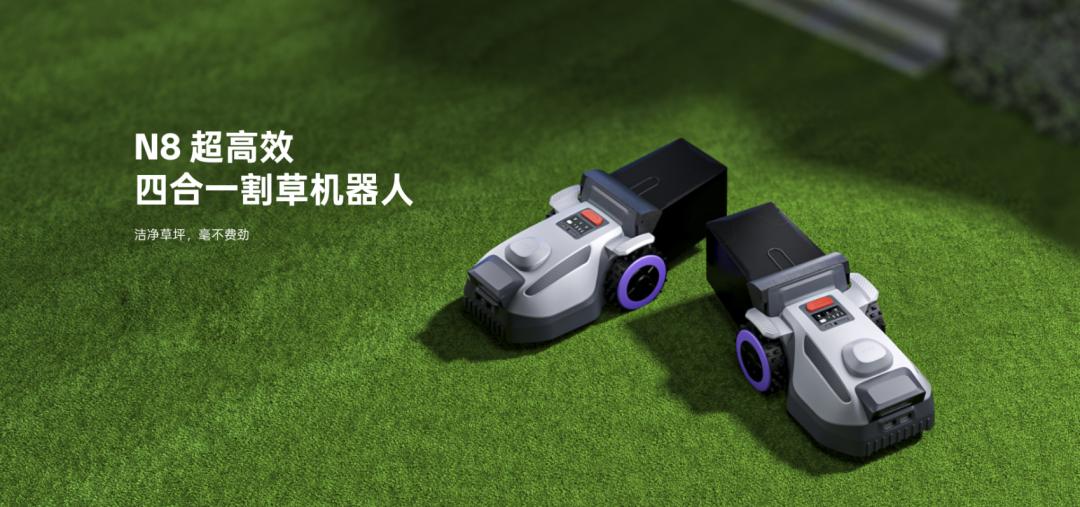
In 2024, the company achieved mass production of its first-generation lawn mowing robot, Pion. In 2025, it mass-produced the second-generation product, Genie.
The second-generation product is equipped with a self-developed four-eye matrix sensor module and full-band RTK technology, mainly targeting overseas markets with high labor costs such as Europe and North America.
In January 2026, the company launched its third-generation lawn mowing robot, which added intelligent grass clippings and leaf collection functions.
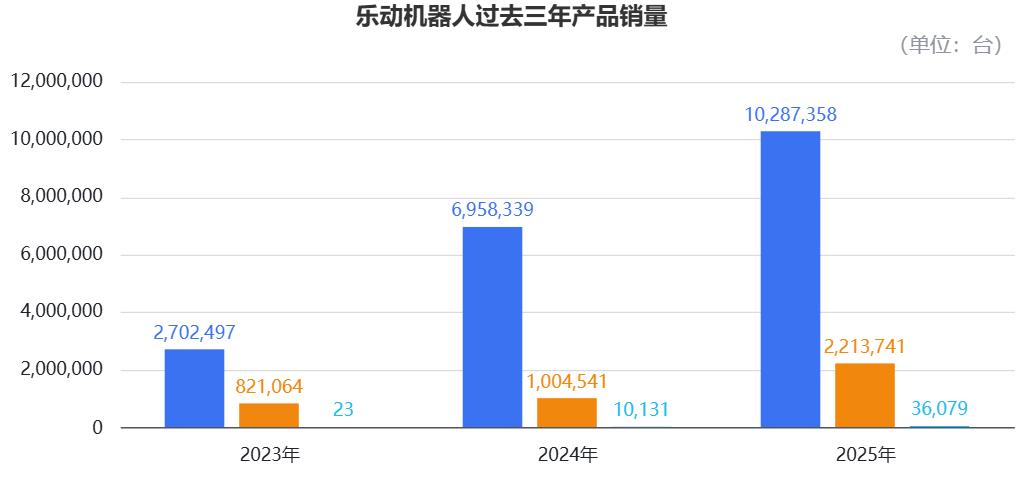
In terms of sales volume, the company's two business lines have achieved explosive growth in the past three years.
In 2023, 2024, and 2025, the total sales volume of the company's visual perception products was 3.52 million, 7.96 million, and 12.5 million units respectively, with a compound annual growth rate of 88.5%.
Among them, the sales volume of sensor products in the past three years was 2.7 million, 6.96 million, and 10.29 million units respectively. During the same period, the sales volume of algorithm modules was 820,000, 1 million, and 2.21 million units respectively.
Specifically, DTOF lidar is the company's advantageous product. In 2025, its shipment volume exceeded 720,000 units, ranking first in the industry.
In the same year, the number of robots equipped with LDROBOT's visual perception technology also exceeded 9 million.
The sales volume of lawn mowing robots has increased even more rapidly, surging from 23 units in 2023 to 36,000 units in 2025, with a compound annual growth rate of 3,856%. It has become the core driving force for the company's overseas revenue growth.
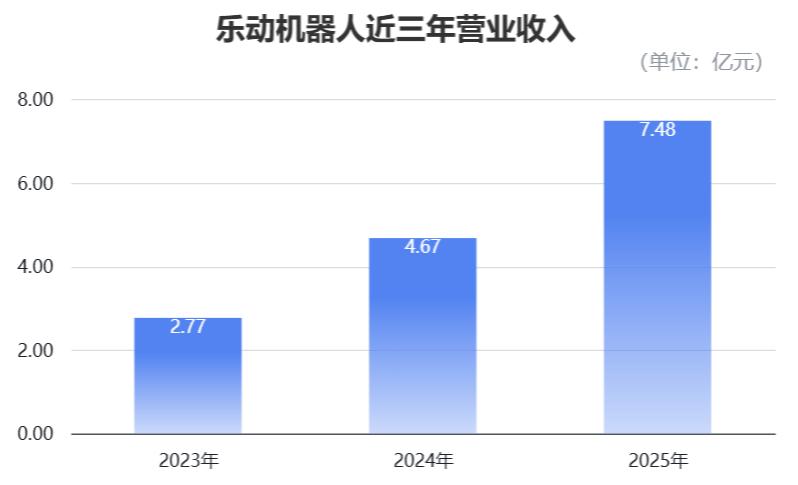
This explosive growth in sales volume has also driven up LDROBOT's financial indicators.
How is LDROBOT's financial performance?
In 2023, 2024, and 2025, the company's operating revenue was RMB 277 million, RMB 467 million, and RMB 748 million respectively.
The financial report explains that the main reason for the rapid revenue growth is the increase in product shipments due to business expansion.
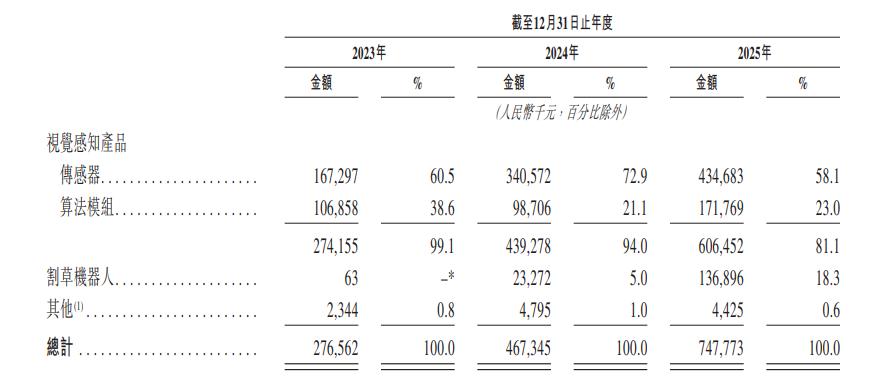
Specifically, visual perception products contributed the majority of the company's revenue, and the revenue has also been growing steadily.
Among them, the revenue from sensors increased from RMB 167 million in 2023 to RMB 435 million in 2025. The revenue from algorithm modules increased from RMB 107 million in 2023 to RMB 172 million in 2025.
However, the proportion of revenue from visual perception products has shown a downward trend, decreasing from 99.1% in 2023 to 81.1% in 2025, because the revenue from lawn mowing robots has skyrocketed.
In 2023, 2024, and 2025, the company's revenue from lawn mowing robots was RMB 63,000, RMB 2.3 million, and RMB 137 million respectively, and the proportion increased rapidly from almost zero in 2023 to 18.3% in 2025.
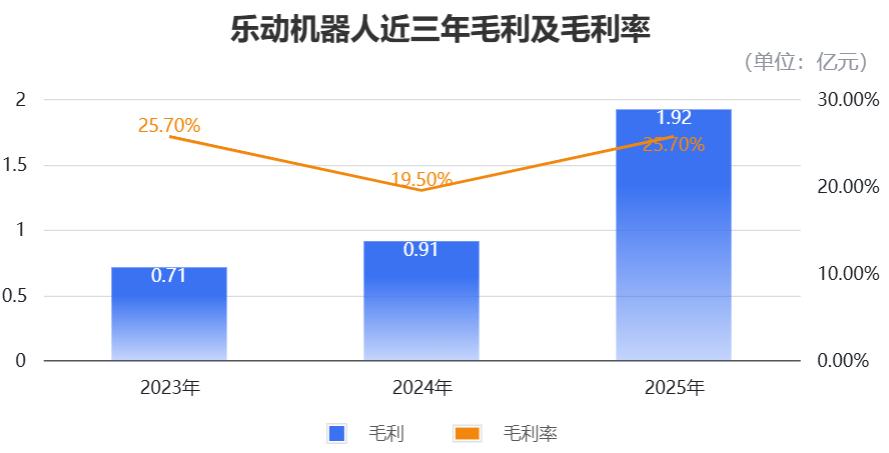
In terms of profit, in the past three years, LDROBOT's gross profit was RMB 71 million, RMB 91 million, and RMB 192 million respectively, corresponding to gross profit margins of 25.7%, 19.5%, and 25.7% respectively.
The gross profit margin decreased in 2024 mainly because the company adopted an active price-cutting strategy to maintain its market share.
The recovery of the gross profit margin in 2025 was mainly due to the significant increase in the revenue contribution of the high-margin lawn mowing robot business and the increase in the sales proportion of high-margin products such as DTOF lidar.
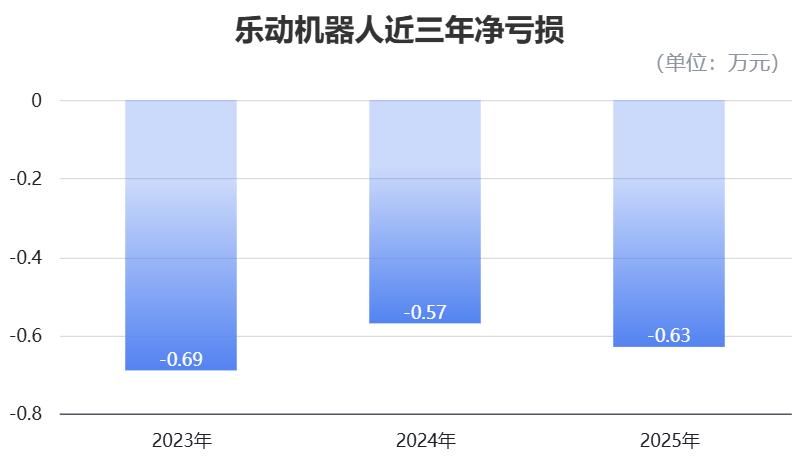
Meanwhile, although the revenue has increased rapidly, it has not fully covered all costs and expenses. Therefore, LDROBOT is still in a loss-making state.
In 2023, 2024, and 2025, the company's net loss was RMB 68 million, RMB 56 million, and RMB 62 million respectively. The losses mainly resulted from R & D and market expansion investments in new businesses such as lawn mowing robots.
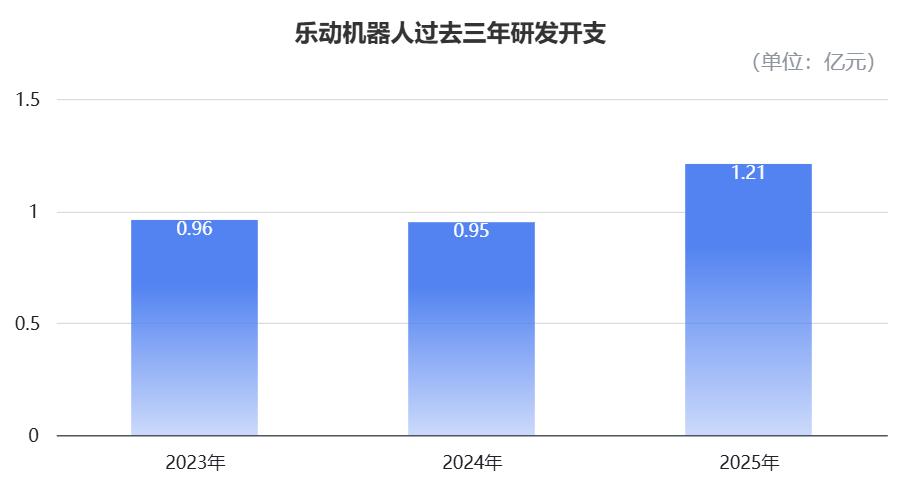
In fact, the company's R & D expenses have always remained at a relatively high level.
In the past three years, LDROBOT's R & D expenses were RMB 96 million, RMB 95 million, and RMB 121 million respectively. This growth is also related to the expansion of the R & D team for lawn mowing robot development.
However, due to high revenue growth and cost control, the company's net loss rate (net loss as a percentage of revenue) has continuously improved from 24.8% in 2023 to 8.4% in 2025.
In terms of cash, as of the end of 2025, the company's cash and cash equivalents were RMB 119 million.
For this listing, LDROBOT plans to use the raised funds in five aspects:
The majority of these funds will be used for strengthening the R & D of robot visual perception technology to optimize the algorithm structure and products;
The remaining funds will be used for brand building and going global, optimizing productivity and expanding production lines, exploring potential investment and M & A opportunities, and the company's normal operations.
It seems that most of LDROBOT's focus for the next step has been placed on new technologies and going global.
So, who is supporting such a company behind the scenes?
Alumni from Huazhong University of Science and Technology's third startup, invested by Alibaba CEO
LDROBOT from Shenzhen has a close relationship with Huazhong University of Science and Technology.
The company's two founders both studied at Huazhong University of Science and Technology for their undergraduate and postgraduate degrees.
One is Zhou Wei, a 39-year-old executive director and the current chairman. The other is Guo Gaihua, two years older than Zhou Wei, who is the current executive director and general manager of the company.
In fact, this is not their first joint startup. They first met during the Robocon robot competition and the Chinese qualifier of the RoboCup in college. Their shared interest brought Zhou Wei, Guo Gaihua, and several classmates together to form a team.
In 2007, Zhou Wei, Guo Gaihua, and others established the "Robot Team" and won the championship in the Chinese Robot Soccer Championship.
In the year after the championship, Wuhan Robot Technology Co., Ltd. was founded, which initially developed ice column cleaning robots, explosion-proof robots, and pipeline robots.

△
In 2012, Zhou Wei and Guo Gaihua decided to start a new business, focusing on self-balancing scooters. The company they founded was Segway-Ninebot, which later became well - known and once occupied half of the market share in the single - wheel self - balancing scooter segment.
In 2017, Zhou Wei and Guo Gaihua embarked on another startup journey with their dream of robotics and founded LDROBOT.
In the nine years since its establishment, LDROBOT has completed 4 rounds of financing, raising a total of RMB 473 million.