China's 6G is here. The United States is anxious. Japan and South Korea are joining forces. India claims to lead the world in 6G.
Recently, the Ministry of Industry and Information Technology officially approved the use license for the 6G test frequency in the 6GHz band, and authorized the national IMT - 2030 (6G) Promotion Group to conduct 6G field trials. This marks that China's 6G R & D has fully entered the practical stage from laboratory testing.
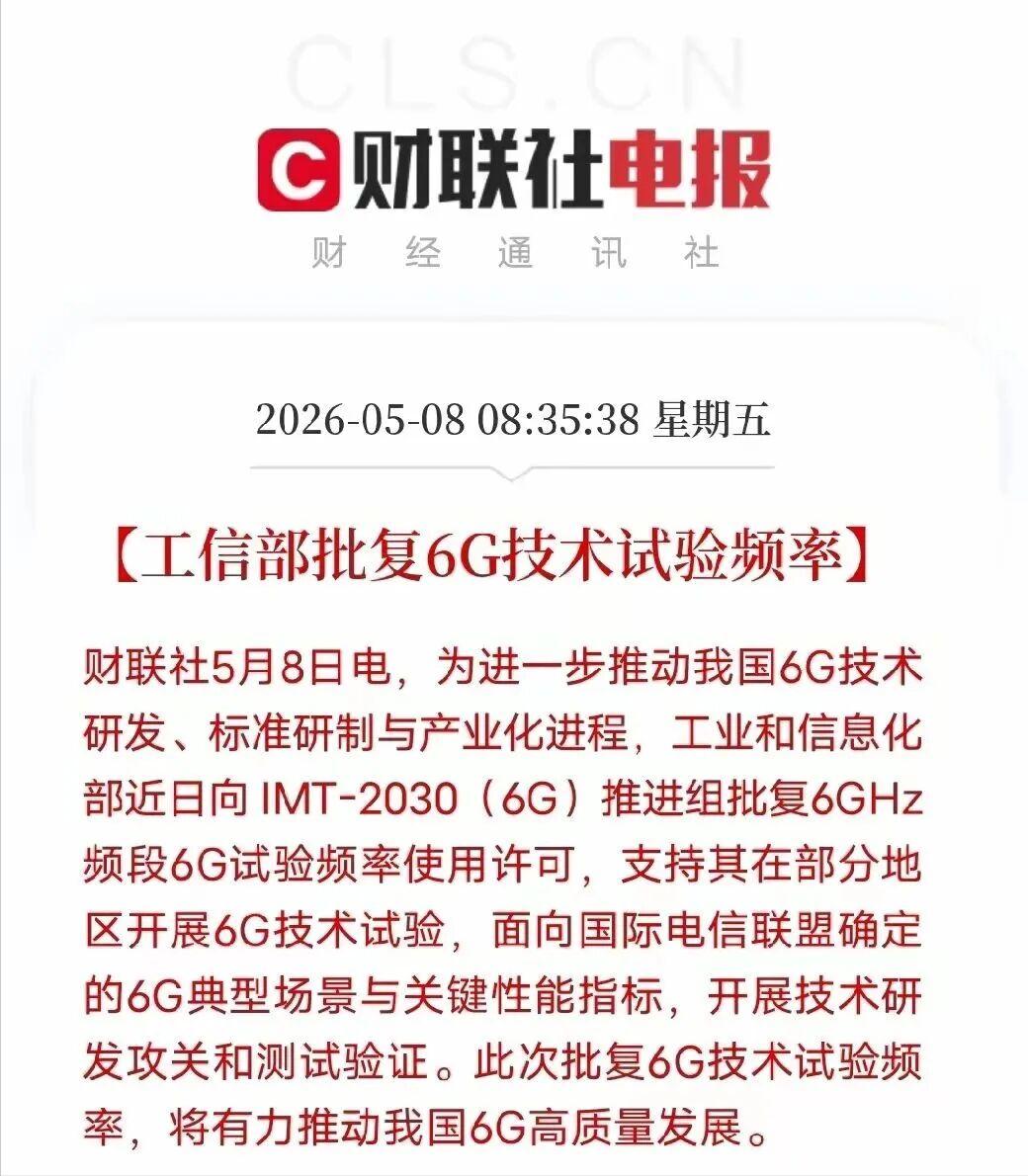
The approved 6G frequency band is specifically from 6425 - 7125MHz, with a total continuous bandwidth of 700MHz, which is known as the "golden spectrum" in the industry. It is also currently considered the best frequency band globally.
More importantly, China has clearly stated that it will no longer blindly wait for international standards, nor passively rely on international cooperation or cater to the international market. It adheres to independent R & D, self - control, and independent standards, with 100% self - control of core technologies and core components, and aims to achieve commercialization by 2030.
Japan and South Korea Choose to Team Up
As the 6G era approaches, countries around the world have different reactions. Japan and South Korea choose to team up, the United States is very anxious, and India is full of confidence, claiming to lead the global 6G.
Several Japanese operators and South Korea's SK Telecom have recently issued many joint statements, and Samsung and SoftBank have also signed R & D cooperation agreements, which seems quite impressive. But if you look at the data carefully, you'll understand.
Japan holds less than 10% of the global 6G patents, and South Korea holds a little over 8%. Individually, neither of them is quite up to par.
So their strategy is to team up. At the table of international standard - setting, if one person doesn't have enough chips, then several people will form a partnership. If individual technological breakthroughs don't work, they'll play the game of political alliances.
This just shows that they lack confidence when relying on themselves.
The United States is Anxious
The embarrassment the United States faced in the 5G era is repeating itself in the 6G era. China still has valuable frequency bands available, while the United States has long run out of available frequency bands, and it faces pressure in competing with China in 6G.
Any communication technology needs to use radio waves to transmit signals. The transmission frequency of these radio waves is not determined by operators but needs to be uniformly allocated by the state because frequency bands have various uses, and some have already been occupied, so operators naturally cannot use them.
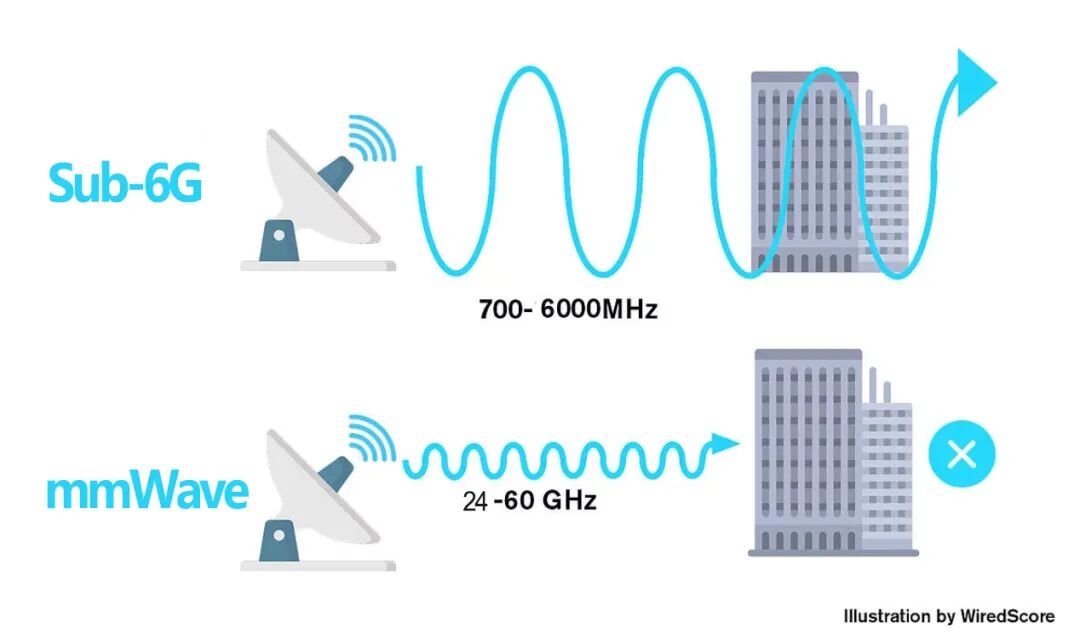
During the 5G era, two frequency bands were determined. One is Sub - 6 (referring to the spectrum from 450MHz to 6GHz), and the other is millimeter - wave (referring to the spectrum from 24.25GHz to 52.6GHz).
In the 5G era, the ideal spectrum (Sub - 6GHz) is a golden area that balances "coverage" and "capacity".
At that time, most countries in the world used the sub6 frequency band to build 5G, but the United States couldn't.
Because in the United States, the prime locations in the frequency spectrum were mostly occupied by its military, defense communications, meteorological services and other "big institutions" during the Cold War. It's like opening a restaurant and finding that the best locations have already been occupied by "insiders" as warehouses.
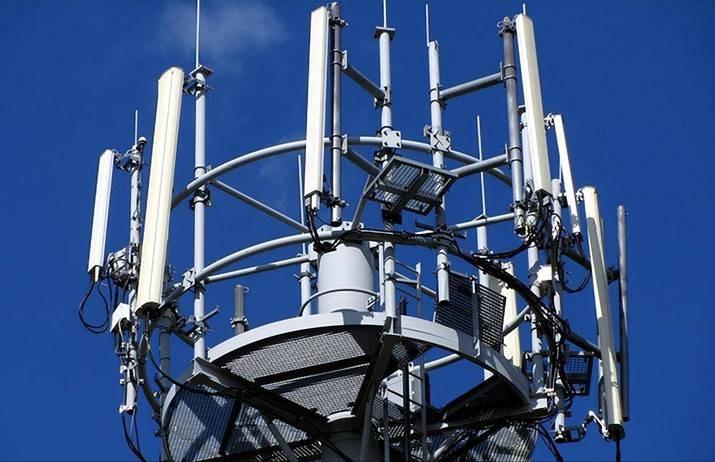
As a result, US operators had to settle for millimeter - waves, which have a short coverage distance and high costs. The result is a high density of base stations, high investment, and a delicate signal. An umbrella or a tree can block the signal, which is a typical "wrong - path lock".
It can be said that for this reason, the United States lags behind China in 5G construction. China has more than 3 million 5G base stations, while the United States has only more than 100,000.
At that time, the United States hoped that in the 6G era, thinking that there would be no available frequency bands in the 6GHz range, and the whole world might use millimeter - waves. Since the United States used millimeter - waves in the 5G era and had the most R & D and the strongest strength, it would naturally take the lead in 6G.
However, unexpectedly, this time when China approved the 6G test, the frequency band used is still centimeter - wave, with a frequency of 6425 - 7125MHz. It didn't develop in the direction of using millimeter - waves as the United States had imagined.
China's construction of 6G based on this golden frequency band has many advantages over the millimeter - waves that the United States can only use. It has a long transmission distance, low attenuation, low construction costs, and a complete upstream and downstream ecosystem.
It can be said that the United States has made a wrong move and is making continuous mistakes. Its anxiety is obvious. The Trump administration wants to launch 6G services at the 2028 Los Angeles Olympics and achieve full commercialization in 2029, thinking that "US 6G can lead China".
Of course, although the United States has fallen behind at the starting line of the core spectrum and its current spectrum plan is in an embarrassing stage of "catching up with China but not fully developed yet", we can't underestimate its potential:
After all, Qualcomm, Apple, etc. are still giants in device and computing power design, and their absolute dominance in the chip design field cannot be underestimated. If its military spectrum of 2.7GHz can be successfully released, it will bring a qualitative improvement to its 6G and even 5G.
However, in the face of China's "golden package", the United States can't afford to lose in terms of the cost and time of its spectrum choices.
India Claims to Lead the 6G Era
In the face of 6G, although Japan and South Korea team up and the United States has a headache, India is very optimistic.
Not long ago, at the Mobile World Congress in Barcelona, India's Minister of Communications confidently declared: "India will become the leader of future 6G technology." India's confidence lies in its large market, large population, and the ongoing deployment of 5G.

The logic makes sense, but in reality, they are still in the process of building their ability to develop 4G self - developed equipment.
As soon as this statement was made, even the Indian public couldn't stand it. They said that India should popularize 4G and 5G technologies first before boasting.
India's 4G construction still faces numerous challenges. The low density of base stations leads to serious network congestion, especially in densely populated areas. The coverage in rural areas is even more worrying, and in many places, there is only a weak 2G signal.

In the 5G era, when countries like China, South Korea, and the United States started 5G commercialization in 2019, India was still preparing for spectrum auctions. It wasn't until October 2022 that India belatedly launched 5G commercialization, three years later than the leading countries.
However, India's 5G construction speed is indeed impressive. Official data shows that they built about 500,000 5G base stations in just two years, with a population coverage rate of over 80%, and its global ranking of mobile network speed has soared from 113th to 18th.
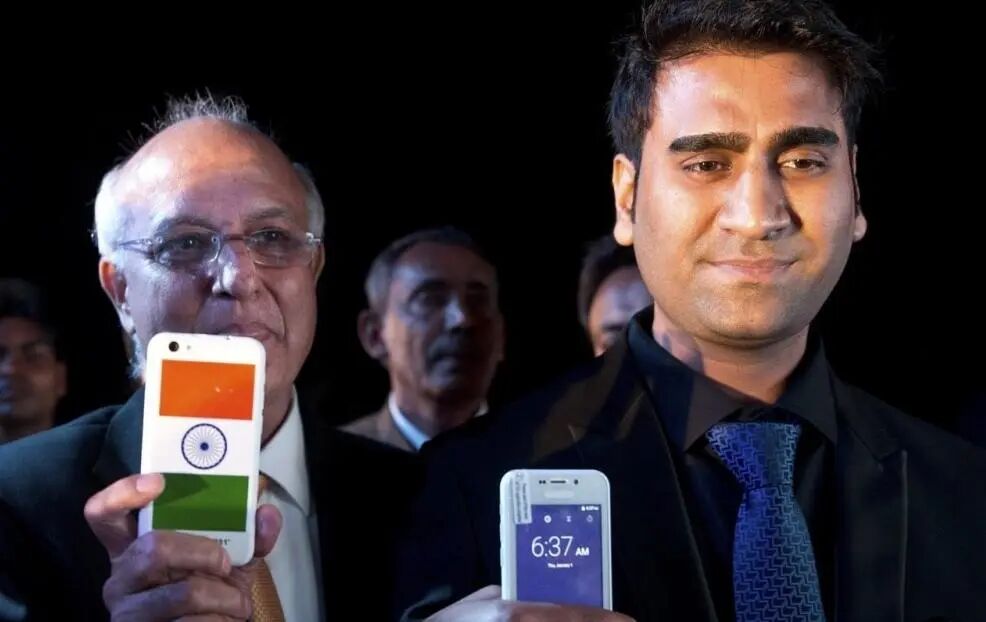
This report card looks very impressive, but China built nearly 1 million 5G base stations in the first two years of 5G commercialization, twice as fast as India.
From a comprehensive strength perspective, India's claim to lead in 6G is just wishful thinking. From 2G to 3G, and then to 4G and 5G, the development of each generation of technology is an extension and breakthrough based on the previous generation. The development of communication technology largely depends on the accumulation of standard - essential patents.
Looking back at the 5G era, enterprises from China, the United States, South Korea, Japan, and Nordic countries held the vast majority of standard - essential patents, and India had no presence at all. If there is little accumulation of 5G patents, it is a fantasy to suddenly lead in the 6G era.
Looking back at China's development history of communication technology, 20 years ago, China was just starting with 3G, catching up slowly in the 4G era, and leading in the 5G era, holding 30% of global patents and 60% of base station shares, with full control of the entire industrial chain and breaking the century - long Western monopoly.
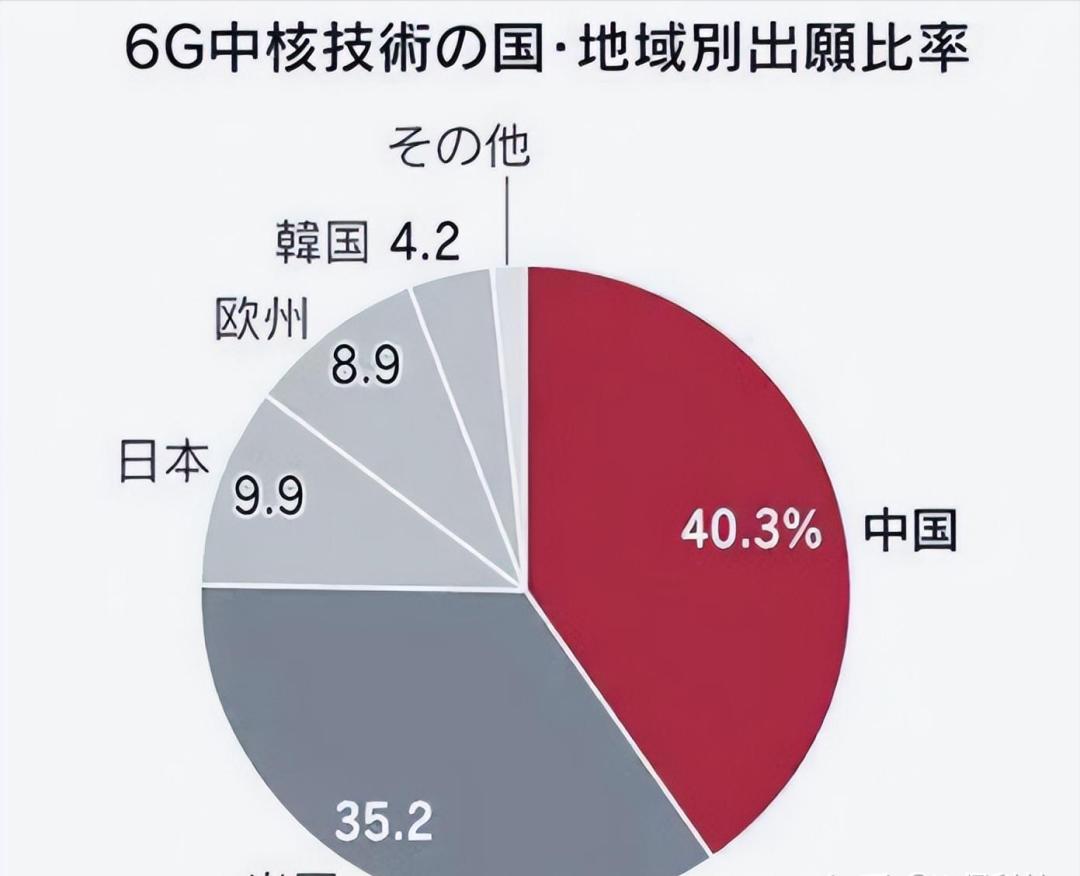
Now in the 6G era, China is in the first echelon, with 40.3% of global patent applications, ranking first in the world.
If we compare China and the United States in 6G, as of June 2025, in the global 6G core patent applications, China accounts for 40.3%, ranking first in the world, while the United States accounts for 35.2%, a difference of more than 5 percentage points.
This competition for the future foundation of major powers seems on the surface to be a data confrontation of 40.3%, 35.2%, and 9.9%, but at its core, it is a grand review of a country's overall basic science, engineering manufacturing capabilities, and market digestion capabilities.
Many people in the United States always think that with Starlink and Qualcomm, they can suppress China, but they fail to see that China's advantages in the entire industrial chain from basic research, chip manufacturing to network construction are taking shape.
In the past, China was always in a passive following position in the field of communication technology. The West held the power to set standards and monopolized core technologies. Chinese enterprises could only passively accept standards, pay high patent fees, and become low - end subcontractors, being restricted at every turn.
In the 5G era, the West tried to jointly suppress Chinese enterprises and contain China's technological development. Now, in the 6G era, China has taken a step further, with 100% self - control of core technologies, fully in control of the development initiative, not restricted by others, and no longer relying on international cooperation or catering to the international market.
Just as China and the West developed new energy vehicles simultaneously in the past, only China has been conducting all - round R & D from basic research to the entire industrial chain of battery, motor, and electronic control for decades.
When China's electric vehicle strength is strong enough, Western countries will also need to embrace China's technology and standards and China's industrial chain. As long as the strength is strong enough, one's own technology and standards will eventually become international standards.