On-site investigation of four hydrogen refueling stations in Guangzhou: More stations are out of service than in operation, and you have to drive dozens of kilometers for a single hydrogen refueling.
After visiting four hydrogen refueling stations, I finally realized how difficult it is to refuel with hydrogen!
In March this year, the Ministry of Industry and Information Technology, the Ministry of Finance, and the National Development and Reform Commission jointly issued a notice, clearly promoting the application of hydrogen energy in transportation, industry and other fields. In the transportation field, the main basis for the development of hydrogen energy is undoubtedly hydrogen refueling stations.
Therefore, Dianchetong (ID: dianchetong233) specially visited four hydrogen refueling stations in the Guangzhou area to explore the current development status of hydrogen fuel vehicles in Guangzhou. After this visit, Dianchetong gained a deeper understanding of the development situation of hydrogen energy in the automotive field and its future development trend.
Visit to Hydrogen Refueling Stations: Reality Is Harsher Than Expected
There are not many hydrogen refueling stations in the Guangzhou area. After planning the route based on their locations, Dianchetong first arrived at the Xiongchuan Hydrogen Energy Xiweilikang Hydrogen Refueling Station in Huangpu District. Gaode Map showed that the station was in operation.

(Source: Screenshot from Gaode Map)
There were dozens of cars parked near the hydrogen refueling station. Only when getting closer did we find that the station had stopped operating and was used as a parking lot. There was also a seal from the Huangpu District People's Court on the hydrogen refueling equipment, which couldn't work normally, and there was no display of the hydrogen price on the equipment.
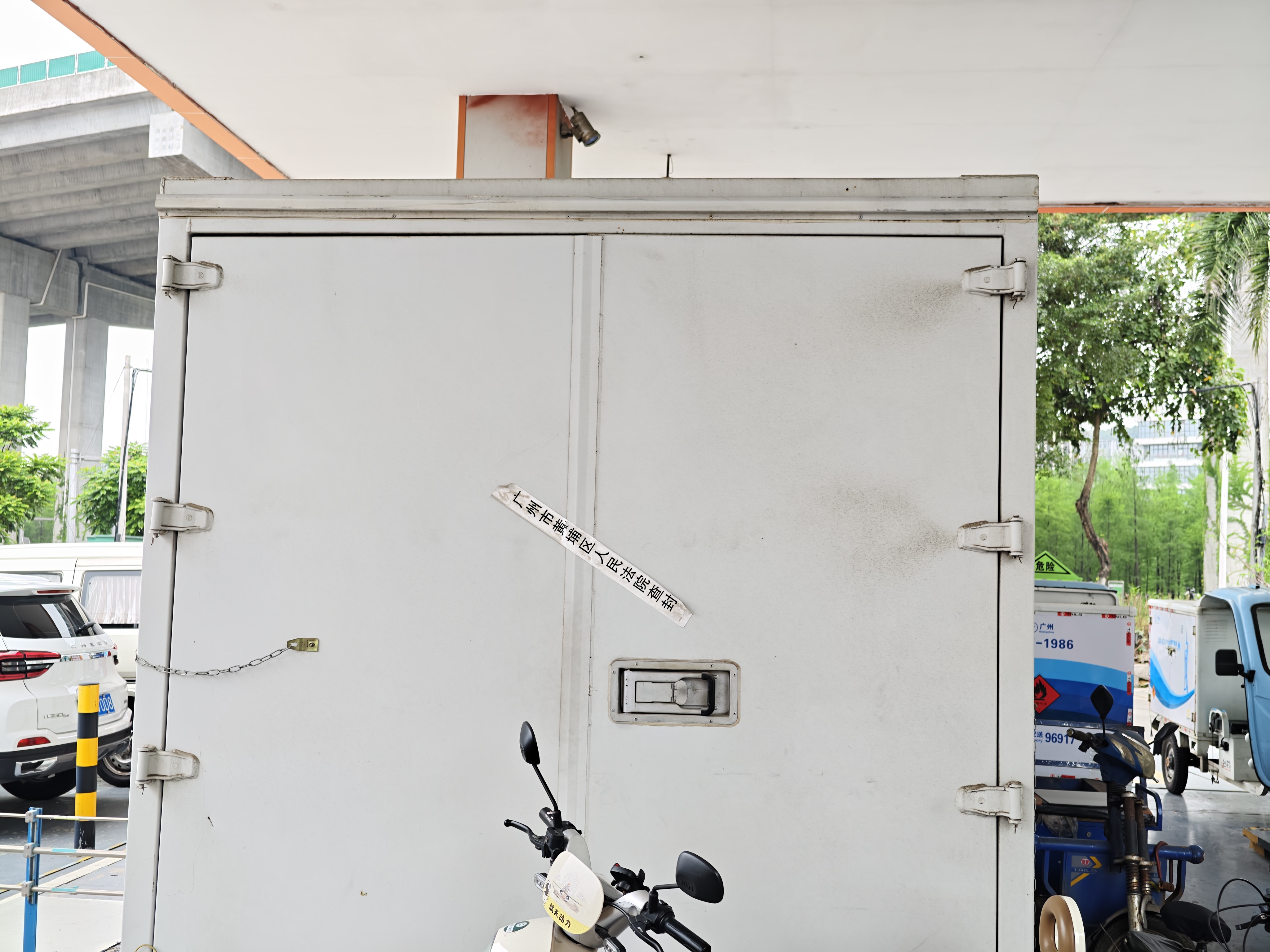
(Source: Filmed by Dianchetong)
After checking this hydrogen refueling station, Dianchetong (ID: dianchetong233) rushed to the Yuntao Hydrogen Energy Beitai Road Hydrogen Refueling Station, which Gaode Map also showed was in operation. Unfortunately, the station was under construction and not yet put into operation. Yuntao has deployed multiple hydrogen refueling stations in Guangzhou, and they are expected to be put into use one after another soon.
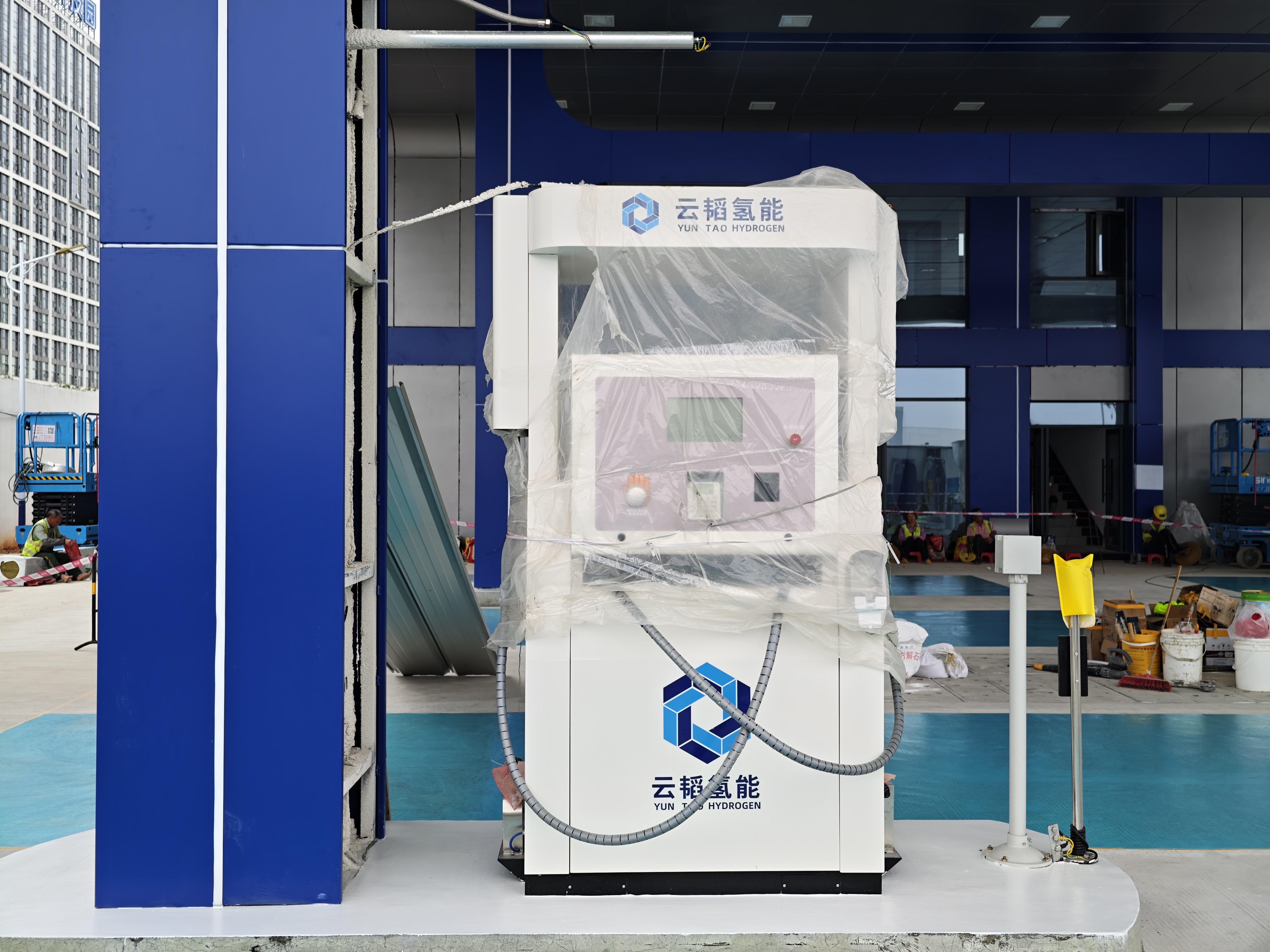
(Source: Filmed by Dianchetong)
Since the average distance between hydrogen refueling stations is about 20 kilometers and they are located in very remote areas, after two fruitless searches, Dianchetong had to pin its hopes on the third hydrogen refueling station - the Yuntao Hydrogen Energy Shimen Huangjinwei Hydrogen Refueling Station. The good news is that this hydrogen refueling station is in operation, but the bad news is that it doesn't operate for the public.
The staff said that the station mainly serves the construction vehicles in the surrounding areas and is not open to private car owners. It's not convenient to take photos. After communicating with the staff for some time, Dianchetong had to leave.
Early the next morning, Dianchetong, still not giving up, went to the Sinopec Gas and Hydrogen Refueling Station. If it encountered another non - public hydrogen refueling station this time, Dianchetong might be desperate about hydrogen energy.
This station integrates refueling, hydrogen refueling, and charging. The equipment is open to the public, but the management is strict: one must be accompanied by staff to enter the tank area. Unauthorized entry and touching of equipment are prohibited. Mobile phones, lighters, etc. must be placed in the designated area, and shoes with iron nails cannot be worn. Mobile phones, lighters and other items must be placed in the designated position. Similarly, the staff at the Sinopec Gas and Hydrogen Refueling Station do not allow taking photos, and information can only be memorized.
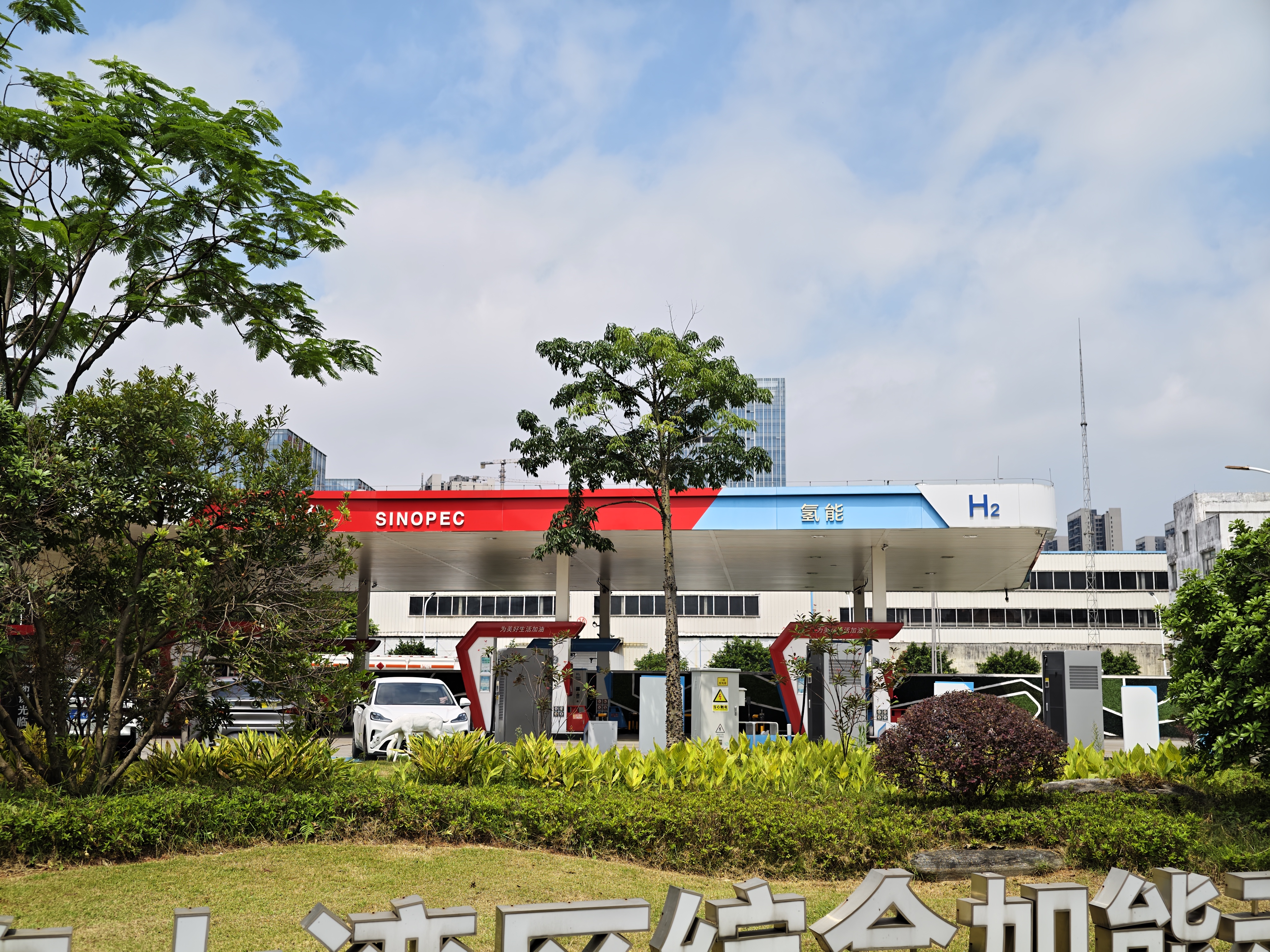
(Source: Filmed by Dianchetong)
Dianchetong noticed that the price of hydrogen energy at this hydrogen refueling station is 35 yuan/kg. The staff said that about dozens of cars come here to refuel with hydrogen every day. However, Dianchetong waited at the hydrogen refueling station for a long time and didn't see any car owners coming to refuel with hydrogen. Instead, several new energy vehicles came here to charge.
After this visit, Dianchetong (ID: dianchetong233) believes that hydrogen refueling stations in the Guangzhou area are facing two major problems:
Firstly, the number is too small. There is only one every 15 to 20 kilometers, and many are out of operation, forming a sharp contrast with the ubiquitous gas stations;
Secondly, the map information is seriously lagging behind. Many hydrogen refueling stations that are out of operation or not open still show "in operation" on Gaode Map, resulting in many fruitless trips.
Of course, we can't entirely blame the map software. The low usage frequency of hydrogen refueling stations and the small number of hydrogen fuel vehicles mean that users lack the motivation to report and update information, so it's naturally difficult for the map data to be kept accurate in real - time. Yuntao Hydrogen Energy operates multiple hydrogen refueling stations, and some are still under construction, which proves from the side that although the development of hydrogen fuel vehicles is slow, it's not stagnant.
Commercial Vehicles Take the Lead, and Hydrogen - Powered Passenger Cars Are on the Way
In the communication with the staff at the Yuntao and Sinopec hydrogen refueling stations, Dianchetong found that the number of hydrogen fuel vehicles has gradually increased, mainly commercial vehicles, and ordinary consumers don't feel it obviously.
For example, on the Han - Yi Expressway from Wuhan to Yichang, there are hydrogen fuel vehicles from Dongfeng Heavy Trucks. After refueling for 10 minutes, they can travel 800 kilometers. In areas such as Beijing, Shanghai, Shenzhen, Guangzhou, and Zhengzhou, hydrogen - powered buses and online car - hailing vehicles have also appeared one after another. There are also a small number of hydrogen - powered private cars in cities like Guangzhou and Beijing. Although the scale is negligible compared with electric vehicles, there is a possibility of large - scale development only after pilot projects.
Netizens on the Xiaohongshu platform said that hydrogen fuel vehicles run very quietly, and they consume 0.8kg to 1kg of hydrogen per 100 kilometers. Hydrogen fuel vehicles use a platinum catalyst to generate electricity from hydrogen to drive the vehicle. They are equipped with a lithium - ion battery and support kinetic energy recovery. They don't have a structure like the engine of a fuel - powered vehicle, and they perform better in terms of smoothness and quietness compared with plug - in hybrid and range - extended vehicles.
As for the reason for buying hydrogen fuel vehicles, netizens on Xiaohongshu generally said that it's because hydrogen - powered vehicles can be refueled quickly and have low travel costs. There are also high - value hydrogen refueling subsidies in overseas areas.
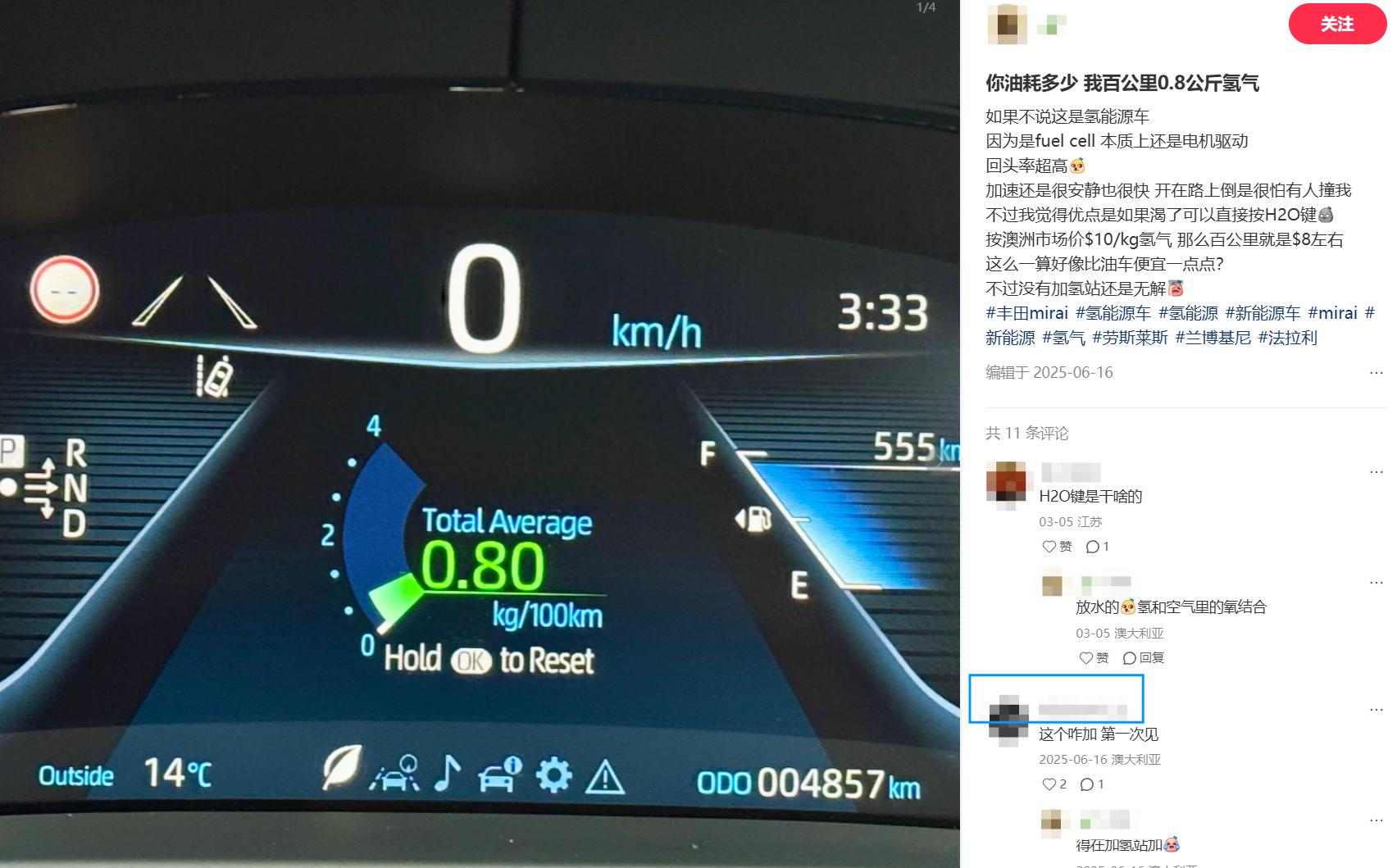
(Source: Screenshot from Xiaohongshu)
Considering the hydrogen price of 35 yuan/kg in the Guangzhou area, the cost per kilometer of hydrogen fuel vehicles is less than 0.35 yuan, which is much cheaper than fuel - powered vehicles, but slightly higher than that of pure electric vehicles. Currently, the main sources of hydrogen in China are coal - based hydrogen production and natural - gas - based hydrogen production, with relatively low costs. In the future, when hydrogen fuel vehicles are widely used, after spreading the R & D costs and transportation costs of hydrogen - producing enterprises, the travel cost of hydrogen fuel vehicles is expected to be further reduced, reaching or even lower than that of pure electric vehicles.
Because of its advantages such as low travel costs and excellent environmental protection effects, hydrogen energy is regarded as the "ultimate energy of the 21st century". In addition to well - known Japanese automakers such as Toyota and Honda that are committed to hydrogen energy, domestic automakers such as Haima Automobile, Changan Shenlan, and GAC Aion are also deeply involved in hydrogen energy technology.
Recently, Great Wall released the Guiyuan S platform, which is compatible with five major power types, including hydrogen energy. It can be seen that domestic automakers haven't given up hydrogen energy technology due to the layout of electrification, but are developing multiple technology routes in parallel.
In the short term, hydrogen fuel vehicles will still be mainly commercial vehicles, helping hydrogen energy automakers test and develop relevant technologies. In the future, hydrogen energy is expected to be gradually implemented in the field of passenger cars, promoting the automotive industry to further enter the zero - emission era.
Solving Safety Issues Is the Key for Hydrogen Fuel Vehicles to Reach the Mass Market
Currently, there are a small number of hydrogen fuel vehicles available for purchase in China, but such vehicles have two major problems: high price and difficult refueling. Taking the medium - sized sedan Toyota Mirai as an example, its official guide price is 748,000 yuan. With the same price, you can buy Yangwang U7 or BMW 7 Series. The key to the difficult refueling problem is the small number of hydrogen refueling stations, which are mainly located in remote areas. These problems all stem from the danger of hydrogen energy.
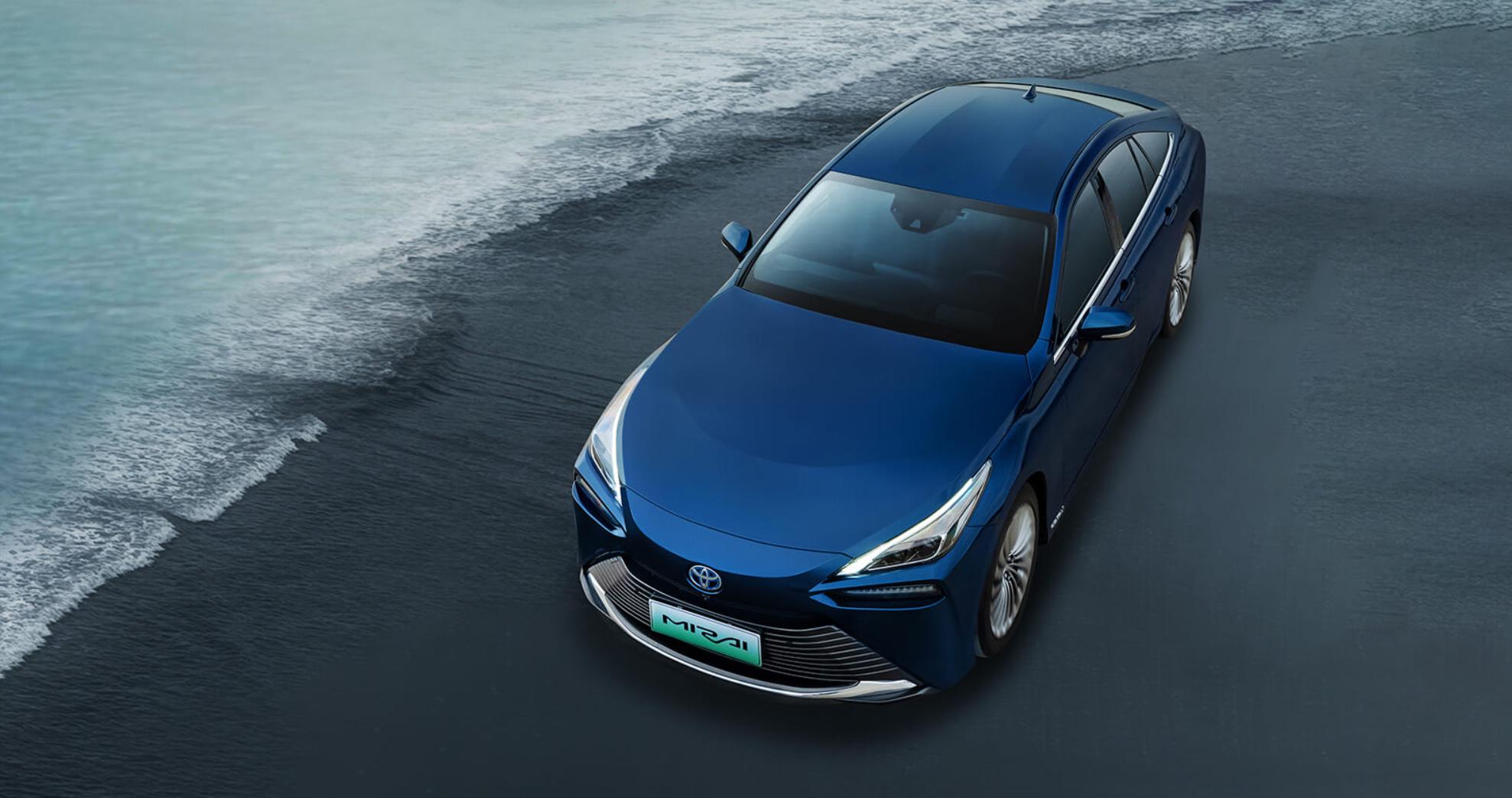
(Source: Toyota)
Hydrogen molecules are extremely small and can easily penetrate into the gaps between other molecules, thus destroying the structure of hydrogen storage equipment. Therefore, it has extremely high requirements for the sealing performance of materials. As a result, the high - precision proton exchange membranes, air compressors, air circulation pumps, hydrogen storage tanks, etc. required for hydrogen fuel vehicles are all very costly. The fuel cell stack used for power generation also uses the precious metal platinum as a catalyst. Coupled with safety - related devices such as pressure relief valves and hydrogen - tight designs, the cost of hydrogen fuel vehicles naturally remains high.
Even with a very low ownership, there have been multiple incidents of hydrogen leakage, fire, and explosion of hydrogen fuel vehicles globally. On February 24 this year, a hydrogen - energy transport trailer caught fire and exploded during operation in Colton, California, USA, resulting in one death and one serious burn.
The core reason for the remote location of hydrogen refueling stations is also safety considerations. The explosion limit concentration of hydrogen is 4% - 75%. There have been multiple hydrogen refueling station explosion incidents in regions such as South Korea, the United States, and Europe. In 2020, the explosion of a hydrogen refueling station in Longview, North Carolina, USA, damaged more than 60 nearby houses, and the affected area reached several miles. In 2021, a fire broke out in the hydrogenation unit of the residue hydrogenation station of Yunnan Petrochemical, resulting in four people with minor injuries. Fortunately, Anning City quickly launched an emergency plan to put out the fire.
Compared with the total number of hydrogen refueling stations globally, the accident rate is not high, but each accident is enough to make the surrounding residents and regulatory authorities highly vigilant.
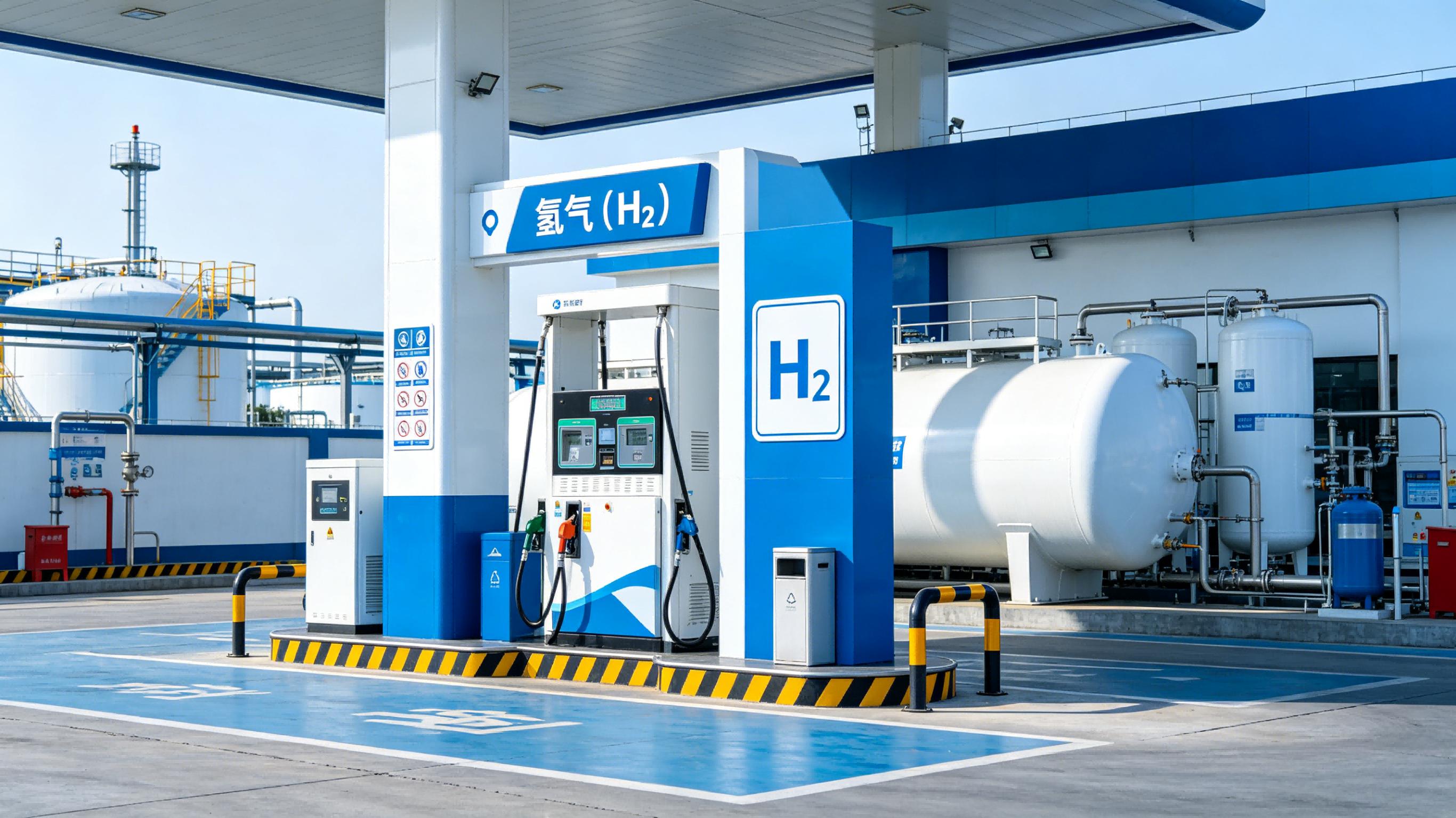
These accidents have led to the fact that to ensure the safety of surrounding residents, hydrogen refueling stations cannot be built in densely populated urban areas. To refuel a vehicle with hydrogen, one has to drive dozens of kilometers. Although the travel cost is low, a lot of time is wasted.
Therefore, relevant enterprises should not only ensure safety in the processes of hydrogen production, transportation, storage, and use but also try to reduce the cost of hydrogen fuel vehicles so that the public can afford them.
(Source: Generated by Doubao AI)
Some netizens on Zhihu believe that Japanese automakers have applied for patents for basic hydrogen energy technologies and want to profit from patent fees, so China, the United States, and Europe have turned to electric vehicles.
This statement is not accurate. The core factor restricting the development of hydrogen - powered vehicles is not the patent ownership but the fact that the safety and cost issues have not been completely solved.
Fortunately, relevant departments have been promoting the development of hydrogen fuel vehicles. After spreading the R & D and production costs through large - scale mass production, hydrogen fuel vehicles can significantly reduce the overall vehicle cost without reducing safety, then lower the price, expand the market sales, and form a virtuous industrial cycle.
Hydrogen Energy Will Not Have the Same Ending as Natural - Gas - Powered Vehicles
During the May Day Labor Day holiday, when Dianchetong (ID: dianchetong233) traveled to a fourth - or fifth - tier city, it took a natural - gas - powered taxi. The driver said that the natural - gas refueling stations in the city have been closing down one after another, and now there are only four left. The cost per kilometer of natural - gas taxis is about 0.4 yuan, much lower than that of fuel - powered vehicles, and the profit margin for pure - fuel vehicle operations is extremely small.
As the blood of industry, humans have become inseparable from oil, but there have been multiple oil shortage problems in history. To reduce oil consumption, automakers have developed vehicles powered by gas, natural gas, and even wood. Now, most alternative power sources have been eliminated, and gasoline, diesel, and pure electricity have become the mainstream. Natural gas is also on the verge of being eliminated. So, will hydrogen fuel vehicles end up like natural - gas vehicles?
Although natural gas is cleaner than gasoline, it still cannot achieve zero carbon emissions and is not a renewable resource.
Hydrogen energy is different. It can produce hydrogen by combining with clean energy sources such as wind power and photovoltaic power, achieving zero carbon emissions throughout the entire life cycle. China is vigorously developing energy storage facilities, and converting electrical energy into hydrogen energy is undoubtedly a highly environmentally friendly energy storage solution.
The "Medium - and Long - Term Development Plan for the Hydrogen Energy Industry (2021 - 2035)" issued by the National Development and