Memory is ruining everything.
Each era has its unique symbols. The first decade of the 21st century might be symbolized by the "Olympics," the second decade by the "Internet," and so on.
As it turns out, just halfway through the third decade, we've witnessed a strong contender for an era symbol: memory.
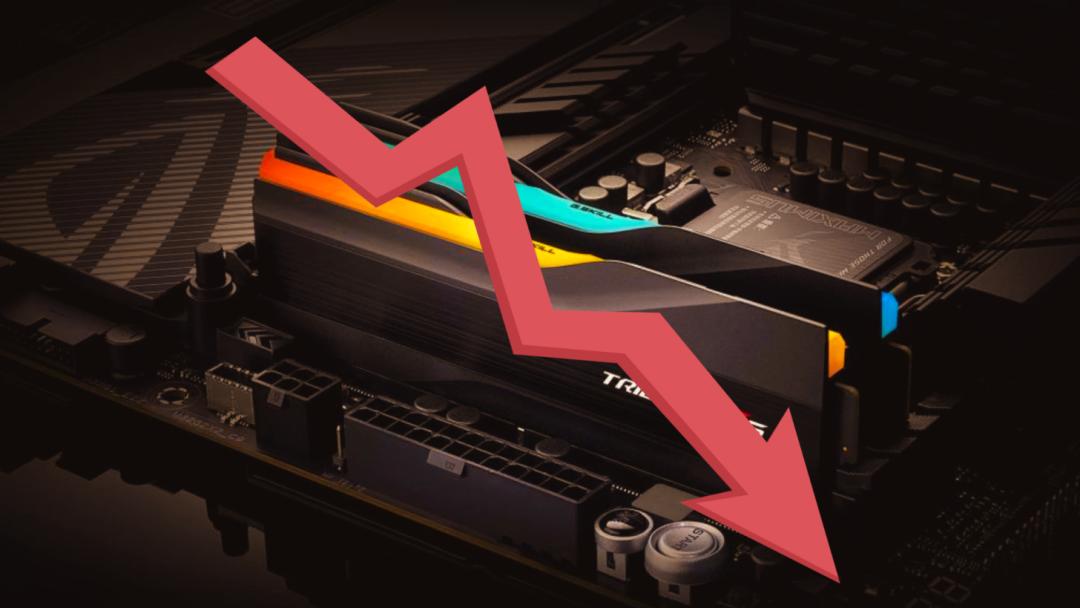
Image | Wccftech
After all, among the billions of electronic devices globally, memory is present in the vast majority. Whether it's household appliances, cars, infrastructure, or aerospace, none can do without it.
Needless to say, the booming artificial intelligence -
It is both the initiator of the memory crisis and the biggest beneficiary of memory technology. It's just standing closer to the spotlight.
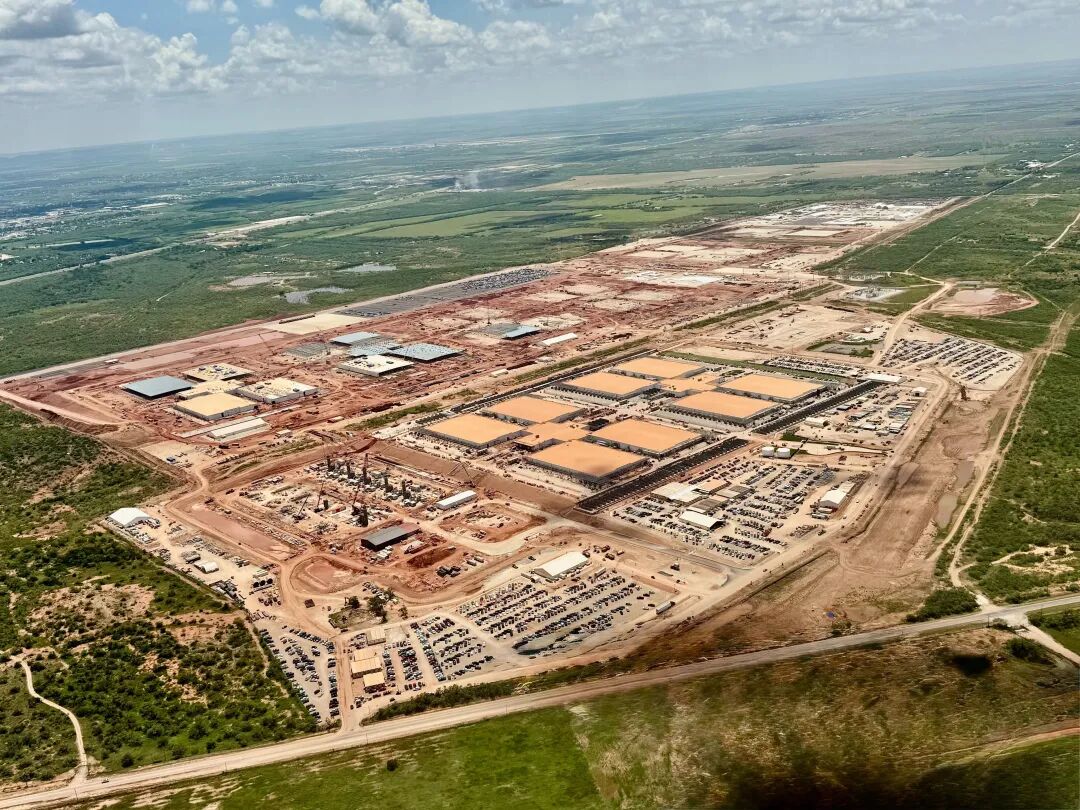
Image | OpenAI
However, the problem we're facing is neither AI nor memory. Instead, it's the extensive development model of "recklessly developing AI by piling up memory and computing power."
It is encroaching beyond its original domain and gradually affecting aspects that don't want and shouldn't be affected by the technological crisis.
1
As the most direct victims of the rising memory chip prices, the mobile phone market in 2026 is destined to be turbulent.
In the storm, small manufacturers can neither unite for mutual support nor influence the industry trend. They can only keep cutting the low - end product lines, subtly increasing the prices of flagship models, and directly raising prices to maintain their profit margins.
What's more, although Samsung Mobile and Samsung Storage share the same brand, there's no mercy between them. The DS department raises prices and restricts supplies, and the MX department has to bear the brunt.
Related reading: Samsung's memory division is unyielding, forcing Samsung Mobile into losses
In this situation, Apple and Huawei, which have reserved sufficient profit margins, can grit their teeth and engage in price wars to capture more market share.
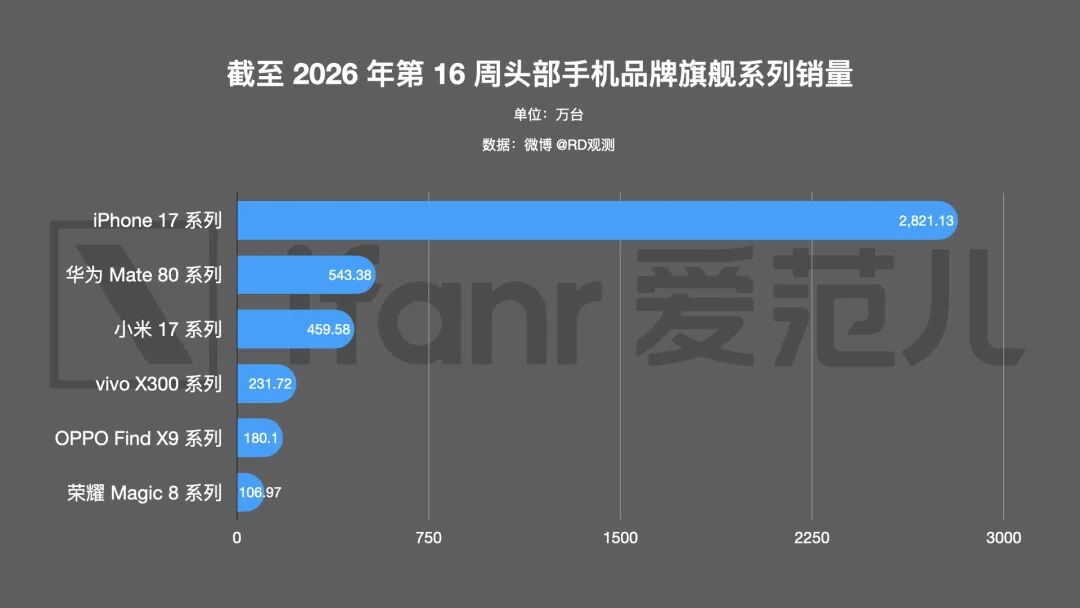
However, in the long run, even companies of this scale won't be able to hold on.
Whether it's the recently released Pura 90 series or the rumored iPhone 18 series, we've seen the trade - offs caused by the out - of - control memory prices.
Related reading: Is the iPhone 18 "downgraded"? Apple's new CEO is playing a long - term game
What troubles ordinary consumers is that the rising memory prices not only affect the official guide prices at the time of release but also disrupt the secondary market and second - hand transaction prices.
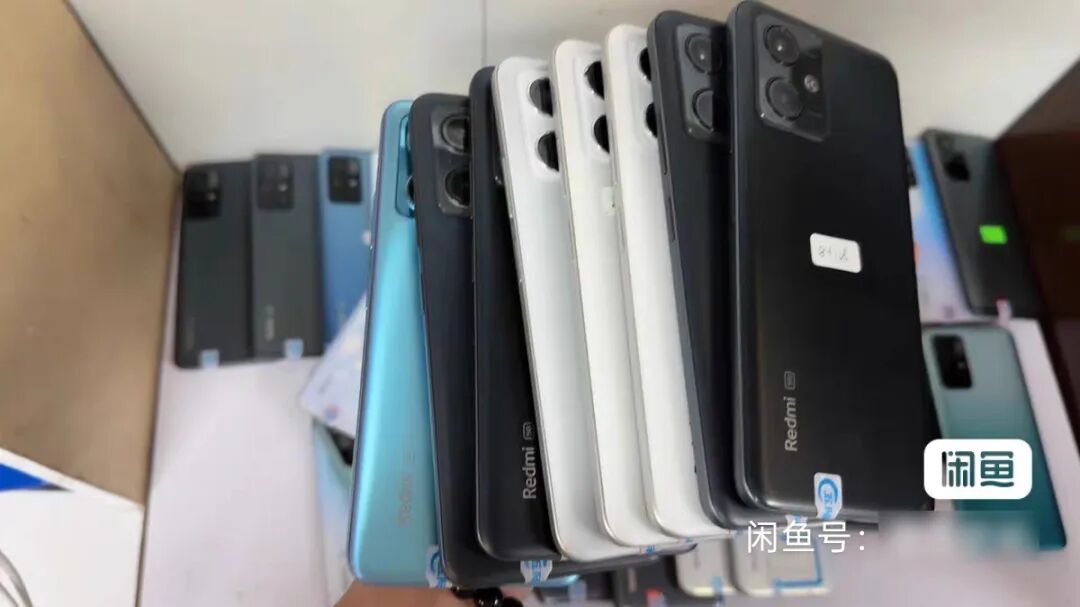
Image | Xianyu
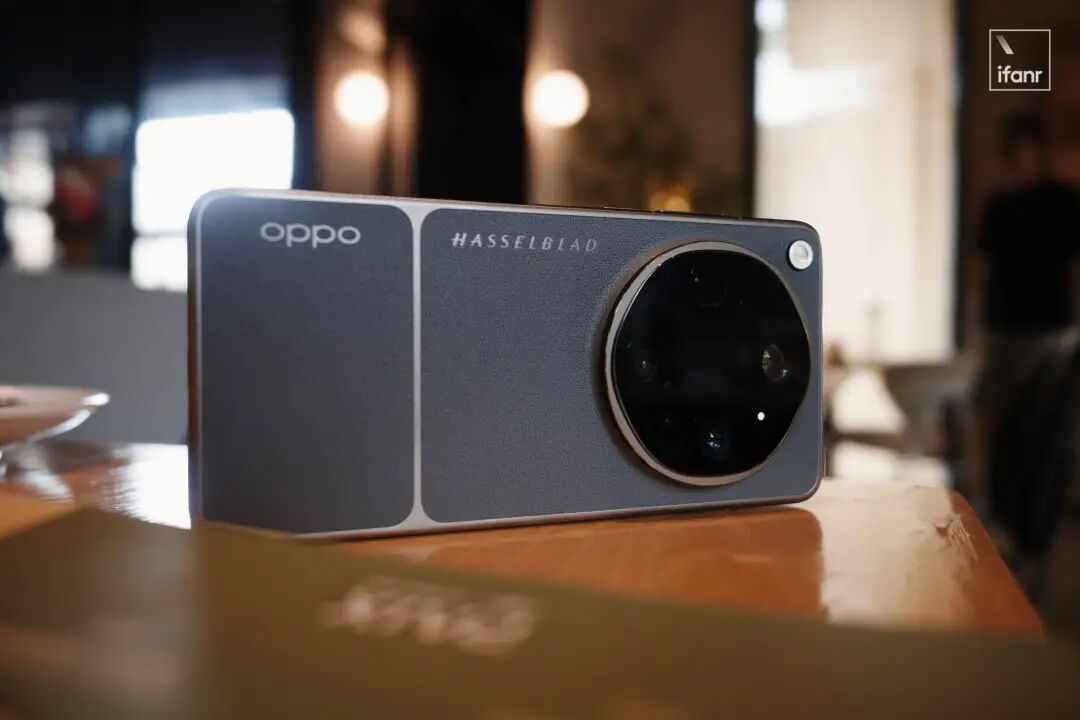
Take OPPO, which has a relatively late mid - term product line. Just shortly after the release cycle in the first half of the year, there have been multiple rounds of phenomena such as "price increase at release, discount at the first sale, and sharp decline in second - hand prices."
As for the original entry - level models and even the lower - priced contract phones, they have almost disappeared in what should be their peak season, just as ifanr summarized last year:
The era of abundant and affordable mobile phone hardware has completely ended, and what's coming towards us is across - the - board price increases and configuration reductions.
2
Computers, which follow closely, are even more severely affected.
The iPhone can rely on its profit margins and supply - chain influence to maintain a "relatively stable" price. However, Mac, which is more restricted by costs, isn't so lucky.
Since last year, although Apple has rarely publicly stated the difficulties it faces in memory procurement, the shrinkage of its product line is a fact.
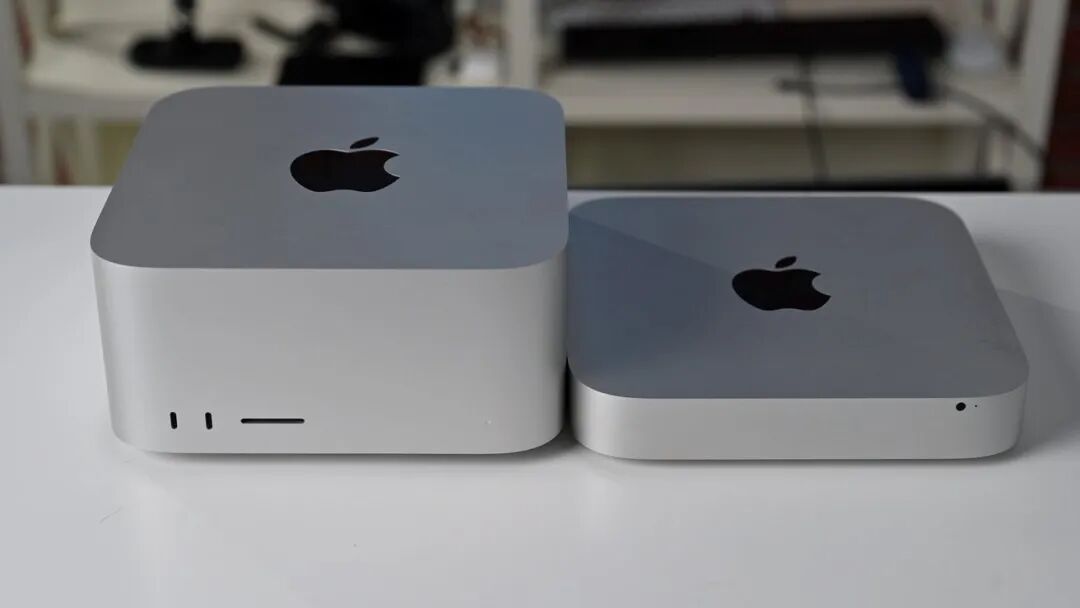
Image | AppleInsider
For example, the beloved Mac mini has quietly removed the 32GB and 64GB memory options for the M4/M4 Pro models, leaving only 24/48GB options.
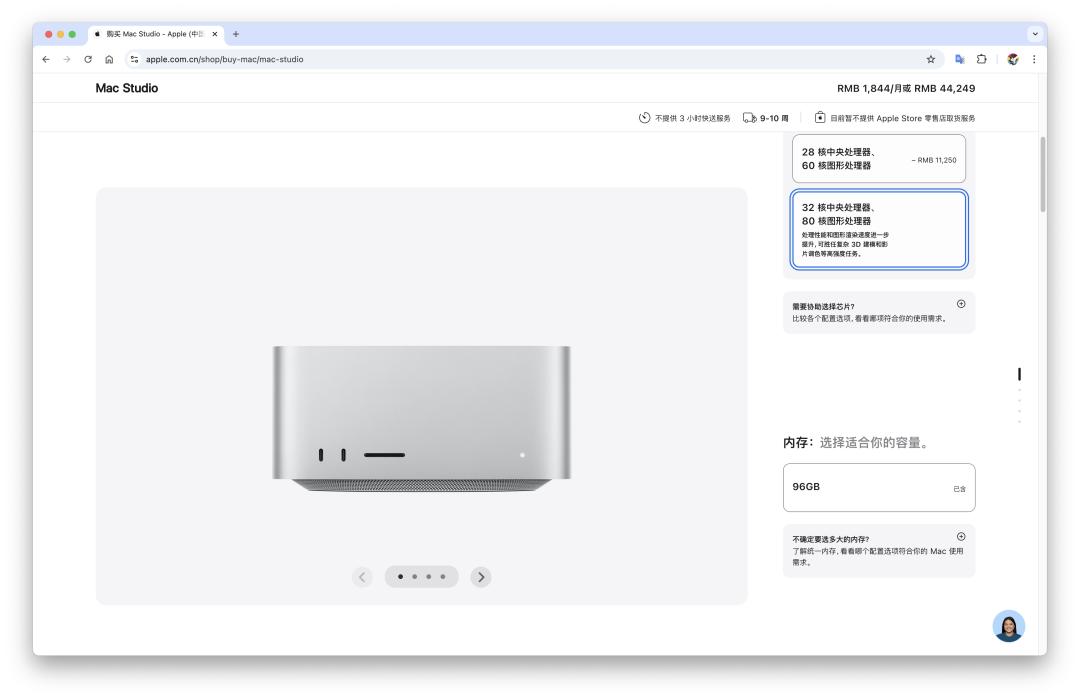
The M3 Ultra is even worse. It originally had three optional configurations of 96, 256, and 512GB, but now only the basic 96GB remains:
Not to mention the highly anticipated MacBook Neo. Originally, it was just the shortage of A18 Pro inventory, but now the memory chips are also on the verge of running out.
Some foreign media reported that Apple is considering removing the 256GB entry - level option, which almost completely goes against the original intention of the Neo.

Windows also has a hard time. After all, memory and SSDs have always been in a difficult situation.
Coupled with the underperforming Win 11 and the ever - increasing demand for local AI, even without considering graphics cards, the DIY PC market in the past half - year has, in fact, "died."
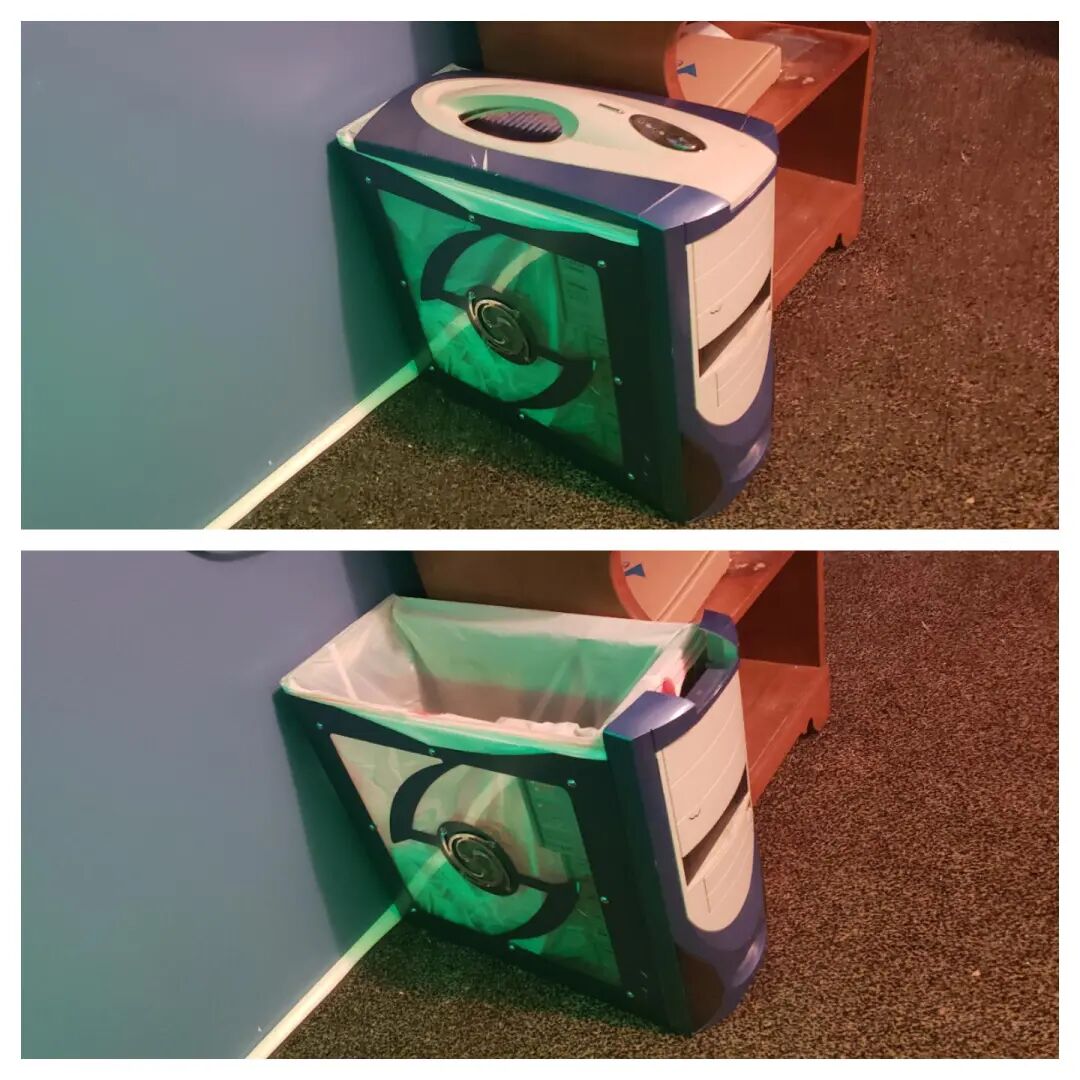
Image | Reddit
The laptop market below $500 (about 3,500 RMB) is in a complete mess.
The profit - making model of traditional laptops is originally very single and limited. The huge price fluctuations of essential components like memory have even brought back the "renaissance" of 8GB memory.
The gaming console industry has also suffered.
Nintendo recently announced that the price of the Switch 2 is expected to increase from 49,980 yen to 59,980 yen, an increase of about 434 RMB.
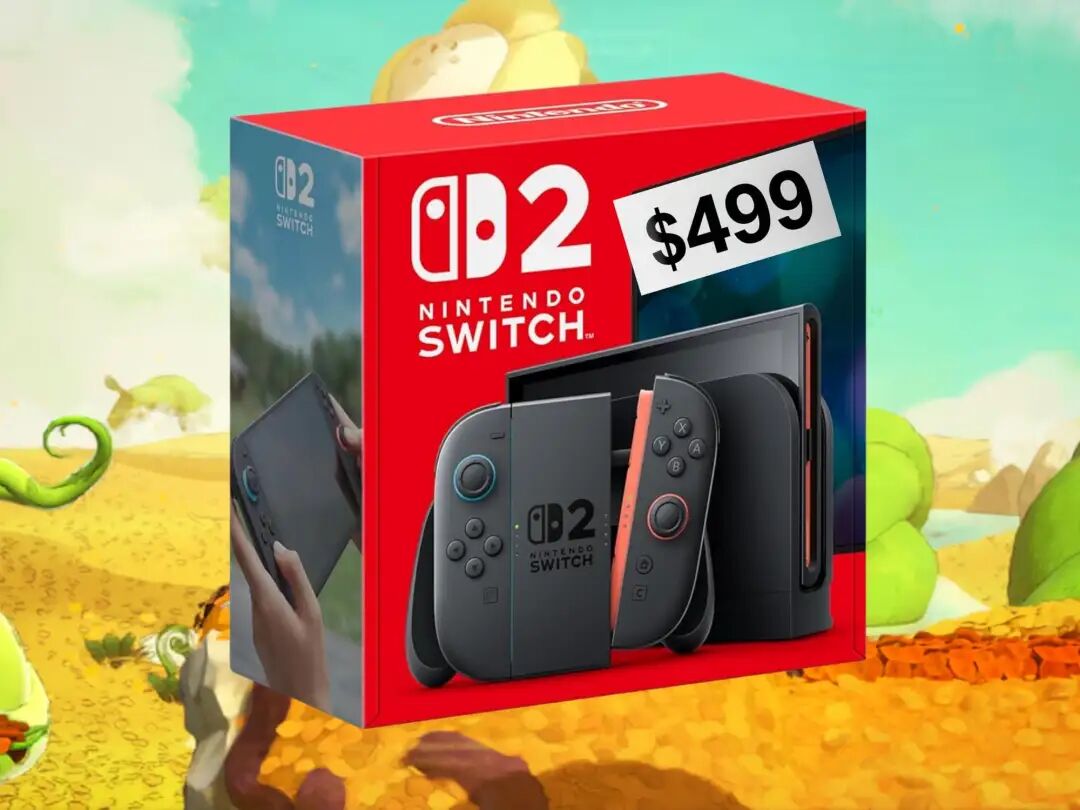
Image | Notebookcheck CN
Meanwhile, Valve's highly anticipated Steam Machine has been in limbo since last year, its fate uncertain.
3
Unfortunately, the impact of memory extends far beyond the technology industry. For some long - standing "traditional handicrafts," these challenges present a rare opportunity.
Recently, a South Korean media reported that theft gangs have shifted their primary target from gold, silver, and jewelry to memory sticks.
The offices of some technology companies and startups in Seoul have been targeted by "organized crimes" with "clear objectives." Thieves are like players in "Escape from Tarkov," only touching computer cases and grabbing memory sticks before running away.
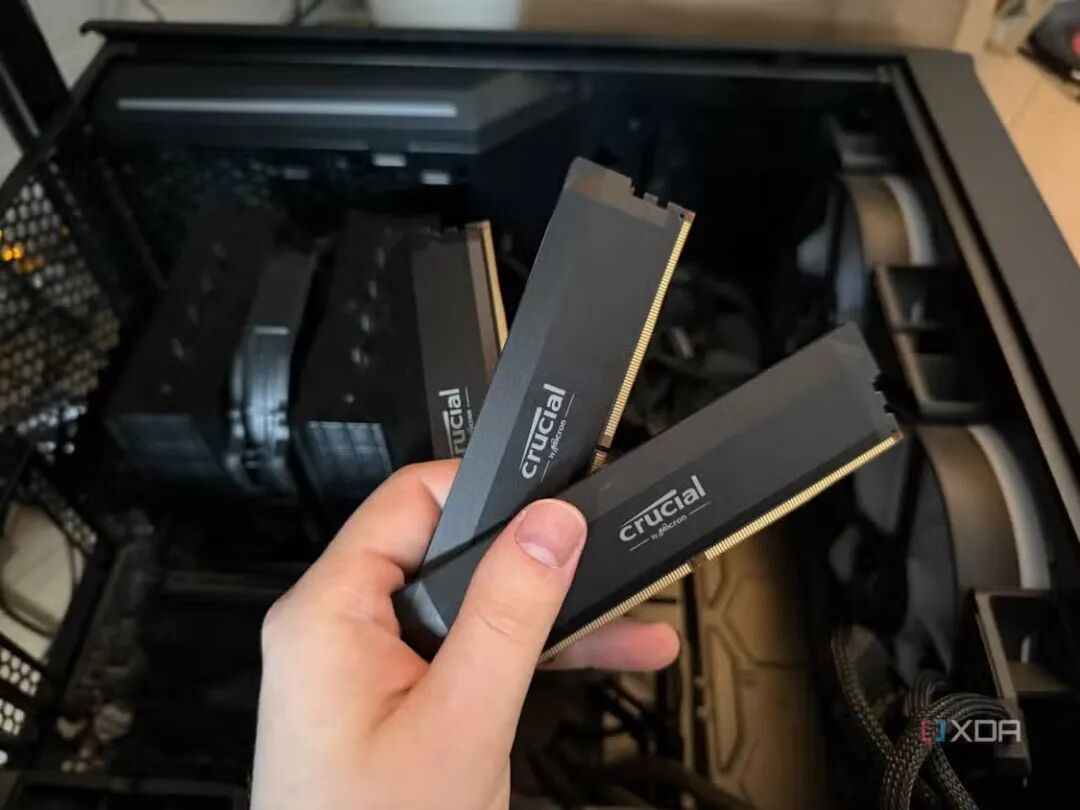
Image | XDA Developers
After all, memory sticks are not only lightweight but also don't need to be remelted and cut like gold and jewelry. Once they enter the market, it's extremely difficult to trace their origin. Crimes caused by price factors are just a matter of time.
In addition to "traditional handicrafts," the automotive industry has also been affected this year. According to a report by The Paper:
BYD has adjusted the optional price of the assisted - driving system for some models under its Dynasty, Ocean, and Fangchengbao series from 9,900 RMB to 12,000 RMB since May 1st, due to "a significant increase in the global cost of storage hardware."
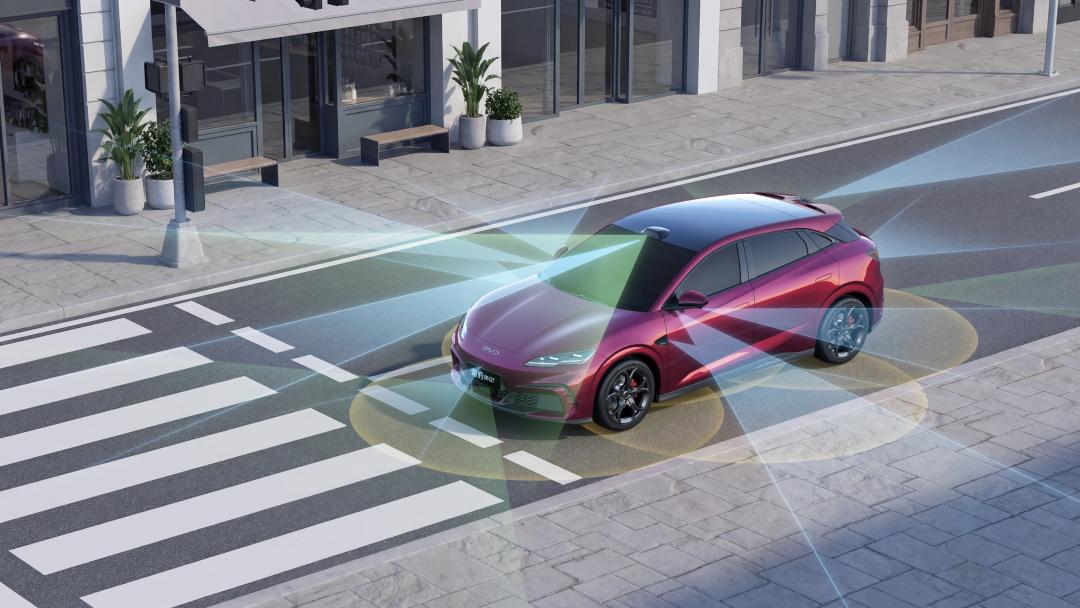
Image | BYD
Even Elon Musk, who is known for speaking his mind, can't escape this. In the earnings conference call in late January, he expressed concerns about the impact of memory prices on Tesla's supercomputer (Dojo) and robots and made a bold statement:
If the supply from Samsung and Micron continues to tighten, Tesla doesn't rule out the possibility of building its own semiconductor factory to produce storage chips in the future.
4
The most absurd impact of the rising memory prices is in the South Korean blind - date market.
After the development of HBM (High - Bandwidth Memory) for AI servers to the present, there are actually only two companies left in the supply chain: Samsung Electronics and SK Hynix. South Korea has grasped the weak point of global AI technology.
According to a South Korean media report, SK Hynix canceled the bonus cap system in September last year and instead distributed 10% of its annual operating profit as performance bonuses to all employees.
Image | Seoul Economics Daily
SK Hynix's estimated profit for the 2026 fiscal year will reach 250 trillion won (about 169 billion US dollars), and each of its nearly 35,000 employees is expected to receive a bonus of 14 million won (about 95,000 US dollars or 646,000 RMB).
As a result, overnight, the statement "I work at SK Hynix" has instantly become more prestigious than "I work at Samsung."
Some SK Hynix employees have even anonymously said online that they've received an explosion of blind - date invitations recently and are "too busy to handle them."

A clip from a South Korean variety show
While SK Hynix is celebrating, Samsung Electronics is busy with a strike.
On April 17th, the Samsung Group's labor union negotiated with Samsung, demanding a 7% salary increase, the cancellation of the bonus cap, and 15% of the operating profit as a bonus. Otherwise, they will hold a general strike from May 21st to June 7th.
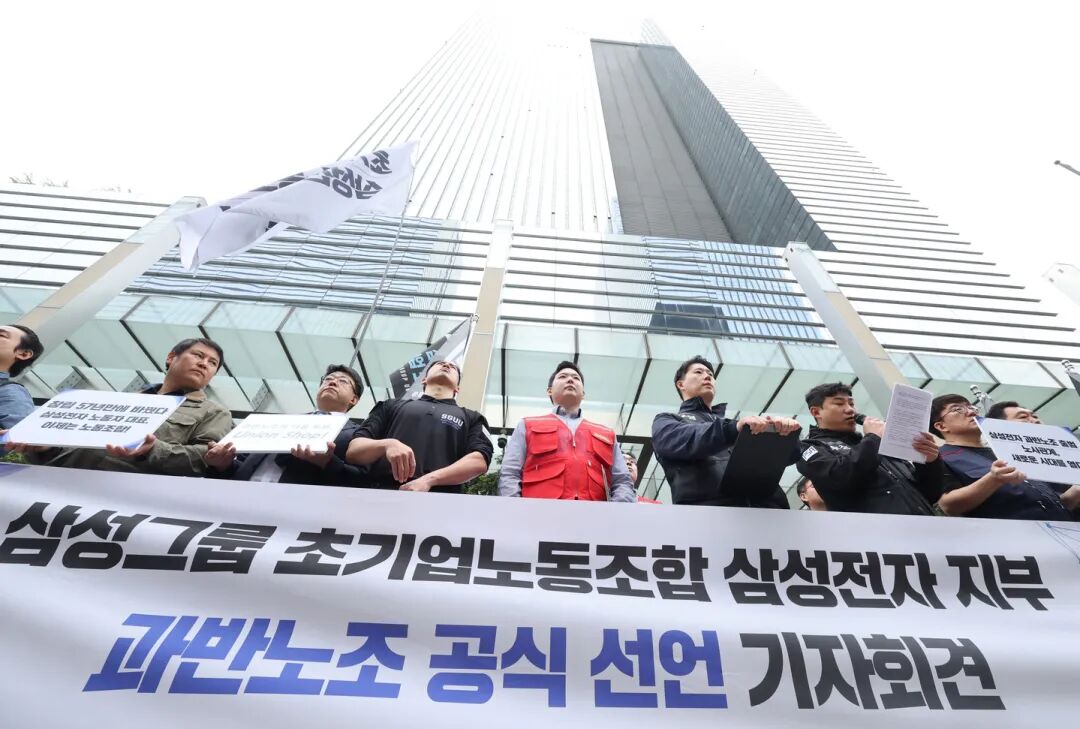
Image | Korea JoongAng Daily
Some scholars have calculated that such a long - term strike will cause Samsung a direct loss of about 6.9 to 17.7 billion US dollars and damage Samsung's reputation as an HBM4 chip supplier. It is reported that the two sides have currently reached an agreement on a 13% bonus.
The Bubble Continues
By now, the issue of "rising