China's budget satellites are making banks fall in love with "space accounting checks"
On April 14th, the exclusive satellite of the Postal Savings Bank of China, "Postal Savings Bank Satellite," was launched from the Jiuquan Satellite Launch Center in Gansu and successfully entered the predetermined orbit.
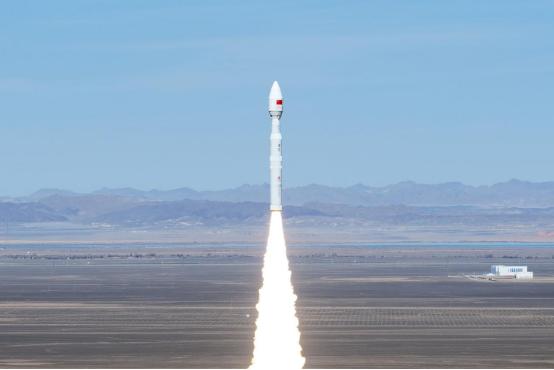
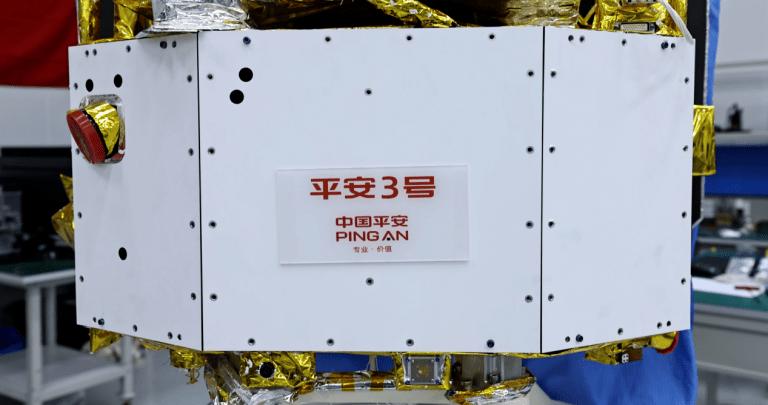
This is already the third bank satellite launched into space this year. In January, China Merchants Bank launched "CMB Golden Sunflower Satellite," and Shanghai Pufa Bank launched "SPDB Digital Intelligence Satellite." If we count the earlier ones, China Merchants Bank also has "CMB Satellite 1/2" in orbit, and Ping An Bank also has "Ping An Satellite 1/2" in space.
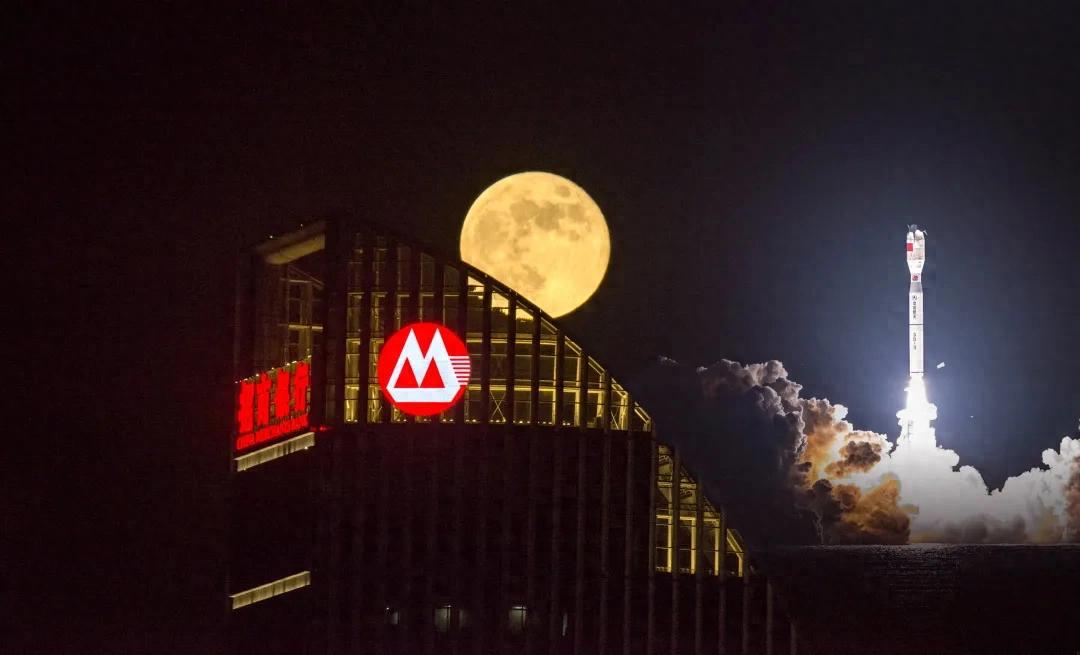
Obviously, Chinese banks are starting a space race, and even state - owned large banks like the Postal Savings Bank are getting involved.
I. Space Account Checking
I guess many people can't figure it out. You guys in the financial industry just take deposits and make loans. What are you doing buying a bunch of high - tech satellites?
The answer might be a bit funny. They want to use satellites to check accounts.
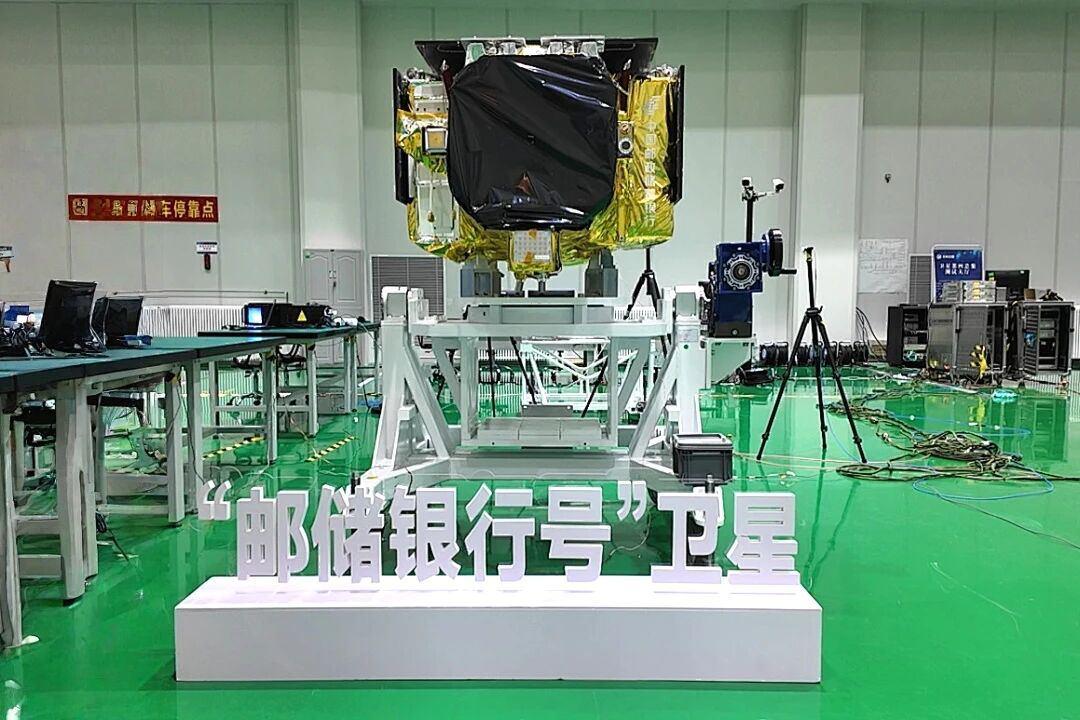
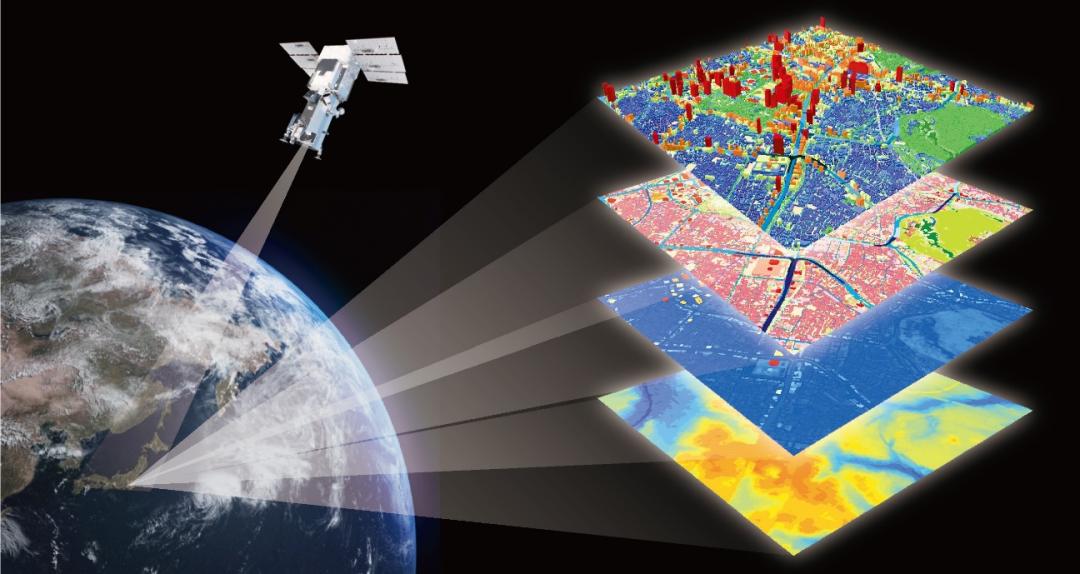
Currently, most of the banks' satellites are remote - sensing satellites. So - called remote sensing means using high - precision sensors to accurately identify objects on the ground from a long distance, including visible - light cameras, infrared scanners, hyperspectral sensors, synthetic aperture radars, etc.
In the past, this was a high - tech reconnaissance means for the military of various countries, used to closely monitor the bases, fleets, and even nuclear missile launch silos of opponents. It was very high - end. Now, banks directly use it to monitor real - estate projects, farms, and factories, keeping an eye on all places related to money to prevent bad debts.
Take real - estate buildings for example. Banks have three major money sources in real - estate projects. First, the money they lend to real - estate developers for land acquisition and building construction, which often starts from billions. Second, the mortgage loans they lend to homebuyers, with a repayment cycle of up to 20 or 30 years. Third, the pre - sale regulatory funds for commercial housing. According to national regulations, the homebuyers' payments are placed in a special bank account and should be given to real - estate developers in installments according to the construction progress. If a project becomes a zombie project, the first two types of loans will probably turn into bad debts. Or even worse, if the developer misappropriates the regulatory funds, the bank will also be held accountable.
In the past, the banks' supervision method was to send people to the real - estate projects in person to monitor the progress. But there is a possibility of collusion between insiders and outsiders, and bank commissioners can't stay at every project site all the time. The information is often lagging. During years of wild growth, real - estate veterans have come up with a lot of countermeasures. They figure out the intervals of your inspections, usually hire a few workers to pretend to work, and when the bank comes for supervision, they temporarily gather hundreds of people to create an appearance of a bustling construction site and easily get away with it.
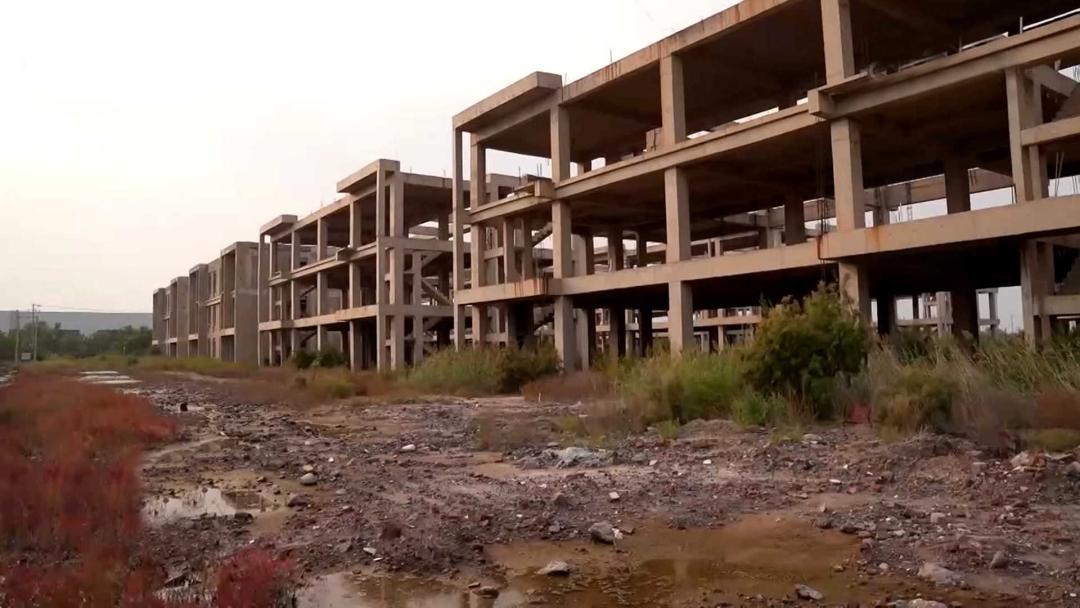
With satellite remote sensing, it's much easier. Its resolution can reach 1 to 0.5 meters, and it can easily detect changes at the construction site. Whether the land has been leveled or the foundation pit has been dug is clear at a glance. It can even calculate the exact height of the building through the shadow of the building to see how many floors have been built.
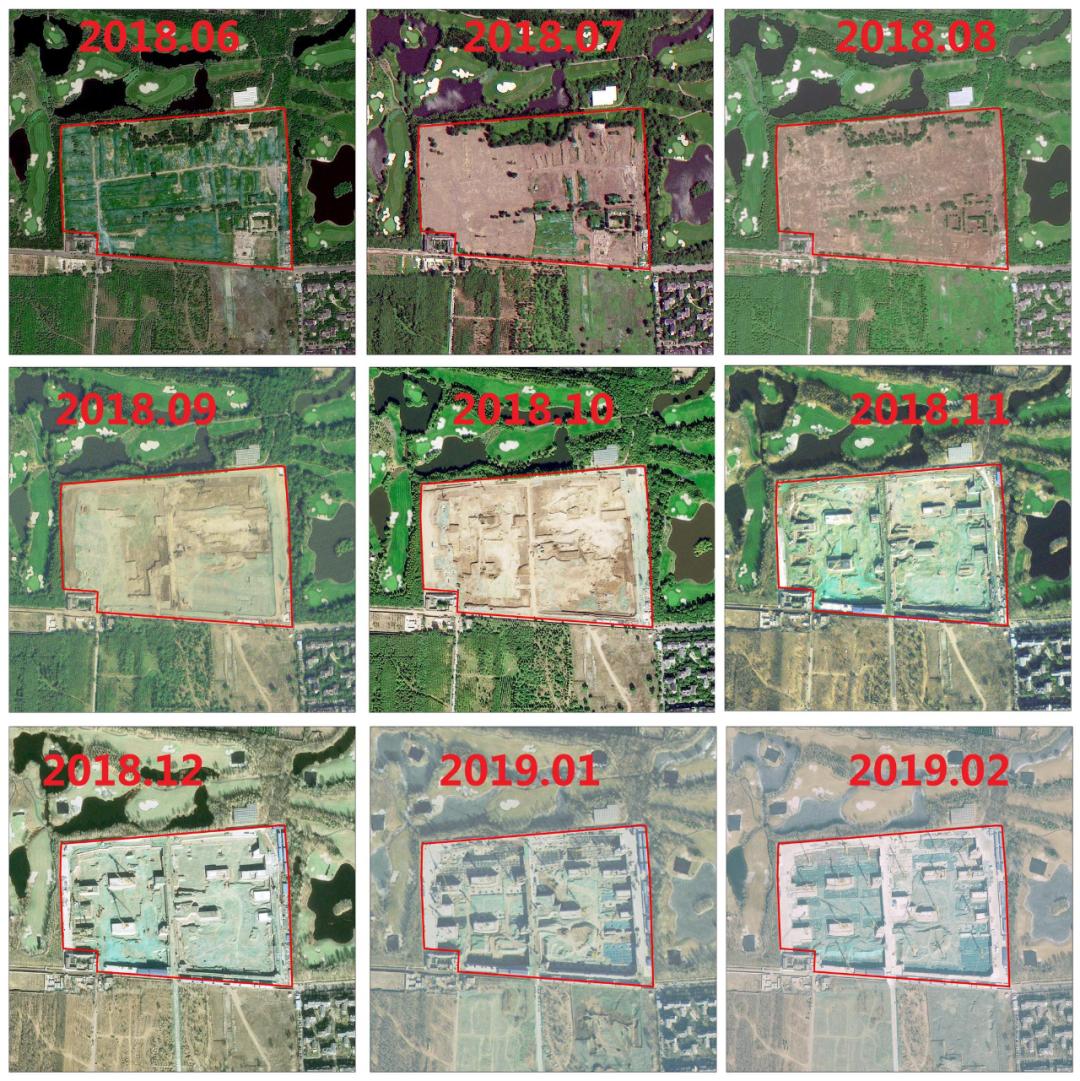
Even if you want to slack off during construction, you can't escape the satellite's surveillance. It can judge the construction intensity of the developer through the changes in the material storage area, the amount of earthwork excavation, and even the number of engineering vehicles. Because different materials have different spectra, the satellite can even tell what materials are stored there.
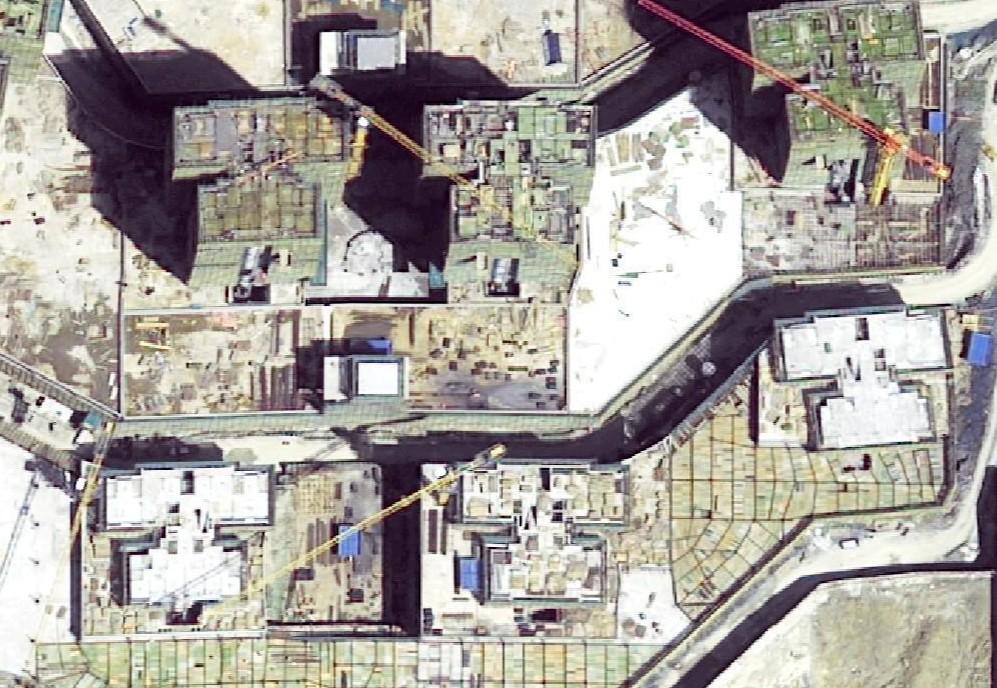
More importantly, the rules for interpreting remote - sensing images are not very complicated. It's a piece of cake for AI. Although AI may not be able to handle the complex road conditions in first - and second - tier cities for autonomous driving, it can easily handle these open - book questions. Banks can set up an automated analysis system at a relatively low cost, which can provide first - hand reports directly to the bank's decision - making center. It's very reliable.
For example, China Merchants Bank has used a system composed of three remote - sensing satellites to achieve high - precision construction monitoring of first - hand mortgage real - estate projects across the country. The monitoring accuracy of the project progress is over 95%, and the frequency of post - loan inspections has been greatly increased. It has high practical value. Moreover, China Merchants Bank can sell or share the data with other institutions, such as the housing provident fund center and the housing and urban - rural development bureau, which also pay attention to the progress of real - estate projects.
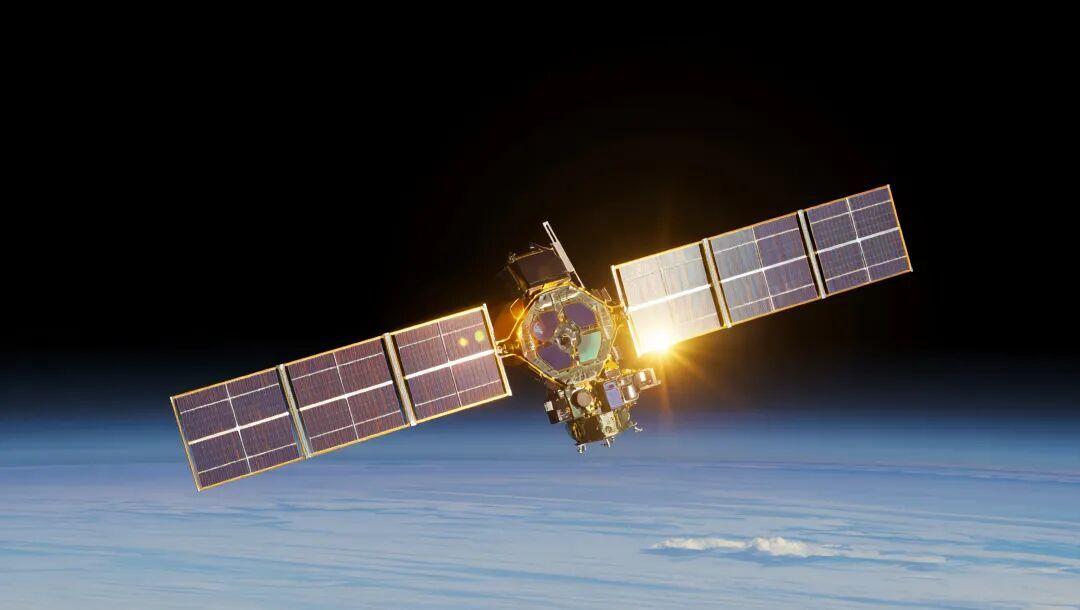
Similarly, these remote - sensing satellites can also be used to monitor other projects related to banks.
Large overseas infrastructure projects used to be far away and the local situation was chaotic, so it was difficult to send people there to monitor them every day. Now, with satellites, it's as easy as monitoring domestic real - estate projects.
There are also farms. Many farms are located in remote areas and have large areas. If they are used as collateral, it's difficult for banks to judge the value of the collateral. Now, satellites can be used to identify crop types through multi - spectral recognition, measure parameters such as chlorophyll content, leaf area index, and water content of crops, generate a vegetation index map (known as NDVI in the industry), accurately evaluate the growth of crops, and even estimate the harvest based on data models.
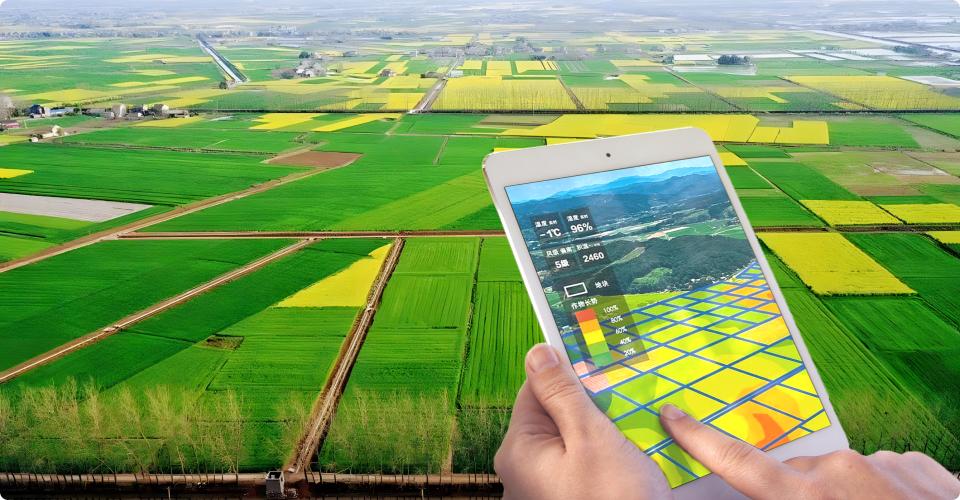
Satellites can also be used to monitor pastoral areas. In the past, there were many cattle and sheep that liked to run around, and it was impossible for salesmen to count them. Now, remote - sensing images can be used to let AI count them. Satellites can also be used to monitor ports. By combining the positioning data of cargo ships, the latest progress of maritime transportation can be grasped, the types of goods stacked at the wharf can be identified, and false trade financing scams can be prevented.
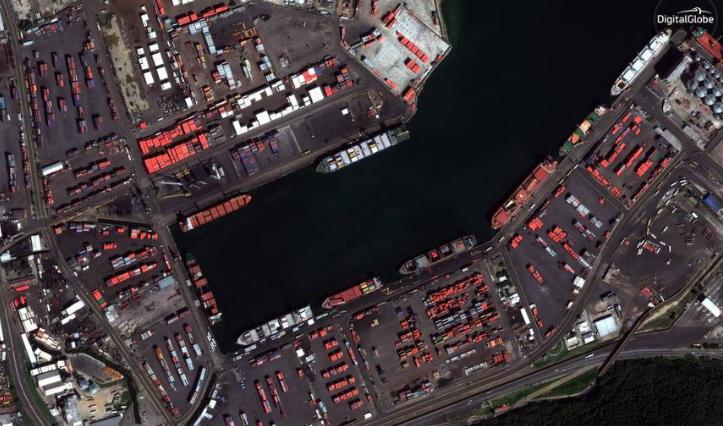
With satellites in hand, banks are like Erlang Shen, with an extra eye in the sky to greatly reduce the risk of bad debts.
II. From Hand - Made Satellites to Mass Production on the Assembly Line
But this raises a question. If banks want remote - sensing images, why don't they just buy data from satellite companies and process it? Do they really have to launch their own satellites?
Shared satellites cannot be quickly mobilized according to the banks' wishes. When it is necessary to take pictures of a specific area, it may take 7 to 10 days to get a slot. It's okay for daily monitoring, but if there are any risk signals and urgent shooting and verification are needed, this time is too long. The other party may have already completed asset transfer, and the bank will face irreparable losses.
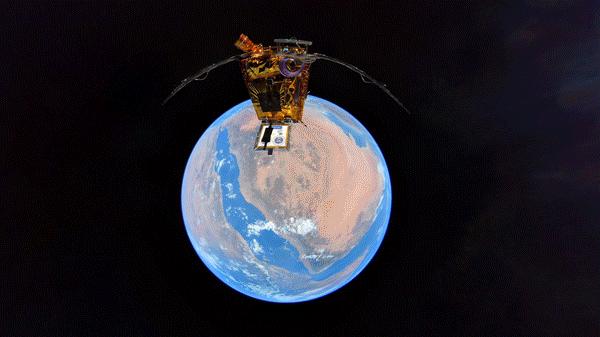
In contrast, self - owned satellites are more convenient to use. Banks can dispatch satellites to take urgent pictures of the target area within a few hours, greatly reducing the delay.
The banking industry can also fine - tune the satellite orbits according to the needs of business development to cover new business areas. Many ranches and mining areas are located in remote areas, and other satellites are not willing to take pictures of them. Only banks can do it themselves.
Secondly, banks + satellites is originally a news - worthy topic. The media will report it collectively, letting everyone know that you have your own satellites orbiting in the sky all the time. This is an invisible deterrent to loan customers. They will think twice before doing anything. It also makes the capital market more confident in your management ability, thus giving a boost to the stock price.

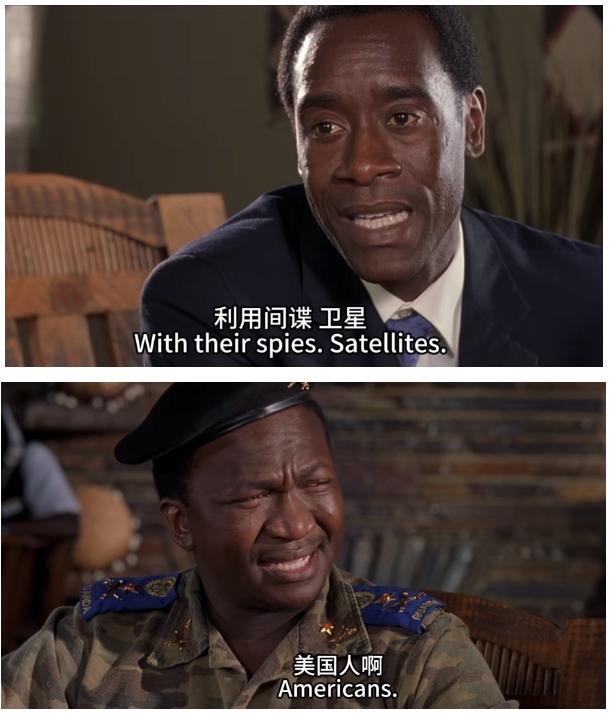
This is like in the movie "Hotel Rwanda," where the protagonist scares the general who supports genocide: "The Americans have been watching you through satellites in the sky. They know everything you do..."
More importantly, it doesn't cost much to build a dedicated satellite. The industry estimates that the manufacturing cost of a single satellite is between 5 million and 10 million yuan. This amount of money is negligible in the financial statements, but it can actually reduce bad debts. Even just considering the advertising effect, it's cost - effective. After all, it costs tens of millions to sign a well - known spokesperson now.
You know, more than 20 years ago, the cost of a remote - sensing satellite was over 100 million US dollars. In the CBERS project jointly developed by China and Brazil, due to the heavy tasks, many equipment requirements, and high standards, the cost of a single satellite reached an astonishing 250 million US dollars.
Even 10 years ago, the cost of the first - generation remote - sensing satellites of Changguang, the leading company in China's commercial space industry, was as high as 80 million yuan, and they weighed more than 400 kilograms. By 2023, the fourth - generation products of Changguang had been reduced to