Humanoid robots, crossing the line between life and death
The robotics field is experiencing unprecedented popularity.
Take the recently concluded 2026 Hannover Messe in Germany as an example. The Hannover Messe is the world's largest industrial trade fair. This time, approximately 2,900 enterprises from over 50 countries participated. The exhibition focused on cutting - edge technology fields such as industrial AI and robotics. Many enterprises brought AI - enabled intelligent manufacturing solutions and new humanoid robots to the exhibition.
There have also been more landmark cases in the implementation of the robotics industry. According to recent reports from multiple media outlets such as Cailian Press, the State Grid has internally issued the "2026 Embodied Intelligence Development Plan". It plans to centrally purchase approximately 8,500 various embodied intelligent devices for scenarios such as power inspection and live - line work in 2026, with a total investment of 6.8 billion yuan.
In terms of concept, embodied intelligence has a broader scope. Embodied intelligence refers to AI with a physical carrier, including intelligent drones, autonomous vehicles, robotic dogs, and various robots. Among embodied intelligence, the development of humanoid robots is particularly eye - catching because humanoid robots truly meet human imagination of robots - they are more human - like, have a higher level of intelligence, and carry humanity's highest expectations for future intelligent companions.
The evolution of humanoid robots is amazing.
When they first entered the public eye, the forms of humanoid robots were very primitive. At the first DARPA Robotics Challenge in October 2012, most robots were far from human - like. The champion was the robot HuBo developed by KAIST in South Korea. It didn't rely on two feet for movement but used universal wheels to ensure speed and balance. Fourteen years later, at the Robot Marathon in Yizhuang, Beijing in April 2026, the contestants not only resembled humans in appearance and running style but also had a speed exceeding that of humans.
Technological iteration has promoted market development.
Data from research institution IDC shows that in 2025, the global shipment volume of humanoid robots was close to 18,000 units, a year - on - year increase of 508%, and the sales reached 440 million US dollars (approximately 3 billion yuan). China is currently the main force in the development of the humanoid robot market. Zhipu and Unitree both ranked at the top with a shipment volume of approximately 5,000 units. Next were manufacturers such as Leju, Jiasu Jinhua, and Songyan Power, with a shipment volume in the thousands. Then there were manufacturers like Yinhe Tongyong, Ubtech, Zhongqing, and Xingchen Intelligence, with a shipment volume of 400 - 1,000 units. In 2026, the domestic humanoid robot market scale will reach 1.3 billion US dollars (approximately 8.8 billion yuan), doubling year - on - year.
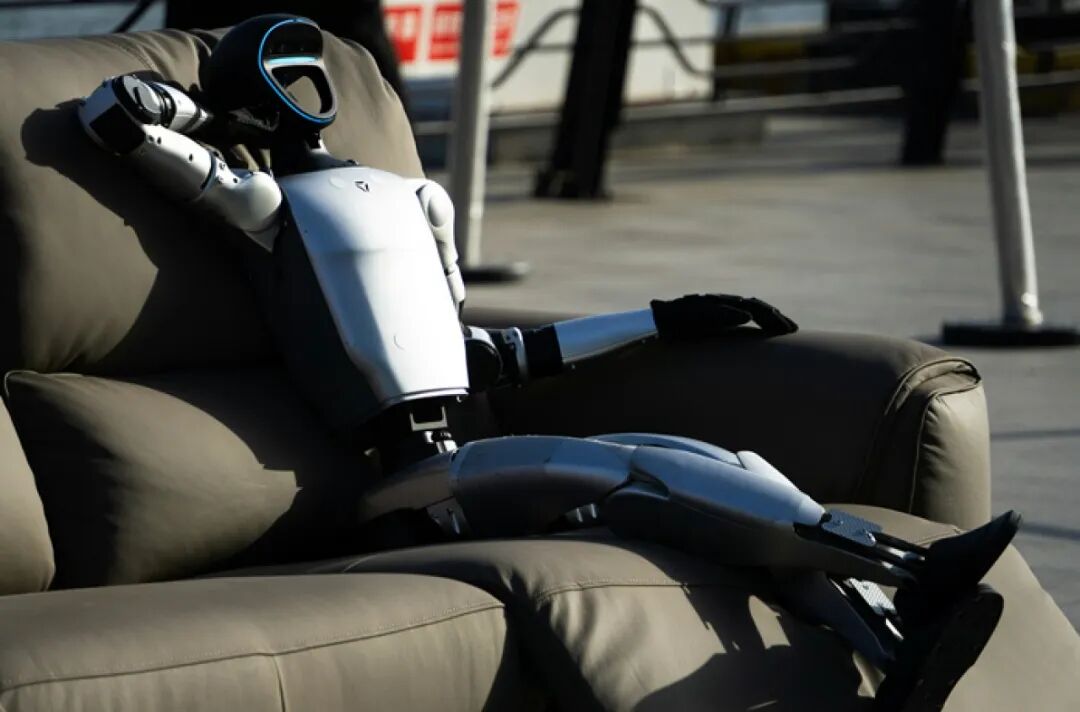
From being diverse in form to resembling humans, from having awkward movements to being precise and natural, from stumbling to walking briskly, humanoid robots are continuously refreshing people's perceptions at a visible pace. Beyond the transformation of their "bodies", the rapid development of AI technology is accelerating the growth of their "brains". The long - awaited science - fiction scenarios are quickly becoming a reality.
01
Running Fast Based on Technology
The changes in robot competitions highlight the technological leap.
The Robot Marathon in Yizhuang, Beijing presented such changes. In the second competition in 2026, the robot "Lightning" developed by Honor completed the 21 - kilometer half - marathon in 50 minutes and 26 seconds, nearly 7 minutes faster than the human half - marathon world record. The relevant news triggered a heated discussion among the public about robots surpassing humans.
This is completely different from the situation in the first competition in 2025. At that time, only 6 out of 20 participating teams completed the race. The full - size humanoid robot "Tianggong Ultra" developed by the Beijing Humanoid Robot Innovation Center won the championship with a time of 2 hours, 40 minutes, and 42 seconds.
There were many hilarious scenes on the track. For example, the robot "Huanhuan" developed by Zhikan Shenjian stumbled at the starting stage and fell to the ground on its knees shortly after leaving the starting point. The "Elf 2" of Banxing Technology suddenly had a problem with direction control while running and started walking backwards. The robot "Xuanfeng Xiaozhi" of Songyan Power even lost its head. This competition was ridiculed by netizens as the "toddling stage" of robots. The goal of many participating teams was just to complete the race without falling.
One year later, the situation was completely different. The scale of the second competition expanded to 102 teams and more than 300 robots, and 47 teams completed the race.
The Robot Marathon has attracted attention because running is a major challenge for humanoid robot technology. Running involves a brief flight phase where both feet leave the ground simultaneously. The robot must maintain its posture in the air and precisely control the landing angle when touching the ground. Humans rely on ankle - joint drive and reflexes in milliseconds for running, which is a biological instinct. Robots don't have this instinct but only rely on calculations.
According to Haike Finance, for a robot to run well, it must solve the six - degree - of - freedom motion equation in real - time within a millisecond - level response time. That is, it needs to calculate the six basic forms of motion in the air to maintain balance. Once the calculation result cannot be obtained in time, or there is a pitch or roll deviation of more than 0.5 degrees, the robot will lose balance and fall at the moment of landing.

Before the breakthrough in AI technology, engineers had to manually derive the complex six - degree - of - freedom motion equation to let the robot calculate the whole - body dynamics model in each millisecond. However, this obviously couldn't cope with the complex and changeable real physical world. After the emergence of AI's reinforcement learning and imitation learning, robots no longer completely rely on real - time equation solving. Instead, they can find the optimal strategy through virtual training in a simulation environment and map the states such as body inclination, joint angle, and speed sensed by sensors to motor commands, just like human muscle memory during operation.
Now, the breakthroughs of robots in various actions are obvious.
Take the 2026 Spring Festival Gala as an example. The humanoid robots of four enterprises, Unitree, Songyan Power, Yinhe Tongyong, and Magic Atom, appeared on the stage. Among them, Unitree's humanoid robots G1 and H2 performed group martial arts, precisely replicating moves such as kicking, punching, and horse - stance, and completing high - difficulty actions such as sword dance, drunken boxing, nunchaku, elbow circular motion, and three consecutive single - leg backflips. This is very different from the simple yangge dance and handkerchief - throwing performance of Unitree H1 at the 2025 Spring Festival Gala.
According to the official announcement, in order to develop the anti - gravity self - standing mode of the Unitree G1, the R & D team built a simulation environment with more than 1,000 types of terrains and more than 500 types of impact angles, allowing the digital model of G1 to conduct more than 100,000 times of falling and standing - up training. Through the reinforcement learning algorithm, the model will automatically record key parameters such as the optimal force - exerting angle when supporting the ground with hands and the energy loss threshold of knee bending, and finally select an efficient standing - up trajectory allowed by physical laws.
In March 2026, the Beijing General Artificial Intelligence Research Institute also released the "Tongji" algorithm framework to improve the robot's motion performance. It first trains expert strategies for complex actions such as backflips, handstands, and breakdancing respectively, and then introduces reinforcement learning considering the physical characteristics of real motors to improve the executability of the motion framework on real robots.
02
Industrial Chain Drives Mass Production
Behind the technological breakthrough is the coordinated evolution of a complete industrial chain.
The heat dissipation problem was once one of the core pain points restricting the long - distance running of robots. When a humanoid robot runs at high speed, the lower - limb joint motors continuously output high torque, and a large amount of kinetic energy is directly converted into heat, which accumulates in the narrow space of the motor windings and gearboxes. If the temperature exceeds the standard, the frequency - reduction protection will be triggered, resulting in power attenuation and jerky movements. During the two marathons, engineers of participating teams were always ready to cool the over - heated robot joints with sprays.
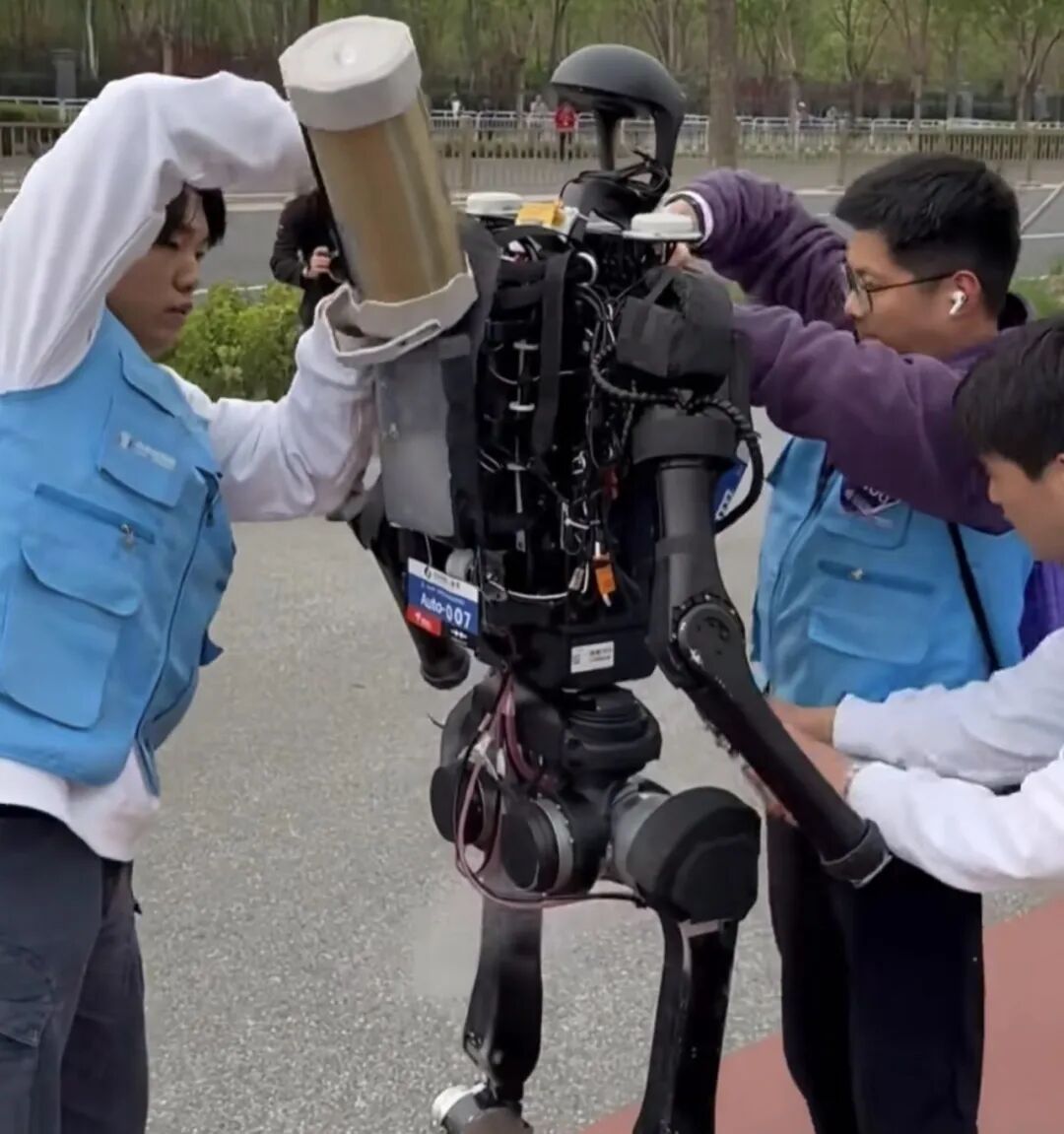
Compared with refrigerant sprays, the closed - loop liquid - cooling heat dissipation technology of the second - place champion, Lightning, is more eye - catching. Lightning is equipped with a self - developed liquid - cooling system. The liquid - cooling pipes can penetrate deep into the motor like capillaries to take away heat. Behind this is the high - speed suspension pump of Huake Lengxin, and the technology comes from the slotless liquid - magnetic coupling suspension micro - pump of Professor Luo Xiaobing's team at Huazhong University of Science and Technology. From the university laboratory to the field verification, this rapid transformation ability of in - depth integration of industry, academia, and research is a microcosm of the core competitiveness of the domestic supply chain.
There is also the precision reducer, a core component of the power transmission system of humanoid robots.
The function of the precision reducer is to convert the high - speed, low - torque power output by the servo motor into low - speed, high - torque power to drive the robot joints to complete precise movements. This was once a shortcoming of the domestic robot industrial chain, and Japanese enterprises such as Harmonic Drive and Nabtesco have long dominated the market. Now, domestic manufacturers such as Laifu Harmonic have risen. For example, the micro - harmonic reducer series developed by Laifu Harmonic, some models weigh only 7.86 grams and have an outer diameter of only 13 millimeters, which can perfectly fit precise scenarios such as the finger joints of humanoid robots.
In important component fields of humanoid robots such as batteries, servo motors, joint modules, and sensors, the domestic industrial chain has achieved breakthroughs in each field. This is the result of the combined action of technological impetus and demand pull. The continuous evolution of underlying technologies has opened up innovation space for robot manufacturers, and the strong demand of robot manufacturers for performance and reliability has in turn forced upstream component enterprises to iterate quickly. This overall upgrade will also accelerate technological innovation. When robot enterprises find that parts need to be adjusted, they can quickly get new parts from the supply chain for testing, with lower trial - and - error costs and shorter product iteration cycles.
The industry generally regards 2026 as the "year of mass production" for humanoid robots.
For example, Tesla's Optimus V3 is officially expected to be unveiled in the middle of 2026, and production will officially start in July - August. It is planned to be applied in external scenarios in 2027. This is also related to the development of the domestic industrial chain because Optimus also has a large number of components from Chinese suppliers, including Zhaowei Electromechanical, which provides core components for Optimus' dexterous hands, and Wuzhou Xinchun, which provides key components such as planetary roller screws.
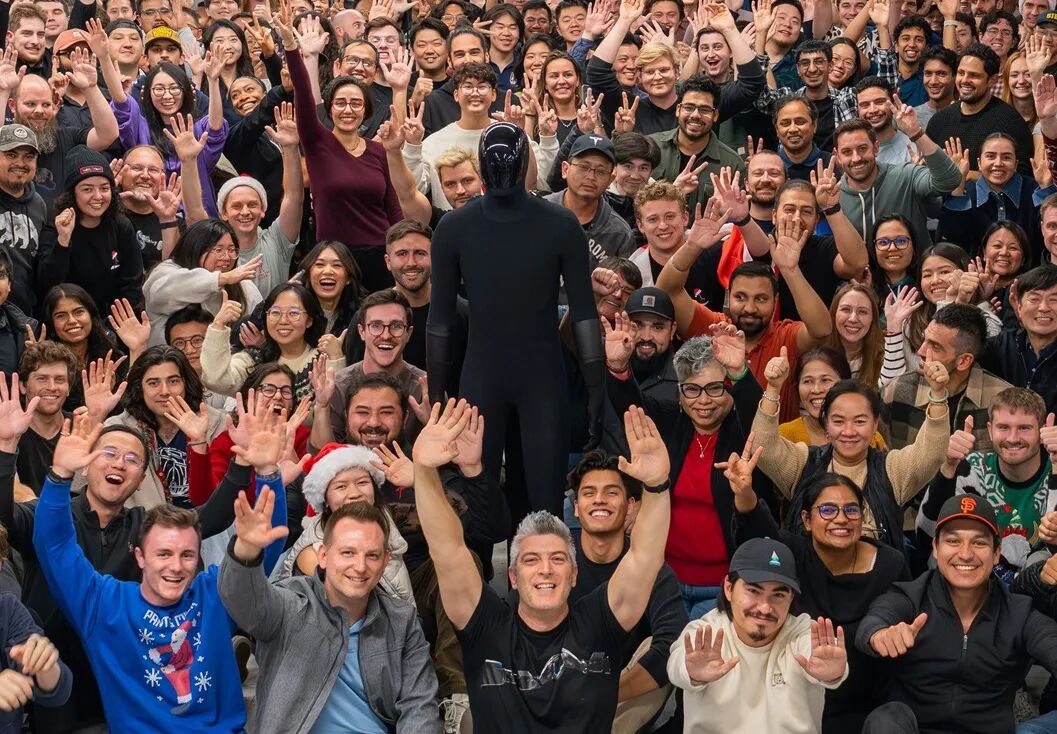
Domestic robot manufacturers are also preparing to meet the challenge of larger - scale mass production.
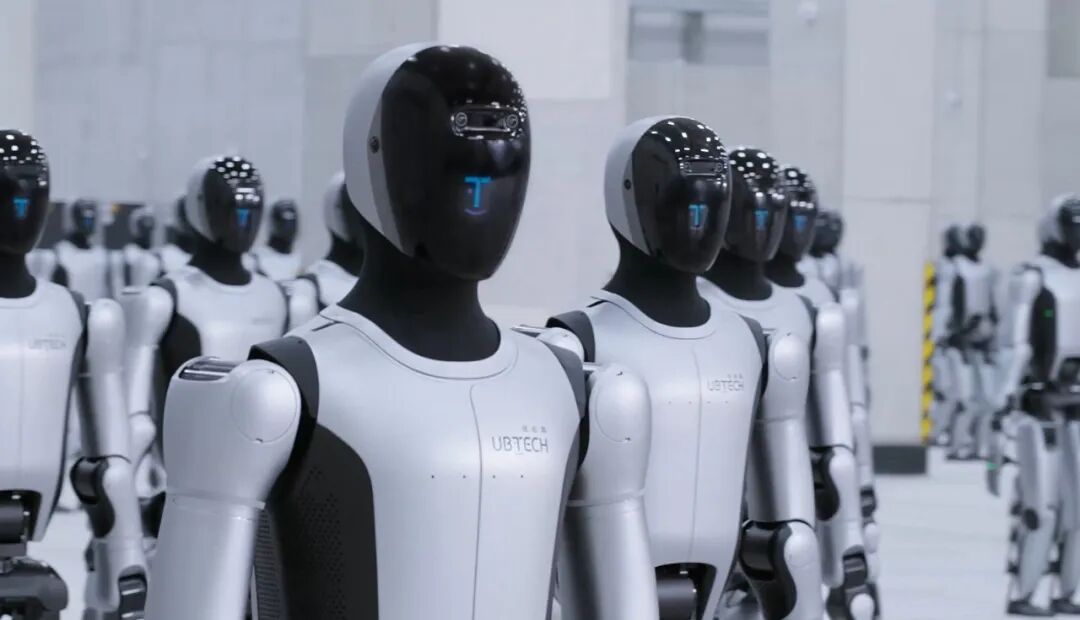
Zhipu officially announced in March 2026 that it had produced its 10,000th robot, the Expedition A3, and said that it only took three months to increase the production from 5,000 to 10,000 units. Ubtech set its production capacity target for 2026 at the scale of 10,000 units, and official data shows that its order amount in 2025 was nearly 1.4 billion yuan. XPeng officially announced that its robot IRON is planned to be mass - produced by the end of 2026, with a monthly production capacity target of 1,000 units.
With the development of the industrial chain, technological upgrading, equipment localization, and large - scale production, the manufacturing cost of humanoid robots is expected to be significantly reduced. A research report released by Changjiang Securities on April 13, 2026, mentioned that taking Leju robots as an example, the cost of the robot body has dropped from 700,000 yuan in 2024 to 400,000 yuan, and to 200,000 yuan by the end of 2025. The prices of components are also expected to drop significantly. For example, the price of planetary ball screws, which currently sells for about 2,000 yuan per piece, may drop to less than 1,000 yuan in the long run, and the price of harmonic reducers will drop from over 1,000 yuan per unit to a few hundred yuan.
03
Intelligence Challenges Remain
People are asking more and more questions about the intelligence of humanoid robots.
Currently, the demonstrations of the motion performance of humanoid robots are quite frequent. Besides the Spring Festival Gala and the Robot Marathon, there are also various flips, fights, and ball games in short - videos. The public's sense of freshness is gradually fading. Many people have raised questions on social media about when robots can really do practical work.
In fact, robots have already been implemented in many industrial scenarios outside the view of ordinary people. In April 2026, the first special - purpose robot for high - risk scenarios in China started working on the outer wall of a chemical storage tank dozens of meters high. The robot clings to the steel plate with electromagnetic suction. Its upper body has 15 - degree - of - freedom double arms, one holding a welding gun and the other a flaw detector. It can seamlessly switch between electric welding, flaw detection, rust removal, and spraying by changing tools. The operator wears VR glasses on the ground and makes the robot replicate their actions one - to - one.
More commonly, robots are used on factory production lines. Geely's ZEEKR has cooperated with Ubtech. In 2025, dozens of Ubtech Walker S1 robots carried out multi - scenario collaborative operations such as general assembly, quality inspection, and door installation in the ZEEKR factory, achieving the world's first multi - task group training for robots. Automobile brands such as Geely and NIO have also applied Ubtech robots.
It should be noted that industrial scenarios have repetitive tasks and structured environments, which are suitable for the early implementation of robots and the first - wave development in fields such as handling and inspection. Family scenarios are much more complex, with daily changes in item placement, lighting conditions, and space layout. Currently, robots still rely