Do Silicon Valley billionaires want to raise "brainless people" for immortality?
Do you want to live forever?
Most people take it as a joke, but the rich in Silicon Valley are really taking action.
R3 Bio, a company based in Silicon Valley, recently announced a plan: Use stem cells and gene editing to create monkeys with organs but no brains.
R3 Bio claims it's for replacing animal experiments, but the monkeys are just a transition. Its real goal is to create a human organ sac with all internal organs but no brain. When a rich person's organ fails, they can simply take one from it and replace the damaged one. More radically, they can transplant the whole brain into it to extend their life.
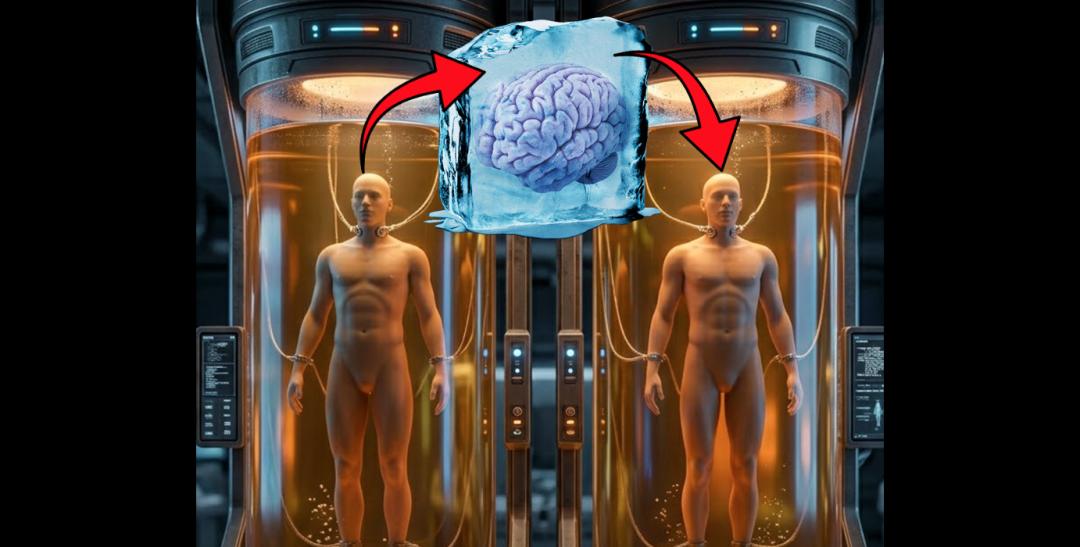
This project is still in the planning stage, but it has already received support from many Silicon Valley billionaires. When it comes to longevity or even immortality, the rich are never afraid of high costs or extreme means. And the R3 Bio project exactly hits their core collective anxiety:
Fear of death.
1. What on earth is this company doing by creating "brainless humans" to extend the rich's lives?
There is no shortage of crazy people in Silicon Valley, but R3 Bio has reached a new level of madness.
This company was founded in 2021 and remained in the shadows until 2025. Its founder, John Schrendorn, once wrote a letter to his supporters, in which he mentioned a crazy plan titled: Body Replacement Cloning.
To put it simply, it's to clone a brainless body as a spare "parts library" for the rich. In the future, they can replace their brains at any time to achieve the goal of "whole - body replacement."
Schrendorn said his inspiration came from children with anencephaly, who are born without a cerebral cortex but can live for many years under the care of others.
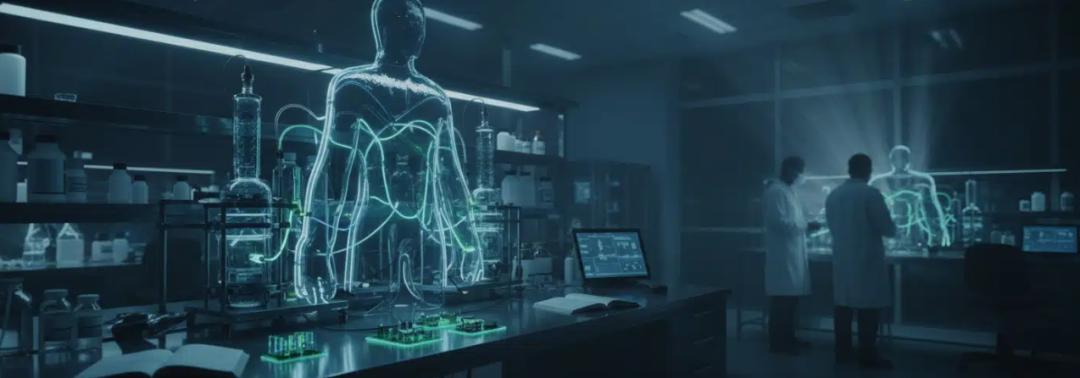
R3 Bio's plan to achieve this goal is divided into three steps.
Step 1: Create a mouse organ sac.
Alice Gilman, the co - founder of R3 Bio, publicly stated that by using gene editing to knock out the genes that control forebrain development at the mouse fertilized egg stage, the embryo will grow into a beating heart and a mass of metabolizing flesh. It has all internal organs but no head. It won't move even if you poke it with a needle, and it doesn't even know what pain is.
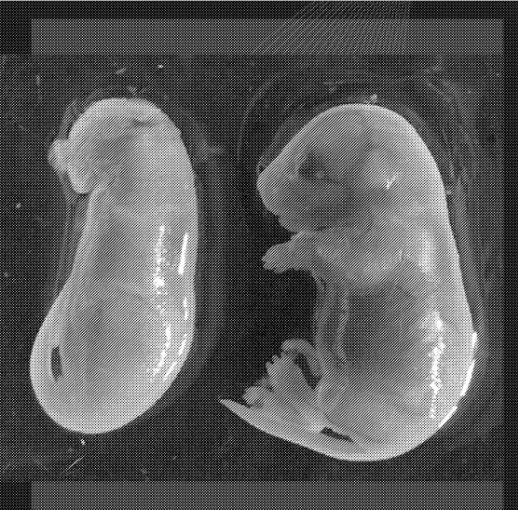
But R3 Bio didn't proceed with this. Because mouse organs are too small to be useful for humans. The heart is smaller than a fingernail, and the kidney is about the size of a grain of rice.
Then why mention this step with mice? Because it's a technical verification. If it can be proven that gene editing in mice can precisely control the absence of the brain while ensuring the normal development of other organs, it means the whole logic is feasible.
Step 2: Create a monkey organ sac.
Primate organs are highly similar to human organs. The size of the heart, liver metabolism, and kidney filtration pressure are all in the same magnitude. In the view of R3 Bio, if it works on monkeys, there is hope for success in the human version.
It's worth mentioning that this step of R3 Bio comes at a special juncture. There is a severe shortage of experimental monkeys in the United States. After China suspended the export of primates for experimental use in 2020, the price of experimental monkeys in the United States increased by about 15 times, from the previous $4,000 - $7,000 to $60,000 per monkey. In 2025, the U.S. Food and Drug Administration released a roadmap, announcing the phased elimination of animal testing requirements for drugs such as monoclonal antibodies.
Facing price increases and regulatory pressure, the entire industry is looking for alternative solutions.
R3 Bio cleverly seized this industry gap. Gilman repeatedly emphasized externally that researching brainless monkeys is to replace living and conscious experimental animals and to save the primates used in experiments every year. She also cited data: In the 2024 fiscal year, U.S. research institutions used more than 60,000 primates for experiments, and about 1,200 of them could not have their pain minimized due to the nature of the experiments.
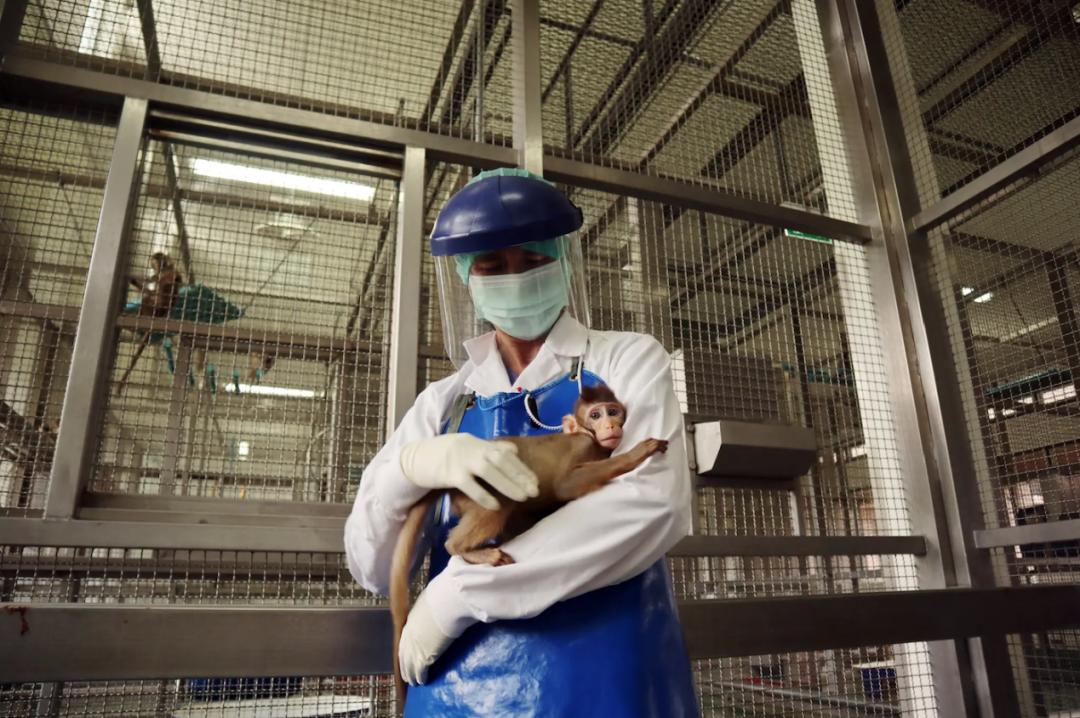
But you can just take this with a grain of salt. Their real purpose is not to protect animals but to verify that this technology is also effective on primates. Once the monkey version works, their next step is to replace the embryo with a human fertilized egg.
Step 3: Create a human organ sac.
The technical route is the same as before: Take cells from the rich person who needs an organ transplant, induce them into stem cells, use gene editing to block brain development, and cultivate them in an artificial womb until the organs mature. Finally, you get a body that is genetically identical to the donor, has all internal organs but no brain.
In R3 Bio's vision, the organs cloned from cells will not cause rejection when transplanted into the human body. If the heart fails, replace the heart; if the kidney fails, replace the kidney; if the liver is damaged, replace the liver.
More extremely, there is whole - body replacement: Transplant the brain of an elderly rich person into a 20 - year - old cloned body.
Schrendorn promoted this plan at a closed - door longevity conference in Boston last year. The topic was called "Whole - body replacement." The ticket price for this conference was as high as $70,000, and the audience was all top - tier billionaires.

Moreover, he has even planned for inter - generational inheritance: The first batch of brainless clones will be surrogate - mothered by hired women. Once they grow up, the subsequent clones will be born by the previous batch of brainless clones.
So far, the roadmap of R3 Bio has been introduced. Now, let's talk about two questions.
First, is this technically reliable?
Cloning technology itself is not something new. After Dolly the sheep in 1996, animals such as dogs, cats, camels, horses, and cows have all been cloned. However, defects, deformities, and stillbirths are common.
Once, a scientist conducted an experiment on a pig, cutting off its head and then sewing it back on. The pig did survive, breathing weakly and being able to lick water with a syringe, but it was paralyzed all over because its spinal cord was cut off and was euthanized 12 hours later.
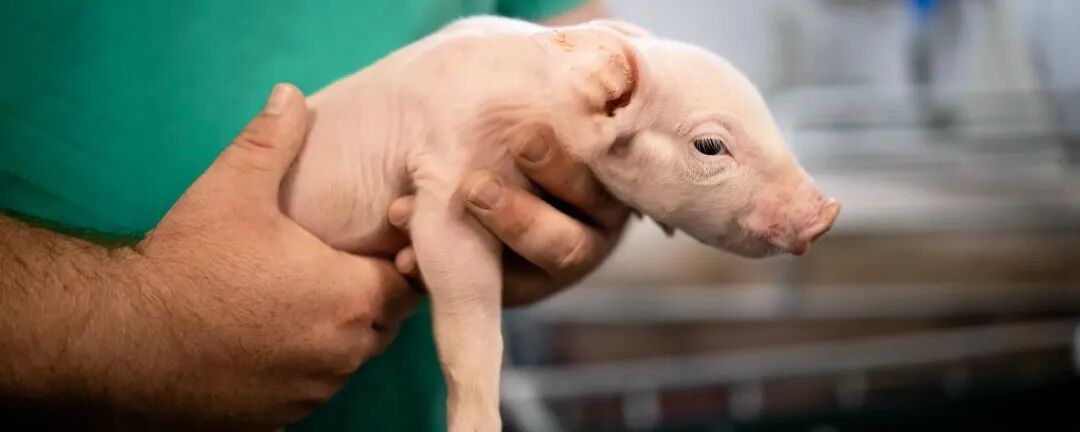
This is why no one has dared to touch human cloning because the risks are too high .
Moreover, human cloning is prohibited in most countries, artificial wombs are unreliable, and the survival rate of brain transplants is almost zero.
Even the investors of R3 Bio admit that the chance of this plan succeeding is comparable to colonizing Mars.
The second question is, why is Gilman so obsessed with longevity and immortality projects?
José Cibelli, a researcher at Michigan State University, was one of the first scientists to attempt to clone human embryos 25 years ago. His goal at that time was to obtain matching stem cells, not to create a baby. His evaluation is:
"Human imagination and means of making money are endless, but there must be boundaries. Creating a being that is not fully human crosses the line."
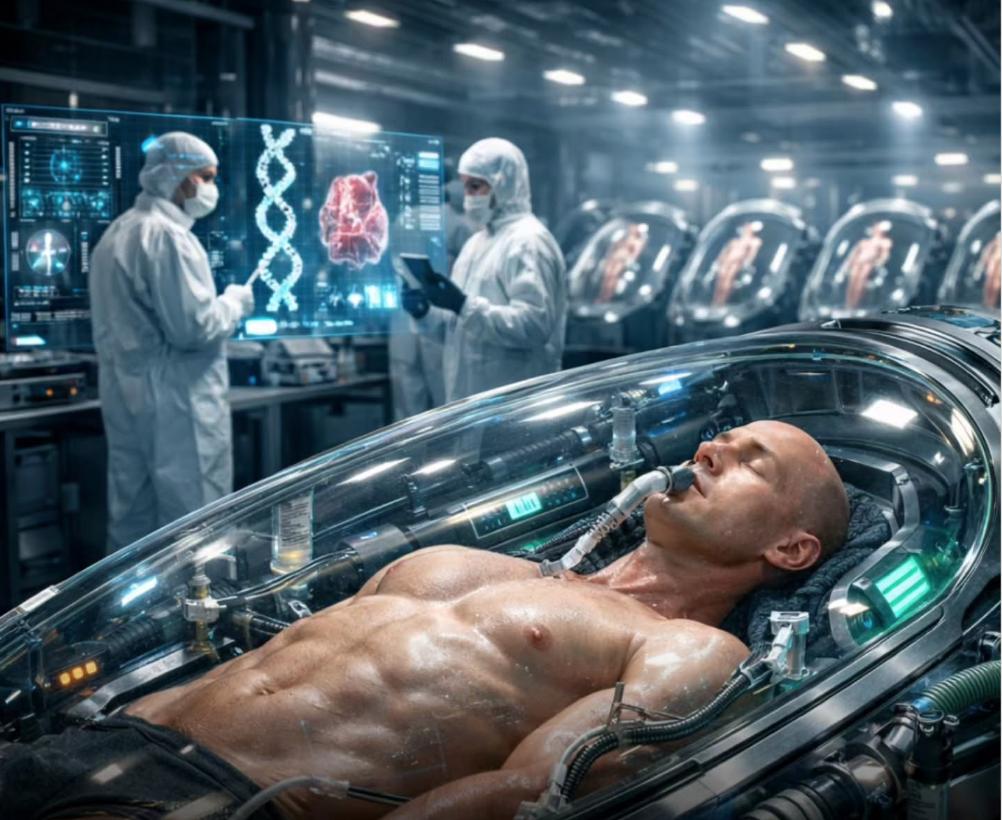
Schrendorn clearly doesn't think this is a boundary; he sees it as a business opportunity.
But Schrendorn doesn't say so publicly. The reason he gives is that his father had a heart transplant, and more than 100,000 people in the United States are waiting for organ transplants, with 13 people dying every day before they can get one. Thus, he packages R3 Bio as a humanitarian project to solve the organ shortage.
In fact, the real reason he is involved in this is that there are many people willing to pay for longevity and immortality, especially those top - tier billionaires. It's an excellent business.
2. What crazy things have business tycoons done to avoid death?
Let's first look at Altman of OpenAI.
This guy has been a vegetarian since childhood, avoids spicy food, fasts for 15 hours a day, and has been taking metformin, a diabetes drug. There is a rumor in the market that it can fight aging, but the medical community has never confirmed it. Musk once joked about him: "If it doesn't work, this guy will sue death in court."
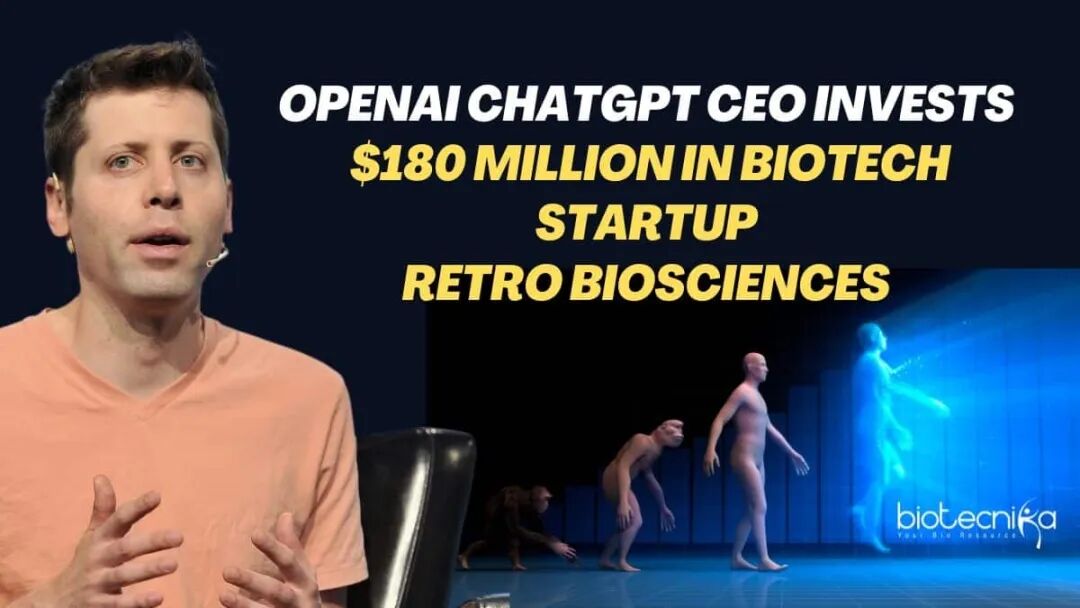
In addition to taking care of his own health, Altman also invested $180 million in Retro Biosciences, a company specializing in delaying death. Retro's goal is to extend the normal human lifespan by 10 years. In 2025, they started clinical trials to test a drug called RTR242, which is said to reverse Alzheimer's disease.
Next, let's look at the blood - transfusion therapy.
Peter Thiel, the founder of PayPal, is nicknamed the "Silicon Valley vampire," and it's not without reason. He used to spend $40,000 per quarter to get fresh blood from 18 - year - old young people and transfuse it into his own body.
Peter Thiel publicly said that humans' attitude towards death is like Stockholm syndrome - they actually think death is natural and acceptable. He doesn't accept it. He wants to grab death by the throat.
Even more extreme is Silicon Valley billionaire Bryan Johnson. He drew blood from his 17 - year - old son, separated the plasma and transfused it into himself, and then transfused his own plasma into his 70 - year - old father. The three generations of the family had a blood transfusion together and then hugged tightly.
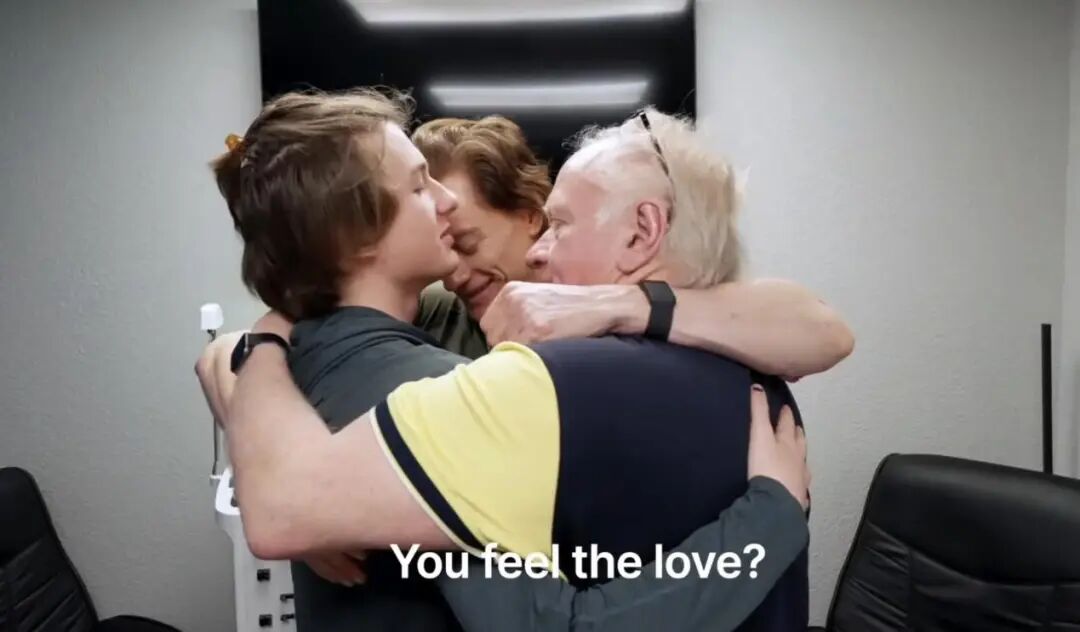
The only one who didn't receive a blood transfusion was his son, who was the unlucky one giving blood.
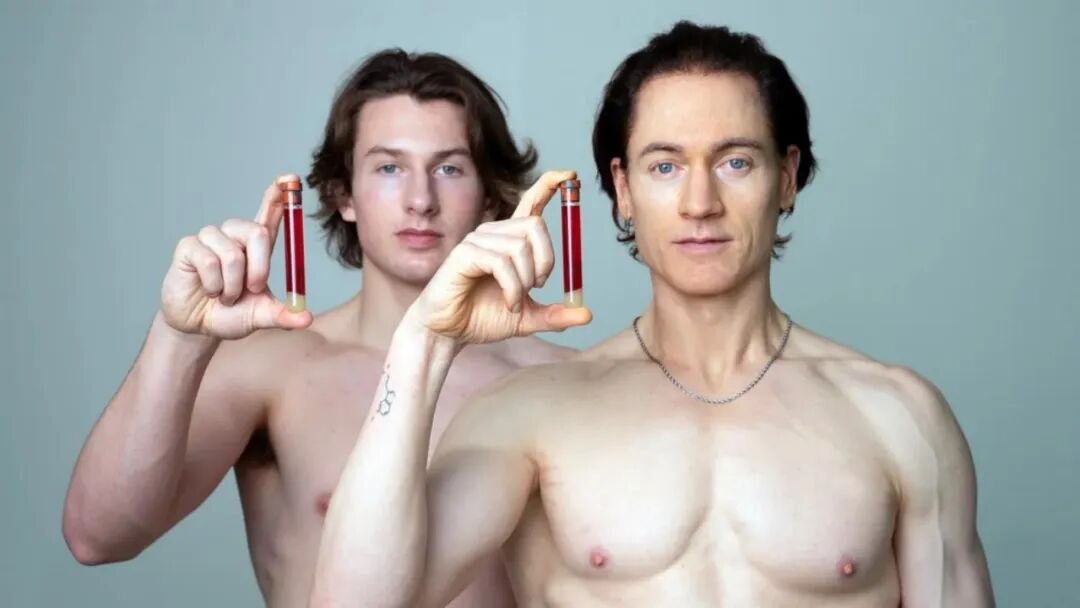
Johnson spends $2 million a year on anti - aging, takes hundreds of supplements every day, and has turned himself into a precisely quantified experimental subject. After several blood transfusions, he stopped this crazy behavior and publicly admitted that it had no effect.
Regarding blood transfusion, in 2014, Stanford University published an article in "Nature" saying that when the plasma of young mice was transfused into old mice, the old mice became as active as young mice. But in 2020, researchers in California found that replacing the plasma of old mice with saline and albumin could achieve a similar effect.
This shows that the real problem of aging lies in old blood, not new blood.

Since blood - transfusion therapy didn't work, the rich turned their attention to cell reprogramming.
Bezos invested $3 billion