Quantitative firms are mass-producing founders of AI unicorns.
What?! It turns out that you folks in the AI field were all into quantitative trading on Wall Street a few years ago... and you even studied under the same master.
I'm shocked. Recently, a list of the first - batch interns at Hudson River Trading has been going viral on X.
There aren't many people on the list, only 10. But upon closer inspection, it's quite a surprise as they're all well - known figures:
- Alexandr Wang: Co - founder/CEO of Scale AI
- Jesse Zhang: Co - founder/CEO of Decagon
- Scott Wu: Co - founder/CEO of Cognition
- Jeffrey Yan: Founder/CEO of Hyperliquid
Almost half of today's AI startup circle is represented here. The lineup is as impressive as the PayPal Mafia back then.
Nowadays, new talents emerge in each generation. However, the "Godfather" of this generation has become quantitative trading.
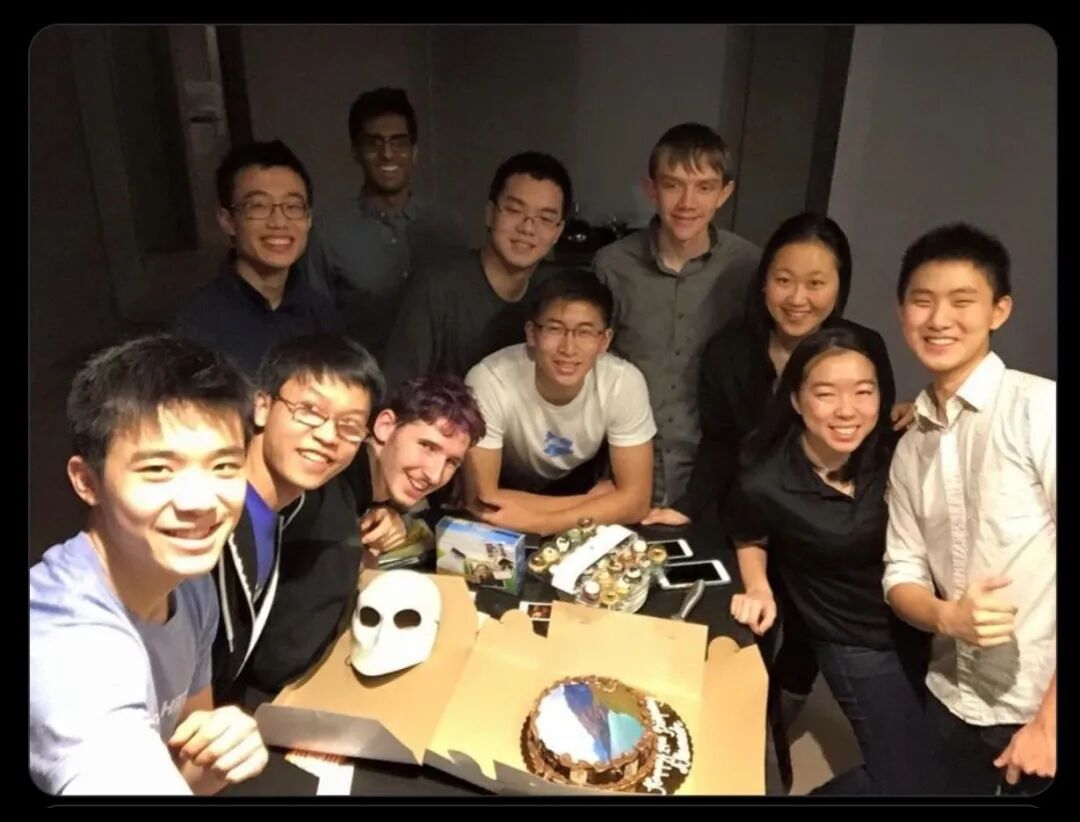
Moreover, Scott Wu himself showed up in the comment section and admitted that they had actually known each other through Olympiad competitions even before joining HRT...
Besides the four mentioned above, there are also Johnny Ho, co - founder of Perplexity, Demi Guo, founder and CEO of Pika, and Steven Hao, co - founder of Cognition.
Olympiad competitions → Quantitative trading internships → AI startups. So this is how the great minds are made.
No wonder some netizens said:
I'm signing up my unborn child for all Olympiad competitions right now. As an unmarried Asian man, this can be considered as early planning.

Definitely a head start in the race! (doge)
The Silicon Valley's Cradle on Wall Street
It has to be said that Wall Street has a sharp eye. Their intern recruitment strategy is spot - on.
They recruited only 10 people in the first batch, and 4 of them have already become new tycoons in Silicon Valley. The rest are also outstanding in their respective industries.
In terms of the conversion rate of talent, it even surpasses Silicon Valley companies like Google and Meta, which are known for producing AI experts.
Alexandr Wang
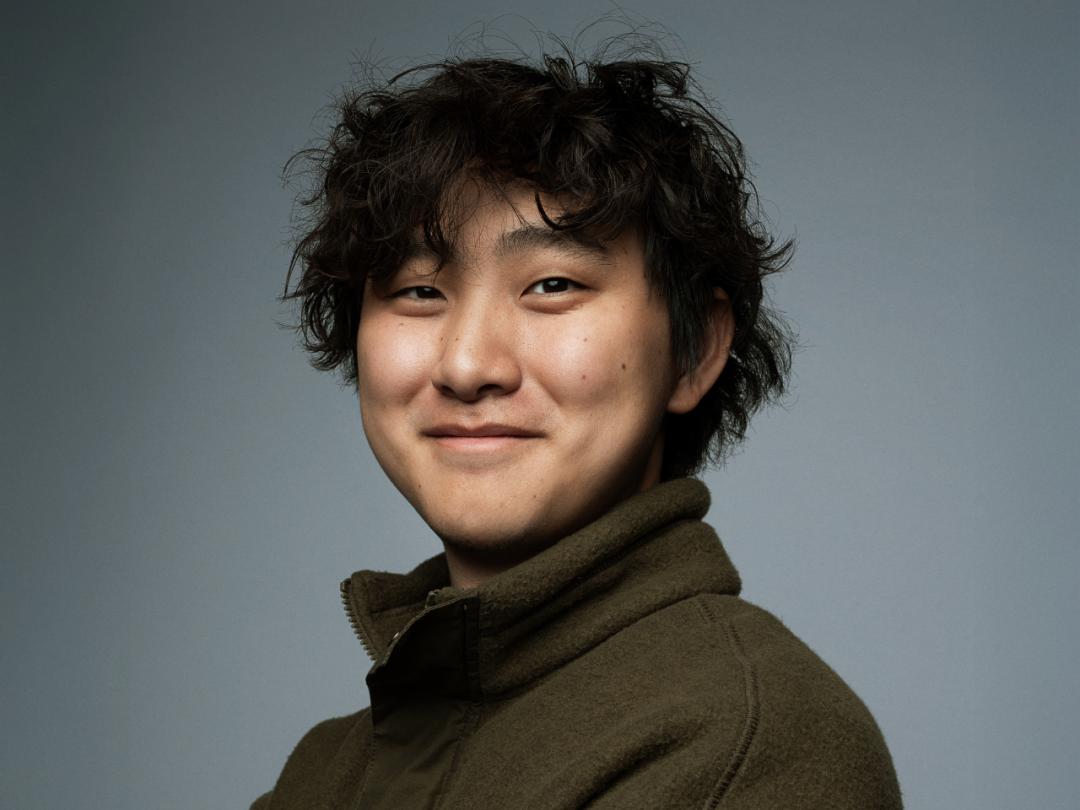
Let's first look at Alexandr Wang, who has been in the limelight recently.
Alexandr Wang is a typical Olympiad genius. During his middle - school years, he participated in competitions in the three major fields of mathematics, physics, and computer science.
He was shortlisted for the finals of the USACO for two consecutive years, entered the Mathematical Olympiad Summer Camp in 2013, and joined the US Physics National Team in 2014.
In the same year he dropped out of MIT to start Scale AI, he joined HRT to be responsible for algorithm development. Subsequently, with the support of YC, he co - founded the data annotation company Scale AI with Lucy Guo.
In its early days, the company focused on data annotation for autonomous driving and gradually expanded to multi - modal data processing, serving large - model companies such as OpenAI and Meta. In 2021, the company's valuation exceeded $7.3 billion, making Alexandr Wang one of the most promising AI unicorn CEOs.
In June last year, Meta completed an acquisition investment in Scale AI. Alexandr Wang then joined Meta to lead the Super Intelligence Laboratory and just released the first large - model, Muse Spark, a few days ago.
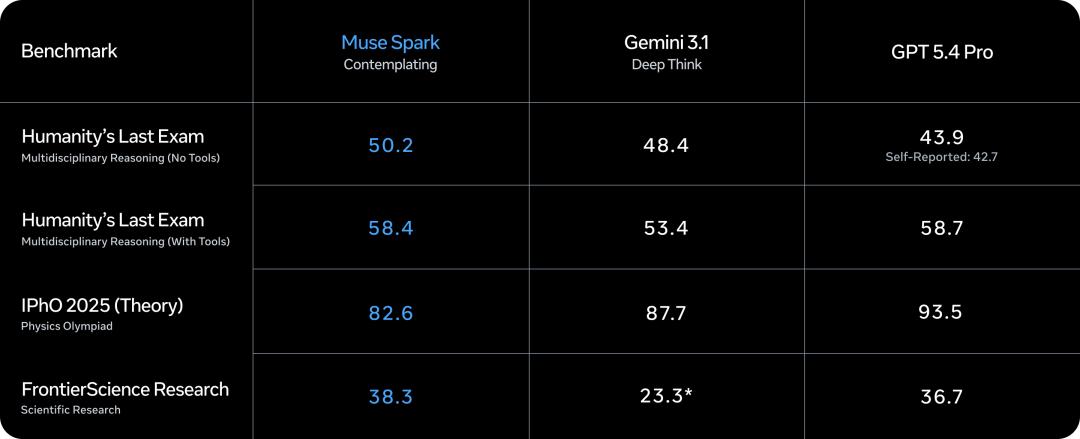
Muse Spark features native multi - modality. As Meta's most powerful model to date, once it was released, it quickly boosted Meta's stock price by 7%, with a peak increase of nearly 10%.
In third - party evaluations, Muse Spark also performed excellently, successfully leading Meta back to the top echelon of the industry.
Scott Wu
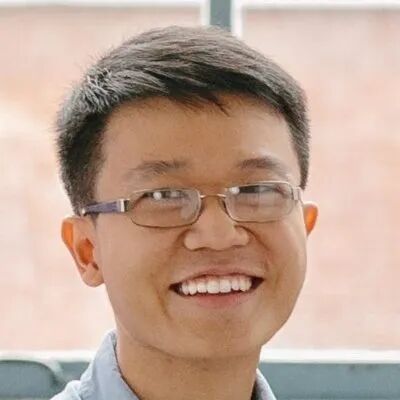
Scott Wu is a top - notch figure in the US Informatics Olympiad.
He has won three IOI gold medals in total. In 2014, he even scored a perfect 600/600 and ranked first in the world, being one of the very few contestants in IOI history to achieve a perfect score.
Scott Wu has a very sharp business sense. During his sophomore year at Harvard, he participated in founding the AI - driven social platform Lunchclub, which aims to match professionals for lunch exchanges through algorithms. This also got him on the Forbes 30 Under 30 list in 2020.
In 2023, he founded Cognition as the founder. In March of the following year, he released the world's first AI software engineer, Devin.
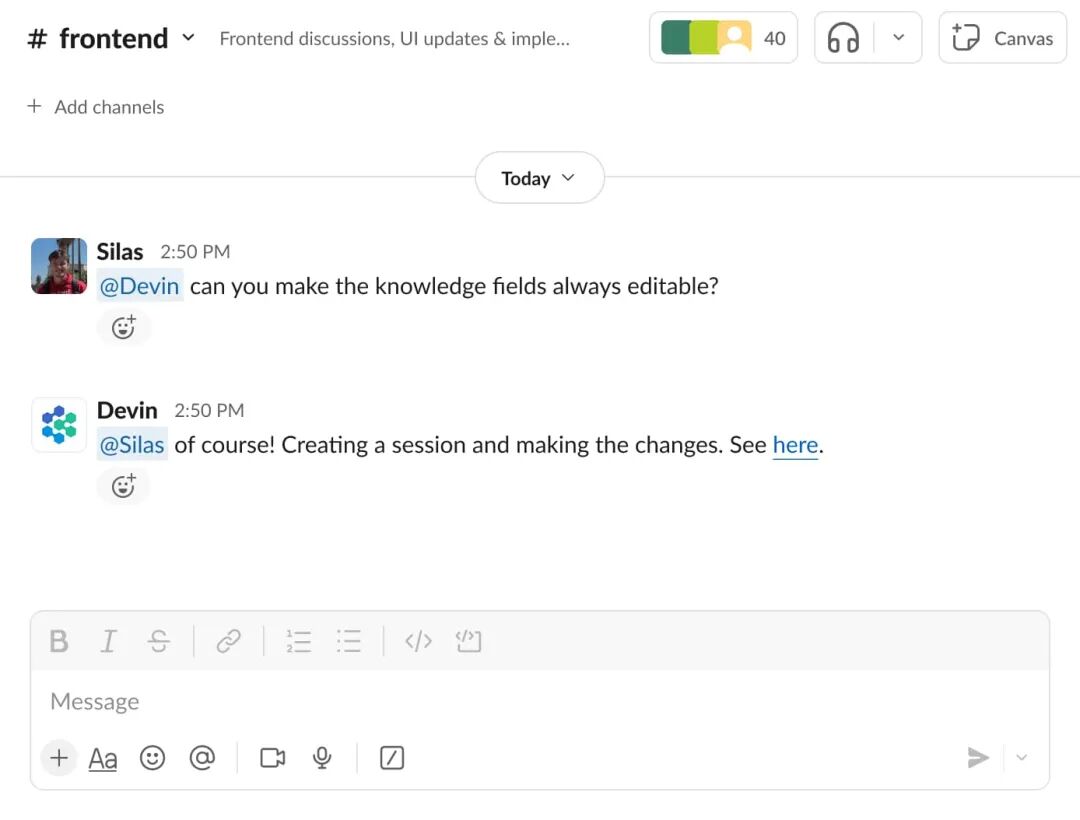
Different from GitHub Copilot, which is positioned as a programming assistant, Devin can independently plan complex engineering tasks and complete full - stack operations such as code writing, bug debugging, and deployment.
On SWE - bench, Devin led by a large margin. It can independently solve 13.86% of real - world GitHub problems, far exceeding the then - strongest top models like GPT - 4.
Devin has also propelled the company Cognition behind it to the peak of the capital market. The company's valuation soared to $10.2 billion in less than a year after its establishment.
Currently, thanks to the strategic acquisition of Windsurf, the annual recurring revenue (ARR) has exceeded $100 million.
Jeffrey Yan
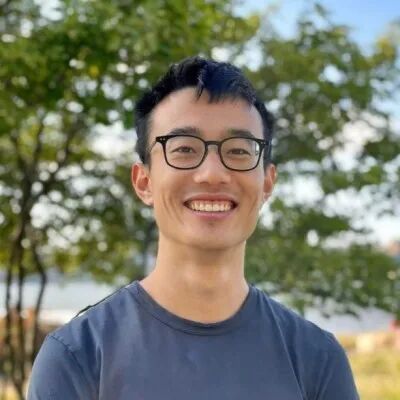
Different from Alexandr Wang and Scott Wu, who have completely switched to AI, Jeffrey Yan continues to dig deep into AI in the financial field.
He won a gold medal in the Physics Olympiad at the age of 18 and met Scott Wu, who is two years younger than him, at the Youth Olympic Summer Camp.
According to his recollection, the first - batch intern program at HRT was in the winter of his junior year. At that time, HRT was already one of the most successful quantitative trading companies in the world.
The intern program was a three - week competition, and in each round, Scott Wu and he would always take the top two places. After graduating from Harvard with a master's degree, Jeffrey Yan also joined HRT full - time, responsible for the development of US stock algorithms.
He chose quantitative trading because he believes that trading is the purest real - world game among real people:
The market will give the final answer as to whether you are right or wrong. The smartest people in the world are competing with you, and together, people create a liquid and efficient financial market.
He left quantitative trading because he hopes to create more value, such as revolutionizing the fundamentals of finance with AI.
He founded the decentralized trading platform Hyperliquid. Since 2023, the cumulative trading volume has exceeded $4 trillion, accounting for 37% of the market share. Currently, it is also one of the startups with the highest per - capita profit in the world.
Jesse Zhang
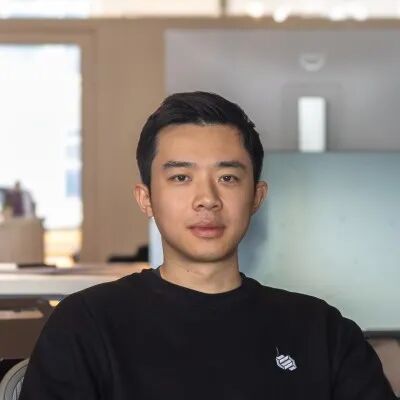
Jesse Zhang is not only one of the most active AI entrepreneurs in Silicon Valley but also an astute angel investor.
During high school, he was shortlisted for the US Mathematical Olympiad Training Camp twice and joined the US Physics National Team. In 2015, he was also shortlisted for the finals of the Intel Science Talent Search, known as the "Junior Nobel Prize".
After graduating from Harvard in three years, Jesse Zhang interned and worked at HRT and Google successively. In 2017, he founded the game - social startup Lowkey, which was acquired by Niantic, the developer of Pokémon Go, in 2021.
In 2023, he started another AI customer - service agent company, Decagon. In less than three years, the company's valuation reached $4.5 billion.
Meanwhile, he has also successfully invested in more than 30 star AI startups, including Pika, Cursor, Lovable, and Cognition, and was included in the Forbes 30 Under 30 list in the AI field in 2026.
Johnny Ho
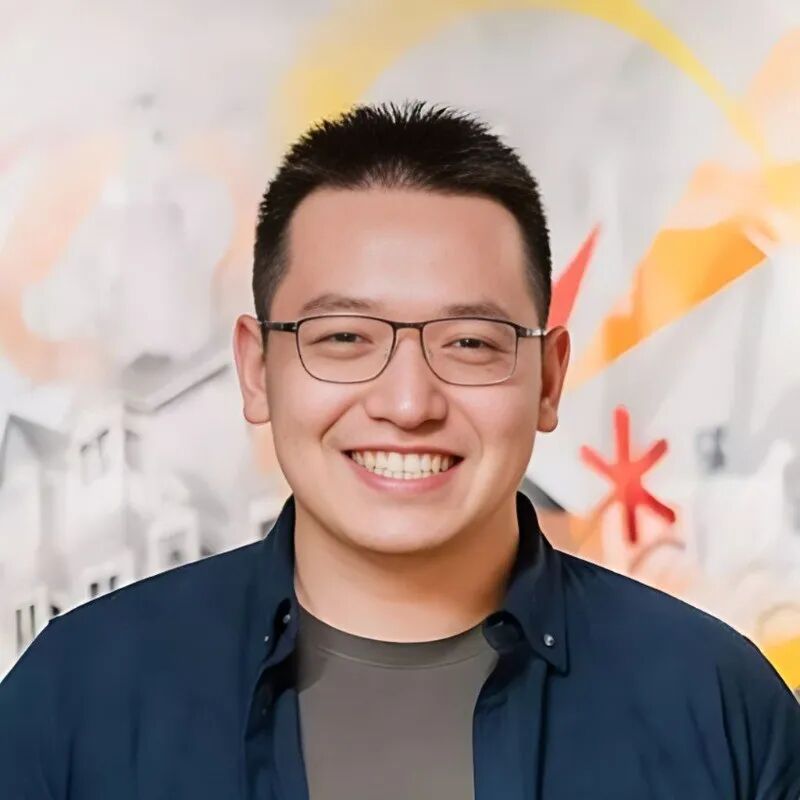
Johnny Ho is an IOI master on par with Scott Wu. He also won three IOI gold medals and got a perfect score in 2012, ranking first in the world.
After graduating from Harvard, he worked as a quantitative trader at the top high - frequency trading company Tower Research Capital on Wall Street for many years, responsible for developing high - frequency trading models and strategies.
In 2022, he co - founded Perplexity with Aravind Srinivas, Denis Yarats, Andy Konwinski, etc., and served as the CSO.
Perplexity is currently the leading AI search company in the world, with over 100 million monthly active users. After completing the Series E financing at the end of last year, the company's total valuation is about $20 billion. As of April this year, the ARR has exceeded $500 million.
In February, Perplexity just launched its flagship product, Perplexity Computer, which supports the invocation of 19 models. It can not only answer questions but also autonomously perform tasks like a human operating a computer, covering almost all daily scenarios.
Demi Guo

Demi Guo was born in Hangzhou. She moved to the United States with her family when she was young and won a silver medal in the IOI in 2015.
During her undergraduate and master's studies at Harvard and her doctoral studies at Stanford, she interned and worked at Quora, Microsoft, HRT, Google, Meta, and Epic successively. She also served as a venture - capital intern at several companies such as Sequoia Capital China and Sinovation Ventures.
In 2023, she co - founded the AI video - generation company Pika with Chenlin Meng and Karli Chen. In three years, Pika has quickly grown into the top echelon of the industry, with a global user base of over 16 million, and has won the favor of star investors such as Adam D’Angelo, the founder of Quora, and Nat Friedman, the former CEO of GitHub.
Steven Hao
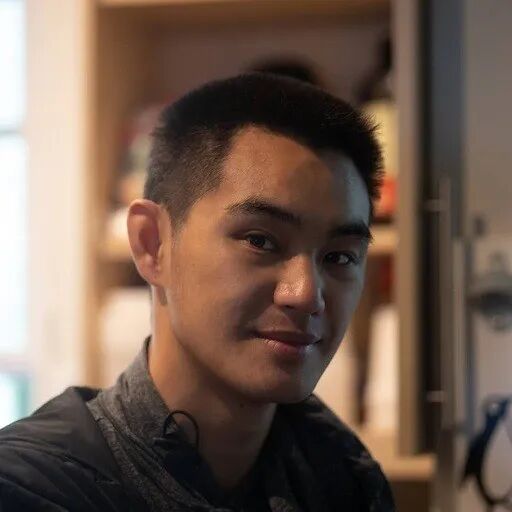
Steven Hao also comes from an IOI gold - medalist background. During his undergraduate studies at MIT, he interned at the world's top quantitative trading companies, Jane Street and The D. E. Shaw Group.
In 2018, he officially joined Alexandr Wang's Scale AI as a software engineer. After four years of work, he quit to start a business and co - founded Cognition with Scott Wu.
In fact, another co - founder of Cognition, Walden Yan, is also an IOI gold - medalist. Most of