The ceiling of AI intelligence has collapsed. The visual IQ of GPT-5.5 Pro is 145, breaking through the threshold of Mensa Club.
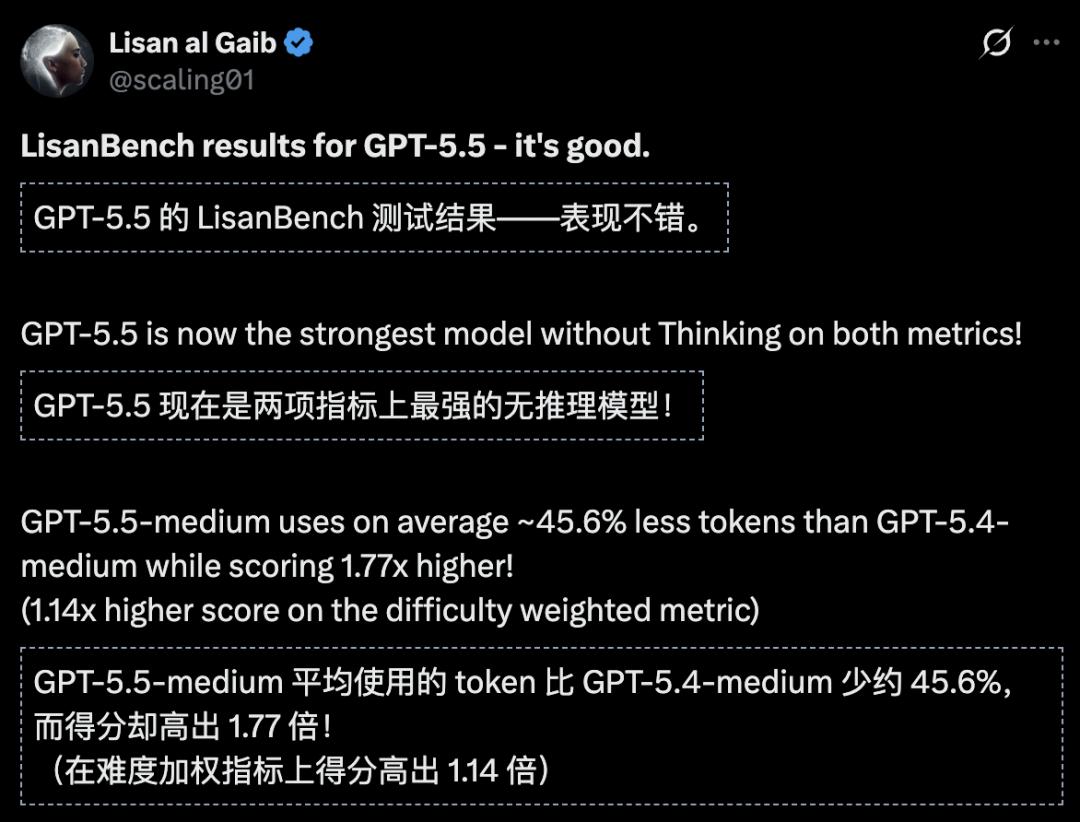
Since 1946, Mensa, the "highest IQ club for humans," is about to welcome its first non - human member. According to the latest scores from LisanBench, GPT - 5.5 Pro has a text IQ of 130, reaching the Mensa membership line, and its visual IQ soars directly to 145, entering the genius zone. Just a year ago, the consensus in the tech circle was that "LLMs couldn't score above 130," but today, this barrier has been completely shattered!
Since 1946, Mensa, the "highest IQ club for humans," is about to welcome its first non - human member.
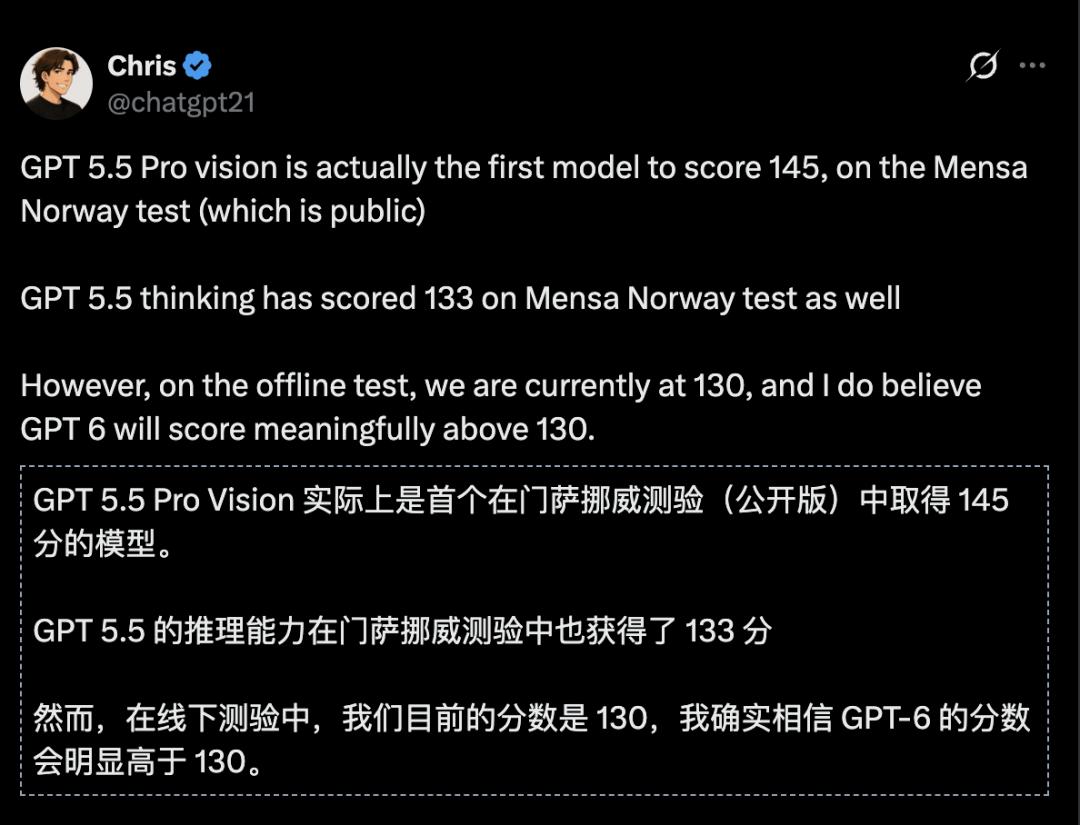
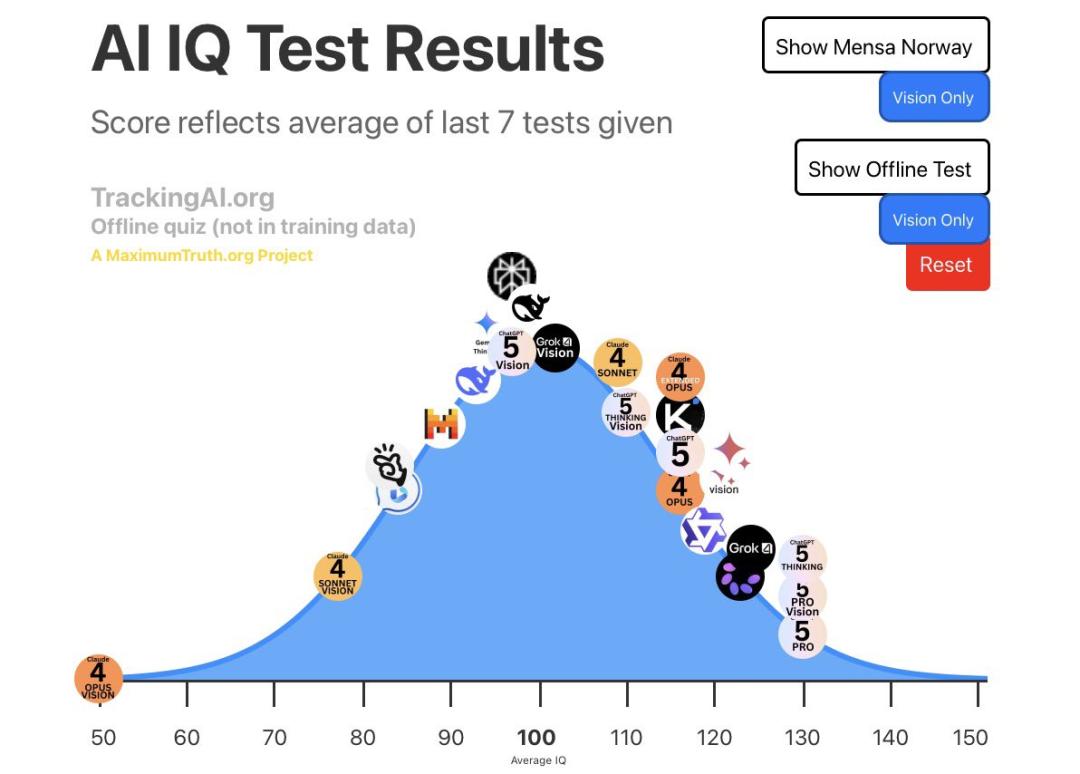
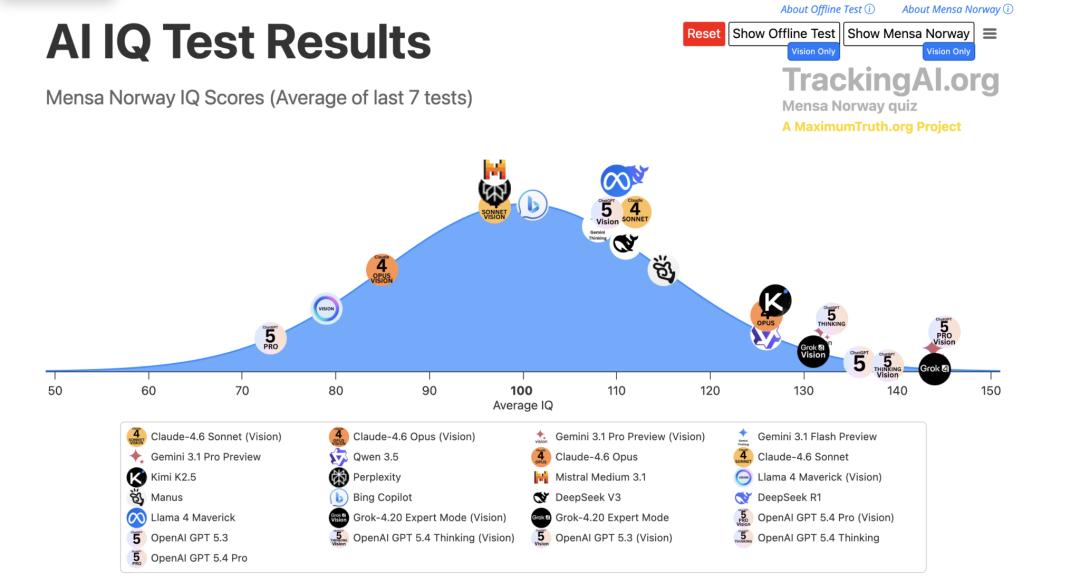
GPT - 5.5 Pro has an online text IQ of 133, a visual IQ of 145, and a score of 130 in an offline non - public IQ test.
This is the first time AI has officially crossed the Mensa membership line.
The kick that broke through the Mensa 130 barrier was the loudest one, but it definitely won't be the last.
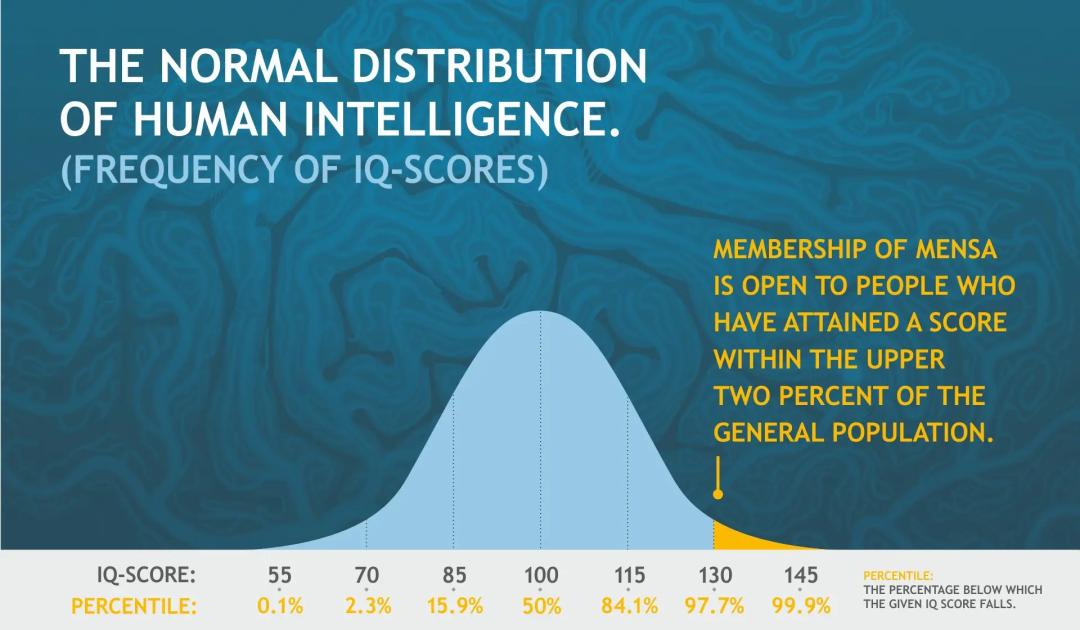
Mensa, the world's oldest high - IQ society, was founded in 1946, and there is only one membership criterion —
An IQ in the top 2% of the human population, with a cut - off score of 130.
The line that ordinary people can't reach even after taking the test several times, AI crossed it on the first try.
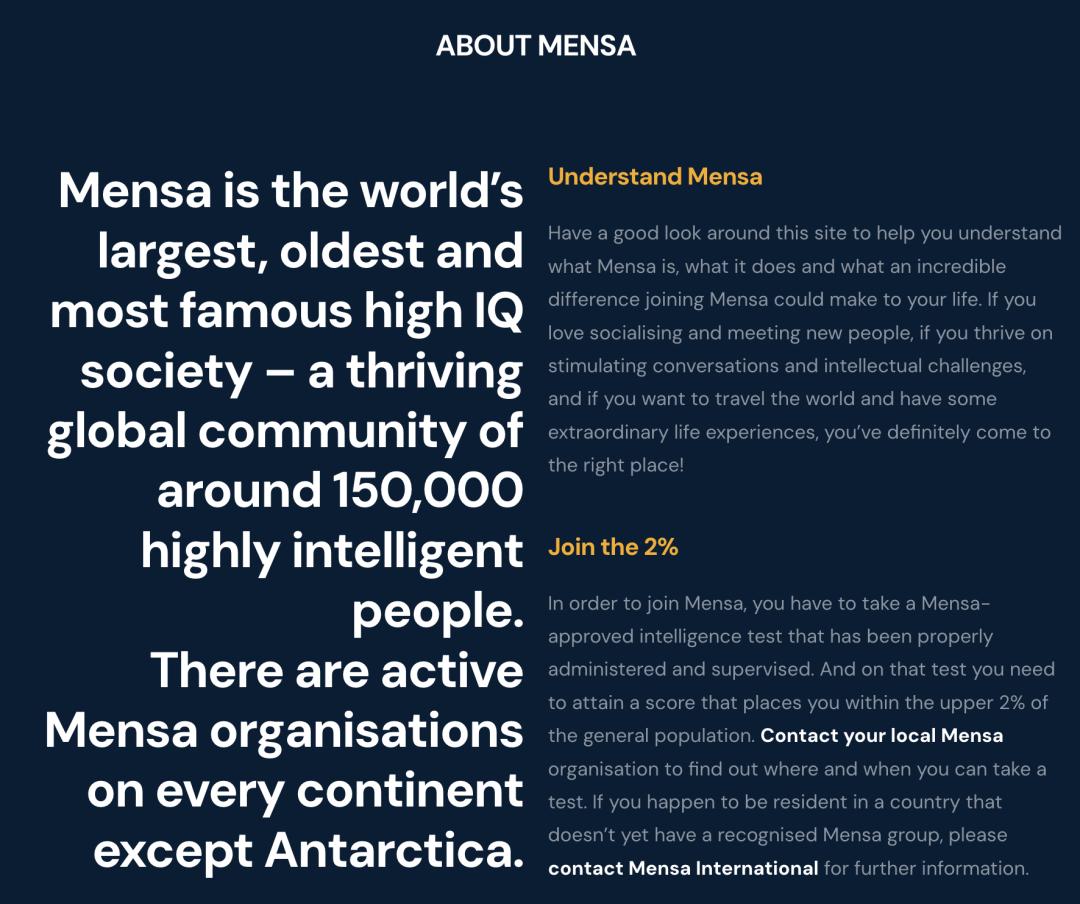
And 145 is the position of the "top 0.1%" in the publicly available data on the Mensa official website, commonly known as the genius zone.
This is not an isolated case. At the beginning of this month, GPT - 5.4 Pro scored 150 IQ on the TrackingAI public leaderboard, topping all public IQ scores.
In the past few months, OpenAI has never stopped its pace: visual foundation models, reasoning upgrades, Agent product lines, and a series of actions on the API side.
Now, the AI competition has once again entered the OpenAI era.
Turning weaknesses into aces,
OpenAI ignites the cognitive visual revolution
What's even more astonishing is the gap between text and vision: GPT - 5.5 Pro scored 130 in the text section, just meeting the Mensa cut - off, but its visual score soared directly to 145.
A 15 - point gap is not a testing error.
This means that the model's ability in "finding patterns in pictures" is a full standard deviation higher than its ability in "reading questions and making inferences."
According to the Mensa distribution, 130 is the top 2%, and 145 is the top 0.1%. That is to say, if you compare GPT - 5.5 Pro's visual ability with that of real people, it is truly one in a thousand.
There is a detail worth mentioning: Why is it vision, rather than text, that breaks through the barrier first?
Mensa Norway uses a 3×3 grid format (eight pictures + a missing ninth picture), which is completely non - verbal and non - culture - dependent, and examines abstract reasoning.
The high - IQ human population (especially those in the "genius zone" with an IQ above 140) indeed relies on instant pattern recognition: rules such as rotation, mirroring/reflection, and superposition/addition - subtraction of elements.
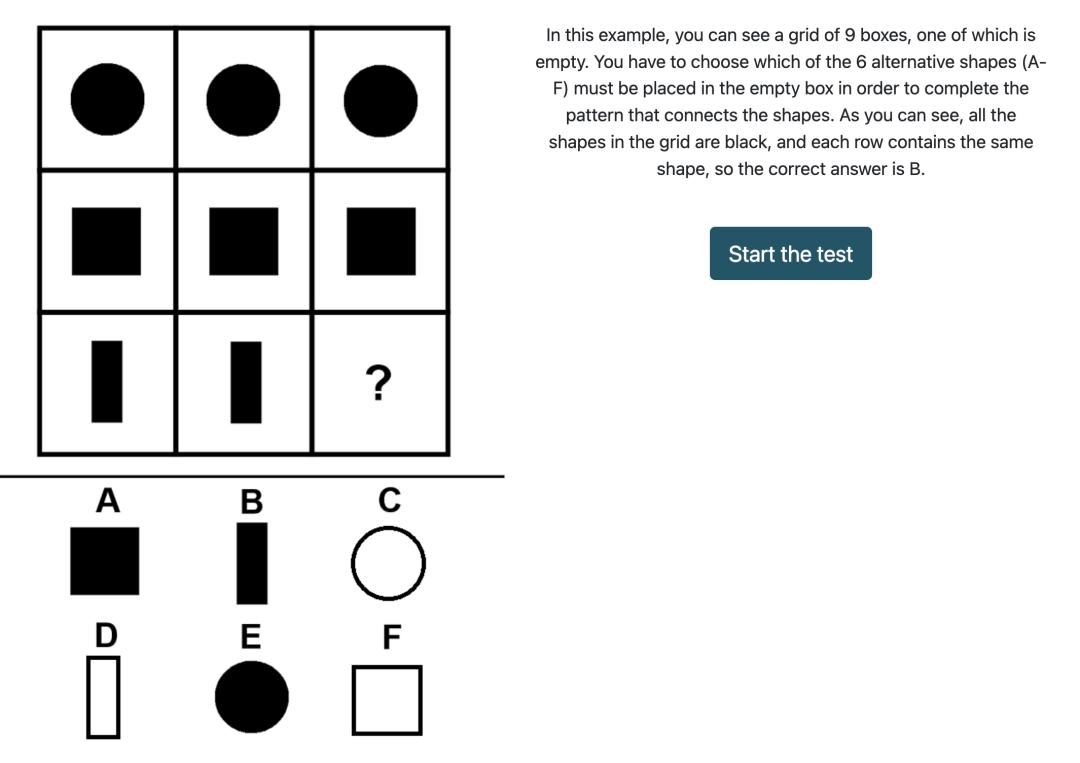
The standard method for LLMs to solve such problems is to convert the pictures into tokens first and then conduct reasoning.
However, in the process of tokenization, it is precisely the spatial structure and topological relationships — the most core information of such problems — that are lost.
Therefore, in the past twelve months, all top - tier models have been in this situation in visual questions: barely passing in text, but performing terribly in vision.
Claude 4.7 and GPT - 5.4 Pro are all stuck below 125.
GPT - 5.5 Pro's score of 145 means: this is not simulating thinking, but reconstructing intelligence. In the past, we laughed at AI for "not understanding common sense," but now, it is looking down on our common sense with an intelligence level higher than 98% of humans.
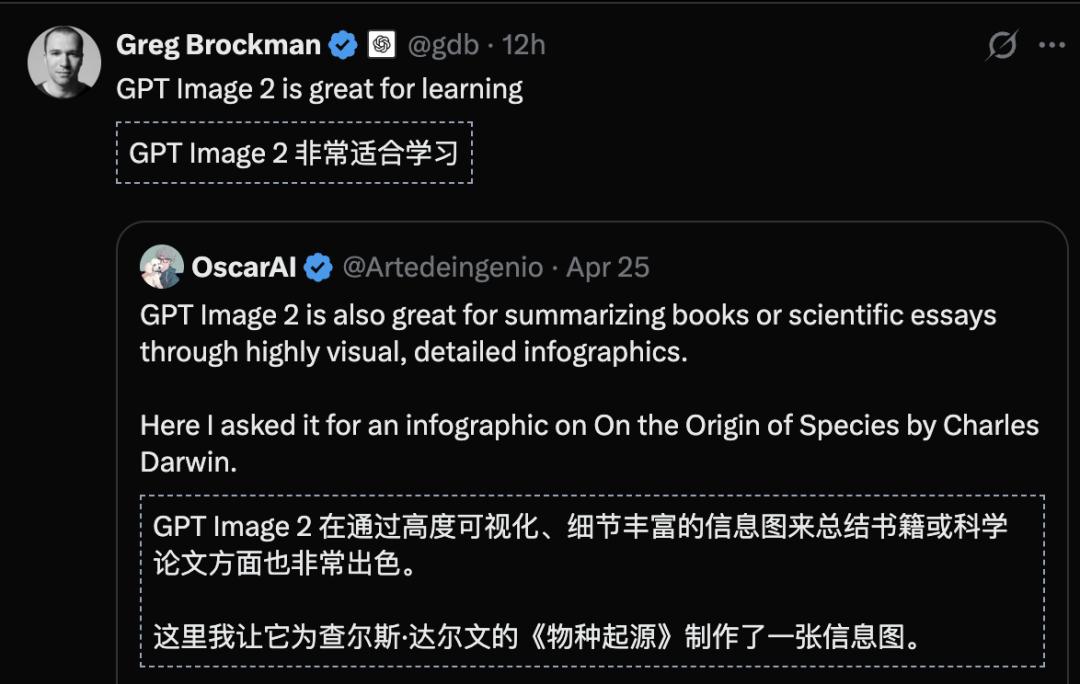
Greg Brockman, co - founder and president of OpenAI, retweeted a user's demonstration and strongly recommended GPT Image 2 for instantly converting books such as "On the Origin of Species" into detailed infographics to promote efficient learning.
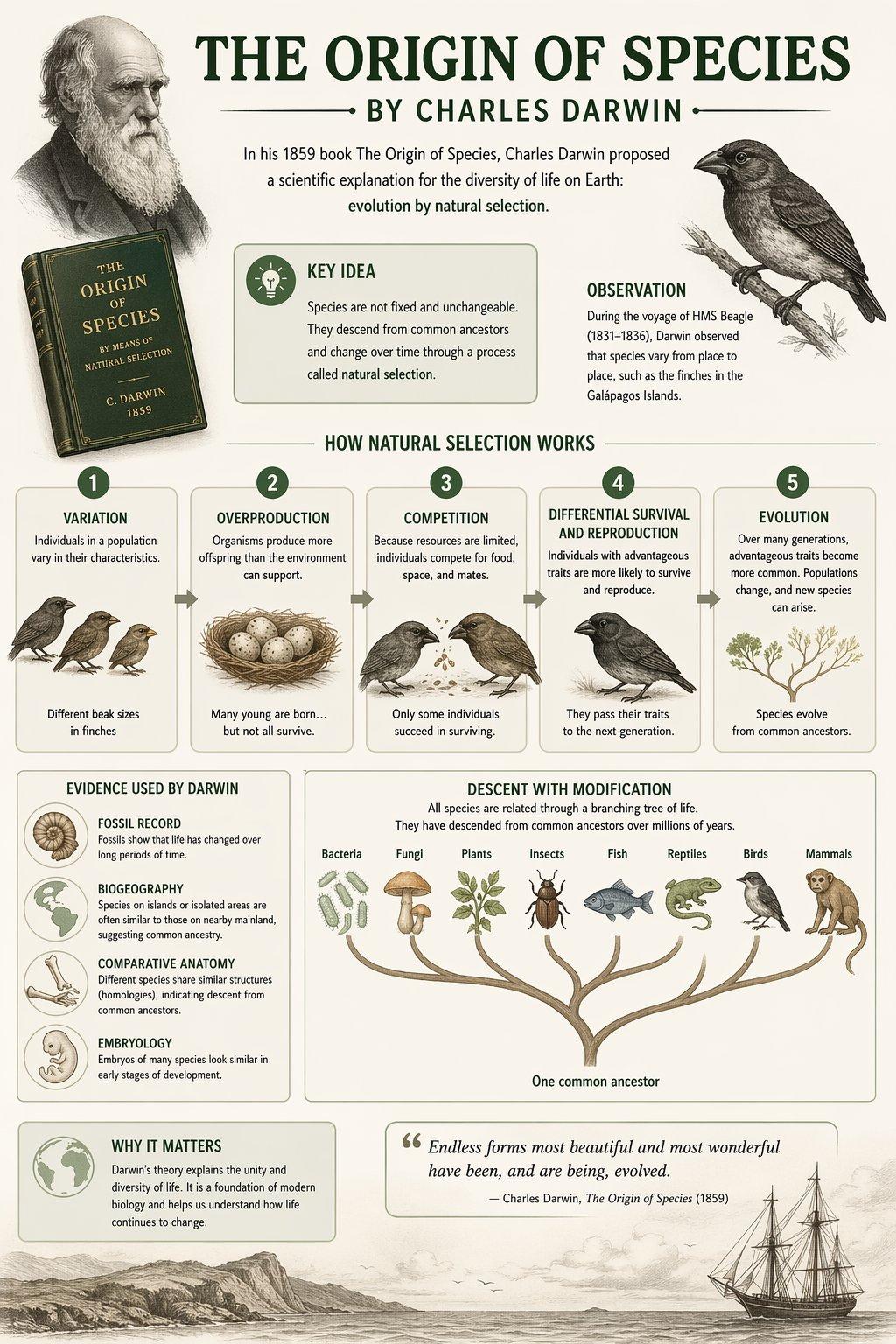
This reveals a major turning point in human civilization: the medium for knowledge intake has changed.
For thousands of years, humans have relied on text, a low - bandwidth linear medium, to transmit wisdom.
But GPT - 5.5 tells us that in the future, learning no longer requires you to spend three months chewing through a thick book. AI will reconstruct long texts into a "visual cognitive stream" through in - depth semantic understanding.
This is "semantic recombination."
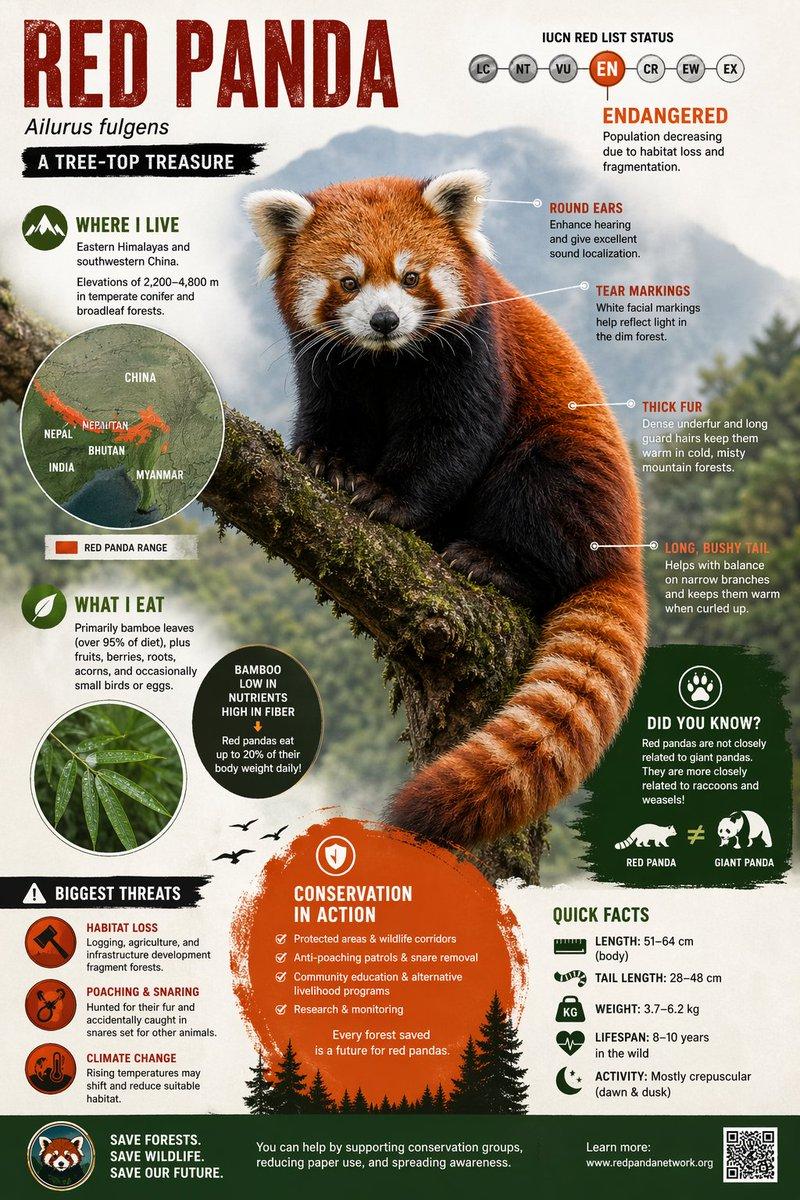
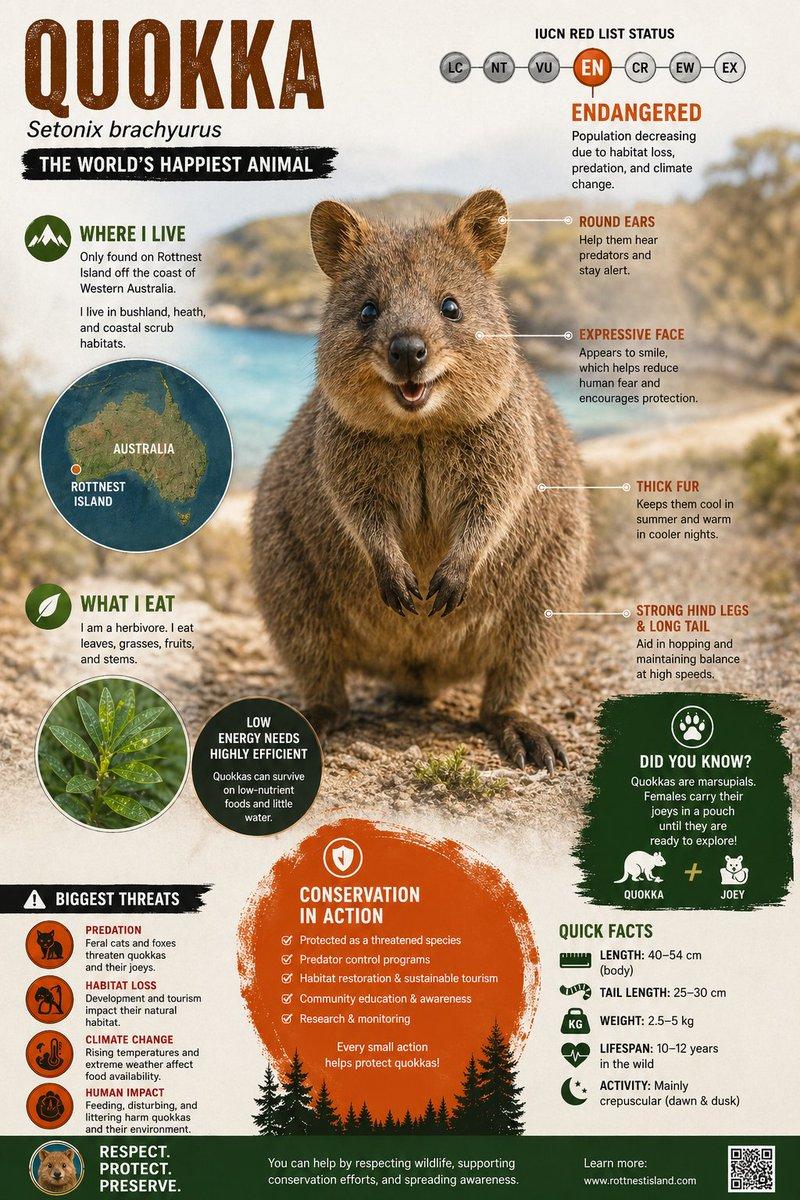
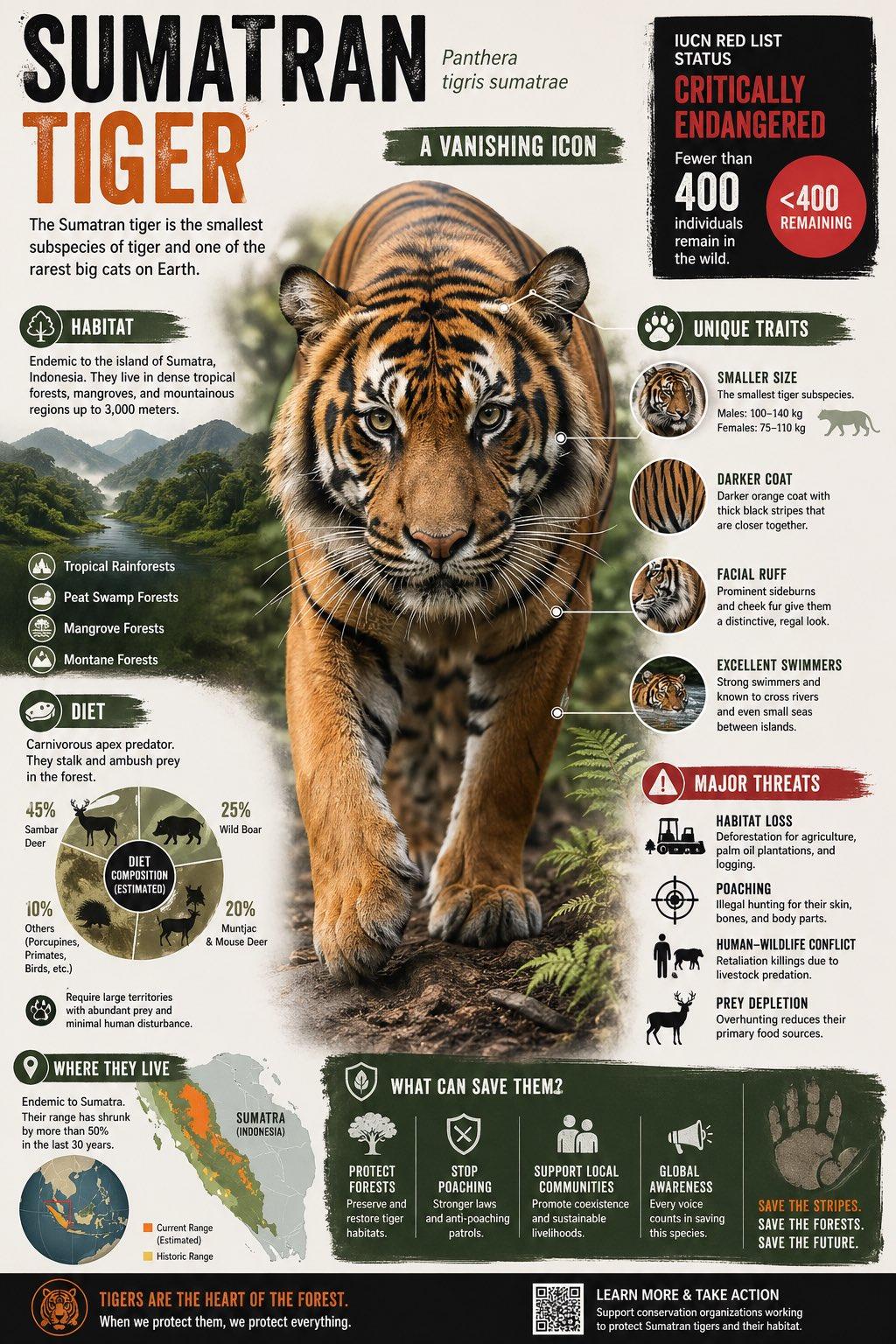
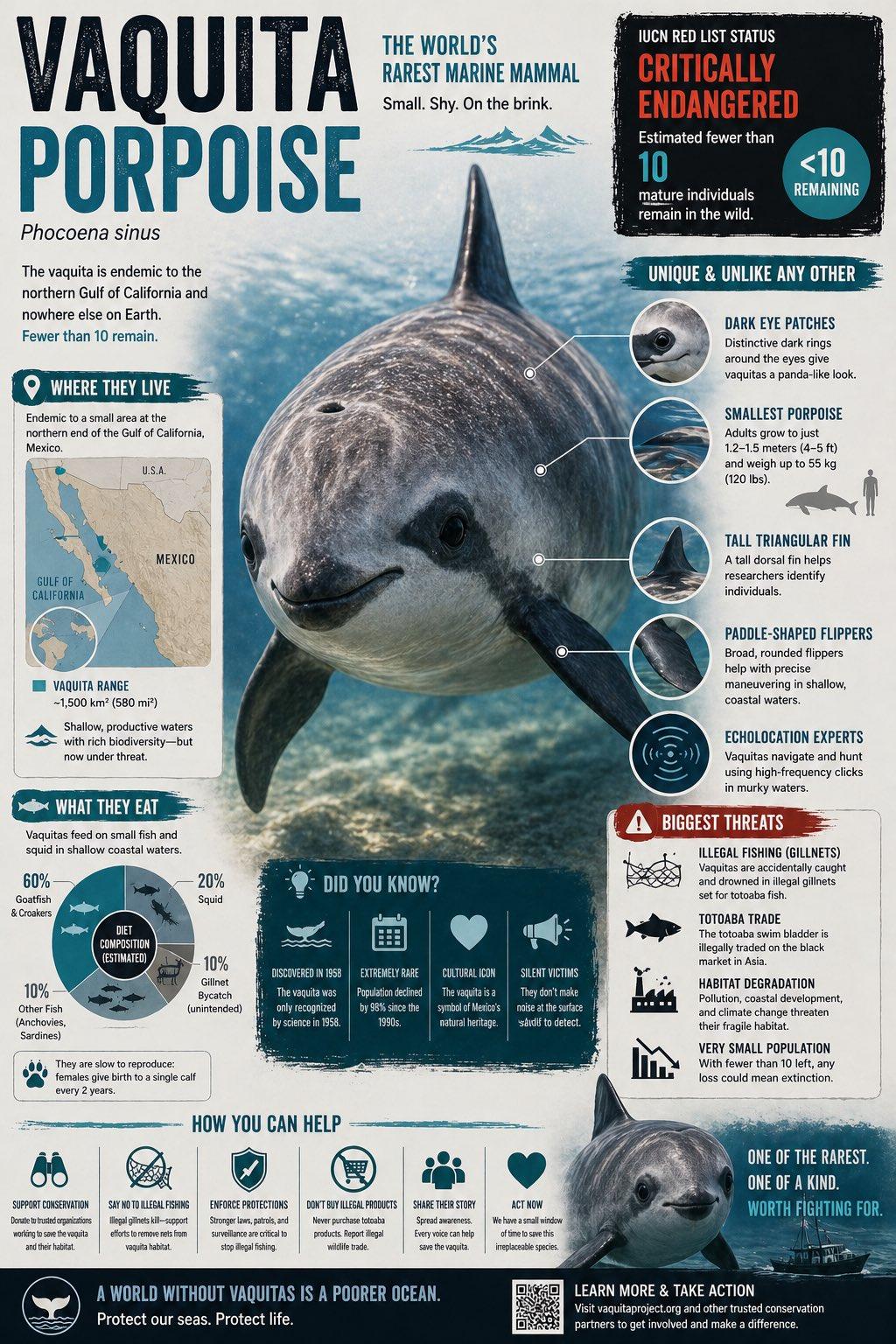
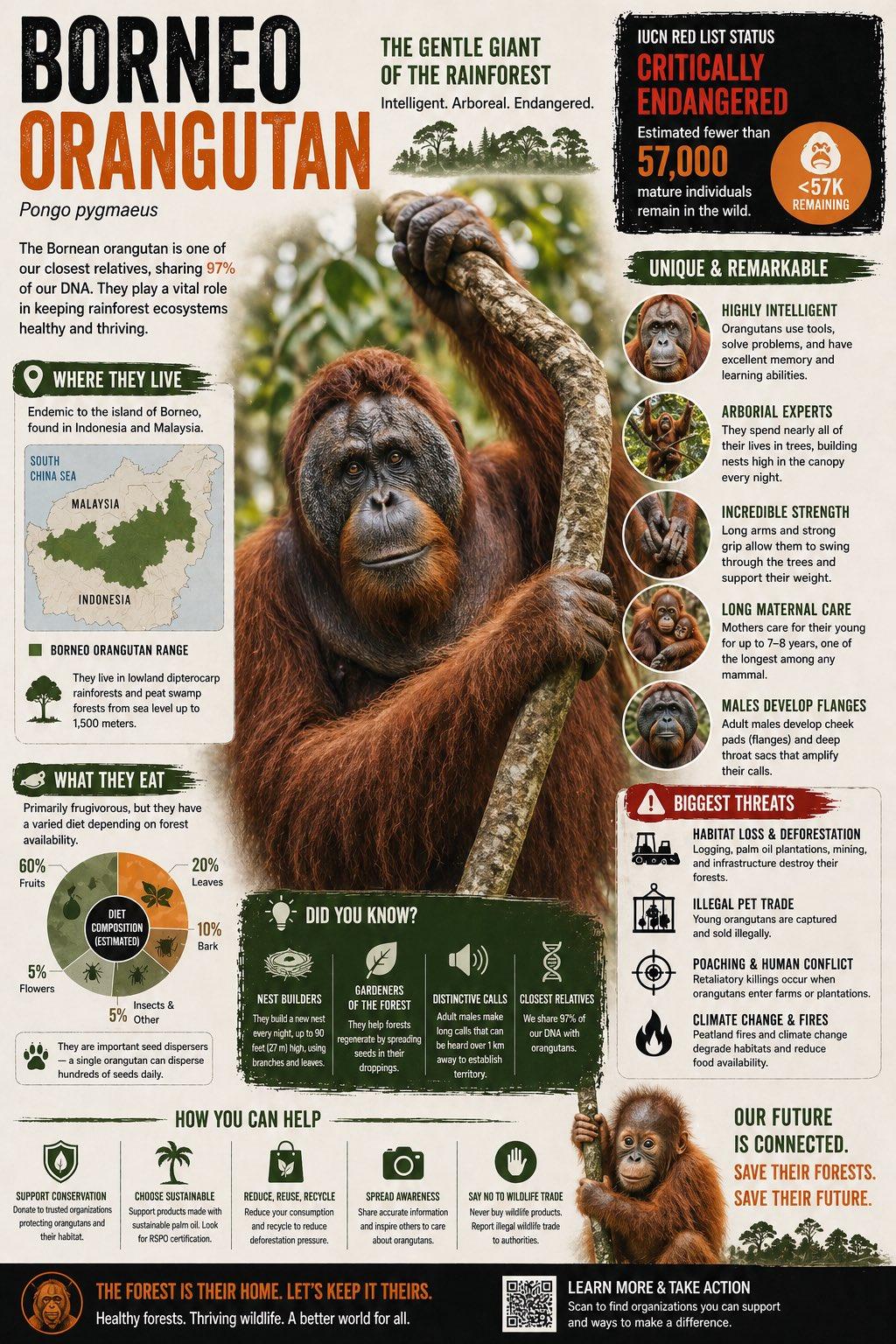
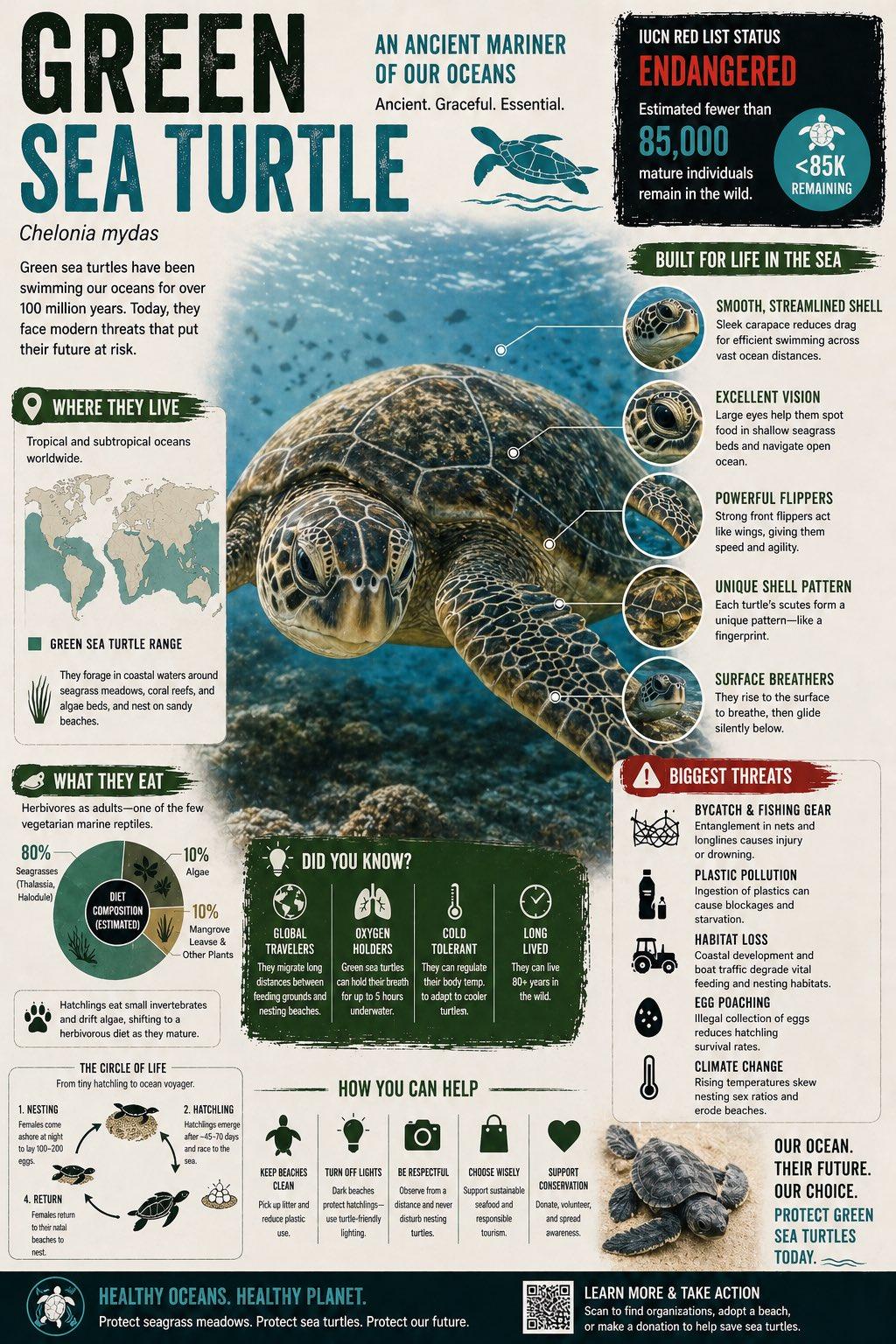
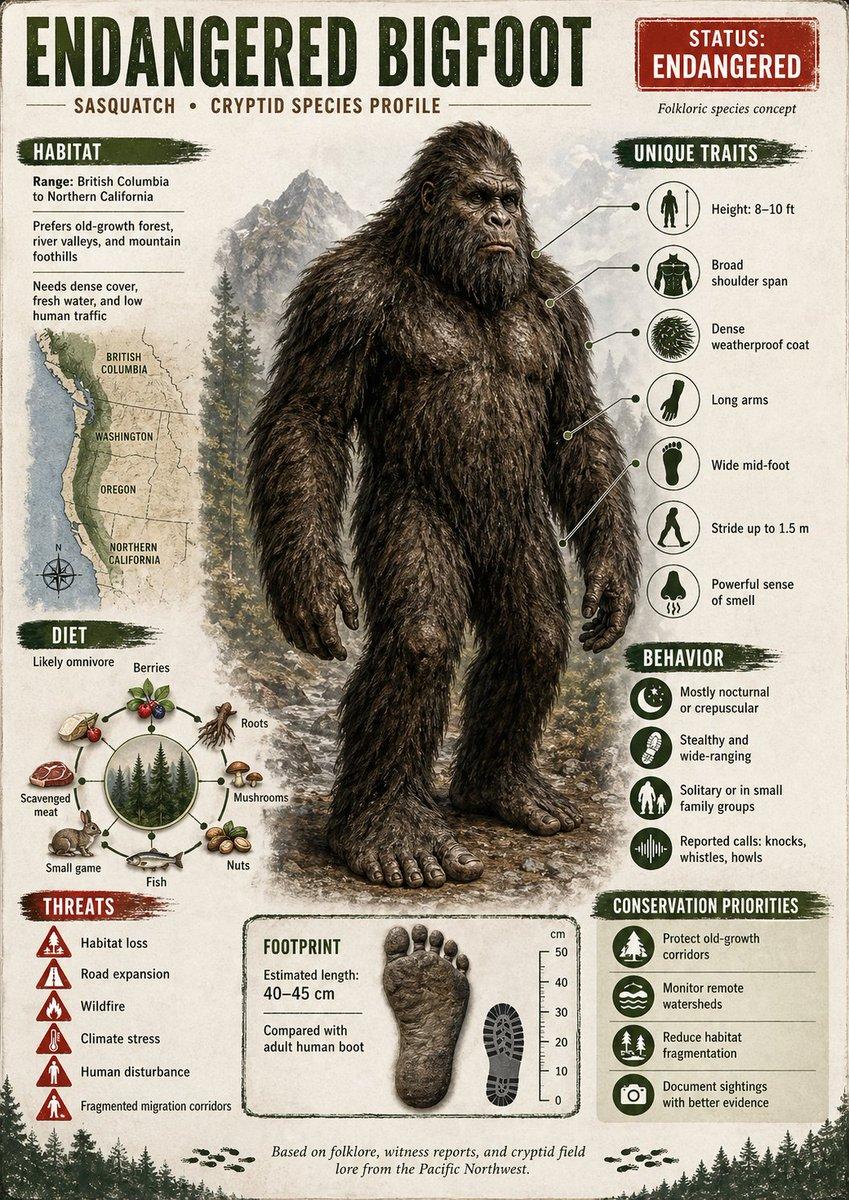
When AI's memory and context - handling ability are no longer "forgetful," it becomes another cortical layer outside your brain. You no longer read knowledge but overlook it.
In addition, ChatGPT can now directly convert old and damaged pictures into 4K quality with one click, and it's free!

Restore this old photo into professional portrait of DLSR - quality colour and detail, using an advanced upscaling algorithm comparable to the results from canon EOS R6 II. Ensure the restored the image looks natural, retains exact facial features, has great clarity......
"The diligent little engine": speaks the gentlest words and does the toughest deeds
Altman used a very misleading term: "little engine."
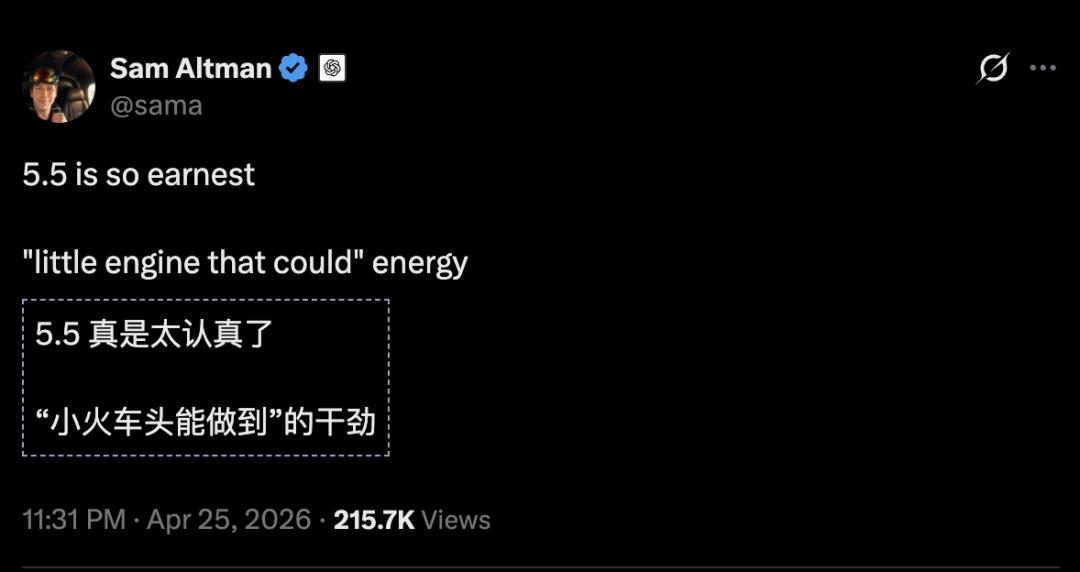
Behind this seemingly cute metaphor lies OpenAI's extremely ruthless business will.
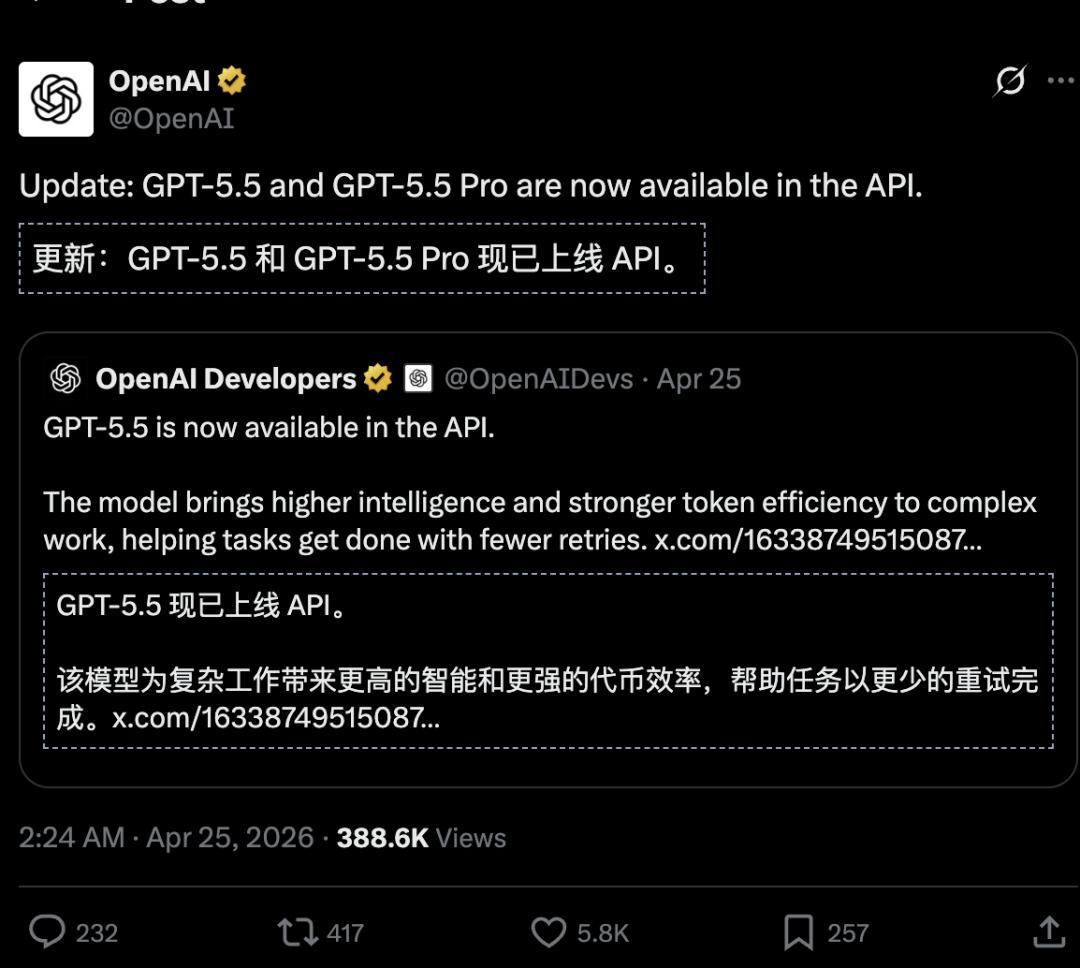
Yesterday, new OpenAI API products were launched: GPT - 5.5 and its Pro version are now available, significantly improving the intelligence level and token efficiency, and are perfectly suitable for complex task scenarios, such as high - load applications like coding and analysis.
In the LisanBench test, GPT - 5.5 is the strongest dual - purpose non - reasoning model!