The cars are still here, but the factory is gone. The awkward situation of 400,000 NETA owners.
Two days ago, Focus Interview dedicated an entire episode to dissecting the downfall of Nezha Automobile.
Creditors have declared debts amounting to 26.58 billion yuan. The factory is covered in dust, the founder has become a "chronic defaulter" and is subject to hundreds of consumption restrictions. There are also rumors that the founder is overseas.
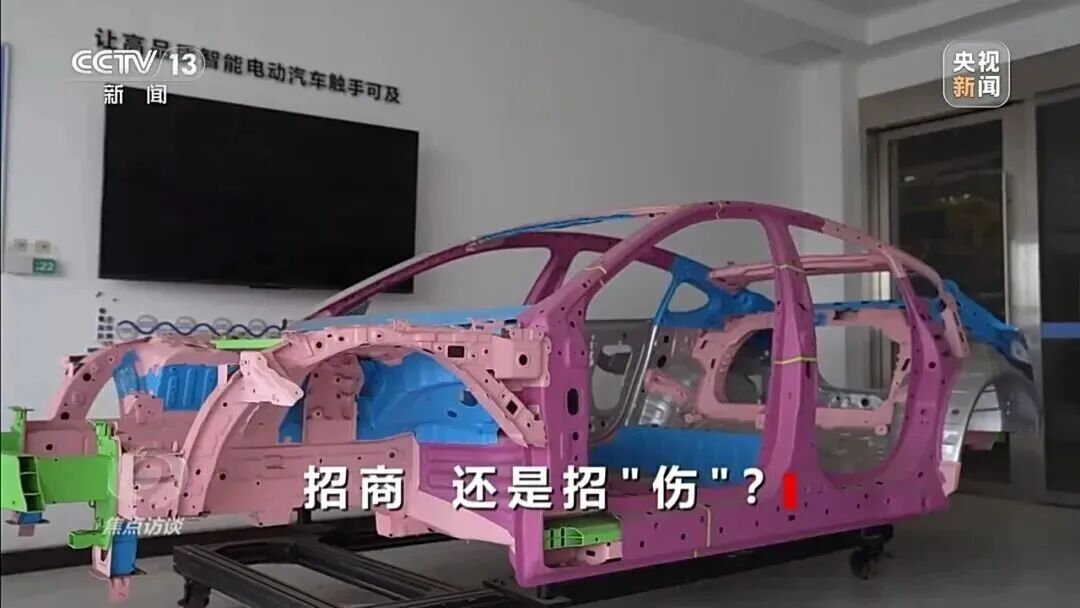
Nezha is dead, succumbing to an era inflated by capital bubbles and local government impulses. In that era, everyone believed that "my fate is in my own hands." However, business is not a myth. In reality, there are no wind and fire wheels, only a cold supply chain and consumers voting with their feet.
But for the 400,000 Nezha car owners, they are not concerned with grand narratives. They only care about one question:
Who will repair my car in the future?
01
A "Victim" of the New Energy Vehicle Boom
Let's rewind the clock ten years.
Back then, China's new energy vehicle production had just become the world's number one. As soon as the policy wind blew, capital rushed in like sharks smelling blood. No one wanted to miss out on the next Tesla. It was a crazy era, an era of building cars with PowerPoint presentations.
Remember Youxia Automobile? In July 2015, Huang Xiuyuan, an 80s-born entrepreneur, held a press conference in Beijing, claiming to build "China's Tesla." The problem was that the company had only been established for 15 months, the team had fewer than 80 people, and they had no vehicle manufacturing qualifications. The so-called "Youxia X" was later exposed to be a modified Tesla with a new shell.
That was the craziest era of new energy vehicle manufacturing in China. At its peak, there were more than 300 registered new energy vehicle brands in the country. What does that mean? The total number of automobile brands in all other countries in the world combined might not even reach this figure.
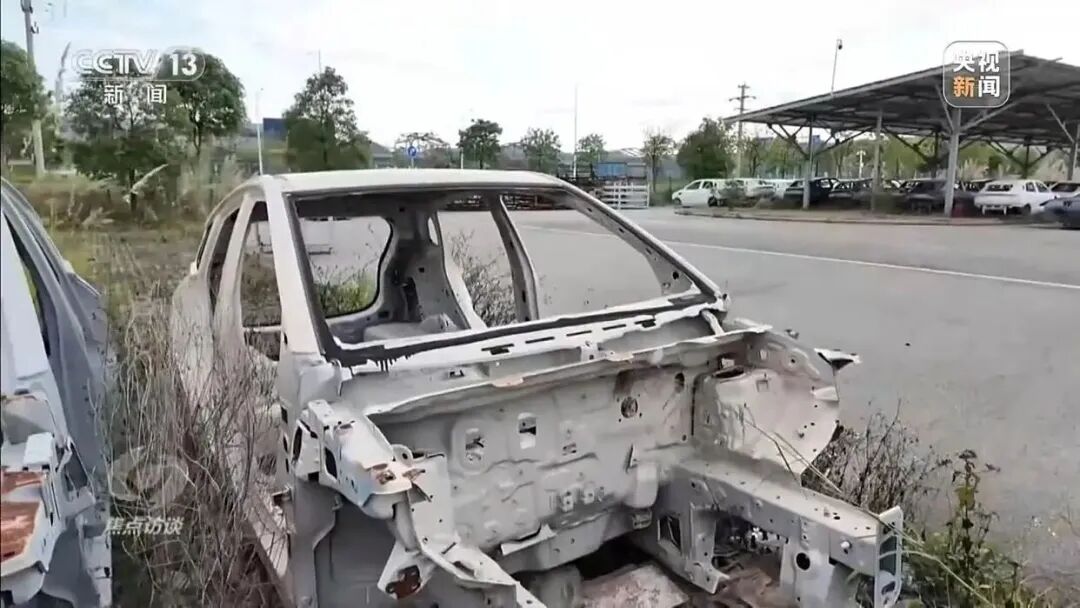
Nezha was not just a PowerPoint car project. It actually produced cars and was once the sales champion.
In 2022, Nezha Automobile topped the sales list among new energy vehicle startups, delivering 152,000 vehicles throughout the year. That year, Nezha Automobile was favored by capital and local governments. State-owned assets from Yichun in Jiangxi, Nanning in Guangxi, and Tongxiang in Zhejiang invested over 8 billion yuan. Factories were built, advertisements were everywhere, and CEO Zhang Yong said with high spirits: "We aim to be in the first camp of new energy vehicle startups."

That year, everyone thought Nezha was going to "change its fate against the odds." Before that, Nezha was always regarded as a grassroots brand. Its main model, the Nezha V, had a starting price of only 59,900 yuan, targeting third- and fourth-tier cities and the ride-hailing market. Nezha's story was not very glamorous, but it was practical.
However, if you look closely at Nezha's sales composition, you'll find something amiss. Among the 152,000 vehicles sold, the two models that contributed the most were the Nezha V and Nezha U, both low-priced volume models.
This means that although Nezha had sales, it had no brand premium. It sold on price, not value. In the new energy vehicle market, being cheap is the easiest advantage to replicate. In terms of price, can you compete with Wuling and BYD? When the price war broke out in 2023 and BYD's Seagull entered the market at around 70,000 yuan, the sales of the Nezha V were directly halved.
The tide of Nezha receded. But it had no "bottom line" – it couldn't let go of the sales in the low-end market while also trying to break into the high-end market for profits. As a result, it pleased neither side.
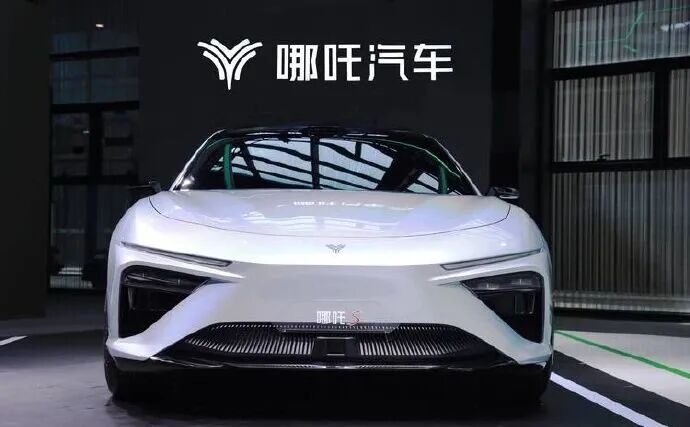
Since 2024, sales have plummeted, factories have shut down one after another, and suppliers have blocked the factory gates to demand payment. After entering the bankruptcy reorganization process in 2025, the so-called "white knight" never appeared. The restructuring plan has been delayed again and again. Several rounds of creditor meetings have been held, but no one can convince the others. Potential acquirers think the debt hole is too big, and local state-owned assets want to help but are unable to do so.
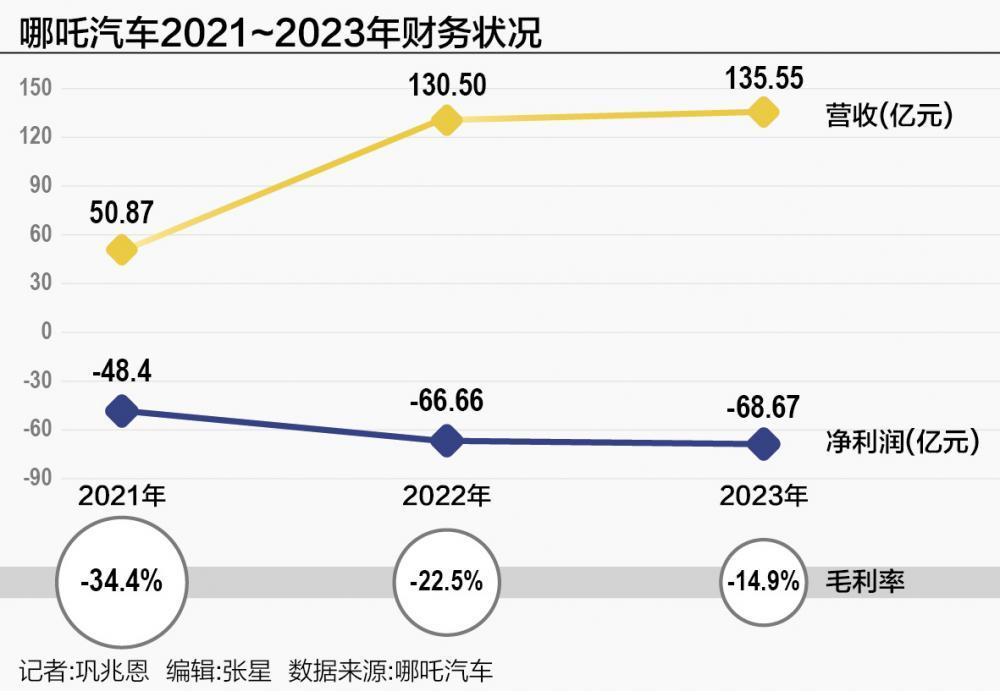
For a long time, Nezha maintained its scale by "losing money on every car sold." Data shows that from 2021 to 2023, Hozon New Energy (the parent company of Nezha) had a cumulative net loss of up to 18.3 billion yuan, with an average loss of over 80,000 yuan per vehicle sold. Like countless brands that fell in that crazy era, it was in a half-dead state, a pity to abandon.
01
Nezha Car Owners Become "Cyber Refugees"
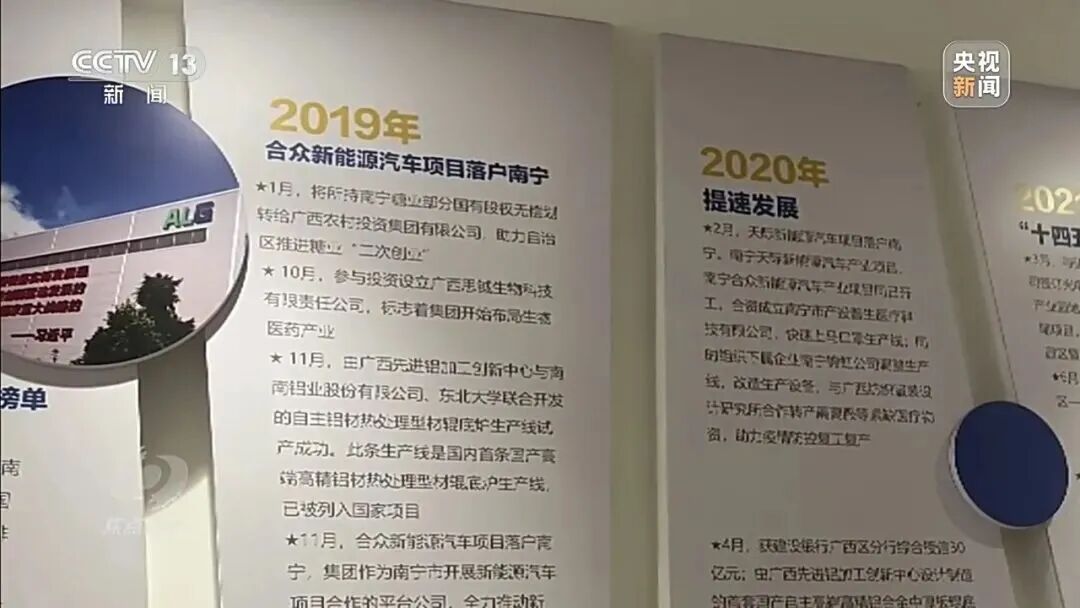
When talking about Nezha Automobile, a colleague from Nanning, Guangxi, at Laohu recalled that a few years ago, Nezha's advertisements were everywhere in the local area. Locals had a sense of familiarity with the brand because the Nanning state-owned assets had invested real money. Nezha also built a factory in Nanning, and the local government was actively promoting it.
In 2022, this colleague went for a test drive of Nezha. The price was really attractive, and the configuration was generous. But he finally turned to buy a BYD. The reason was simple: he was afraid that Nezha wouldn't last long.
After all, the new energy vehicle market is extremely competitive. One day it's advertising in the subway, and the next day you might not even be able to find after-sales service. The after-sales service, spare parts supply, and 4S store network of large manufacturers may seem unimportant when buying a car, but you'll realize their importance when the car actually breaks down.
Facts have proved that this simple judgment has saved him from trouble.
The company has gone bankrupt, and the founder is "inspecting" overseas. But for the more than 400,000 Nezha car owners, the nightmare has just begun.
Since last May, Nezha car owners across the country have found that the App has completely collapsed: remote vehicle control doesn't work, the vehicle networking data has stopped updating, and the navigation positioning is lost.
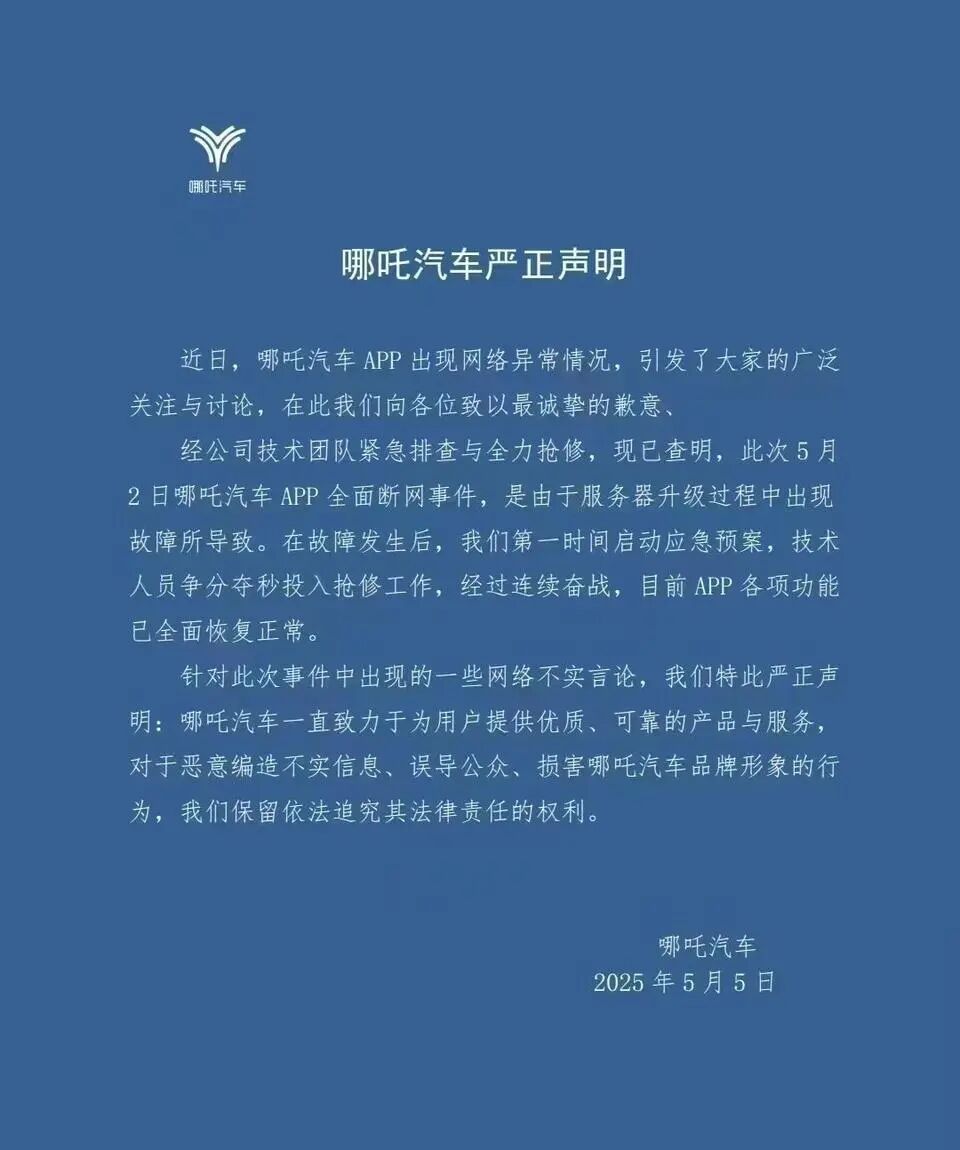
This is already the third large-scale network outage of Nezha Automobile in half a year. At the beginning of 2025, the official website was down for 72 hours due to "system maintenance." In April, the App crashed again, and the Bluetooth key stopped working. Some people were locked out of their cars, and some were trapped inside.
Actually, the changes started in the second half of 2024. First, the service centers closed one by one. By 2025, out of more than 300 after-sales service points across the country, fewer than 50 remained.
Then, the warranty promise became a piece of paper. According to Beijing Business Today, a Nezha U owner found that the advertised 400-kilometer range of her car had significantly decreased after two years of use. When she contacted the 4S store for warranty repair, she was told that she had to pay for the repair herself because the 4S store couldn't contact the manufacturer...
What made her even more frustrated was that after paying for the repair and trying to sell the car to cut losses, the second-hand car dealer offered her less than 50,000 yuan, while she had spent 140,000 yuan on the car, a loss of nearly 70%. Some second-hand car dealers said they didn't dare to buy second-hand cars from troubled car companies, and even if they did, they would offer very low prices.
Actually, the root cause of all this is money.
Nezha Automobile had owed the service fee to a vehicle networking service provider for several months. The provider finally cut off the network, and the delinquent vehicles triggered system shutdowns one by one.
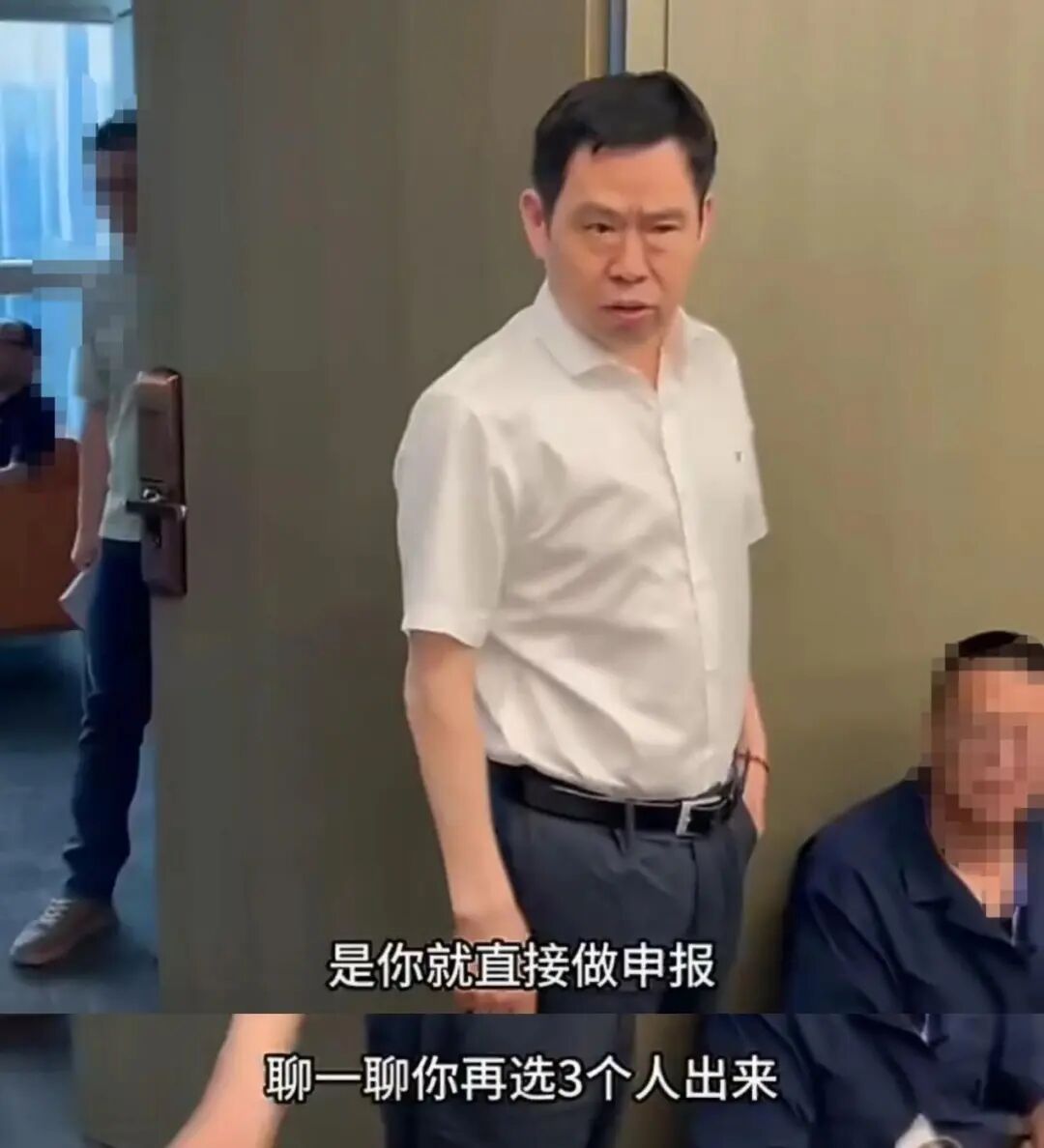
Fang Yunzhou, the founder of Nezha Automobile, was once blocked at the door to demand unpaid salaries.
So what can the car owners do? They have to pay for the data themselves. It costs a few dozen yuan a month, similar to the price of various video memberships. If you want to continue using the App to remotely turn on the air conditioner or unlock the car door, you have to pay first.
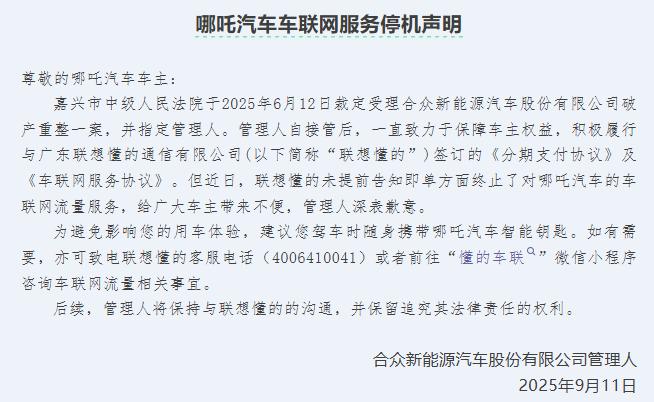
The car owners are angry but helpless. According to Yicai Global, a car owner angrily questioned after receiving a text message from Nezha's official: "What about the promise of free data for three years when I bought the car?" No one answered him because the person who made the promise is nowhere to be found.
03
Is it still a good idea to buy a car now?
Nezha car owners are not the only victims. On this long list, there are also WM Motor, HiPhi, Skyworth, Aiways... Behind each of these brands, there is a group of "abandoned" car owners.
The plight of WM Motor can be seen as a cautionary tale. After WM Motor entered bankruptcy reorganization in 2023, the car owners' App completely stopped working. Functions such as remote unlocking, remote air conditioning, and vehicle positioning no longer worked, and the in-car navigation couldn't be updated. Some car owners reported that they couldn't log in to their in-car accounts normally. Although the car could still run, many functions that relied on the network became useless.
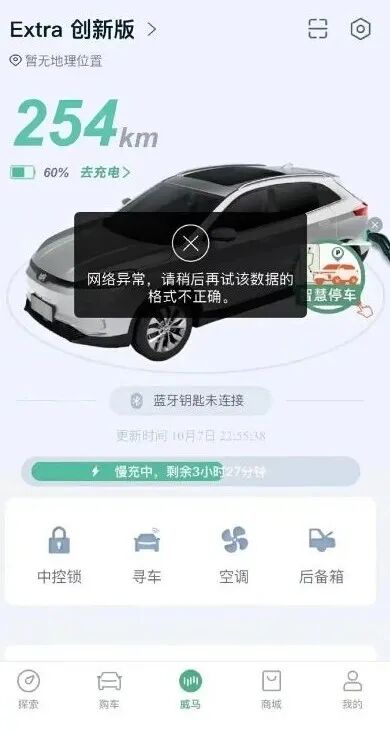
A more practical problem is repair. A WM Motor owner said in an interview with CCTV.com that his car's App didn't work, and the in-car network was down. He could only operate the car with a cracked software shared in the car owners' group. Repairing the car was even more difficult. His car model had low sales, and spare parts were scarce. "Especially for the three - electric system, the repairman said only the original factory could accurately diagnose the problem."
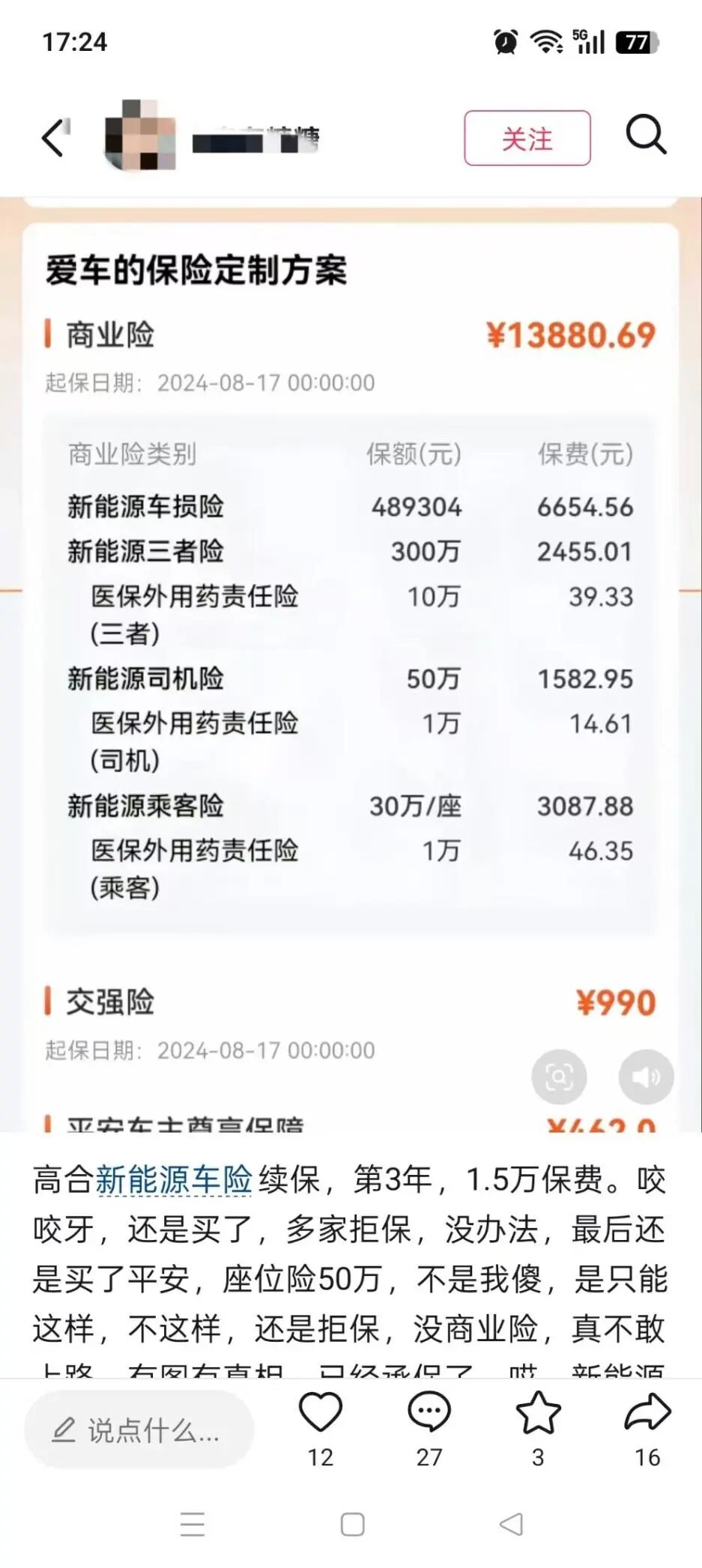
A WM Motor W6 owner told a reporter from Changsha Evening News that the screen of her car "only serves as a decoration." All functions that required an internet connection didn't work. The most troublesome thing was insurance. "They no longer offer insurance for our cars. We can only buy compulsory traffic insurance."
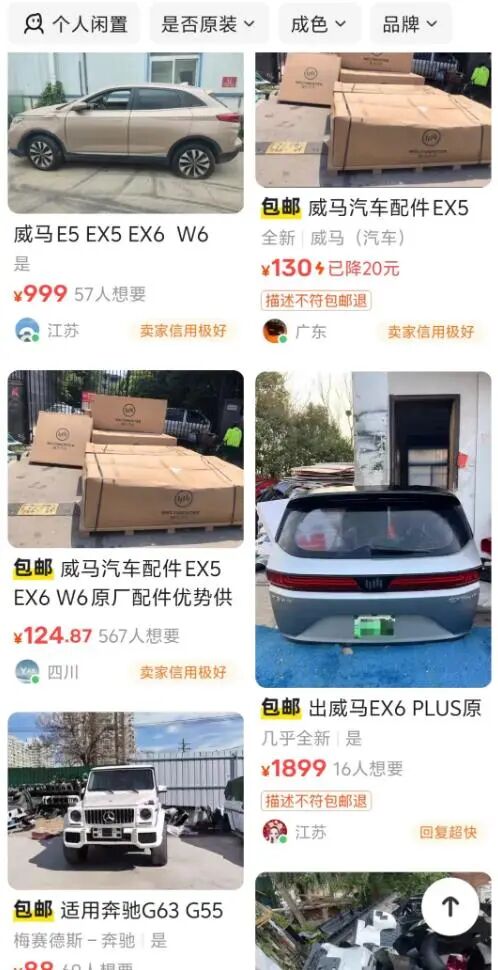
After HiPhi announced the suspension of production in 2025, car owners faced a similar situation. According to Hongxing Capital Bureau, HiPhi has been out of production for nearly a year, and car owners are still "self - rescuing" in an extremely difficult after - sales environment. They repair their cars by themselves and look for spare parts on Xianyu. Some car owners reported being rejected by multiple insurance companies and could only buy compulsory traffic insurance and third - party liability insurance.
When a traditional fuel car company goes bankrupt, the car can still run, and any roadside repair shop can fix it.
But for smart electric vehicles, their "soul" lies in the cloud. Remote control requires instructions from the server, navigation needs cloud - based route calculation, voice recognition needs backend processing, and even opening the car door requires a connection with the server. Once the server is shut down, a smart car degenerates into an "old - fashioned feature phone."
When a car company fails in the