The more expensive domestic cars are, the cheaper joint-venture cars become.
As we enter 2026, have you noticed a phenomenon? As the three - electric technologies that dominate the development of the new energy industry continue to improve, major Chinese brands have successively launched their flagship models, and the prices are getting higher and higher.
Looking back, Chinese car companies have always struggled to survive in a difficult situation. Facing the aggressive foreign car companies and the joint - venture new cars with absolute product advantages, apart from using low prices to cover up unreliable quality and getting customers with urgent needs to buy, there was basically no chance for them to break through directly.
In such an environment, it's easy to imagine how comfortable the joint - venture companies were. Brands like Volkswagen, Toyota, General Motors, and Nissan, all the foreign brands you can think of, have made a fortune in China. Even when they introduced some special - supply cars to the market, the response was enthusiastic.
It was the era of easy wins, a collective carnival for joint - venture car companies. Everyone in this chain firmly believed that as time went by, they had the advantage, and Chinese competitors were just foils. Living in the shadow of joint - ventures was the fate of Chinese car companies.
Indeed, relying on a century - long history of the automotive industry, it seemed absurd for fledgling Chinese cars to impress their predecessors. The industry is always evolving dynamically. No matter how far we go in the future, the century - long gap is like an insurmountable chasm between us and them.
Therefore, even when the new energy era arrived and Chinese car companies were trying every means to overtake on the curve, almost all foreign car companies thought that Chinese cars relying on national subsidies for development were just a motley crew. The emergence of new car - making forces like mushrooms after rain in just a few years deepened this impression of the industry.
Everyone wanted to make quick money and play the capital game. Chaos and disorder seemed to be the initial footnote of China's automotive transformation in the past 10 years. But history also tells us that industrial development always has its resilience. When the vanity fades and those who were swimming naked are cleared out by the market, even the most impetuous situation will welcome spring.
Around 2025, traditional Chinese car companies led by BYD and new car - making forces represented by NIO, XPeng, and Li Auto completed the handover of power between the old and new eras. All foreign car companies could do was to watch this industrial upheaval with a sense of historical superiority.
Now, in just a few years, what kind of chain reaction has occurred in the global automotive industry? What kind of position has Chinese cars achieved? The withdrawal of foreign brands from China and their poor financial reports year after year due to the rise of the new energy industry are just the surface phenomena.
More realistically, in the face of Chinese cars, the former arrogance of foreign brands has lost its value. Especially in China, since last year, as Chinese brands have risen collectively, it has become an irresistible trend for foreign brands to lower their prices to maintain their market share.
Thirty years on the east side of the river, thirty years on the west side
Currently, given the poor economic environment, we are well aware that Chinese consumers' consumption concepts have changed. They are no longer willing to pay for emotional value without considering whether the product advantages can meet most of their daily needs.
Although in the dictionary of every car company, no single model can be perfect. For each brand, its brand proposition is aimed at a specific group of people, not all potential car buyers. The user groups of Volkswagen and Toyota may be different, which just proves that consumer demands are never 100% the same.
On the other hand, in the car - making philosophy of Chinese car companies, the consistent idea is to attract as many people as possible. In the past two years, you may complain that Chinese cars are becoming more and more homogeneous. Whether it's the increasingly plain and inoffensive exterior design or the internal configuration following the pattern of "color TV, refrigerator, big sofa" with intelligent devices, everything is moving towards the trend of "if others have it, I must have it".
As a result, compared with any once - arrogant foreign car, Chinese cars of the same level are far ahead in all aspects. If combined with the new energy feature, the result is even more obvious.
When the industry enters a full - scale involution, price wars and public opinion wars are constantly staged in the Chinese auto market. Even though the whole industry hates it, who can turn a blind eye? Chinese car companies are willing to sacrifice profits to make their competitors suffer. So, in this hidden war, should joint - venture companies follow or not?
Relying on their former user base, leading joint - venture companies could hold on for a while. But this war shows no sign of ending. The price - cut wave is fierce, and factory closures and production halts are common. Volkswagen and Toyota are in a difficult situation, and smaller brands like Honda and General Motors can hardly survive.
Somehow, the discounted prices of the main models of joint - venture brands have approached those of new domestic cars of the same level. And somehow, the official has directly lowered the guiding prices close to the terminal selling prices. Under these measures, the market competition has become a life - and - death battle.
The situation in the traditional fuel - car market is already like this, and the new energy vehicle market is even more desolate. The electrification process of joint - venture companies has been progressing at its own pace. However, after years of market expansion, it can be said that they have achieved little, if not a complete failure.
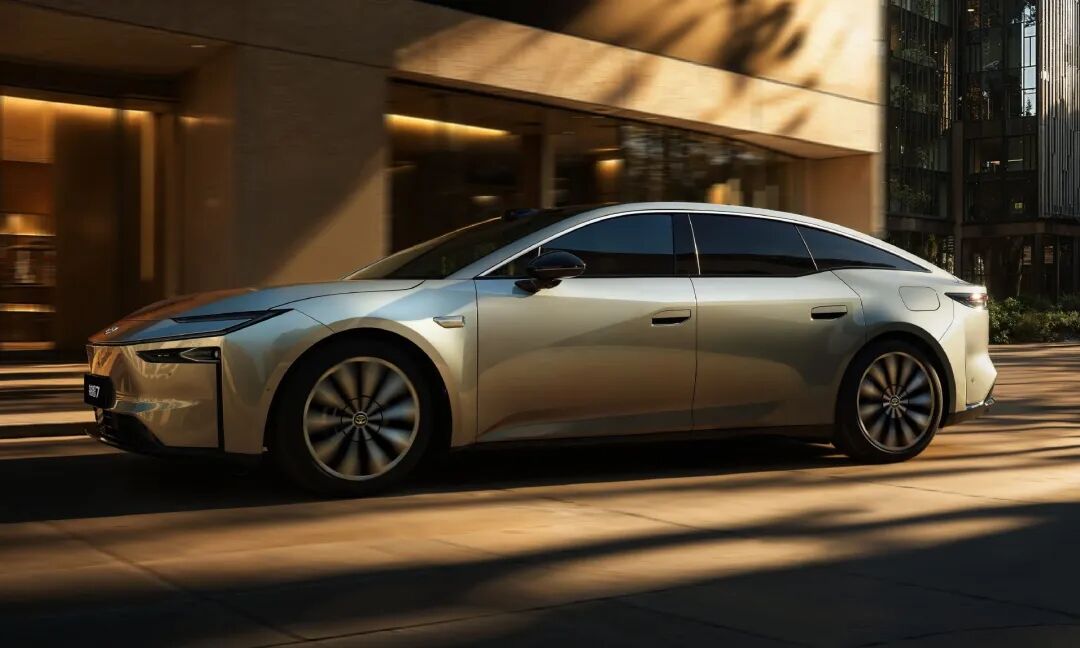
Last year, a new round of electrification offensive launched by Toyota and Nissan finally achieved a small success. The bZ3X and N7 have taken the lead in their respective niche markets. But if we look deeper, what price did the joint - venture car companies pay for this phased comeback? It sounds good to say that it's the superior product power that brought surprising sales results at the same price. In fact, such a low - key entry into the market is an unprecedented move for joint - ventures.
As we enter 2026, seeing that these measures are effective, even if other joint - venture companies are suffering, what else can they do but keep up?
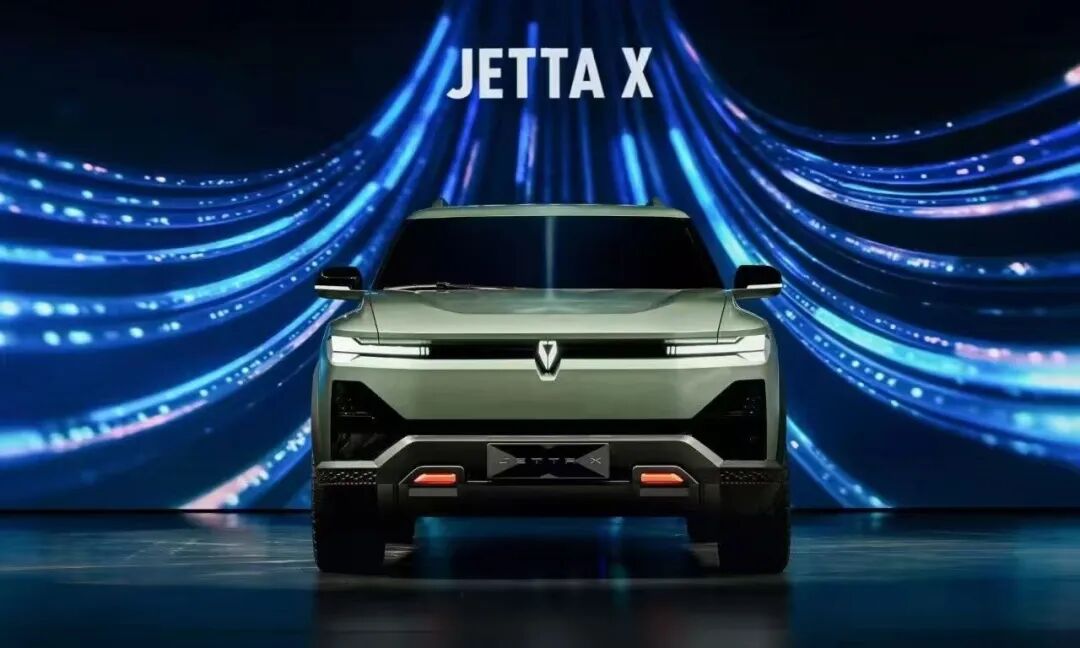
At the Volkswagen Night before the Beijing Auto Show, "Ride the Trend" was the theme of this grand show, marking the further deepening of Volkswagen's strategy in China. The full - line debut of FAW - Volkswagen ID. AURA T6, Volkswagen (Anhui) Yuzhong 09, Jetta X concept car, and SAIC Audi E7X shows the determination of the leading joint - venture brand.
However, will the development of the auto market this year go as they wish? How to follow up and promote the efforts of joint - venture companies is like a blind box without a standard answer. When Chinese cars are desperately defending the new energy market, it won't be easy for joint - ventures to return to the peak.
Once the arrow is shot, there's no turning back
At the beginning of this year, all foreign car companies have stated that due to electrification, their group profitability has declined rapidly. Stellantis had a net loss of up to 2.2332 billion euros in 2025. Honda had its first annual loss in nearly 69 years since its listing in 1957. The signals conveyed by such information are so consistent. In essence, it just shows that over the years, they have always stubbornly believed that the transformation is a long - term battle and waiting is the best way to deal with it.
But today, the more specific the wishes are, the more cruel the reality is.
As consumers' acceptance of electric vehicles is getting higher and higher, and the rising oil prices make it possible for pure - electric vehicles to have a certain premium, the pricing system of joint - venture new cars is on the verge of collapse. Last month, the bZ7 redefined the entry criteria for the "532" pure - electric sedan market with a price of less than 200,000 yuan. This seemingly desperate move truly reflects the current situation of joint - venture brands.
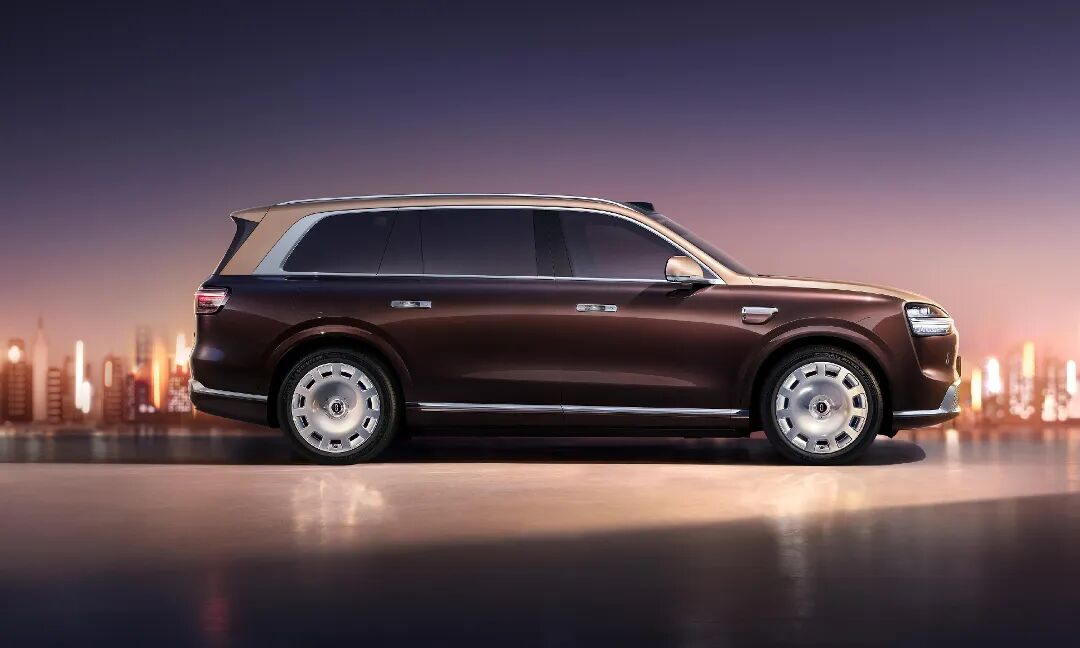
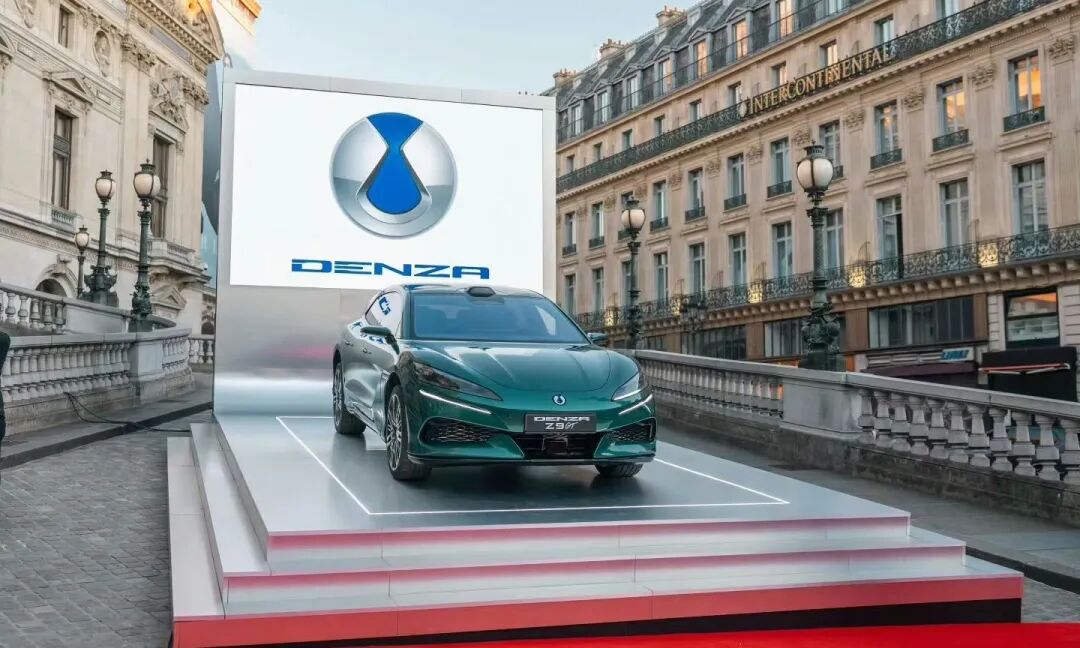
How important are the old - fashioned joint - venture brands among the young Chinese consumers? No one wants to dig deeper into this topic. However, as Chinese brands are surrounding every niche market, brands like Xiaomi, Zeekr, and NIO have a large number of loyal fans, and Huawei - affiliated brands have disrupted the SUV market above 300,000 yuan. Joint - venture companies must be feeling mixed emotions.
Just when the new M9 Ultimate Extended Edition was launched, compared with the shock brought by the new i3 and iX3 at the BMW Night, the value of Chinese cars is becoming more and more prominent.
How should they go forward? It's a difficult question for the joint - venture companies still active in China. But one thing is very clear. Facing the encirclement of Chinese cars, bowing their heads and cooperating with Chinese enterprises, putting aside their arrogant attitude and brand premium is the requirement of the whole era. Is this requirement too harsh? Even if it is, so what? If they want to survive, joint - ventures have to correct their attitude and re - evaluate the situation.
Currently, apart from the fuel - car business relying on price cuts, the joint - venture companies have indeed changed a lot in their approach to electric vehicle launches compared with the past.
In recent months, the actions of Volkswagen, Toyota, General Motors, and Nissan have been noticed by the outside world. While their products have good quality, they are no longer so confident in pricing. On the other hand, Hyundai has decided to bring the Ioniq brand to China, and Peugeot/Citroën intends to join the melee in the Chinese pure - electric vehicle market at this Beijing Auto Show. But in the end, no matter how hard they try, as long as the offensive of Chinese brands doesn't weaken, there's nothing to be happy about.
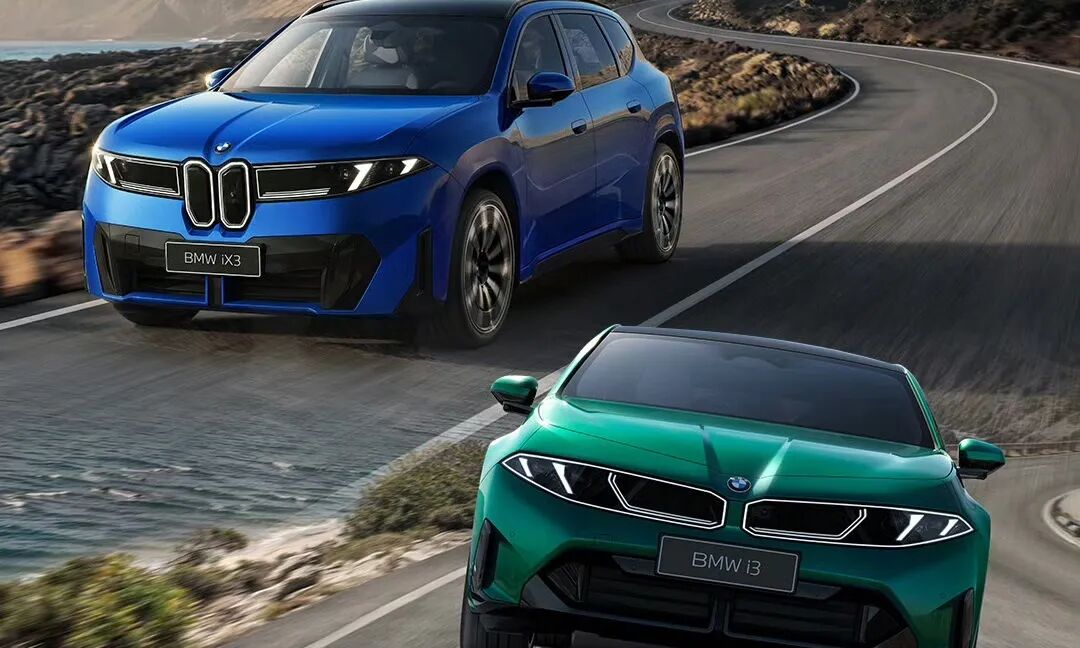
A few years ago, we still had the mind to discuss whether joint - venture brands still had brand premium. At that time, many people thought that compared with domestic brands, they still had brand advantages. After all, a good reputation doesn't come overnight. But now, who would be so sure?
Brands like NIO, XPeng, Li Auto, and Leapmotor have been around for about 10 years. Weak domestic brands have been cleared out by the market, and the brands in front of us are those that have survived the fierce competition. It's obviously wrong to say that such Chinese brands are just beginners. The decline of joint - venture brands is not the result of bad money driving out good money, but the most real side of the transformation of the Chinese auto market so far.
In the future, in the innovation of electric vehicles, Toyota and Volkswagen won't slow down, and luxury brands like BMW, Mercedes - Benz, and Audi will localize a series of new electric vehicles such as the iX3 and GLC Electric. They may not be weaker than any Chinese car company in terms of momentum. But remember, when Chinese consumers don't think of these joint - venture new cars when buying a car and don't think they have any outstanding technological advantages, joint - venture brands must lower their stance. In the competition of the same level, lowering the price and eliminating brand premium will be the basic operation.
This article is from the WeChat official account “Automotive Commune” (ID: iAUTO2010), author: Cao Jiadong, published by 36Kr with authorization.