Be careful not to be deceived by ChatGPT Images 2.0.
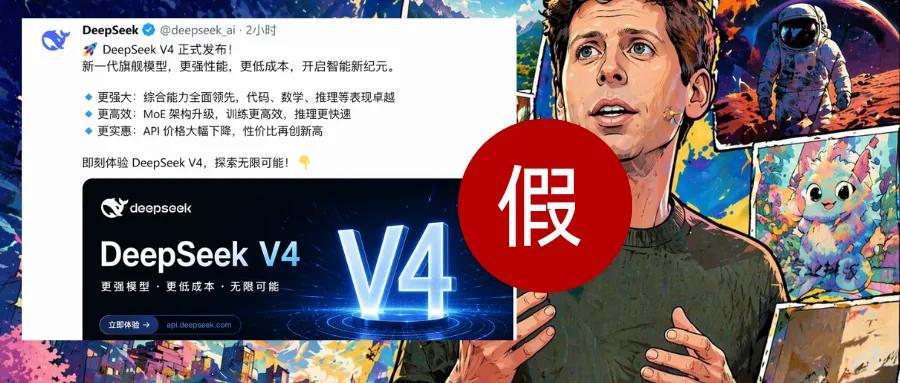
The above announcement image was generated by AI.
According to a report by Zhidongxi on April 22, early this morning, OpenAI officially released the highly anticipated image generation and editing model, ChatGPT Images 2.0. This model has been fully launched on the chatbot ChatGPT and API services.
Altman commented during the press conference live stream: "The release of ChatGPT Images 2.0 is a huge leap, equivalent to jumping directly from GPT3 to GPT5 all at once."
After the model was launched, it quickly climbed to the top of all lists on Image Arena. In the highly competitive text - to - image ranking, it led Nano banana 2 by as much as 242 points.
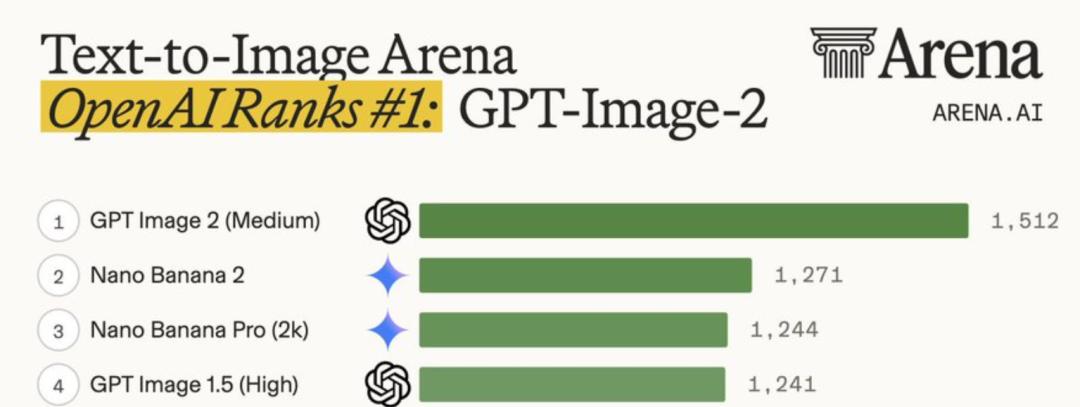
After the model was released, it quickly caused a stir on social media. Some netizens exclaimed "Bananas are no longer appealing. ChatGPT Images 2.0 has won the game."

A large number of netizens have shown the images they generated using ChatGPT Images 2.0. For a while, all kinds of amazing images were everywhere. The powerful capabilities of ChatGPT Images 2.0 make it difficult to distinguish the authenticity of these pictures. Some people found that it can even generate scannable barcodes.
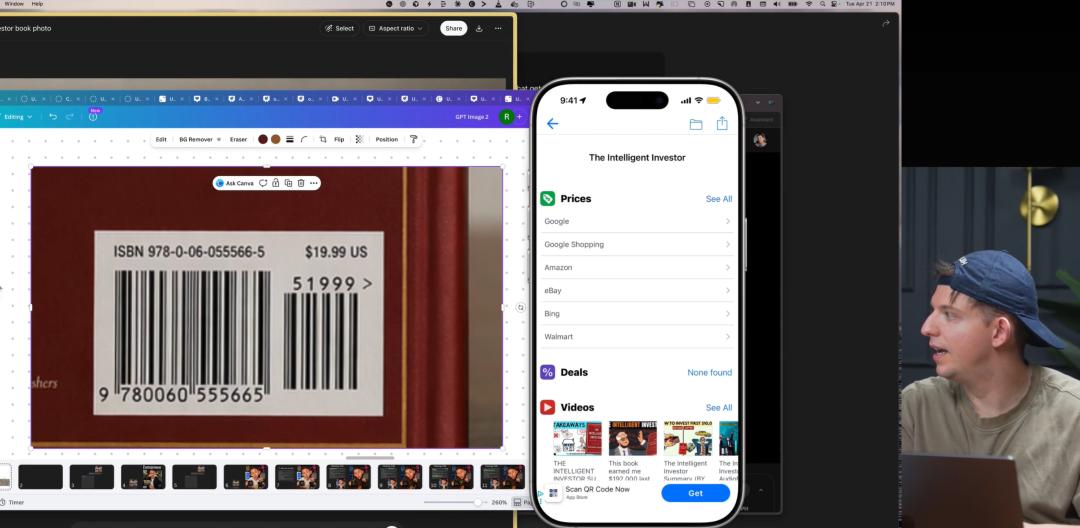
In the generated results shown by netizens, there are live - stream screenshots, press - conference photos, and even transfer records. These are very realistic pictures closely related to daily life. The pictures generated by ChatGPT Images 2.0 are realistic enough to deceive people in many scenarios, and those who don't know the truth are easily deceived.
Zhidongxi has collected and tested various cases. Let's see if you can tell the real from the fake.
01. Live - streams, Transfers, Press Conferences: It's Hard to Distinguish Real from Fake AI - Generated Images
The DeepSeek V4 release announcement in the article's header image was generated by ChatGPT Images 2.0. The prompt was as follows: "A screenshot of a tweet about the DeepSeek V4 release announcement, posted by the official DeepSeek account, retaining tweet interface elements such as the profile picture, username, likes, retweets, and comments."
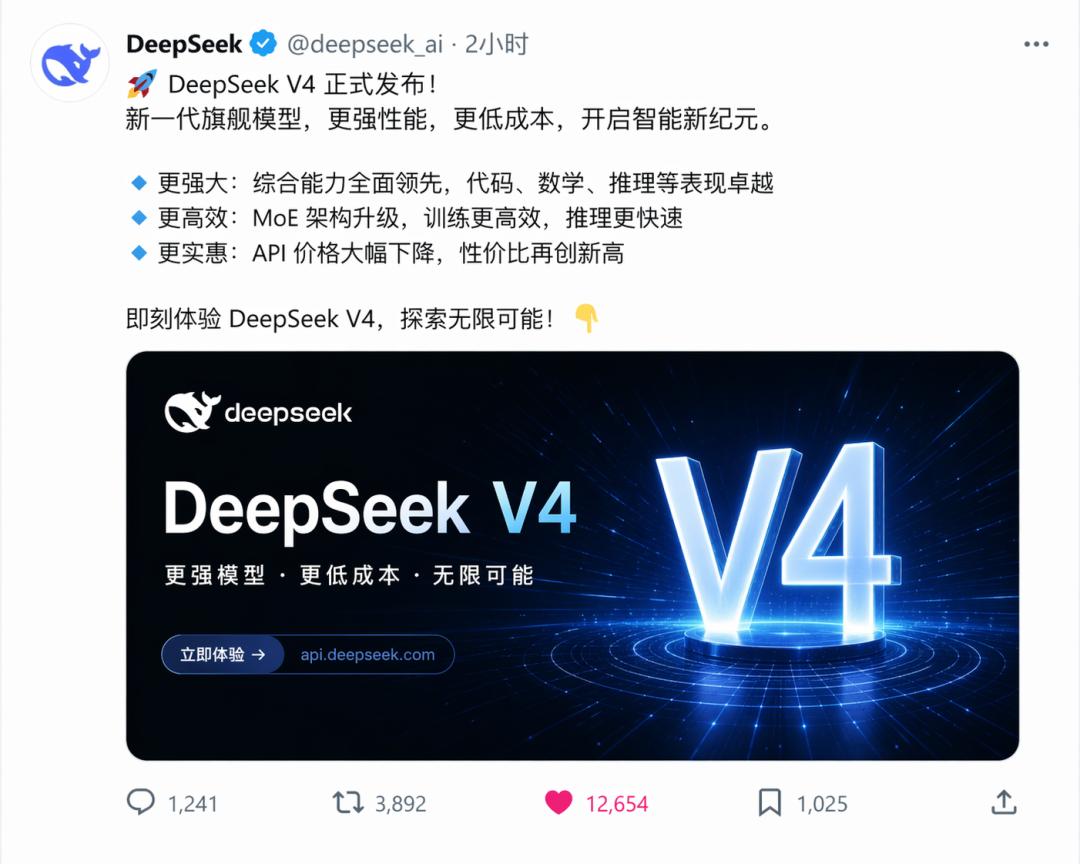
Incidentally, Zhidongxi asked ChatGPT Images 2.0 to generate a WeChat Moments screenshot to make the whole thing seem more complete.
Prompt: "A WeChat Moments screenshot where Sam Altman posts a moment praising DeepSeek V4 as an epoch - making model, with likes and comments from Elon Musk, Mark Zuckerberg, and Jensen Huang below."
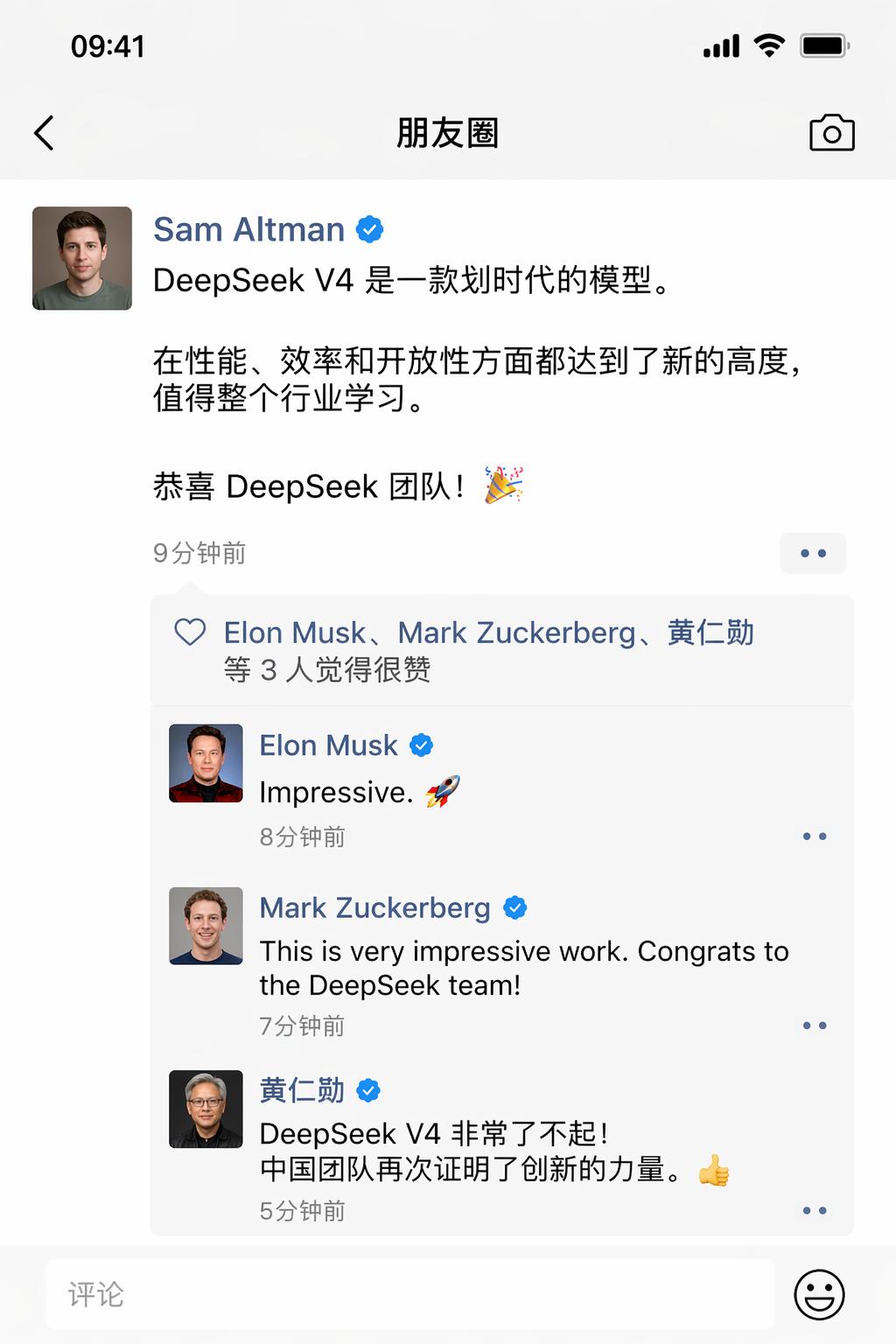
Without a reference image, the screenshot generated by ChatGPT Images 2.0 is quite realistic. However, there are some deviations in the generated profile pictures, and there are missing strokes in Jensen Huang's name.
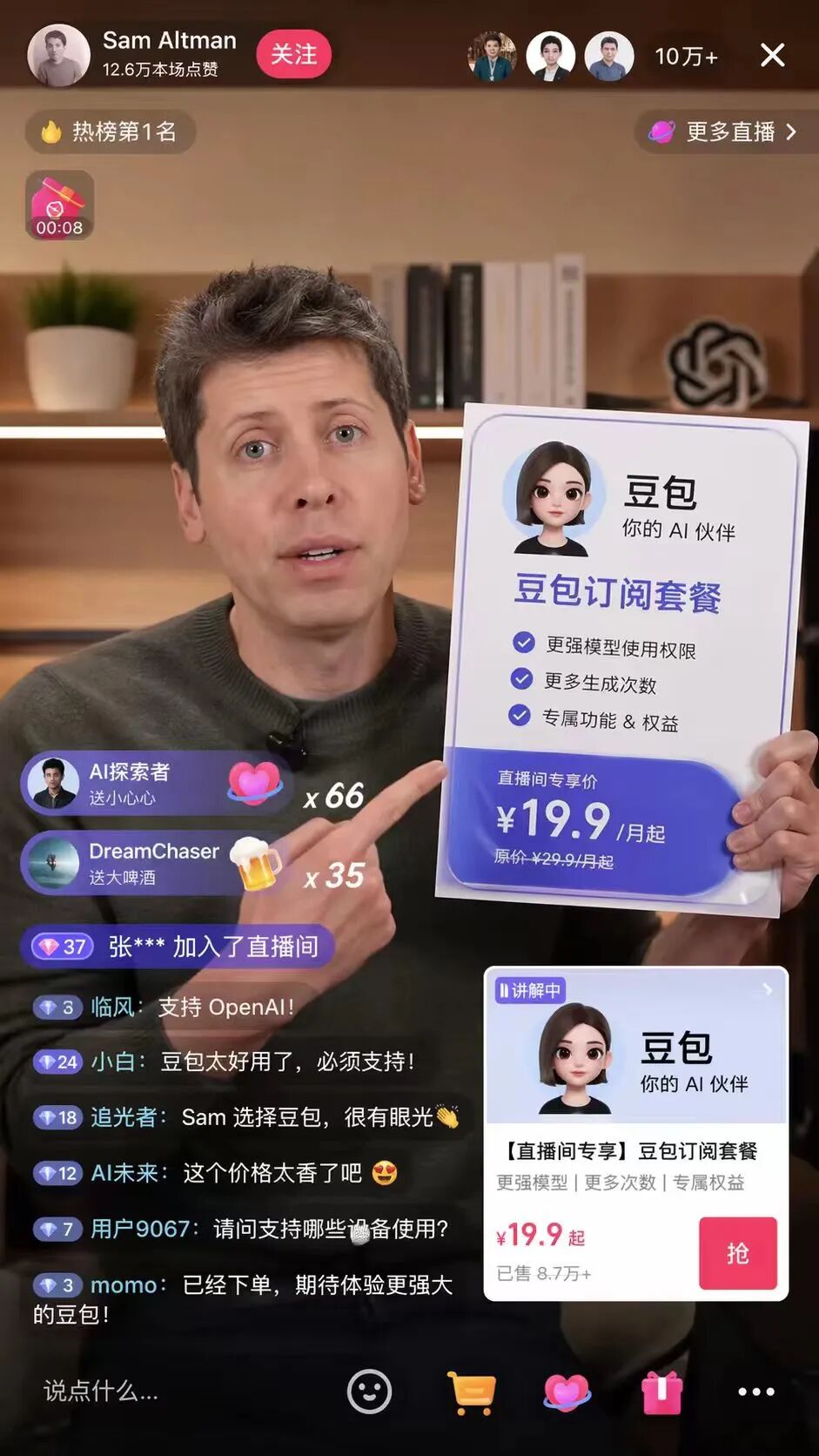
There is also the use of ChatGPT Images 2.0 to generate live - stream pages. This trend has spread like wildfire during the recent beta testing. Some people used GPT Image 2 to generate a live - stream screenshot of Altman promoting Doubao, and it looks very natural. The lottery red envelope in the upper - left corner and the comments below are very realistic. If it were replaced with the image of other well - known domestic figures, people might really be deceived.
Following the usual practice of testing text - to - image models, Zhidongxi asked it to generate a photo of handwritten text. The input prompt was: "Take a photo with a mobile phone of a handwritten high - school math assignment. The handwriting is neat, written on white paper, and the content is a derivative problem."
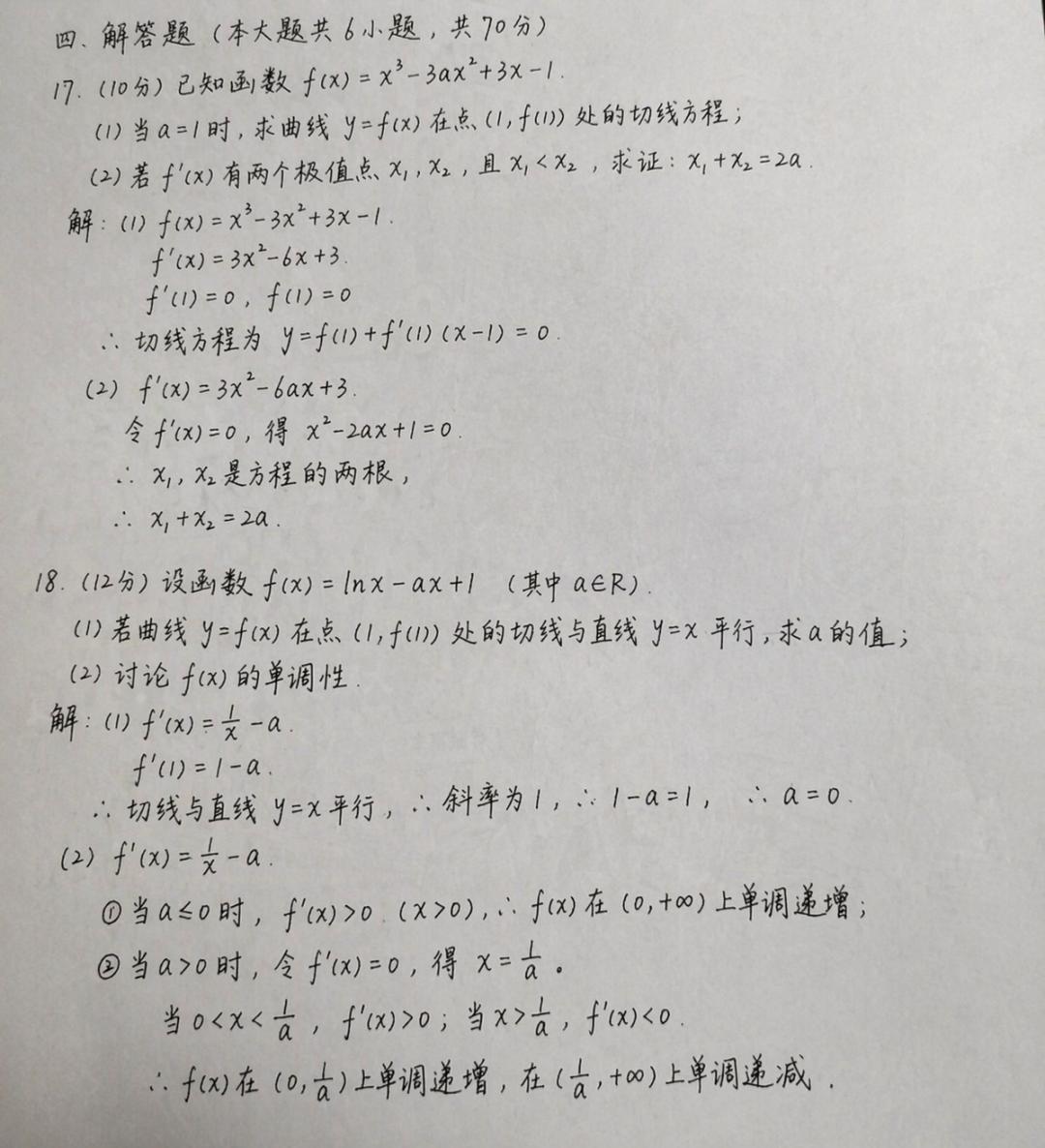
The generated photo is almost the same as the homework written by many students with neat handwriting. Are there any teachers in the comment section? Let's see if you can tell the real from the fake.
Some people also had some fun and asked to generate an image of Steve Jobs launching a Xiaomi car. After looking at it for a long time, it's hard to find anything inappropriate.
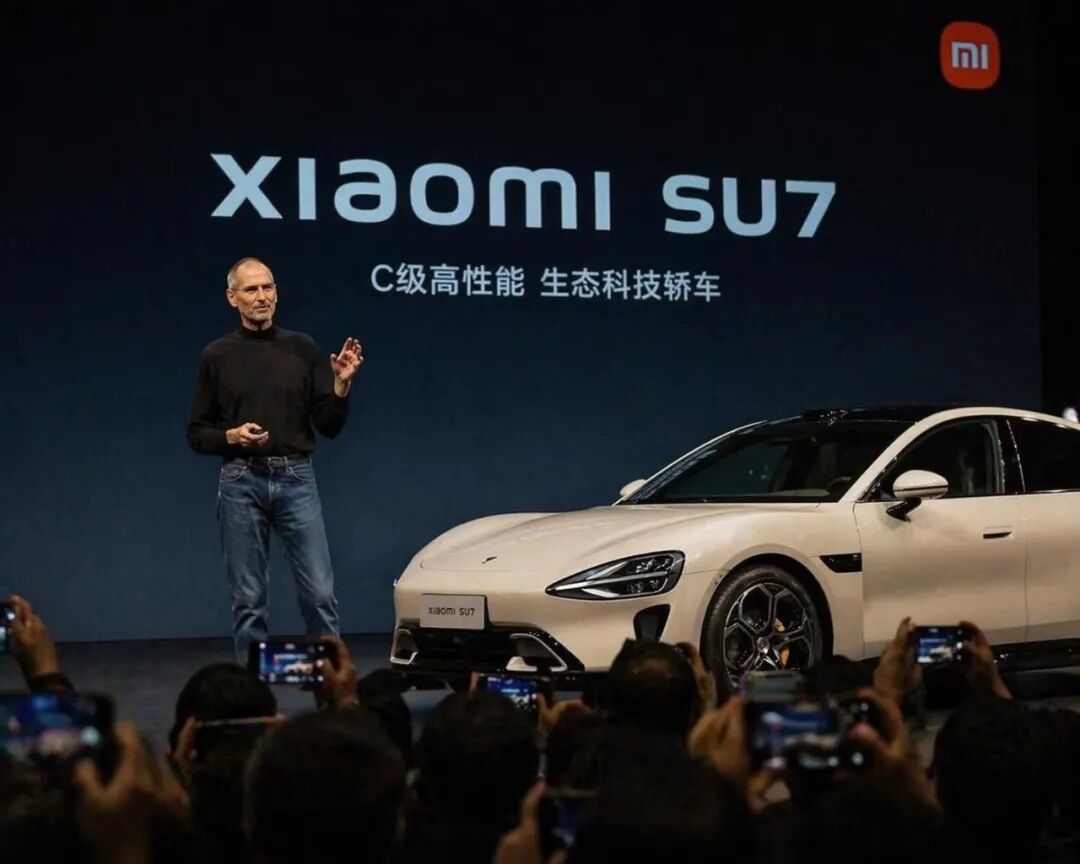
If you think the previous image is not realistic enough, take a look at the following one:
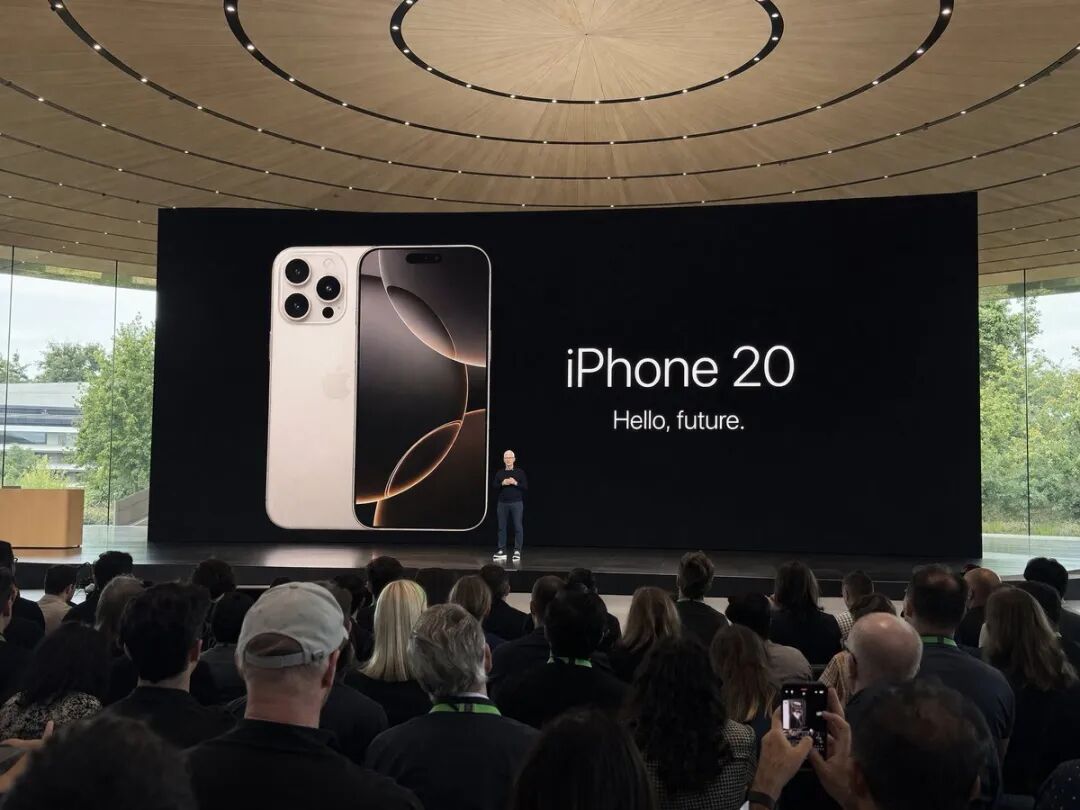
This image was also generated by ChatGPT Images 2.0. The prompt was: "At the iPhone 20 press conference held in the Apple Park, Tim Cook is giving a speech on stage. This amateur iPhone photo was taken from a distance in the crowd."
This photo is very much in line with the media's perspective. If it weren't for the obvious iPhone 20 and Cook's resignation, it would probably deceive many people.
Now look at this image. This is an academic paper generated by Zhidongxi in ChatGPT. The input prompt was: "A page of the Journal of Peking University, publishing a paper on AI security issues. The layout is beautiful and the style is rigorous."
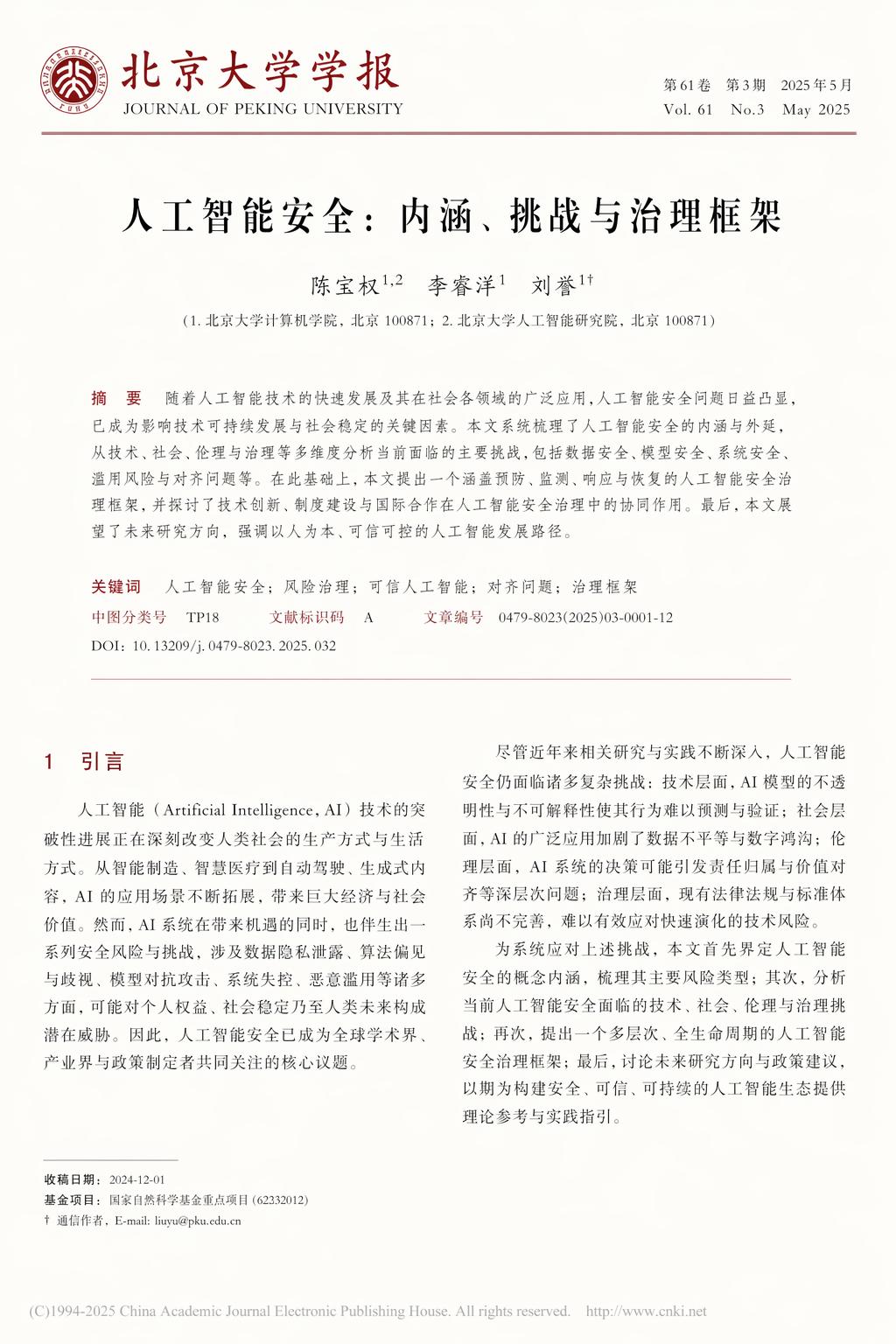
A journal page is created. The overall style is very much in line with the norms of a formal academic journal. It is very concise, and the Chinese text is accurate. The title, author, institution, abstract, keywords, and the introduction of the main text are all reasonably arranged. The line spacing and paragraph levels are clear, and even the DOI and copyright information are generated. It looks very formal.
If someone sends you a screenshot of this paper and asks you to refer to it, some people might be deceived.
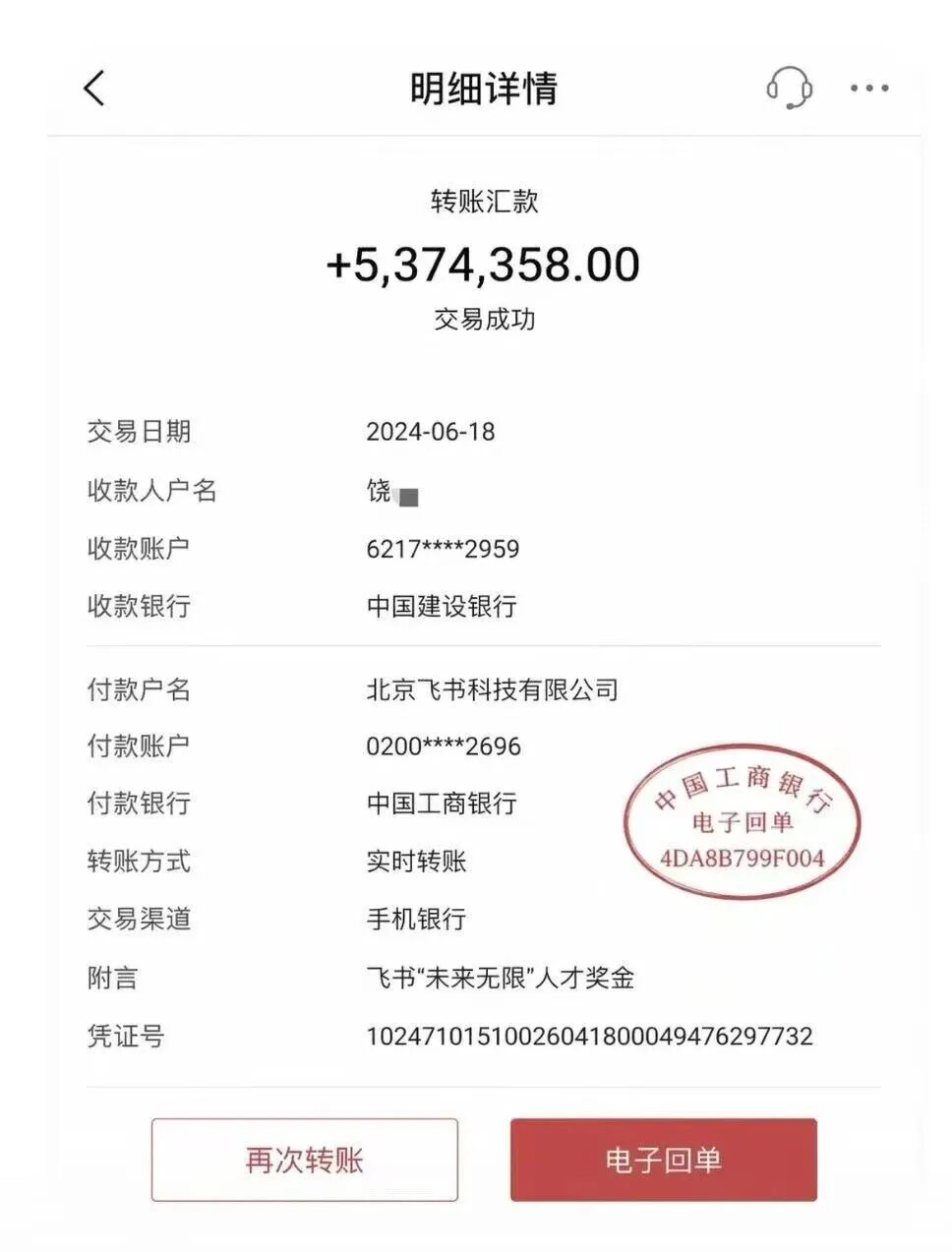
Some people even used ChatGPT Images 2.0 to generate transfer screenshots. It's really terrifying. It can even forge official seals, which is not a good thing.
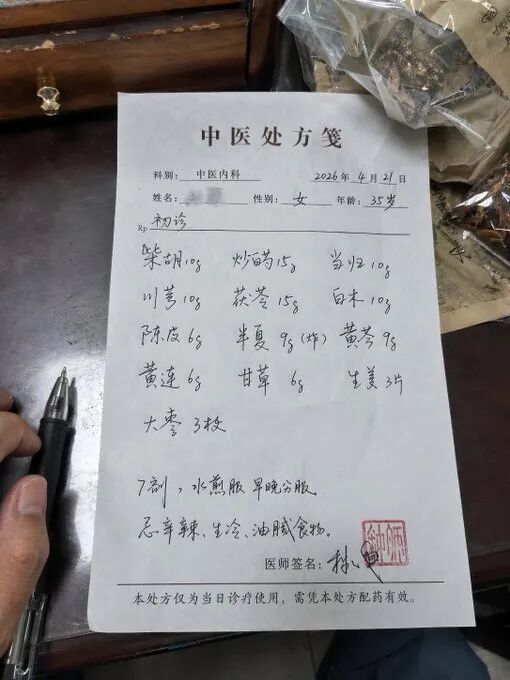
This prescription was also created by ChatGPT Images 2.0. Except that the handwriting is too neat and doesn't look like a doctor's, the rest is realistic enough to deceive people.
02. ChatGPT Images 2.0 Receives Overwhelming Praise, and Netizens Are Having a Blast
Currently, all ChatGPT and Codex users can use a certain number of image - generation times for free. Based on actual tests, it is estimated that they can generate about 7 images. Paid subscribers can unlock the thinking mode, and the model will conduct online searches, tests, and self - checks to ensure the quality of the generated images. At the same time, the model gpt - image - 2 is open to the public through the API.
Users can open a ChatGPT conversation, click the plus sign on the left side of the input box to select "Create Image". By default, ChatGPT Images 2.0 will be used. Then, they can click the plus sign to add photos and files, and then send the prompt.
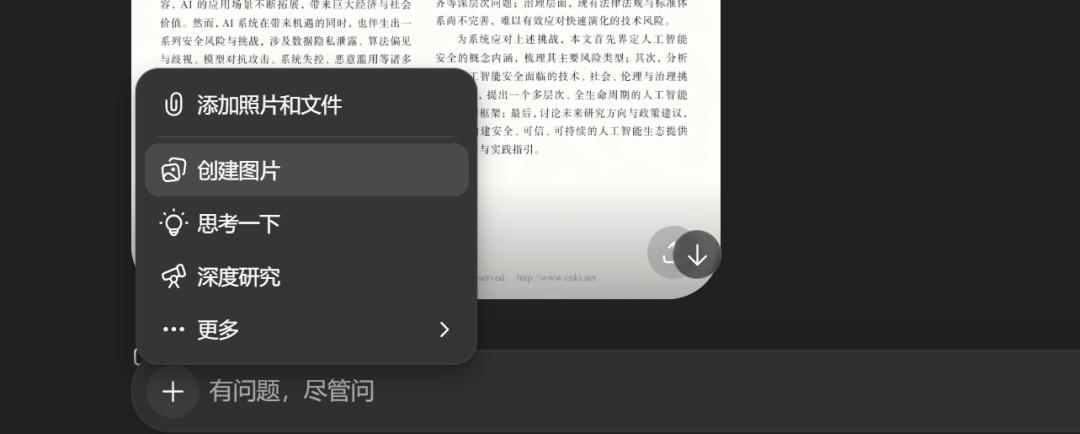
In cases where the requirements are not clear, ChatGPT will ask the user for confirmation and then generate the image.
After the release of ChatGPT Images 2.0, netizens have tried it one after another and given overwhelming praise. Everyone is showing how beautiful the images they generated using ChatGPT Images 2.0 are. Some netizens exclaimed that it's impossible to tell the real from the fake.
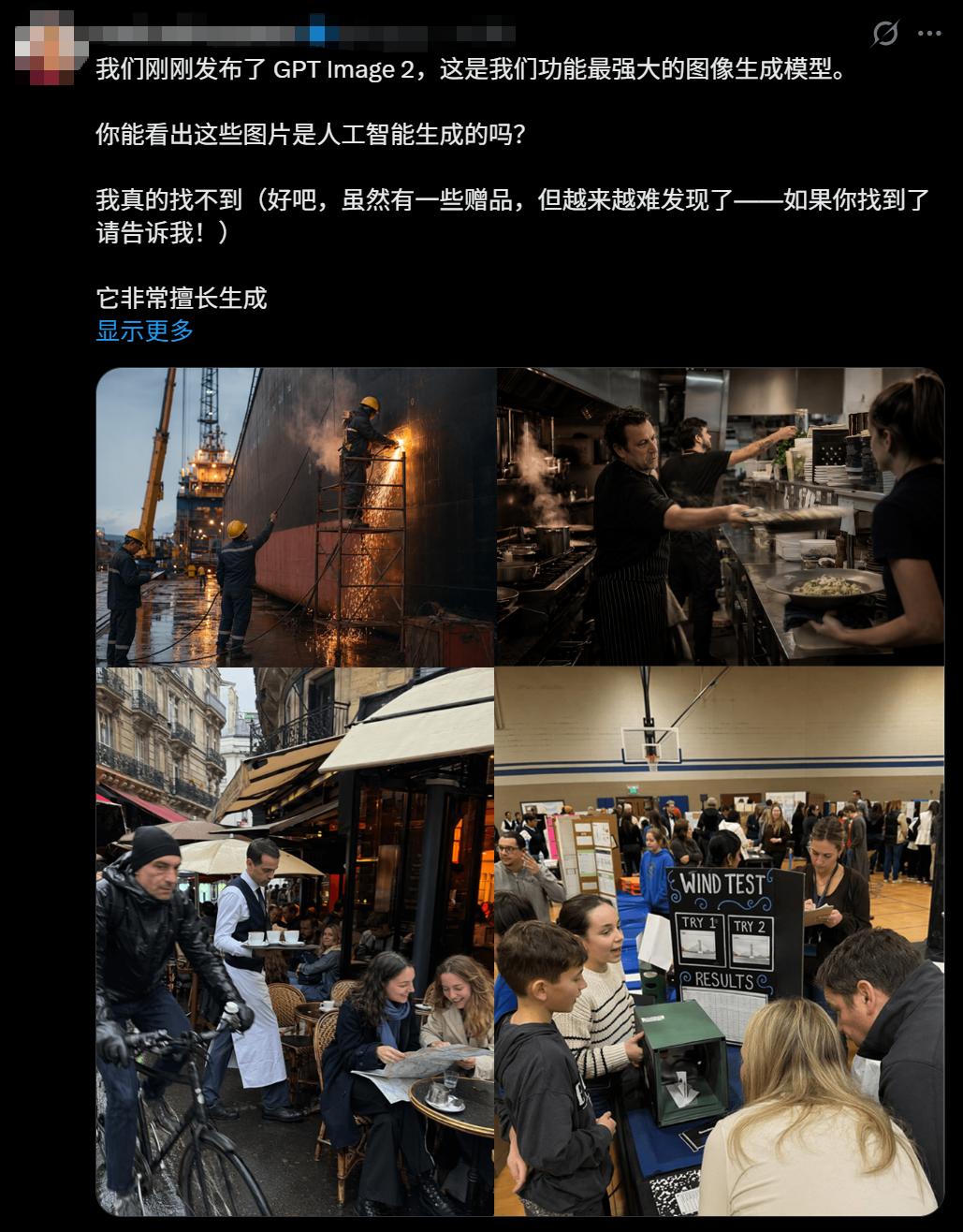
A medical doctor from the University of Tokyo posted a poster of a paper he generated and said that although he hasn't tested it yet, ChatGPT Images 2.0 seems to be able to handle the data in papers. He exclaimed that scientific research is about to have another revolution.
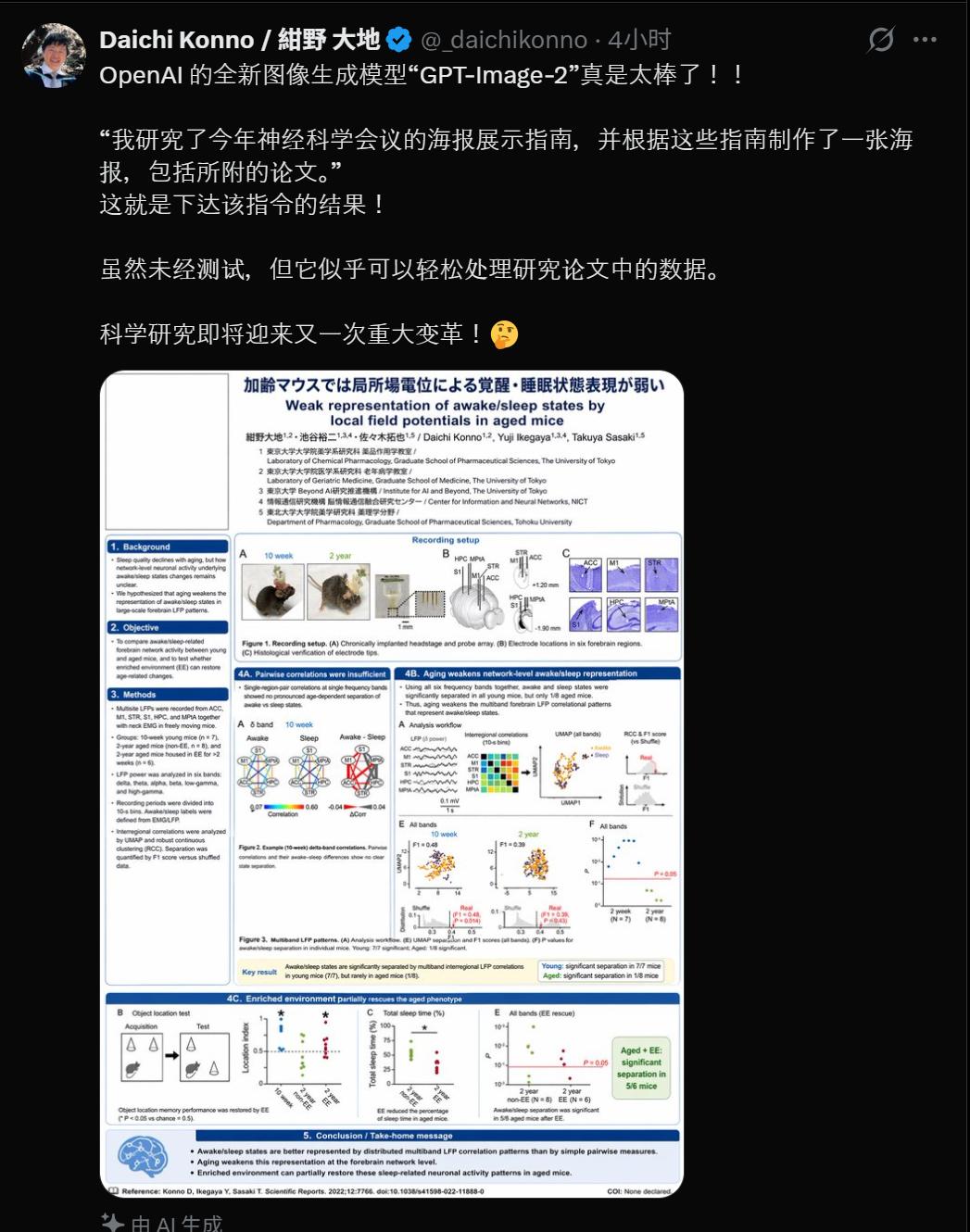
Riley Brown, the co - founder of vibecode and an overseas blogger, said bluntly: "This is the best image model."

Although ChatGPT Images 2.0 is very powerful, we still need to be vigilant about many photos that can deceive people. The ethical issues of AI - generated images can never be ignored. If these realistic images are sent from the social media of people we know, companies, or places we are familiar with, will people be deceived?
03. Conclusion: The AI - Generated Image Track Reaches a New Level, but It Also Needs Standardized Governance
With the increasing demand for AI - generated images, the release of ChatGPT Images 2.0 has undoubtedly brought the entire industry to a new level. Whether it's the clarity of the generated images, the ability to restore details, or the diversity of styles and the freedom of creative expression, there are significant improvements.
However, as the technological capabilities increase, the industry also faces new challenges, including copyright protection, content review, and the ethical risks of generated content.
Many of these "amazing images" generated by AI can deceive people. For example, press - conference screenshots, WeChat Moments screenshots, and live - stream images, which are common in daily life. Assuming that these contents are filled with a large number of AI - forged images, it's hard to say how many people will be deceived.
The future development not only requires the progress of algorithms but also depends on standardized industry standards and sustainable application strategies.
It is foreseeable that with the