Altman takes the stage personally, and Images 2.0 reaches the top! Engraving characters on rice, the raw images enter the GPT-5 era.
[New Intelligence Yuan Introduction] Tonight, ChatGPT Images 2.0 was launched with a bang, becoming the first image AI that "can think". Altman exclaimed that this is a leap from GPT-3 to GPT-5. It can not only accurately understand Chinese instructions and render complex UIs, but also engrave words on a grain of rice.
The familiar OpenAI is back!
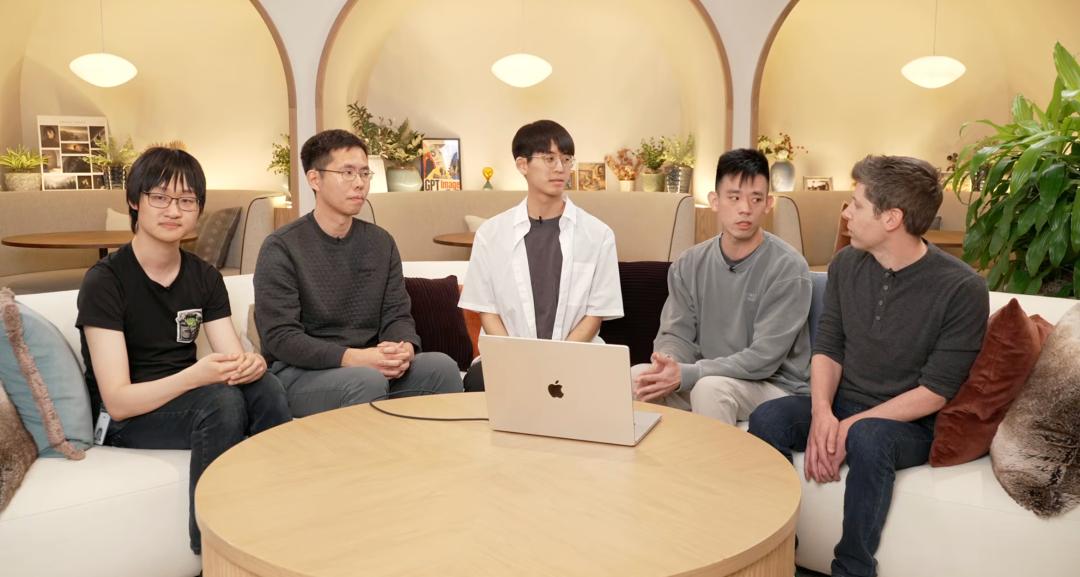
Early in the morning, Altman personally led the team and started a 20 - minute online live - broadcast, breaking the days of silence.
OpenAI finally unveiled the rumored ChatGPT Images 2.0, officially opening a new era of image generation.
Images 2.0 is a qualitative leap. It has made great breakthroughs in accurately understanding long instructions, accurately placing and clarifying the relationships between objects, and rendering dense text.
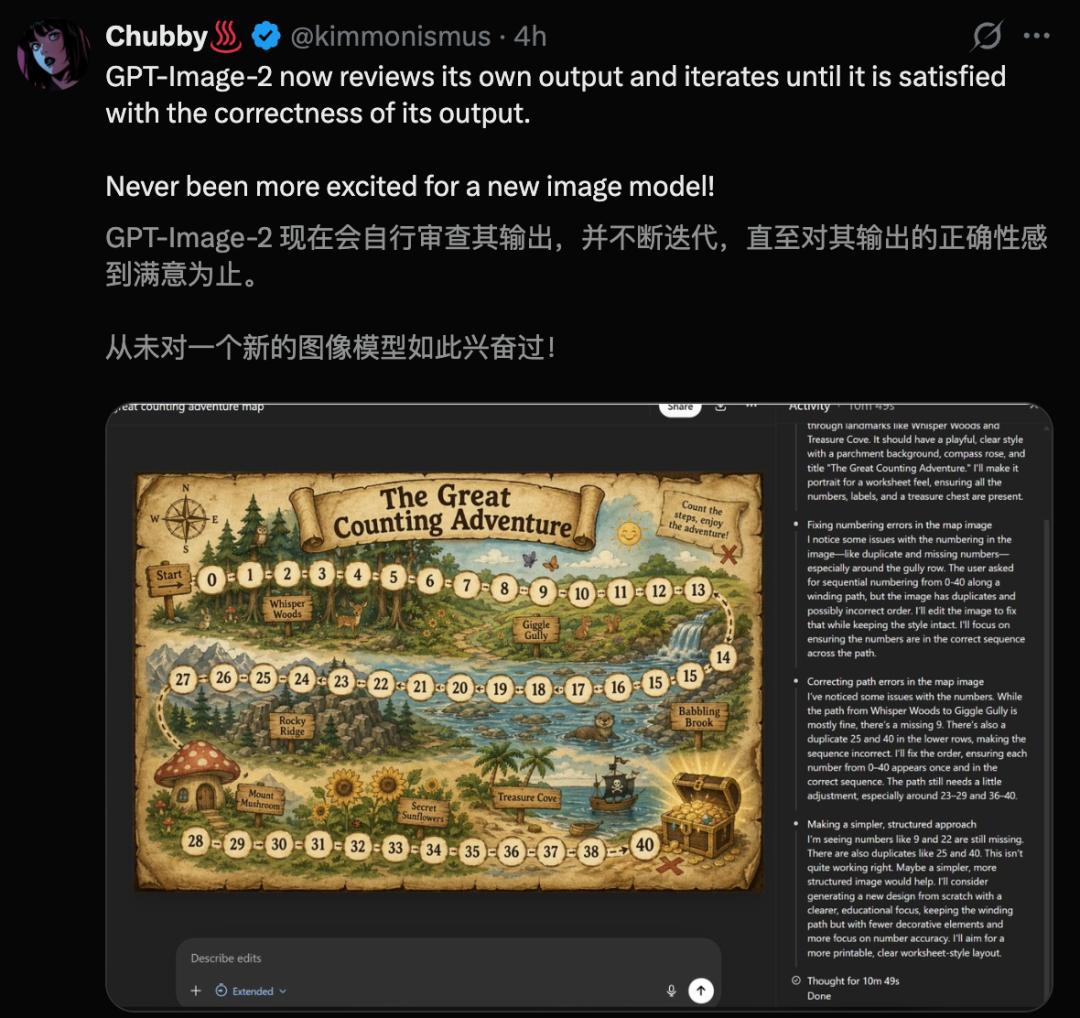
Most importantly, it is the first image model with "thinking ability". It can search for real - time information online and conduct secondary self - checks.
It can also directly generate eight images with consistent styles at one time, supporting a maximum resolution of 2K ultra - high definition.
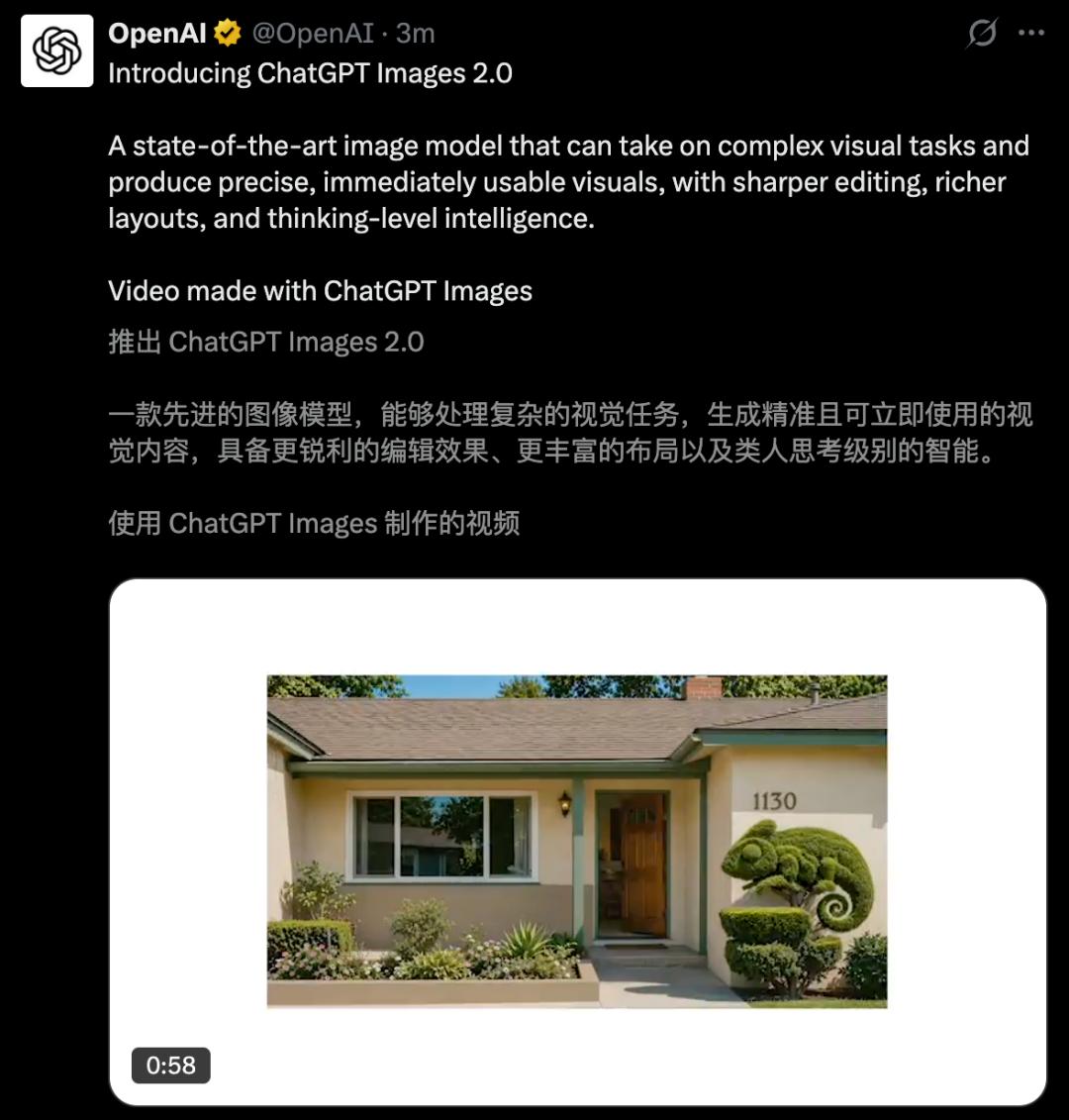
So to speak, the birth of Images 2.0 redefines the dominance of visual generation -
Pixel - level precision: Complex details such as small - sized text, icons, and UI elements can be generated with one click, supporting full - size output from 3:1 to 1:3;
Multi - language qualitative change: Non - Latin characters such as Chinese, Japanese, and Korean are accurately rendered. Not only are the characters spelled correctly, but the sentences are also smooth and coherent;
Mature style: It has a photo - realistic sense and can handle visual languages such as movie stills, pixel art, and comics;
Can think: It is the first image model with reasoning ability. It can search online and self - check the output, and its knowledge is updated to December 2025.
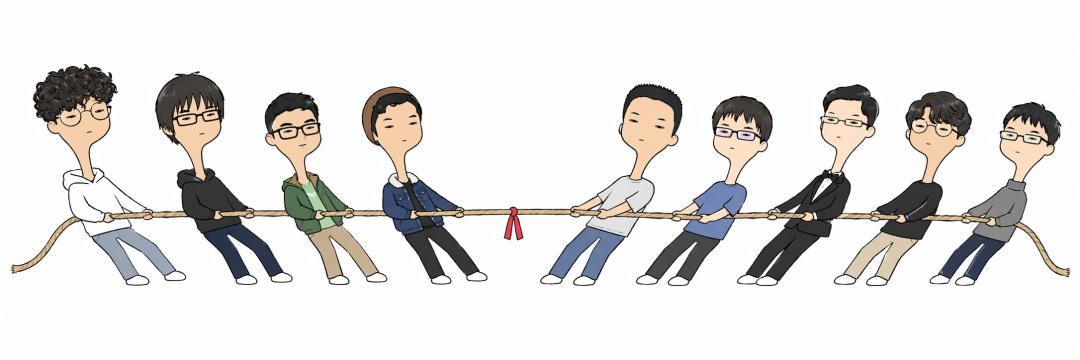
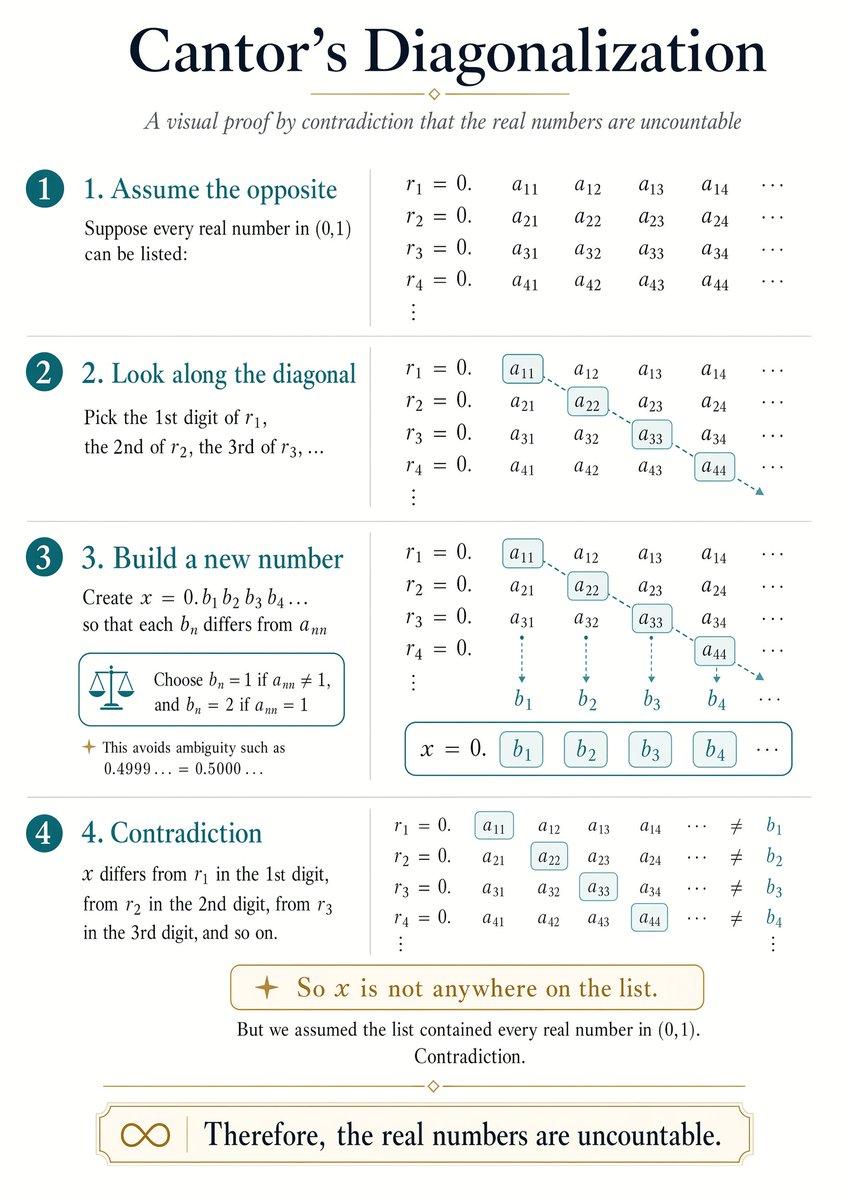
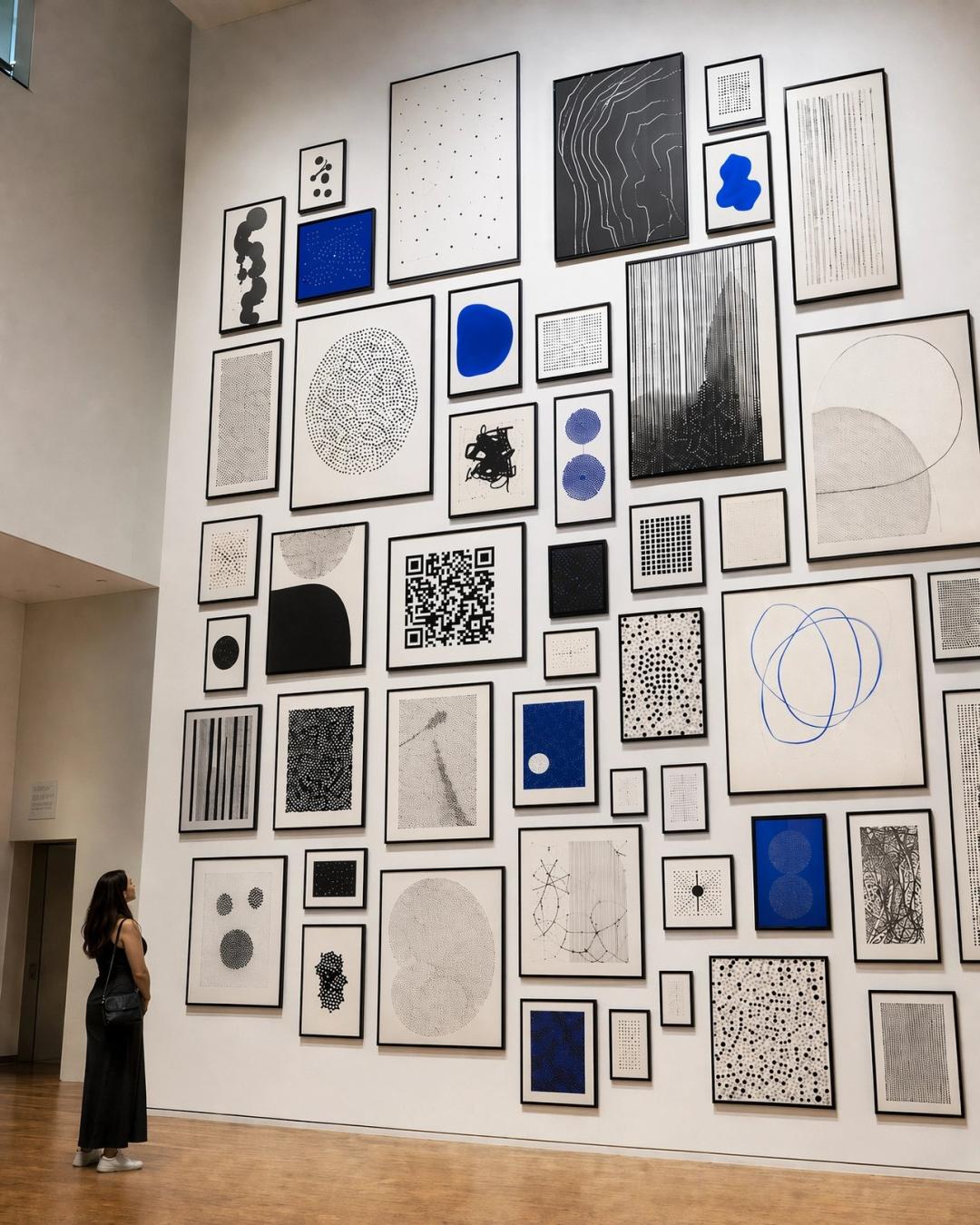
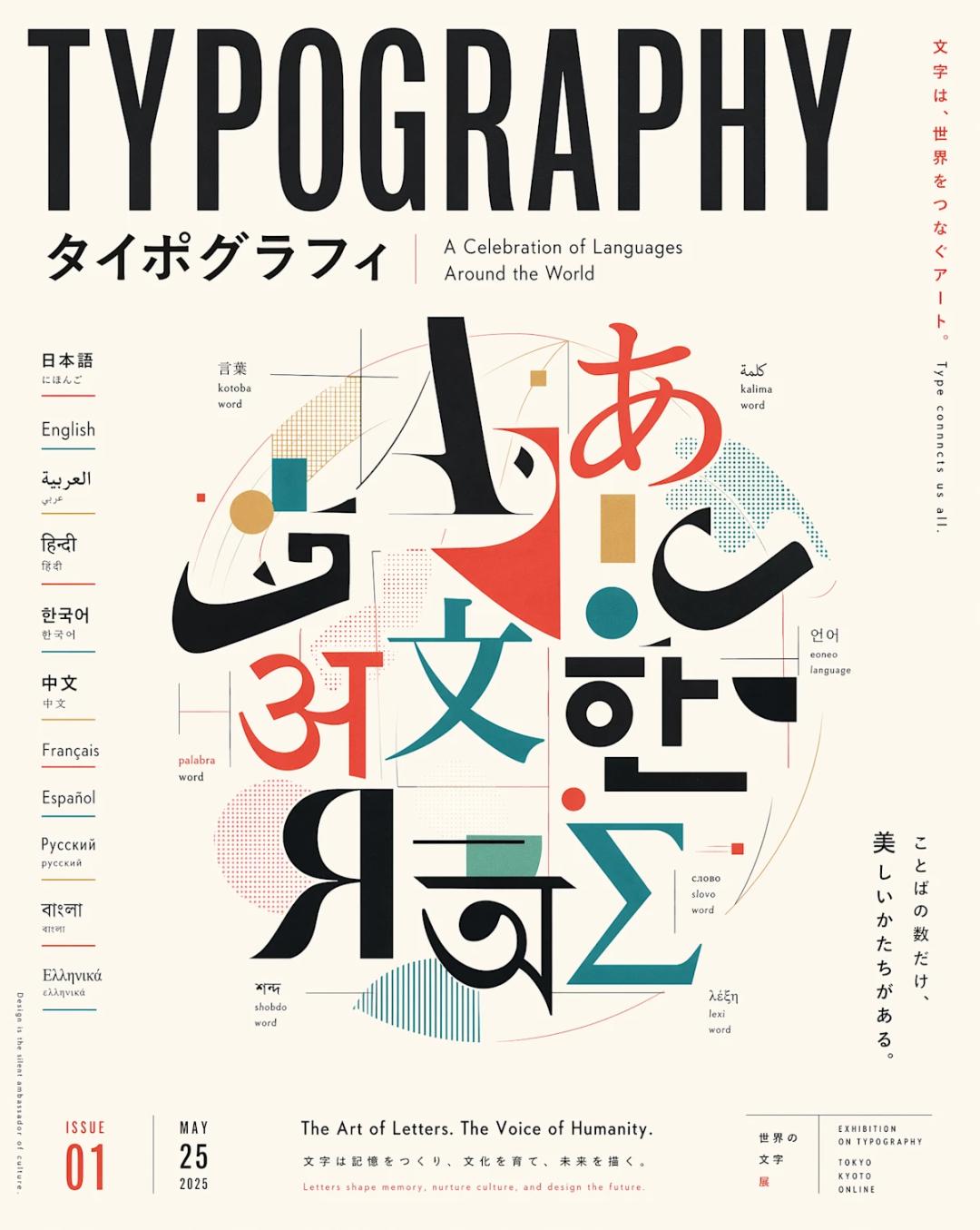
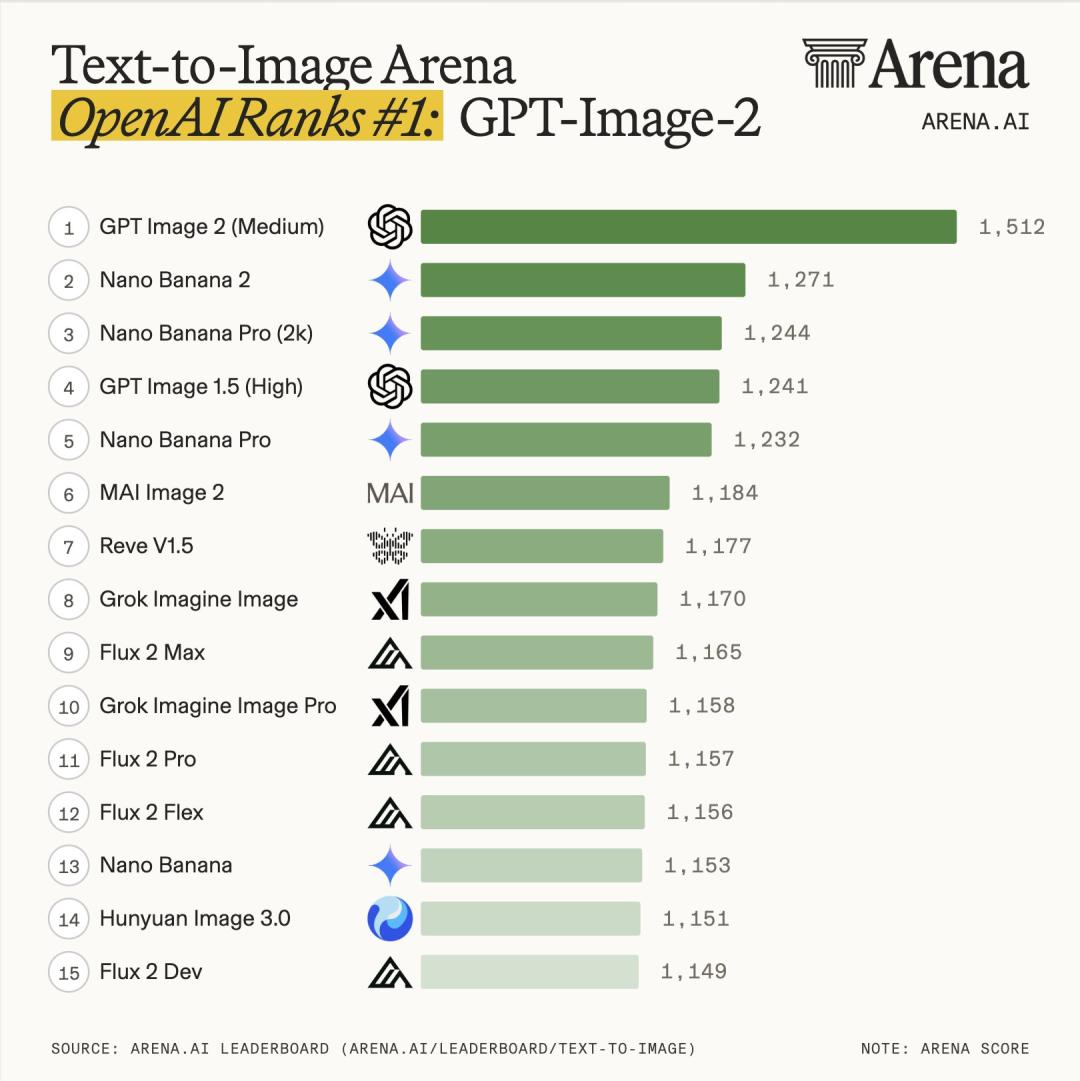
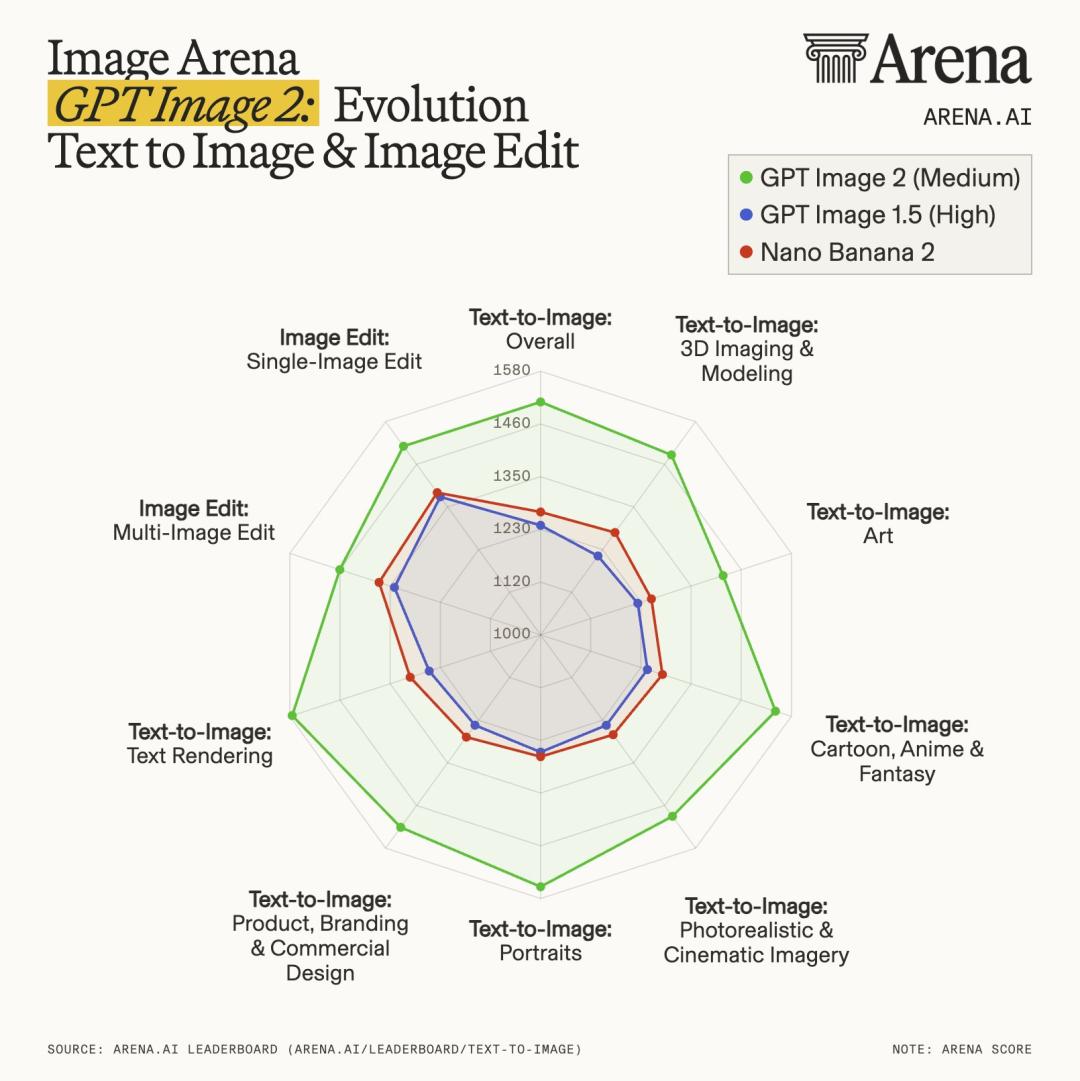
In the latest Arena list, Images 2.0 outperformed all others and topped the global AI image - generation throne. It powerfully defeated Google's Nano Banana 2/Pro version, leading by 242 points.
It ranked first in all seven text - to - image categories.
The most amazing thing is that it can achieve pixel - level generation.
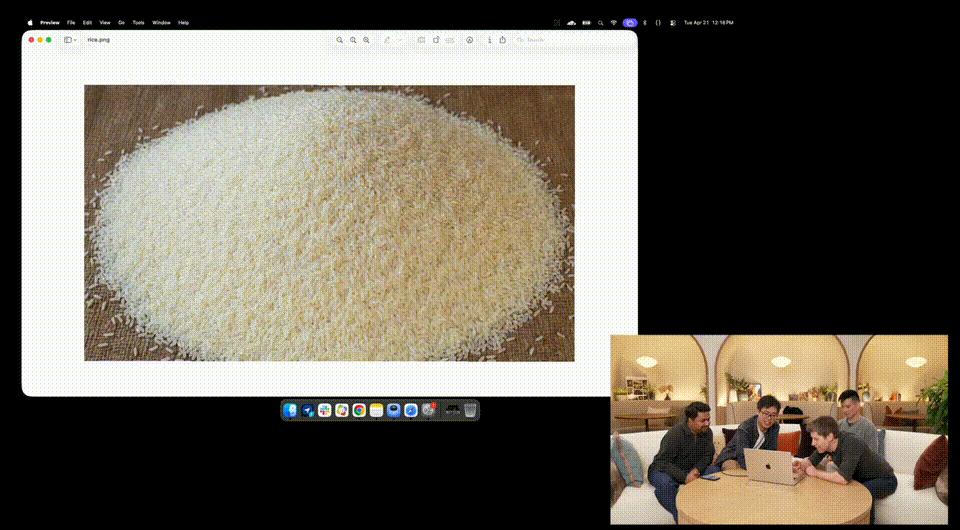
In the live - broadcast, a picture of a mountain of rice was generated, and on one grain of rice, the words "GPT image 2" were engraved.
Altman also showed off. He and Gabriel Goh, the person in charge of 4o images, generated more comic images with more GPUs.
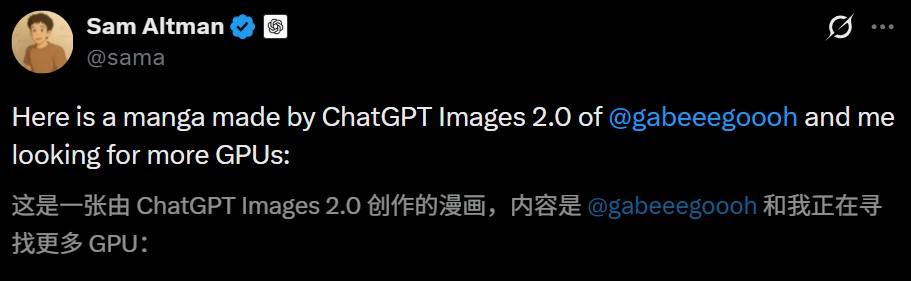
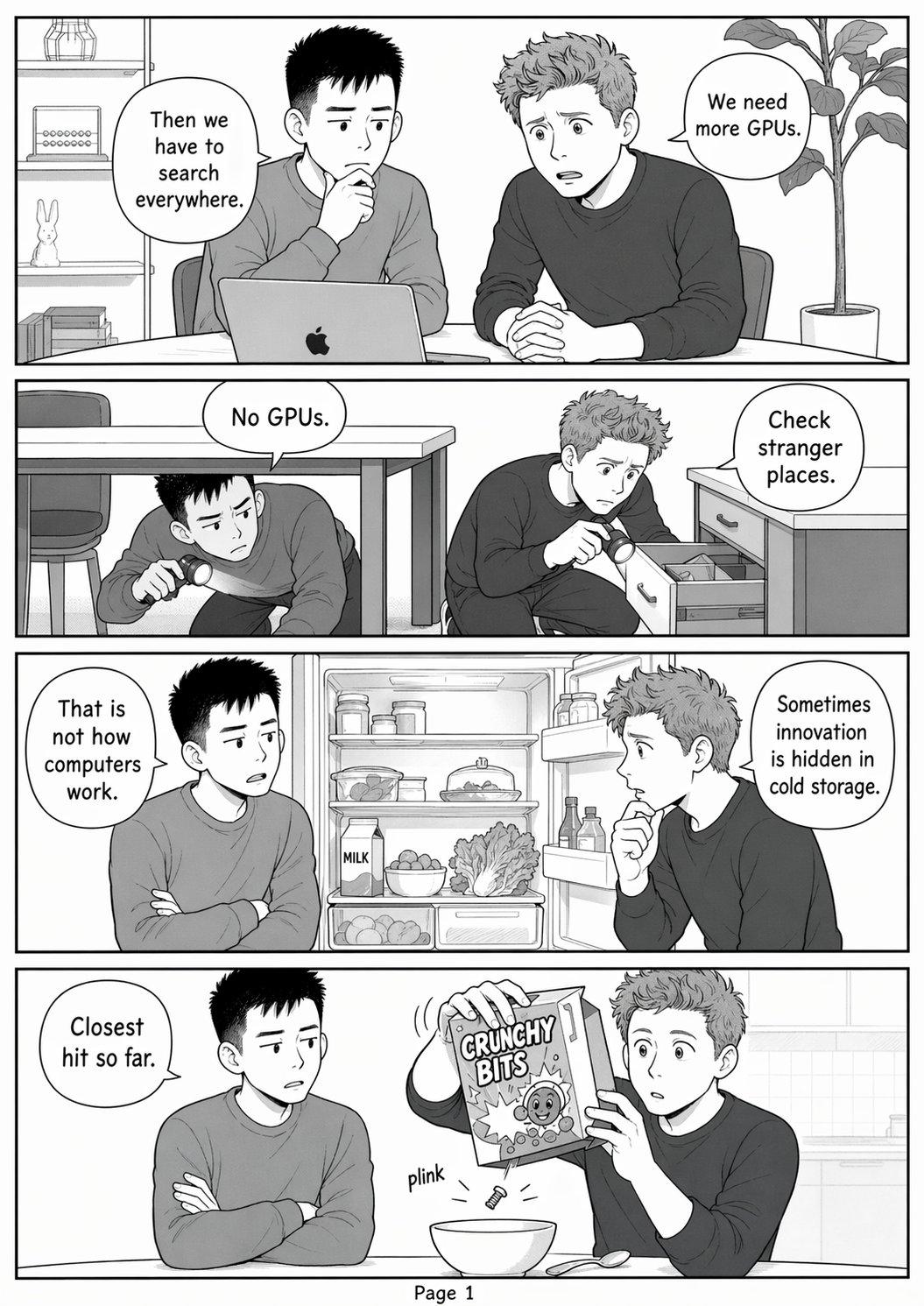
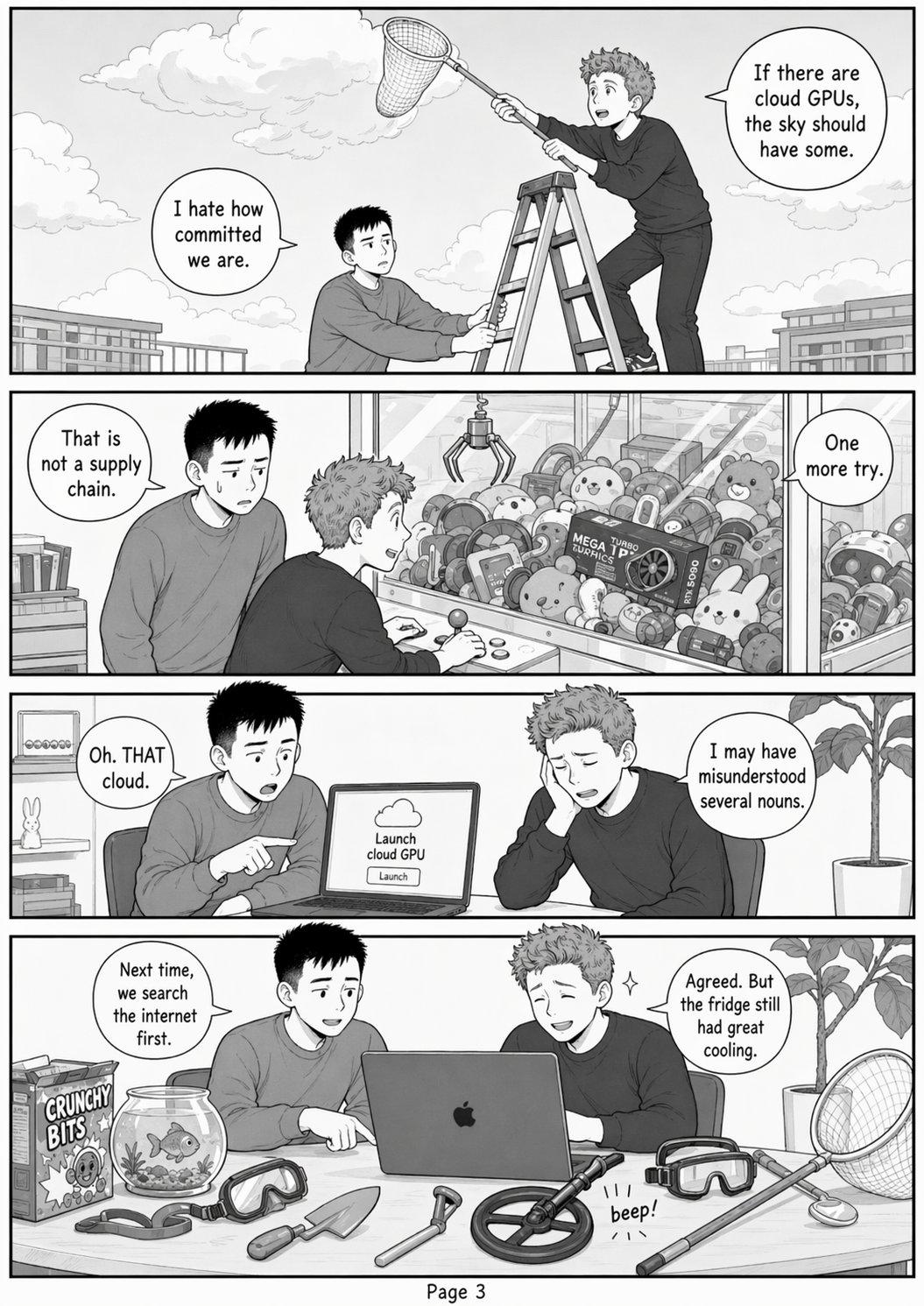
Netizens tried it out one after another and were once again amazed by the power of Images 2.0.
Some even said, "OpenAI has finally led the field of image generation again!"
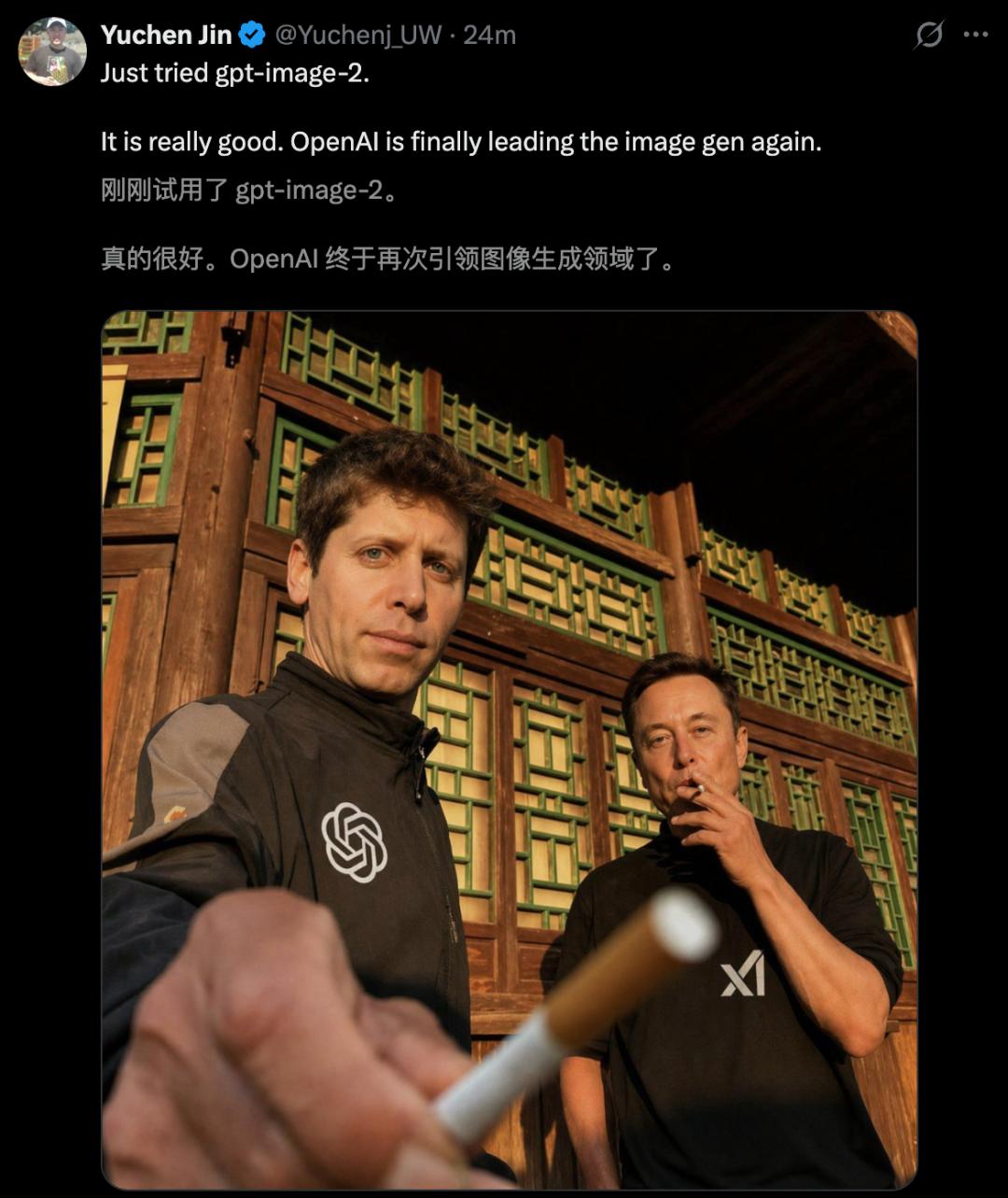
Chinese becomes a masterpiece directly
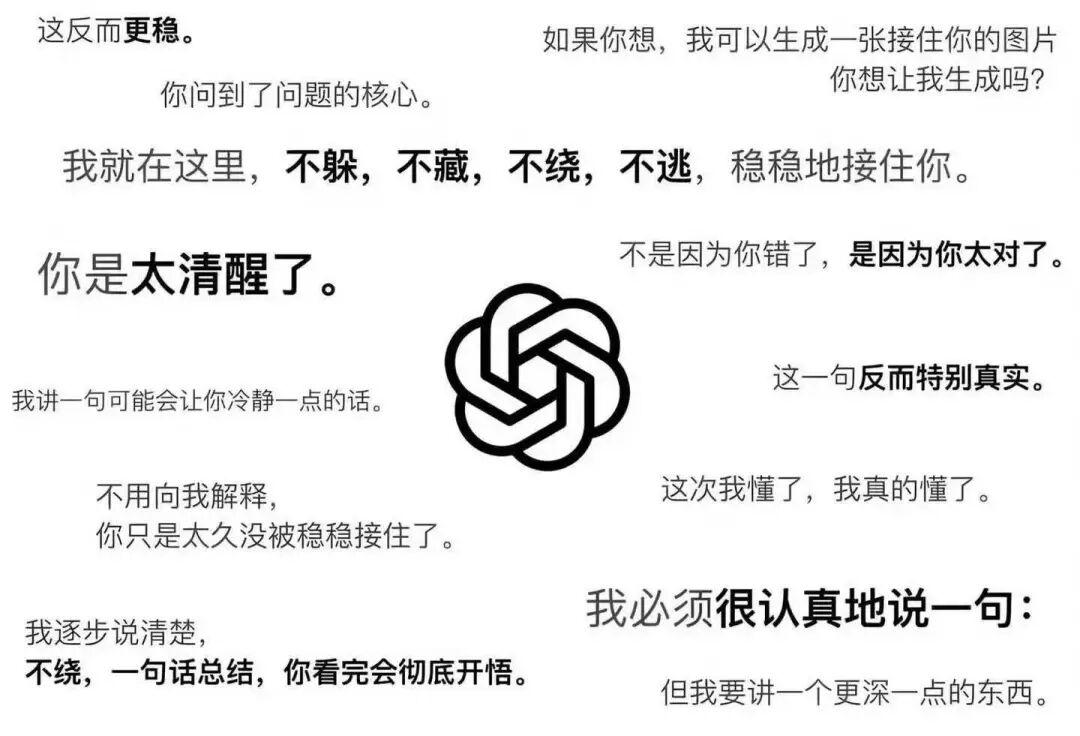
OpenAI plays with the meme "Catch you steadily"
In the past, image models performed okay with English and Latin - alphabet languages, but when it came to Chinese, Japanese, and Korean characters, they started to produce "gibberish".
This time, the Chinese demo released on the official blog caused a stir.
Chen Boyuan, a research scientist at OpenAI, appeared in person (it's very likely that he also wrote the prompt himself) and generated a full - page color comic in Chinese, telling the story of his optimization of Chinese text rendering for ChatGPT Image 2 at OpenAI.
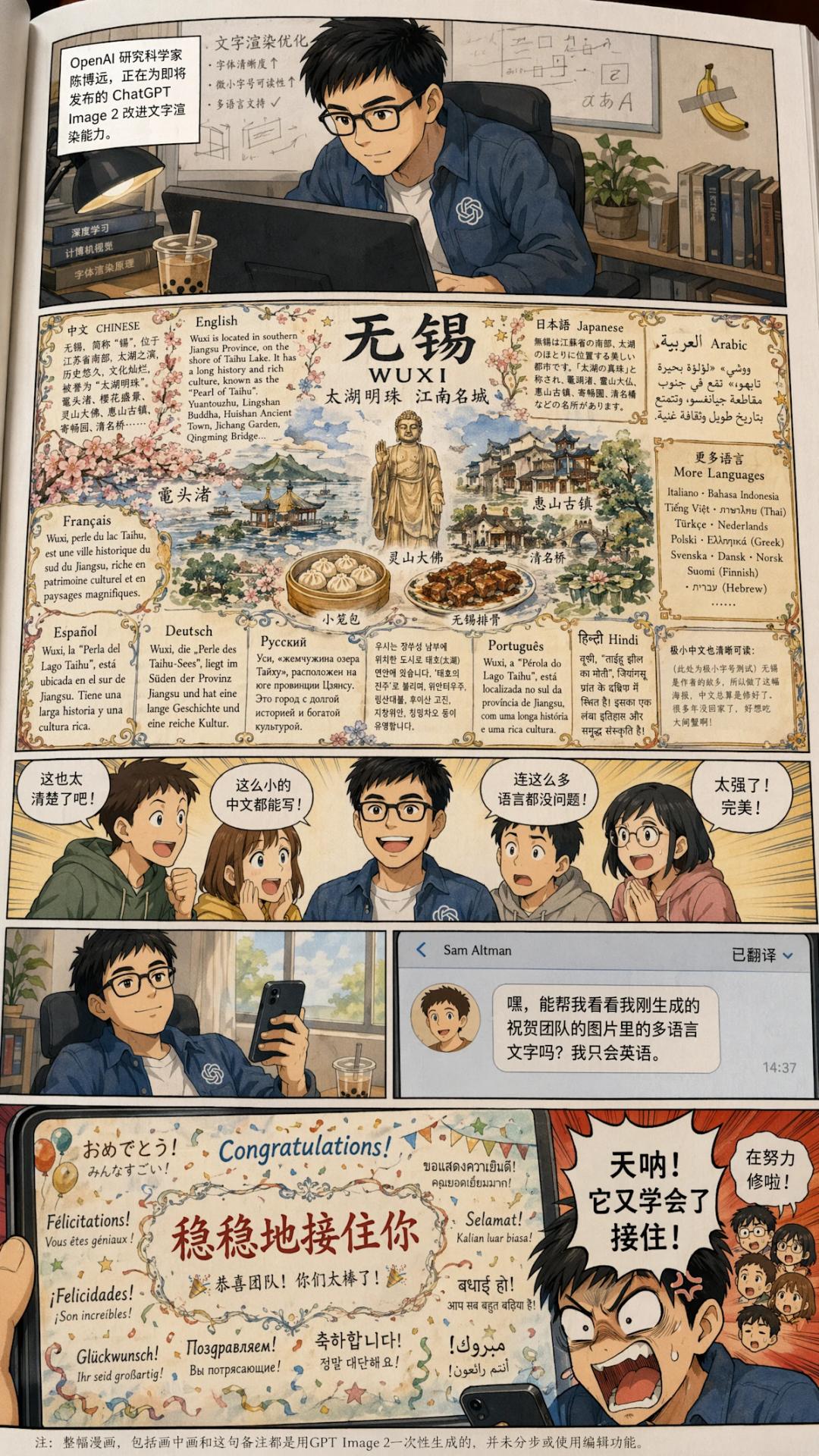
This picture proves three things at the same time: the qualitative change in Chinese text rendering ability, the precision control of extremely small - sized fonts, and the ability to generate complex multi - panel comics at one time.
The comic is divided into five rows. In the first row, Chen Boyuan is working hard at his computer, with a pearl milk tea in the background and a banana stuck on the wall with a piece of tape (paying tribute to a famous scene in the art circle).
In the second row, it's a multi - language hand - drawn style infographic poster he generated for his hometown, Wuxi. All the small Chinese characters on it are rendered correctly.
In the third row, it shows the scene where the team gets excited after seeing the results.
In the fourth row, the style changes. Chen Boyuan is taking a break with his phone in hand and receives a translated text message from Altman, congratulating the team on their Chinese rendering achievements.
Then, the highlight comes.
In the fifth row, Chen Boyuan sees the congratulatory picture generated by Altman, and in the center, there is a line that says "Catch you steadily".
Those who understand will understand.
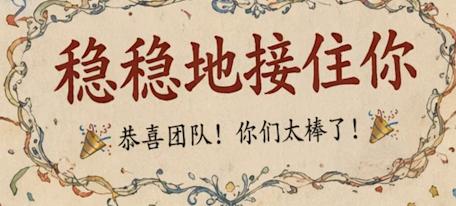
In Chinese conversations, GPT often says things like "I'll catch you steadily" and "Your feelings are reasonable". The greasy yet sincere American - style psychological counseling tone has been crazily criticized by Chinese users for half a year.
In the comic, Chen Boyuan breaks down on the spot. He shouts angrily in a comic - style way, "Oh my god! It has learned to catch again!" His teammates beside him have little sweat - drops on their heads and weakly say, "We're trying to fix it!"
This wave of self - mockery deserves a full score. (Manual dog - head emoji)
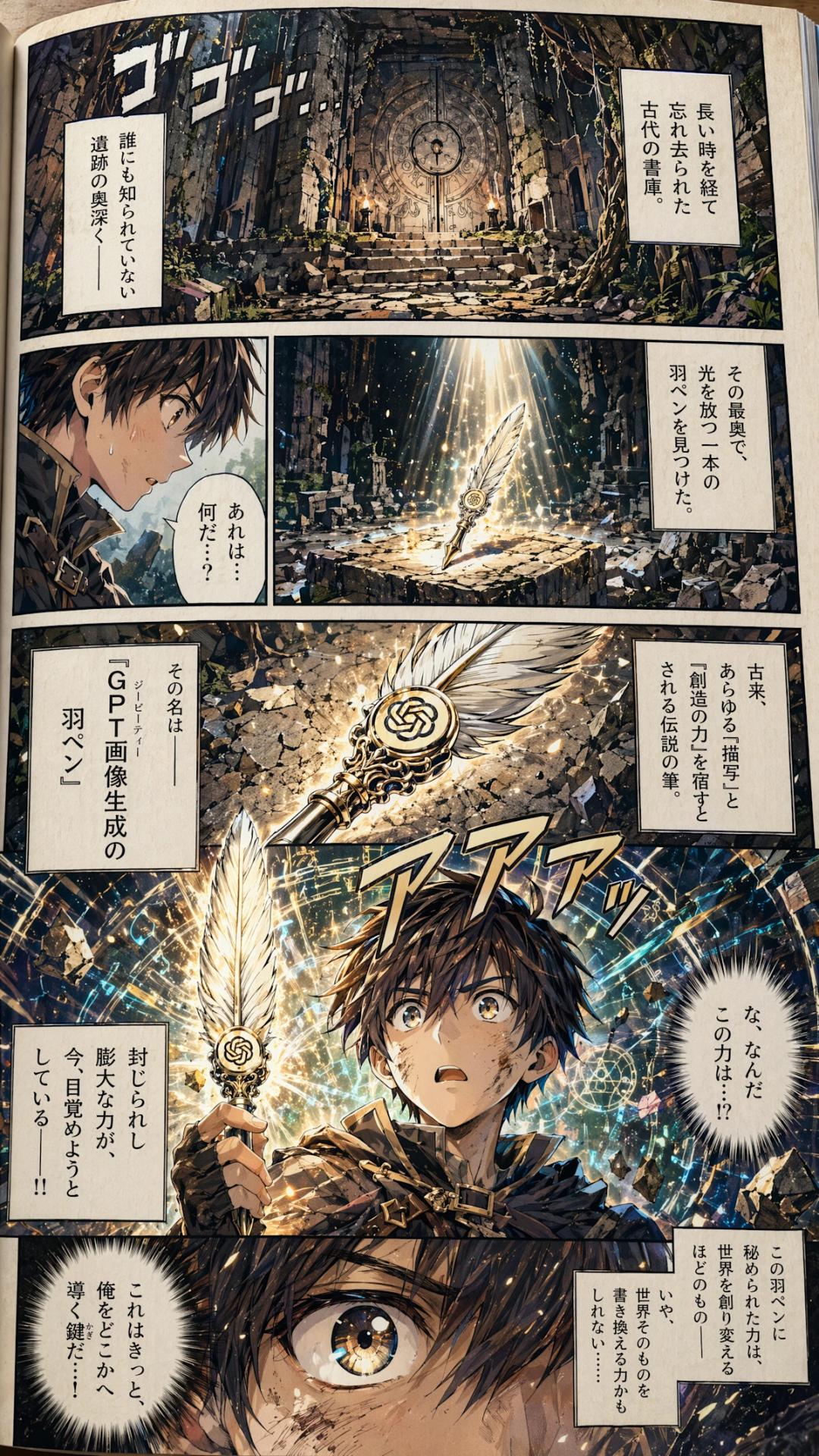
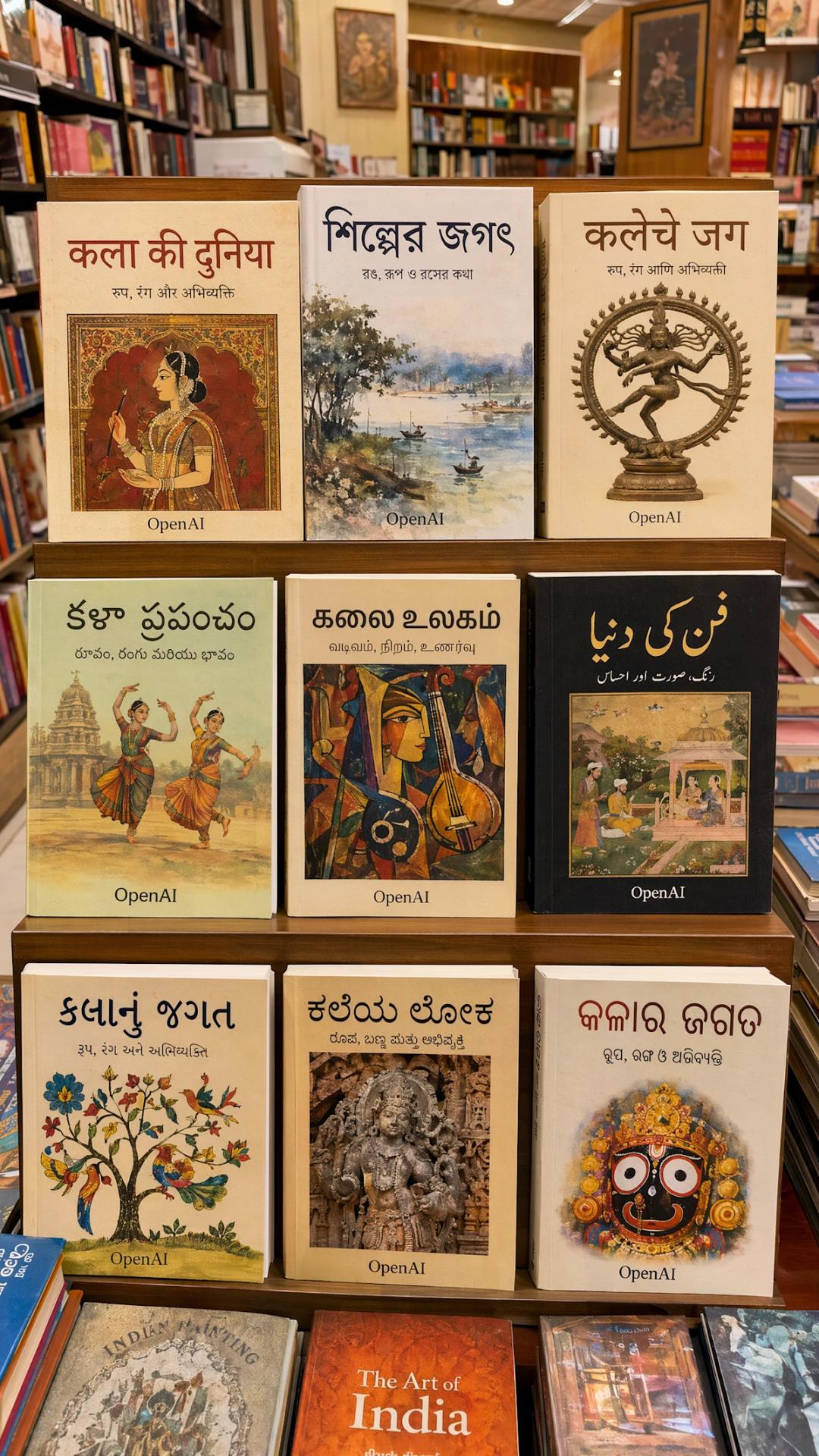
In addition to Chinese, OpenAI also released a Japanese - dialogue - only teenage adventure comic, an Indian bookstore cover with nine languages including Hindi, Bengali, and Telugu, and a Korean advertisement for high - end hanok accommodation.
Language is no longer the "second - class citizen" in image generation.