Huawei, Xiaomi, and iFlytek are all making bets. From measuring blood sugar with smartwatches to whole-home sensing, the silver-haired market is entering a moment of hard technology.
By 2035, the elderly population in China will exceed 400 million, accounting for about 30%. Among those over 60, more than 75% suffer from at least one chronic disease, and the number of empty - nesters and solitary elderly exceeds 180 million.
These figures reflect a harsh reality: A large number of elderly people have a need for chronic disease management. Their physical functions are deteriorating, and their children are not around. However, for a long time, they have not been included in the target users of consumer technology products.
However, although the trend of silver - haired intelligent technology has been around for many years, truly "usable" technology products for the elderly are still scarce. But changes are still taking place. When an absolute giant like Huawei starts to seriously look at this long - underestimated blue ocean of demand, what kind of changes will it bring to the elderly?
PART 01
Wearable Innovation: Can a Watch Measure Blood Sugar?
At the World Health Expo Dubai this year, Huawei showcased its latest scientific research achievements in diabetes management and announced that its smart watches will add a highly forward - looking function, which can effectively identify the early blood sugar risk trends of users.
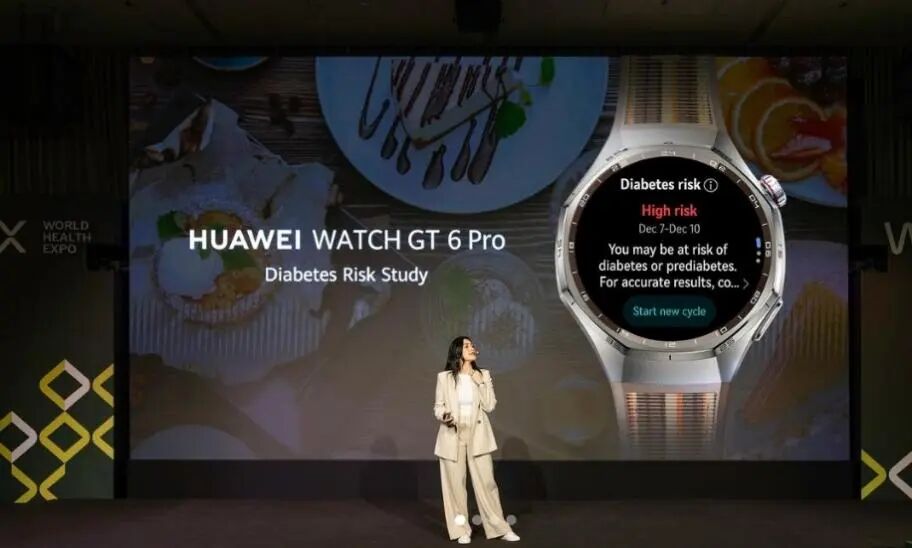
Image source: Huawei
The core of this technology lies in its "non - invasive" detection solution. In the past, measuring blood sugar usually required taking a blood sample, which was cumbersome and required repeated pricking of the skin. Although continuous glucose monitors can provide long - term detection, they still need to be fixed on the body by pricking the skin, which scares many patients.
Huawei's technology uses high - precision sensors to capture subtle physiological signal changes through photoplethysmography (PPG) technology, and then analyzes whether the user has potential risks of blood sugar fluctuations. According to official information, the R & D team conducted in - depth research on medical mechanisms such as neuropathy and microvascular sclerosis, and combined big data with PPG signals to develop this blood sugar trend management tool.
Although Huawei repeatedly emphasizes that this is not blood sugar measurement but risk assessment, the difference is not that important for the middle - aged and elderly.
In the past twenty years, the number of diabetic patients in China has increased "by leaps and bounds". As of 2023, the number of diabetic patients over 20 years old in China has reached 233 million, and the age - standardized overall prevalence of diabetes has reached 13.7%. In 2000, the national prevalence was only 2.67%. More alarmingly, the awareness rate is only 36.5%.
That is to say, two out of every three diabetic patients don't know they are sick. They don't have regular physical examinations and go about their daily lives as usual. This is where Huawei starts to make efforts.
In 2023, with the WATCH 4 series, Huawei positioned it as "the first in the industry to support high - blood - sugar risk assessment research". The high - blood - sugar risk assessment research was jointly initiated by Nanjing Drum Tower Hospital, Peking Union Medical College Hospital, and the China International Exchange and Promotion Association for Medical and Healthcare.
After analyzing more than 100,000 hours of wearable monitoring data and more than 800,000 blood sugar data, the research team found that people with high blood sugar have self - similarity in aspects such as blood vessel elasticity, sleep heart rate, and pulse wave characteristics, thus creating a high - blood - sugar fractal algorithm.
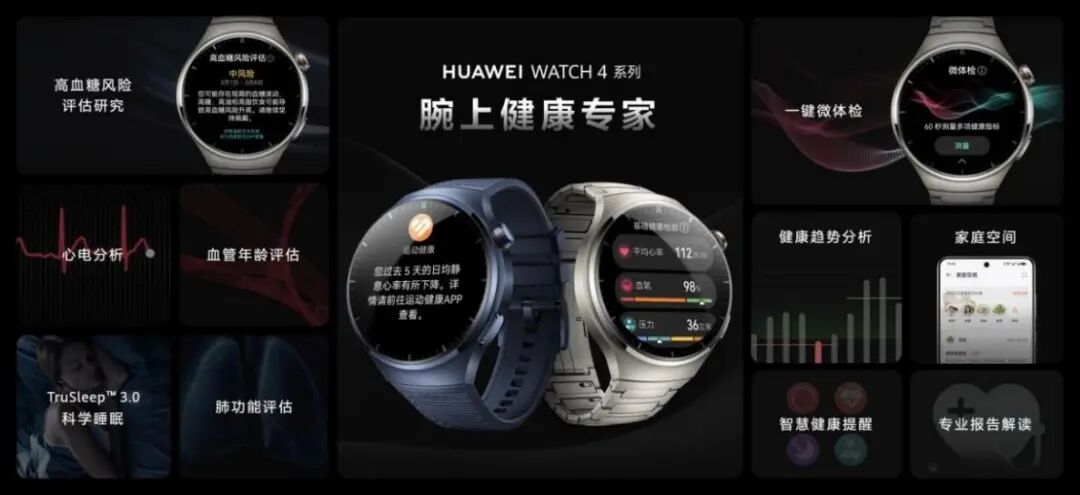
Image source: Huawei
With this year's WATCH GT6, the watch can automatically monitor blood sugar changes around the clock and generate trend curves. The fluctuations before and after meals, before and after exercise, and during sleep are clearly visible. When the blood sugar rises or drops abnormally, the watch will vibrate in time to remind the user to adjust diet, exercise, and rest in time.
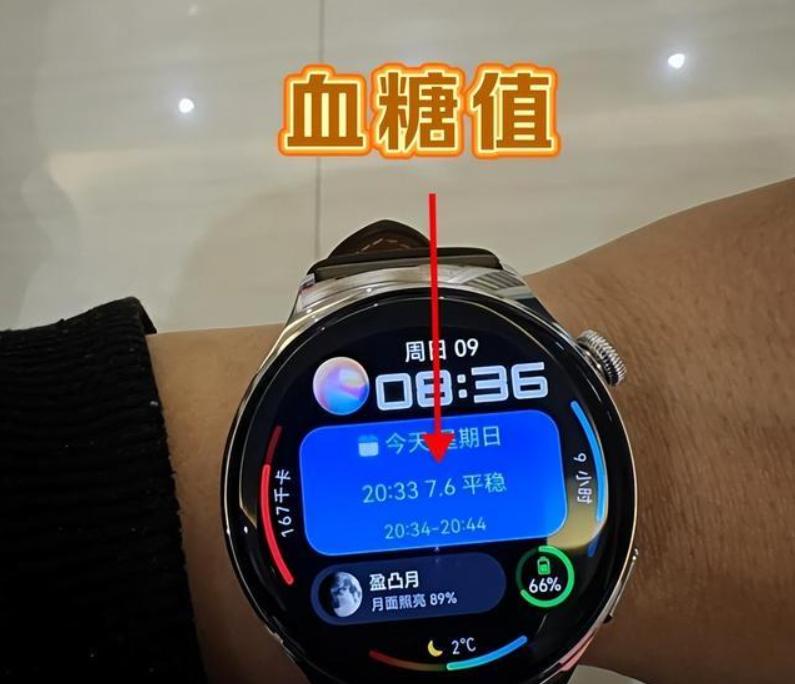
Image source: Digital Uncle Ba
At the same time, the GT6 Pro adds fall detection to the GT series for the first time. The inertial measurement sensor is upgraded to a 32g range, and it will automatically give an alarm when a fall is detected.
Falls are the leading cause of injury - related deaths among the elderly over 65. More than 40 million elderly people in China have at least one fall every year, and 8 out of every 10,000 die prematurely due to falls. Whether a solitary elderly person can be found in time after a fall can sometimes mean the difference between life and death.
The addition of these functions naturally draws the product's focus to the elderly group. By "packing" complex medical monitoring into daily wearables, the elderly can manage their health without changing their living habits. Their children can also synchronize the data through their mobile phones and feel more at ease.
PART 02
Ecosystem Reconstruction: Creating a Seamless Health - Care Closed - Loop
This change in product design trends means that the elderly may also become the most direct beneficiaries of technological innovation.
However, the functions of a watch are limited. The place where the elderly have the most accidents is at home, such as slipping in the bathroom, falling out of bed at night, or suddenly getting sick when alone. Children can't stay with them 24/7, and the elderly can't wear the watch all the time.
At this year's AWE (China Home Appliance Expo), the most eye - catching thing in Huawei's HarmonyOS Smart Home exhibition area was not the light control or the voice assistant, but a whole - house seamless health - care monitoring system.
According to the previous introduction released by Huawei, the core of this AI health - care monitoring system is a 4D millimeter - wave radar, which can detect micro - movements in three - dimensional space, is wearable - free, and can be used seamlessly. It can identify the human body state, detect falls and bed - falls, and give alarms through phone calls, text messages, and apps. If a person slips in the bathroom and doesn't get up for a long time, the system will notify the emergency contact. The same goes for falling out of bed.
"Wearable - free and seamless use" is the design origin of the whole solution. It's unrealistic to expect an elderly person in their seventies or eighties to remember to wear the watch and charge it every day. However, a perception system installed in the bedroom and bathroom that doesn't require any operation bypasses the biggest usage threshold for elderly users.
In terms of privacy, the original data is processed locally and not uploaded to the cloud, and no images are collected. It can be installed in both the bathroom and the bedroom. The millimeter - wave radar senses the movement trajectory, not the image, so there is no psychological burden of "being monitored".
At the end of 2025, Huawei's HarmonyOS Smart Home launched a whole - house smart package including pre - installation and post - installation. Through AI super - sensitive night - getting - up induction and AI - assisted health - care sensors, it supports fall and bed - fall alarms and night - getting - up induction for the elderly and children. Combined with the automatic window opening and closing system and triple kitchen security monitoring (gas/smoke/water immersion), it realizes "all - age protection" suitable for the elderly and children. The starting price of the package is from 9,999 yuan to 49,999 yuan.
In fact, Huawei's layout in the health - care field is far more than this one system. In September 2024, Huawei cooperated with the Huangjing Shijia Chinese Medicine Health - Care Town in Datong, Shanxi, and moved the wearable devices and the whole - house smart system there to build a large - scale health - management ecosystem. This is the first time that Huawei has completely transplanted the whole - house smart system into a real health - care scenario.
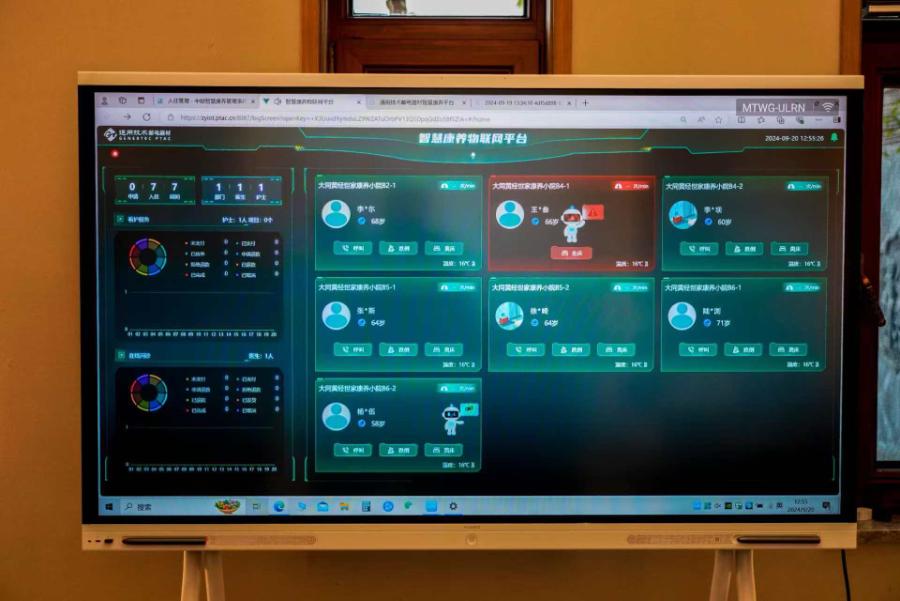
Image source: Xinhua Net
In addition, Huawei has also carried out projects such as the "Heart Health Research", "Sleep Apnea Research", and "Vascular Health Research" in cooperation with hospitals like the 301 Hospital and Fuwai Hospital, converting consumer electronics data into long - term health insights. Just the "Heart Health Research" project has recruited more than 5 million volunteers, screened out tens of thousands of users with potential arrhythmia risks, and advised them to seek medical treatment.
The process of making the HarmonyOS more user - friendly for the elderly is also accelerating, with a simple mode, large fonts, and a high - contrast interface. The "Changlian" function allows family members to share health data, remotely assist with mobile phone settings, and conduct multi - party video consultations.
At this year's AWE, Huawei cooperated with De Rucci to jointly create an intelligent sleep solution based on the synergy of their technologies. After the user falls asleep, the radar can identify the sleep state, duration, and abnormal breathing in real - time, generate a report, and at the same time, link with the air - conditioner to adjust the temperature, switch the lights to the sleep - aiding mode, and optimize the air quality.
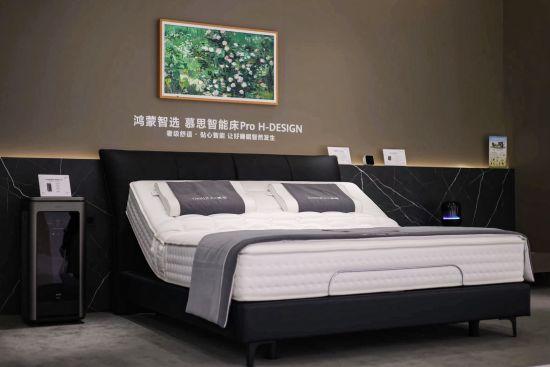
Image source: China Quality News
From selling products to building systems, from managing a single device to managing the health of an entire space, this is the moat that Huawei is trying to build in the context of global aging.
PART 03
Industry Landscape: Multi - dimensional Reconstruction by Technology Companies
If we expand our perspective, we will find a clearer trend. The lives of the elderly are being reshaped by more and more technology companies.
In terms of trends, the silver - haired intelligent technology is not really a new track. The number of products appearing at various exhibitions is increasing, but there are still few reliable products on the market. Mobile phones and watches with large fonts, pseudo - age - friendly smart speakers, and hearing aids that are more like noise amplifiers can't solve practical problems and have overdrawn the credibility of the track.
And things may be different when super - enterprises enter the market. The transformation of the hearing - aid market is the most typical example.
It is estimated that about 220 million people in China suffer from hearing loss, and the prevalence of hearing loss among people over 60 is about 45%. However, the wearing rate of hearing aids in China is less than 5%, while it exceeds 30% in developed countries in Europe and America.
The reasons for the low wearing rate are simple. One is the high cost, and the other is the hassle. Imported hearing aids can cost tens of thousands of yuan, and users have to go to the hospital for fitting several times. There is also a more hidden obstacle. The stigma associated with hearing aids makes many elderly people feel that wearing a hearing aid means admitting that they are "useless", so they would rather not hear clearly than wear one.
In 2022, iFlytek entered the personal health track and launched smart hearing - aid products. As a leading enterprise in the field of artificial intelligence and intelligent voice, iFlytek transplanted its self - developed AI noise - reduction algorithm and scene - recognition technology into the hearing aids and promoted the "App self - fitting" concept. Through the mobile phone App, multi - frequency point hearing tests can be conducted, allowing users to complete hearing tests at any time and get a hearing chart, and formulate a customized hearing - loss gain plan. This avoids the cumbersome steps of traditional offline hearing - aid fitting, and elderly users can complete the personalized adaptation of hearing aids without leaving home.
In May 2025, iFlytek launched the iFlytek Smart Hearing Aid Pro "Hongyu" series. Driven by the dual cores of "technology for all" and "emotional resonance", this series directly addresses the essential needs of users, aiming not only to enable users to hear clearly but also to make them feel respected. This is not just a marketing slogan. Many elderly people resist hearing aids largely because they represent the social labels of aging and "hearing impairment". iFlytek's series of products feature a very small size, invisible wearing, and intelligent noise reduction, which address these emotional concerns.
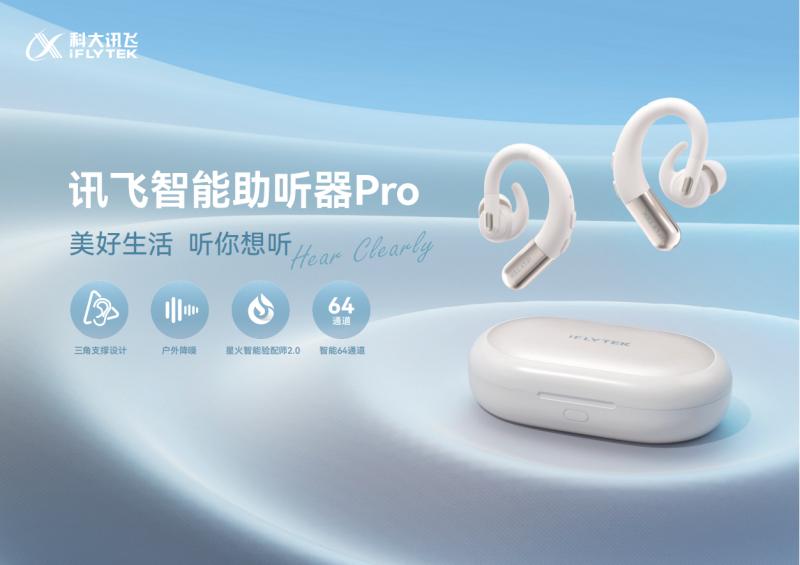
Image source: Eastday.com
In fact, there are many such examples. Technology companies are becoming more and more important in current life and are directly or indirectly reshaping the lives of the elderly.
Haier Smart Health - Care has successively built five smart scenarios including sleep, bathroom, travel, health, and rehabilitation, and established a complete product matrix. It covers the entire health - care process such as care for the disabled, rehabilitation training, and barrier - free bathing. Accidents such as slipping in the bath, forgetting to turn off the stove while cooking, and sudden discomfort at night, which are daily problems in most nursing homes, can now be properly solved.
Xiaomi's Xiaoai Speaker has become the smart assistant for the elderly in many families. They can ask about the weather, set an alarm, make a call, or play operas just by speaking. For some elderly people who are not good at operating smartphones, this may be one of the few household smart devices they can use frequently.
In 2021, Siasun Robot & Automation Co., Ltd. in Shenyang established a medical and service robot division, producing exoskeleton rehabilitation robots and nursing robots, which have been put into use in the rehabilitation departments of some top - level hospitals and nursing homes. Patients with hemiplegia can learn to walk again with the help of exoskeletons, and nursing robots can help disabled elderly people move from the bed to the wheelchair. Technological progress is bringing earth - shattering changes to the lives of the elderly.
Obviously, enterprises are accelerating their entry into the silver - haired field, but the huge silver - haired consumer market is still in a chaotic state with a mixture of good and bad. At this time, the entry of super - enterprises is bound to stir up "waves" in the industry and form a blueprint and benchmark for other enterprises to learn from.
Huawei's in - depth entry into the silver - haired track is not due to an outburst of sentiment but because there are truly more than 300 million elderly people with growing needs. The significance of this lies not in the products themselves but in the fact that resources, technology, and standards are all converging in this direction. The cost of user education will be diluted, the