Digital detox, the indulgence of our generation
There are few Apple products with such extremely polarized reviews as the MacBook Neo.
Some people say its performance is far from enough, and it's just using the logo to deceive novice users with limited budgets. Others claim it's the most practical and sincere product Apple has released in recent years.
If you let go of your obsession with benchmark performance and the ultimate upper limit of productivity, you'll find that it's been a long time since there was a tech product that eliminates redundant performance premiums and doesn't make unrealistic promises. You shouldn't buy it unless you really need it.
There's a real sense of "minimalist technology" in the MacBook Neo because it responds to users' real needs without artificial cuts to create a so - called minimalist feeling.
Today, this column article from ifanr wants to explore what true "minimalist technology" really is.
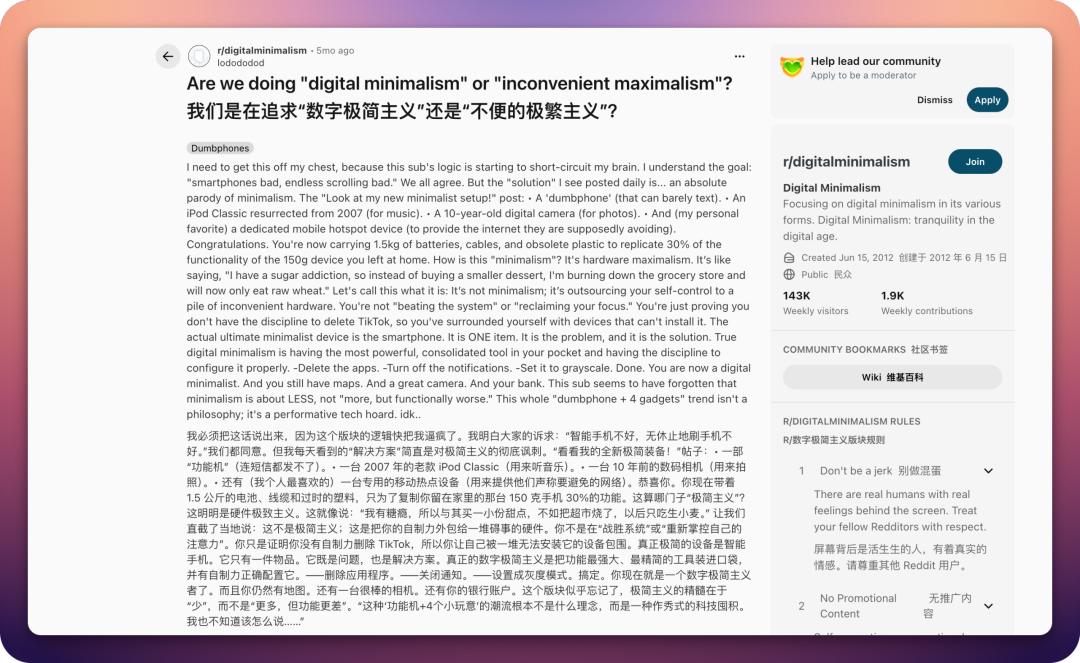
I saw many posts on Reddit describing the imagined minimalist tech life: The main phone is the Light Phone 3, a "dumb phone" that costs $699; an iPod Classic for listening to music; a digital camera from a decade ago for taking photos; when inspiration strikes and needs to be recorded, he'll take out a notebook from his "analog bag"... and so on.
Each function that a smartphone has and is often used is scattered onto a separate device or prop. The stuff you carry around when going out weighs a full three catties.
The poster named this state "Inconvenient Maximalism".
By the way, this "analog bag" is also the latest trend that went viral on TikTok some time ago, with thousands of videos and huge traffic. It refers to a bag filled with "offline items": film cameras/CCDs, Walkmans, wired earphones, knitting needles and yarn balls, notebooks and paper books... The general idea is that when you go out, you can leave your phone behind and use the things in this bag to kill time.
A "anti - consumerist" YouTube blogger Levi Hildebrand, whom I really like, evaluated the "analog bag" like this:
A phone can do a hundred things. So if you don't bring your phone, you need a hundred things to replace it, and as a result, your bag gets heavier and heavier.
What's even more ironic is that these bloggers clearly carry their phones and bags around, switch between dozens of shooting locations, and shoot videos... just to post them online and then persuade people to place orders through their referral links to buy these CCDs, Walkmans, earphones, knitting needles, and notebooks?
Has consumerism nowadays degenerated to such an extent? Why are those who are keen on "minimalist technology" and "digital detox" so abstract?

Digital detox has become a joke of oneself
Whenever a tool for harvesting attention becomes tiresome and outdated, there will immediately be something new emerging in the guise of a rebel or a revolutionary, promising to set you free...
Before long, this new thing will quickly evolve into the next tool for harvesting attention, and the cycle repeats.
Today, this new thing is the concept of "digital detox" and the minimalist tech products that use this concept as a banner to try to win people's hearts.
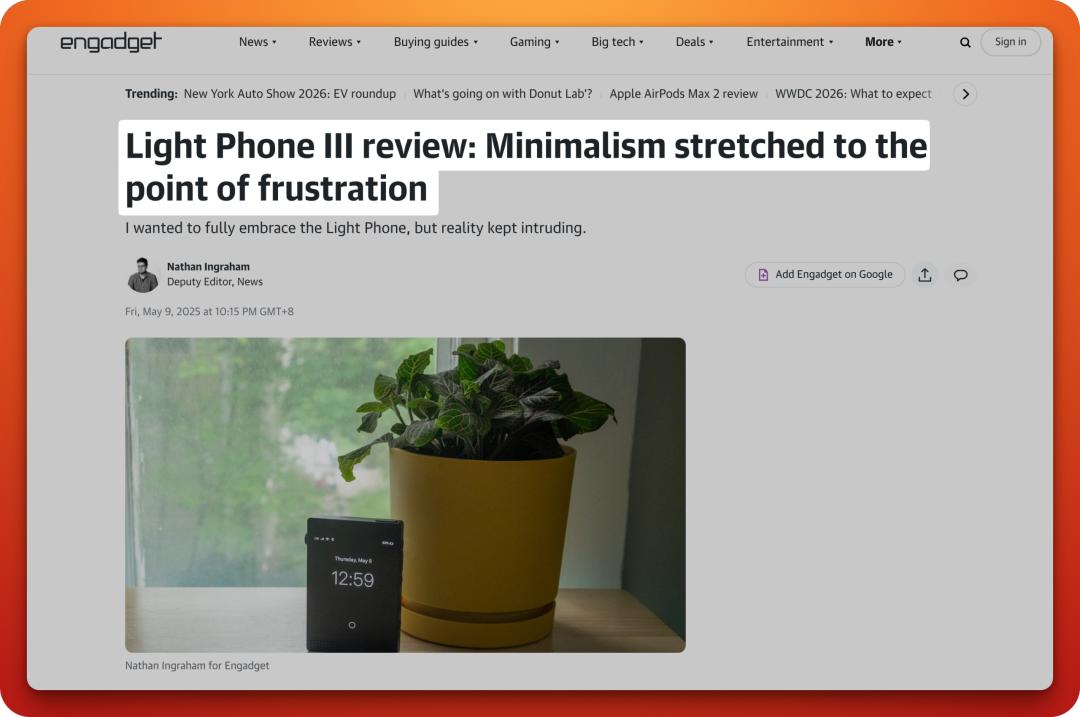
In 2017, the first - generation Light Phone was launched, which could only make calls; in 2019, the second - generation Light Phone added text messaging, a music player, and an alarm clock. Last year, riding on the wave of "dumb phones", the third - generation Light Phone was finally released, priced at $699.

Overseas media evaluated the third - generation Light Phone like this: "Minimalism has been stretched to a frustrating extent", "A dumb phone that is becoming more and more like a smartphone". You can't blame them: AMOLED screen, camera, NFC payment, fingerprint unlock... Just looking at the spec sheet, you'd easily think it's a smartphone.
From the beginning to now, the evolution of the Light Phone is actually a dead - end situation. If its selling point is "less", it has to cut features. But if there are too few features, users are reluctant to buy it; adding features back is a delicate balance.
Besides product design, the Light Phone also faces business model problems.
It initially took off on a crowdfunding platform, but the company then had to take venture capital. When discussing investment, they might have talked about the trend of "digital detox", but after the investment, what they care about are sales, growth, finance... In essence, this logic is completely at odds with the beautiful vision of minimalism/anti - consumerism, which "hopes users use products less".
As a result, in order to sell products, this "dumb phone" fails to meet high standards and is also not suitable for low - end users. It has become an expensive, difficult - to - use, and inferior smartphone that is not dumb at all. It's getting farther and farther away from what it initially promised and becoming more and more like what it was supposed to replace...
The essence of consumerism is to continuously create new desires to digest the excess production capacity, and the attention economy is one of the most effective means of creating consumer desires.
Professor Wu Xiuming from Columbia Law School believes that the teaching of the attention economy has a history of more than a hundred years. From the penny press in the 19th century to radio and television in the 20th century, and then to today's short videos, mini - games, and short dramas, in fact, the attention economy has never changed: Exchange people's time with free content and then monetize this time through various means (advertising, data, etc.).
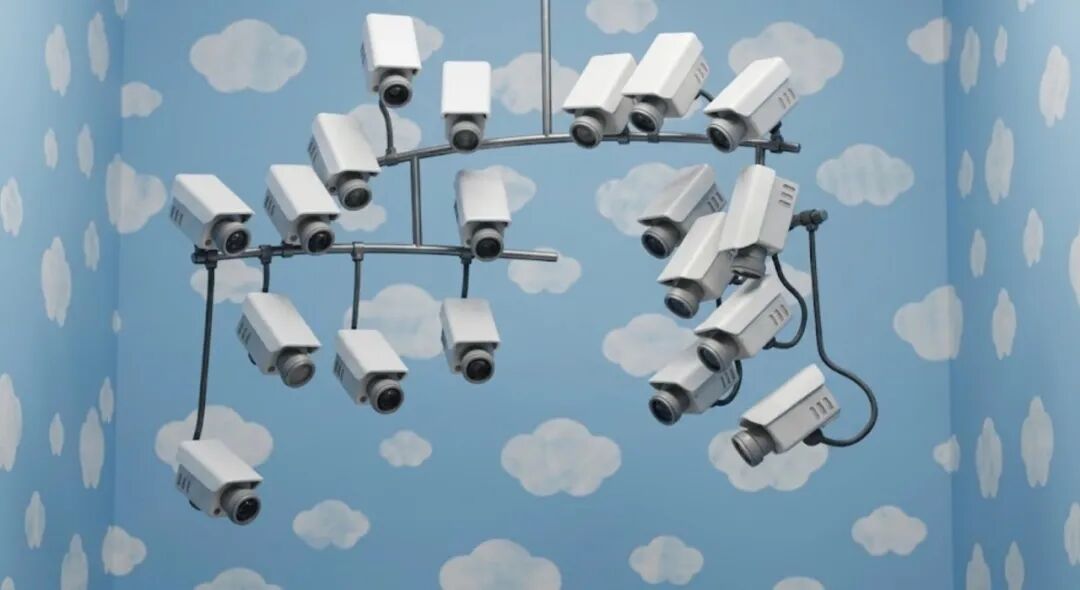
Professor Suzanne Zuboff, an emeritus professor at Harvard Business School, proposed a new concept in her book The Age of Surveillance Capitalism: "behavioral surplus", which refers to technology companies extracting data from users' behaviors, such as what you click on, how long you stay in a certain place, and where you hesitate, and then turning them into "behavior prediction products" to sell to advertisers.
But in order to make the prediction more accurate, the platform needs to actively "shape" users' behaviors - infinite algorithm streams, message red dots, and intermittent like notifications all serve this purpose.
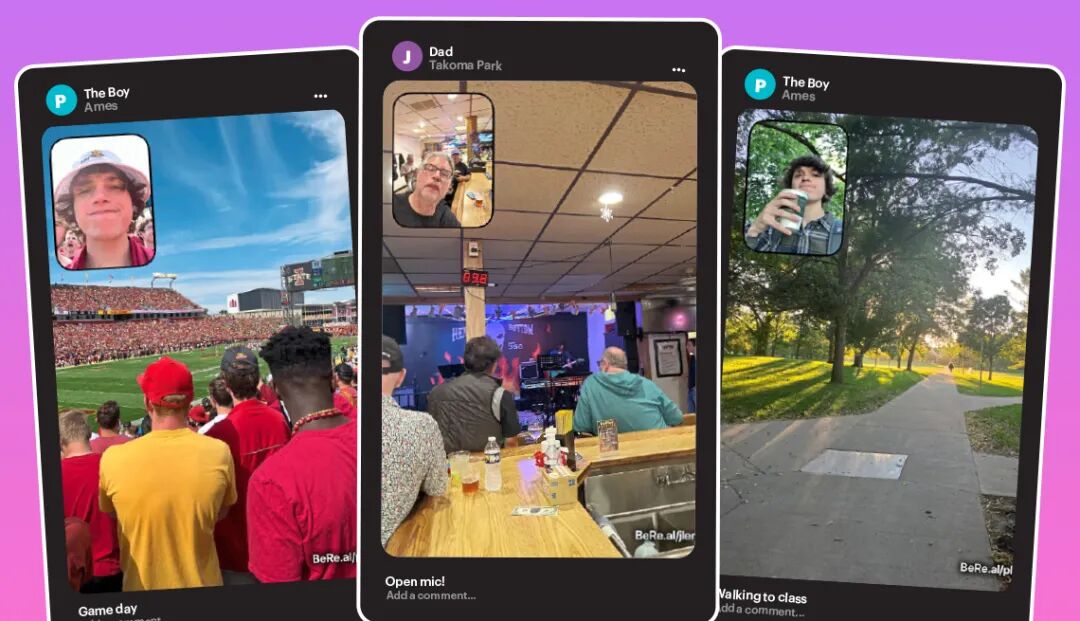
A few years ago, a social product called BeReal became extremely popular. It randomly pops up a notification every day, and users must open the app to take a photo and share it within two minutes. There's no time to prepare, and no photo - editing filters are provided, which encourages users to show their unadorned daily lives and eliminates the anxiety of using social products.
In 2024, Voodoo, a French company known for its highly addictive junk mobile games, spent 500 million euros to acquire BeReal.
A product that uses "anti - attention harvesting" as its selling point has been swallowed up by an attention harvester. This is probably what it means to become a joke of oneself, the dragon - slayer eventually becomes the dragon, and the logic is closed - looped...
The design concepts of these tech products are essentially no different from slot machines. The most effective way to make people addicted is not to give rewards every time but to give them randomly. You don't know what you'll see when you pull down, and it's this uncertainty that makes you unable to stop.
The Internet is a communication tool, a knowledge system... It can be many things. But most of the time, it's actually a machine that redirects and mercilessly harvests all attention. What it erodes is not just your time, but your autonomy in controlling your own attention.
Buying a "dumb phone" can't solve structural problems
Karl Newport, a computer professor at Georgetown University, is the most important promoter of the concept of "digital minimalism". In 2019, he published a book titled Digital Minimalism: Choosing a Focused Life in a Noisy World, arguing that email, chatting, short videos, etc. contribute to "the hyperactive hive mind".
Newport believes that a smartphone should be like a Swiss Army knife, with core functions such as calling, maps, cameras, and music being sufficient - this wish is a bit unrealistic, and he himself is aware of it.
So he instead advocates a "non - violent" way to quit the Internet: Turn off non - urgent notifications on your phone, delete social apps, set your phone to monochrome mode, and set a digital curfew for yourself. From his perspective, leaving your phone at home and not taking it out is the most extreme form of digital detox.
You can see that Newport's solution is originally cost - free. He never said you should spend thousands of dollars to buy any additional devices. In his methodology, there isn't even a category called "digital detox products".

However, somehow, Newport, who proposed the concept of digital detox, has instead become an accomplice for another group of people to commercialize it:
First, someone with a sincere intention discovers a real problem and touches a real desire deep in many people's hearts;
Then, another group of people sees a marketing opportunity and starts to sell a set of things that you must have to prove that you belong to this movement.
As a result, this group of people takes over, controls, dominates, and finally defines the entire movement until its beliefs are shattered.
Similar scenarios play out again and again:
In 1986, the first McDonald's in Italy opened in the Spanish Square in Rome. Writer Carlo Petrini gathered a group of colleagues and friends to protest, and this protest later evolved into the Slow Food movement.
The stance of this movement is both traditional and innovative: It opposes the encroachment of industrialized fast food on diet and establishes a more direct connection between farmers and consumers.
However, nowadays, "farm to table" has long become a label for high - end food. The original concept represented by the Slow Food movement has long been completely digested by consumerism and has gradually degenerated into a reason for the premium of high - end restaurants and organic supermarkets.
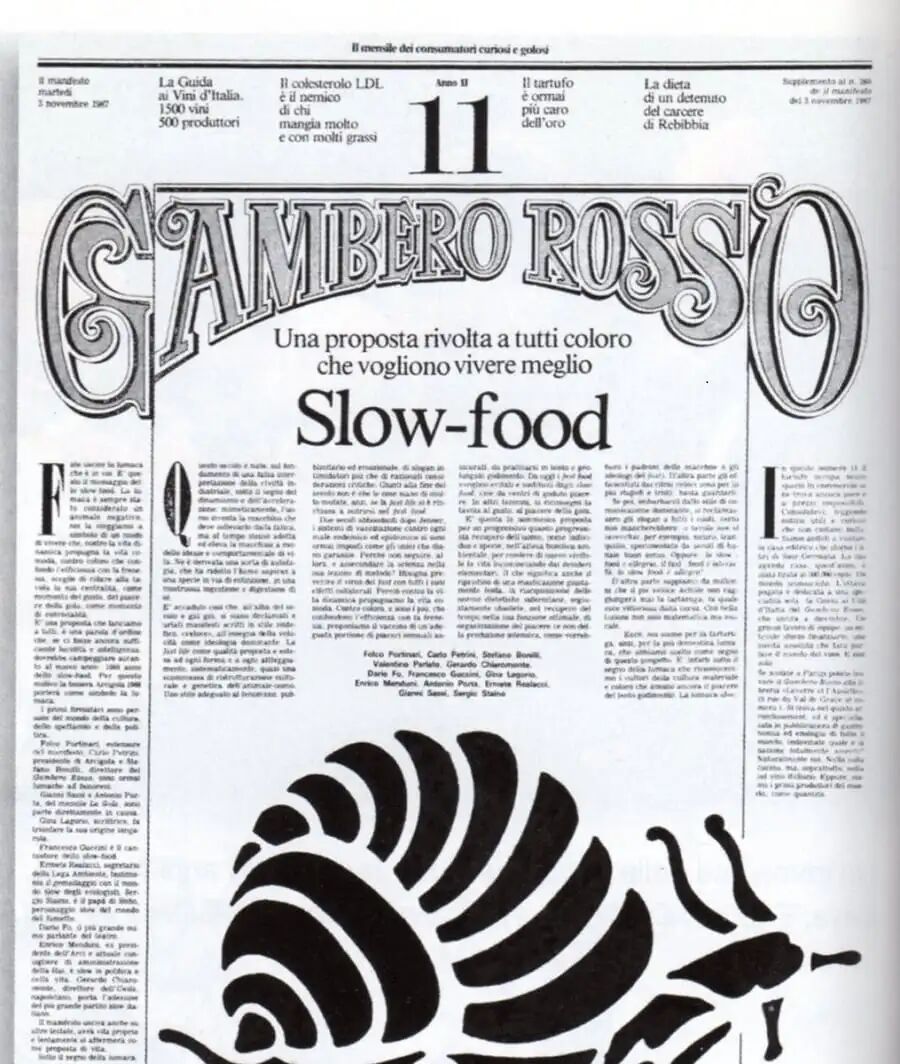
In 1987, the front page of an Italian restaurant guide published the manifesto of the "Slow Food movement".
More than a decade ago, mindfulness/meditation/insight from religions such as Buddhism became one of the most popular trends on social networks. However, when this non - mainstream hobby evolved into a trend, it also became a new commercial harvester. A group of tech entrepreneurs took advantage of the opportunity to develop a mindfulness industry with a market scale of billions of dollars.
Scholar Ronald Purser published a book in 2019 titled McMindfulness (a very interesting pun), criticizing that "mindfulness" has long become a stress - relief technique for office workers to better adapt to high - pressure environments. The mindfulness industry ignores the real problem, which lies in the structural work pressure, and instead shifts the responsibility back to the individual, asking users to manage their own minds.
After the craze, the download volumes of the two major industry giants, Headspace and Calm, plummeted (-74%, -61%).
Like concepts such as "farm to table" and "mindfulness", digital detox is also in an accelerated period of conceptual bankruptcy.
Digital detox products promise to solve a persistent behavioral problem with a one - time consumption behavior. But if you've seen the scenes of relapse after forced alcohol or drug abstinence in various movies and TV shows, you should know how strong the negative effects of such strict restrictions are.
In 2025, BMC Medicine published a three - week mobile phone use intervention experiment, requiring more than a hundred participants to use their phones for no more than two hours a day. During the intervention, the average screen time of the test group decreased from 285 minutes per day to 129 minutes, and their stress and sleep quality also improved simultaneously.
However, the follow - up data after six weeks showed that their screen time rebounded to 226 minutes, and the mental health and sleep indicators also declined. After another week, the rebound situation was no different from the baseline level of the control group in the test.
Forced and short - term "Internet abstinence" is ineffective.
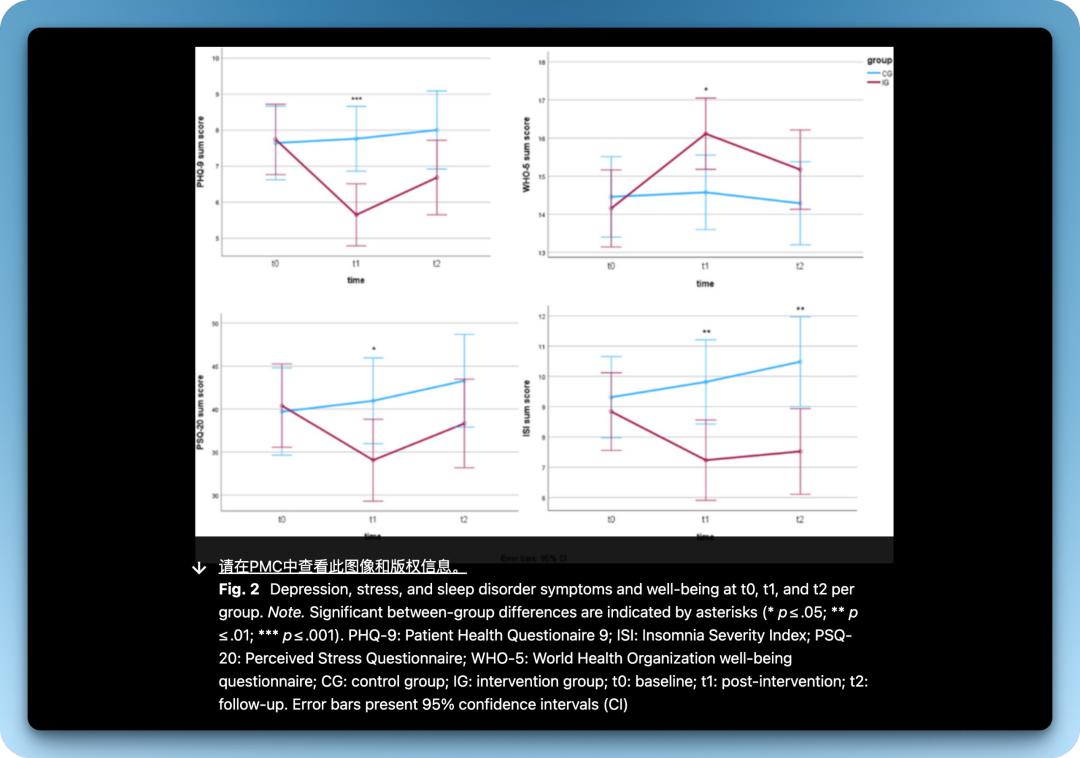
Why is this kind of restriction doomed to fail? In the 1960s, psychologist Jack Brehm proposed the "psychological reactance theory": When a person perceives that their freedom of choice is restricted by an external force, they will have a strong motivation to restore this freedom.
The stronger the restraint, the more attractive the prohibited behavior becomes. This explains why many "dumb phone" users eventually put that phone in a drawer and switched back to iPhones and Android phones.
The psychological premise on which digital detox products rely may itself be wrong.
Resist consumerism with consumption
Let's go back to the example of