Spent 3000 yuan on an AI cat litter box, but it turns out to be just a trash can?
These days, when I turned on the TV, I suddenly noticed that Tencent Video has added a Pet TV channel. It offers 24 - hour live - streaming of programs designed specifically for cats and dogs, with the core positioning of "alleviating pets' anxiety when left alone".
Long - time fans know that I have two Ragdoll cats at home.
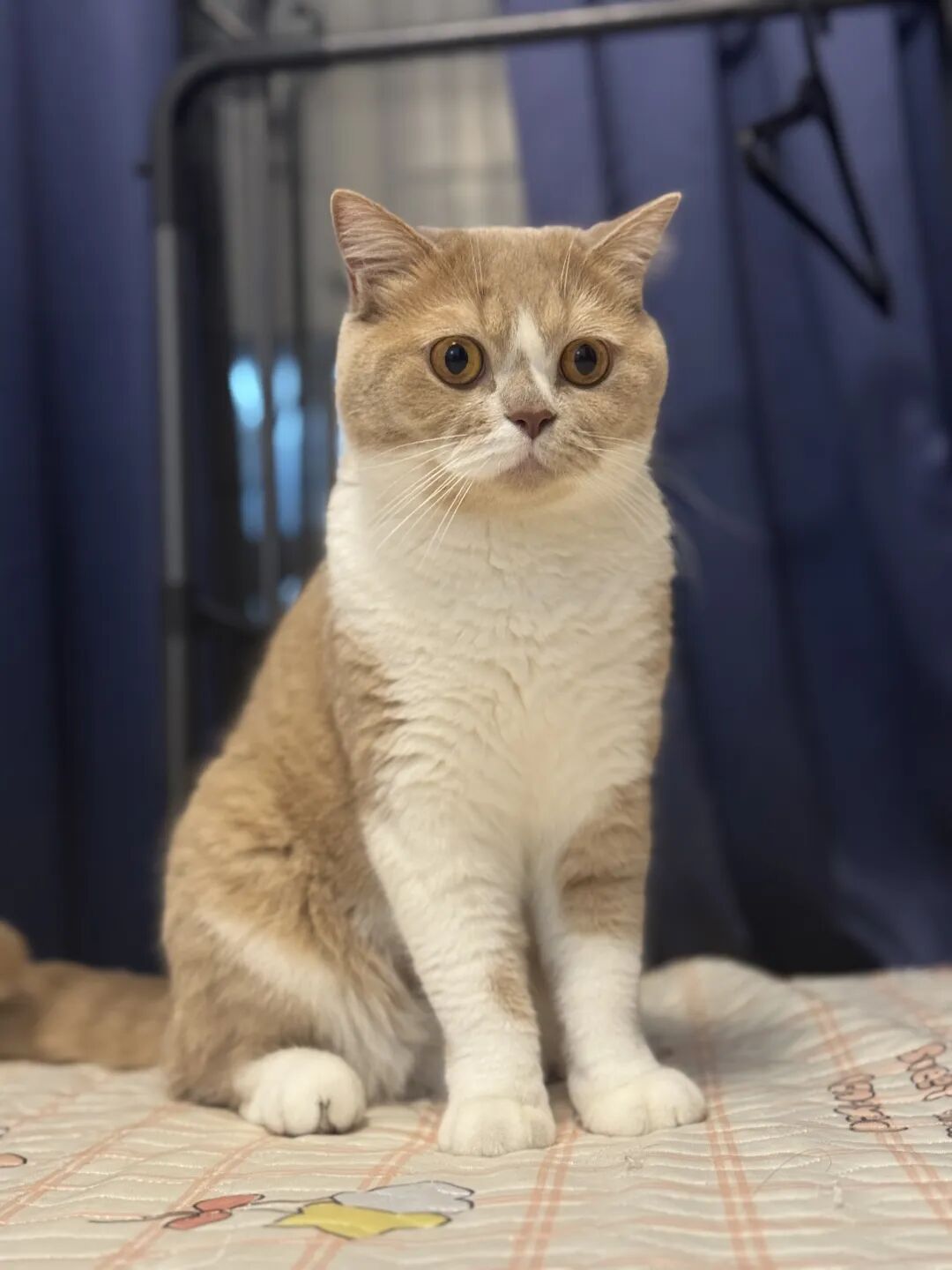
(Definitely not showing off my cats!)
These two little guys are extremely clingy and often seek petting and play. However, I'm very busy with work and don't spend much time at home. They often wait pitifully for me to come back.
So, I'm thinking that the next time I go on a business trip, I'll turn on this Pet TV channel to keep the cats entertained electronically. Maybe it can relieve their anxiety when left alone. Or perhaps, it can just ease my guilt of not being able to accompany them.
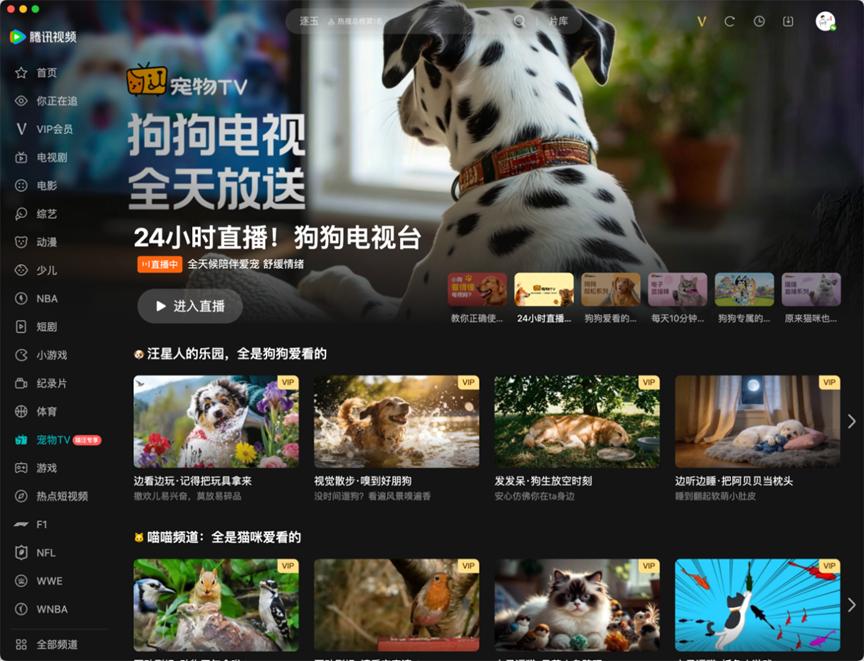
I have to say that Tencent Video's business of "making programs for cats and dogs but actually targeting pet owners" really hits the soft spot of many pet owners like me, which is the separation anxiety.
After all, pets can't operate the remote control. It's the pet owners who pay for the VIP.

Actually, it's not just Pet TV. Looking at the entire pet smart product market, automatic feeders that cost a few hundred yuan, AI - enabled cat litter boxes that cost over a thousand yuan, and smart collars that can "translate" dog language are all doing the same thing: trying to use technology to make up for the lack of companionship and relieve the owners' anxiety with data.
But the question is, is it really worth spending this money?
As a long - time pet owner who has also been scammed in the pet smart product consumption, I'll talk about which products in this multi - billion - dollar market are real game - changers and which are just overpriced junk.
01
Who is making big money quietly?
Before I go on a business trip, I always check the home camera, automatic feeder, and water dispenser. I believe many pet owners have similar experiences: when we're away from home, we're most worried about our furry friends.
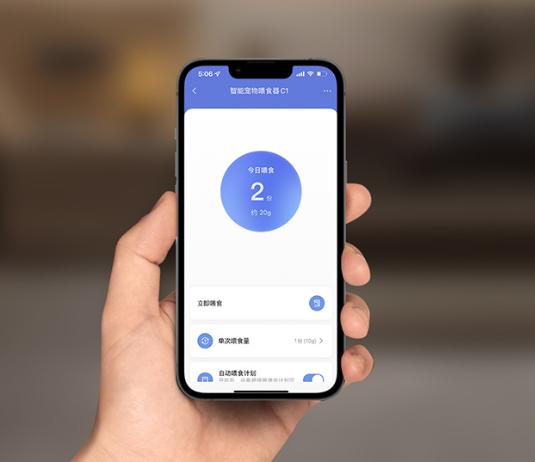
This is not being overly sentimental; it's a real pain point. Data shows that 38.4% of pet owners face the problem of "no one to take care of their pets when they're at work or on a business trip".
Young people are away from home for more than 10 hours a day, and the number of single - person households is approaching 200 million. Pets have become an emotional support, but the time for companionship is severely insufficient.
This structural contradiction is the underlying logic for the rise of pet smart hardware, which is seen as a gold mine by businesses.
In 2026, the global pet technology market reached $32.1 billion, nearly a 40% increase from two years ago. The growth rate of smart pet products in China exceeded 200%, and the penetration rate in first - tier cities exceeded 35%. One in every five pet - owning households is using automatic feeders, smart cat litter boxes, or AI collars.
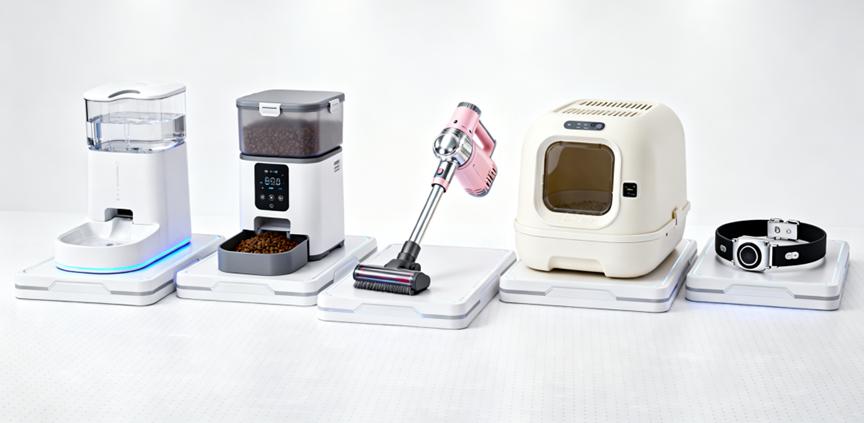
The huge market has attracted various players who are making big money quietly. However, their ways of making money are different. When you pay, you don't even know which business model you're supporting.
The first type is the overseas - oriented players who do "subtraction".
This type of players did something counter - intuitive by cutting the functions in half.
While domestic brands are still competing in AI health monitoring, multi - cat recognition, and emotion analysis, a company in Guangdong called PetPivot made a smart cat litter box. They removed the APP, remote control, and all the fancy functions, only keeping the automatic cleaning and anti - pinch features. It's priced at $199, which is half of the industry average.
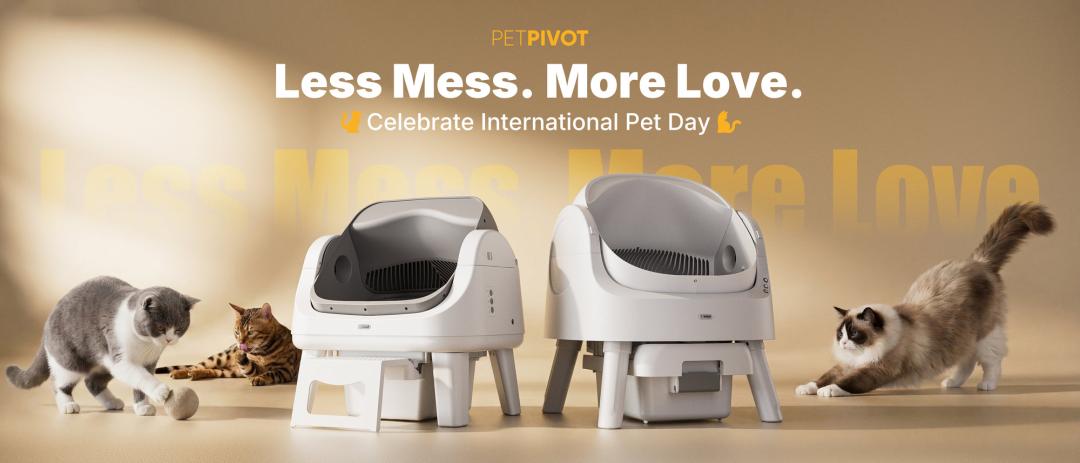
What's the result? They sold 200 million yuan worth of products in a year and topped the pet category on TikTok Shop in the US.
Their logic is simple: American users don't need AI to tell them that "the cat is anxious". They just need an automatic cat litter box that won't trap the cat, doesn't require daily scooping, and is reasonably priced.
They make money not from the smart premium but from providing a cost - effective alternative for essential needs. This kind of money is stable and in large volume.
The second type is the platform - oriented players who build an ecological closed - loop.
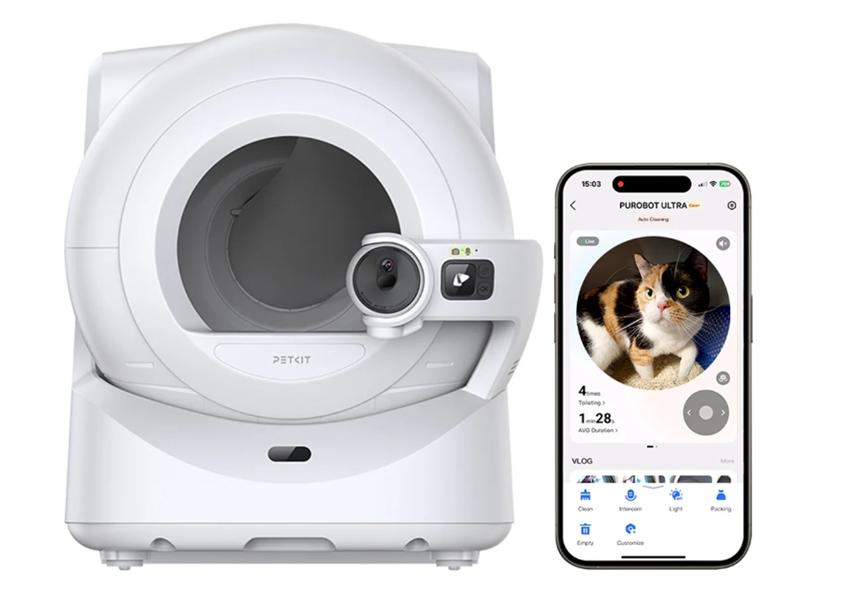
Most pet owners know PETKIT. They started with smart hardware and now have an annual sales volume of over 1 billion yuan.
How did they achieve this? It's not just about selling cat litter boxes and feeders. They use the hardware as an entry point. If you buy my cat litter box, you have to buy my special cat litter; if you buy my feeder, you have to keep buying my filters and desiccants.
This "hardware + consumables" model is the same as the printer - cartridge model. The money from selling hardware is just a one - time deal, while the consumables are the real money - makers.
The third type is the concept - oriented players who focus on AI valuation.
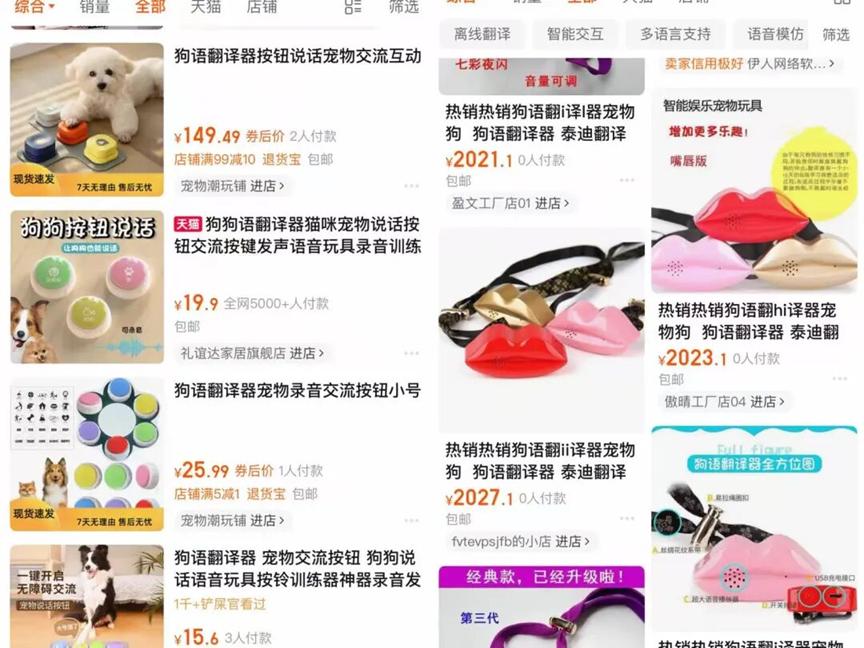
The stall owners in Huaqiangbei understand this trick very well. A smart collar with a factory price of just a few dozen yuan can be sold for hundreds or even thousands of yuan after being labeled with "AI".
Actually, the so - called "AI health report" is just a text randomly generated based on a few indicators like heart rate and steps, such as "Your dog's activity level is normal today. Keep it up!", which can be written with a simple if - else statement.

But there are still people willing to pay. Traini's AI collar raised $7.5 million in financing, with investments from a vice - president of NVIDIA and a co - founder of Xiaomi.
Capital doesn't need you to really "translate" dog language. It just needs you to tell a story about "being able to translate dog language". As for whether the story can be realized? That's a problem for the next round of financing.
02
Game - changer or useless gadget?
There's no denying that some smart devices do solve practical problems.
The smart feeder is my peace of mind when I'm on a business trip. It can dispense food at fixed times and quantities, and I can add extra food remotely. I don't have to worry about my cats going hungry anymore.
For pets that need strict control of food intake, it's a must - have.
A friend of mine who has a Shih Tzu. The dog has diabetes, and it's thanks to the smart feeder's precise food control and insulin injection that the dog's condition has been stabilized.
A smart water dispenser is also necessary. Cat owners know that circulating water can better attract cats that don't like to drink water. Since I switched to a water dispenser with flowing water, my male cat's water intake has increased significantly. This is very important for its health as it greatly reduces the risk of urinary system diseases.
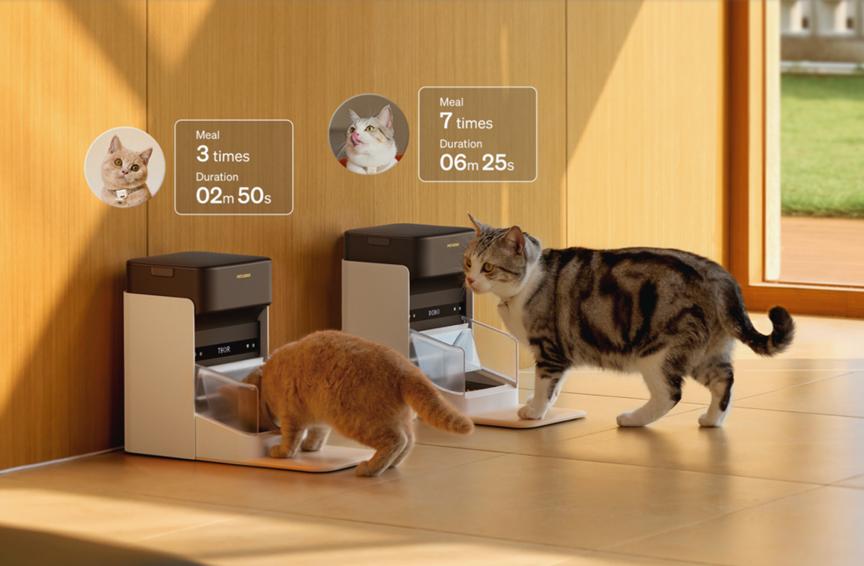
The smart monitor is a great tool to relieve "separation anxiety". When the owner is not at home, they can check the pet's status at any time and interact with the pet via voice. I haven't used it, but I found that it's selling like hotcakes on Taobao, and there are thousands of notes about "pet monitors" on Xiaohongshu.
I think what it's selling is not just the camera, but the need to "take a look at the pet at any time". Even if you know that your pet is probably just sitting there or sleeping, taking a look makes you feel at ease. This psychological need is more essential than any AI health monitoring.
These are real needs, and those who use them know their value. However, the problem is that there are only a few useful products. To make you spend more money, businesses start to come up with gimmicks.
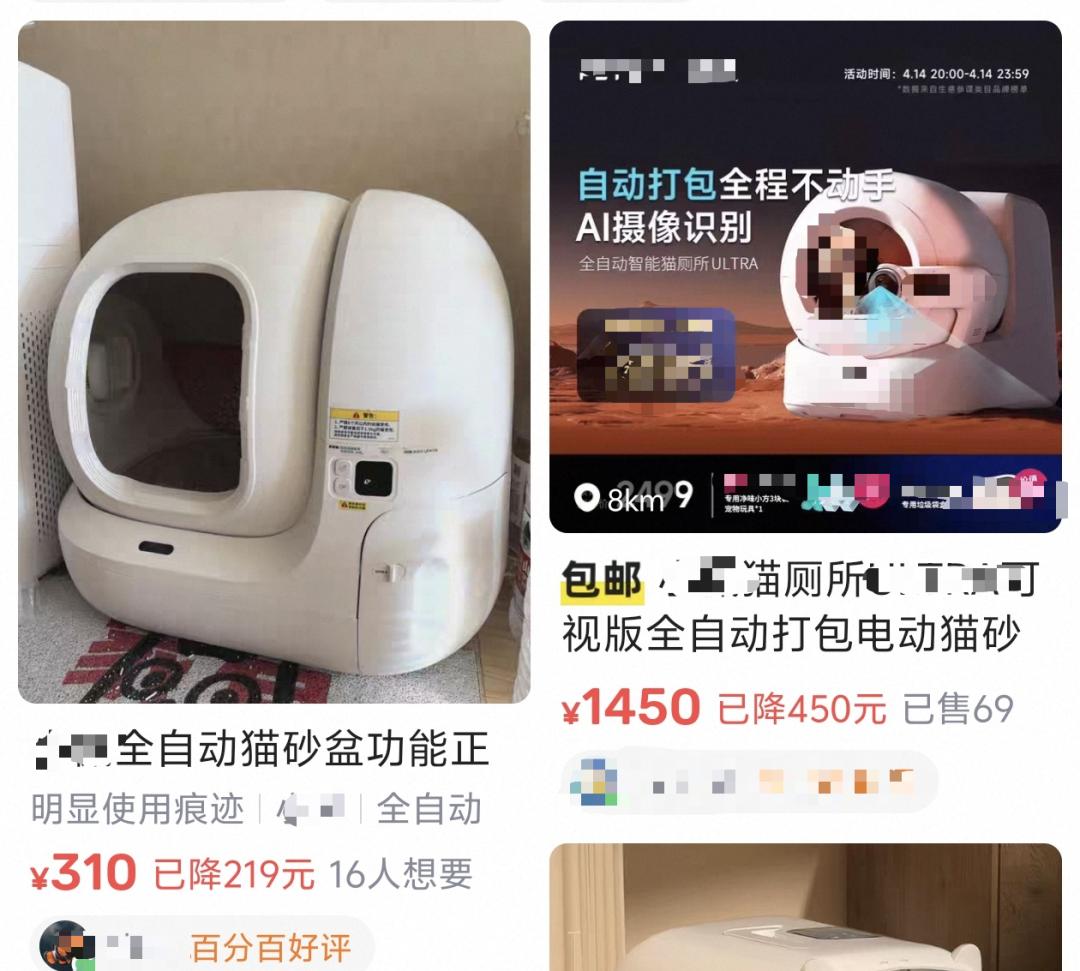
First of all, there is a flood of "pseudo - smart" products. Someone spent 3000 yuan on an "AI cat litter box" that claims to be able to detect the cat's health. The camera takes pictures of the cat litter's color, and the AI analyzes the pH value. It will automatically send a notification if there is an abnormality.
What's the result? It shows "a cat has entered" even when the box is empty. The health report always says "everything is normal". Even when the cat has loose stools, which is obvious to the naked eye, the system still says "everything is normal".
In the end, what did that 3000 - yuan purchase get? Just an ordinary cat litter box with a camera. No one wants to buy it even at a 20% discount when reselling.
What's even more fatal is the safety issue. As reported by the 3·15 program, someone spent 4300 yuan on a high - end robot vacuum cleaner because of the "AI pet obstacle avoidance" claim. But the machine didn't recognize the cat's tail and rolled it into the brush, dragging the cat for 10 minutes, and the cat was seriously injured.
The brand's response was that they can't achieve 100% recognition.
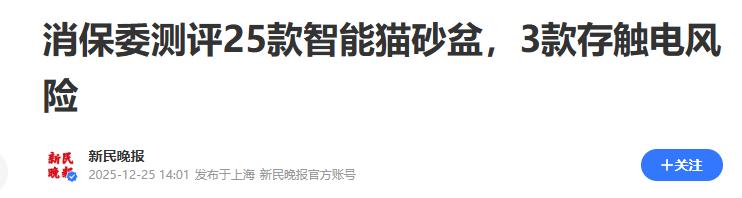
There are also news about smart cat litter boxes trapping cats to death, smart water dispensers leaking electricity, and automatic feeders jamming food... The Shanghai Consumer Protection Commission tested 25 smart cat litter boxes and simulated the "cat - trapping" scenario. Only 7 of them could stop in time. What if the others really trap a cat?
You want to save yourself some trouble, but you almost put your pet in danger.
Interestingly, most of the products that have problems are "smart" products with a lot of functions and high prices. On the contrary, players like PetPivot, which cut the functions to the bare minimum and focus on cost - effectiveness, rarely have safety issues.
Because the fewer the functions, the fewer the parts that can break down. Product - makers understand this principle, but they just don't want to admit it.
03
AI dreams: who is paying the bill?
More hidden than the safety issue is the price chaos.
If you search for "smart cat litter boxes" on Taobao, you'll find a magical phenomenon: the cheapest ones cost less than 200 yuan, while the most expensive ones can reach over 5000 yuan. The price difference is nearly 30 times.
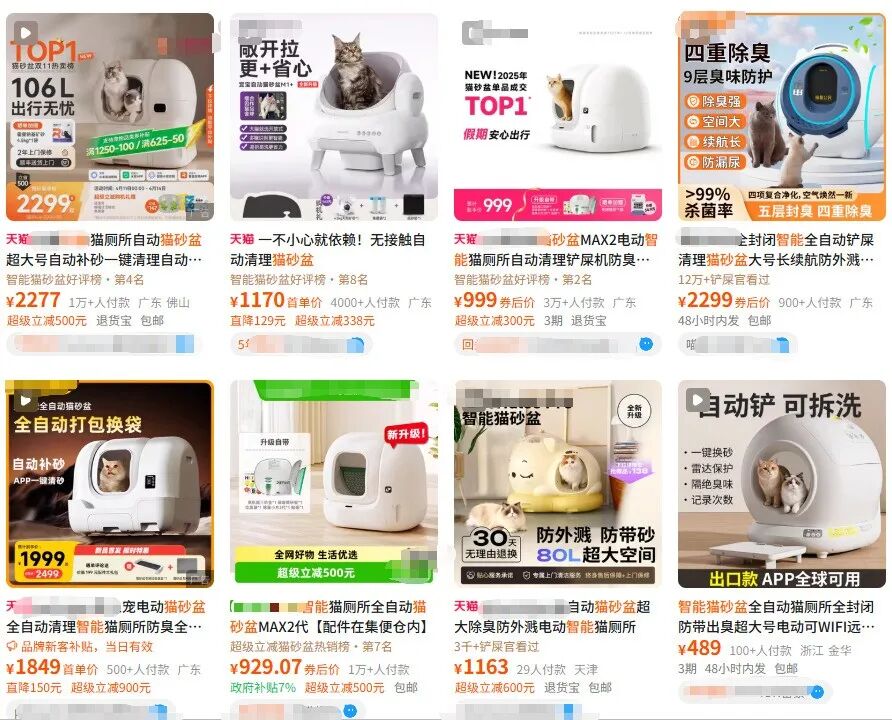
But the function descriptions seem similar: smart, automatic scooping, deodorizing, and APP control.
So, why is there such a big price difference? Let me break it down for you.
Those priced between 200 - 500 yuan usually have a single - bin design and a simple