Discontinuing the extra-large version: Is it because they "can't afford to make it" or because the story can no longer be told?
Recently, a well - known leaker claimed that multiple brands will suspend the launch of ultra - large flagship models, and some imaging elements of the Ultra version will be carried by the "Pro Max" models.

The main reason given by this leaker is that due to the continuous sky - rocketing cost of core components such as memory, the price of traditional Ultra models may exceed 10,000 yuan. So, manufacturers are worried about sales and have actively chosen to "downgrade" them.
But isn't it an Ultra? Why can't it be expensive?
According to the understanding of many friends, the Ultra version usually means the top - level model of each brand or at least each product line.
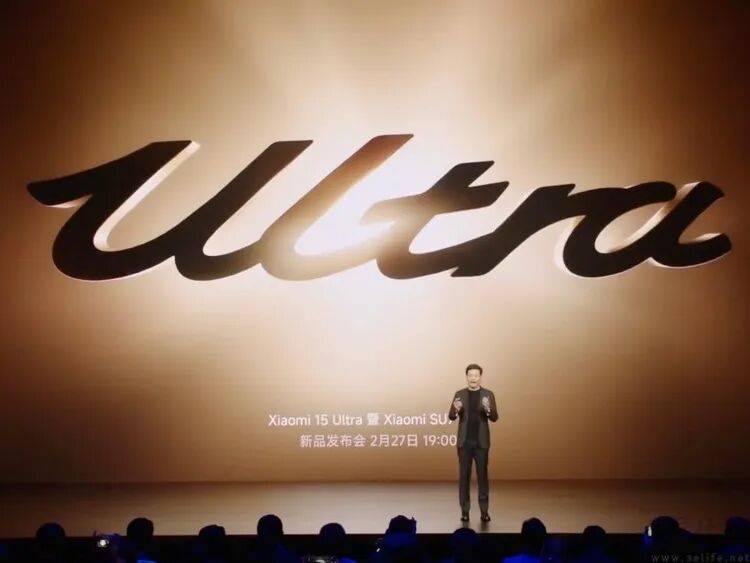
In the Android camp, "Ultra" is more commonly defined as the "extreme spec - loaded version" above the Pro version. Even in many cases, the "standard version" and the "Pro version" may adopt similar designs and configurations, while the "Ultra" will have independent appearance and functional features, often serving as evidence of the manufacturer's "showcasing technology".
Then, a very natural question arises. Since it is already the most high - end model with a touch of technology - showing in a brand or a series, why is it afraid to be sold at a high price? You know, the "flagship" often also represents the upper limit of the brand's "high - end" price. Isn't it a bit contradictory to deliberately care about "cost - performance" in such models?
Is the mobile phone market not accepting high - priced phones? Obviously not.
So, is the mobile phone industry not accepting top - level flagships priced at 10,000 yuan? Obviously not.
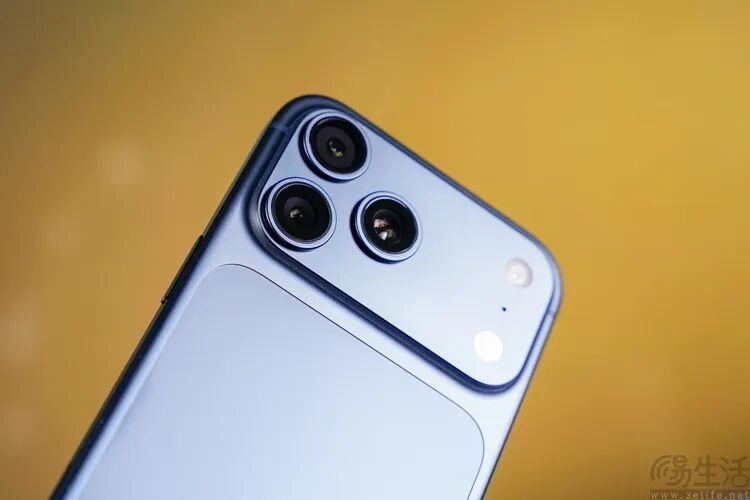
The most typical example is Apple's iPhone. Relevant data shows that as of the 12th week of 2026, the cumulative shipments of the iPhone 17 series reached 25.9822 million units, among which the Pro Max version with a starting price of 9,999 yuan accounted for the main share, supporting Apple's absolute advantage in the high - end market.
Even in the Android camp, the Samsung Galaxy S26 Ultra, which is also mainly in the 10,000 - yuan price range, has achieved stable shipments with its all - around configuration.
On a broader level, relevant data from Counterpoint shows that in the global market segment above 10,000 yuan in the first quarter of 2026, the share of Android models has risen from 8% last year to 27%.
This indicates that there is indeed market space for 10,000 - yuan flagships. The real problem may lie in those "Ultra" models that are rumored to be discontinued.
Does "Ultra" really represent "top - level"? Not necessarily.
Looking back at those "Ultra" models rumored to be discontinued, we will find that they don't all represent the "top - level strength" of their respective brands.
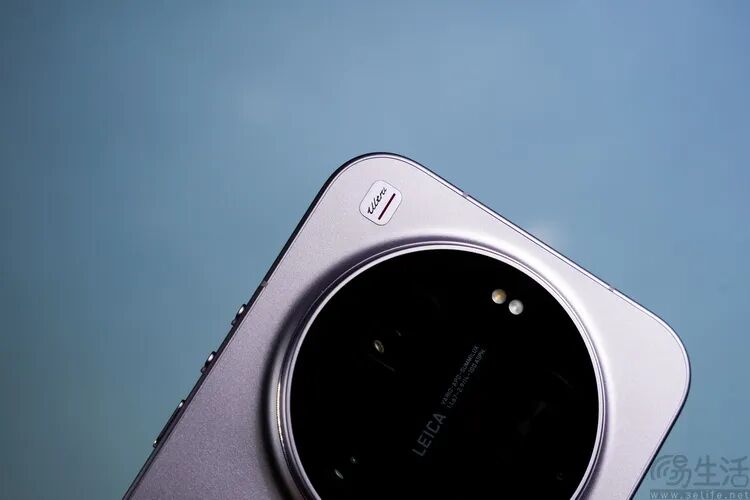
From the history of the mobile phone industry, the earliest products that made the "Ultra" name famous, such as the Samsung Galaxy S20 Ultra in 2020 and the Xiaomi 10 Ultra (i.e., the Xiaomi 10 Premium Edition in the domestic market), did represent the strongest configurations that the relevant brands could offer at that time.
However, as the "Ultra" name was accepted by consumers, some "sly - minded" brands began to "abuse" it.
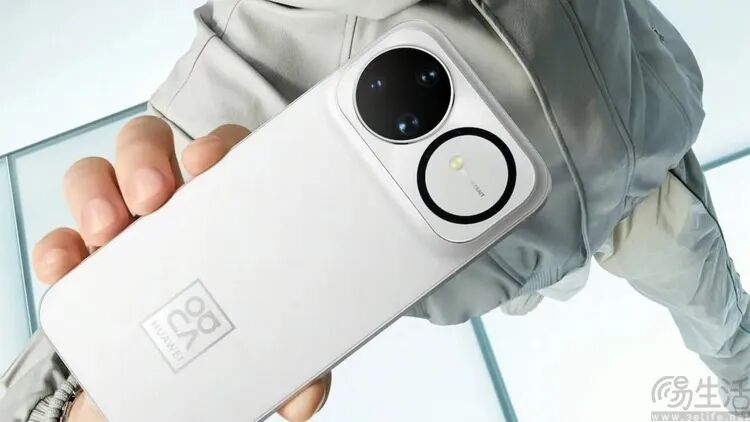
For example, Honor's digital series and Huawei's Nova series have both launched "Ultra" models. However, these products do not represent the strongest technological capabilities of the corresponding brands. Naturally, these "mid - range Ultra" models are difficult to support their higher prices (compared to competitors in the same period) in terms of configuration.
Even in the overseas market, there are examples like the Realme P3 Ultra, a mid - range model that uses the "Ultra" name in a somewhat "ridiculous" way.
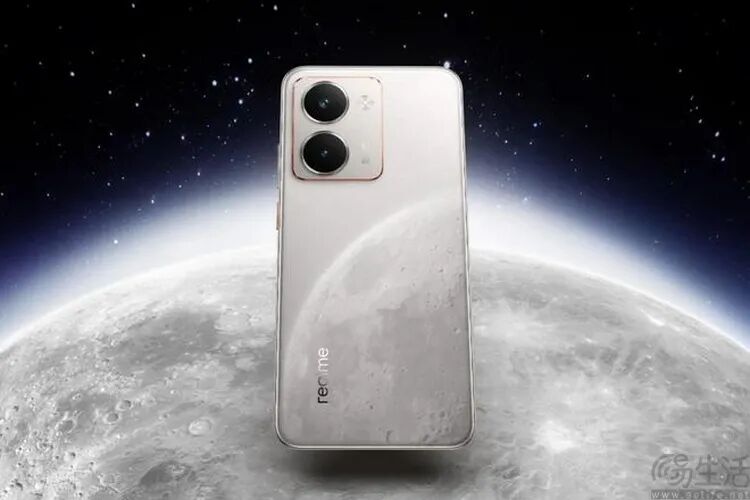
Moreover, even if we don't consider these few special "Ultra" models, in the traditional high - end market, not all "Ultra" models are high - end enough to meet consumers' expectations for their product capabilities.
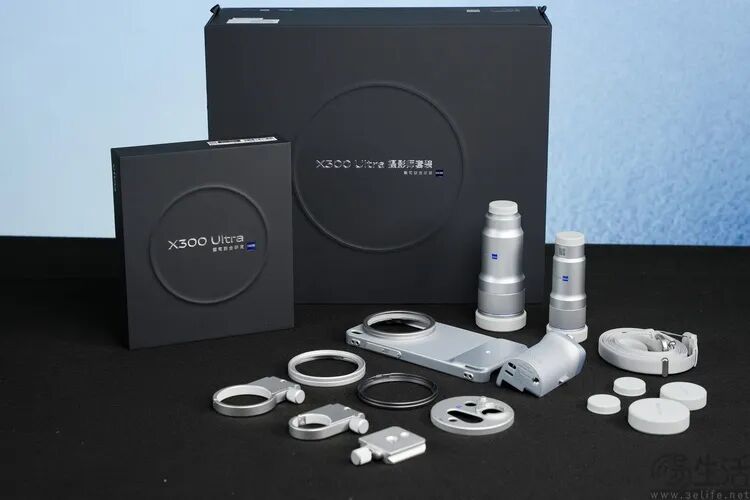
For example, the vivo X300 Ultra, which was recently released, can be regarded as a benchmark for "imaging flagships" in terms of professionalism and productivity. It has a top - level computing power configuration, the industry's first dual 200 - million - pixel large - sensor, a complete set of imaging ecological accessories, and even a cage designed specifically for serious shooting scenarios.
In contrast, it's not hard to find that most of the so - called "Ultra" models, which seem to be under the "Ultra" banner, actually have a less "serious" product positioning and are not really focused on professionalism and productivity.
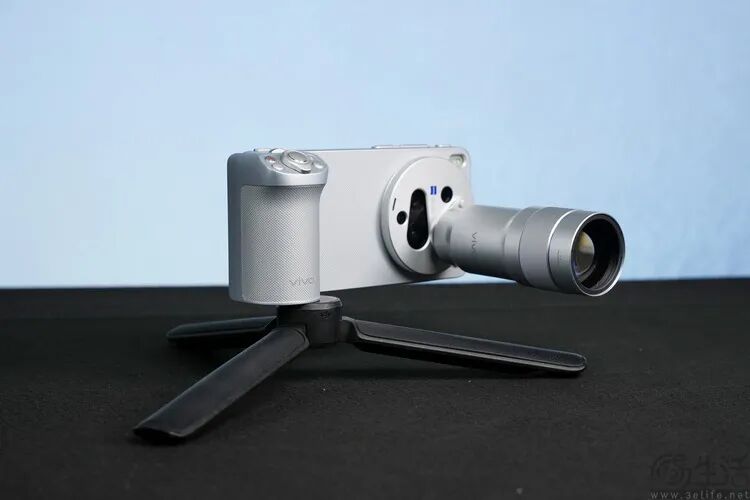
Not all "Ultra" models are like the vivo X300 Ultra, which is purely for professional use.
In this way, it shows that the product image of most Ultra models is more like an artificial halo to make ordinary consumers feel that it's "worth it". Although their core configurations seem high - end, they are more of a stack of hardware parameters rather than in - depth optimization for professional needs. In essence, they are still flagship models for ordinary consumers, but they are forcibly labeled as "professional".
Real flagships are worth the high price, and it's reasonable to abandon "pseudo - Ultra" models.
A recent report from Counterpoint Research shows that the supply gap in the current memory market will not be substantially resolved until at least the second half of 2027, which means that cost pressure will long trouble the mobile phone industry.
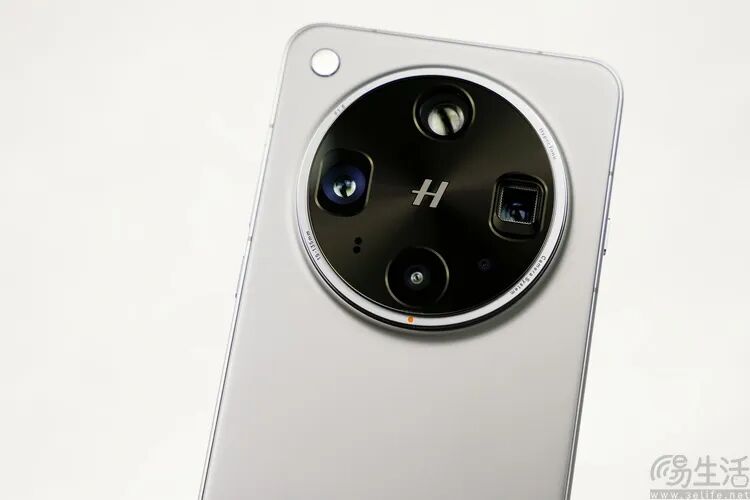
In this context, for those truly top - level and professional "Ultra" models, there's no need to panic. After all, the value of real "productivity tools" far exceeds their price. Even if they are sold at the 10,000 - yuan level, for creators who need them, these lightweight and user - friendly top - level flagship models are still considered "affordable".
However, for "pseudo - Ultra" models that don't meet the "professional - grade" product capabilities and only use the "Ultra" banner and the "flagship" and "professional" halos to attract ordinary consumers, the situation is quite different. After all, their real consumer group consists of young people and tech enthusiasts who care about "hardware cost - performance".
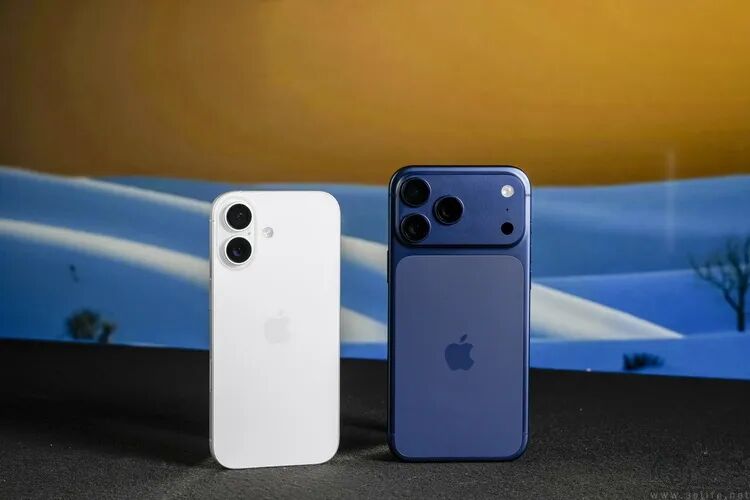
It is said that there will be many "Max" and "Pro Max" models this year.
In this case, actively discontinuing the "Ultra" models and replacing them with "Pro Max" models that also have large screens but are more focused on youthfulness, entertainment, and gaming experiences in promotion, and using this as an opportunity to reduce the product price, naturally becomes a reasonable way out.
Of course, there is a price to pay for this. After all, it's a bit of a "face - losing" move and is equivalent to admitting that the relevant products cannot truly represent the "top - level" technological level. However, it's obvious that manufacturers' calculations are practical. Compared with short - term "face - saving issues", increasing shipments and potential profit margins are the "necessary operations" in this special period. Anyway, the Internet has a short memory. Who will remember this embarrassment in the future?
This article is from the WeChat official account "3eLife" (ID: IT - 3eLife), author: 3eLife Jun. It is published by 36Kr with authorization.