Anthropic takes action, and a batch of Agent startup companies die.
Early in the morning, Anthropic dropped a truly significant tool update: Claude Managed Agents, claiming that production-level agents will be available in just a few days. This major update has sent shockwaves through Wall Street: Are traditional SaaS companies in trouble?
Late at night, investors on Wall Street lost sleep once again.
Just recently, Anthropic quietly launched a tool that could reshape the entire AI Agent landscape — Claude Managed Agents.
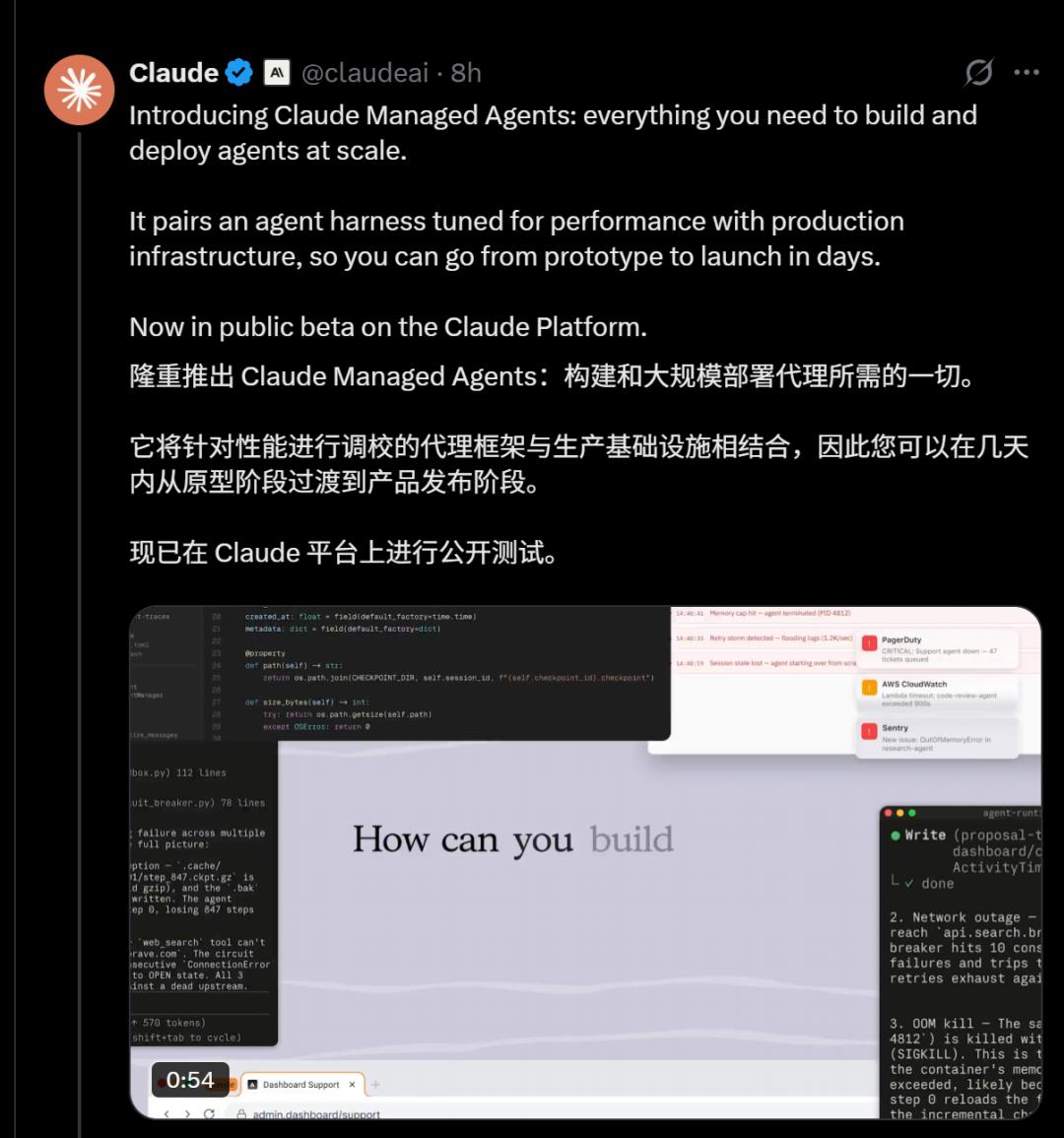
As soon as the news broke, engineers across the internet were excited, but the hearts of countless SaaS founders and venture capitalists sank.
This time, Anthropic didn't just release a feature; it almost took away the livelihoods of traditional software companies. Fear has once again enveloped Wall Street: The thing traditional SaaS companies fear the most has arrived!
This time, they packaged an entire set of "production-level AI agent infrastructure" into a product.
From now on, you no longer need to build the underlying infrastructure for AI agents yourself — just tell Anthropic what you want the agent to do, and it will run on the cloud for you.
Products built by early customers
Anthropic announced that its ARR has exceeded $30 billion in just four months.
It can be said that this is the harshest verdict Wall Street has delivered on the traditional SaaS software model.
Tech giants like Notion, Asana, and Sentry have started to defect and integrate Claude's "managed brain," while startups writing the underlying logic for agents will be shut down overnight!
The nightmare arrives: Launch in a few days, completely crushing "AI startups"
In the AI circle, there is a well-recognized challenge: There is a huge gap between a demo and a production-level application.
In the past, how long did it take for a company to deploy a functional AI agent? The answer is several months.
In the past year, hundreds of thousands of engineers around the world have been doing the same thing: reinventing the wheel.
To make AI do something practical, engineers had to work day and night to build sandboxes to prevent AI from crashing the system; to make AI remember yesterday's tasks, they had to build their own vector databases and state management systems; to make AI automatically fix bugs, they had to worry about permission control and authentication.
The reason countless AI startups have survived is that they possess the ability to "reinvent the wheel" and make money by helping large companies build this complex infrastructure.
However, the emergence of Claude Managed Agents has torn off this fig leaf!
It provides a "production-level, fully managed, out-of-the-box" agent infrastructure with an extremely appealing slogan: Launch a production-level agent in a few days.
From now on, you no longer need to worry about infrastructure, computing power scheduling, or memory systems.
This time, Anthropic has taken "out-of-the-box" to the extreme.
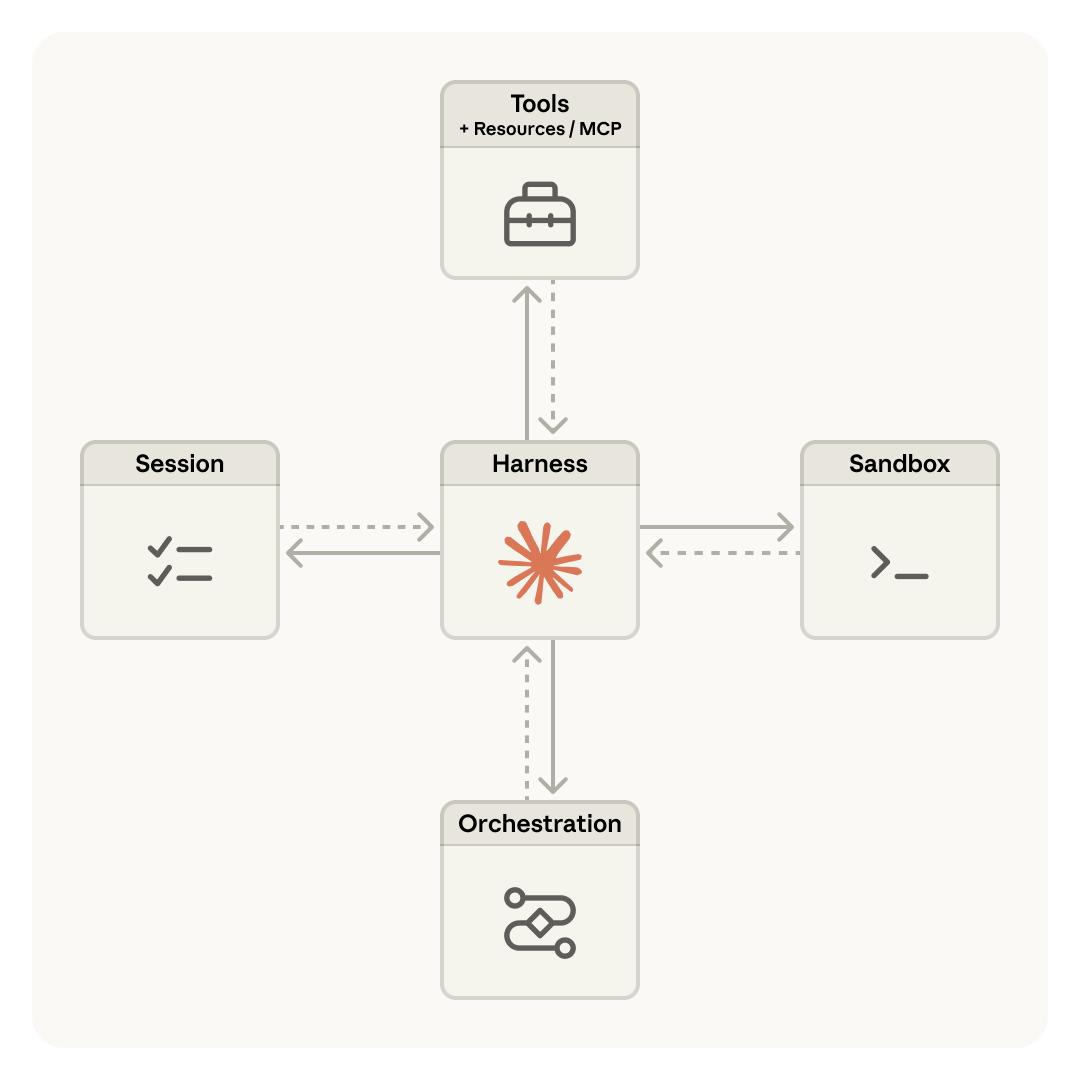
Agent shell: It comes with a pre-installed brain and nervous system.
Memory system: Allows AI to operate autonomously for hours. Even if the network is disconnected, it can resume work when the connection is restored.
Security sandbox: AI can operate freely inside, and no viruses can escape.
Claude Code can only run locally and stops working when the computer is turned off. But Managed Agents is a "digital employee" running on Anthropic's cloud, capable of 24/7 autonomous operation and self-retrying when an error occurs.
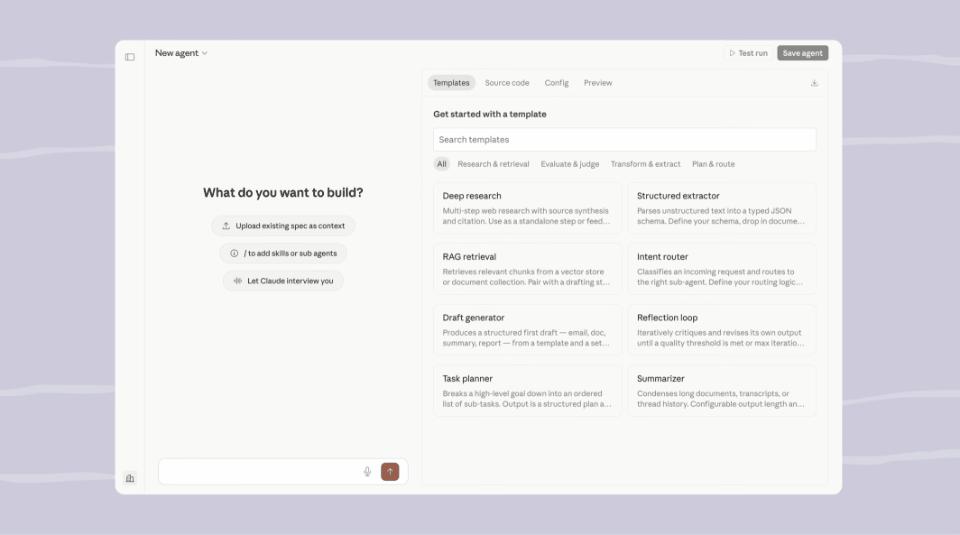
What used to take a team three months to complete can now be launched in a few days by a single developer with an API interface.
For AI startups struggling to sell their "infrastructure," this is a devastating blow.
A founder wailed on Reddit: "We haven't even started making money, and the race has been ended by Claude!"
Dissecting the black technology of Managed Agents: Complete separation of the brain and hands
Anthropic revealed a highly forward-looking architecture in its technical blog: Decoupling the brain from the hands.
As an experienced programmer, you must understand its elegance.
First, the brain is responsible for thinking and decision-making. Anthropic will even automatically adjust the scheduling framework (Harness) based on model iterations (e.g., from Sonnet 4.5 to Opus 4.5). We no longer need to modify the code to adapt to new models.
The "hands" of this architecture are the sandbox and tools. The sandbox is only activated on-demand when the AI actually needs to run code. This has increased the response speed by over 90%.
Memory is an independent conversation log. Even if the AI "dies" or the network fails, the memory remains intact.
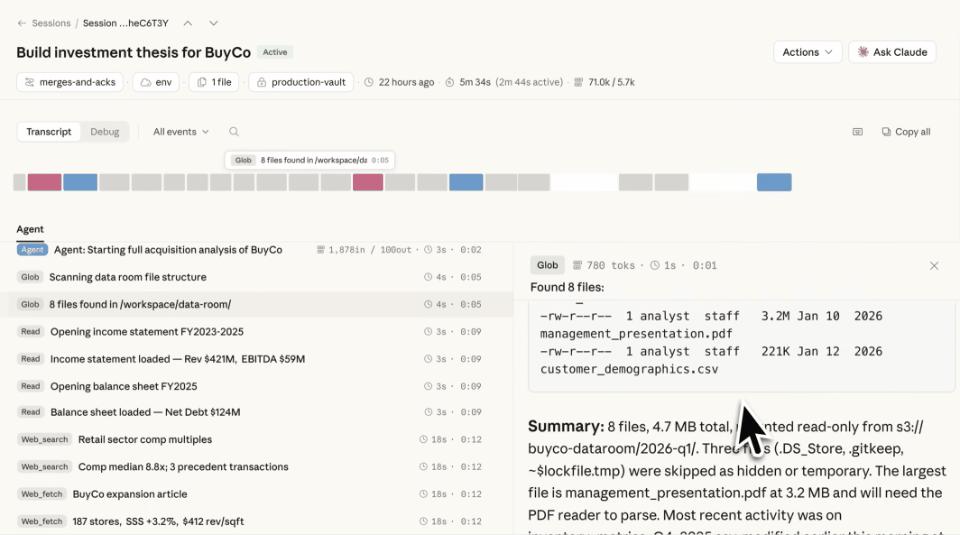
The most terrifying aspect of this architecture is its "evolution speed."
Manufacturers know the weaknesses of their models best. They have encapsulated patches for model defects into Managed Agents. Therefore, the frameworks you build yourself will always lag behind.
The defection of giants, the graveyard of startups
Looking at the list of early adopters, startup CEOs can't help but break into a cold sweat.
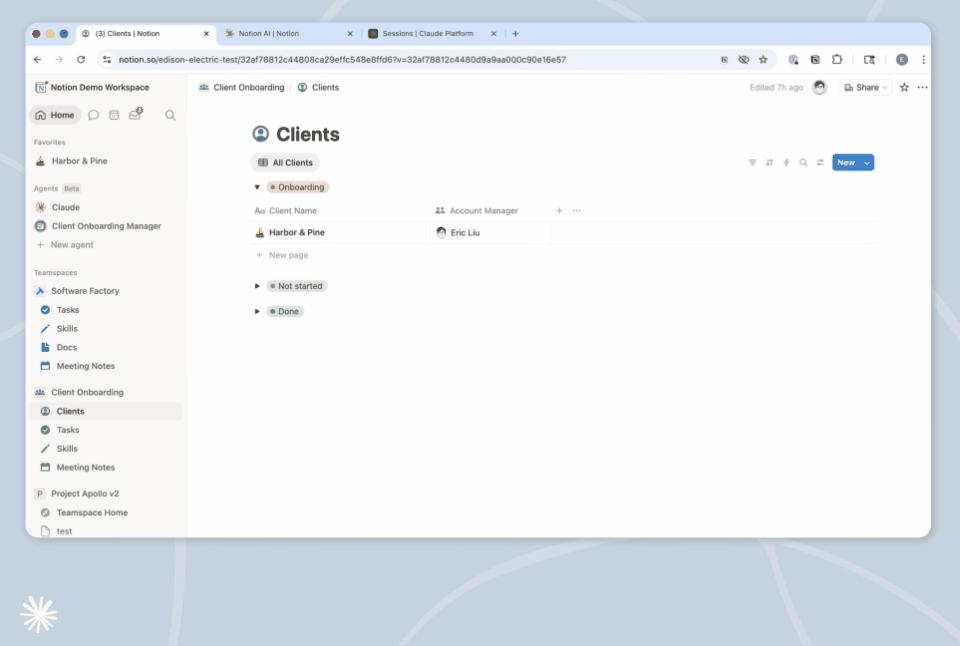
The first to integrate Claude Managed Agents into its workflow is Notion.
Previously, you used Notion to write documents. Now, you can directly assign tasks to Claude, and it can write code and create slides in the background for you.
In addition, Sentry, the world's largest error monitoring platform, can now directly fix bugs through Claude and submit a PR for you.
Even Rakuten can now deploy a specialized agent in a week, with a tireless agent in each field, including finance, marketing, and sales.
Startups that have raised tens of millions of dollars and claim to "reshape the AI workflow" are now embarrassed to find that their core competitive advantage has become just an API parameter for Anthropic.
Sequoia: Is SaaS coming to an end? Wall Street's fears are becoming a reality
The most terrifying thing is not just the collapse of AI startups, but the end of all traditional SaaS companies.
Claude Managed Agents has struck fear into the hearts of Wall Street because it is a nuclear weapon that can disrupt business models.
Sequoia Capital recently published a popular blog post, "Services are the new software," which has gone viral on social media.
There is a shocking graph in it: The service market worth over $1 trillion is being disrupted by AI agents!
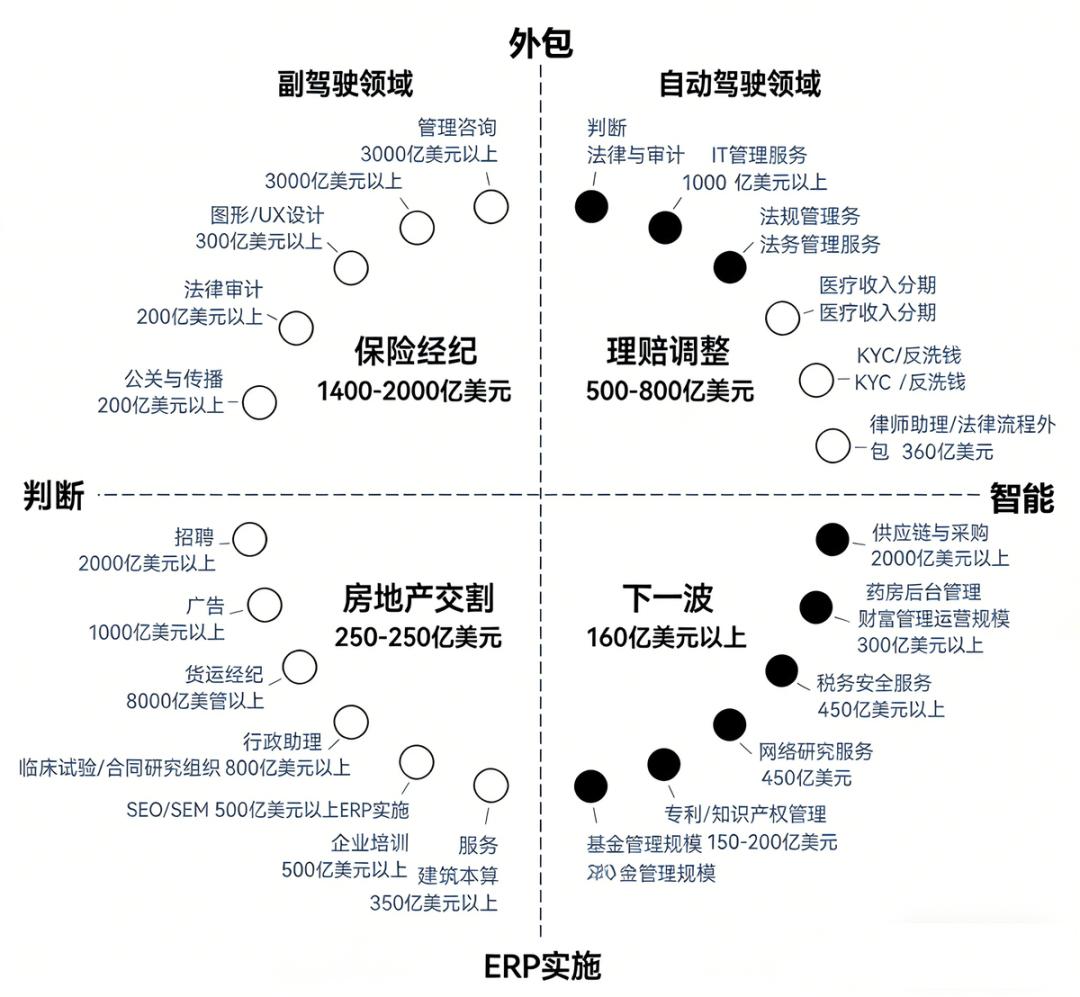
Source: X user "AI Will"
What is the business model of traditional SaaS companies? It is to sell software licenses. For example, a company spends $10,000 a year to buy financial software and another $120,000 to hire an accountant to operate the software.
SaaS companies make money from the $10,000, while the $120,000 in labor costs was previously an area that software companies couldn't touch.
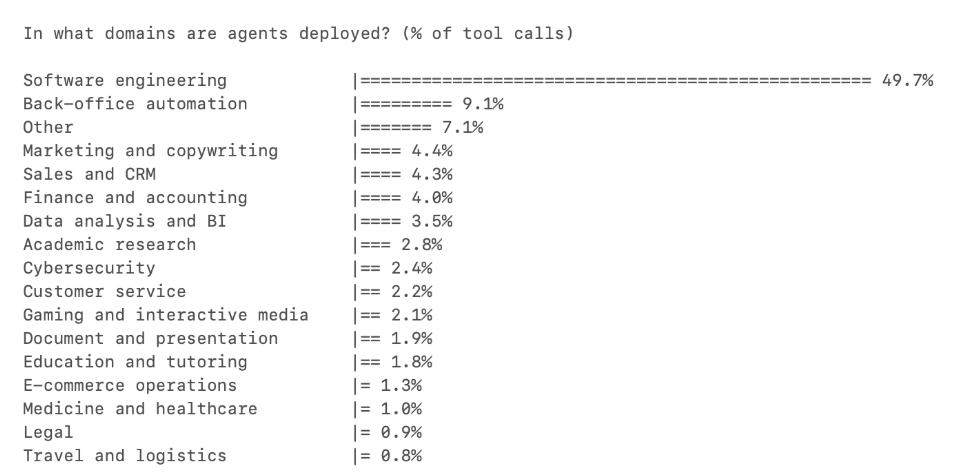
But now, Claude Managed Agents has filled this gap!
Traditional SaaS companies rely on complex user interfaces and user habits to retain customers.
Now, AI can bypass your interface and directly do the work at the underlying level. Users don't need to open your SaaS software; they just need to tell Claude.
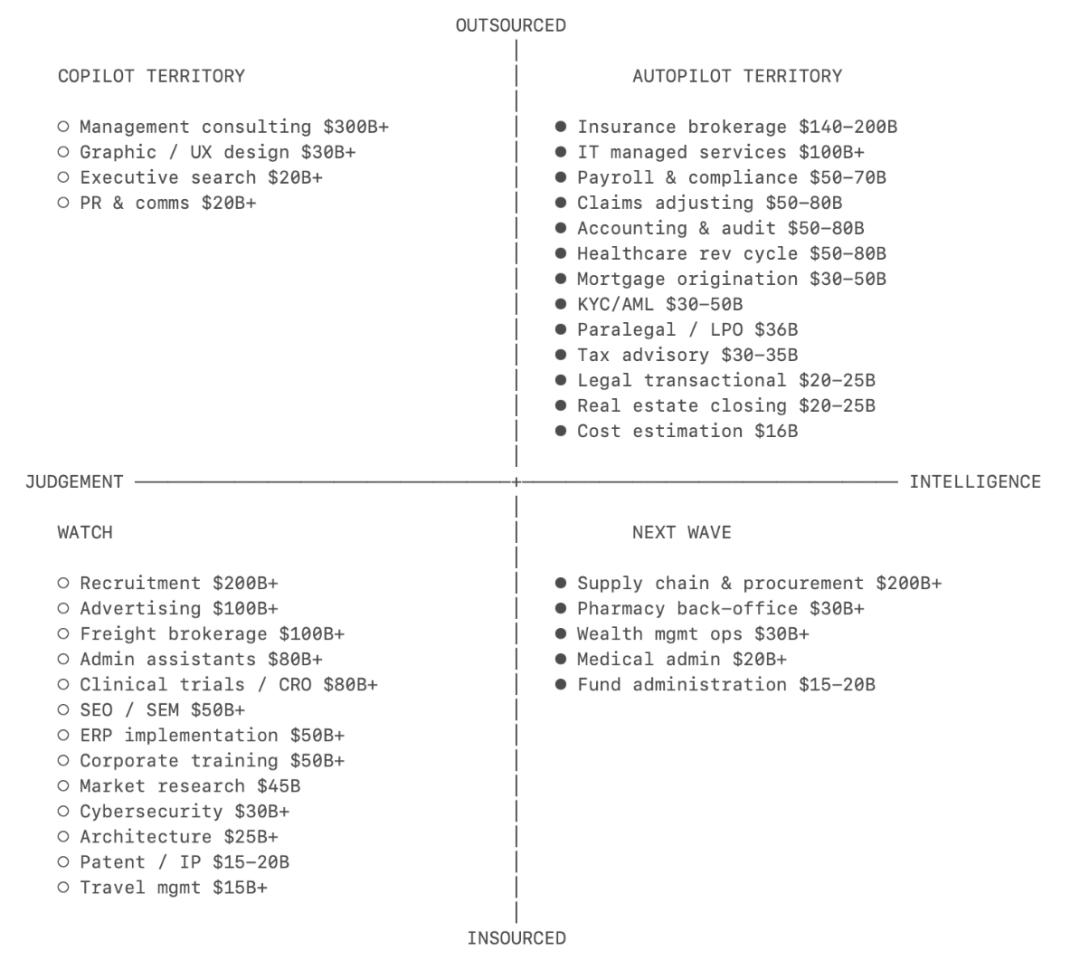
From now on, is there still a need for middle-layer SaaS software?
The end of the old world, the beginning of a new era
Anthropic's move has kicked open the door to a new era.
The era of SaaS is over, and the era of AaaS (Agent as a Service) has begun.
Anthropic's $30 billion ARR is just the beginning.
Wall Street's fears are not unfounded. A service market worth trillions of dollars is being reshaped.
As Claude agents run tirelessly 24/7 on the cloud, countless SaaS companies will be buried.
The rules of wealth distribution in this world have also changed.
Stop reinventing the wheel and seize the high ground!
Reference materials:
https://x.com/claudeai/status/2041927691268497548
https://x.com/FinanceYF5/status/2041790048715338223
This article is from the WeChat official account "New Intelligence Yuan," author: New Intelligence Yuan, published by 36Kr with permission.