How many people have been driven crazy by the increasingly stupid input method?
Have you noticed that these days, even input methods are becoming increasingly difficult to use.
It's not that they are completely useless, but rather subtly and deliberately difficult to use. It's as if they seem to know exactly what characters you want to type, yet they go against you intentionally.
The most common issue is that frequently used characters inexplicably disappear. For example, a character equivalent in frequency might be pushed to a less - prominent position. When you clearly want to type a particular word, the first option is actually an incorrect or less - relevant one.
Not only do frequently used characters not get priority, but the word parsing is also often incredibly wrong.
When you want to type a certain phrase, what pops up is a completely different and unrelated phrase. When a programmer wants to input a programming - related term, what comes out is something inappropriate.

When you want to type a certain word, the first option is a well - known brand name, which has led many people to think that there is some hidden agenda.
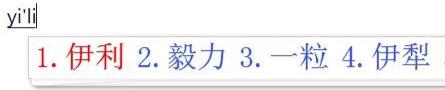
The associative ability for idioms and ancient poems has also declined sharply. When you type a sequence of letters that should represent a well - known idiom or poem, in the past, it could perfectly recognize it, but now, it comes up with something completely off.
When you want to input a certain line from a poem, it is recognized as something completely different and inappropriate?

Sometimes, you type a word and subconsciously press the confirmation key. When you look, you've made the wrong choice, and the character you want is in the second place.
So you type it again. This time, you're smarter and directly press 2. However, the input method anticipates your anticipation and moves the word you misselected last time to the second place, while the correct character goes back to the first place.
Do you think this is a problem unique to third - party Android input methods? Apple users may be getting ahead of themselves.
After the iOS 26 upgrade, many users reported a significant downgrade in Chinese Pinyin input and a major regression in the associative function. In the past, it could fully associate a whole sentence, but now, users can only input two or three characters at a time.
For example, when you input a sequence of Pinyin, you think the first option should be a certain phrase, right? Sorry, what it gives you is something completely different and meaningless. When you input another sequence of Pinyin, the first option is also something absurd.
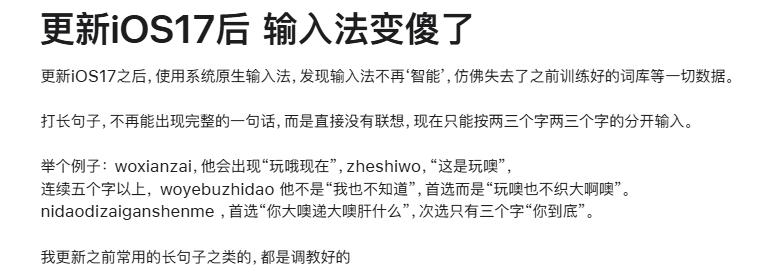
Some absurd and meaningless phrases here!!!
We've looked into it, and similar complaints about the "dumbing - down" of input methods have been around for a long time, like a well - known "ghost story" in the digital world.
These days, whenever something like this "reverse intelligence" happens, people are starting to habitually blame AI.
But in fact, AI can't take all the blame.
In January this year, Sogou specifically explained about AI. They said that the core of the input method is the understanding of Pinyin strings, words, and their usage. AI won't contaminate these aspects. The official even said that our input method hasn't become dumber at all.

According to the backend data, the typing accuracy has been slowly increasing year by year, which is different from what people feel.
Actually, the two sides have different definitions of accuracy. For input method engineers, as long as the target word appears in the top five of the candidate box, the input is considered successful. But for users, if the first word that comes out isn't what they want, the input method is useless.
If it's not AI's fault, then what's the reason?
The first reason is that the explosion of Internet corpora has led to severe data pollution.
How does the input method know what characters you want to type?
Simply put, there is a huge statistical language model behind it. Based on probability theory, it uses the previous text to predict the next most frequently occurring character or word.
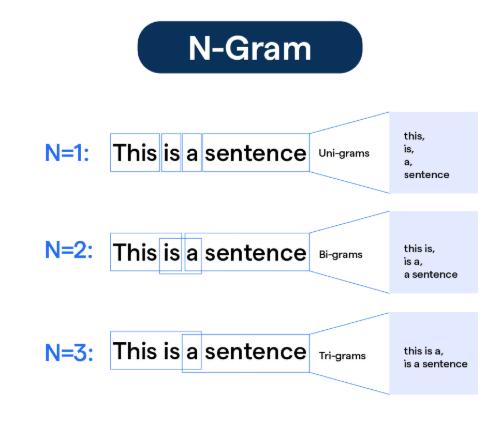
In the past, this system worked well because there were fewer Internet users in the early days, and the vocabulary was relatively concentrated. A general cloud - based word library (the corpora mainly came from news, publications, and standard web texts, with a very stable word frequency distribution) could meet the input needs of most people.
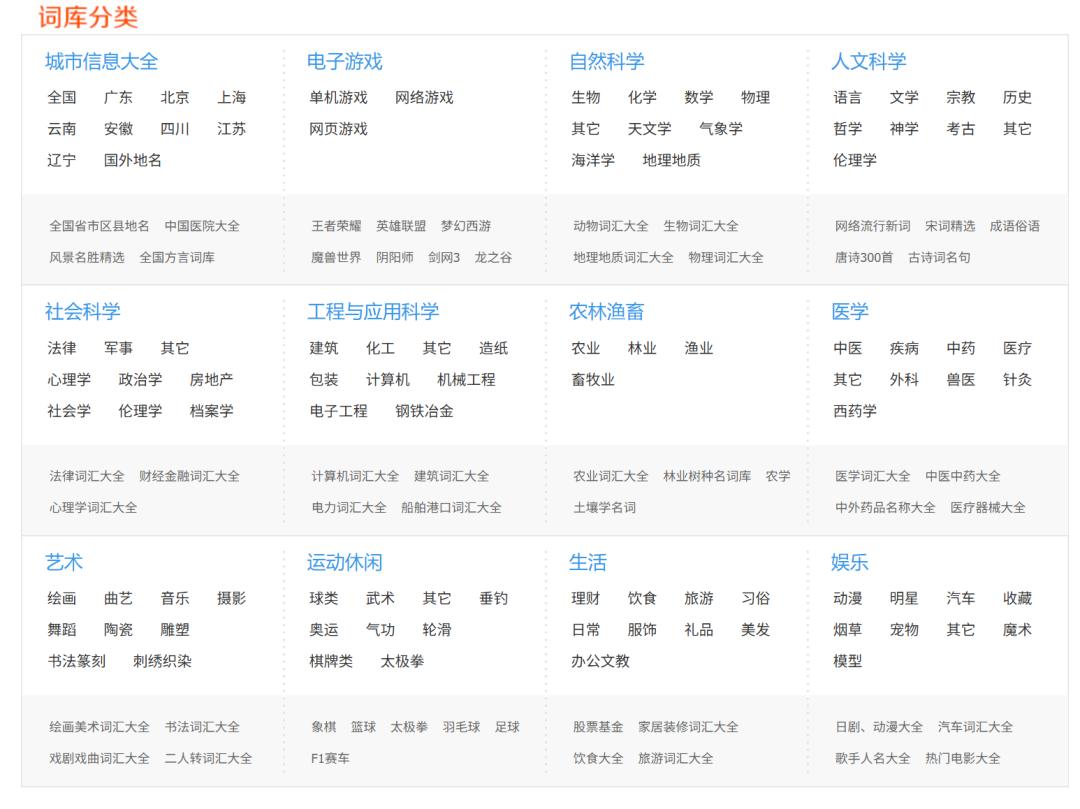
But now it's different. The e - sports circle, the second - dimension culture, the fan circle, short - video platforms, etc. are creating and discarding massive amounts of vocabulary at an exponential rate every day.
To meet the needs of these people, the input method's word library has to continuously expand the sources of corpora.
To cover these new words, manufacturers have to introduce a large number of spoken language corpora such as e - commerce search logs and short - video comment sections.
The data volume has increased, but the quality has declined.
Of course, the users themselves may be the ones causing more pollution. Many people aren't very strict when typing. A large number of misspelled words typed with half - baked Pinyin are sent without a second thought. For example, a common error might be made when typing a certain particle. Who hasn't been confused by the misspelled words of their parents?
For us humans, this might be easy to handle. We can figure it out by guessing based on the context and the chat partner.
But for the input method, after these texts with misspelled words enter the word library, it can't tell what's right and what's wrong.
Some people, due to strict platform reviews, deliberately use misspelled words to avoid suspicion (such as using an alternative form for a certain term), which further pollutes the input method's word library.
Ironically, the occurrence of these situations is not because the input method has become dumber, but rather the price it pays for becoming smarter.
In many posts complaining about input methods, some people always miss the era of feature phones. At that time, you could blindly type messages on a small phone and put it in your pocket. So many people think that was the real deal.
But to be honest, the reason people thought it was good at that time was precisely because the input method was too dumb. One key corresponded to three or four letters, the word library was fixed, and the associative function was almost non - existent.
In this way, the order of characters was always fixed. At a certain stage of typing, you could be sure which character would appear in which position.

After using it for a long time, your fingers would form muscle memory. Pressing the confirmation key a few times and scrolling down a few grids became automatic operations. Its usability was entirely due to people adapting to the tool.
Now the input method has become smarter. It actively learns from you, predicts you, and adapts to you. As a result, due to the constantly changing word frequency, the positions of candidate characters are also dynamic. A character that was the first option yesterday might not be today. Users simply don't have enough time to form muscle memory, which further deepens the impression that it's difficult to use.
Moreover, there is another reason that can't be ignored. In the past, when you changed your phone and logged in to your account, the word library would follow. Your input habits over the years would not be lost at all. Part of this was due to aggressive data collection and cloud synchronization.
But in recent years, the "Personal Information Protection Law" and the "Data Security Law" have been implemented successively. Input method manufacturers have been forced to comprehensively reduce data collection.

Cloud - based word library synchronization is not necessarily enabled by default. Users must actively bind their accounts and authorize it. Many people have to retrain the input method every time they change a device, so naturally, they think it's difficult to use.
Does this mean that the manufacturers are completely blameless? Not necessarily.
Because Sogou, iFlytek, and Baidu account for 96% of the market share of third - party mobile input methods, the entire market is like a stagnant pool.
If you look at the long - term update announcements of Sogou, iFlytek, and Baidu, they are basically just "fixing known bugs". The last substantial update of QQ Input Method on the PC side dates back several years.
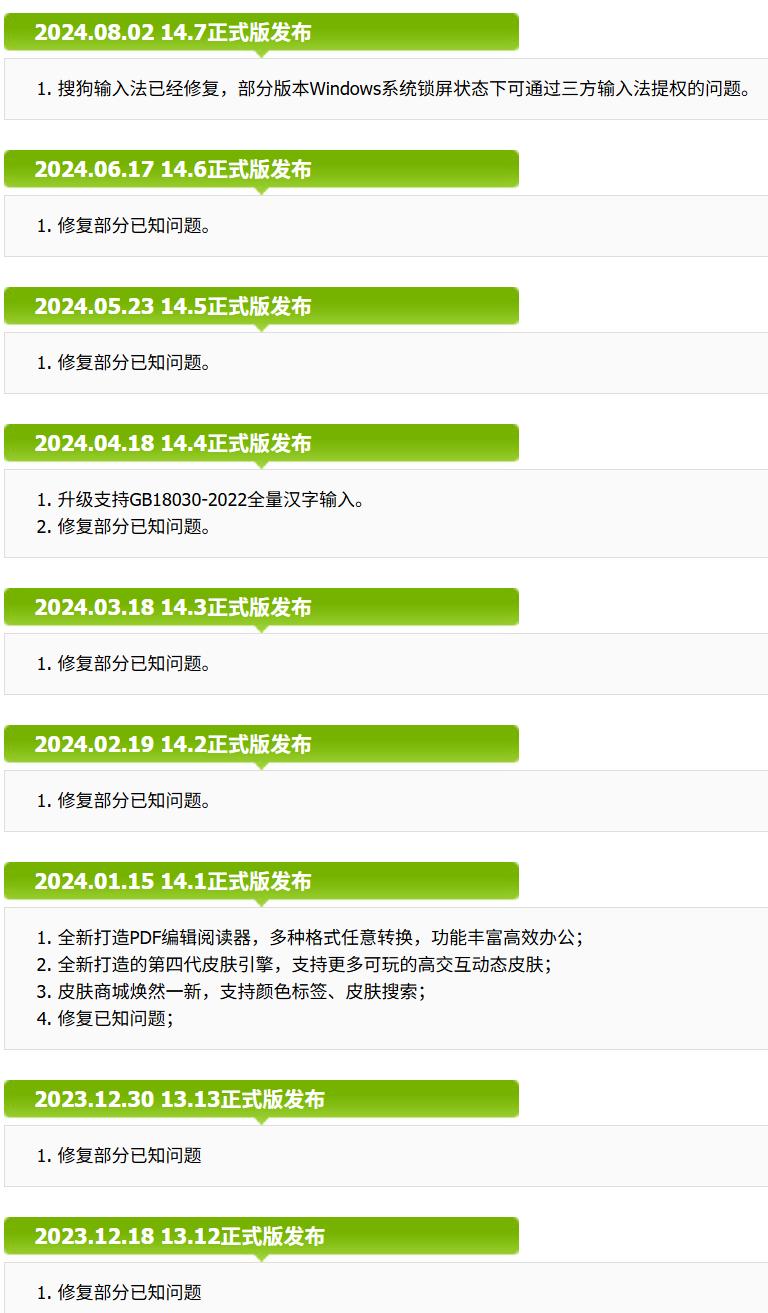
So their focus has shifted to skins, advertisements, and adding all kinds of new functions. Who wants to put in the effort to improve input accuracy?
Moreover, after the wave of the mobile Internet, the neglect of PC - side input methods has reached a point where even the manufacturers have to admit it. Sogou has said that the update speed of the computer - side input method is much slower than that of the mobile app.
But in fact, the scenarios where there is a high demand for input methods are on the PC side. The input method errors encountered in these situations will be magnified into an overall impression that the entire input method brand has become dumber.
After listing so many "crimes" of input methods, are you a little desperate? Don't worry, there is a turning point.

As mentioned before, the difficulty in using input methods can't be blamed on AI. In fact, not only can't we blame AI, if input methods want to have a qualitative leap, they will ultimately rely on AI.
The AI here doesn't refer to those flashy functions like "helping you write", "helping you reply in a high - EQ way", or "one - click associative search". It's about using the capabilities of large models to truly improve the level of input methods.
Remember what we said before: the most important thing for an input method is to have human - like thinking