Storage price hikes drive users crazy: We interviewed tech editors and geek gamers and found that everyone has become stingy.
The impact of the rising prices of storage chips continues. Various electronic products such as mobile phones, computers, and game consoles are all increasing in price. In the price increase announcements, many brands have admitted that the sharp increase in storage costs is the core reason. As ordinary users, we are also inevitably affected. In the face of the constantly changing price figures, we are adjusting our purchasing decisions.
Recently, Lei Technology (ID: leitech) had in - depth exchanges with multiple users to understand, through chatting, how the lives of ordinary people have been affected by the wave of rising storage prices.
More specifically, what different consumption strategies will ordinary users adopt when facing increasingly expensive electronic consumer goods?
Tech Editor: Making a Profit by Buying a Notebook at Its Launch
@sandwich, an editor from the Lei Technology (ID: leitech) editorial department, recently purchased a Lenovo Xiaoxin 16 Pro GT notebook. After the national subsidy and the launch subsidy, the final price was about 6,500 yuan.
He bought the version with an Intel Core Ultra 5 338H processor and a 32GB + 1TB storage. Considering the excellent performance and energy - consumption performance of this generation of Intel processors, as well as this storage combination, a price just over 6,000 yuan is really a good deal.
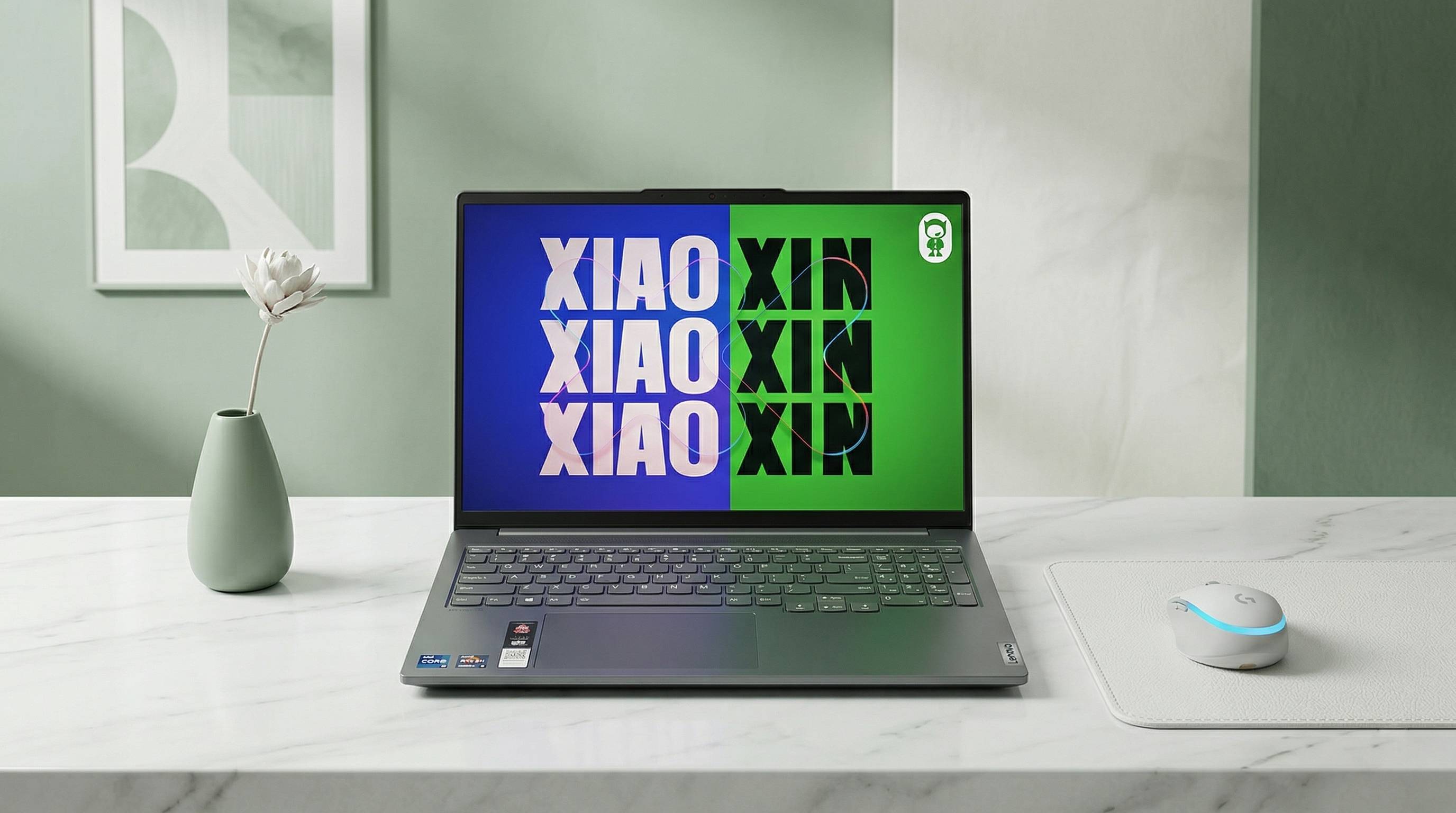
(Image source: Shot by Lei Technology)
Unexpectedly, just over half a month later, the price of this newly launched notebook increased. The prices of all models of the Xiaoxin 16 Pro GT were raised. The version that @sandwich bought increased by 2,500 yuan. Moreover, there is no longer a launch discount for this notebook. Even with the national subsidy, the final price is still close to 10,000 yuan.
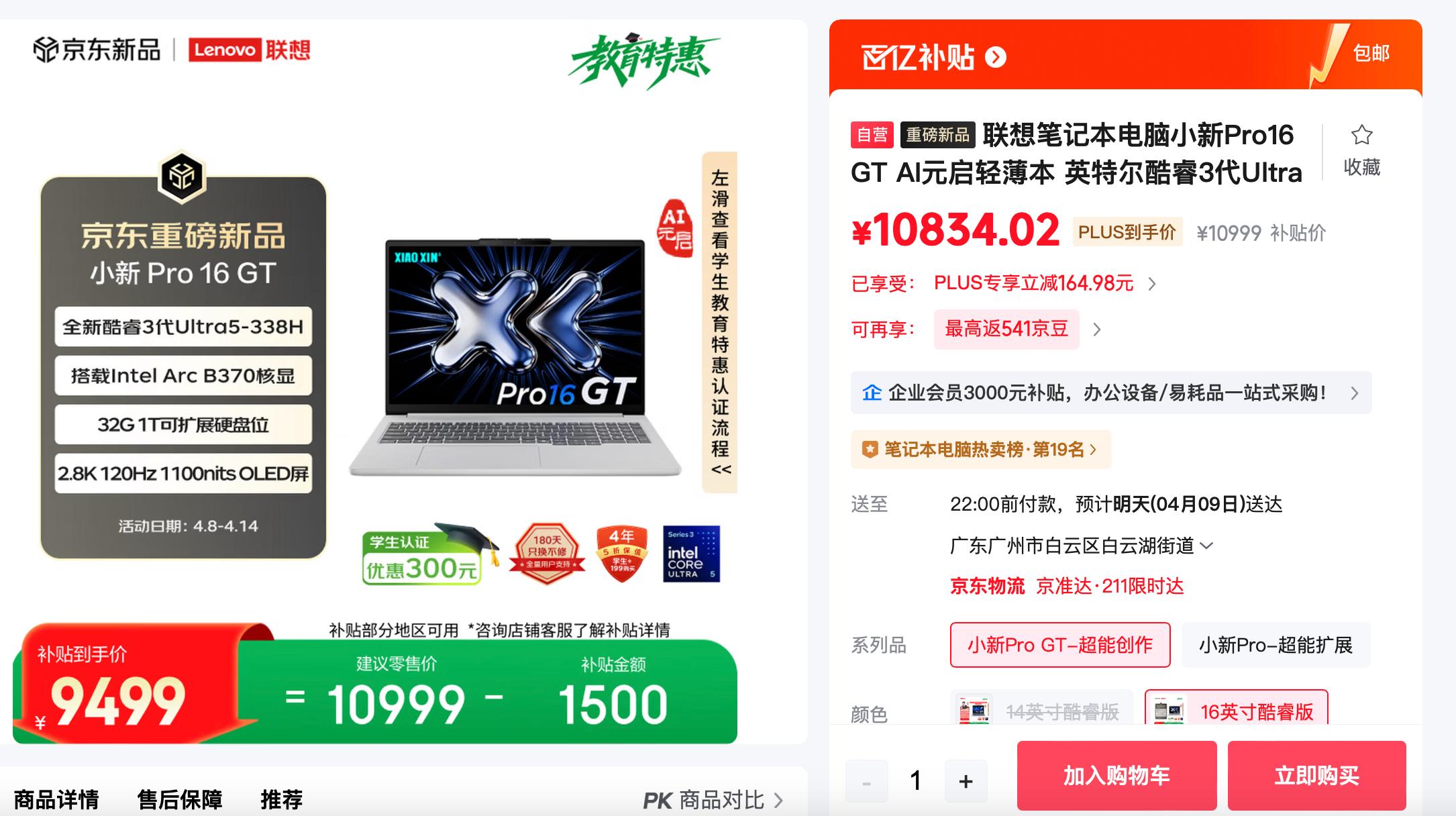
(Image source: Lei Technology)
Facing this situation, @sandwich couldn't help but feel lucky. On the one hand, he really had a need for a thin and light notebook that could be used for quiet office work in the office and was convenient to carry on business trips. On the other hand, as a tech editor, he closely followed the latest trends of chips and PC products. When he found that the Intel 338H chip had excellent energy efficiency and this Lenovo notebook was highly cost - effective, he made a decisive purchase.
Geek Gamer: Unable to Afford a High - Capacity Phone, Opting for Expansion Instead
My friend Xiaoliu is a senior digital enthusiast. There are many electronic products in his home, including high - performance PCs, flagship mobile phones, notebooks, game consoles, etc. However, even he exclaimed that he couldn't afford them anymore in the face of the price increase wave. Recently, Xiaoliu decided to reduce the number of his mobile devices, keeping only one Android imaging flagship and buying an iPhone Air as a backup phone.
The core reason for choosing the iPhone Air is that it is thin and light enough, and it is one of the few products that Xiaoliu finds interesting. Moreover, the official channels of the iPhone Air are clearing the inventory at a reduced price. With the national subsidy and platform discounts, the 256GB version only costs a little over 5,000 yuan.
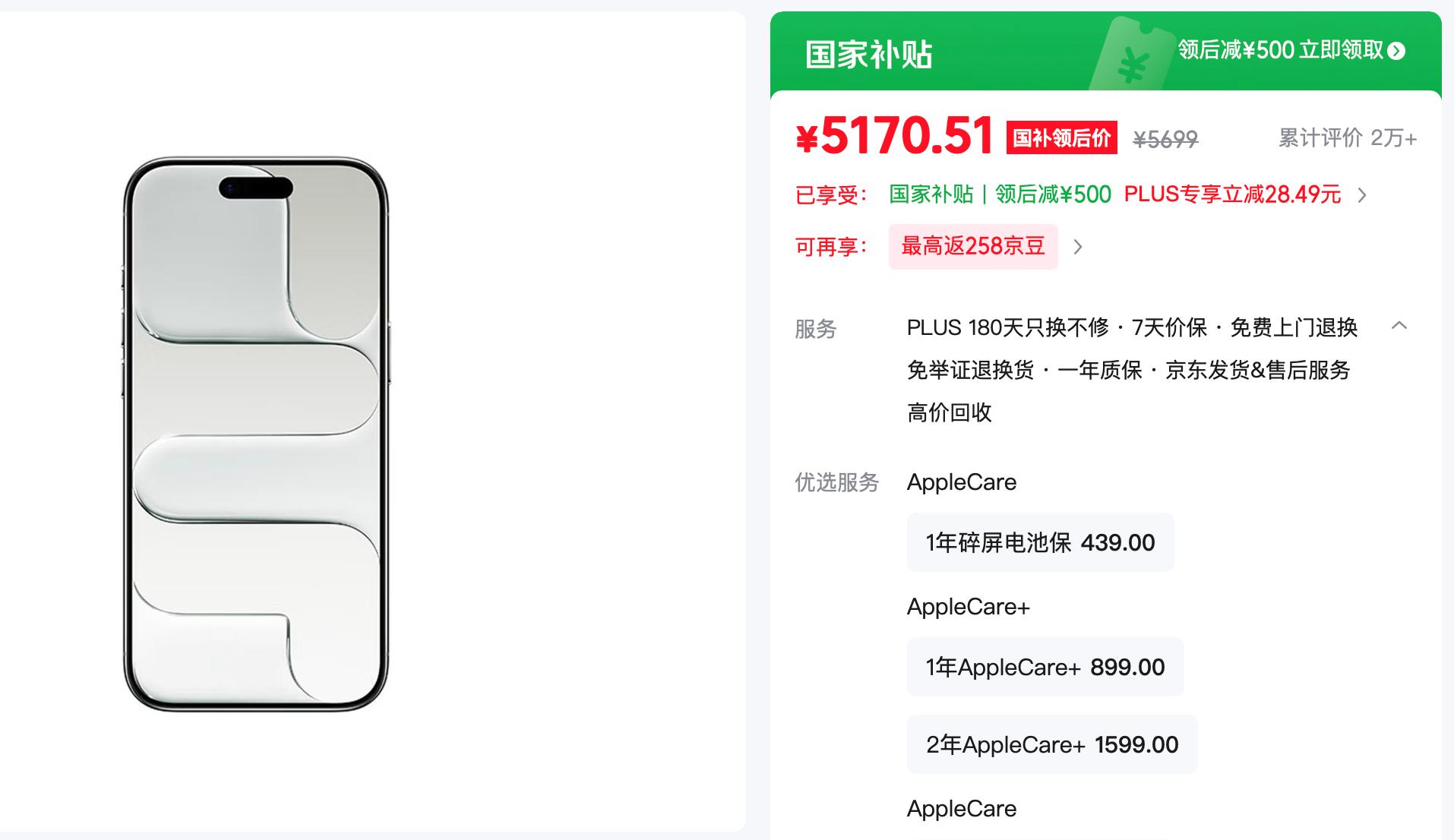
(Image source: Lei Technology)
For Xiaoliu, this capacity is definitely not enough, but the 512GB version costs nearly 10,000 yuan, which is really not cost - effective. So, his choice was to buy the cheapest base version and then find someone to expand the capacity. In addition, this third - party merchant was carefully selected by Xiaoliu. It is well - known on the Internet with a good reputation, and more importantly, it offers one - year warranty.
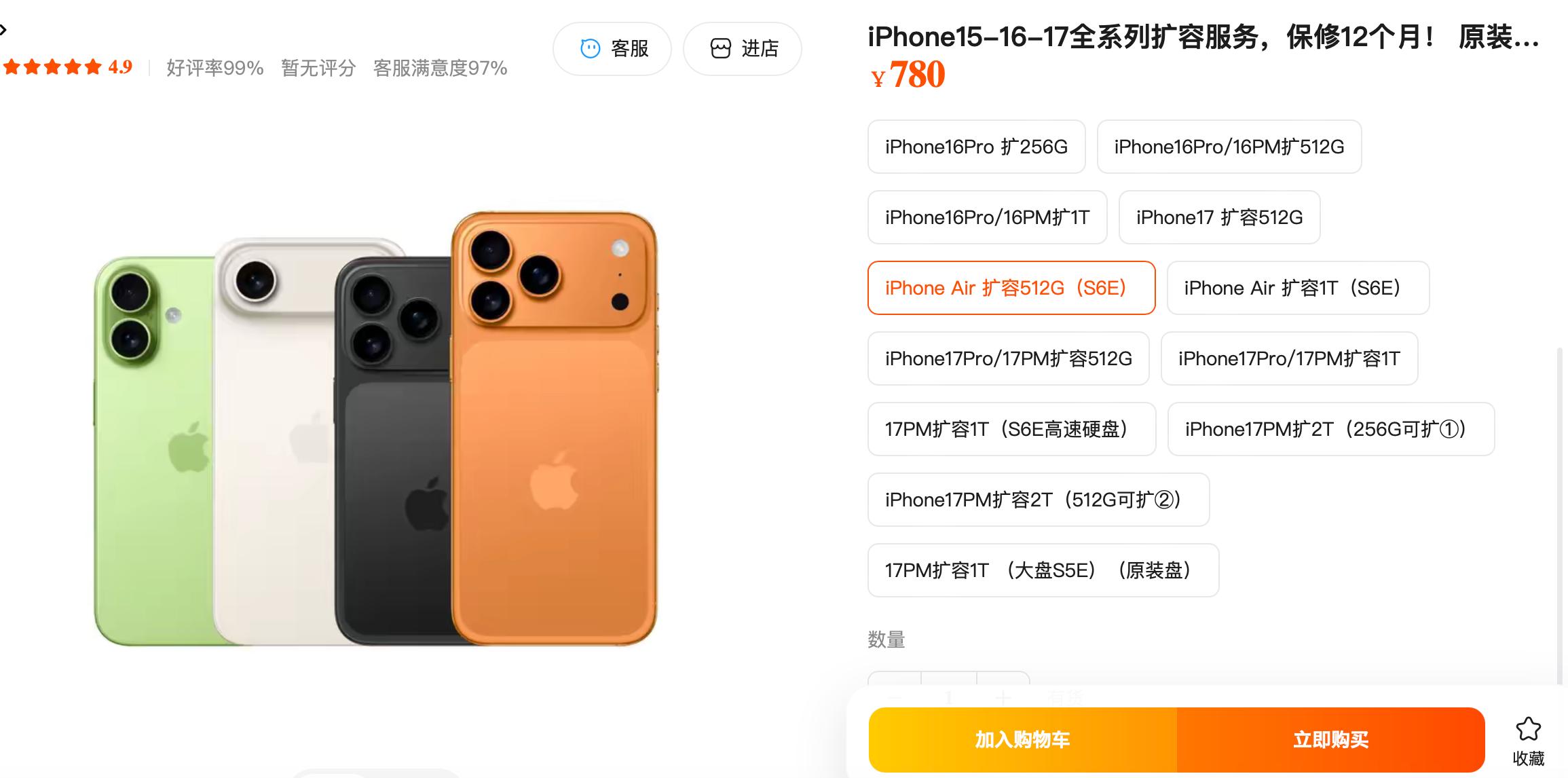
(Image source: Lei Technology)
As soon as Xiaoliu received the phone, he sent it to the third - party platform for capacity expansion, upgrading from 256GB to 512GB at a cost of about 700 yuan. He said that the storage price has risen too sharply. Last year, he could have expanded the capacity to 1TB for the same price. Xiaoliu clearly stated that novice users are not recommended to expand the capacity because there are risks. Capacity expansion will invalidate the official warranty, and if the expansion merchant is unreliable, it may also cause various hidden problems for the phone, which is not worth it.
New Media Operator: After a Long Selection, Finally Choosing an Apple Notebook
My college classmate Nana has been working in new media operation after graduation. The most commonly used devices in her work are notebooks and mobile phones. Currently, her main phone is the iPhone 17 Pro, which she uses to complete some shooting tasks at work. Of course, the notebook is her most important work device. She uses it for content distribution, writing information streams, and occasionally editing short videos.
However, the notebook Nana used before was an old - model MacBook with an X86 chip. It has obvious lag now, and the battery capacity is also poor. After deciding to replace the computer, Nana began to select notebooks. At first, she was looking among a bunch of Windows notebooks but couldn't find one that satisfied her. Moreover, the prices of thin and light notebooks are generally relatively high. In addition, she borrowed a Windows 11 notebook from her colleague and used it for a while. She felt that she was not very used to the system and operation logic.
Finally, Nana chose to buy a MacBook Neo. The process of her buying this notebook was quite dramatic. First, she saw this notebook in a splash screen advertisement, and then she saw the discount information of this notebook on Xiaohongshu. Of course, she couldn't get the national subsidy mentioned in the post in her area for the time being. But she found the MacBook Neo in the e - commerce's 10 - billion - yuan subsidy channel. The final price was only 3,599 yuan, 1,000 yuan cheaper than the official website price.

(Image source: Lei Technology)
In my opinion, this notebook has many defects: 8GB of memory, a mechanical touchpad, a keyboard without backlighting, a rough mold, and average interface speed. But for Nana, this notebook is quite thin and light. Its appearance is better than that of Windows notebooks in the same price range. It has no problem with text - based office work and is sufficient for simple video editing with Jianying. Indeed, being able to maintain the price and offer relatively inexpensive notebooks under the pressure of soaring storage prices is Apple's core advantage.
College Graduate: Holding on to the Money, "The Old Ones Still Work"
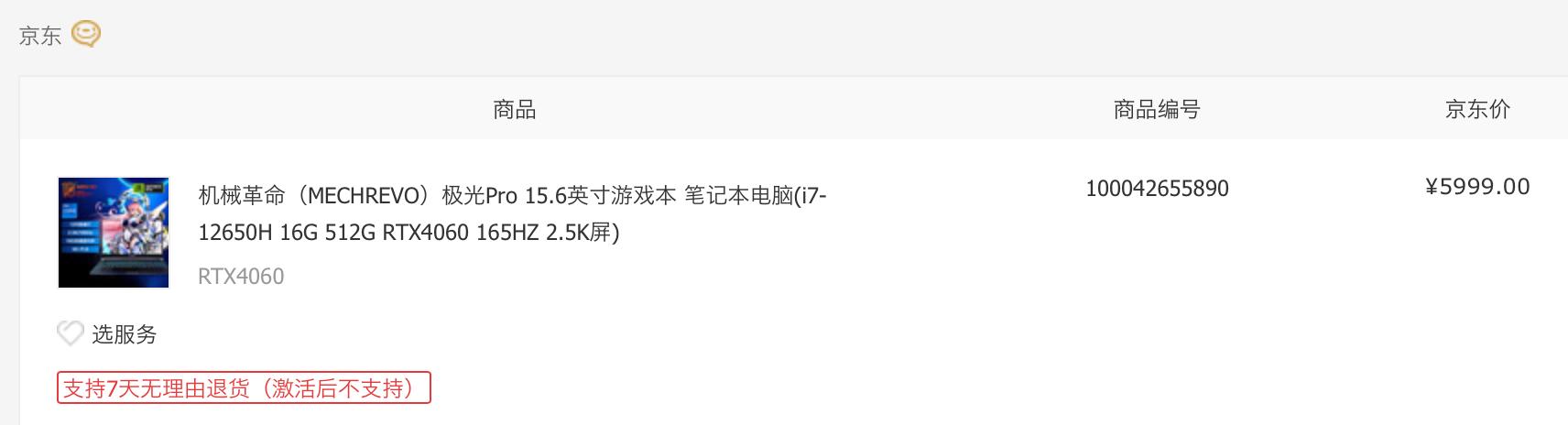
My cousin Alin is about to graduate, but he has been admitted to graduate school and will continue his student life. Alin's current main devices are a gaming notebook and a mobile phone that he bought when he entered college as a freshman. His notebook is from the brand MechRevo, and his mobile phone is from the brand Redmi, both of which are high - cost - performance brands.
Although he has used these two devices for more than three years, Alin still thinks that their performance is sufficient. Take the gaming notebook as an example. The processor and graphics card from four years ago can easily handle the games he often plays, such as League of Legends, not to mention watching dramas and writing papers. As for the mobile phone, the flagship chip from three years ago is a bit outdated now, but it is still sufficient for daily use.
(Image source: Lei Technology)
Alin is glad that he chose the maximum memory capacity when he bought these two devices back then. The notebook has 16GB of memory, and the mobile phone has 12GB. Compared with chip performance, memory capacity can more determine the service life of electronic devices.
Actually, Alin's major in college was Optoelectronic Information Science and Engineering, which is closely related to the semiconductor field. Alin is not a digital novice. In his opinion, electronic products are good enough as long as they meet the needs. There is no need to chase the latest and most powerful models. More importantly, with the rising storage prices, the prices of mobile phones and notebooks have increased. It would be a waste of money to buy new ones now. Instead of spending a large amount of money on these, it's better to spend the limited living expenses on more necessary things.
Computer Shop Owner: Losing Money Despite the Rising Memory Prices
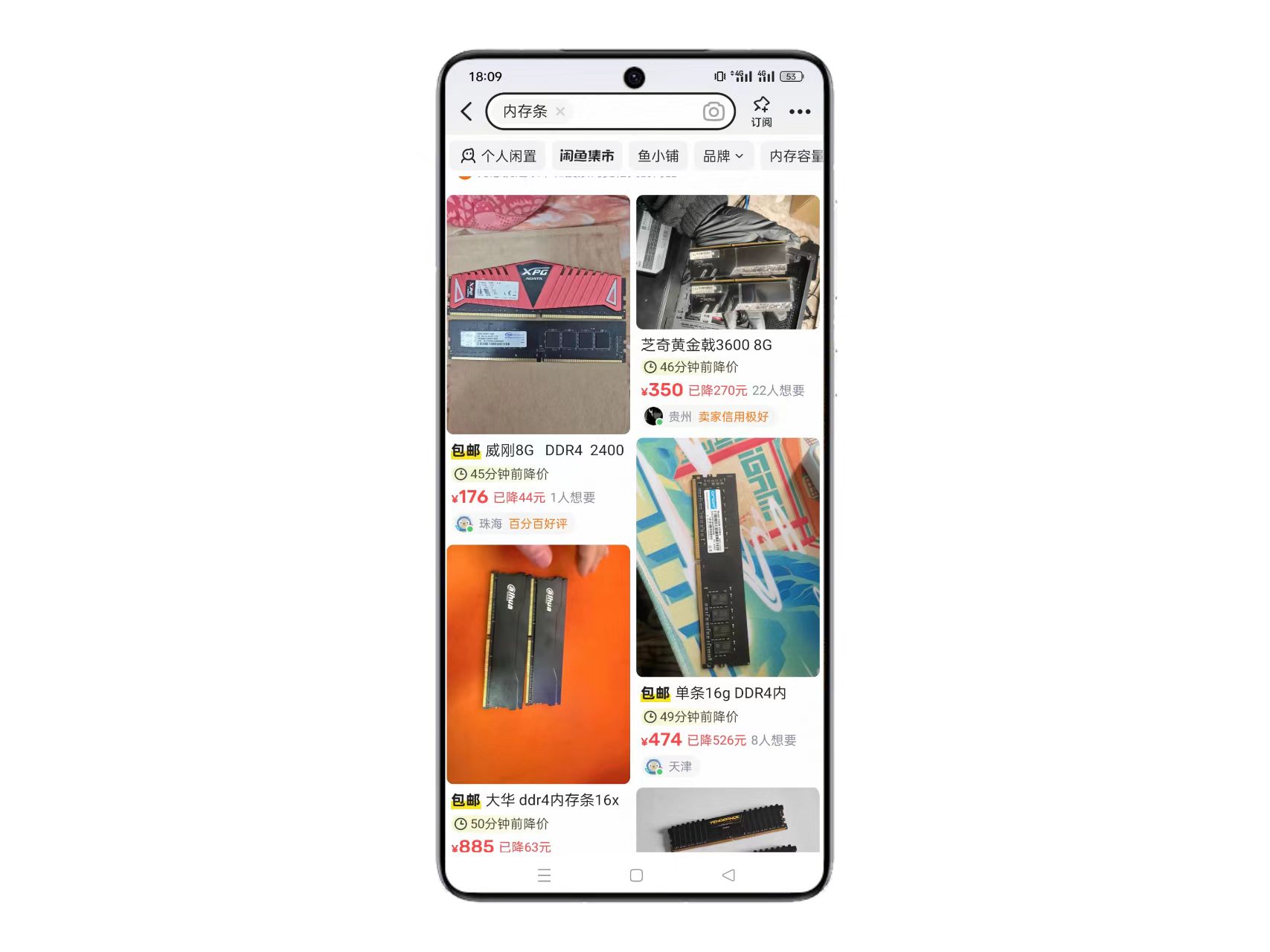
My cousin Atao runs a computer shop in his hometown. In fact, this shop also undertakes multiple services such as mobile phone repair and surveillance installation. The sky - rocketing storage prices have affected Atao's normal business operations, so he stocked up a lot of memory sticks and hard drives. He thought that with such a sharp increase in storage prices, he would definitely not lose money by stocking up.
Unexpectedly, recently, many dealers have been selling off their storage products. I asked Atao if this was due to the panic caused by Google's memory compression patent recently. He said that this was not the root cause.
Atao believes that the main reason is that the DIY computer assembly business is becoming increasingly difficult. There are few people who buy desktop computers now, and those who really like DIY usually assemble their own computers. Although the prices of memory and hard drives have indeed increased, when the price of the whole computer goes up, customers naturally won't come to buy. The goods stocked by merchants are usually sold to ordinary people, and now they have all become inventory.
(Image source: Lei Technology)
Atao said that computer shops in small towns can't survive just by selling and repairing computers. Most of their business is related to mobile phones. He said that almost everyone, whether old or young, has a mobile phone now. In fact, people have a vague concept of memory and are more concerned about storage capacity because it directly determines how many videos they can store.
Atao also revealed that the second - hand mobile phone business in mobile phone shops is doing well now, and the prices can attract many people. However, this industry is quite complicated, and after - sales service is troublesome, so he won't get involved in it.
Summary: Will the Price Increase Wave Caused by the Imbalance of Storage Supply and Demand End?
Currently, most leading mobile phone brands have announced price increase notices, mainly involving mid - and low - end products. Relatively speaking, for high - end flagship models, the proportion of storage costs is relatively low, so they can absorb part of the rising costs. Since the mobile phone and PC industries are highly competitive overall and have extremely low profit margins, manufacturers will really face losses if they don't increase prices.
Therefore, it is indeed a last - resort measure for terminal manufacturers to adjust prices. Moreover, since storage chips are almost essential components of all electronic devices, the price increase of storage affects a very wide range. In the eyes of users, all electronic consumer goods are getting more expensive.
The price increase will inevitably affect users' consumption decisions. From the situations of the five users who communicated with Lei Technology (ID: leitech), they are all choosing different ways to avoid the negative impact of the price increase. Some choose not to replace their devices at all, some buy devices with small capacities and then expand the capacity, and some choose to downgrade their consumption and buy cheaper products.
This is actually not good news for terminal manufacturers. Users are becoming more cautious and conservative in consuming new products, which means that the manufacturers' sales volume will further shrink, and their revenue and profits will be affected.
Actually, both terminal manufacturers and ordinary consumers are concerned about one question: When will the wave of rising storage prices end?
The phenomenon of rising storage prices in recent months has been extremely extreme. The prices of memory and flash memory have been adjusted multiple times in a month or even a week, making terminal brands suffer a lot. The most core factor for the rising storage prices is the huge and rapidly growing demand for computing power from AI, which has squeezed the production capacity of storage. To make the storage prices return to normal, the supply and demand in the storage market must be balanced.
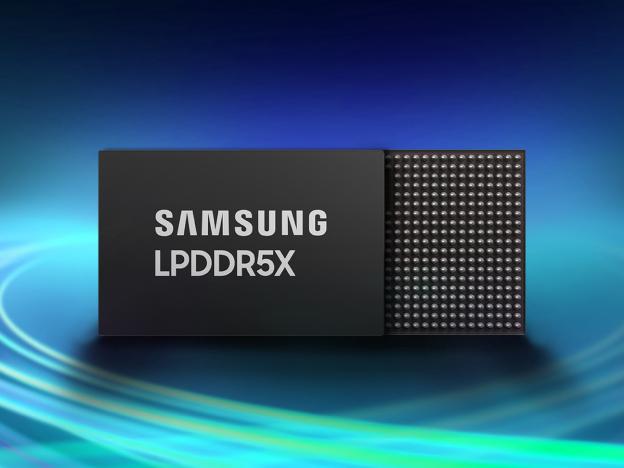
Currently, the pace of AI computing power expansion will not stop for the time being. A large amount of capital is still flowing into the AI industry, so the strong demand for storage will continue for some time. The key to expanding production capacity lies with several leading storage manufacturers, specifically the three giants: Samsung, SK Hynix, and Micron. Recently, they have all released information about expanding production capacity. From the public information, the capital expenditures of Samsung, SK Hynix, and Micron in the storage field have increased significantly, but the situation of production capacity expansion deviates from our expectations.
(Image source: Samsung)
Specifically, the storage giants are indeed expanding production capacity, but the focus is on HBM (High - Bandwidth Memory), which is mainly supplied to AI manufacturers such as NVIDIA. For them, the profits of HBM and enterprise - level SSDs are much higher, so they naturally give priority to allocating resources here. As for consumer - grade products, the storage giants don't really have much motivation to allocate their limited production capacity.
However,