After using the iPhone Air for three months: The battery life is surprisingly decent, but gamers are advised to "look elsewhere".
In September 2025, the iPhone Air, regarded by the market as the "most failed iPhone," was released. However, just like the iPhone XR back then, as long as the price is right, even an iPhone with poor configuration has the potential to become a hit. In January 2026, channels including the Apple Tmall flagship store offered a discount of "a direct reduction of 2,000 yuan" on the iPhone Air, successfully "reviving" its already low sales volume.
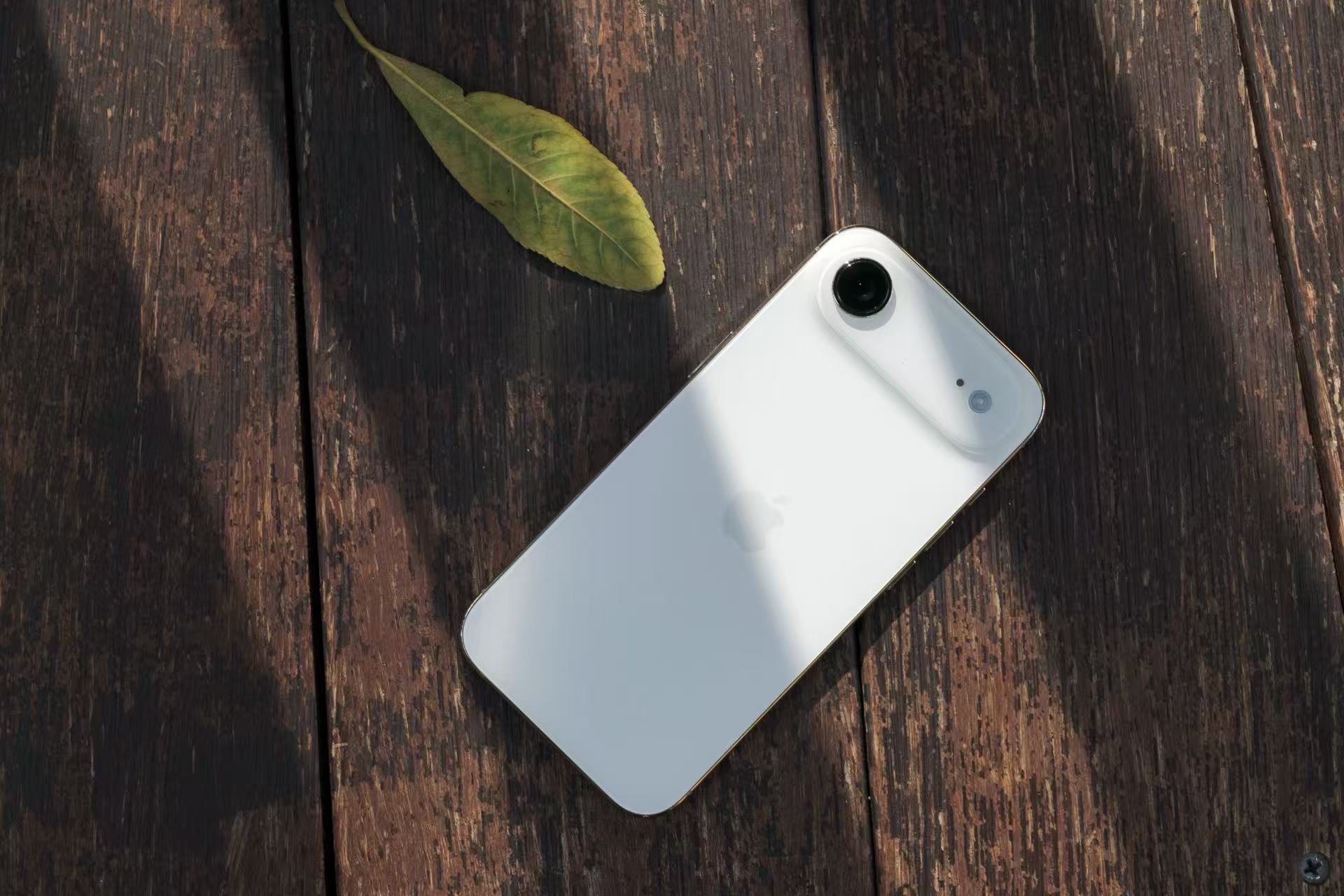
Image source: Lei Technology
Even Xiaolei took advantage of the discount and replaced his old iPhone with an iPhone Air. So, two and a half months later, has my evaluation of the iPhone Air changed?
The battery is not the price for thinness, and the battery life is comparable to that of the iPhone 16 Pro
Perhaps due to the "pioneering" of the Samsung Galaxy S25 Edge, people seem to have little confidence in the battery life of thin and light phones like the iPhone Air. It's true that the 3149mAh battery capacity of the iPhone Air is not large by any modern standard.
Interestingly, in my daily usage model, the overall battery life of the iPhone Air is not significantly different from that of the iPhone 16 Pro and 15 Plus I used before: When I go out with a full - charged phone, play half an hour of Arcade games at noon, play some videos while cooking in the evening, and with sporadic MagSafe charging time in the afternoon, the iPhone Air usually has about 50% of the battery left when I get home from work.
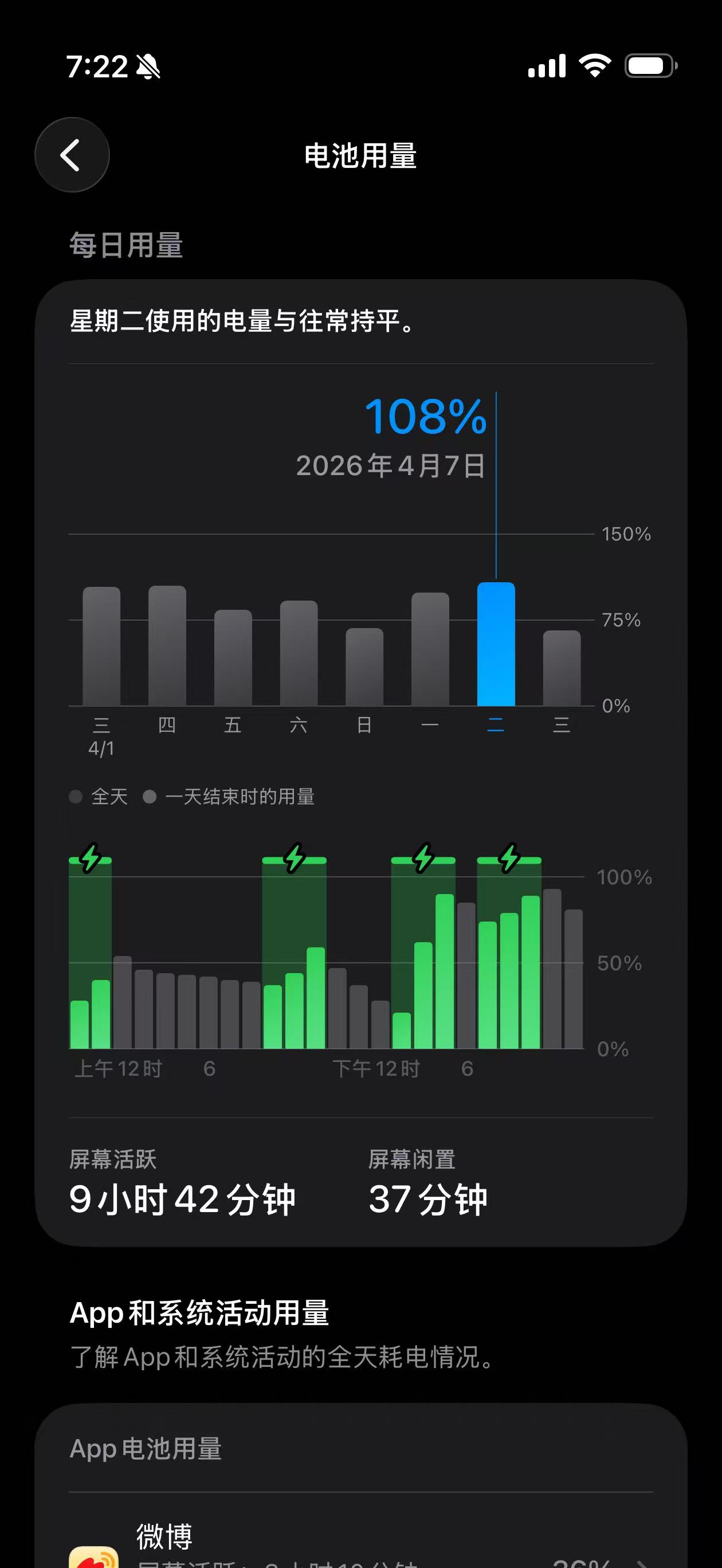
Image source: Lei Technology
Even if I forget to charge the phone before going to bed at night, I can charge the iPhone Air to a reassuring level of battery in extremely fragmented time just by using the MagSafe chargers in the car and at the workstation. If you are using a non - Plus or Max iPhone model, I don't think the battery life of the iPhone Air is something you need to worry about the most.
Of course, for the common scenario of forgetting to charge the phone before going to bed, domestic Android phones have proposed a new solution with fast charging. Take the OPPO Find X9 Pro I'm using as an example. Even if the phone is out of power when I wake up, the 80W super fast charging can charge the phone to 80% during the time I'm washing up, which is the charging performance that a flagship phone in 2026 should have.
The 2× camera and single speaker are the biggest shortcomings of the iPhone Air
Compared with the battery, Lei Technology believes that the lack of dual speakers and a telephoto camera is a more obvious shortcoming of the iPhone Air.
Let's first talk about the camera issue. Based on the cropping ability of the 26mm 48MP camera, the iPhone Air can output "2× lossless telephoto" photos with an equivalent focal length of 52mm. However, compared with the native focal length mode, the iPhone Air cannot use the four - in - one pixels to optimize the signal - to - noise ratio of the photos in the 2× focal length mode. The ultimate resolution of the final output is far lower than that of the native focal length.
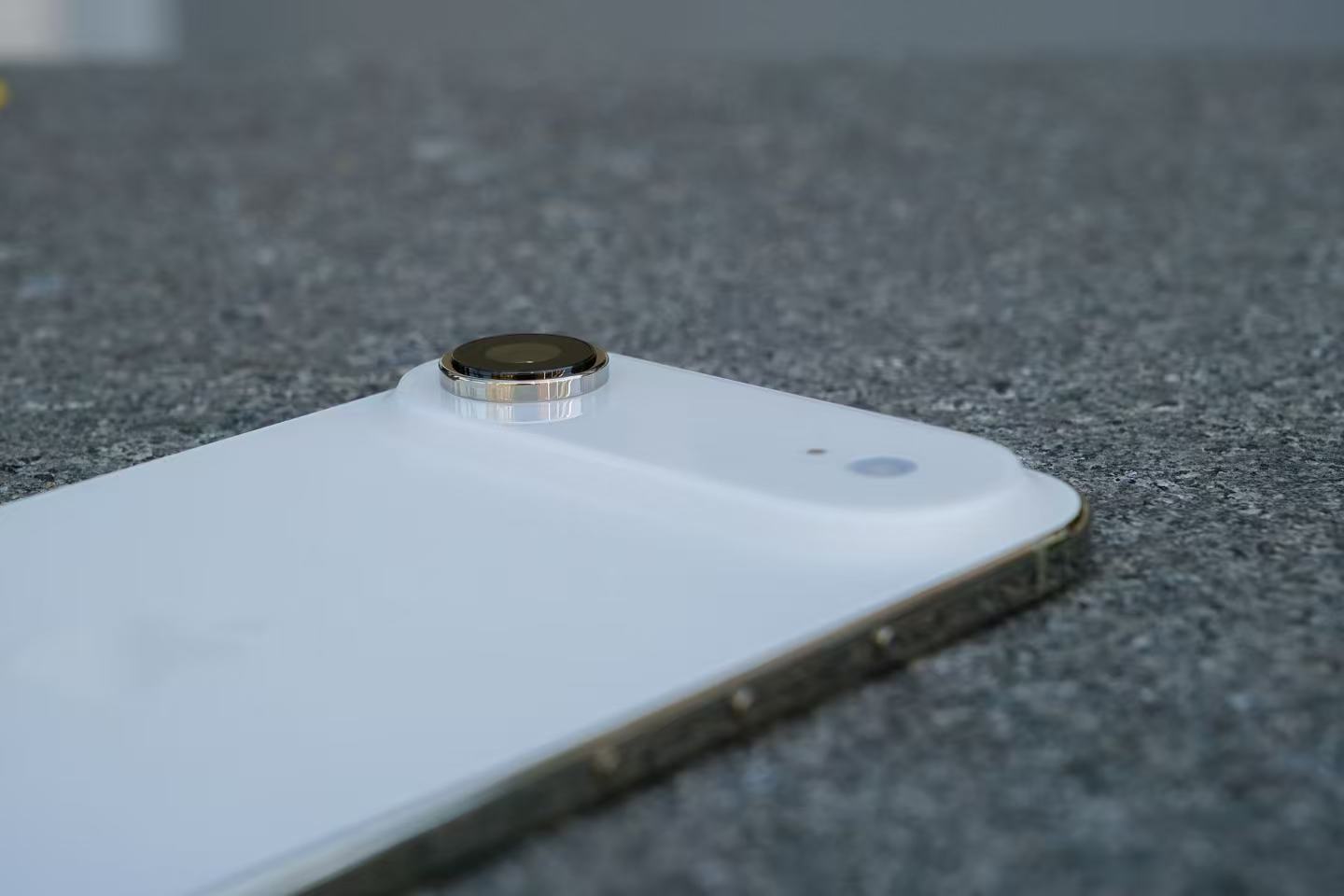
Image source: Lei Technology
Moreover, for most flagship and sub - flagship phones, an equivalent magnification of 52mm can't even be considered a telephoto lens. The optical telephoto of most Android cameras reached 70mm (usually 3× to 3.5×) a few years ago, and the iPhone 17 Pro series has set the telephoto benchmark at 4× magnification. The 2× "lossless zoom" of the iPhone Air is really not impressive.
Image source: Lei Technology

Image source: Lei Technology
This natural hardware limitation also affects the shooting experience of the iPhone Air to some extent. In well - lit daytime scenes, the resolution ability of the iPhone Air at the 26mm and 35mm focal lengths is still good, and the photos taken by the 2× (56mm) camera are not a big problem as long as you don't zoom in.
Image source: Lei Technology
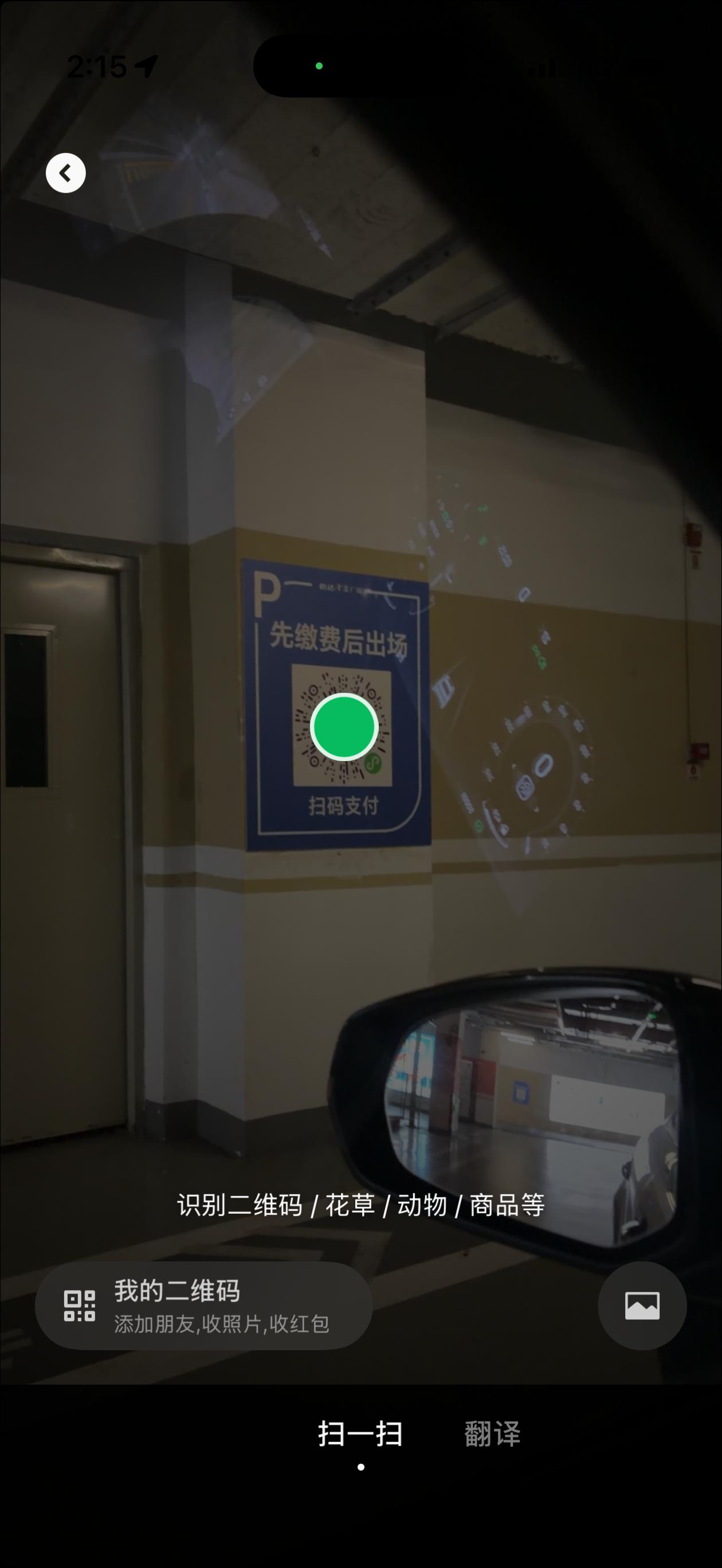
Image source: Lei Technology
However, in scenes with insufficient light such as at night or in underground parking lots, the shortcoming of the iPhone Air's 2× camera is very obvious, and the photos look "soft". This "night blindness" phenomenon also causes the iPhone Air to take significantly longer to recognize QR codes for payment in the parking lot than other phones with an independent telephoto lens.
After talking about the camera, let's talk about another shortcoming of the iPhone Air: the speaker. First of all, the ultra - thin iPhone Air only has one sound outlet at the top earpiece, which limits the external volume of the iPhone Air from the "end". In addition, the stacking design of the iPhone Air places the speaker cavity on the back camera bump at a certain distance from the sound outlet, and the long sound - guiding distance also affects the final speaker effect.
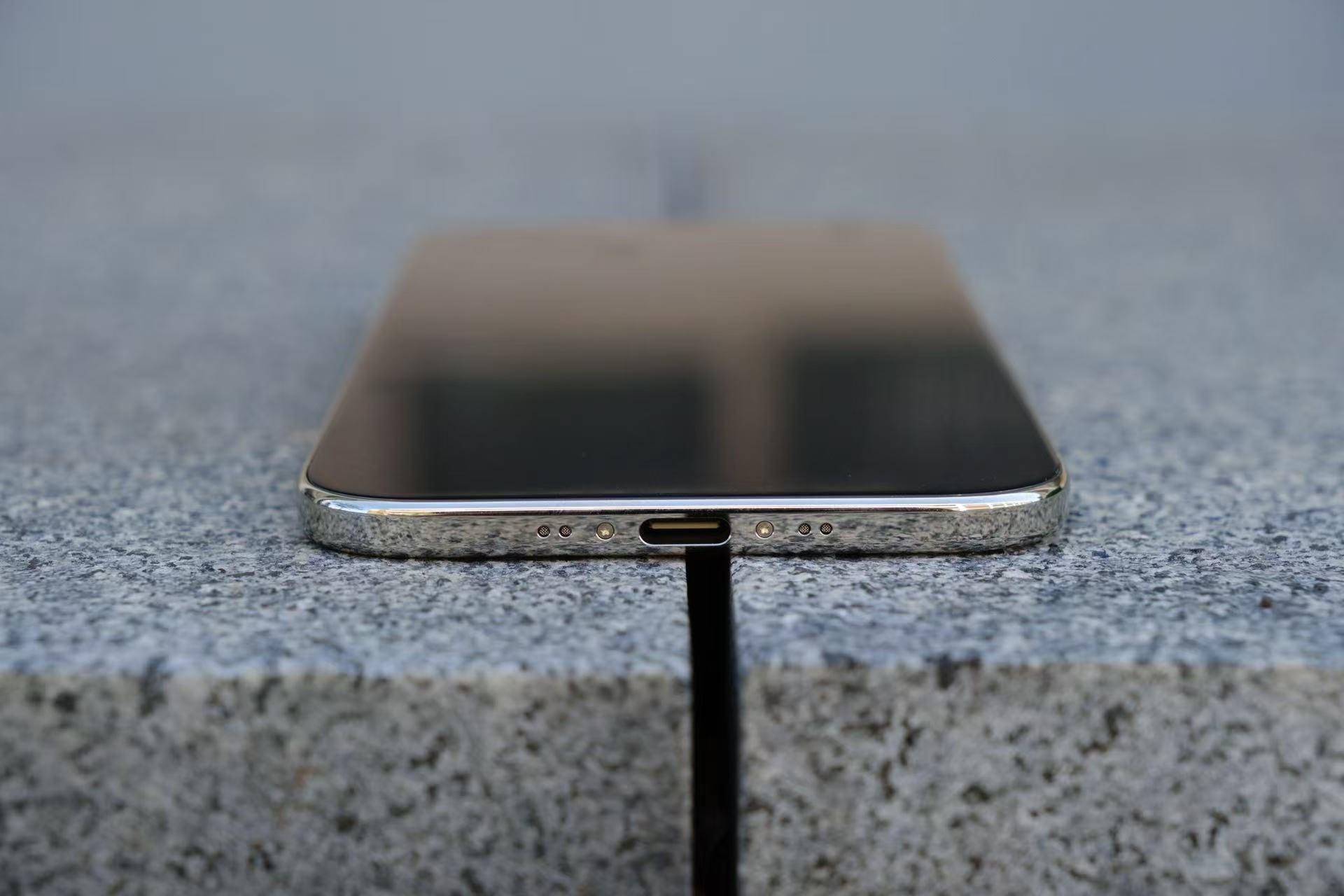
Image source: Lei Technology
Multiple negative impacts make the speaker of the iPhone Air neither have enough volume nor enough clarity. Even when the external volume is turned up to the maximum, the voice of the other party on the phone often sounds "muddled". When listening to WeChat voice messages, using the earpiece actually provides a better experience than using the speaker.
The shortcoming of the single speaker is also evident in scenarios such as gaming and video playback. After getting used to stereo speakers, the single - channel iPhone Air is really out of place. During the time I've been using the iPhone Air, I even dug out my smart glasses that had been collecting dust for a long time. Although the sound quality of the smart glasses is not very good, it's definitely better than the speaker of the iPhone Air.
In addition, the single - speaker design of the iPhone Air also places requirements on how we hold the phone: If you like to hold the "top" of the phone (the side with the Dynamic Island and the camera bump) when holding the phone horizontally, your hand will inevitably block the sound outlet of the iPhone Air, affecting the final volume.
Therefore, Lei Technology believes that if you have certain requirements for the external sound effect of the iPhone or have a strong need for telephoto shooting, the iPhone Air is really not suitable for you. There's no need to upgrade to the iPhone Air if you only have one phone.
The performance is mediocre, and game users are advised to look elsewhere
However, although the external sound effect of the iPhone Air is not very good, in terms of experience, its gaming performance is actually quite good, and I'm particularly satisfied with its heat control.
It should be noted that I don't mean the iPhone Air doesn't get hot. People with a little knowledge of mobile phone hardware know that hardware solutions such as double - layer motherboards and stacked motherboards significantly increase the difficulty of heat dissipation in mobile phones, resulting in more obvious heat accumulation. To solve this problem, mainstream Android phones use heat pipes or vapor chambers to transfer the heat from the core of the phone to the heat sink or the middle frame of the phone, thereby reducing the overall temperature.
However, the iPhone Air obviously doesn't have such an advanced heat - dissipation design. In most cases, the iPhone Air can only "trap" the heat inside the motherboard.
Fortunately, even though the iPhone Air quickly enters the heat - accumulation state, since the heat - generating components are highly concentrated in the area of the camera bump and slightly below it, and these areas are not the places we touch when holding the phone horizontally. As a result, the heat perception of the iPhone Air is not very obvious during light gaming.
There's always a trade - off. Due to the lack of an effective heat - conduction structure and the relatively high core heat - generating area of the phone, the common circular magnetic radiator cannot cover the heat - generating points of the iPhone Air and can only cool the peripheral components of the phone, indirectly reducing the core temperature of the iPhone Air.
In other words, if you usually play large - scale games or have a need for long - term live streaming, the iPhone Air is really not suitable for you.
If the experience is not good, why are more and more people buying it?
Strangely enough, although the shortcomings of the iPhone Air become more and more obvious with use, more and more of Xiaolei's colleagues are using the iPhone Air. In April alone, two colleagues replaced their original Android flagship phones (Find X8 Pro and Find X8 Ultra) with the iPhone Air. When asked the reason, the reasons for the two colleagues to switch to the iPhone Air were surprisingly the same:
As digital editors, they inevitably use two phones at the same time. However, if they use two Android flagship phones at the same time, not only are the phone functions redundant, but the combined weight of nearly 500g cannot be ignored. And the sub - flagship positioning and thin and light body of the iPhone Air can complement Android flagship phones well.
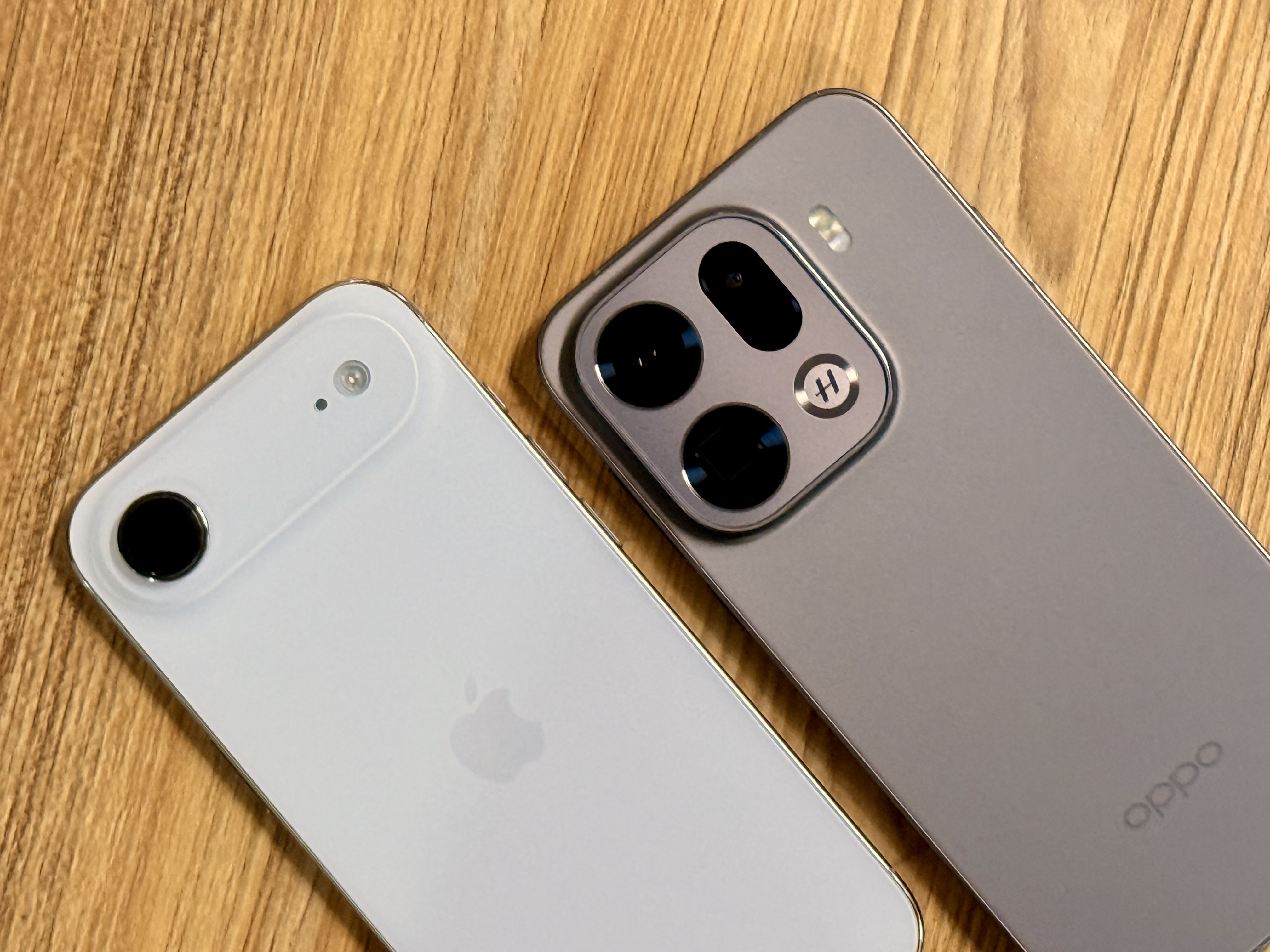
Image source: Lei Technology
For example, @TSknight said, "The Xiaomi 15 Ultra is really too thick and heavy for daily use. Although its photo - taking performance is strong, it's rarely used in daily life. So the thin and light design of the Air plus iOS is quite suitable for daily use." In fact, Xiaolei switched from the iPhone 16 Pro to the iPhone Air for the same reason:
Since using two phones is inevitable, the most reasonable approach is naturally to minimize the overlapping areas in terms of functions and ecosystems between the two phones. With a flagship Android phone ensuring battery life, imaging, and gaming performance, the iPhone Air is the best "complementary phone".
Is this "folding - screen test machine" suitable for you?
By now, you should have noticed that as a "maverick" phone, Apple has never expected the iPhone Air to be a high - volume seller. That's what the iPhone 17 with high - refresh rate needs to do.
In contrast, for Apple, the iPhone Air is more like a "technology verification machine" to verify the engineering feasibility of future folding - screen iPhones: The ultra - thin titanium middle frame, the complex hardware stacking structure, and the upcoming ultra - thin dual - camera module in the next - generation iPhone Air... It's obvious to anyone that these are preparations for the upcoming folding - screen phones.
This "technology stepping - stone" status also makes the positioning of the iPhone Air very awkward. The complex product design and its status as a technology test machine mean that the iPhone Air cannot be priced cheaply. And its "half - phone" status means that the iPhone Air cannot provide a complete hardware experience like other phones. This also explains why the iPhone Air is only suitable as a "secondary phone" rather than a "primary phone".
For example, the Samsung Galaxy S25 Edge also focuses on being thin and light, and its price is lower than that of the iPhone Air. However, the Galaxy S25 Edge is still an Android phone at its core. As users, there's no need for us to pair a flagship phone with a phone that has "worse hardware" and an "overlapping ecosystem".
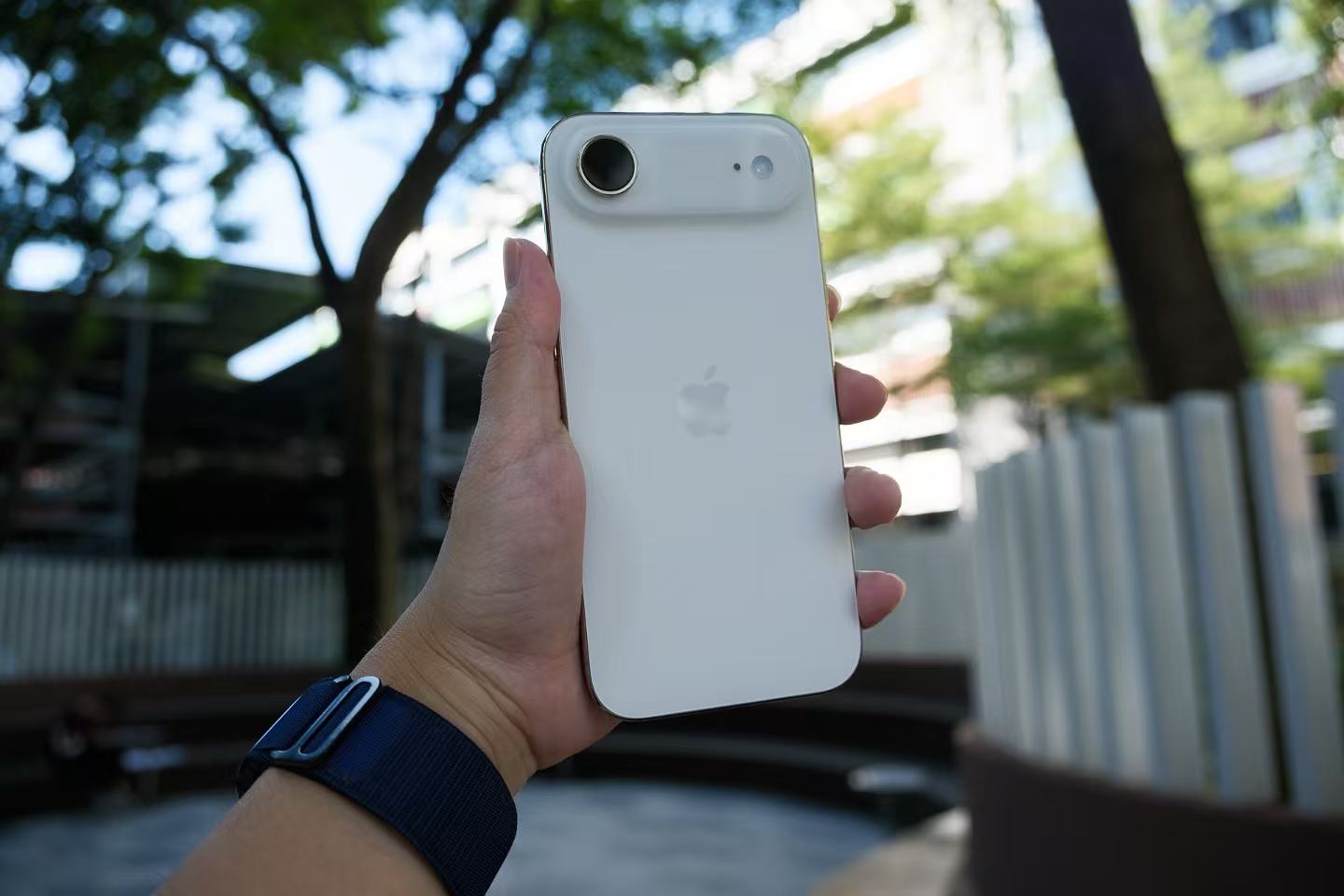
Image source: Lei Technology
The iPhone Air is different. After the price reduction, the iPhone Air can provide a complete iOS experience for Android flagship phones at the price of an Android sub - flagship. Lei Technology editor @Dingxi, who replaced the Find X8 Ultra with the iPhone Air, mentioned that (the iPhone Air) can make up