Half a century later, humans finally circled around to the far side of the moon and casually took a few exclusive wallpapers.
On the evening of April 7th, Beijing time, NASA released the first batch of high - definition photos of the Artemis 2 mission's flyby of the moon.
In one of the photos, the lunar surface fills the entire frame. The texture of the craters is so clear that it looks like an aerial view of a desert. At the end of the lunar arc, a blue Earth is slowly sinking into the darkness.
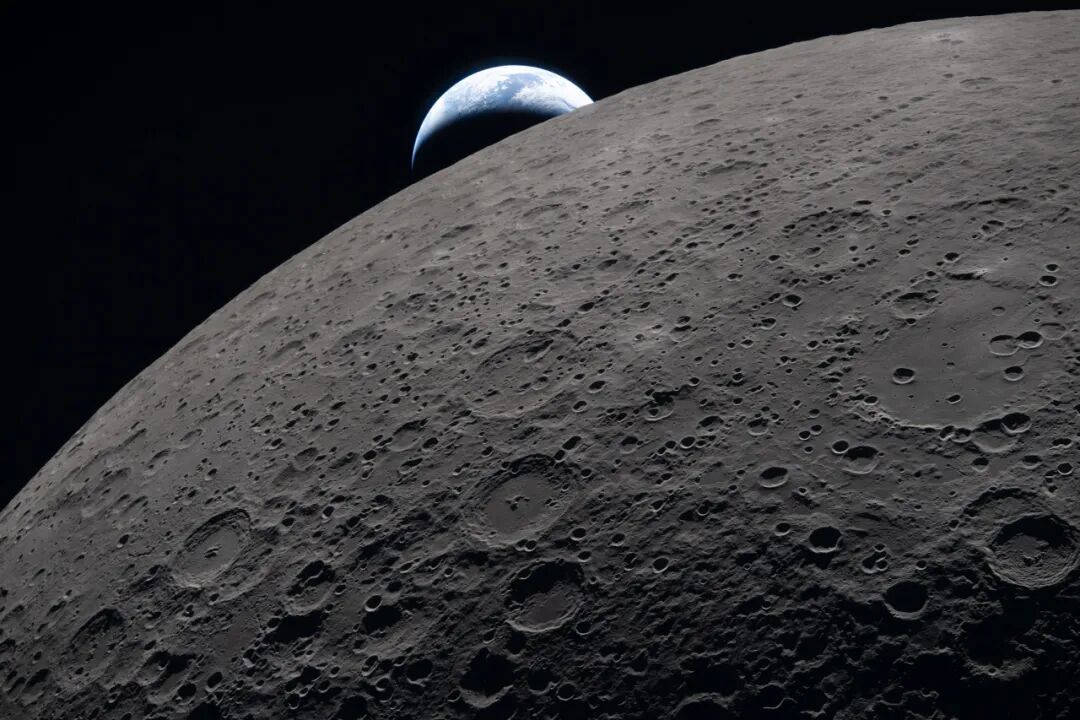
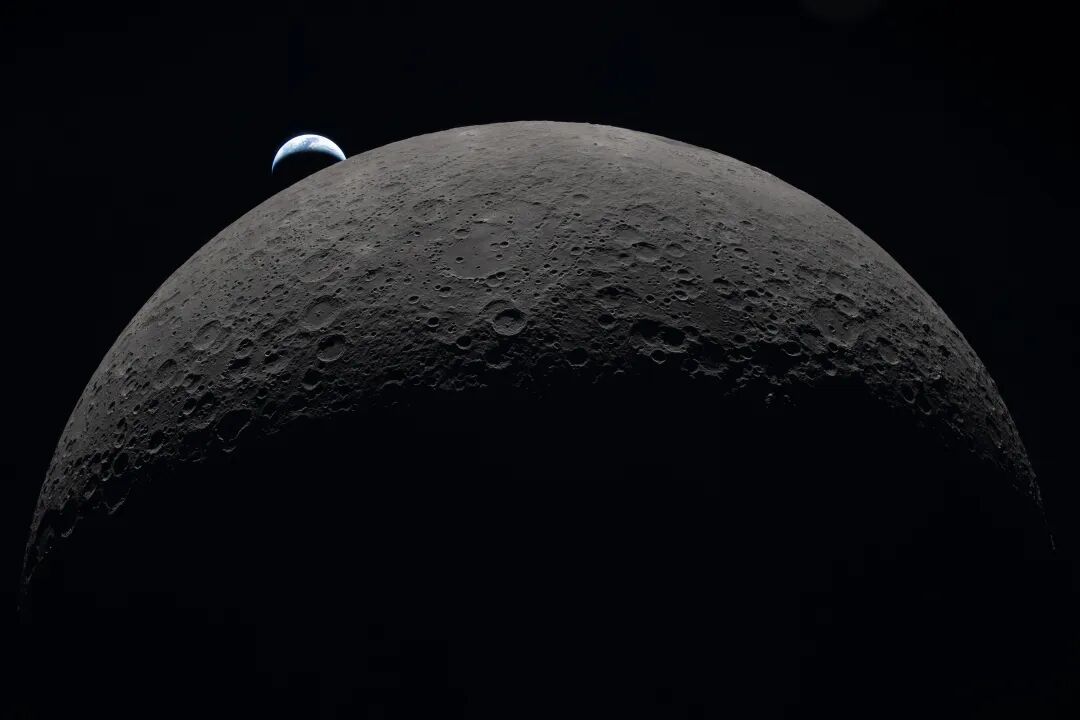
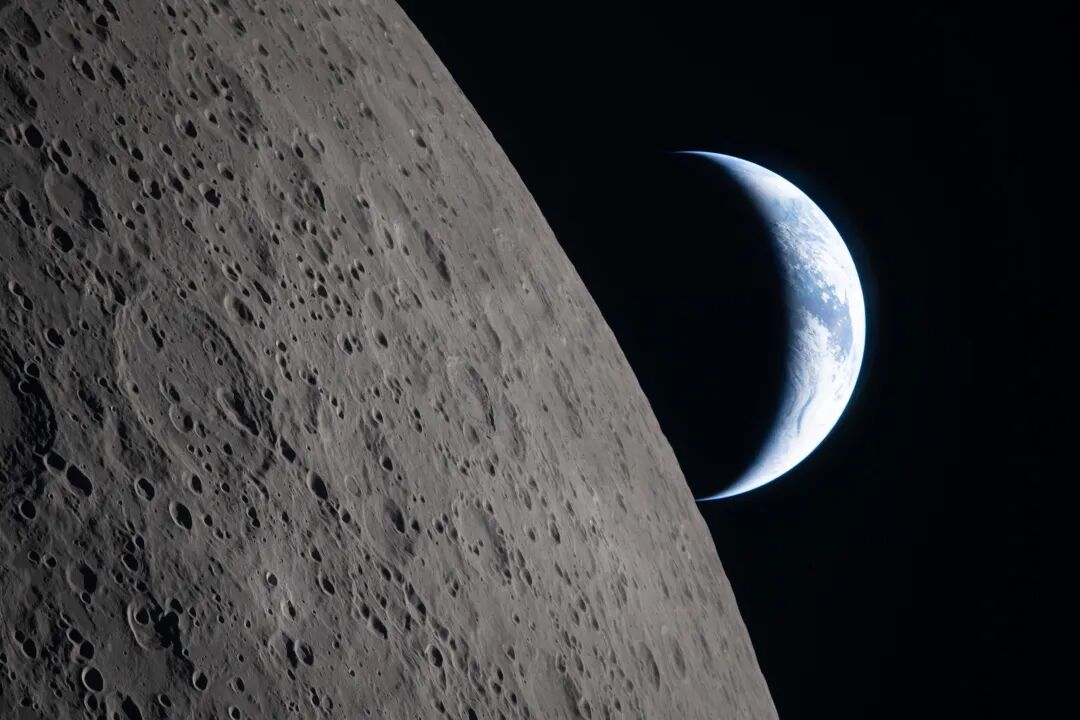
The lunar surface and the Earth taken by the Artemis 2 astronauts | NASA
This is the view captured from 6,545 kilometers away, which is the closest point to the lunar surface during the Orion spacecraft's flyby of the moon.
Just on the morning of April 7th, Beijing time, four astronauts completed the first manned lunar orbit in more than half a century.
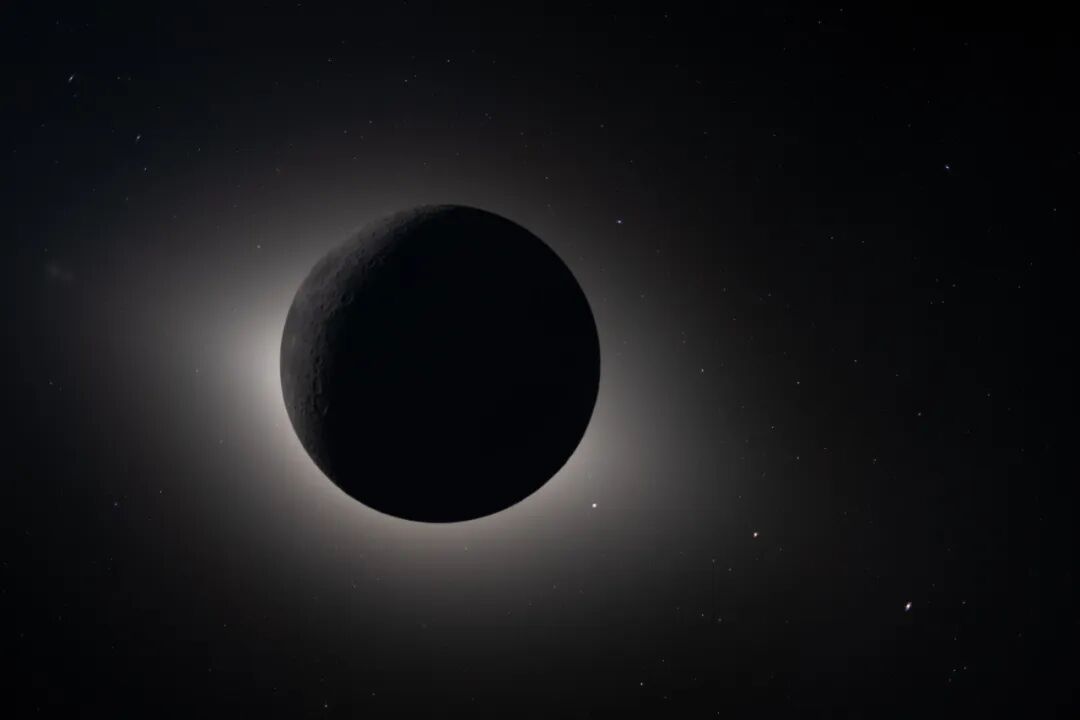
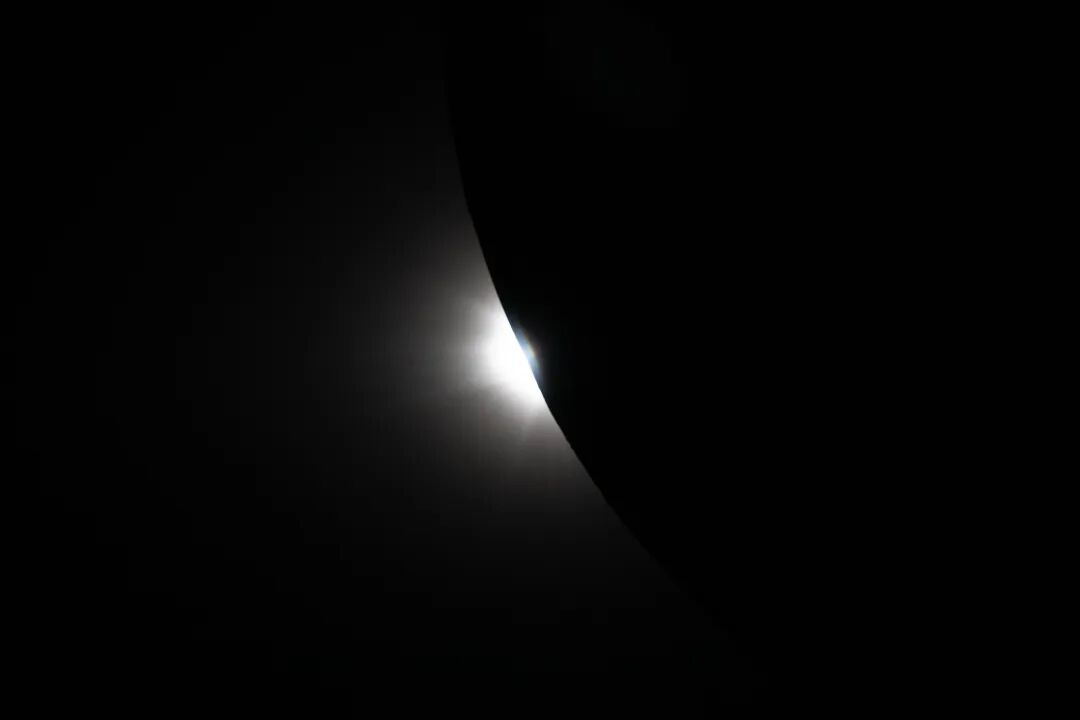
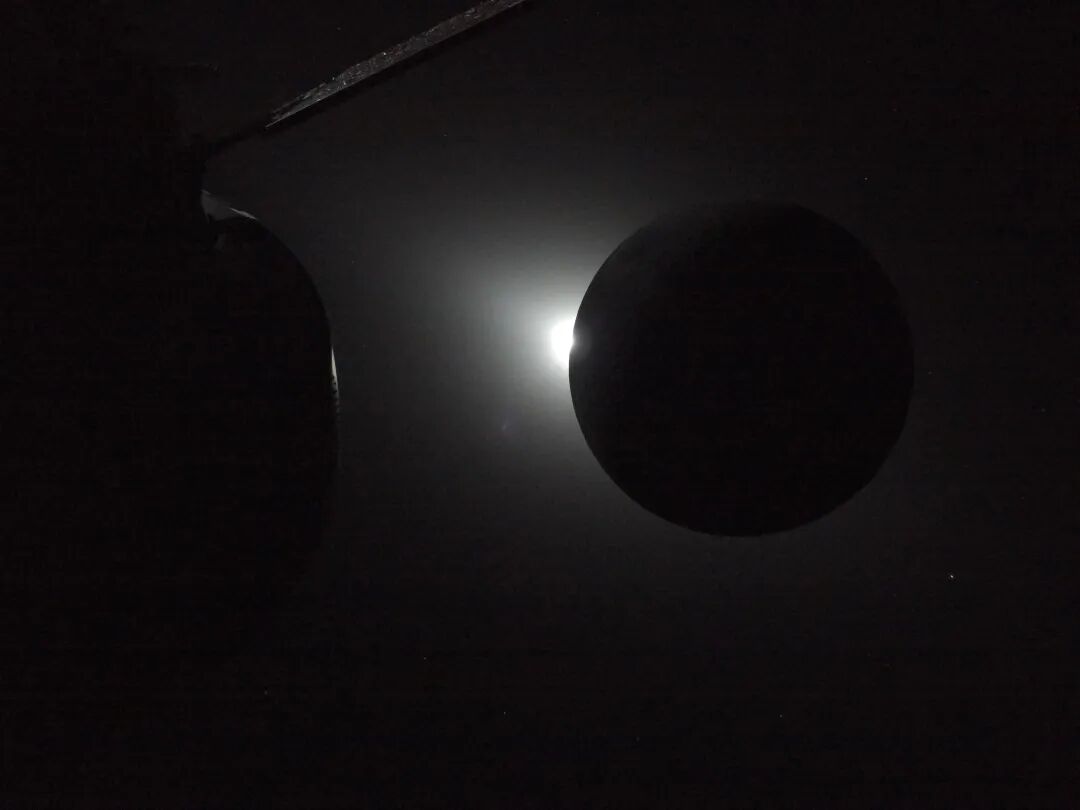
The "solar eclipse" taken by the Artemis 2 astronauts | NASA
Even rarer are another set of photos: a total solar eclipse captured by the spacecraft during its lunar orbit. The moon completely blocked the sun, swallowing even the solar corona. Only a huge black shadow remained on the dark sky.
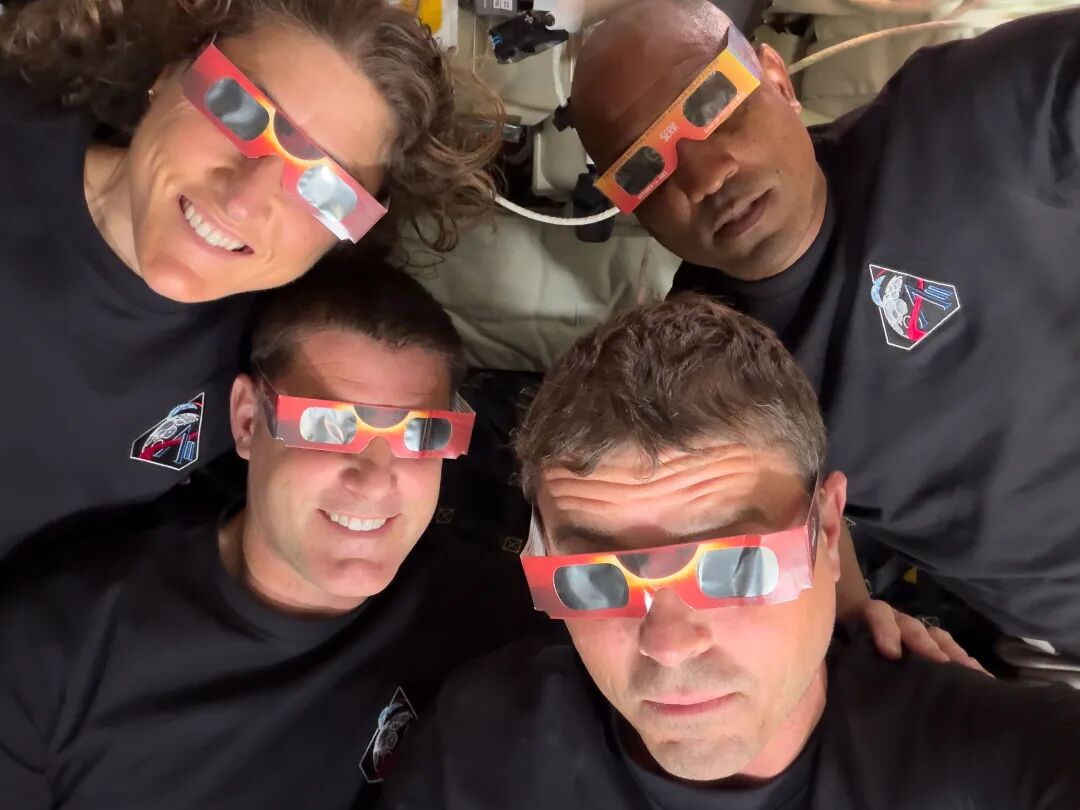
The Artemis 2 astronauts taking a selfie wearing eclipse glasses | NASA
At the beginning of the solar eclipse, the four astronauts had to wear eclipse glasses, the same as those worn by millions of people on the ground during the total solar eclipse in 2024. Only this time, they were wearing them more than 400,000 kilometers away from the Earth.
These photos were not transmitted in real - time. During the flight, the astronauts were constantly describing the view outside the window to Houston by voice. However, limited by the deep - space communication bandwidth, high - resolution images could not be downloaded synchronously.
It wasn't until the spacecraft established a laser link with the ground optical station that this batch of images finally reached the Earth.
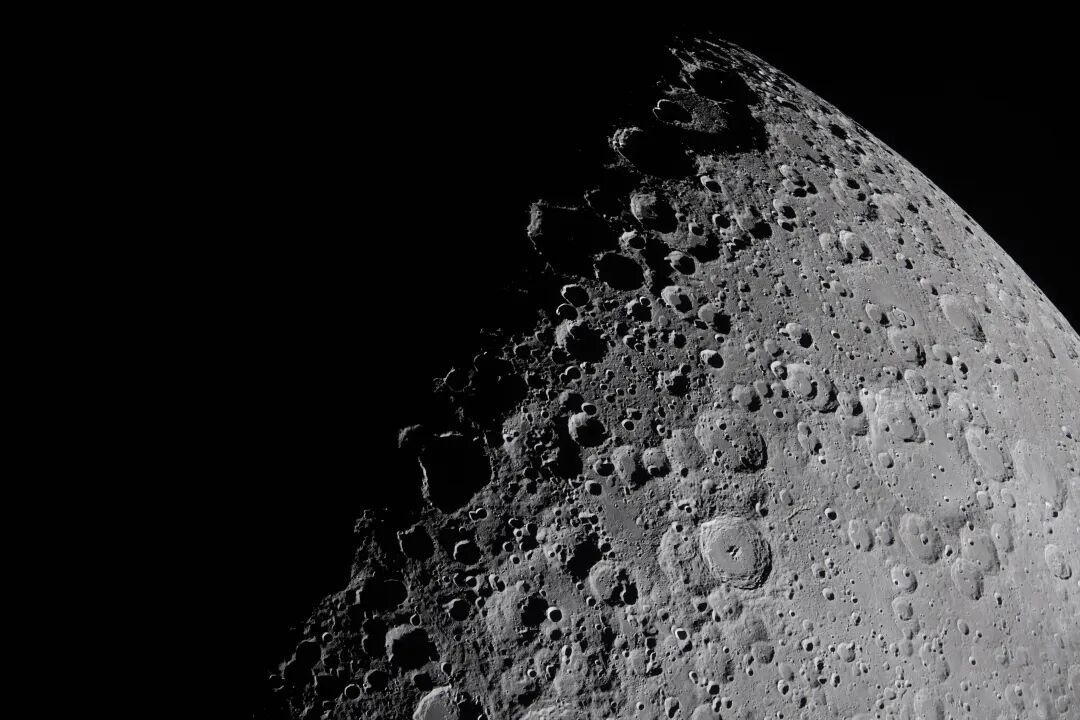
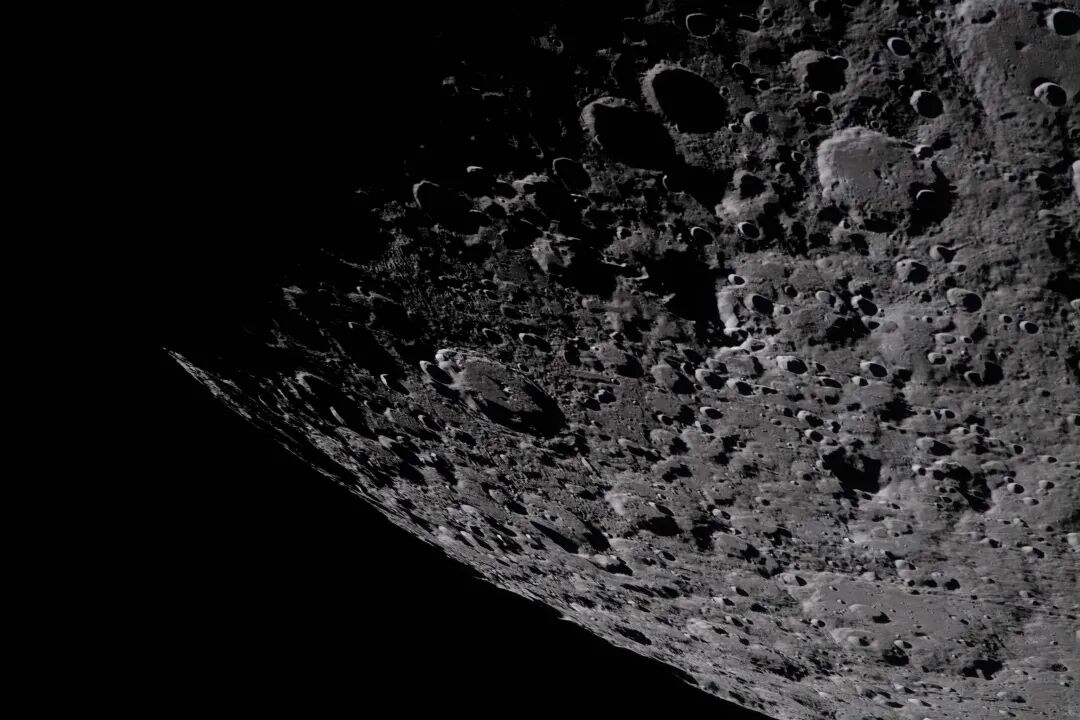
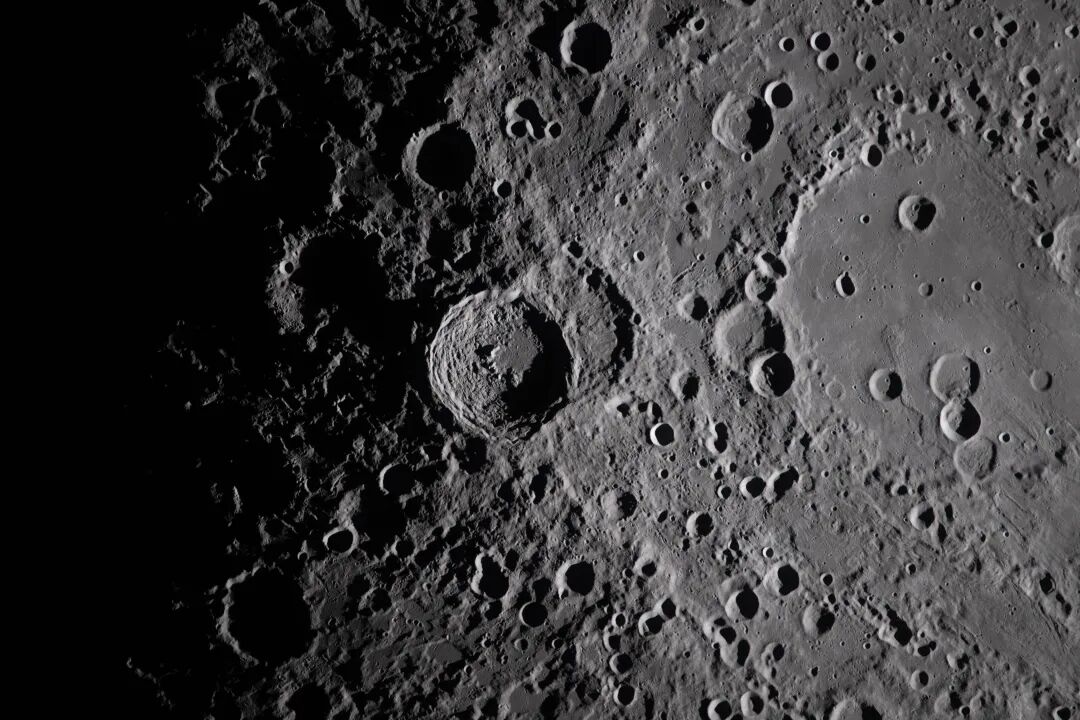
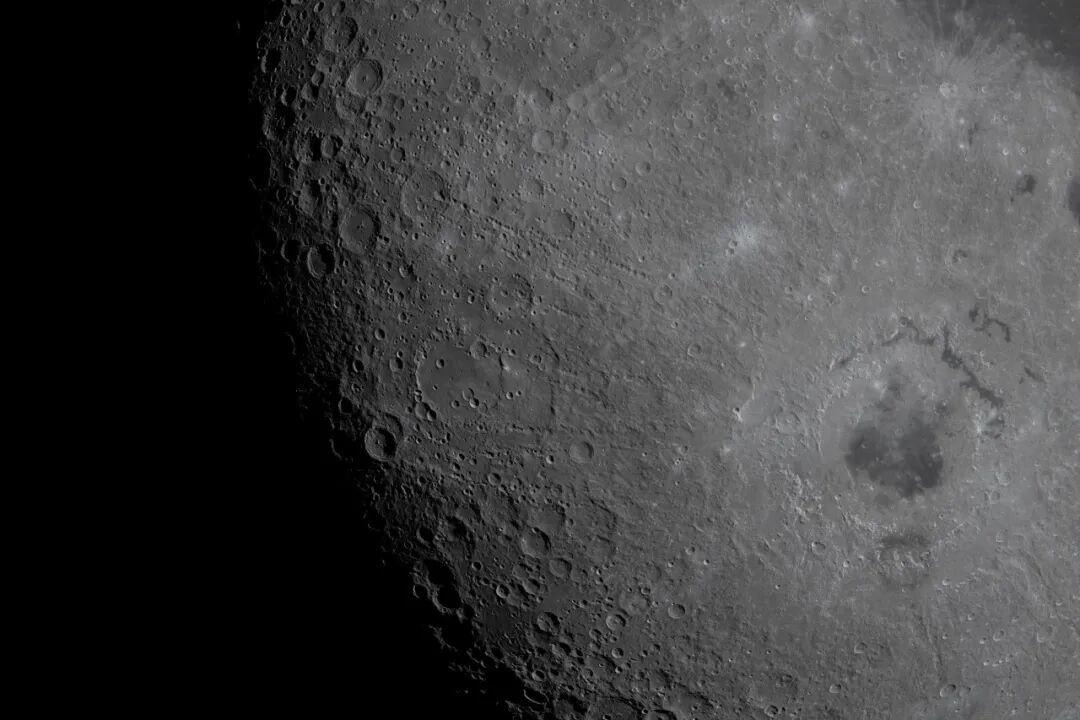
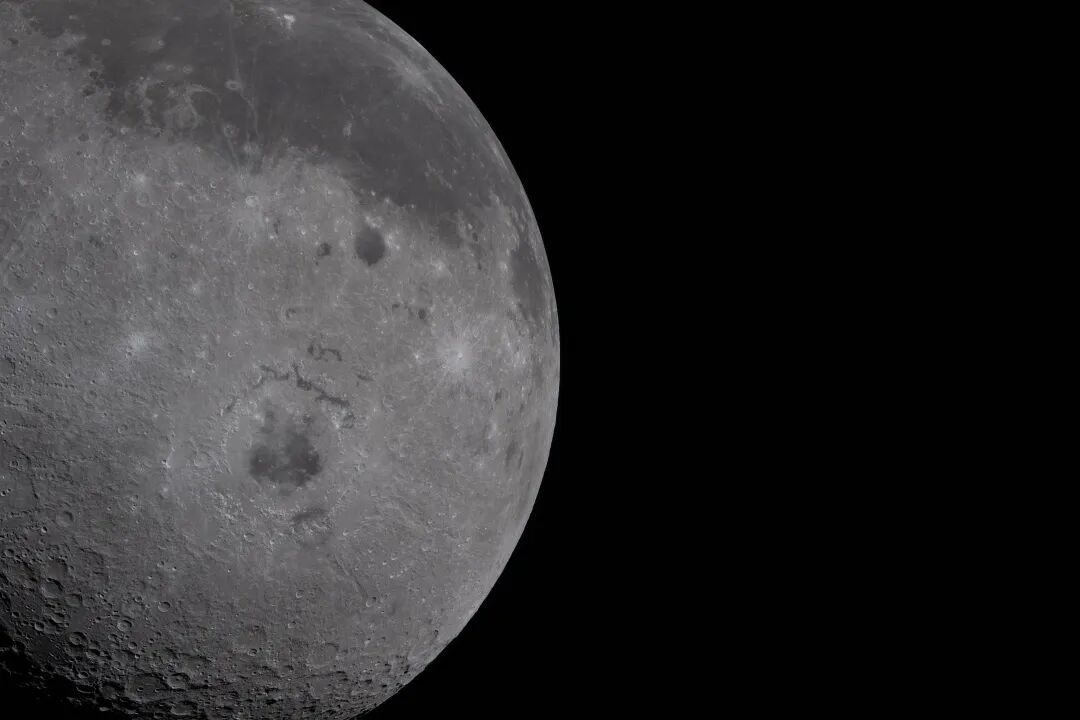
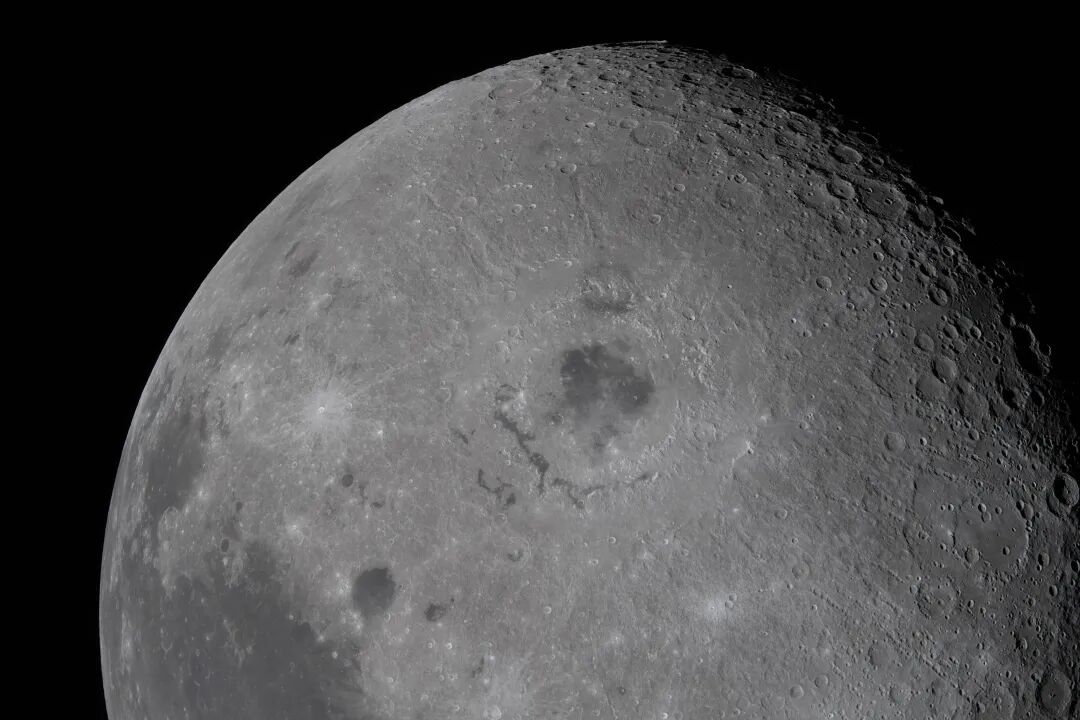
The lunar surface taken by the Artemis 2 astronauts during the flyby | NASA
Humans are not taking pictures of the Earth near the moon for the first time. In 1968, astronaut William Anders of Apollo 8 took the famous "Earthrise," which became one of the most widely circulated photos in human history.
However, the images transmitted by Artemis II this time are the highest - resolution images of this kind to date. After 58 years, humans have finally returned to that position with better cameras.
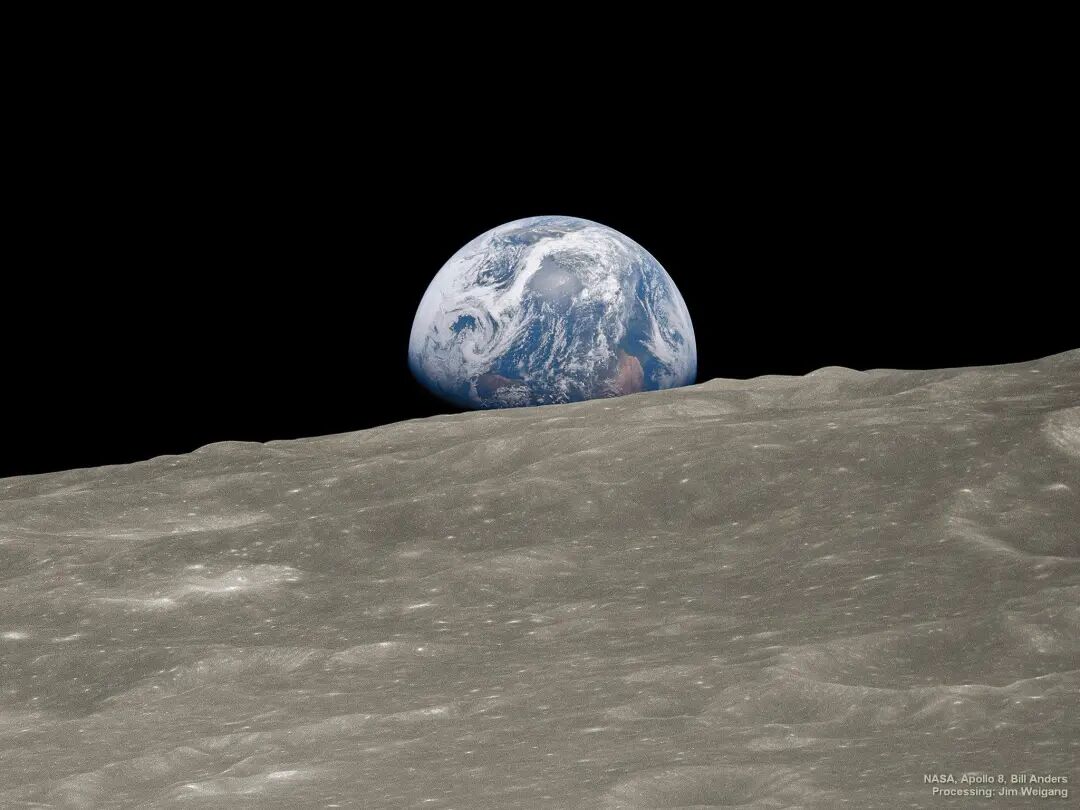
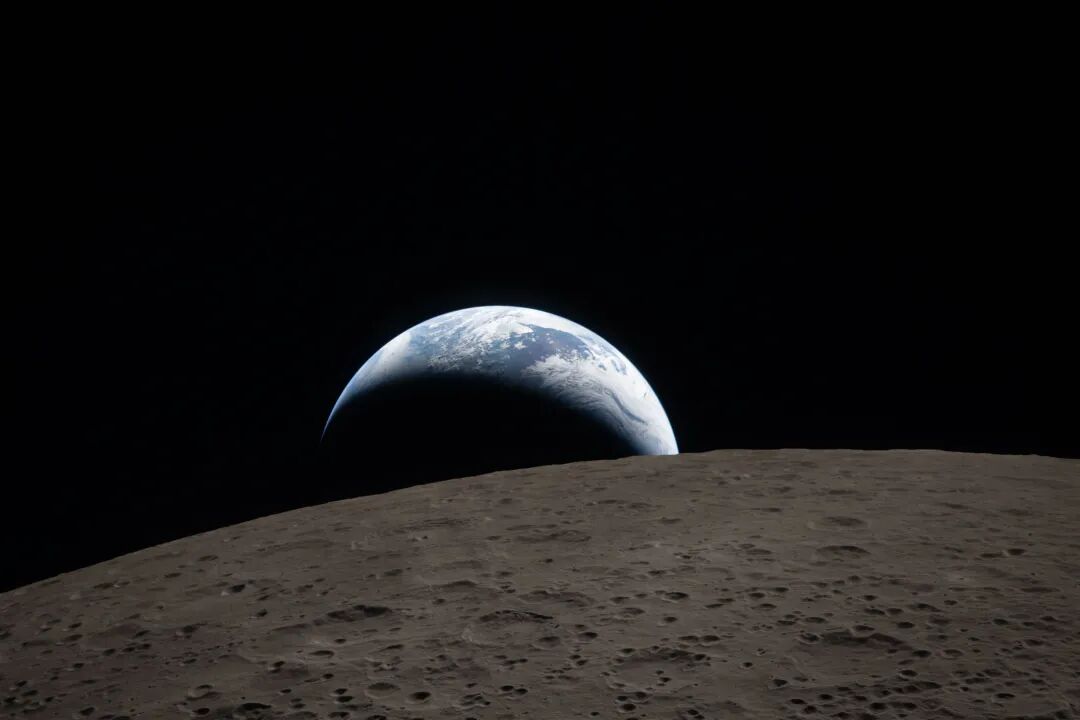
Apollo 8's "Earthrise" (top) and Artemis 2's "Earthset" (bottom) | NASA
However, the cameras are still not enough.
Pilot Victor Glover said that they took many photos, but none of them could reproduce what they really saw.
He said to the ground during the communication: The view we saw simply couldn't be captured by the camera. The lunar surface is illuminated by the light reflected from the Earth. You can see most of the lunar outline. The feeling is completely at a science - fiction level and doesn't look real.
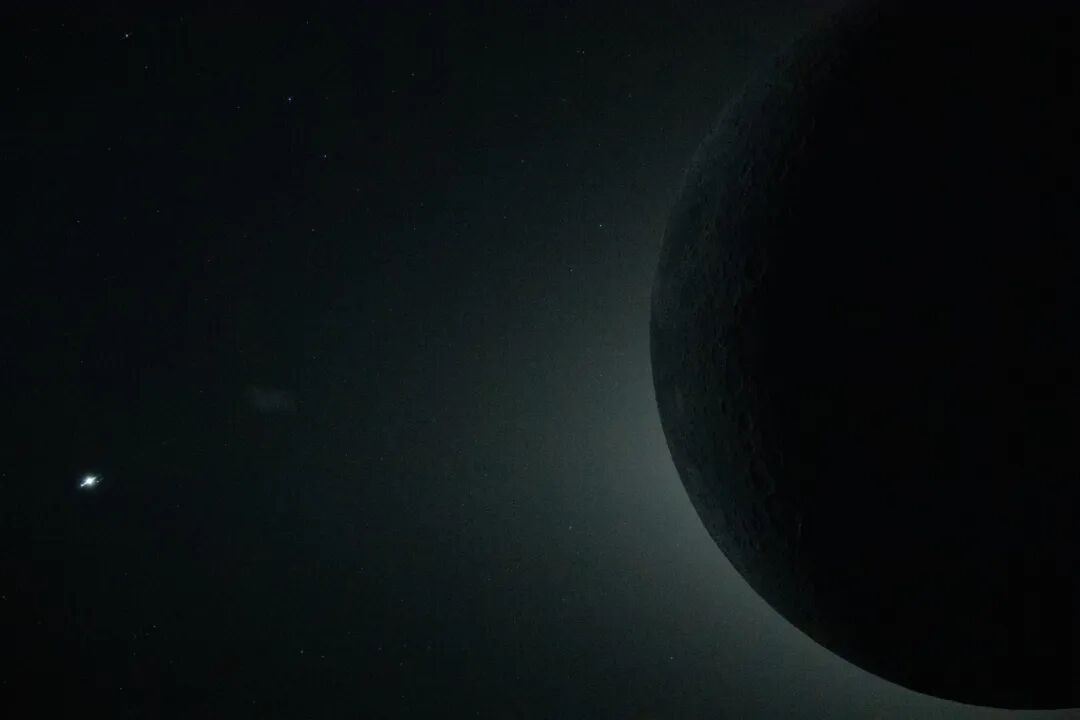
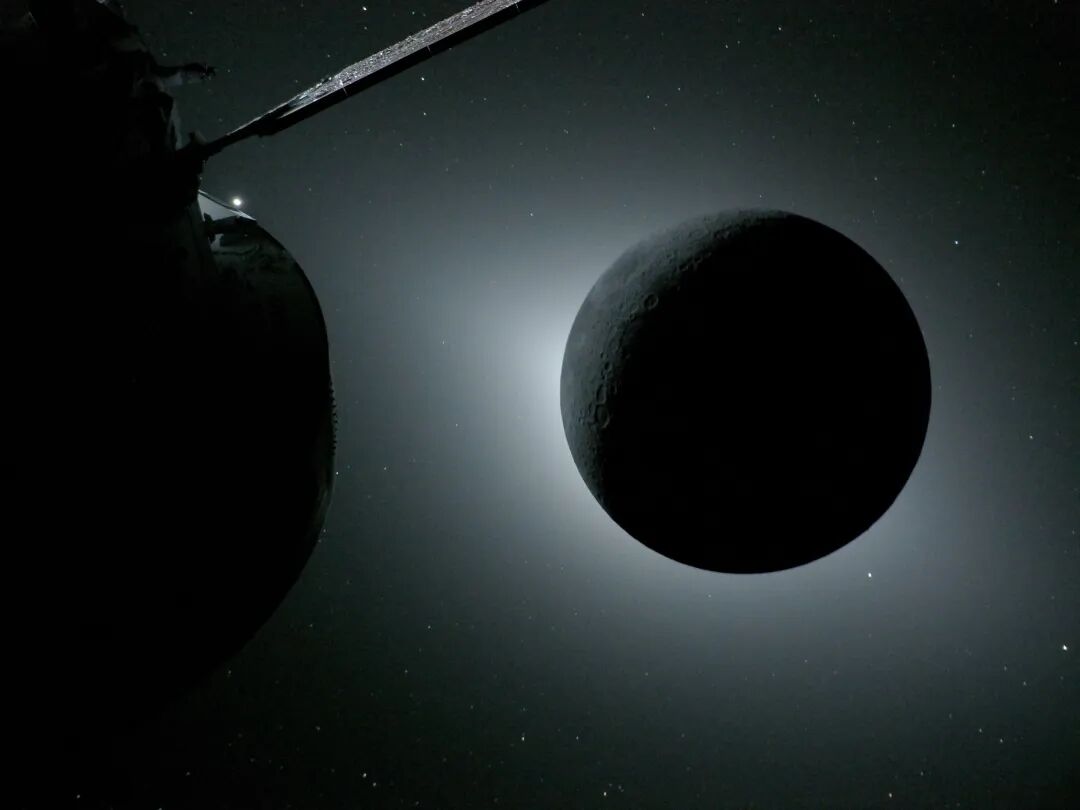
The lunar surface is not completely dark while the sun is blocked by the moon | NASA
This mission does not involve landing on the moon. The four astronauts orbited half a circle to test the spacecraft system and then began their journey back. The Orion spacecraft is expected to splash down off the coast of California, USA, early this Saturday, Beijing time.
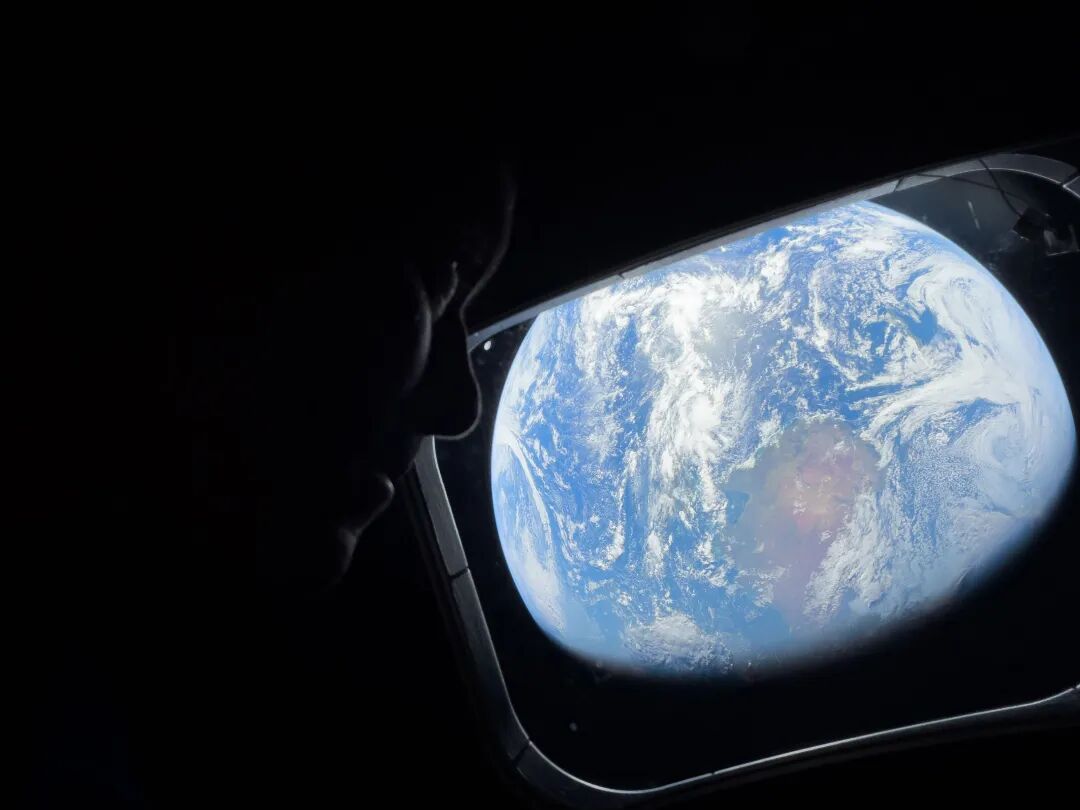
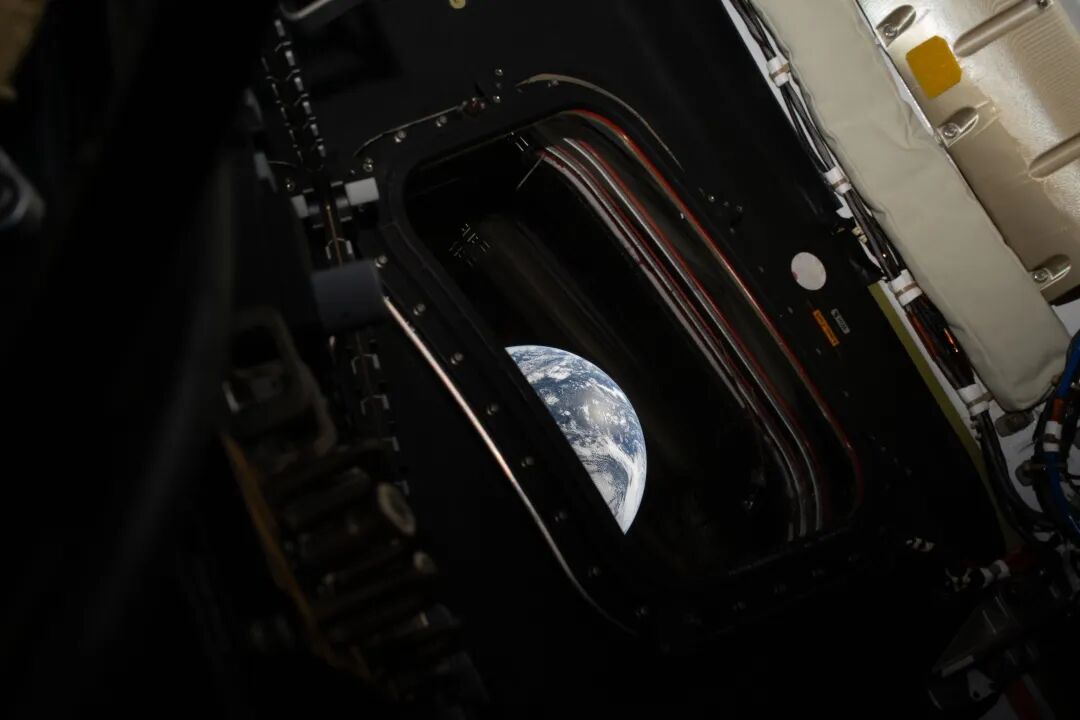
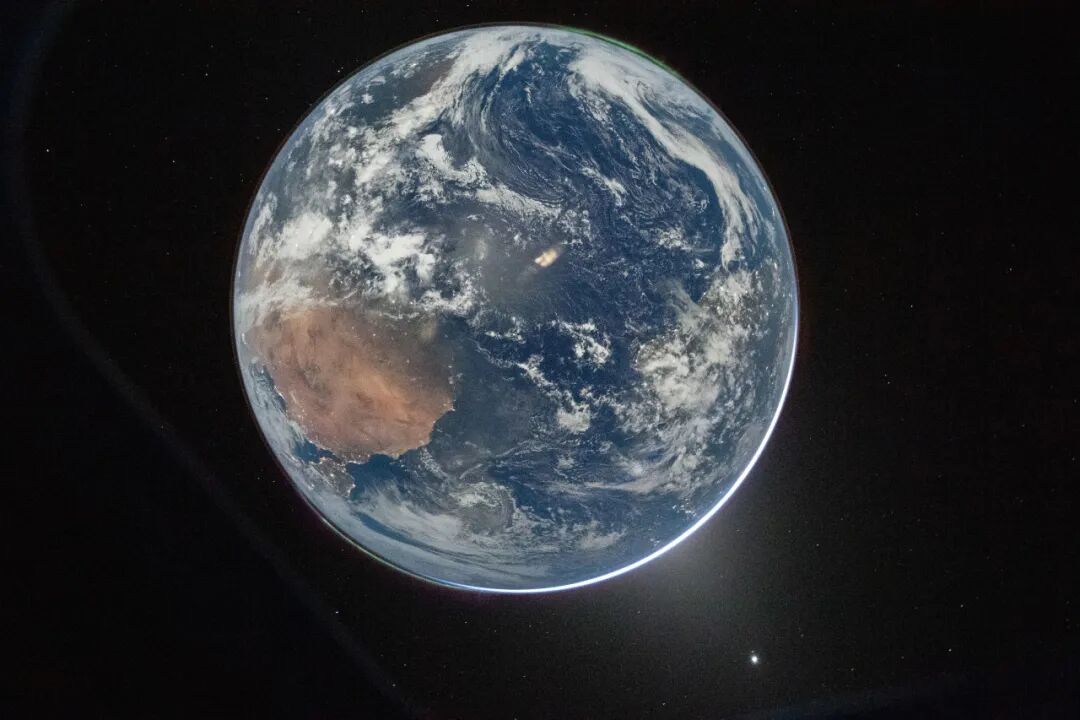
The Earth taken by Artemis 2 on its way to the moon. Note that the last photo shows the dark side of the Earth, and the ground is illuminated by the moonlight | NASA
More than 50 years ago, when astronaut Eugene Cernan of Apollo 17 left the moon for the last time, no one thought it would take so long for another manned mission to the moon.
This article is from the WeChat official account "Guokr" (ID: Guokr42), author: Steed. It is published by 36Kr with authorization.